
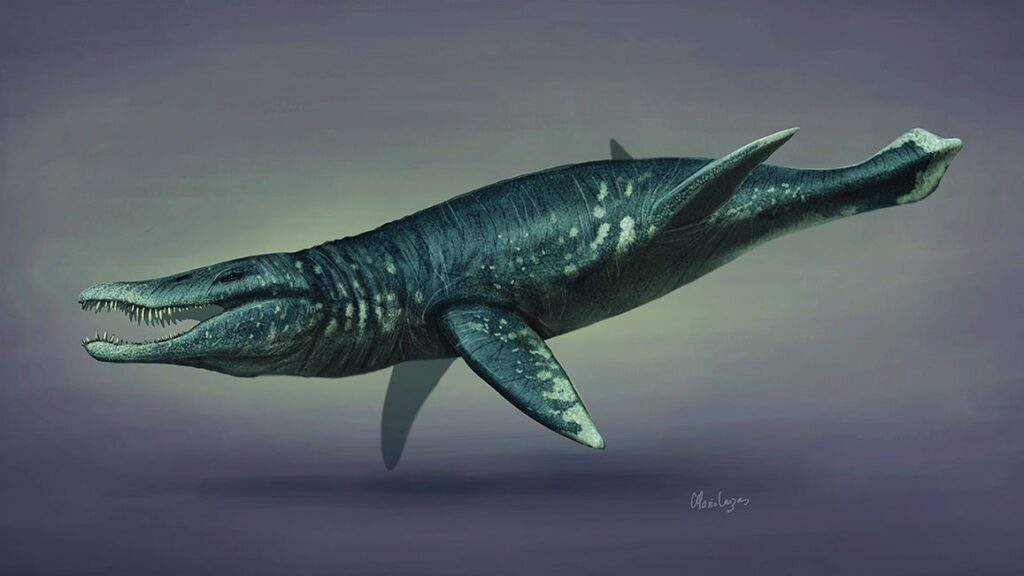
You’ve probably heard of T. rex. You’ve definitely watched Jurassic Park. But what if the most terrifying creatures of the prehistoric world weren’t stomping through jungles at all – they were lurking in pitch-black ocean depths, hunting in silence, breathing air, and growing to sizes that rival modern blue whales? The ancient seas were not the empty, peaceful blue expanse you might imagine. They were a savage arena, ruled by some of the most extraordinary animals that ever existed on this planet.
Here’s the thing though – most people walk right past marine reptile exhibits in museums without a second glance. They head straight for the T. rex. That’s honestly a shame, because what these ocean giants did, how they lived, how they hunted, and how they died is arguably more jaw-dropping than anything on land. So buckle up and prepare to have everything you thought you knew about prehistoric ocean life completely turned upside down. Let’s dive in.
They Weren’t Actually Dinosaurs – But That Makes Them Even More Fascinating
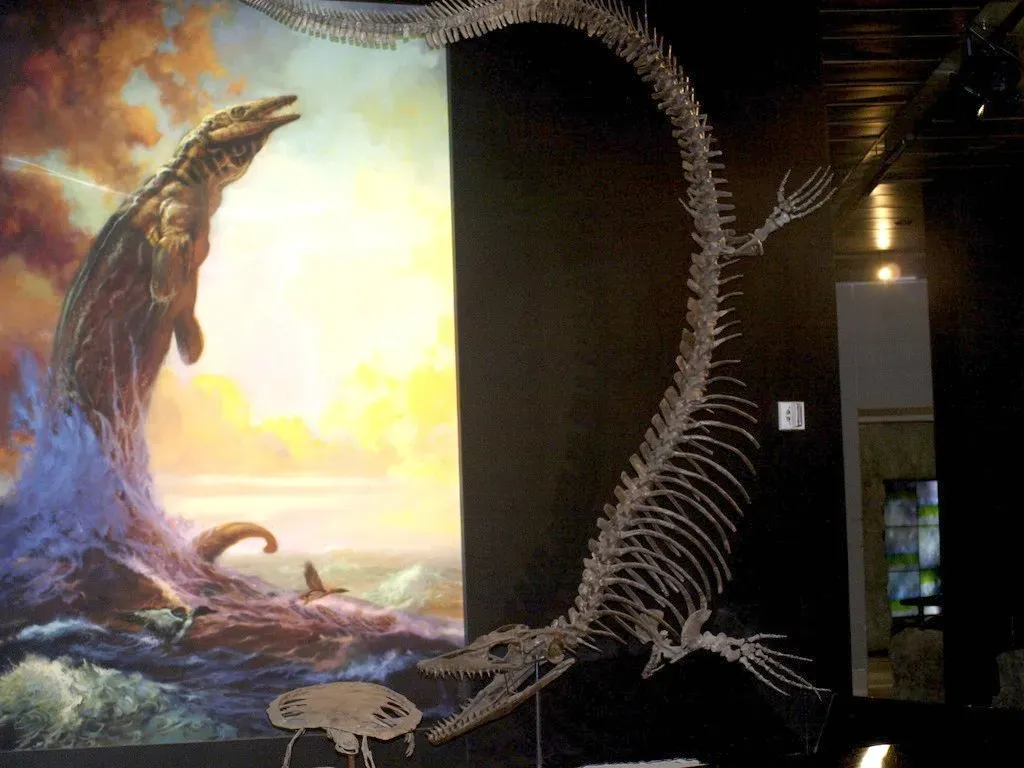
Let’s get this out of the way first because it genuinely surprises most people. Dinosaurs dominated the land during the Mesozoic Era but never adapted to life in the ocean. So-called “sea dinosaurs” such as plesiosaurs and mosasaurs were reptiles, but they were not dinosaurs – each formed their own separate branch in the reptile family tree. Think of them less like cousins and more like distant neighbors who happened to share the same geological era.
Marine reptiles represent many different types of reptiles, which all evolved to live in water independently. In fact, they entered the water at different times throughout the Mesozoic. That is honestly one of the coolest things about them. Each group took a completely different evolutionary path to conquer the same environment – the ocean – and they all did it spectacularly well. It’s like watching three completely different engineers all build a submarine from scratch and end up with three terrifyingly effective machines.
The Ancient Ocean Had a Food Chain With a Terrifying Seventh Level
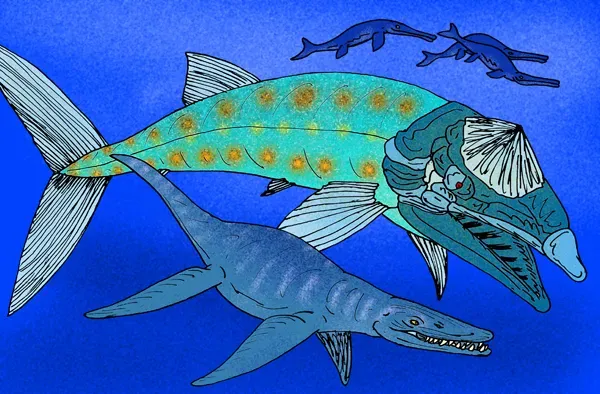
You know how modern oceans have apex predators like great white sharks and orcas sitting at the top of a six-level food chain? In today’s oceans, food chains typically reach six levels, with animals such as great white sharks and orcas as apex predators. However, researchers discovered that ancient seas contained a previously unseen seventh level, filled with enormous marine reptiles. Some, such as Sachicasaurus and Monquirasaurus, could grow up to and beyond 10 meters long and are known as hyper-apex predators.
Researchers discovered that ancient marine predators were far more powerful than any seen today, dominating waters at the very top of an extraordinary food chain. A team from McGill University in Montreal, Canada, reconstructed a marine ecological network by analysing all known animal fossils from an area in central Colombia known as the Paja Formation. The idea that today’s most fearsome ocean predators wouldn’t even crack the top tier of the ancient ocean’s hierarchy is both humbling and deeply unsettling. We genuinely had no idea how extreme it got down there.
The Largest Marine Reptile Ever Was Discovered by an 11-Year-Old Girl
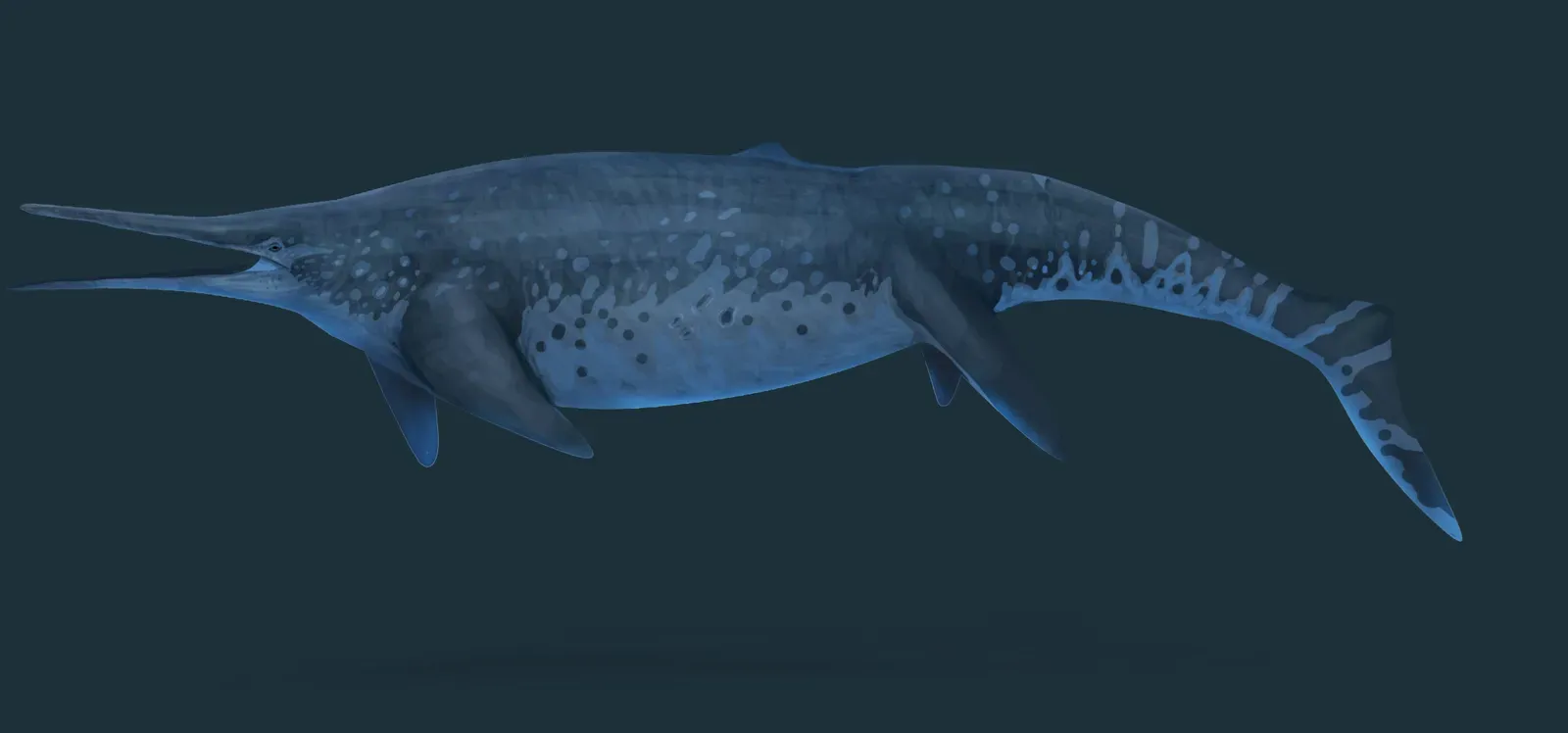
This story is almost too good to be true – but it is completely real. A massive jawbone found by a father-daughter fossil-collecting duo on a beach in Somerset along the English coast belonged to a newfound species that’s likely the largest known marine reptile to swim in Earth’s oceans. The daughter, Ruby Reynolds, was just 11 years old when she spotted the bone half-buried in a mud slope along the beach at Blue Anchor in Somerset.
Researchers believe the creature, named Ichthyotitan severnensis, or “giant fish lizard of the Severn” in Latin, was more than 82 feet long – the length of two city buses. To put that in perspective, scientists consider the blue whale, which grows up to 110 feet long, to be the largest known animal ever to exist on the planet, but it’s possible that this 202 million-year-old reptile may have rivaled it in size. A child on a beach walk rewrote the record books of natural history. That’s the kind of thing that makes science genuinely wonderful.
Some Ocean Reptiles Could Dive Over 500 Meters Into Total Darkness
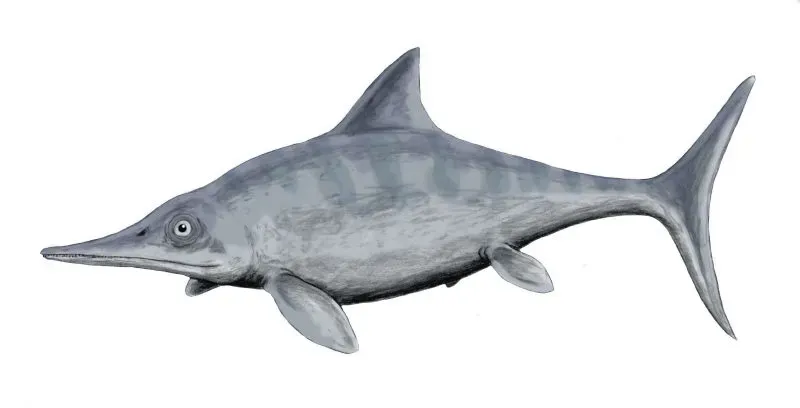
Imagine diving so deep into the ocean that absolutely no sunlight reaches you, and doing it routinely, without equipment, holding your breath. That is exactly what Ophthalmosaurus did. More in-depth study by palaeontologists has suggested that Ophthalmosaurus may have been able to dive well beyond five hundred meters deep, and possibly stay down for as much as twenty minutes at a time. It was hunting squid in a world of complete blackness.
Fossilised bones of Ophthalmosaurus show decompression damage caused by sudden diving and surfacing to and from deep depths, and Ophthalmosaurus had very large eyes for capturing low light in the dark depths. Combined with tightly packed vertebrae to prevent pockets of gas forming and a very streamlined body, this all paints a picture of an ichthyosaur that would dive very deep, very quickly, snatch up soft-bodied prey like deep-sea squid, and then quickly swim up to the surface before running out of air. The fact that its fossils literally show injury from pressure changes – the bends, just like human divers suffer – is a remarkable and sobering detail.
Mosasaurs Had Dark Backs and Light Bellies – Just Like Modern Sharks
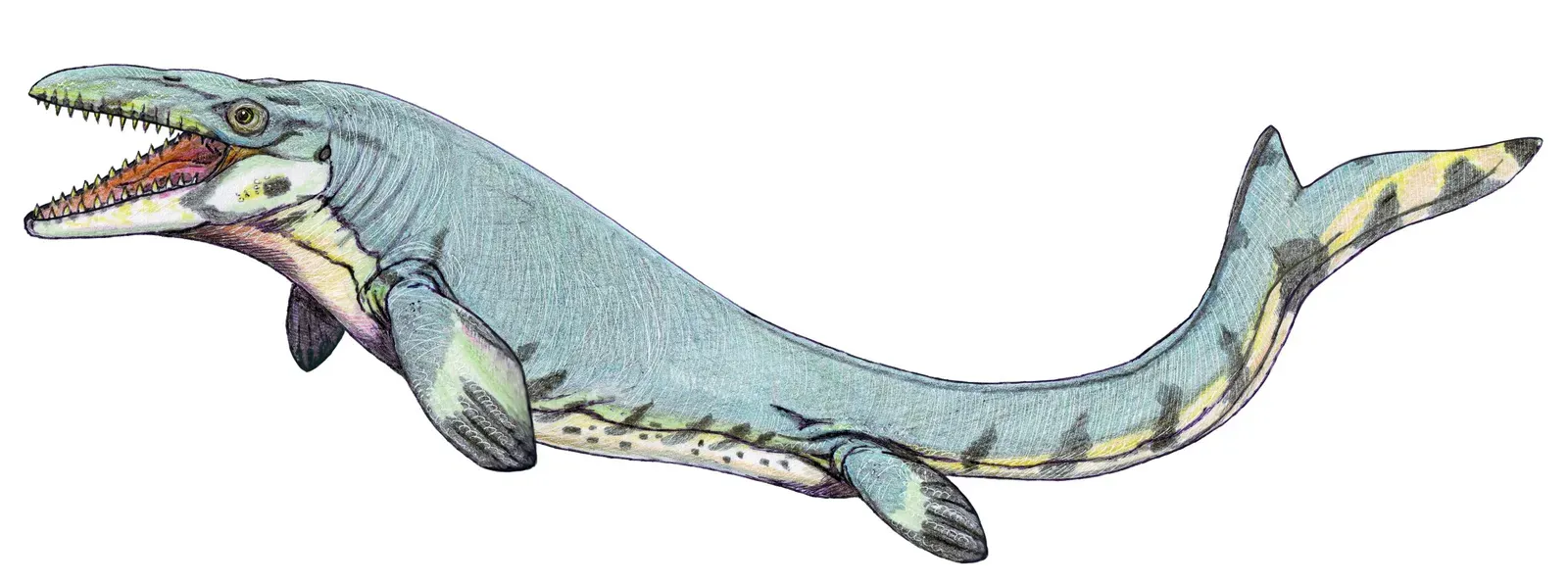
For a long time, scientists simply had no idea what color these ancient sea reptiles were. Then something remarkable happened. The coloration of mosasaurs was unknown until 2014, when findings revealed the pigment melanin in the fossilized scales of a mosasaur Tylosaurus nepaeolicus. Mosasaurs were likely countershaded, with dark backs and light underbellies, much like a great white shark or leatherback sea turtle. Evolution independently arrived at the same camouflage solution tens of millions of years apart. That’s convergent evolution working in plain, visible color.
The Mosasaurus ruled the ocean during the Cretaceous period and is closely related to snakes and monitor lizards we see today. They were fast in the water with powerful tails that propelled them and small flippers that allowed them to easily maneuver to find their prey. Mosasaurus was at the top of the food chain and would eat pretty much anything found in the ocean – sharks, cephalopods, giant turtles, and even other mosasaurs. Cannibalism among apex predators. Not exactly the family-friendly version of prehistoric ocean life, is it?
Plesiosaurs Gave Birth to Live Young and Likely Cared for Their Babies
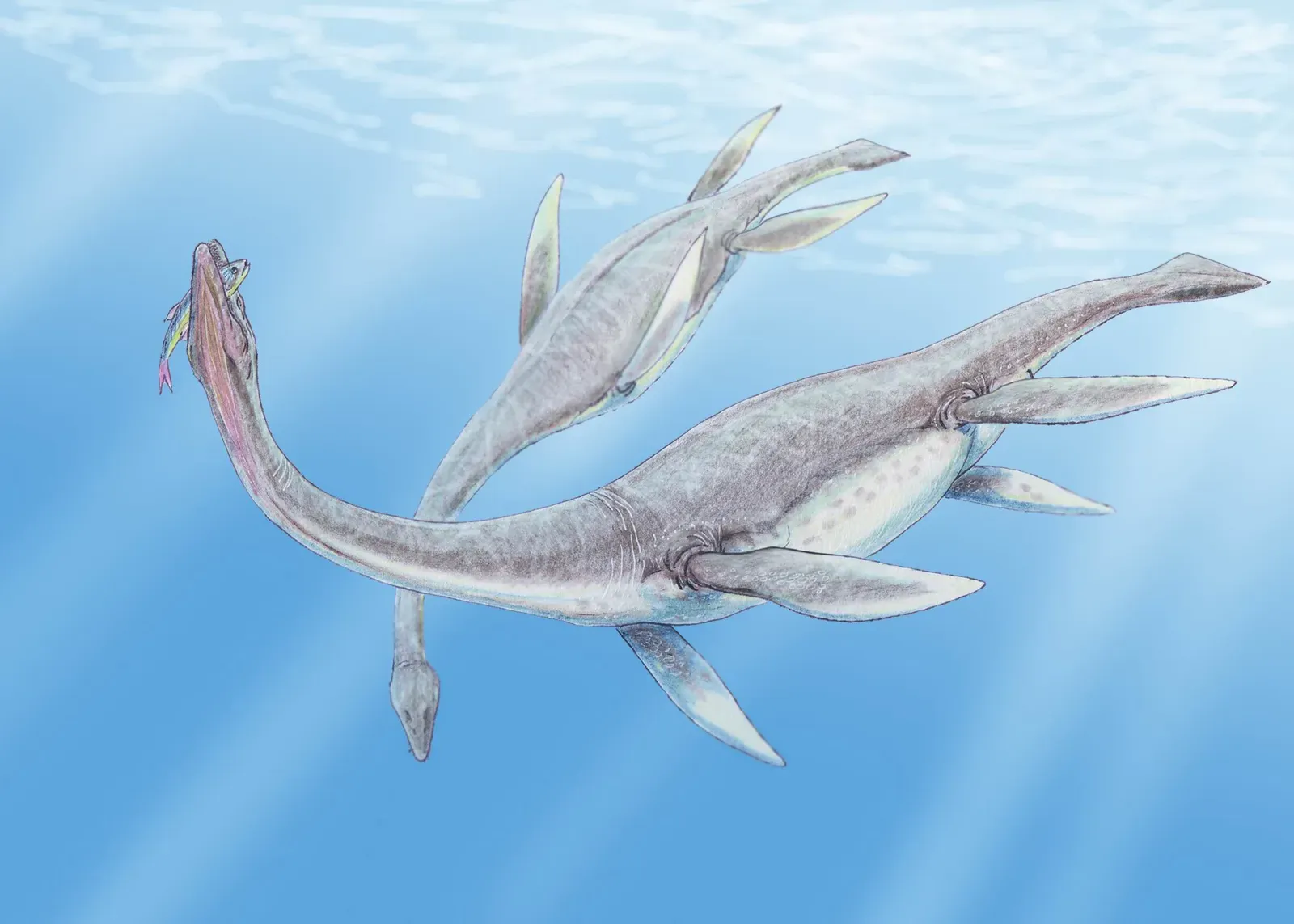
You might think of reptiles as creatures that lay eggs and walk away. Plesiosaurs? They did something far more surprising and, honestly, kind of touching. A fossil found of a pregnant plesiosaur gives us evidence to support that these creatures gave birth to live young. Unlike modern reptiles, plesiosaurs produced one or a few babies at a time and invested a lot in the care of their babies. They were much like modern dolphins in the way they gave birth and perhaps in the way they took care of their young as well.
Some marine reptiles, such as ichthyosaurs, plesiosaurs, metriorhynchid thalattosuchians, and mosasaurs, became so well adapted to a marine lifestyle that they were incapable of venturing onto land and gave birth in the water. Think about that for a second. Their entire existence, from birth to death, happened in the ocean. They never touched land. Not once. It’s a level of commitment to ocean life that even the most dedicated modern marine mammal hasn’t quite matched.
Pliosaurs Had a Bite Potentially as Powerful as a T. Rex
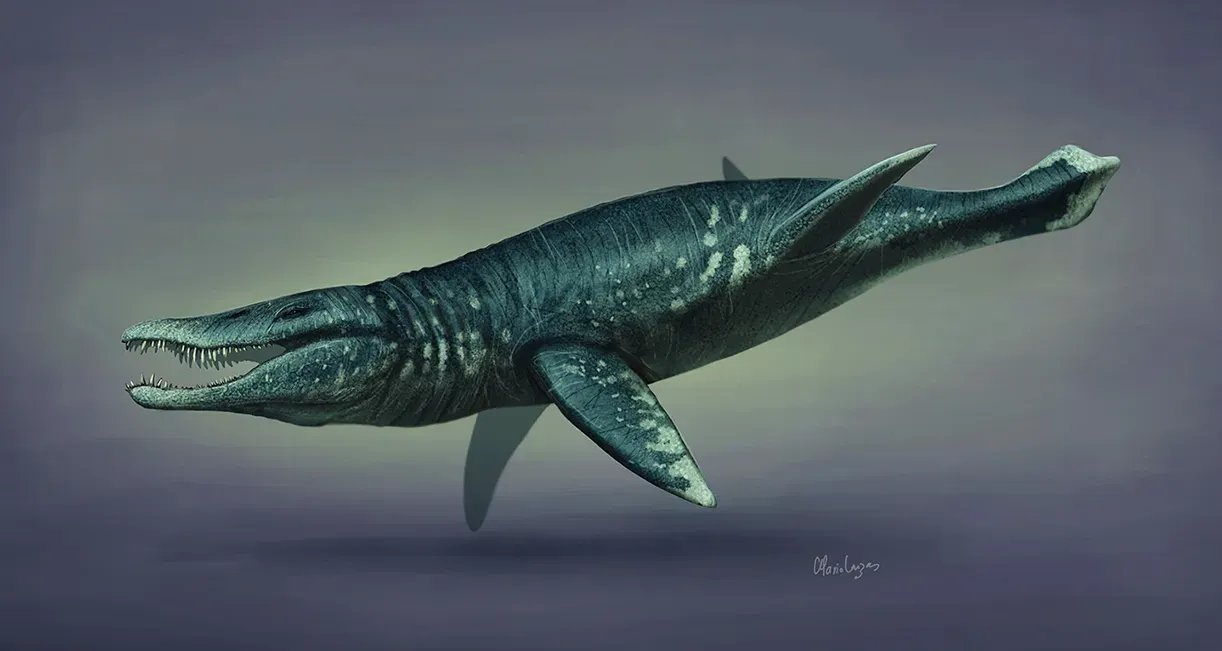
If pliosaurs were alive today, honestly, nothing in the ocean would stand a chance. The Pliosaurus was a massive prehistoric ocean animal growing up to 40 feet long, around the size of some whales we see today. These creatures were fierce hunters, strong and fast, known for taking down large prey, even dinosaurs. They had powerful jaws with bites some paleontologists believe were as strong as a Tyrannosaurus rex, known for having the most powerful bite on land. So picture the scariest land predator in history – and then give it the ability to swim.
In terms of the deadliest sea monster in prehistoric times, pliosaurs take the crown. Both ichthyosaurs and pliosaurs were deadly predators. However, when comparing what they preyed on, pliosaurs were deadlier – while both had similar diets, pliosaurs preyed on other marine predators, including ichthyosaurs. They were apex predators eating other apex predators. It’s the kind of food chain that makes the modern ocean look almost polite by comparison.
The Mosasaurus Was Wiped Out by the Same Asteroid That Killed the Dinosaurs
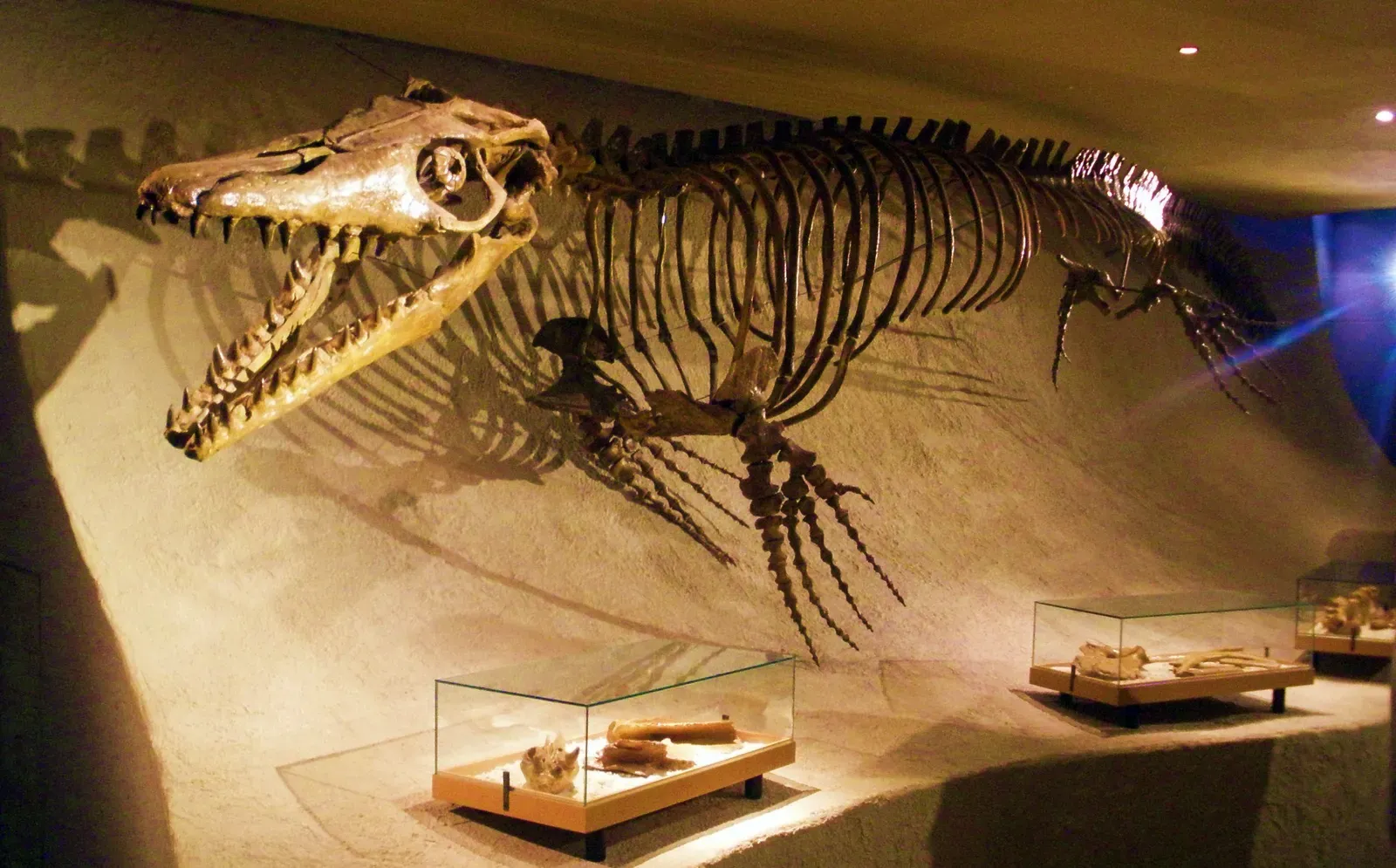
Just when mosasaurs had truly taken over every ocean on the planet, it all ended in a flash – quite literally. Rocks in Morocco from the end of the Cretaceous Period contain the remains of as many as 16 different species of mosasaur. The presence of so many large predators together at the same time suggests that the marine reptiles, and the wider oceans, weren’t in decline at this time. Instead, it’s likely that the mosasaurs were wiped out for the same reason the dinosaurs were – a massive asteroid striking Earth just off the coast of what is now Mexico.
Dust thrown up into the air would have blocked out the light from the Sun, causing populations of photosynthetic algae to collapse. In turn, this would have brought down the rest of the food chain as increasingly larger animals found themselves with nothing to eat. Mosasaurs, as the top predators, would have been most vulnerable to the sharp decline in their prey. Without enough food to stay alive, all mosasaurs would have died shortly after the asteroid strike. Their fossils span every ocean on Earth, from the Netherlands to Antarctica. Then nothing. Gone in what amounts to geological blink.
Ichthyosaurs Evolved to Look Exactly Like Dolphins – Millions of Years Before Dolphins Existed
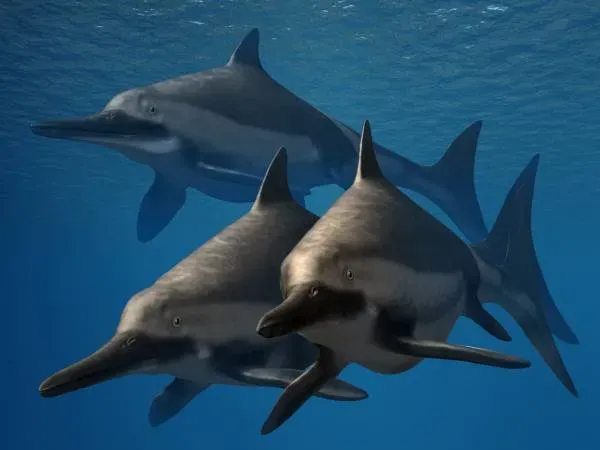
Here is a fact that never gets old, no matter how many times you hear it. During the Early Triassic epoch, ichthyosaurs evolved from a group of unidentified land reptiles that returned to the sea, in a development similar to how the mammalian land-dwelling ancestors of modern-day dolphins and whales returned to the sea millions of years later, which they gradually came to resemble in a case of convergent evolution. Two completely unrelated evolutionary lineages arrived at nearly the same body shape because it was simply the most efficient design for open-ocean life. Nature doesn’t reinvent the wheel – it just keeps rediscovering the same brilliant solutions.
Scientists suggested that ichthyosaurs, with their relatively much larger eye sockets than modern leopard seals, should have been able to reach even greater diving depths. Temnodontosaurus, with eyes that had a diameter of twenty-five centimetres, could probably still see at a depth of 1,600 metres. At these depths, such eyes would have been especially useful for seeing large objects. Eyes the size of dinner plates, designed for hunting in total darkness, half a mile beneath the ocean surface. I think it’s fair to say they were far more extraordinary than any dolphin ever has been.
Ancient Coelacanths Were Thought Extinct – Then Turned Up Alive in 1938
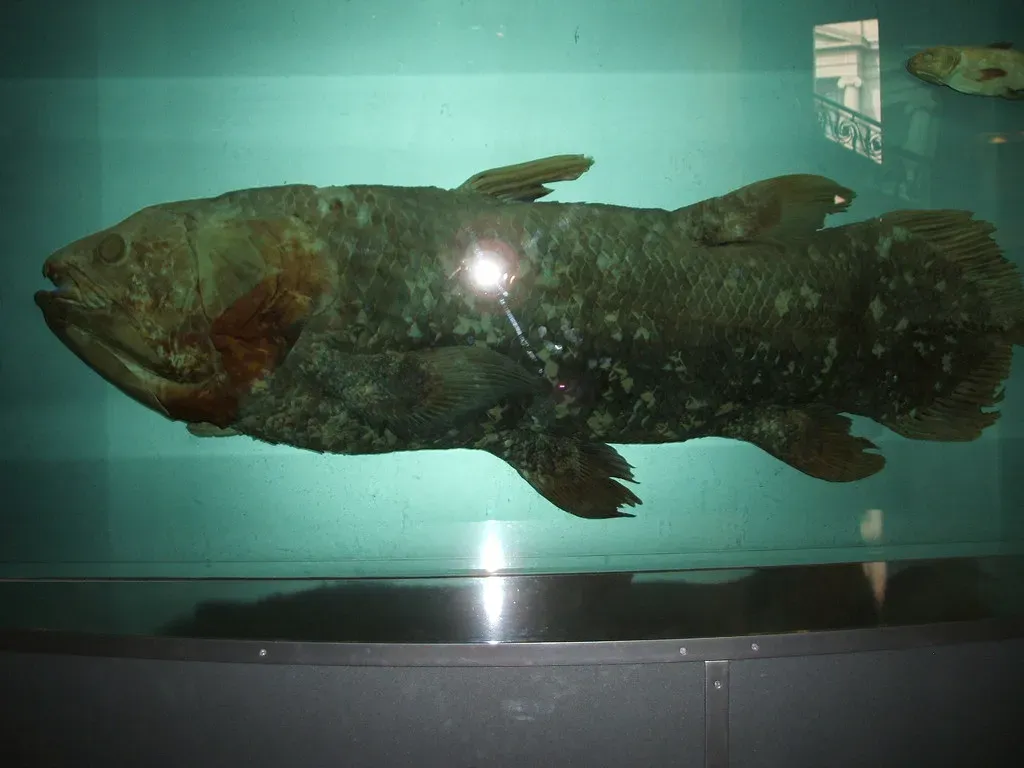
You’d expect that after 66 million years, nature would have moved on entirely from the age of these ocean giants. Yet the story of the coelacanth proves that the ancient ocean still holds secrets that stagger the imagination. Once thought to have gone extinct around the same time as dinosaurs, the coelacanths were rediscovered in 1938 off the coast of South Africa. Now over 360 million years old, these giant prehistoric marine animals are still considered endangered and are rarely seen.
The coelacanth is a walking reminder – or perhaps a swimming one – that the deep ocean is still largely unexplored territory. Scientists believe that we have only identified roughly nine percent of ocean species. Think about that. The vast, dark ocean floors and deep-sea trenches may still hold biological surprises that echo back to the Mesozoic era. For more than half a billion years, evolution has run wild in our world’s oceans and created some truly bizarre creatures – from the soft-bodied alien lookalikes of the Cambrian to the murderous marine reptiles of the Triassic and Jurassic. The story of life in the deep is far from finished being told.
Conclusion: The Deep Always Had More Monsters Than We Imagined
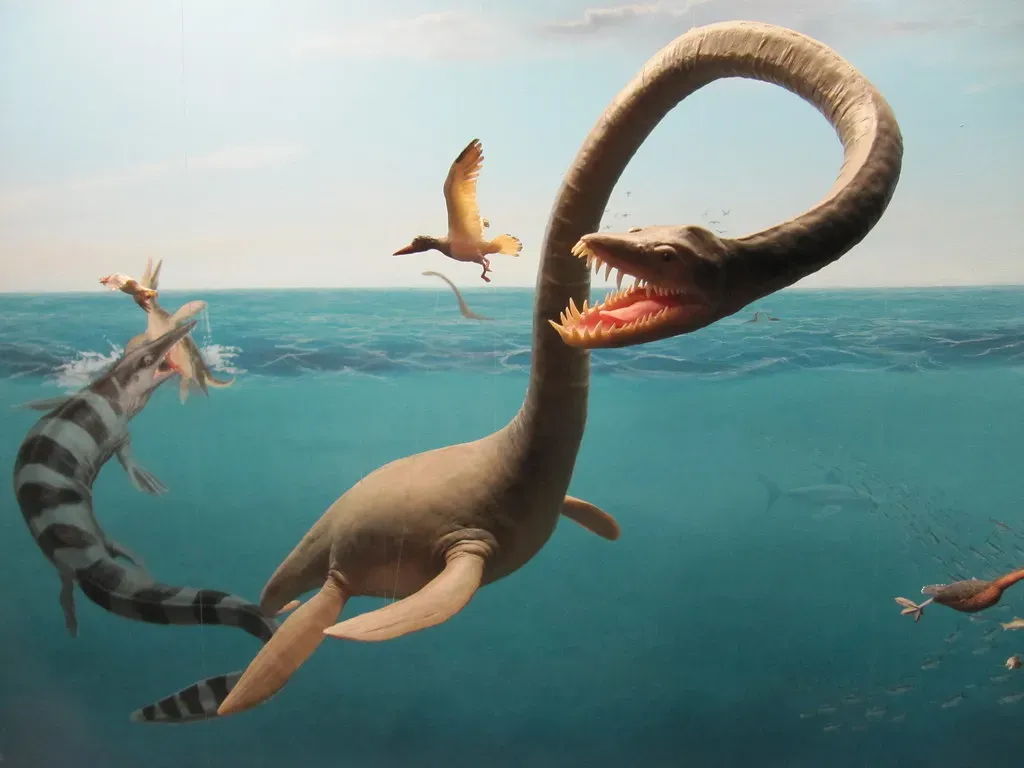
The ancient ocean was not a supporting act to the age of dinosaurs on land. It was its own terrifying, magnificent world – layered with hunters stacked on top of hunters, creatures that dove into complete darkness for food, giants that possibly rivaled blue whales in size, and reptiles that looked and acted like the dolphins and whales of today, only more extreme in every single measurable way.
Every time a new fossil washes up on a beach – sometimes literally found by an 11-year-old on a family outing – the story gets rewritten in ways that surprise even the most seasoned paleontologists. The ocean floor still holds the bones of creatures we haven’t named yet. The deep is patient, and it keeps its secrets well. What creature do you think is still down there, waiting to be discovered? Tell us in the comments – and honestly, brace yourself for whatever answer science eventually gives us.