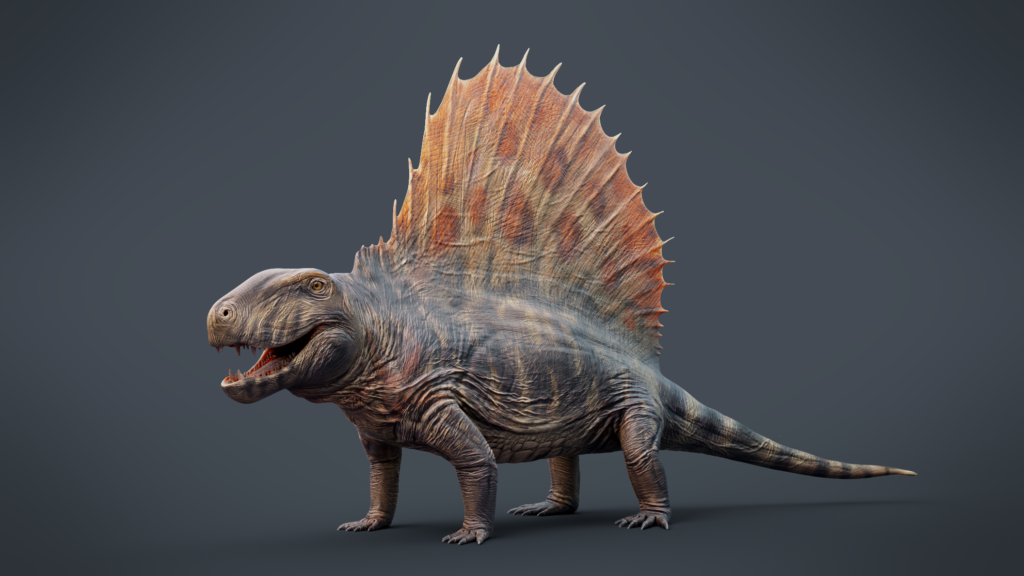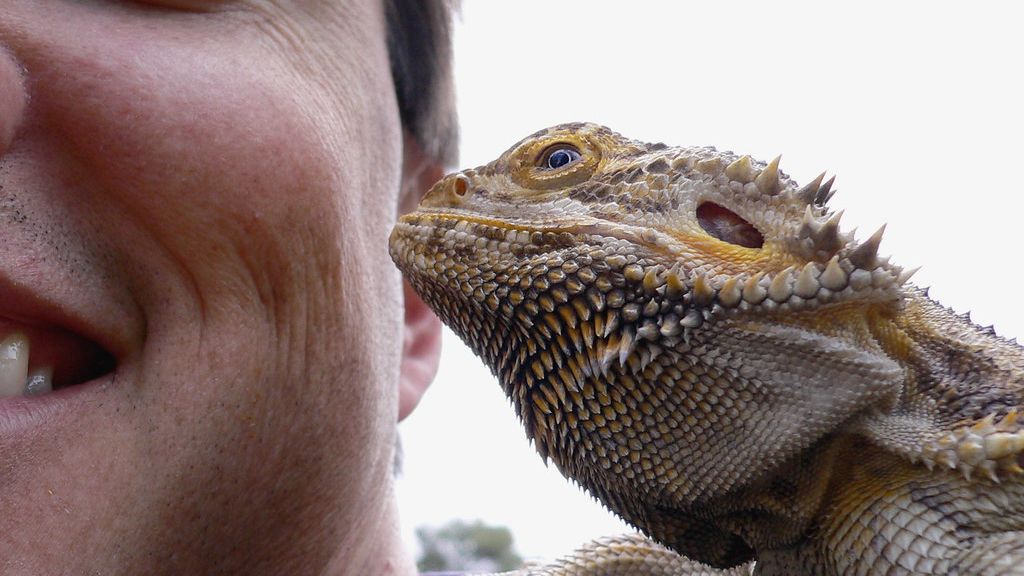
You look at your pet curled up on the couch, blinking slowly, maybe flicking its tail or tilting its head sideways like it’s computing something ancient. It’s adorable. It’s domestic. It’s your buddy. But what if something far more primal is quietly running underneath all that cute behavior? Something, say, roughly 65 million years old?
The connection between modern pets and their prehistoric predecessors is not a wild fantasy. It’s a scientific reality that gets more jaw-dropping the deeper you look into it. From the way your pet bird tilts its head, to the way your lizard stares you down with an unsettling calm, the clues are everywhere. Let’s dive in and find out what your furry, scaly, or feathered companion might be quietly hiding.
You Own a Pet Bird – And You’re Already Living With a Dinosaur
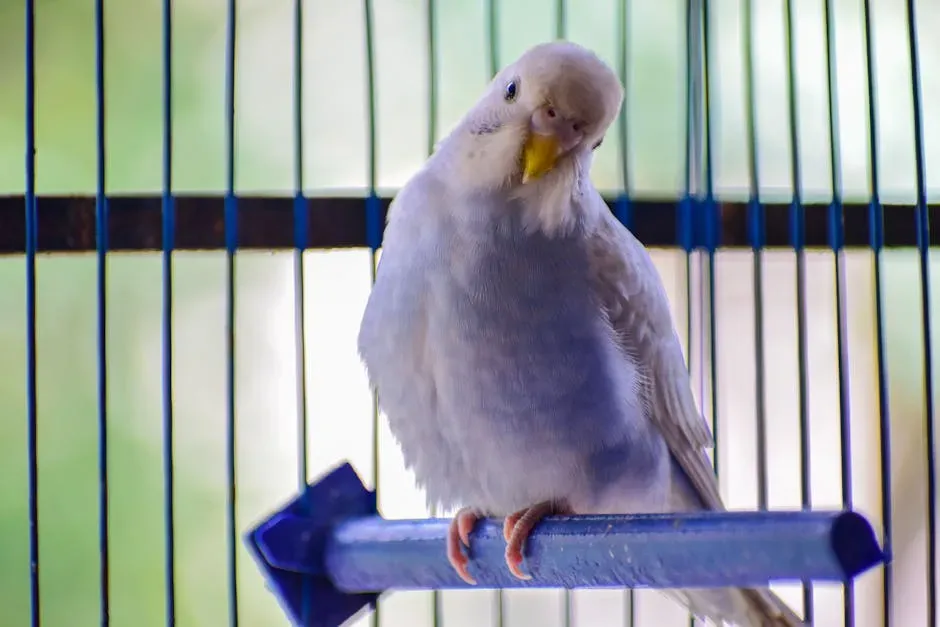
Here’s the thing most people genuinely don’t know: if you own a parrot, a canary, a budgie, or even a backyard chicken, you are already sharing your home with a direct descendant of dinosaurs. This isn’t a fun metaphor. All non-avian dinosaurs were wiped out in a mass extinction 65 million years ago, except for a single group of feathered dinosaurs, which evolved over the following millions of years into modern birds. So birds aren’t just closely related to dinosaurs – they really are dinosaurs.
Birds evolved specifically from theropod dinosaurs, and those theropods share over 100 traits with modern birds. Think about that the next time your pet parrot screams at you for attention. That personality? Possibly inherited from a bipedal predator roaming ancient landscapes. Both birds and theropods have hollow bones, three-toed limbs, and wishbones, which are critical for flight in birds. Some dinosaur fossils even show evidence of nesting behaviors similar to modern birds, such as laying eggs in clusters and brooding over them. Your little feathered companion is, in essence, a miniaturized dinosaur in a cozy cage.
Your Pet’s Hollow Bones Are a 150-Million-Year-Old Engineering Secret
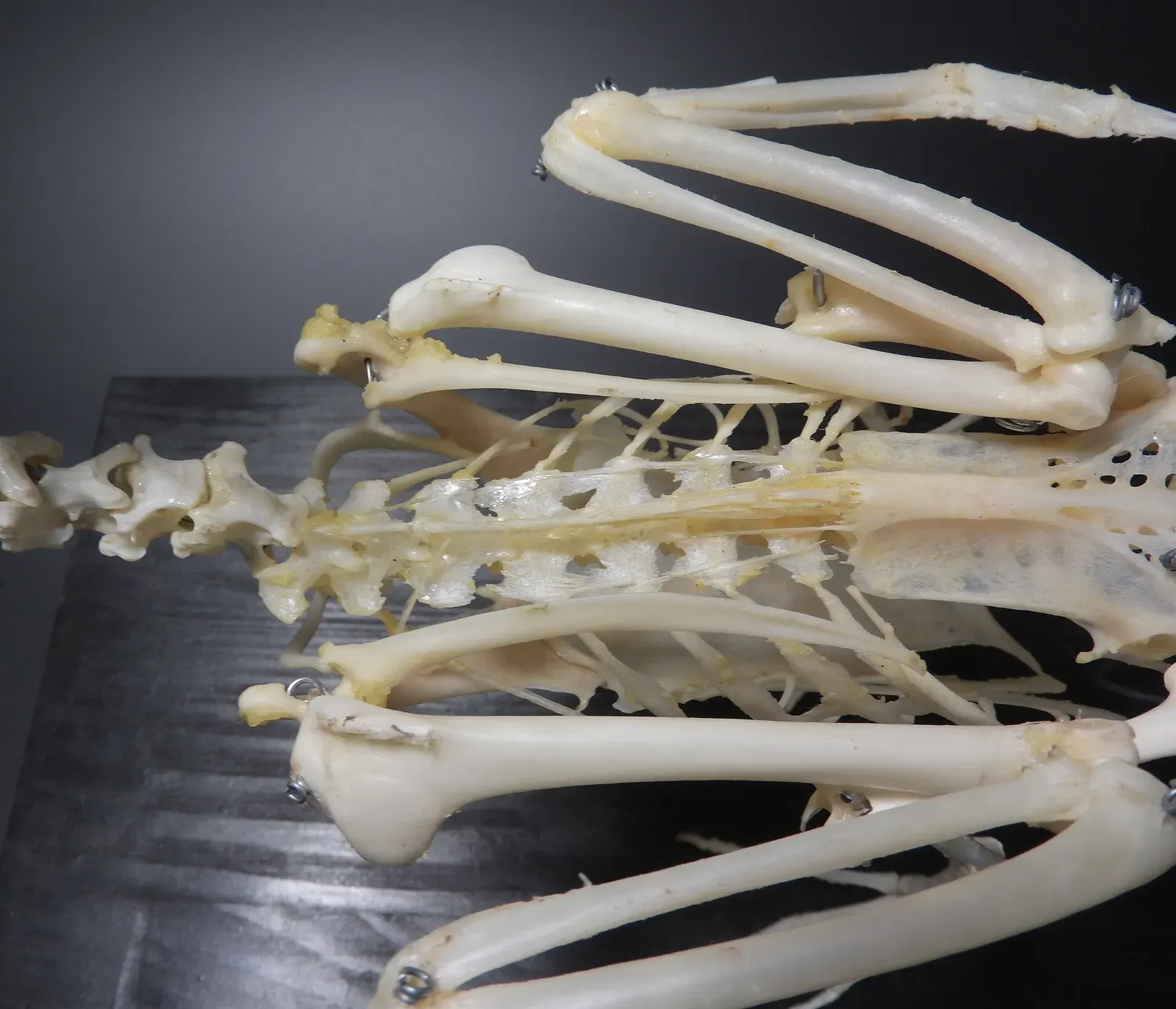
If you’ve ever noticed how incredibly light your pet bird feels when you hold it, that’s no accident. The presence of hollow, air-filled bones – known as pneumatic bones – is a well-known shared trait between large dinosaurs and birds, helping both groups be lighter. These lightweight, pneumatized skeletal structures helped large theropods manage their size and were a crucial pre-adaptation for flight in their smaller descendants.
The hollow bones of pet birds are another skeletal feature inherited directly from dinosaur ancestors. Both birds and theropods have pneumatized bones, which are lightweight yet strong due to air pockets connected to the respiratory system. This adaptation reduces skeletal weight, crucial for both the agility of theropods and the flight capabilities of birds. The shared presence of hollow bones further cements the evolutionary connection, demonstrating how traits evolved for one purpose in dinosaurs were repurposed for flight in birds. Honestly, when you look at it that way, your pet isn’t just flying – it’s using a prehistoric survival tool designed for ancient predators.
Your Pet Bird or Reptile Has Scales – And That’s Straight-Up Prehistoric
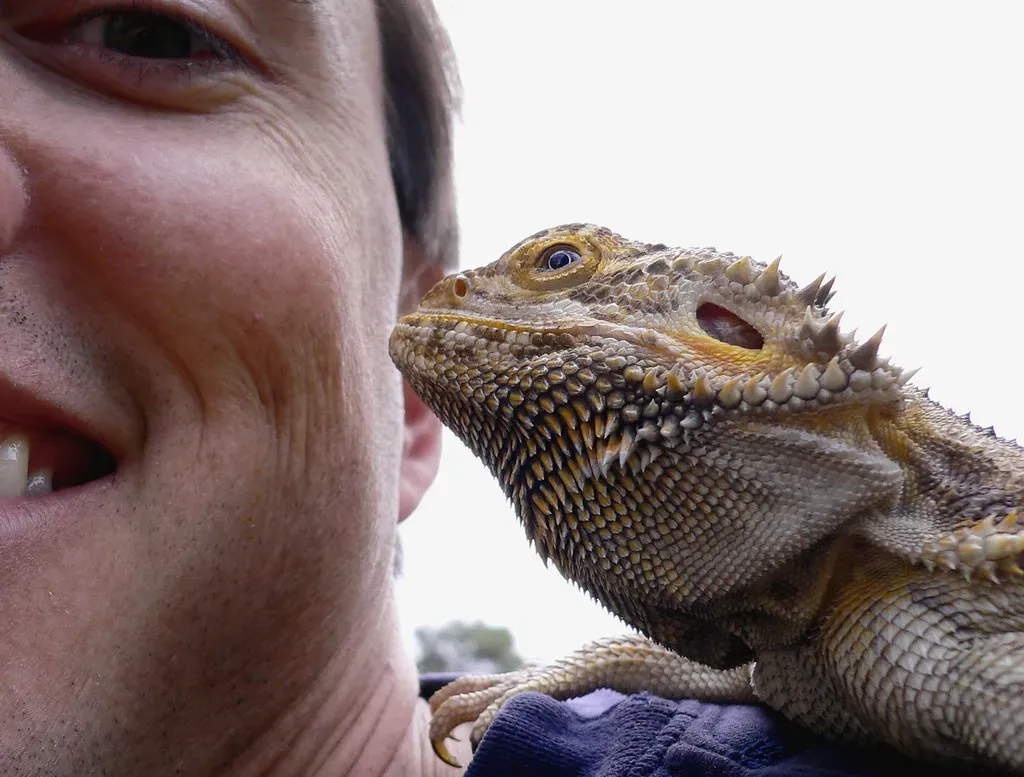
Look down at the feet of your pet bird the next time you let it stand on your hand. What do you see? Scales. Actual scales. Birds still have scales on their feet, and this is no coincidence. Birds have scales on their legs and feet which are similar to the scales of reptiles like lizards and crocodiles. Those scales are a living relic of the reptilian ancestry shared by birds and their prehistoric predecessors, and no amount of colorful feathers changes that fact.
The earliest reptiles appeared around 315 million years ago, and dinosaurs descended from those reptiles, first appearing around 245 million years ago. Your pet lizard, your iguana, even your backyard tortoise – they all sit within a lineage that stretches back further than you can comfortably imagine. Hidden under colorful feathers is an unmistakable reptilian heritage, a shining example of the endless possibilities that evolutionary change offers. It’s like finding out your bookshelf antique is a genuine Rembrandt. The lineage has been there all along.
Your Chicken or Pet Bird Carries Dormant Dinosaur Genes Right Now
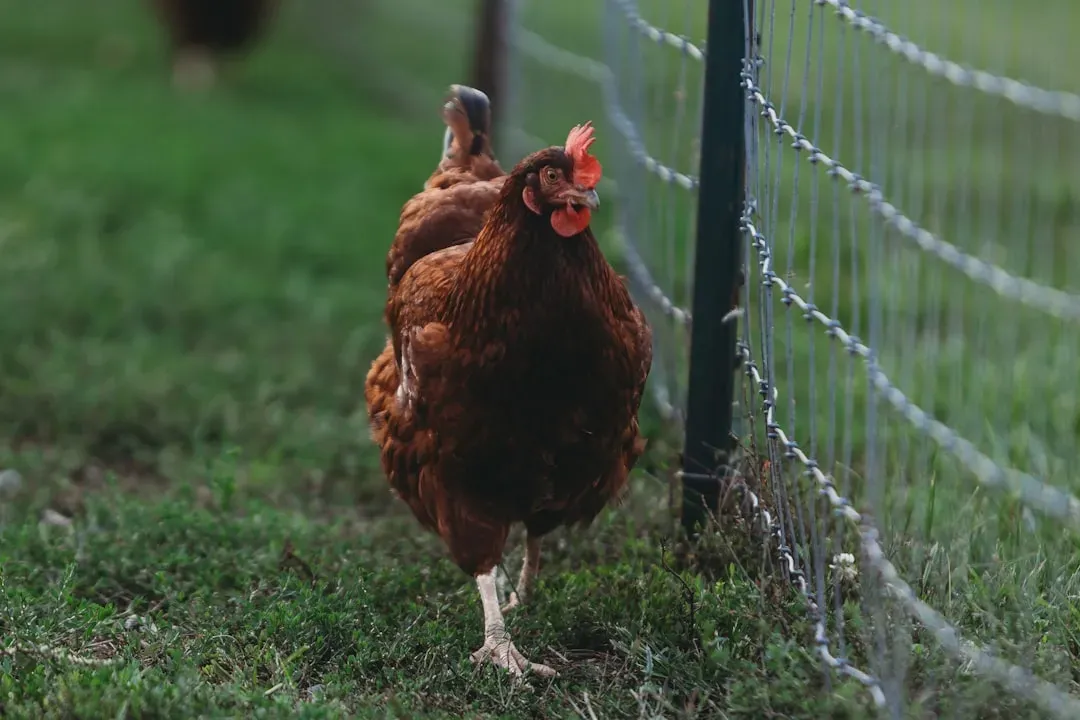
This one will stop you in your tracks. Studying the embryonic development of chickens reveals that they possess genes that control the development of dinosaur-like features, such as teeth and long tails. While these genes are typically suppressed during development, their presence demonstrates the underlying dinosaurian heritage. Your pet bird is, at the genetic level, one switched-off gene away from showing more prehistoric features.
Protein fragments from a 68-million-year-old T. rex bone most closely match samples from a chicken, providing further evidence of the evolutionary relationship between dinosaurs and birds. Scientists didn’t expect that result, and yet the molecular evidence was overwhelming. Modern genetic research further reinforces the connection between birds and dinosaurs. Comparative studies of the genomes of birds and reptiles reveal many similarities, particularly with theropod dinosaurs. These genetic similarities include not only the structure of DNA but also the expression of certain genes that govern development and morphology. I think this is the most mind-bending thing in the entire conversation – the T. rex’s closest living relative isn’t some giant creature. It’s something you can find at a farm.
Your Pet’s Territorial and Hunting Instincts Echo Ancient Predator Behavior
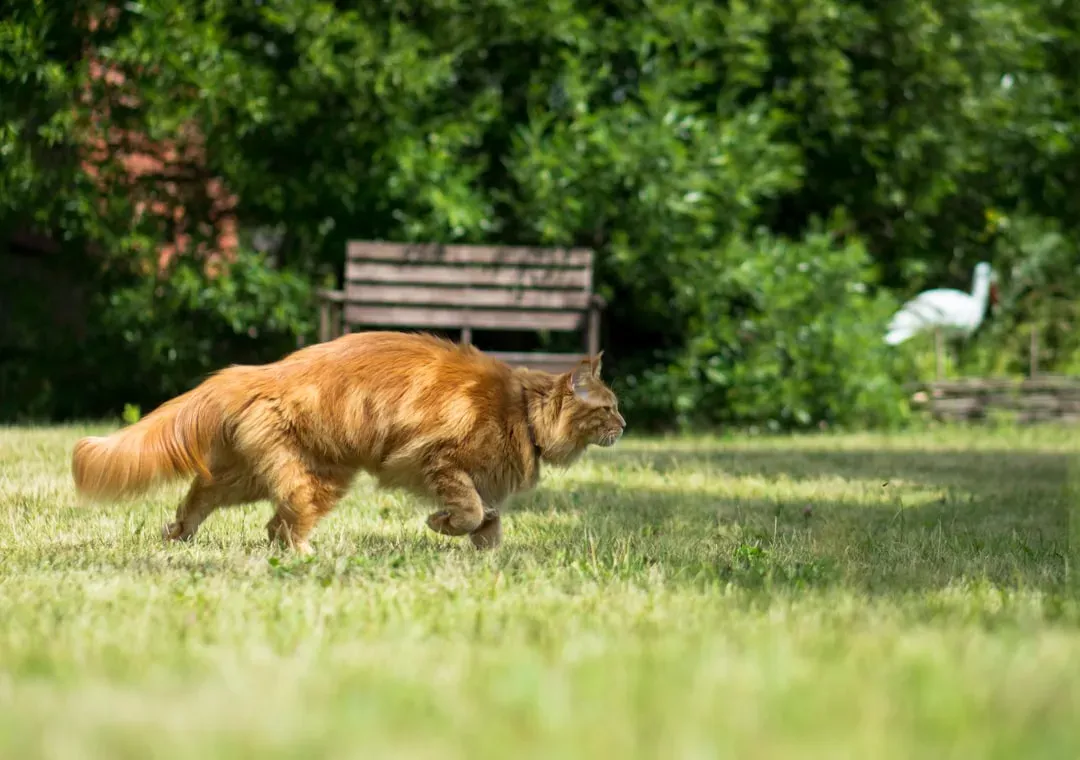
Let’s be real – watching your cat silently stalk a toy mouse across the living room floor is absolutely mesmerizing. And it turns out, that behavior isn’t just cute. It’s ancient. From only a few weeks of age, kittens of all cat species show instinctive behavior typical of hunter-killers. They are extremely alert to sounds and movements, stalk, ambush, convert rigid stillness into rapid movements to pounce on their prey, and they demonstrate the typical biting and clawing actions needed to bring down and kill prey quickly.
Most research conducted since the 1970s has indicated that dinosaurs were active animals with elevated metabolisms and numerous adaptations for social interaction. The parallels are startling. Dinosaur behavior, including grooming, feeding, fighting, mating, and group living, resembles many modern animals. Your dog’s relentless prey drive, your cat’s calculated ambush style – these aren’t random habits. They are behavioral echoes, preserved through millions of years of evolution, connecting your pet to creatures that walked this planet long before humans were even a sketch on nature’s drawing board.
Your Pet’s Nesting and Brooding Behaviors Are a Direct Link to the Mesozoic Era
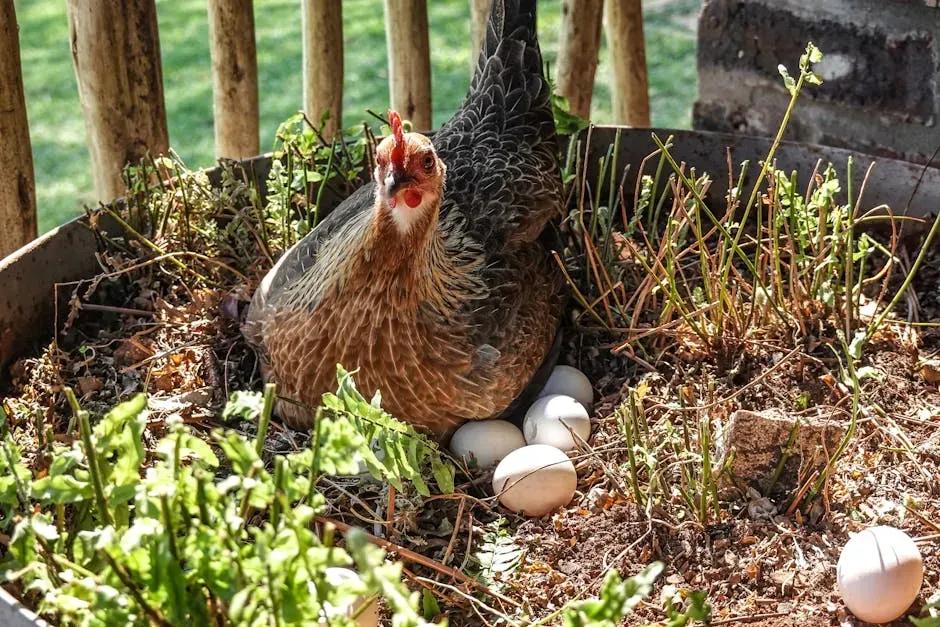
Evidence suggests that all dinosaurs were egg-laying, and that nest-building was a trait shared by many dinosaurs, both avian and non-avian. Now think about your pet bird carefully arranging nesting materials, or your chicken sitting immovably on a clutch of eggs with an almost ancient, focused determination. That behavior has been around for an astonishing length of time.
Traces of the shared ancestry between modern birds and dinosaurs are still present in the behavior and biology of modern birds. Studies have shown that chickens exhibit certain behaviors reminiscent of those of their dinosaur ancestors, such as nesting and brooding habits. The reproductive biology of chickens preserves characteristics inherited directly from their dinosaur ancestors. Both dinosaurs and birds produce amniotic eggs with calcified shells, a reproductive strategy that represents a significant evolutionary adaptation for terrestrial reproduction. Detailed analysis of dinosaur egg fossils reveals microscopic pore structures and shell composition remarkably similar to those of modern bird eggs. Every time your pet bird fusses over a nest, it is performing a ritual older than human civilization by a factor almost too large to comprehend.
Conclusion: Your Pet Is More Ancient Than You Think
The next time your pet bird tilts its head and stares at you, or your lizard freezes in that unsettling, prehistoric way, take a moment to appreciate what you’re actually looking at. Although birds and other reptiles share ancestors, they took different evolutionary paths millions of years ago – plenty of time for minute changes in their DNA to combine and create new species. Yet the echoes remain, written in bones, genes, scales, and behaviors.
From hollow bones and dormant dinosaur genes, to territorial instincts and ancient nesting rituals, your pet carries a prehistoric legacy that no amount of domestication has fully erased. Birds are not only a testament to the resilience of life after the dinosaur extinction, but also a fascinating window into how evolution shapes species over time. The dinosaur age didn’t really end. It just got smaller, softer, and moved in with you.
So the next time your cat launches a stealth attack on your ankles, or your pet bird demolishes a snack with surprising intensity – maybe don’t be so surprised. What do you think? Does looking at your pet differently now change how you see them? Share your thoughts in the comments below.