
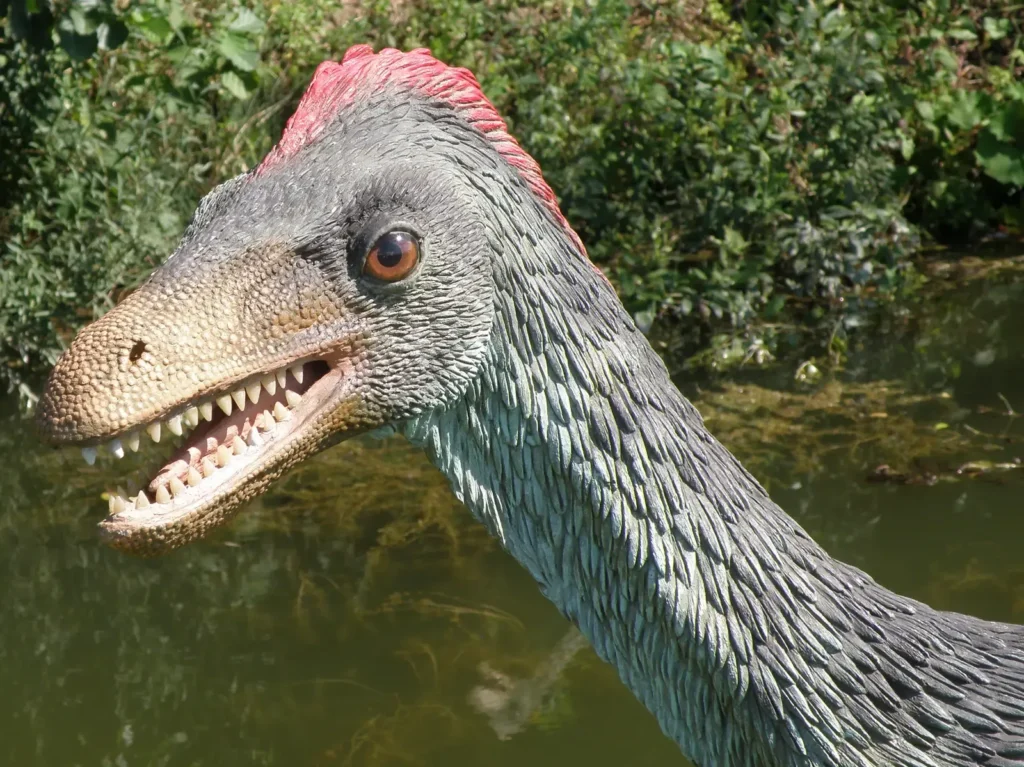
For most of human history, dinosaurs got a bad reputation. Big, lumbering, cold-blooded brutes with pea-sized brains – that was the story we told ourselves. Even Hollywood loved reinforcing it, minus a few clever raptors in a jungle theme park. But science has a funny habit of completely flipping our assumptions. And over the past few decades, researchers have been quietly, persistently dismantling the dumb-dinosaur myth piece by fascinating piece.
It turns out these ancient creatures may have been far more cognitively sophisticated than anyone dared imagine. From CT-scanned brains to fossilized footprints that tell stories of teamwork, each new discovery adds a layer to a picture that looks less like a lizard and more like something shockingly birdlike. Buckle up, because what you’re about to read might permanently change how you picture life 70 million years ago. Let’s dive in.
The Neuron Count That Started a Scientific Firestorm
Here’s the thing – size isn’t everything when it comes to brains. For years, scientists assumed that because dinosaurs had small brains relative to their massive bodies, they must have been simple creatures. That assumption got a serious jolt when researchers began applying a more refined method: counting neurons rather than simply measuring brain volume.
Advancements in paleontology, particularly the development of the encephalization quotient (EQ) in the 1970s, shifted older views, with the EQ measuring brain size relative to body mass and suggesting that some dinosaurs, particularly theropods, might have had intelligence levels comparable to modern birds. But it was more recent neuron-counting research that truly set the scientific world alight.
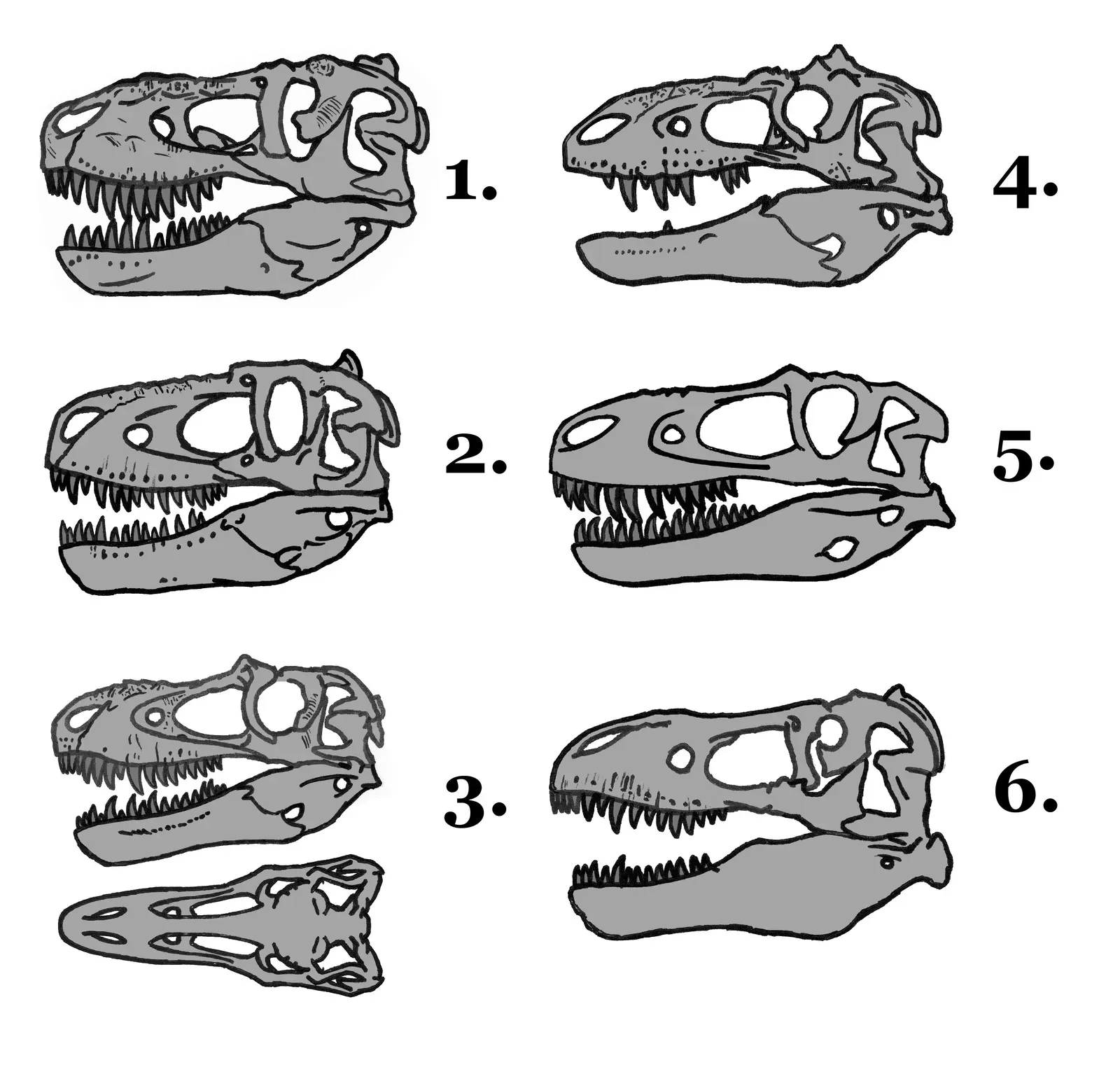
A landmark 2023 study by researcher Herculano-Houzel proposed that theropod dinosaurs had primate-like numbers of telencephalic neurons. Honestly, that is the kind of claim that makes you put down your coffee. Alioramus, a six-meter-long theropod that lived roughly 70 million years ago in what is now Mongolia, reportedly had just over a billion neurons in its cortex, similar to capuchin monkeys, while T. rex with its brain weighing roughly one-third of a kilogram had an estimated 3.3 billion cortical neurons.
While scientists don’t like to compare intelligence directly between species, that controversial study suggested some dinosaur brains were as densely packed with neurons as those of modern primates, meaning they could have been very smart and perhaps capable of feats like using tools. The debate continues, but nobody is calling dinosaurs simple anymore.
CT Scanning: Peering Into Ancient Skulls
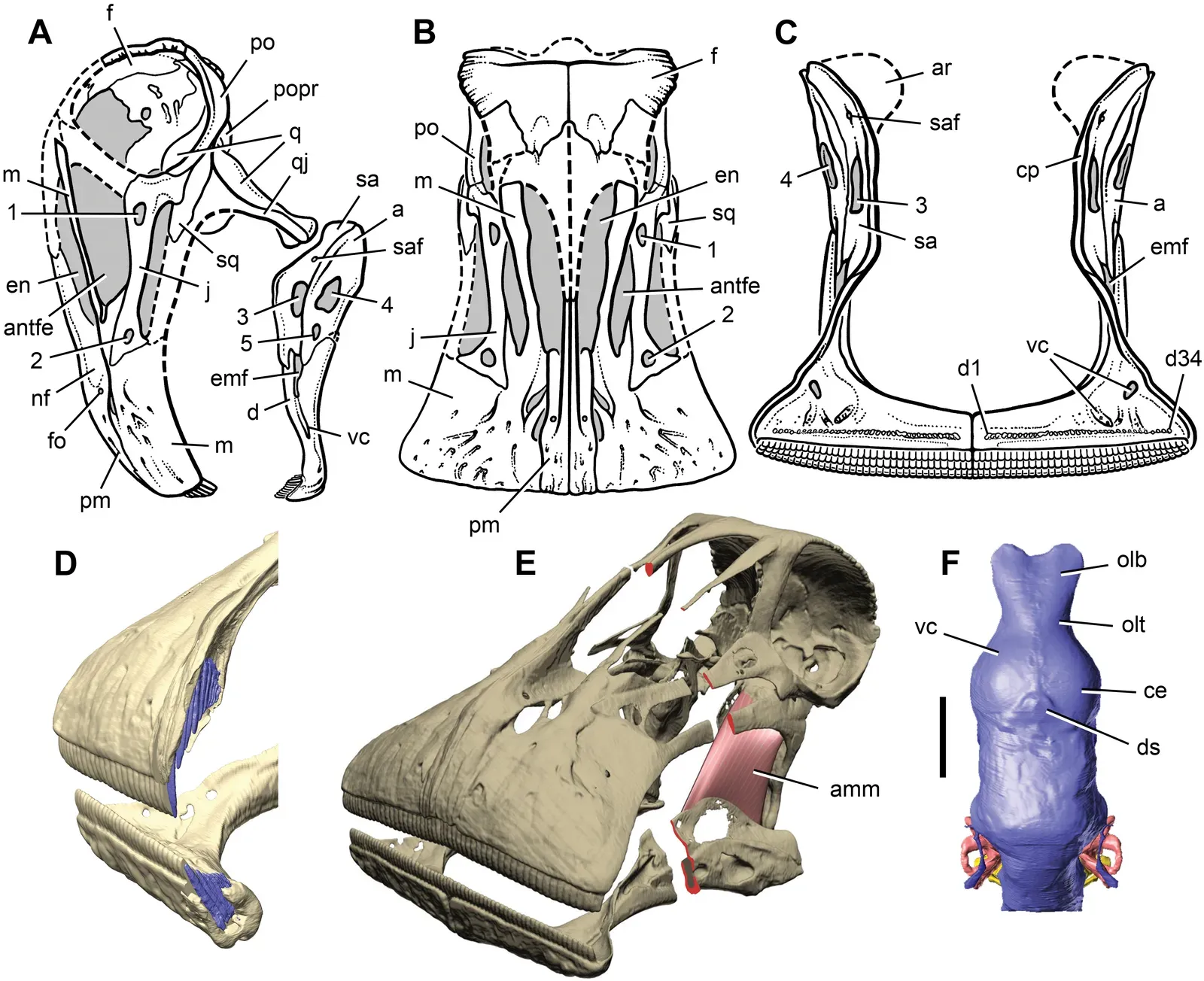
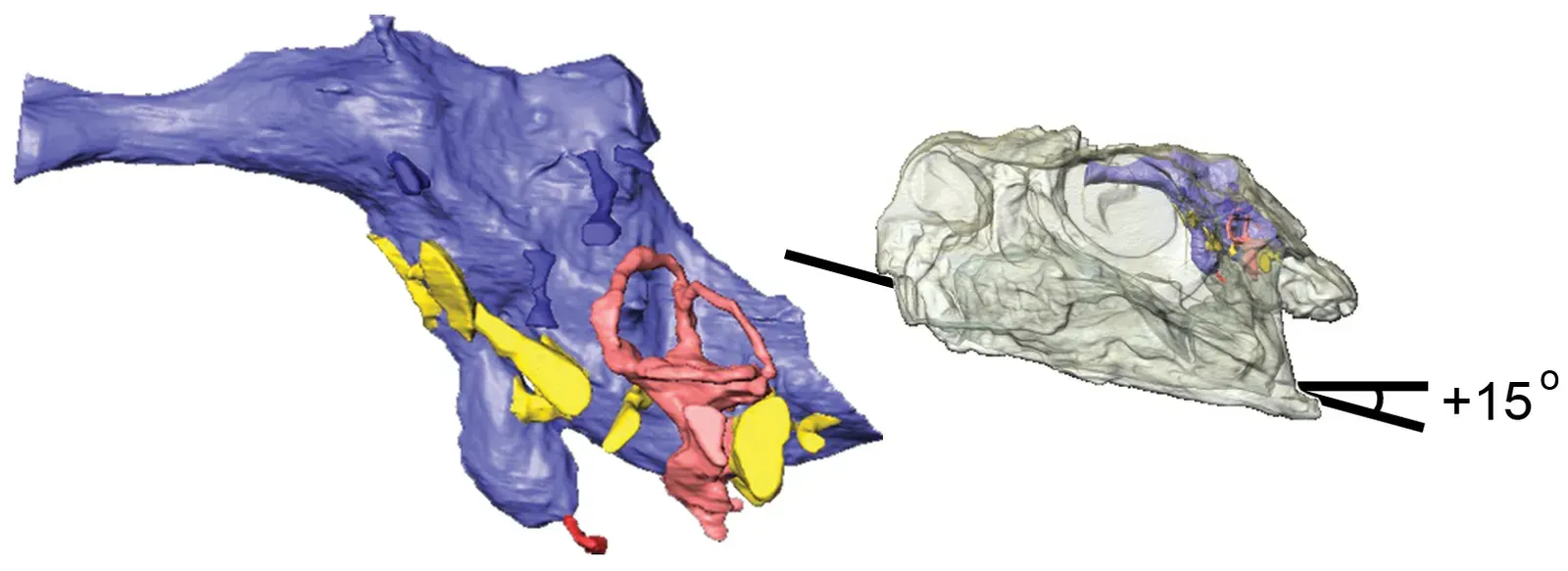
Recent research utilizing computed tomography (CT) has enabled scientists to create accurate models of dinosaur brains, allowing for more comprehensive analyses of their cognitive capacities. Think of it like an MRI for fossils. Suddenly, bones that had been sitting in museum drawers for a century could reveal their inner secrets without breaking a single fragment.
By studying cranial endocasts using computed tomography, paleontologists are beginning to understand the neural changes that took place across the dinosaur-to-bird transition. What they have found is genuinely startling. CT scans of spinosaur skulls revealed what the brain of Ceratosuchops would have contained, including the brain cavity, cranial nerves, inner ear, and blood vessels. These kinds of scans have completely transformed paleoneurology from guesswork into something approaching hard science.
Modern medical imaging techniques allow paleontologists to create accurate three-dimensional representations of dinosaur cranial anatomy, enabling better evaluations of brain size, shape, and function, with virtual models gradually replacing older endocasts as the preferred method for studying extinct animal cranial anatomy. It is incredible to think that technology originally developed for human medicine is now letting us hear the whispers of creatures that vanished 66 million years ago.
Fossil Footprints and the Shocking Evidence of Group Hunting

You might think footprints are just, well, footprints. A foot went down, left a mark, end of story. But trace fossils are so much richer than that. They capture behaviour. They capture moments. And some of them capture something that still sparks fierce debate among scientists today: cooperative movement.
Researchers can learn a lot about dinosaur behaviour from their tracks, with those tracks revealing that predatory dinosaurs were cognitively and behaviourally very much like birds rather than crocodiles or other reptiles, suggesting these dinosaurs must have had bird-like cognitive abilities for complex social behaviours, parenting, and even cooperative hunting strategies. That is a remarkable sentence to absorb when you sit with it for a moment.
Some fossilized footprint sites show tracks made by three different individuals walking together in a group – a picture that evokes predatory monsters hunting in packs. Paleontologists in 2006 found a group of Mapusaurus that appeared to have lived together, and similarly, a mass grave in Utah suggests this same behaviour among tyrannosaurs. Coordinated group movement requires memory, spatial awareness, and social understanding – none of which we’d expect from a creature with the mental life of a garden lizard.
The “Good Mother Lizard” That Rewrote Dinosaur Parenting
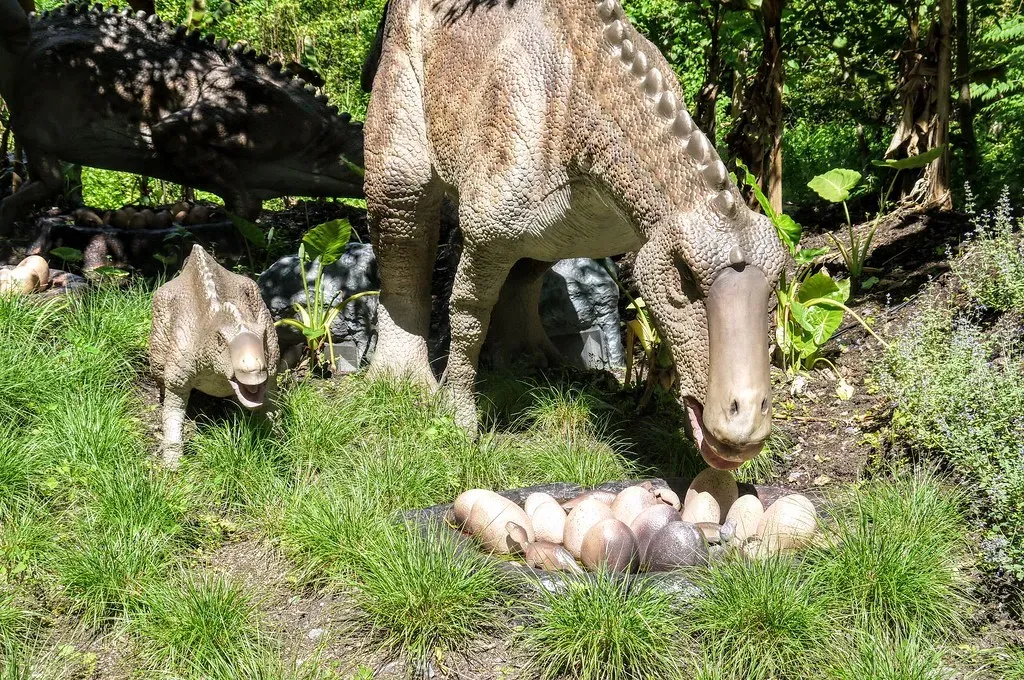
If there is one dinosaur that single-handedly shattered the cold-blooded, indifferent-parent stereotype, it is Maiasaura. The name literally means “good mother lizard.” And the fossil evidence behind that name is enough to make even a hardened skeptic reconsider everything they assumed about reptilian parenting.
The duck-billed Maiasaura is believed to have nested in colonies and provided extensive food and protection for its hatchlings. Finding nests with juvenile dinosaur bones, such as in the proposed Maiasaura nesting colonies in Montana, suggests that the hatchlings were cared for by a parent. Let that sink in: these were not dump-your-eggs-and-leave creatures. They built colonies, they stayed, and they fed their young.
Studies of bone microstructure in juveniles revealed astonishing growth rates, with young Maiasaura growing from hatchling size to over ten feet long in just a single year, gaining weight rapidly during peak growth phases – a pattern that suggests intensive parental feeding and care. Maiasaura shattered the old paradigm by providing irrefutable evidence of sophisticated reproductive strategies and social behaviours more reminiscent of birds than reptiles. Parental investment at this level demands cognitive engagement. It is not instinct alone – it is something more.
Big Mama: The Oviraptor That Died Protecting Her Eggs
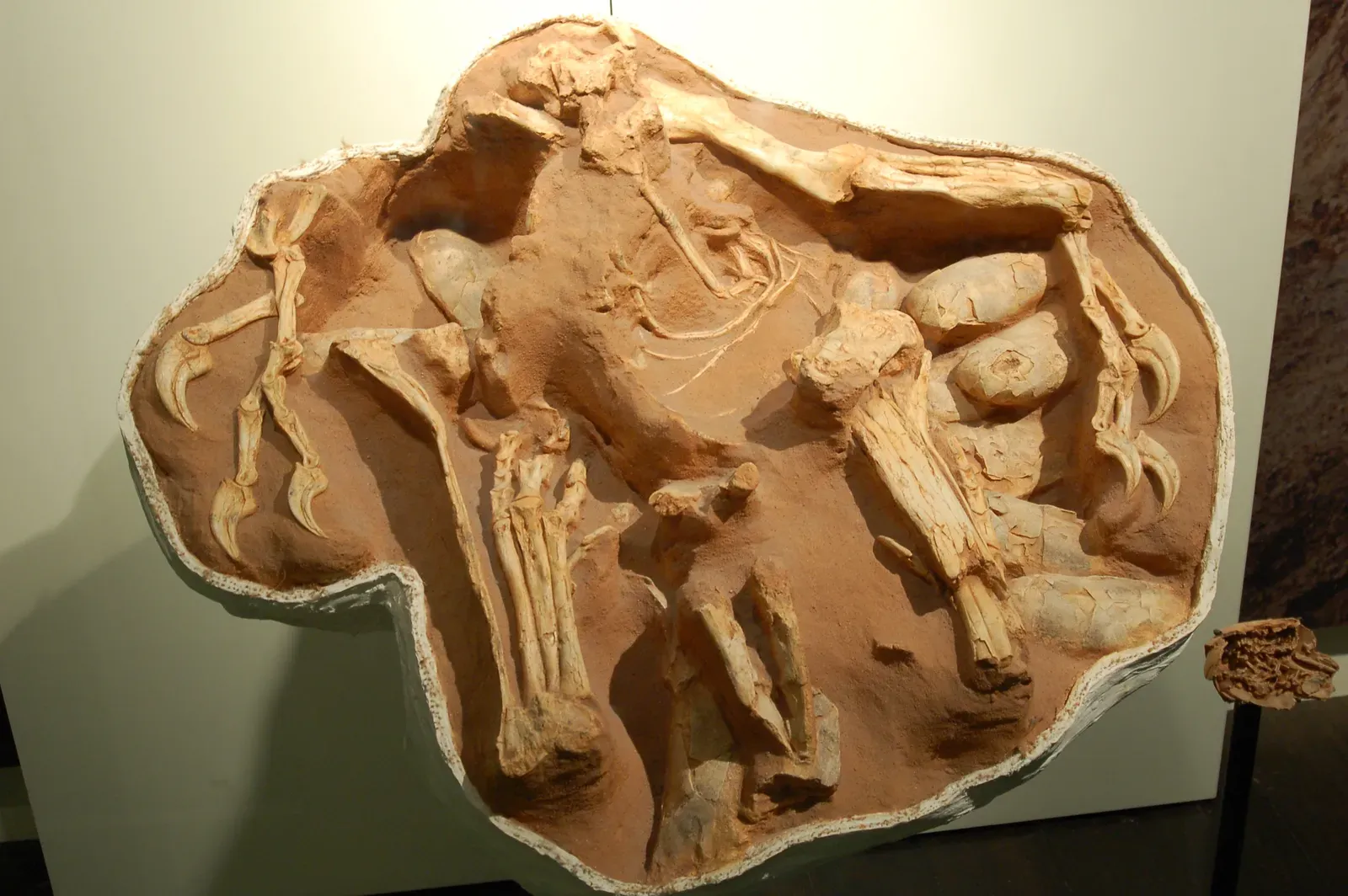
I think this might be the single most emotionally affecting discovery in all of paleontology. Not because of its scientific complexity, but because of what it shows about devotion. Seventy-five million years ago, an oviraptorid dinosaur in Mongolia chose to stay with her eggs rather than flee a sandstorm or mudslide. She was buried alive protecting them.
The Citipati osmolskae fossil dubbed “Big Mama” was a discovery that provided substantial evidence for how dinosaurs behaved with their eggs, as this 75-million-year-old oviraptorid was uncovered brooding on a nest of eggs, with the Mongolian dinosaur revealed to the world in 1995 and named Citipati in 2001. She was literally caught in the act of protecting her young.
It has now been confirmed that the eggs found with the original oviraptor specimen actually belonged to the dinosaur itself, with oviraptorids showing substantial evidence of putting their lives on the line for their young. The discovery of this Late Cretaceous oviraptorosaur found atop a nest led to the reasonable interpretation of it providing protection and possibly brooding behaviour. Choosing to protect offspring at the cost of your own life is not reflexive. It requires a level of attachment and cognition that we once reserved exclusively for mammals and birds.
The Raptor Brain: Wired More Like a Bird Than a Reptile
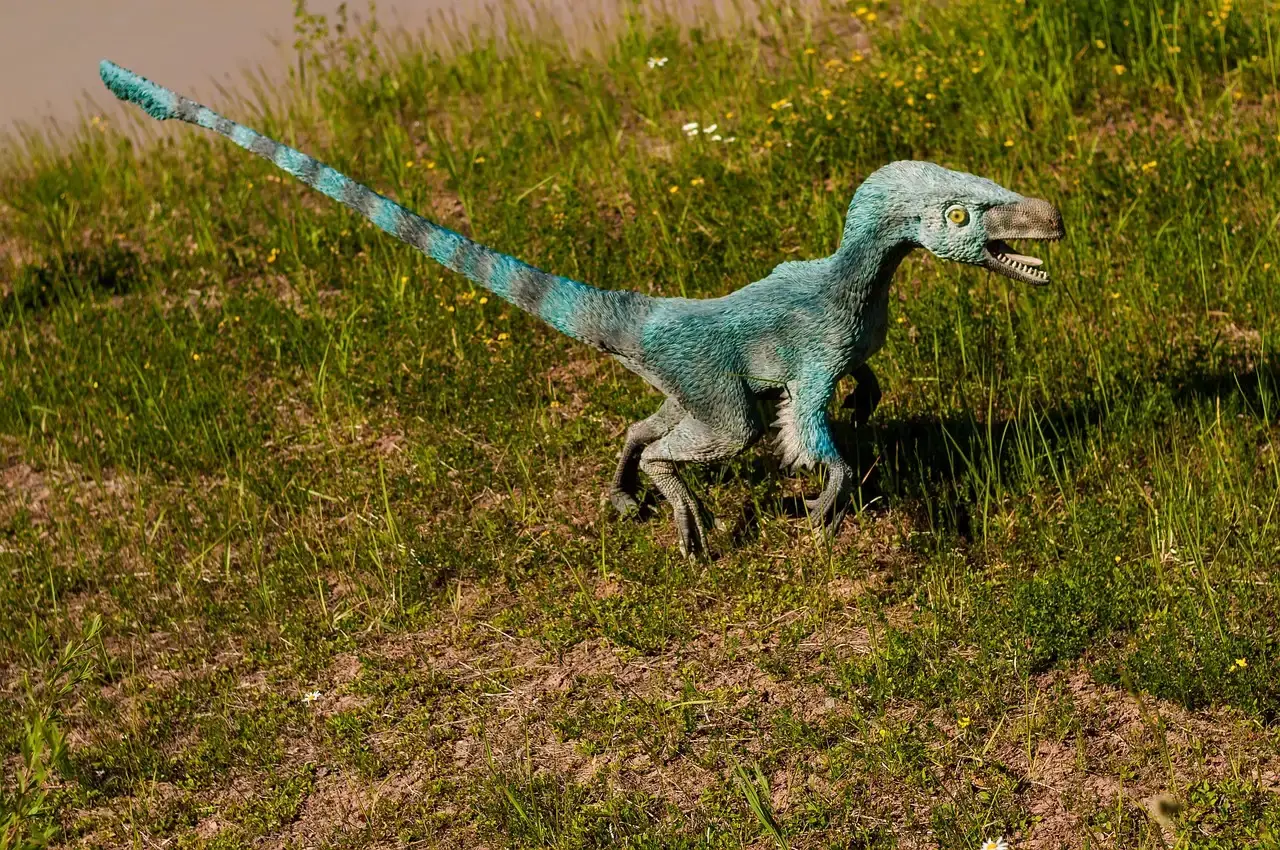
Let’s be real – Velociraptor got famous for all the wrong reasons in cinema. The real animals were turkey-sized, feathered, and probably a lot less dramatic than their movie counterparts. Yet the science behind their intelligence is actually more fascinating than any Hollywood version could convey.
Brain development in raptors appears more similar to that of modern birds of prey than to reptiles, suggesting they may have possessed the neural complexity needed for learning, memory, and social coordination – all critical components for successful hunting strategies. That is a fundamentally different cognitive profile from what we imagined for decades.
Recent discoveries suggest that non-avian maniraptoran dinosaurs shared many physical characteristics with their bird descendants, including body feathers and neural adaptations. Some modern birds display signs of cognitive behaviours that rival non-human primates, including social cognition and learning, problem-solving, and tool use. Since birds are direct descendants of theropod dinosaurs, the cognitive bridge between raptors and modern corvids or parrots is not as far-fetched as it might sound. You are, in a very real sense, looking at a living dinosaur brain every time a crow solves a puzzle.
Herding, Migration, and the Intelligence of Moving Together
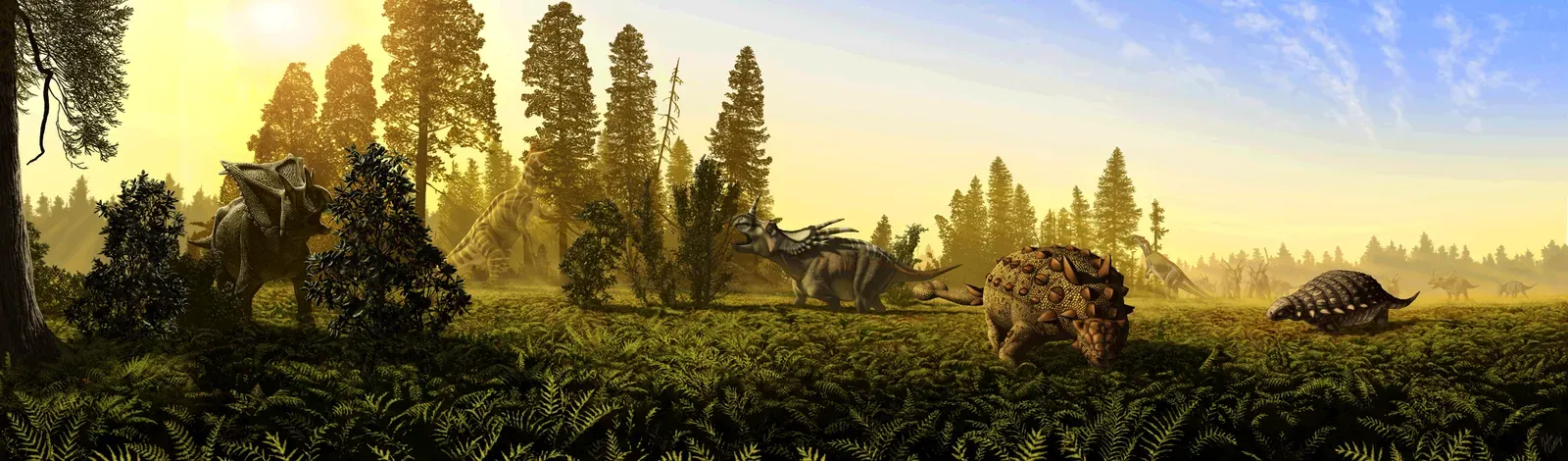
Moving in a coordinated group is not something any creature does by accident. It requires awareness of others, the ability to track movement, and some form of communication. Even among modern animals, herding behaviour is considered a sophisticated adaptive strategy. So what does it mean when the fossil record shows dinosaurs doing exactly that?
Studies of dinosaur trackways indicate herding behaviour and adult care of juvenile members of the species among various theropod, sauropod, and ornithopod dinosaurs. A good example is the Ardley Quarry in the UK, which shows a large group of animals walking the same direction, including possible prey and predators, and even different ages all together, similar to what is seen in large mammal herds today.
While dinosaurs were once considered slow-witted, slow-moving reptiles, members of many dinosaur species are now recognised to have functioned at an avian level of behavioural complexity. Maiasaura’s social structure may have included seasonal migrations in search of food, similar to modern herd animals. Seasonal migration requires memory, directional awareness, and multi-generational learned behaviour. That is not the behaviour of an unthinking beast. That is the behaviour of a creature with genuine cognitive life.
The Evolving Debate: What Do Neuron Counts Really Tell Us?
It would be dishonest to present all of this as settled science. There is a spirited, ongoing debate in the palaeontological community about exactly how intelligent dinosaurs truly were – and how reliable our methods of measuring that intelligence actually are. It’s hard to say for sure, but the disagreement itself is illuminating.
Researchers have reviewed the suitability of neurological variables such as neuron numbers and relative brain size to predict cognitive complexity, metabolic rate, and life history traits in dinosaurs, coming to the conclusion that they are flawed proxies for these biological phenomena, arguing instead that integrative studies are needed to approach this complex subject. Fair enough. Science is never a straight line.
This is very much an active area of debate, with researchers intrigued and even excited by claims that Mesozoic dinosaurs possessed largely unknown neurocognitive functions approaching those seen in birds. Whatever the truth, these analyses can tell us much about how evolutionary history shapes the development of cognitive abilities. The debate is not just about dinosaurs, in other words. It is about the evolution of mind itself, and how and why intelligence emerges across different branches of the tree of life. That is a question worth asking, regardless of where the answers land.
Conclusion: The Smartest Animals You Never Knew
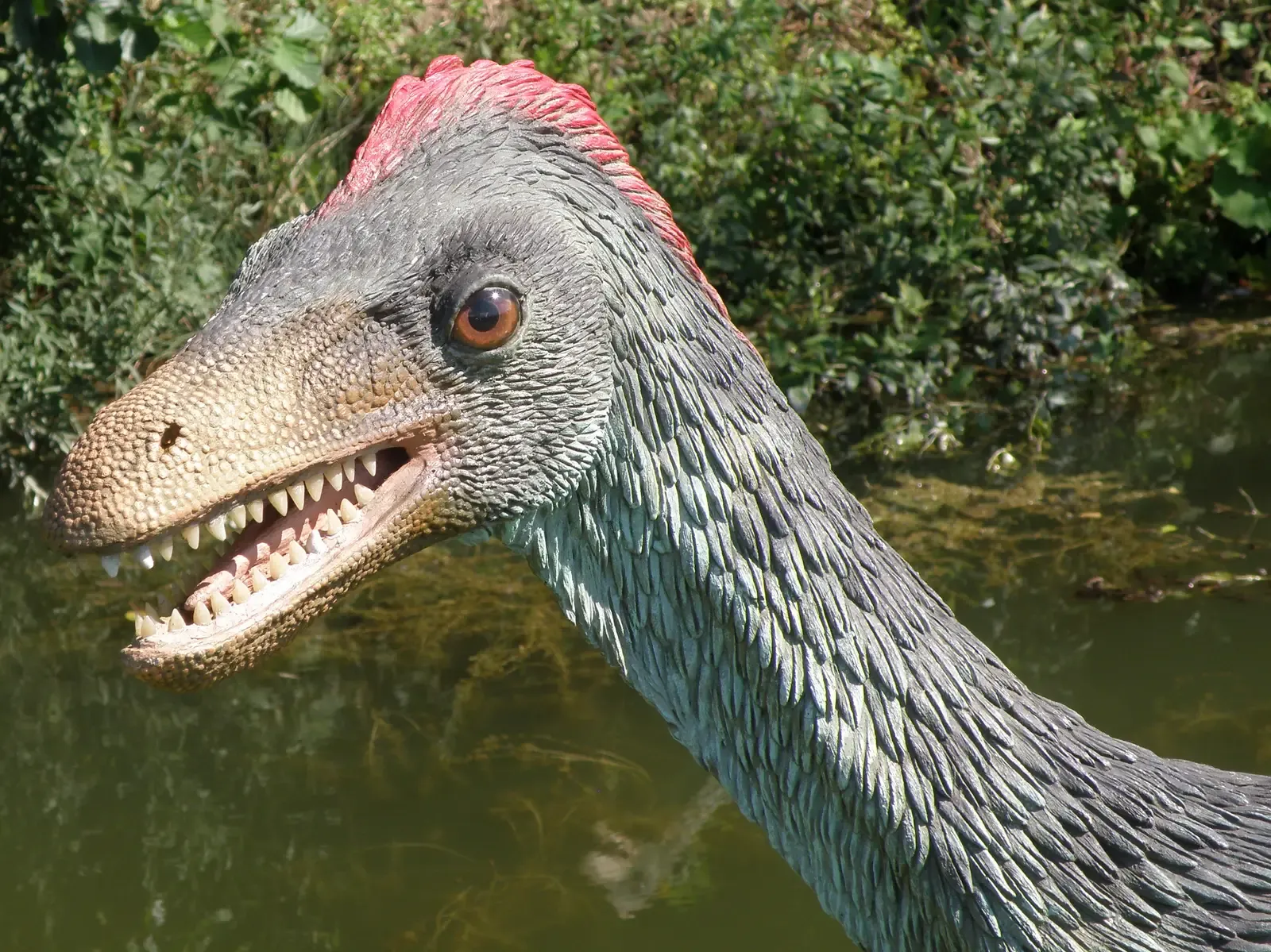
The old image of dinosaurs as mindless, thundering reptiles is not just outdated. It was never accurate. Piece by piece, discovery by discovery, the science is revealing creatures that herded their young, grieved their eggs, hunted in coordinated groups, and processed the world through brains wired in ways that modern birds still echo today.
You don’t need to believe T. rex was solving algebra problems to appreciate how radical this shift in understanding truly is. New fossils, reanalyses of famous specimens, and the use of increasingly sophisticated tools have continued to upend what we thought we knew about how these animals lived, moved, fed, and evolved. Each new tool, each new fossil, each new CT scan adds another brushstroke to a portrait that grows richer and more surprising every year.
The next time you see a crow using a stick as a tool, or a parrot solving a puzzle, consider this: you might be watching the distant cognitive echo of something that walked the earth 70 million years ago. The dinosaurs never really went away. They just got smaller, grew wings, and kept on being brilliant. What do you think – does the idea of intelligent dinosaurs change how you see their extinction? Tell us in the comments.