
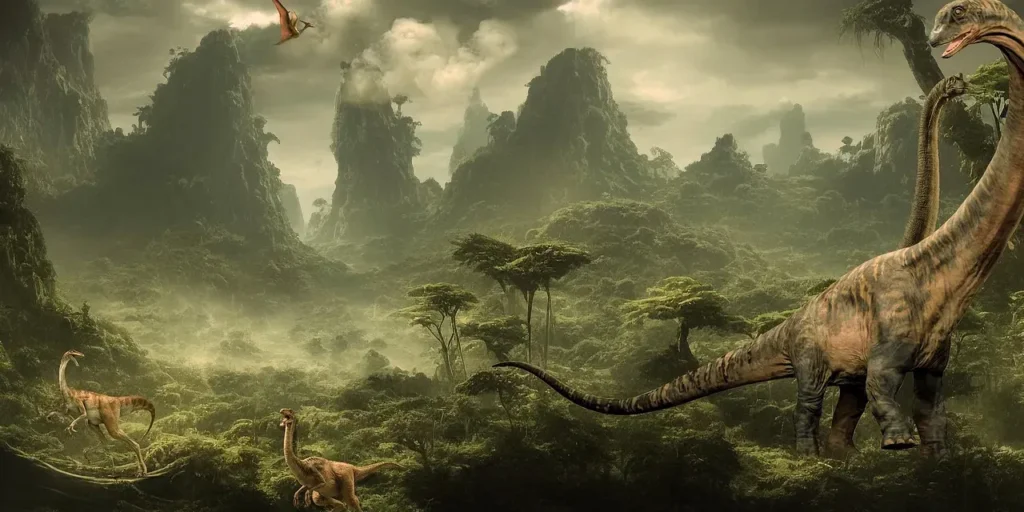
When you picture a dinosaur, you probably imagine something enormous, ferocious, and utterly unstoppable. A creature that ruled every corner of the planet simply because it was built that way. But here’s the thing – that image is only half the story. The real secret behind the rise, diversity, and extraordinary biology of dinosaurs wasn’t just raw evolutionary luck. It was something far more powerful, far more volatile, and far more fascinating than most people realize.
The ancient Earth itself was doing something wild. Its climate lurched, swung, roasted, and froze across hundreds of millions of years. Oceans rose and fell. Supercontinents cracked apart. Volcanoes altered entire atmospheres. Every one of those shifts left its fingerprints on the dinosaurs that walked, ran, stomped, and soared through the Mesozoic Era. What you’re about to discover is genuinely jaw-dropping. Let’s dive in.
A Hot, Dry World: The Triassic Stage Where Dinosaurs Made Their Entrance
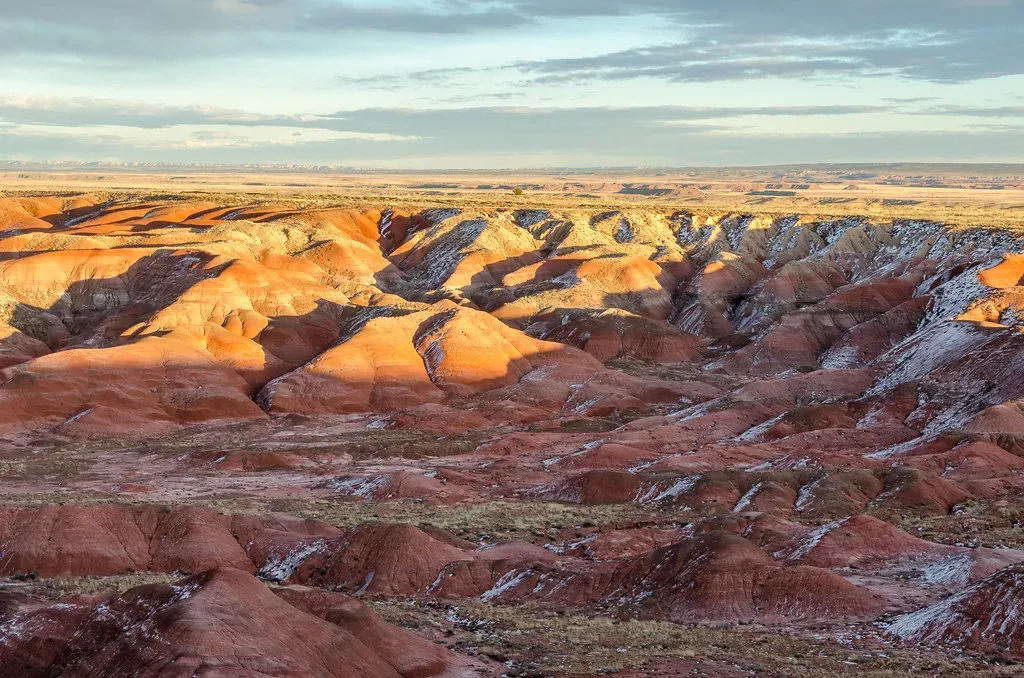
You have to start at the beginning to appreciate just how unlikely the dinosaurs’ rise really was. The global climate during the Triassic was mostly hot and dry, with deserts spanning much of Pangaea’s interior. Think of it as one giant, scorching continental oven. Life had barely recovered from the catastrophic Permian-Triassic extinction event that had decimated the planet just before this era began. Dinosaurs were latecomers to this already brutal scene.
Honestly, dinosaurs weren’t even the dominant animals at first. By the Late Triassic there was a shift in dominance, and there are various theories as to what caused it, such as competition in a climate that was becoming steadily warmer and dryer, or evolutionary stagnation. Dinosaurs had to fight for every inch of ecological territory. The climate itself was the referee deciding who won and who disappeared forever.
When Competition Was a Myth: Climate Cleared the Path for Dinosaurs
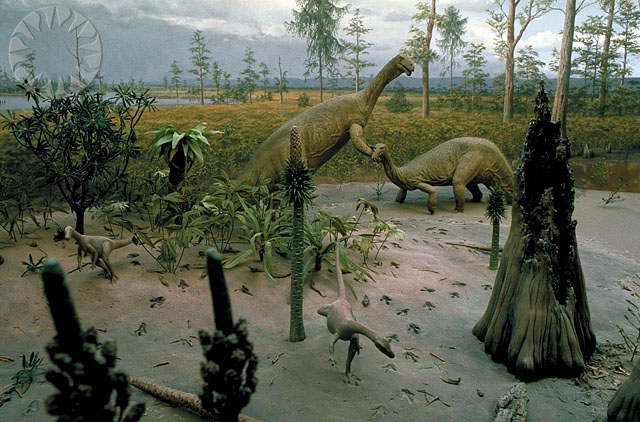
Here’s something that might genuinely surprise you. For a long time, scientists assumed dinosaurs became dominant by outcompeting other animals in a kind of prehistoric arms race. That turned out to be wrong. Climate change, rather than competition, played a key role in the ascendancy of dinosaurs through the Late Triassic and Early Jurassic periods. It wasn’t brute evolutionary force that elevated them. It was timing, and the climate setting the table for them.
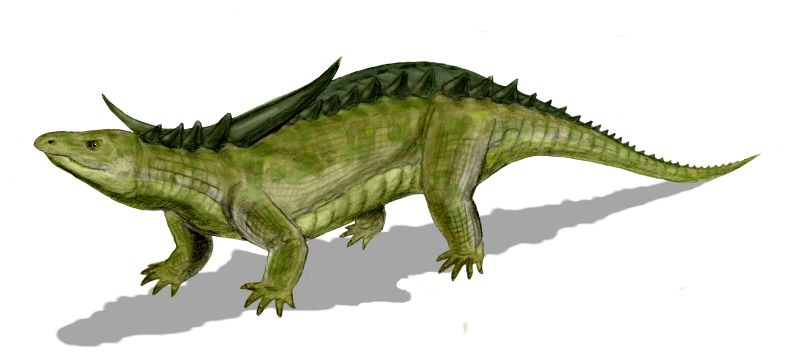
Changes in global climate associated with the Triassic-Jurassic mass extinction – which wiped out many large terrestrial vertebrates such as the giant armadillo-like aetosaurs – actually benefitted the earliest dinosaurs. Imagine an entire category of your strongest competitors simply vanishing because the world got too hot and unstable for them to survive. These extinctions within the Triassic and at its end allowed the dinosaurs to expand into many niches that had become unoccupied, and dinosaurs became increasingly dominant, abundant, and diverse, remaining that way for the next 150 million years.
The Triassic-Jurassic Boundary: Earth’s Great Reset Button for Dinosaur Diversity
About 201 million years ago, the Earth got so hot that it caused a mass extinction of animals and other animate beings. For dinosaurs, however, this climate change was actually beneficial – their populations started growing and they expanded their habitat. It’s almost darkly ironic. The same event that wiped out scores of species became a golden opportunity for dinosaurs. Sometimes catastrophe is just opportunity wearing an ugly disguise.
In particular, sauropod-like dinosaurs, which became the giant herbivore species of the later Jurassic like Diplodocus and Brachiosaurus, were able to thrive and expand across new territories as the planet warmed up after the extinction event, 201 million years ago. Large herbivores such as the Aetosauria died out, and this permitted the Sauropodomorpha to diversify. With their competitors gone and the climate warming in their favor, sauropods practically had the run of the planet.
The Jenkyns Event: A Volcanic Crisis That Rewired Dinosaur Biology
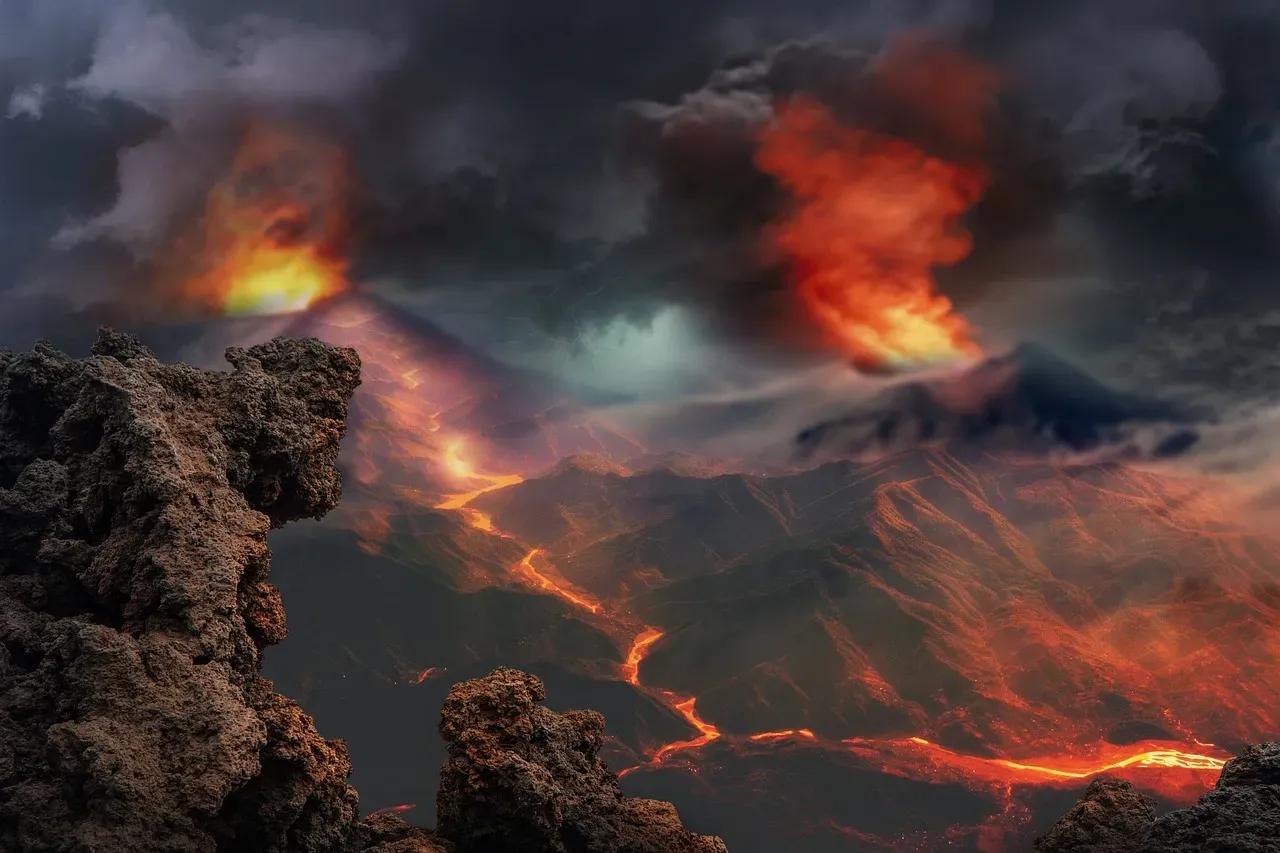
If you thought one climate shock was dramatic, wait until you hear about the Jenkyns event. Around 183 million years ago, intense volcanic activity led to global warming and the extinction of plant groups. This wasn’t a gradual change – it was a planetary emergency triggered by volcanic eruptions tearing open the Earth’s surface. The Jenkyns event occurred after lava and volcanic gases erupted from long fissures in the Earth’s surface, covering large areas of the planet.
What this event did to dinosaur biology is almost impossible to overstate. Two of the three main groupings of dinosaurs – theropods (such as T. rex and Velociraptor) and ornithischians (including relatives of the plant eaters Stegosaurus and Triceratops) – moved to colder climates during the Early Jurassic, suggesting they may have developed endothermy, the ability to internally generate heat, at this time. Endothermy may have allowed the dinosaurs to grow faster, produce more offspring, and sustain physical activity for longer. A single volcanic crisis potentially triggered one of the most significant biological innovations in the history of life on Earth.
Warm-Blooded or Cold-Blooded? Climate Forced the Split
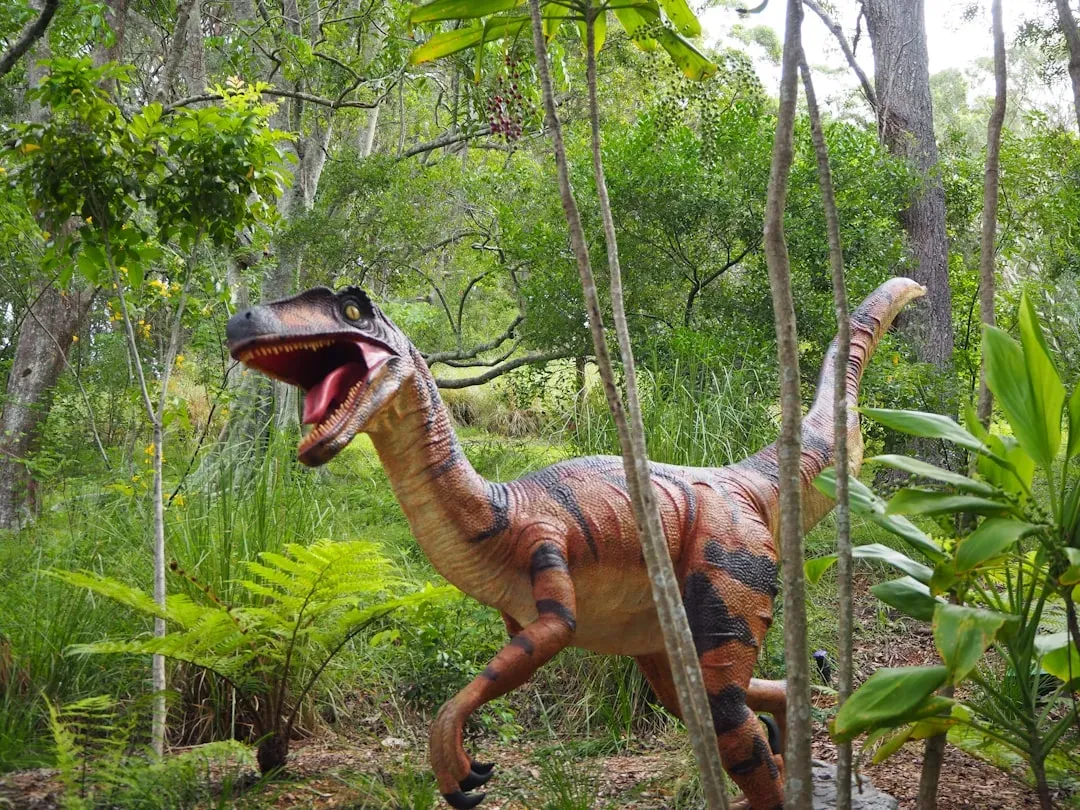
This is genuinely one of the most thrilling scientific revelations about dinosaurs in recent memory. It turns out that not all dinosaurs were the same kind of creature on the inside. Dinosaurs were incredibly diverse not just in shape and size but also in the depth of their biology. Some groups were warm-blooded, capable of warming up and being active independently from the outside environment – theropods and ornithischians – while sauropods were likely more dependent on environmental heat to warm up and be active.
Think about what that means. The same lineage of animals, living on the same planet, split into fundamentally different physiological strategies – and the trigger was climate. In contrast, sauropods, the other main grouping which includes Brontosaurus and Diplodocus, kept to warmer areas of the planet. Previous research has found traits linked to warm-bloodedness among ornithischians and theropods, with some known to have had feathers or proto-feathers insulating internal heat. It’s a bit like if you discovered that humans in cold countries had developed internal heating systems while humans in warm countries ran purely on solar power. Extraordinary.
The Greenhouse Cretaceous: How a Superheated Planet Drove Gigantism
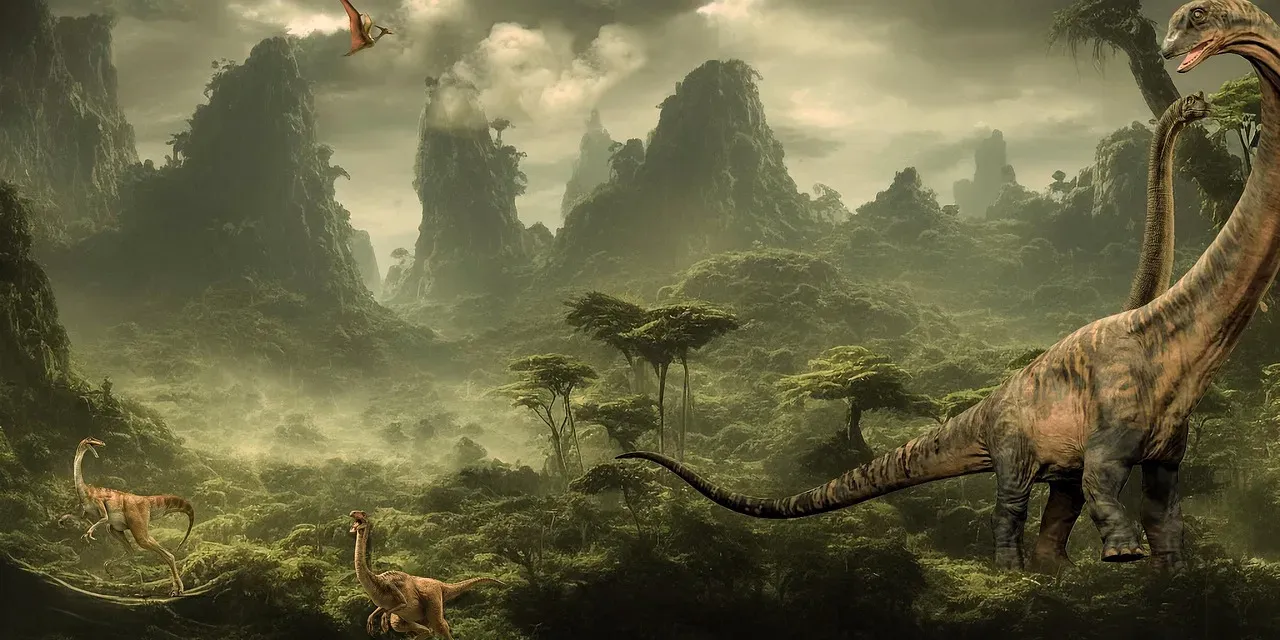
In general, the climate of the Cretaceous Period was much warmer than at present, perhaps the warmest on a worldwide basis at any other time during the Phanerozoic Eon. The climate was also more equable in that the temperature difference between the poles and the Equator was about one-half that of the present. This was a world profoundly unlike our own. No meaningful polar ice caps. A vastly expanded tropical zone. A planet wrapped in warmth from end to end.
The Cretaceous period is an archetypal example of a greenhouse climate. Atmospheric CO2 levels reached as high as roughly 2,000 parts per million, average temperatures were roughly 5 to 10 degrees Celsius higher than today, and sea levels were 50 to 100 meters higher. As CO2 levels were much higher, this ancient environment would have greatly supported the growth and development of vegetation, allowing for an abundance of plant life. This would have provided a stable food source for herbivorous dinosaurs, which in turn supported large carnivorous dinosaurs. A richer biosphere, built on a warmer climate, essentially fueled the escalating arms race of size.
Late Cretaceous Cooling and the Slow Unraveling Before the End
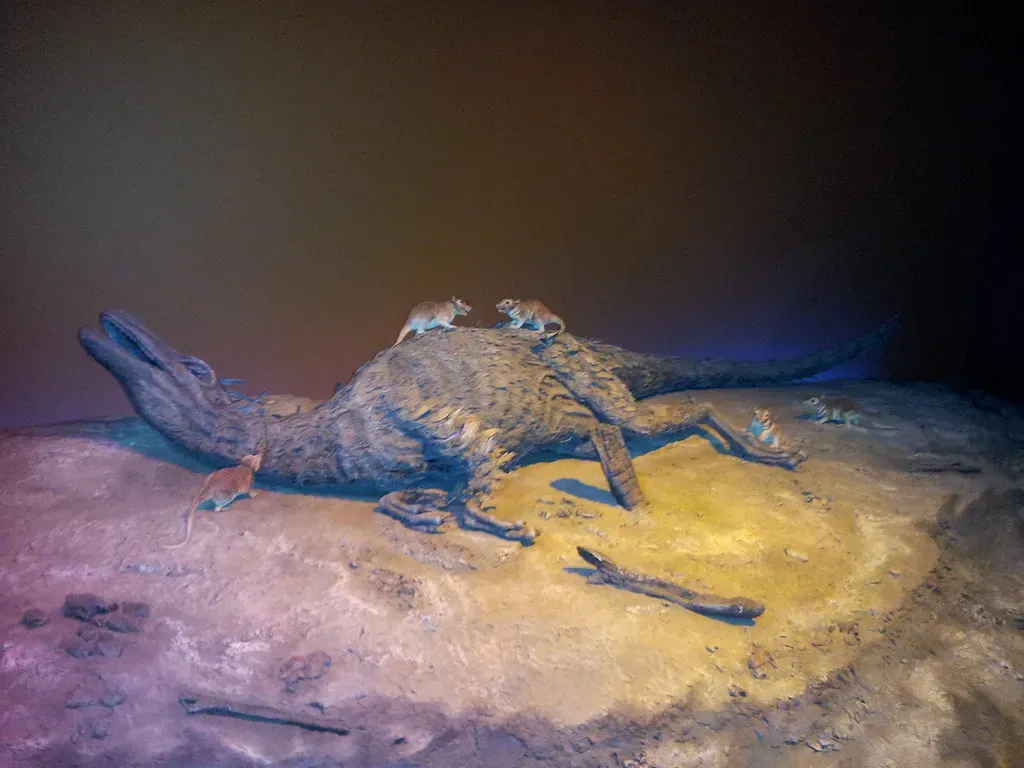
You might expect the dinosaurs’ story to end in a single dramatic flash – an asteroid, darkness, and silence. The reality was far more complex, and climate was already playing its part long before that final impact. Stable carbon and oxygen isotopes preserved in fossil organisms record both an overall cooling trend through the Late Cretaceous, and large fluctuations in air temperatures over land, humidity, and moisture sources occurred during the last 10 million years before the dinosaurs went extinct.
There is a correlation between the abundance of dinosaur fossils and climatic changes. As precipitation and temperature increased, the presence of dinosaur fossils gradually declined. Notably, during the last 400,000 years of the Cretaceous period, no dinosaur fossils were discovered in one key basin in central China. Rising temperatures and reduced availability of suitable nesting sites, influenced by increased precipitation, may have prompted dinosaurs to migrate in search of more hospitable habitats or face extinction. The climate was already destabilizing ecosystems before the asteroid delivered the final blow. It’s sobering, really, how much of their fate was already written in the weather.
Conclusion: Earth’s Climate Was the Greatest Sculptor of Dinosaur Life
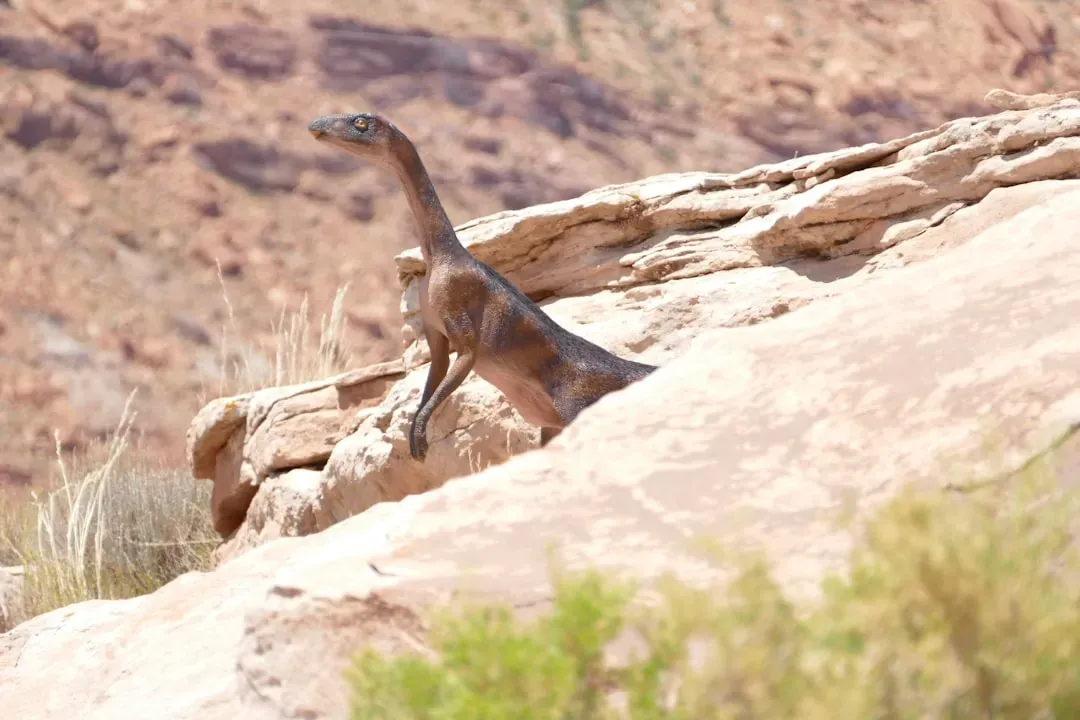
When you step back and look at the full sweep of dinosaur history, one truth becomes almost impossible to ignore. These creatures weren’t just shaped by their own biology or by competition with other species. They were molded, again and again, by the restless, volatile climate of the ancient Earth. Hot dry deserts opened doors for their rise. Mass extinction warming events cleared rivals from their path. A volcanic crisis rewired their very physiology. Greenhouse warmth fed the ecosystems that allowed giants to exist. And finally, creeping climate instability helped erode the world they dominated for so long.
Dinosaurs ruled the Earth for over 160 million years, adapting to various environmental changes. The climate played a significant role in their evolution, shaping their size, behavior, and habitat distribution. Every time the planet shifted, the dinosaurs either adapted or vanished. Most of the time, astonishingly, they adapted. It’s perhaps the greatest story of resilience in the history of life – and it was written entirely by the weather. So the next time you look at a fossil of a T. rex or a Brachiosaurus, ask yourself: what kind of world did climate create to make something like that possible?