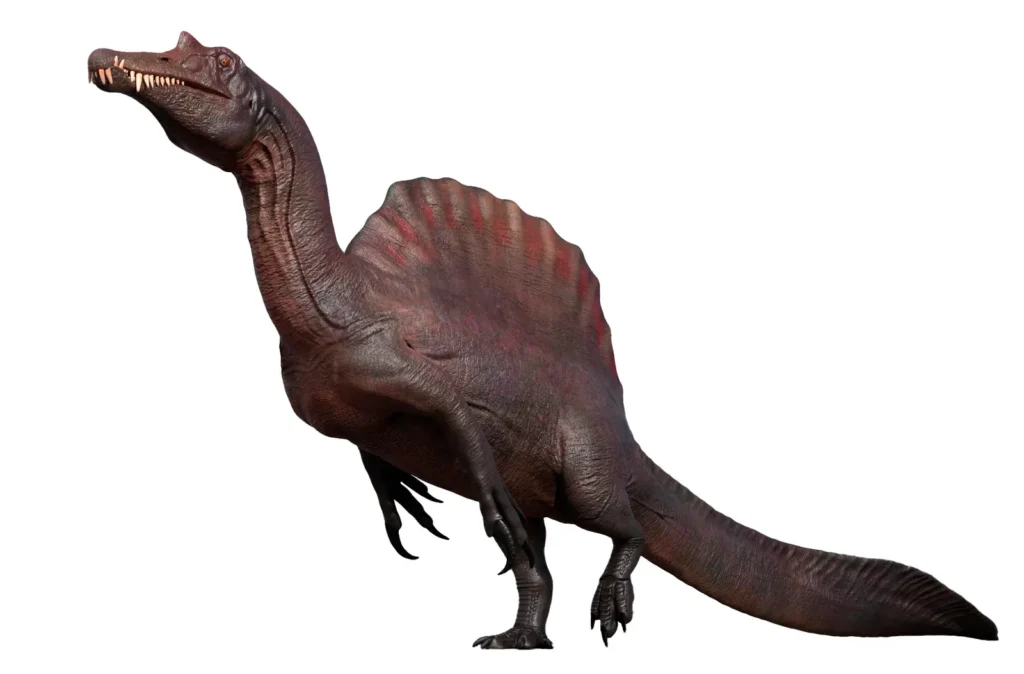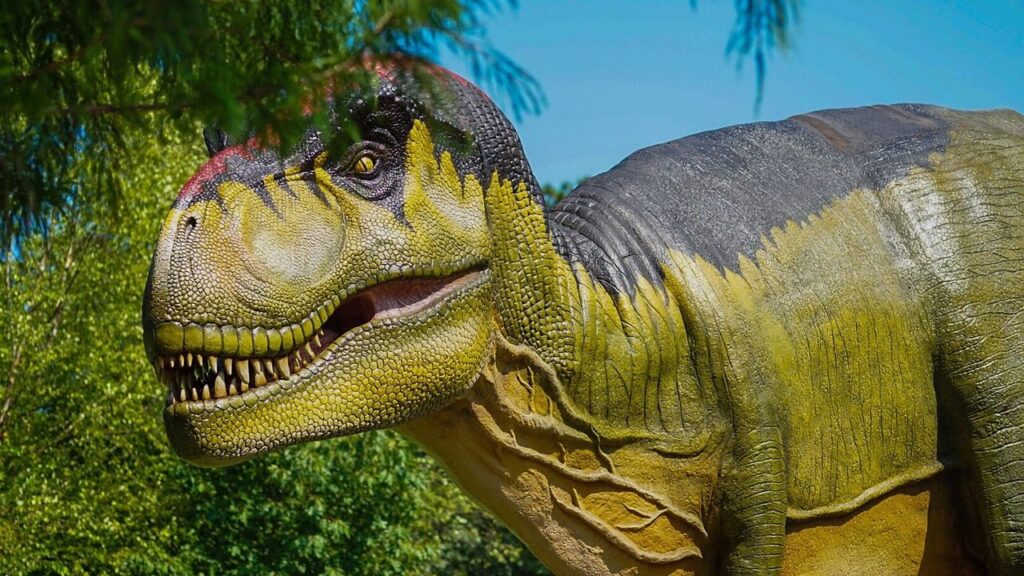
When most people picture a dinosaur, they imagine something thunderously loud, blindly charging, and barely aware of its surroundings beyond the immediate threat or meal in front of it. That image, honestly, couldn’t be further from what science is now telling us. Decades of new research are dismantling the old idea of the dim-witted, sense-deprived prehistoric giant. The truth is far more fascinating.
From creatures that could sniff out buried food underground to tiny predators with hearing that rivals a modern barn owl, dinosaurs were sensory animals in ways that would astonish you. Some could see in pitch darkness. Others could detect color spectrums beyond human imagination. Let’s dive in.
The CT Scanner Revolution: How We’re Unlocking Prehistoric Brains
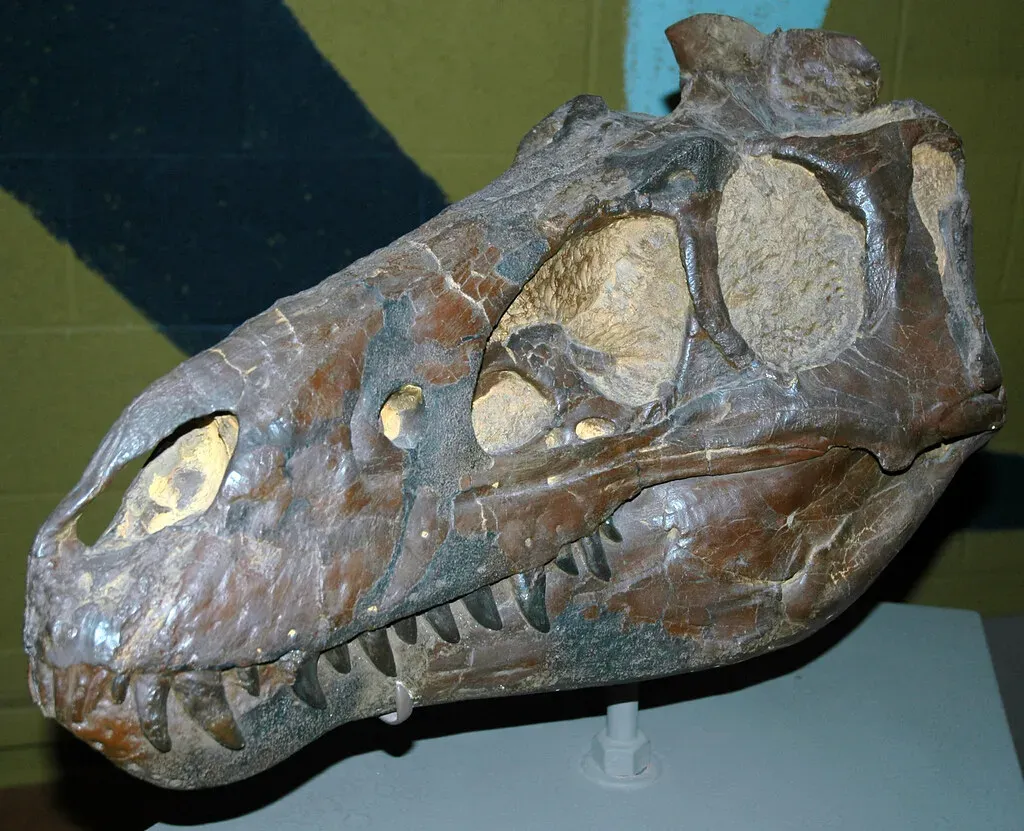
For most of paleontology’s history, studying dinosaur senses was nearly impossible. Brains and sense organs simply don’t fossilize. What researchers were left with were hollow bone cavities and a lot of educated guesswork. Then came the CT scanner, and everything changed.
By analyzing fossilized skulls with CT scanning technology, scientists have made remarkable discoveries about dinosaur vision, hearing, smell, taste, and touch. Think of it like a medical MRI scan for a 66-million-year-old skull. You get a detailed digital picture of spaces where soft tissue once lived, and from those shapes, you can start reconstructing a sensory world.
Although brains and sense organs do not fossilize, these approaches allow researchers to approximate the sensory abilities of extinct dinosaurs, with the relative size of different portions of the dinosaurian brain helping to interpret which functions were emphasized and which were reduced in any given group. It is a bit like finding a glove and using its shape to understand the hand that once wore it. Imperfect, but remarkably telling.
One of the best things about working with fossil endocasts constructed from CT scans is that researchers can study interior features without damaging the fossils themselves. Virtually dissecting fossil endocasts slice by slice, a trained paleontologist can use bony landmarks to decipher the boundaries of key brain regions and isolate those regions digitally. Every year, this technology gets more precise, and every year, the picture of dinosaur senses becomes richer and stranger than before.
The Astonishing Smell of the Dinosaur World
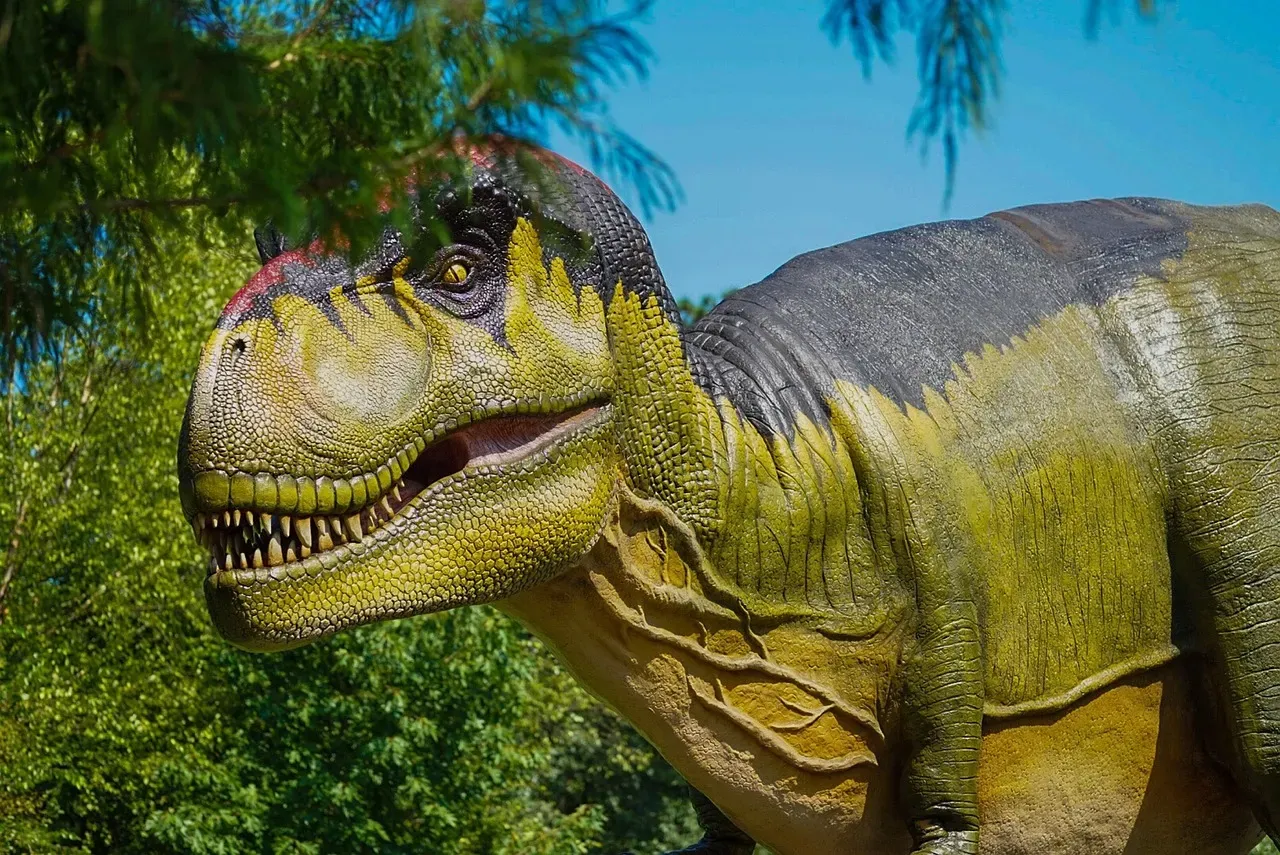
Here is a number that might surprise you. Tyrannosaurus rex likely possessed somewhere between 620 and 645 genes encoding olfactory receptors, an impressive arsenal for tracking prey. For comparison, that is a substantial olfactory toolkit by any vertebrate standard. We tend to imagine T. rex as a creature that relies on brute force. In reality, its nose may have been just as deadly as its jaws.
A substantial part of T. rex’s brain was devoted to olfaction, so Tyrannosaurus probably did sniff the air to locate its next meal, whether it was a living creature or one already dead and rotting in the sun. Once it isolated a scent, it could then scan the horizon with its stereoscopic vision for any sign of potential prey. That’s a predator operating like a finely tuned sensory machine, not a stumbling, instinct-driven monster.
Scientists discovered that the sense of smell actually increased in early bird evolution, peaking millions of years ago during a time when the ancestors of modern-day birds competed with dinosaurs and more ancient branches of the bird family. Birds are known more for their vision and hearing than smell, but research suggests that millions of years ago, these creatures also boasted a better sense for scents. Surprisingly, the research shows that smell actually improved during dinosaur-bird evolution, like vision and balance.
The “Boring” Dinosaur With a Nose Like an Alligator
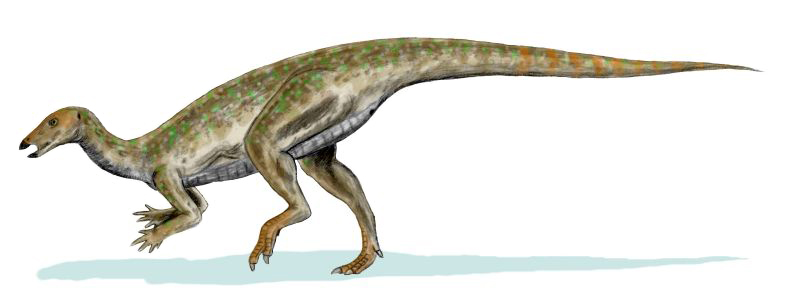
Sometimes the most startling discoveries come from the animals you least expect. Meet Willo, a specimen of Thescelosaurus neglectus, a small herbivore most paleontologists had largely written off as uninteresting. Willo was a small dinosaur at about 12 feet long but a heavy 750 pounds, an herbivore that lived in what is now North America just before the end-Cretaceous mass extinction event, 66 million years ago.
Researchers found that the olfactory bulbs, the regions of the brain that process smell, were very well developed in Thescelosaurus. They were relatively larger than those of any other dinosaur known so far, and similar to those of living alligators. Thescelosaurus may have used its similarly powerful sense of smell to find buried plant foods like roots and tubers. It also had an unusually well-developed sense of balance, helping it to pinpoint its body position in 3D space, another trait often found in burrowing animals.
Thescelosaurus’s poor cognitive and hearing abilities, coupled with powerful arms and legs and overdeveloped senses of smell and balance, are all features characteristic of animals that spend time underground. While researchers can’t say definitively that these animals lived part of their lives underground, they know that their ancestors did, and this unique combination of sensory abilities strongly suggests Thescelosaurus engaged in similar behaviors. Plain as toast? Not quite.
Vision: From Ultraviolet Sight to Depth-Perceiving Hunters
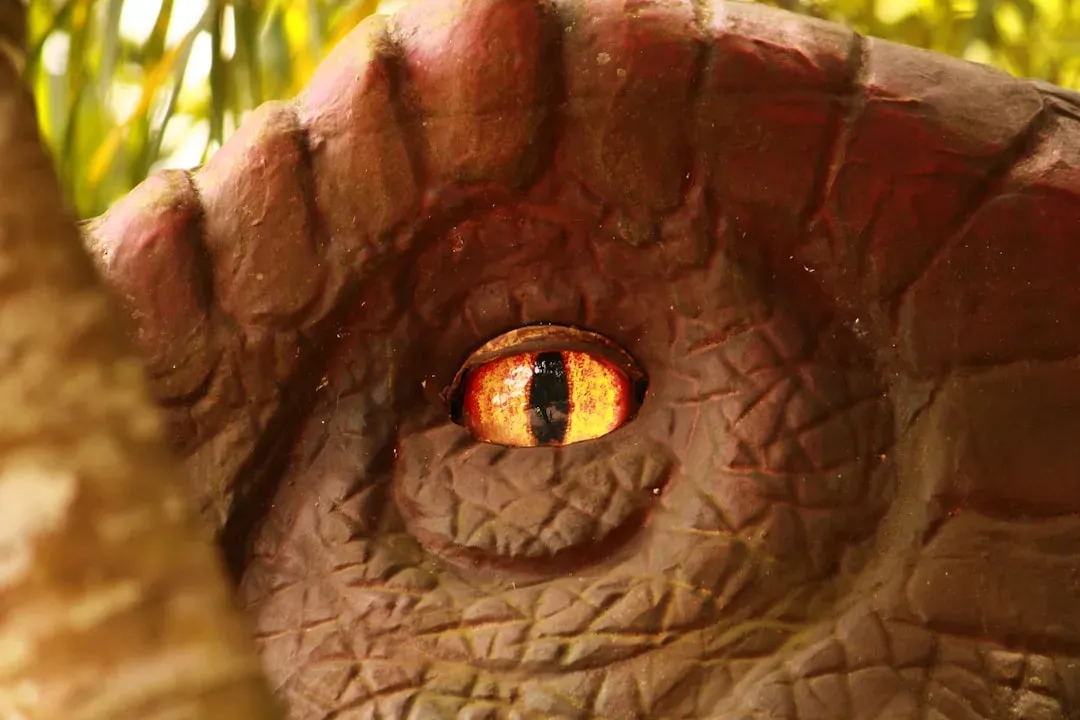
Dinosaur vision has been estimated by combining phylogenetic distributions of traits in living taxa and measurements from bones. Living diapsids typically have four to five types of color receptors, compared to three in humans and other related primates, and only two in most placental mammals, with ranges slightly higher into the ultraviolet than humans can see. In other words, you and your three color receptors would have been at a serious visual disadvantage in the Cretaceous.
Dinosaurs probably possessed tetrachromatic vision, meaning they had four types of cone cells in their eyes for receiving light, compared to the three types of cone cells in human eyes. This allowed them to see a greater range of colors than humans, and they could likely see ultraviolet light. This enhanced color perception likely aided in hunting, communication, and navigation. Imagine walking through a forest and seeing colors that don’t even have names in your language. That was potentially everyday life for a dinosaur.
Different dinosaur species had varied visual capabilities based on the size, shape, and placement of their eyes on the skull. For example, the forward-facing eyes of Tyrannosaurus rex provided binocular vision for depth perception during predation, while Pachycephalosaurs had eyes placed on the sides of their heads for a wider field of view. It’s a pattern you still see in the animal kingdom today. Predator eyes face forward. Prey eyes face sideways. Dinosaurs, it turns out, followed exactly the same evolutionary logic.
Night Hunters: The Dinosaur That Rivaled the Barn Owl
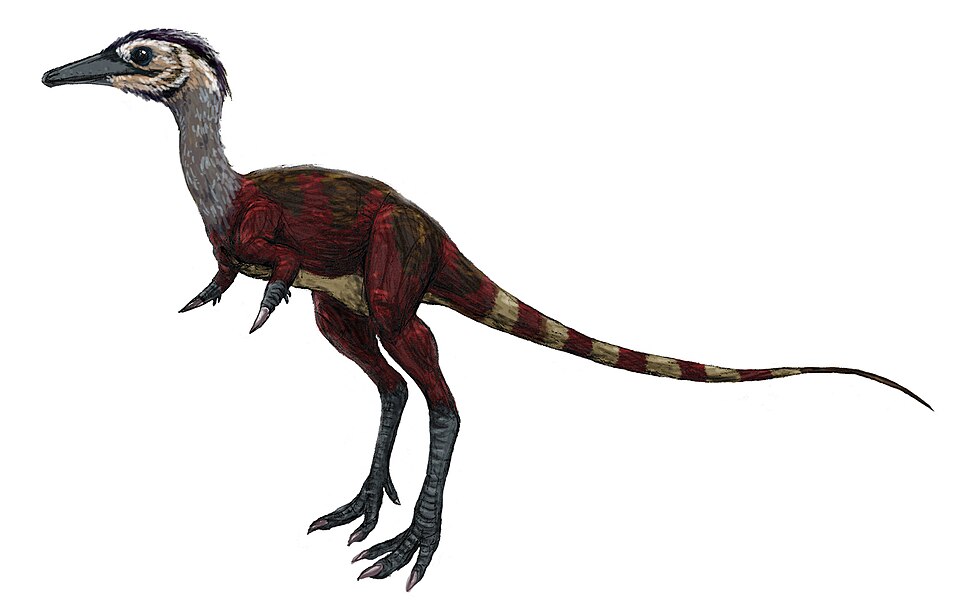
Perhaps no discovery in recent dinosaur sensory science has been more jaw-dropping than what researchers found inside the skull of Shuvuuia deserti. A new study published in the journal Science revealed that while many dinosaur species were suited for daytime hunting, a small theropod called Shuvuuia had extraordinary hearing and night vision that may have allowed it to hunt in complete darkness. A dinosaur. In complete darkness. Let that sink in.
All vertebrates have a tube-like canal called the cochlea deep in their inner ear. Studies of living mammals and birds show that the longer this canal, the wider the range of frequencies an animal can hear and the better it can hear very faint sounds. Scans showed that Shuvuuia deserti had an extremely elongated inner ear canal for its size, also similar to that of the living barn owl, and proportionally much longer than all of the other 88 living bird species analyzed for comparison.
Nocturnal predation evolved early in the nonavialan lineage Alvarezsauroidea, signaled by extreme low-light vision and increases in hearing sensitivity. The Late Cretaceous alvarezsauroid Shuvuuia deserti had even further specialized hearing acuity, rivaling that of today’s barn owl. This combination of sensory adaptations evolved independently in dinosaurs long before the modern bird radiation and provides a notable example of convergence between dinosaurs and mammals. Evolution, it seems, kept arriving at the same exceptional solution.
Hearing Across the Species: Who Listened Well and Who Didn’t
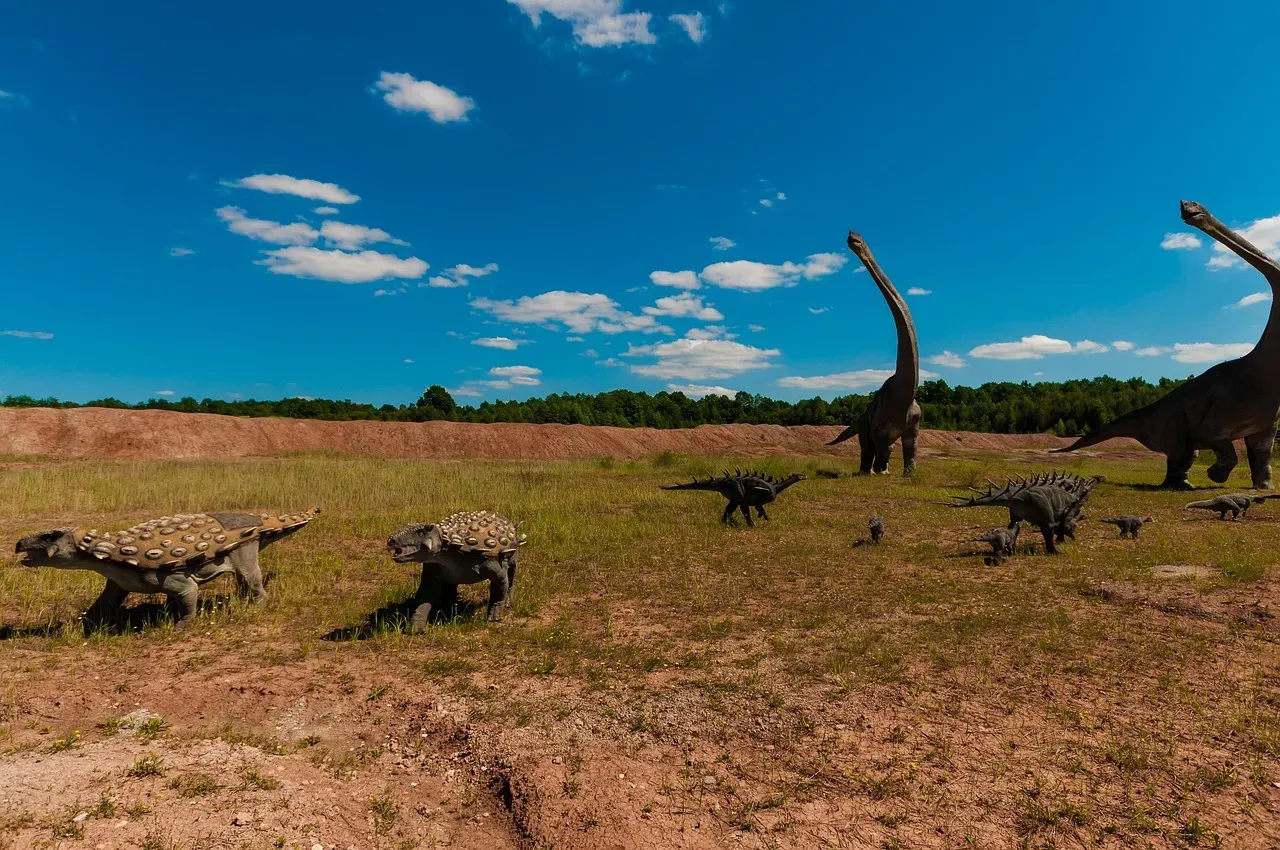
Not all dinosaurs heard the world the same way, and the differences are telling. Dinosaur hearing has been approximated using the size of the preserved inner ear spaces. Preliminary research shows that giant dinosaurs like Giraffatitan likely heard sounds best about one octave below the preferred hearing frequencies of humans. New studies show that most types of dinosaurs were also sensitive to higher frequency sounds, consistent with the hypothesis that they, like living archosaurs, used vocal communication between parents and their offspring. The idea of a giant sauropod communicating with tiny, peeping young is oddly touching.
Thescelosaurus could only hear about fifteen percent of the frequencies humans can detect, and between four to seven percent of what dogs and cats can hear. In particular, it was poor at hearing high-pitched sounds. Researchers found that it heard low-frequency sounds best, and the range of frequencies it could hear overlaps with T. rex. While this doesn’t mean it was adapted to hear T. rex vocalize, it certainly didn’t hurt to know when a major predator was nearby.
Ankylosaurids at least had a large ossified larynx, which means they probably did use calls and thus must have had some degree of hearing. In contrast, the derived alvarezsaurids show evidence of superb hearing comparable to modern owls, and it has been suggested this may have aided them in hunting for insects inside nests and logs. From barely hearing anything to full-on owl-level audio precision. That’s the incredible range of dinosaur auditory evolution for you.
Smell, Taste, Balance, and the Senses We Still Can’t Fully Decode
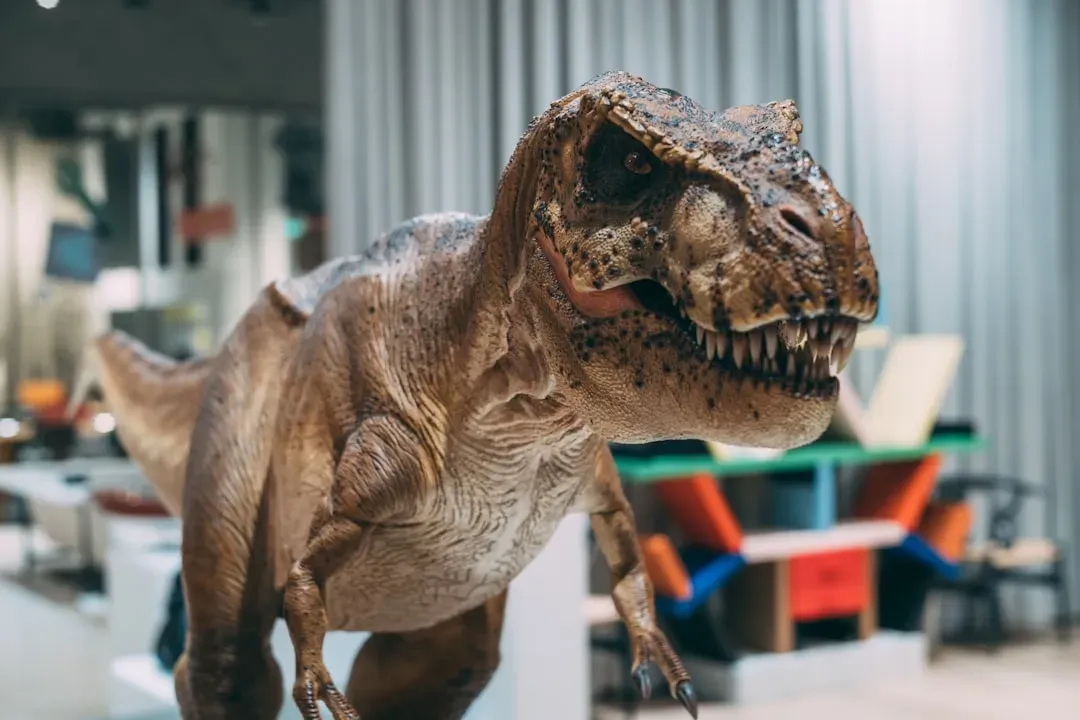
It’s hard to say for sure how much we’ve still missed, but the sensory picture of dinosaurs goes well beyond smell and hearing. The presence of well-developed vomeronasal organs, commonly associated with the detection of chemical cues, suggests that dinosaurs may have had a sophisticated taste system. The combination of their olfactory and taste abilities likely influenced dinosaur food detection and selection, contributing to their diverse feeding behaviors. Think of a snake flicking its tongue to taste the air. Some dinosaurs may have operated on a similarly rich chemical sensory level.
Taste is one of the most difficult aspects of dinosaur sensory experience to study. The soft tissues involved with the sense of taste do not fossilize well, so scientists must turn to indirect methods to theorize on how dinosaurs tasted. Skull shapes and comparisons to birds offer insights into how dinosaurs may have perceived taste. Some theorize that some dinosaurs lacked the ability to taste sugar due to the absence of gene T1R2, a phenomenon observed in modern birds.
Detailed studies of osteological correlates of sensory-motor abilities, in conjunction with extant animals and their brains within a cognitive framework, could yield valuable insights. Researchers would not only learn about their sensory-motor skills, but likely also about important parts of their cognitive functions. The science of dinosaur palaeoneurology is, in the best possible way, still in its early chapters. Every new skull scanned could rewrite what we think we know. By studying the sensory abilities of dinosaurs, paleontologists are not only learning what species roamed the night, but can also begin to infer how these dinosaurs lived and shared resources.
Conclusion: The Sensory World of Dinosaurs Was Far Richer Than We Ever Imagined
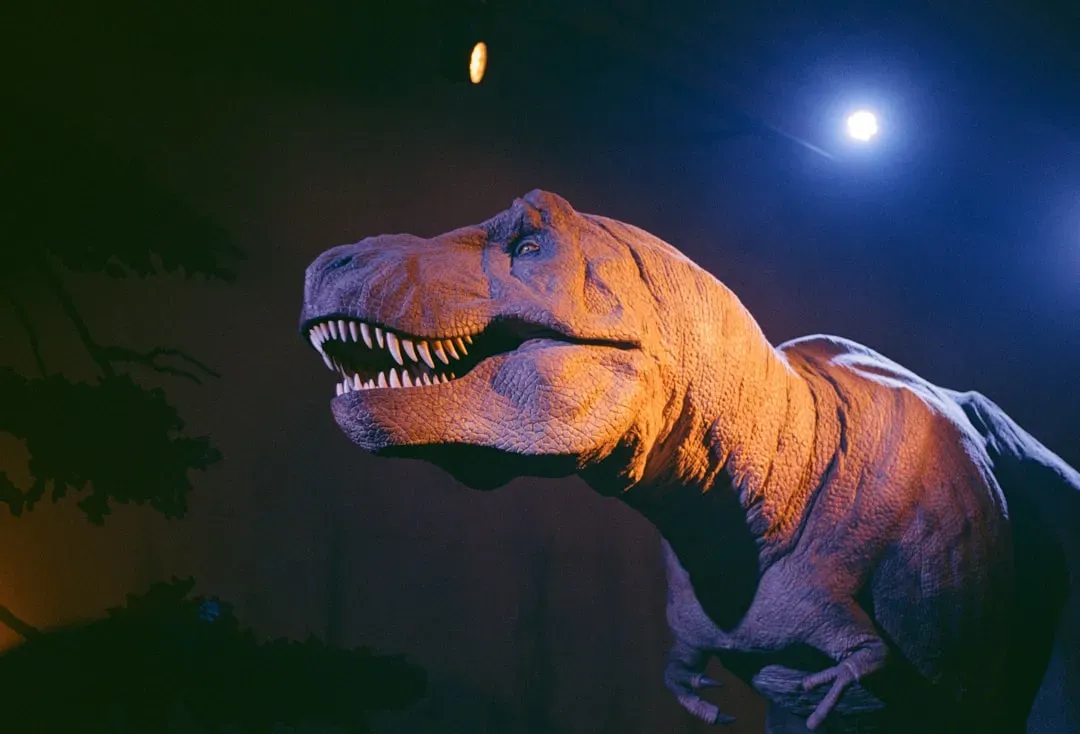
We spent over a century imagining dinosaurs as blunt instruments of nature. Big, dumb, and loud. The science of 2026 is telling a wildly different story. These animals smelled blood from miles away, hunted in total darkness with owl-level precision, perceived colors in spectrums we cannot see, and tuned their hearing to the specific sounds that mattered most in their ecological world.
The most humbling part is how little we still know. Researchers still don’t know the sensory abilities of most dinosaurs, and while that makes it difficult to link specific traits to specific lifestyles with full confidence, it also means there are plenty of extraordinary discoveries still to come. The idea that there might have been dinosaurs living under the feet of T. rex and Triceratops is fascinating.
There’s something genuinely exciting about realizing that the animals we thought we understood are still surprising us. Every fossilized skull is a locked box waiting to be opened with the right technology and the right question. So the next time you picture a Cretaceous landscape, don’t picture a world of noise and chaos experienced by sensory half-wits. Picture a world alive with scent trails, color spectrums, and nocturnal whispers. What other secrets do you think are still hidden inside those ancient bones?