
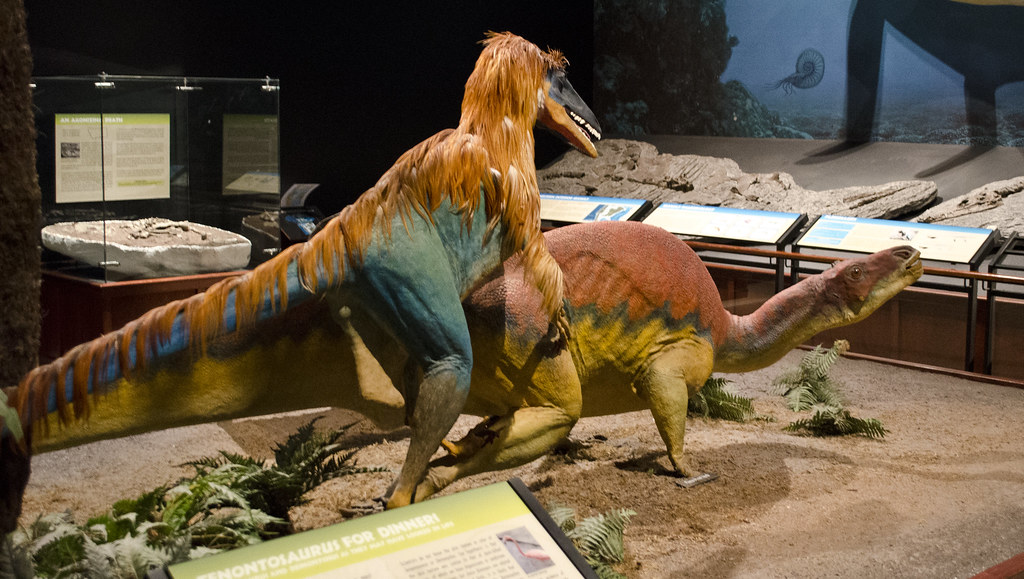
For most of human history, dinosaurs lived in a world without color – at least in our imagination. Museum reconstructions painted them in shades of muddy green and gray. Hollywood gave them dull, reptilian skins. And for a long time, scientists simply shrugged, assuming the true palette of these ancient giants would remain forever locked in stone. Honestly, that felt like a reasonable conclusion. After all, how could something as delicate as pigment survive millions of years of geological pressure?
Here’s the thing, though. It can. Dinosaur coloration has long been one of the great unknowns in paleontology, since skin pigmentation is nearly always lost during fossilization. However, studies of feathered dinosaurs and skin impressions have shown that the color of some species can be inferred through the analysis of color-determining organelles known as melanosomes preserved in fossilized skin and feathers. The results have been nothing short of stunning. Let’s dive in.
The Tiny Structures That Changed Everything: Meet the Melanosome
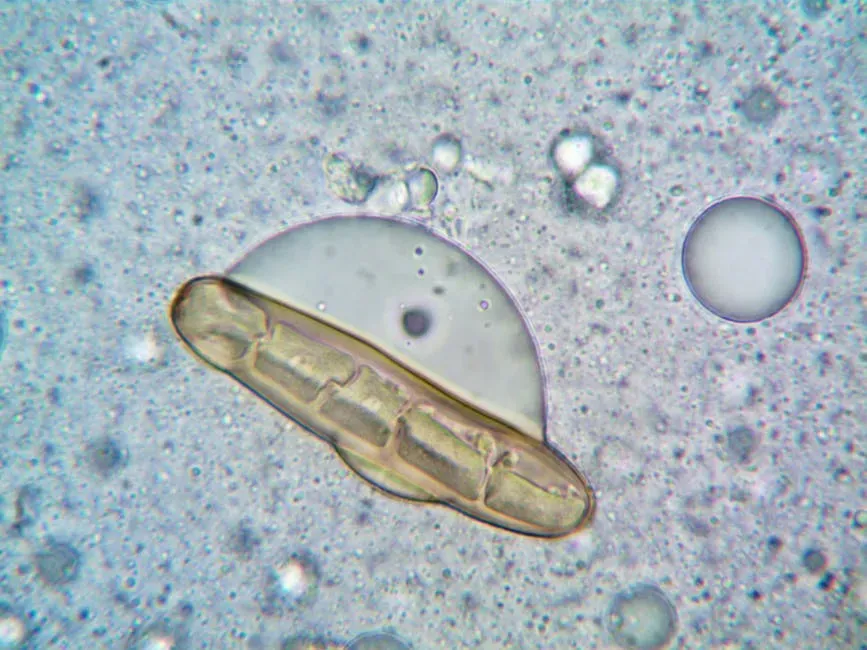
You might be surprised to learn that the key to unlocking dinosaur color was not some massive new fossil discovery. It was a microscopic blob. Melanosomes are organelles within cells that synthesize, store, and transport melanin, the pigment responsible for skin, hair, eye, and feather colors. Think of them as nature’s color capsules, small enough that a hundred of them can fit across a single human hair, yet packed with the kind of information that can rewrite our entire understanding of prehistoric life.
Melanin is the same pigment found in hair, skin, feathers, and eyes. It can impart red, brown, gray, and black hues and even create metallic sheens. What makes this scientifically electric is that melanosomes survive the fossilization process far better than anyone previously expected. Since the publication of early melanosome discoveries, teams have described melanosomes and other pigments from additional fossils. Researchers have also investigated the chemistry of fossil melanin and confirmed that melanin can survive for millions of years, almost chemically intact.
From Guesswork to Ground Truth: How the Science Began
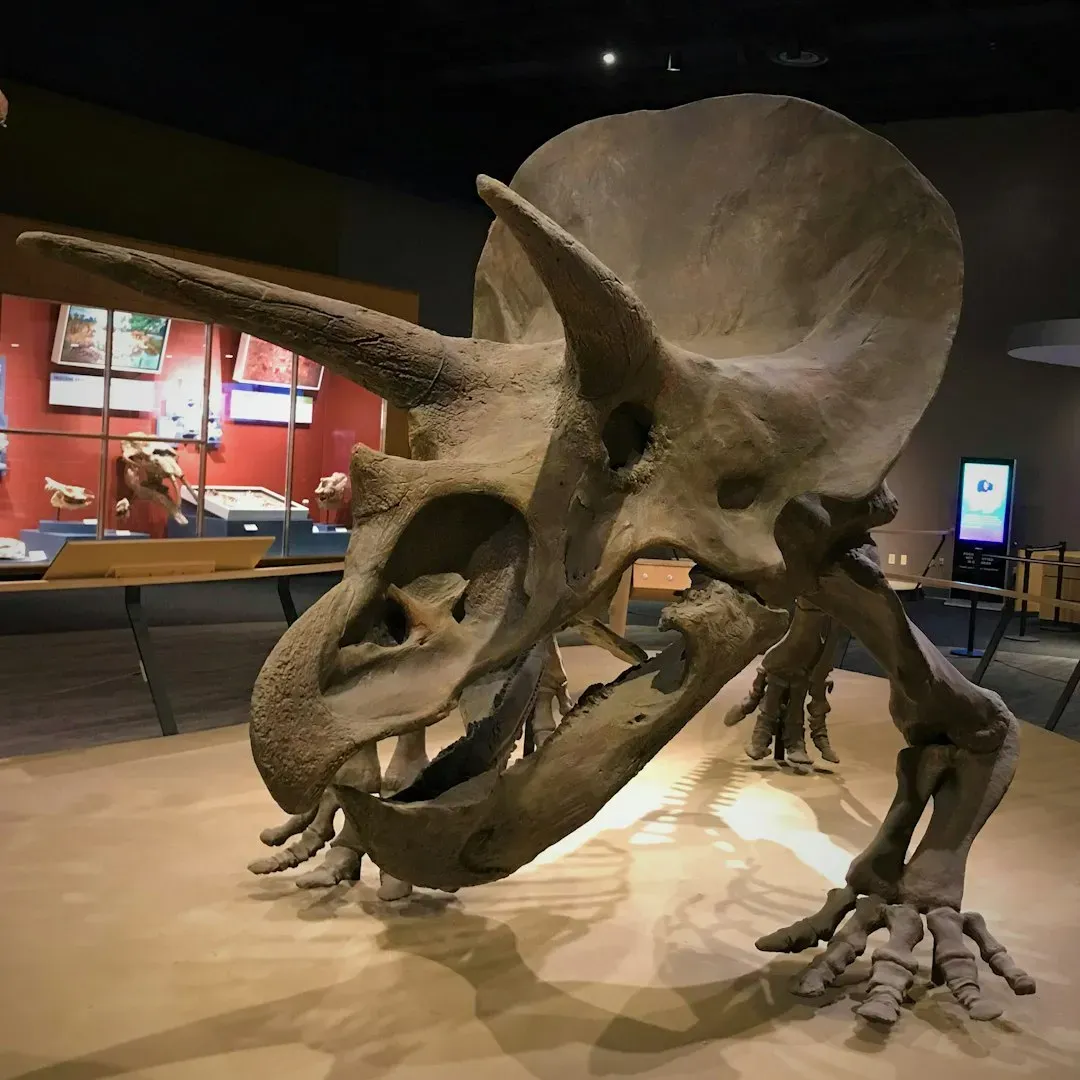
Before this research emerged, artists and scientists were essentially guessing. It was an educated guess, sure, but a guess all the same. For decades, scientists assumed that pigments hardly ever survive the fossilization process. The few known examples all came from fossils of invertebrate creatures, not backboned ones. Researchers could therefore only guess at the colors of most long-vanished animals, using modern ones as a guide. The result was wildly inconsistent portrayals of the same species, some dinosaurs depicted in earth tones, others in vivid, bird-like splashes of color.
The turning point came thanks to a close look at squid ink. The science changed when Jakob Vinther, a paleontologist at the University of Bristol, discovered pigment-containing cell structures called melanosomes in fossilized dinosaur feathers. The finding opened up a new world of prehistoric color, illuminating the role of color in dinosaur behavior and allowing the first accurately colored dinosaur reconstructions. Before that, every reconstruction was little more than inspired fiction.
Sinosauropteryx and Its Ginger Tail: The First Real Colors Identified
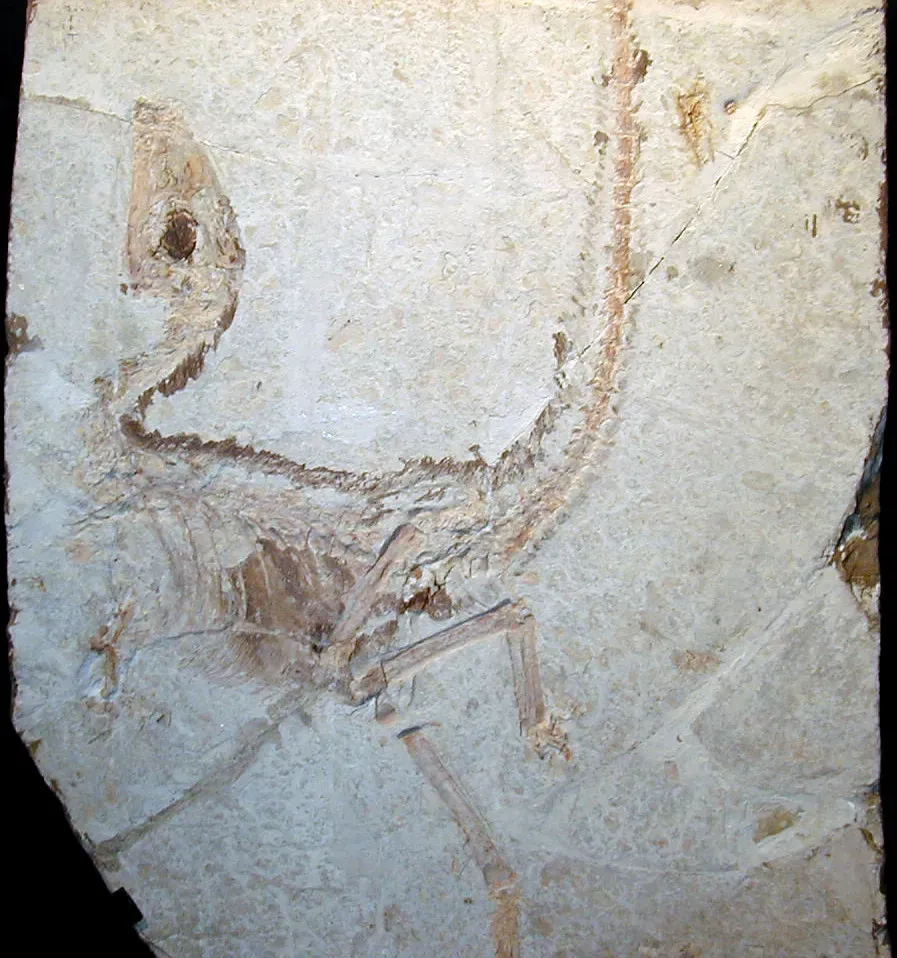
One of the most satisfying moments in this entire field of research was the discovery that a small, predatory dinosaur named Sinosauropteryx had a distinctly ginger-striped tail. That’s right, not gray, not green. Ginger. The dinosaur Sinosauropteryx had featherlike bristles running across its head, back, and tail. These bristles turned out to contain pheomelanosomes, revealing that the dinosaur had reddish-brown stripes covering the tail. That single finding felt like the first crack of light through a very long, very dark tunnel.
Researchers suggest that areas completely missing melanosomes were most likely white. So you can picture it now – a small predator dashing through prehistoric undergrowth, sporting a warm reddish-brown striped tail that popped visually against a lighter body. A series of striking feathered dinosaur fossil discoveries from the Cretaceous Jehol Group sediments of China revolutionized thinking about the evolution and diversity of dinosaurs and early birds. It wasn’t just a color discovery. It was a window into a living, breathing world.
Anchiornis: The First Dinosaur to Receive a Full Color Map
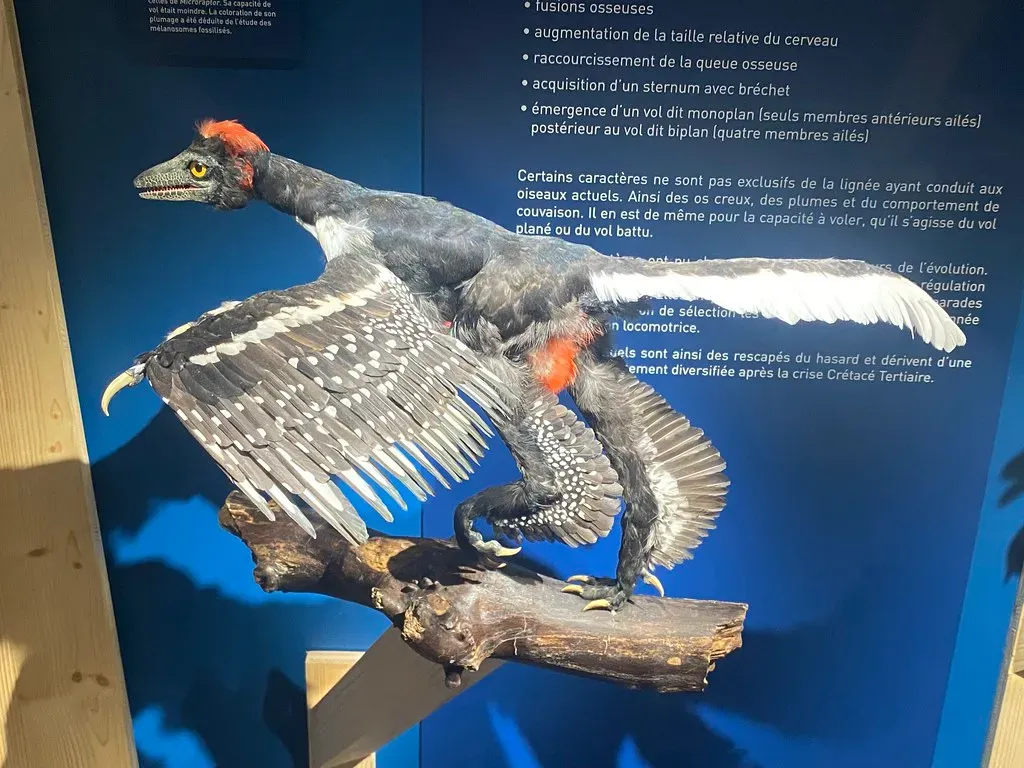
If Sinosauropteryx gave us a glimpse of color, Anchiornis gave us the whole picture. Scientists mapped for the first time ever the colors and color patterns of an entire dinosaur – from snout to tail tip – and the results were extraordinary. Paleontologists studied a well-preserved skeleton of Anchiornis, an averaptoran from the Tiaojishan Formation in China, and found melanosomes within its fossilized feathers. As different shaped melanosomes determine different colors, analysis allowed them to infer that Anchiornis had black, white, and grey feathers all over its body and a crest of dark red or ochre feathers on its head.
I think this is one of the most jaw-dropping moments in modern paleontology, and it doesn’t get nearly enough attention. We’re talking about a 155-million-year-old creature whose actual color pattern is now known with real scientific confidence. The research team mapped colors and color patterns of the entire dinosaur from head to tail. They picked up color patterns not just across whole regions of feathers but also within individual feathers. That level of detail rivals what you’d expect from studying a bird alive today.
Microraptor’s Dazzling Secret: Iridescent Like a Crow
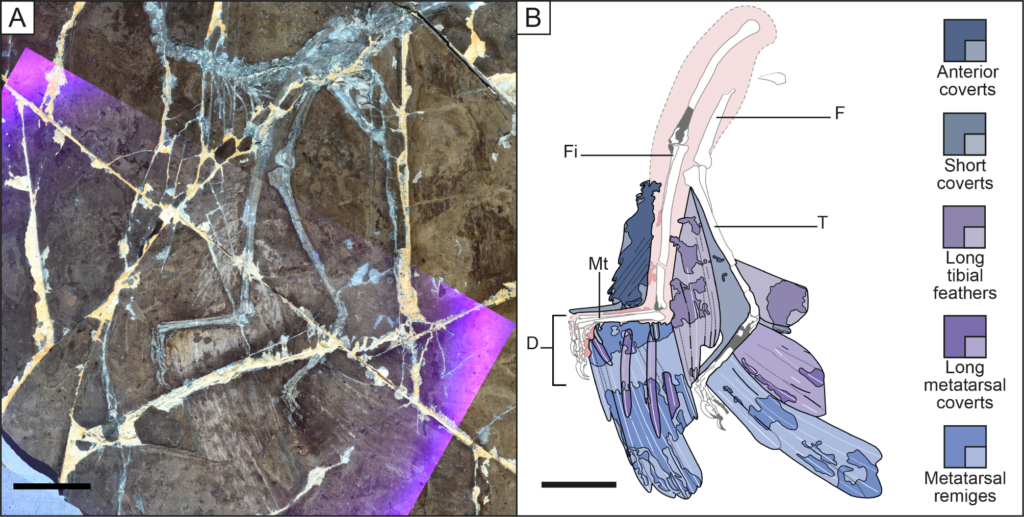
You’d be forgiven for assuming dinosaur plumage was uniformly dull. Nature, as it turns out, had other ideas. Researchers revealed the color and detailed feather pattern of Microraptor, a pigeon-sized, four-winged dinosaur that lived about 130 million years ago. Its fossilized plumage had hues of black and blue like a crow, and represents the earliest record of iridescent feather color. To put that in perspective, this creature was shimmer-coated and gleaming, strutting through the Cretaceous long before peacocks ever existed.
In Microraptor, the preserved feathers contain long, sausage-shaped melanosomes arranged to bend light in eye-catching ways. Its plumage would have been black, with the same shiny sheen as a crow’s. This discovery also changed what scientists thought about Microraptor’s lifestyle. These findings contradict previous interpretations that Microraptor was a nocturnal animal, because dark glossy plumage is not a trait found in modern nighttime birds. Color, it turns out, can reveal behavior just as powerfully as bones.
Psittacosaurus: When Color Reveals Where a Dinosaur Actually Lived
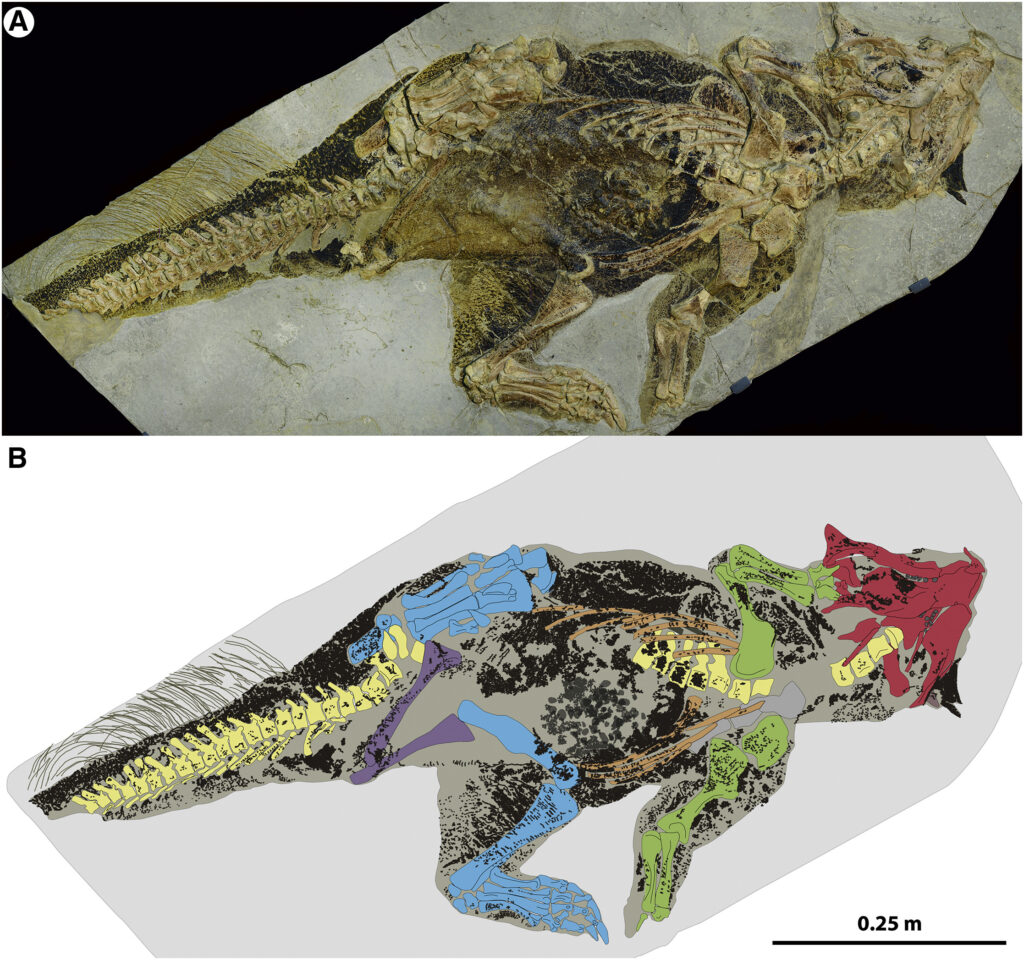
Here is where things get truly clever. Color is not just decorative. It tells a survival story. A University of Bristol-led international team produced an accurate reconstruction of an exceptionally well-preserved specimen of Psittacosaurus, a Cretaceous ornithischian dinosaur from China. The camouflage patterns on this fossil include countershading, which functions by counter-illuminating shadows on the body of an organism.
The team found that Psittacosaurus was light on its underside and darker on top. This color pattern, known as countershading, is a common form of camouflage in modern animals. According to the scientists, Psittacosaurus most likely lived in an environment with diffuse light, such as in a forest. Think of it like a detective using a fingerprint. The camouflage pattern matched forest conditions, not open plains. This demonstrates that fossil color patterns can provide not only a better picture of what extinct animals looked like, but they can also give new clues about extinct ecologies and habitats. That is extraordinary. You’re essentially reading an animal’s autobiography from its skin.
The Diplodocus Breakthrough: Even Giant Sauropods Had Complex Color
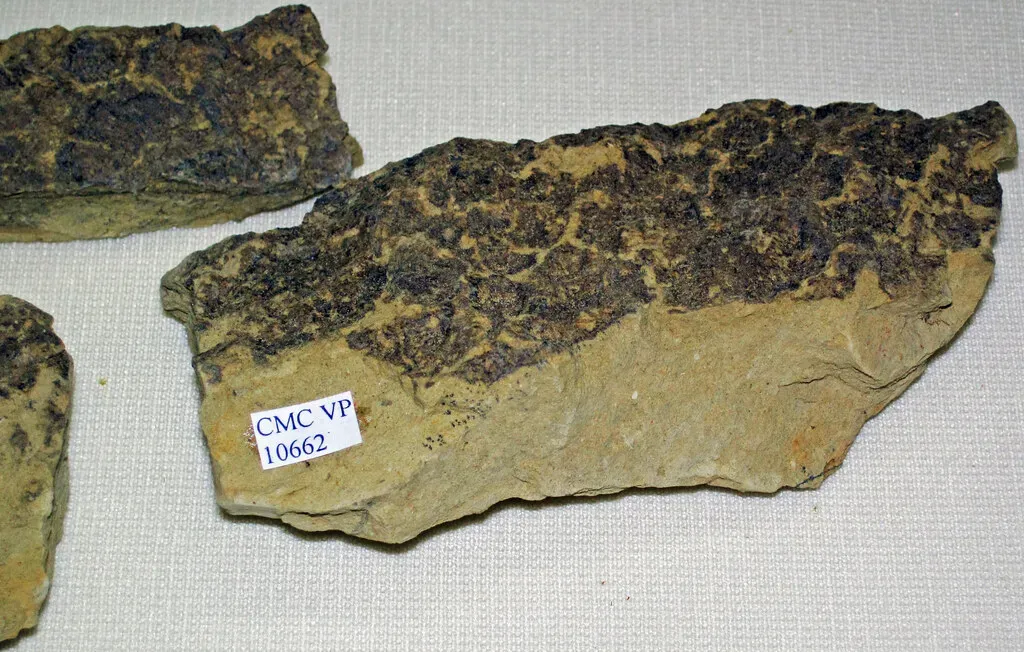
For a long time, large, lumbering sauropods – those colossal long-necked giants – were assumed to be the least likely candidates for any kind of interesting color. Big animals are gray. Think elephants, rhinos, hippos. Simple, right? Not so fast. From the Jurassic rocks of Montana’s Mother’s Day Quarry, paleontologists uncovered fossils of sauropod skin so delicately preserved that they include impressions of pigment-carrying structures called melanosomes. They described the discovery in December 2025 in Royal Society Open Science.
While the research team was reluctant to make a full color reconstruction of the juvenile Diplodocus the skin came from, they detected that the dinosaur would have had conspicuous patterns across its scales. The finding suggests sauropod dinosaurs were not uniformly gray or brown, but had complex color patterns like other dinosaurs, birds, and reptiles. The morphology and distribution of these melanosomes suggests these individuals may have exhibited non-uniform skin coloration, possibly with a mottled appearance and darker pigmentation consistent with tones ranging from gray to brown or black. The largest animals to ever walk the Earth may have been spotted, patchy, and far more visually striking than anyone imagined.
What Colors Still Remain Hidden and Where Science Is Heading Next
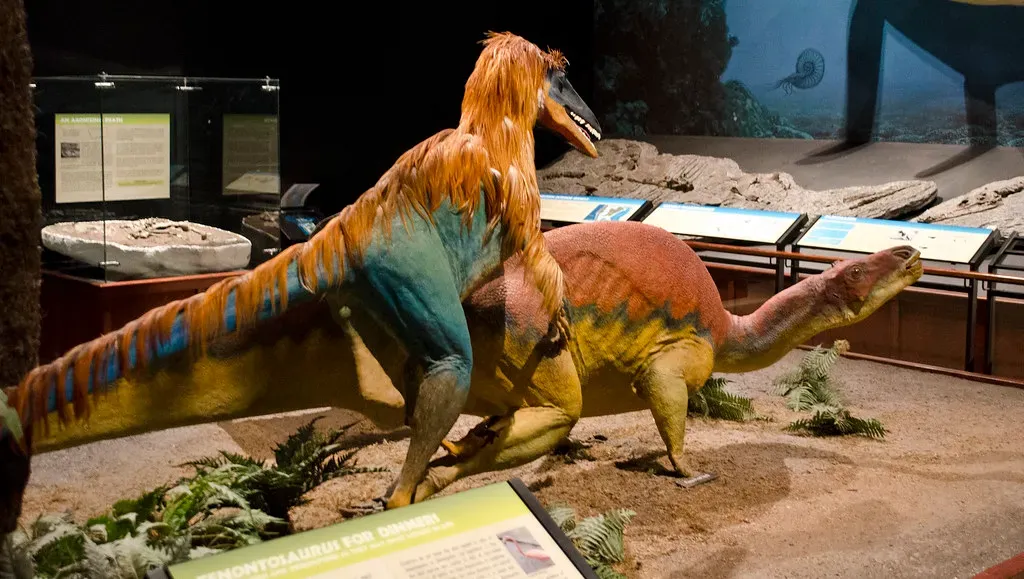
Let’s be real: melanin-based colors are only part of the picture. Some researchers believe the lost world was likely filled with more color than scientists have discovered so far, arguing that if the only pigments that were part of a dinosaur’s overall look were melanin-based, it was a very black-and-white universe back then. There were likely carotenoid pigments producing bright yellows, oranges, and reds, the kinds of vivid tones you see on modern parrots and flamingos. Those pigments are far harder to trace in fossils.
Some researchers believe it is very possible that future studies will find evidence of other pigments besides melanin. This bright-colored future may not be too far off, with scientists actively working to put colors on dinosaurs that may prove quite colorful indeed. Dinosaurs may be long extinct, but recent research makes it abundantly clear they are anything but settled science. New fossils, reanalyses of famous specimens, and the use of increasingly sophisticated tools have continued to upend what we thought we knew about how these animals lived, moved, fed, and evolved. Every year, the ancient world grows a little more vivid, a little more real.
Conclusion
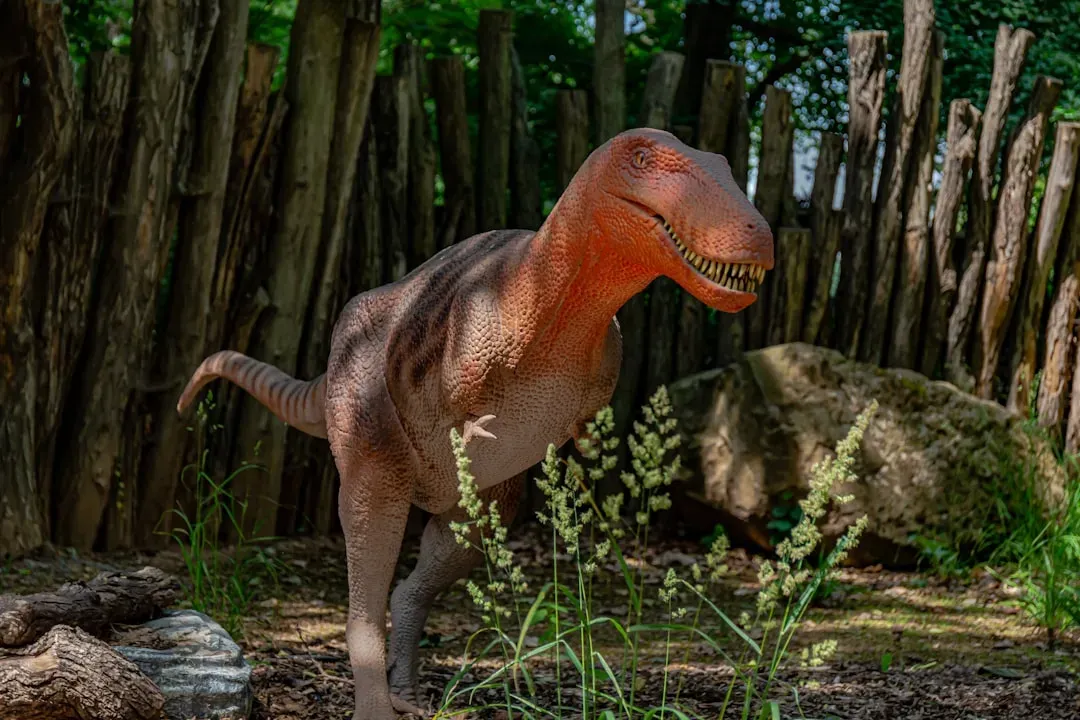
What we are witnessing is something genuinely rare in science. A question that once seemed permanently unanswerable is being answered, one microscopic melanosome at a time. Dinosaurs were not the drab, gray-green creatures of old textbooks and classic films. They were striped, spotted, iridescent, and countershaded. Some flashed glossy black plumage like crows. Others wore ginger tails like a badge. Still others hid from predators under the forest canopy, painted perfectly for their environment.
The science of fossil color is still young. New techniques, new fossils, and new chemical analyses are expanding the toolkit every single year. Honestly, it feels like we are just getting started. The Cretaceous was not a dull, monochrome world. It was a riot of color, behavior, and display that rivals anything alive on Earth today. And the question worth sitting with is this: if even a giant Diplodocus may have had a mottled, patterned skin, what other assumptions about prehistoric life are quietly waiting to be overturned?
What do you think the next dinosaur color discovery will reveal? Drop your thoughts in the comments below.