When you picture a dinosaur, you probably imagine something invincible. A crushing force of nature, all teeth and thunder, impossible to stop. But here’s what most people never think about: what happened after the fight? What happened when a T. rex broke a rib, or an Allosaurus shattered a toe bone mid-hunt? For decades, scientists assumed dinosaurs were simply powerful until they weren’t. Today, a growing mountain of fossil evidence is rewriting that story in fascinating ways.
It turns out these ancient giants were not just survivors in the predator-prey sense. They were biological survivors in a far deeper, more intimate sense. From healed fractures to preserved blood vessels inside cracked bones, the science of dinosaur recovery is exploding right now, and what you’re about to read might genuinely surprise you. Let’s dive in.
The Fossil Record Speaks: Bones That Broke and Mended
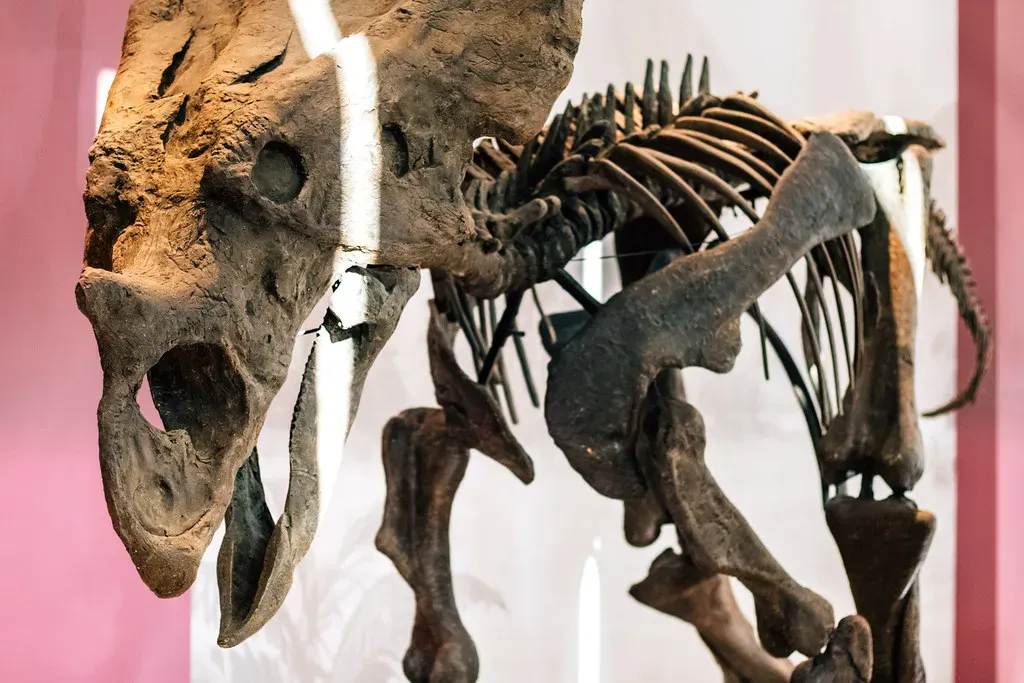
Fossils show that dinosaurs were regular animals that got hurt, healed, and went on with their lives, rather than being the invulnerable monsters that many people may imagine. That single sentence from paleontologists essentially upends the blockbuster movie version of dinosaurs. Think of it like this: every healed fracture in a fossil is essentially a medical record, a story of survival written in ancient bone.
Dinosaur bones sometimes include evidence they cracked and mended while the reptiles lived, and such findings can yield insights into how much violence dinosaurs experienced and whether they healed differently than other animals. The range of injuries documented across species is genuinely staggering. Ribs, toe bones, shoulder blades, vertebrae. They cracked, they knit back together, and the animals kept moving. That’s not weakness. Honestly, that’s toughness at a level that deserves far more attention.
Synchrotron Imaging: The Technology Cracking the Code
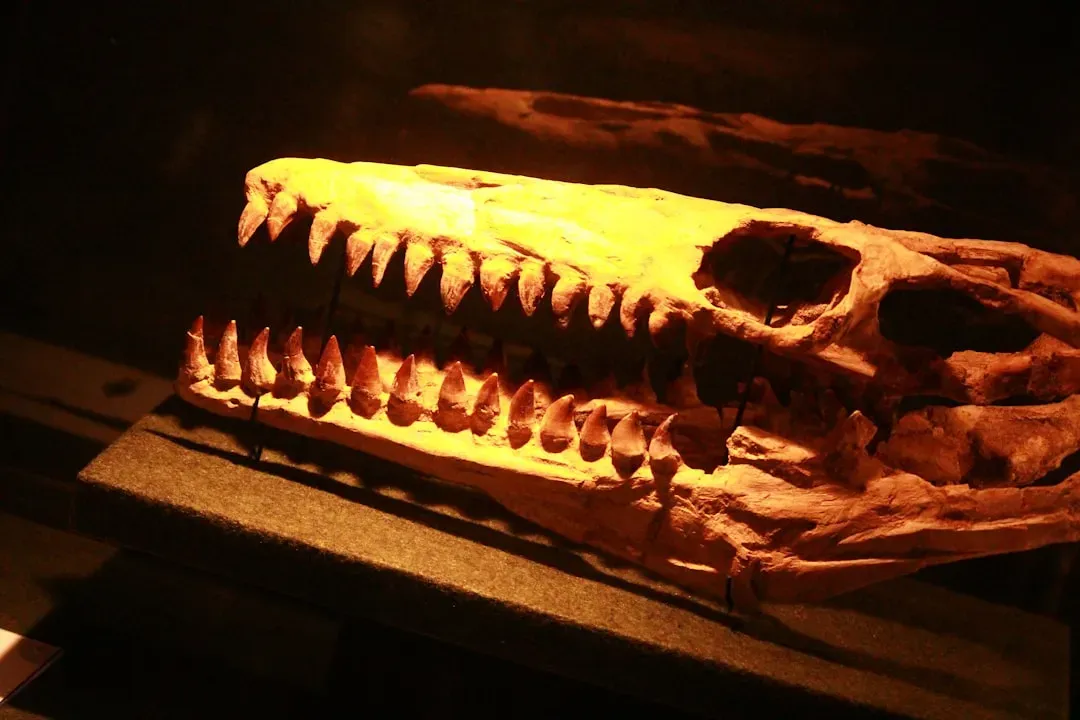
Here’s the thing about studying healed dinosaur bones: you used to have to physically slice them open to learn anything useful, which destroyed the very fossils you were trying to understand. That changed dramatically with synchrotron imaging. Analyzing fossils for signs of healed fractures often involves slicing through them, damaging these rarities, but now scientists have used intense X-rays with beams brighter than ten billion suns to illuminate breaks hidden within the bones of a 150-million-year-old predatory dinosaur.
There are subtle chemical differences between normal and healed bone tissue, and scientists discovered they could detect what they called the “chemical ghosts” of ancient breaks. Think about that for a moment. A ghost of a wound, healed over 150 million years ago, still detectable today using particle accelerators. That is, to me, one of the most mind-bending things modern science has ever pulled off.
Allosaurus: The Most Studied Survivor in Paleontology
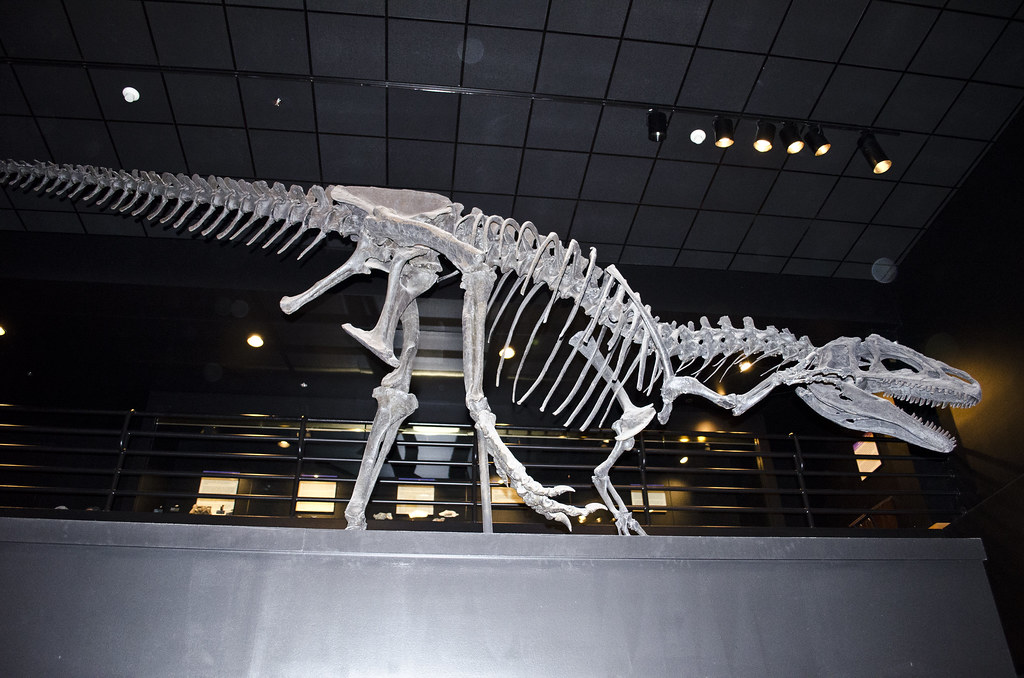
If you want a poster species for dinosaur resilience, look no further than Allosaurus. This Jurassic predator has provided researchers with an almost embarrassing wealth of injury data. Allosaurus is known from many specimens with healed injuries, and one specimen known as “Big Al” was described by Hanna in 2002 as having suffered numerous injuries all over the body, including broken ribs, arm and hand bones, and a broken left foot.
The left scapula and fibula of an Allosaurus fragilis specimen both have healed fractures, and another specimen preserved several pathological gastralia showing evidence of healed fractures near their middle. What this paints is a picture of an animal that regularly absorbed serious physical trauma, and regularly bounced back from it. The sheer variety and number of healed injuries in Allosaurus specimens strongly suggests this species had a genuinely robust capacity for bone repair.
T. rex and the Blood Vessels Frozen in Bone
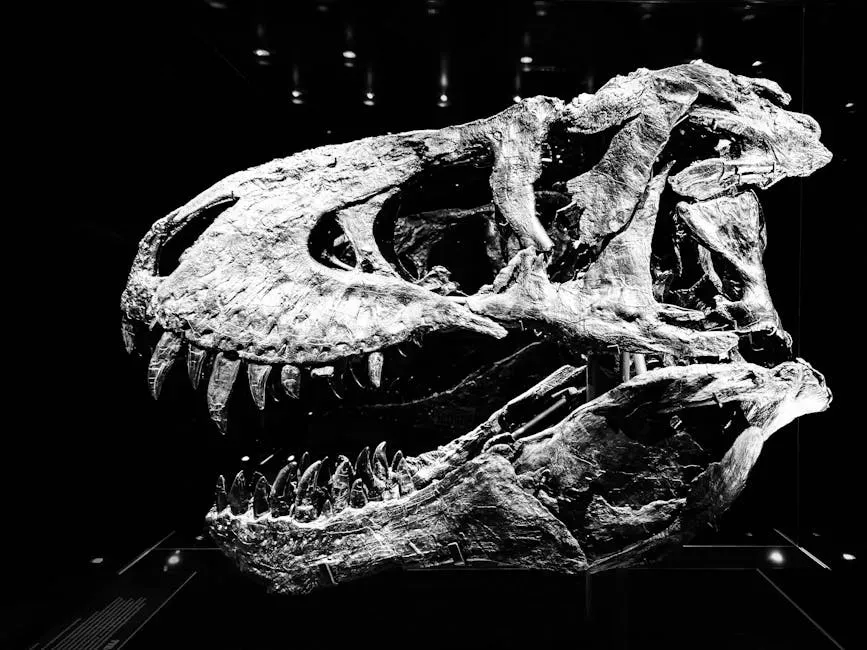
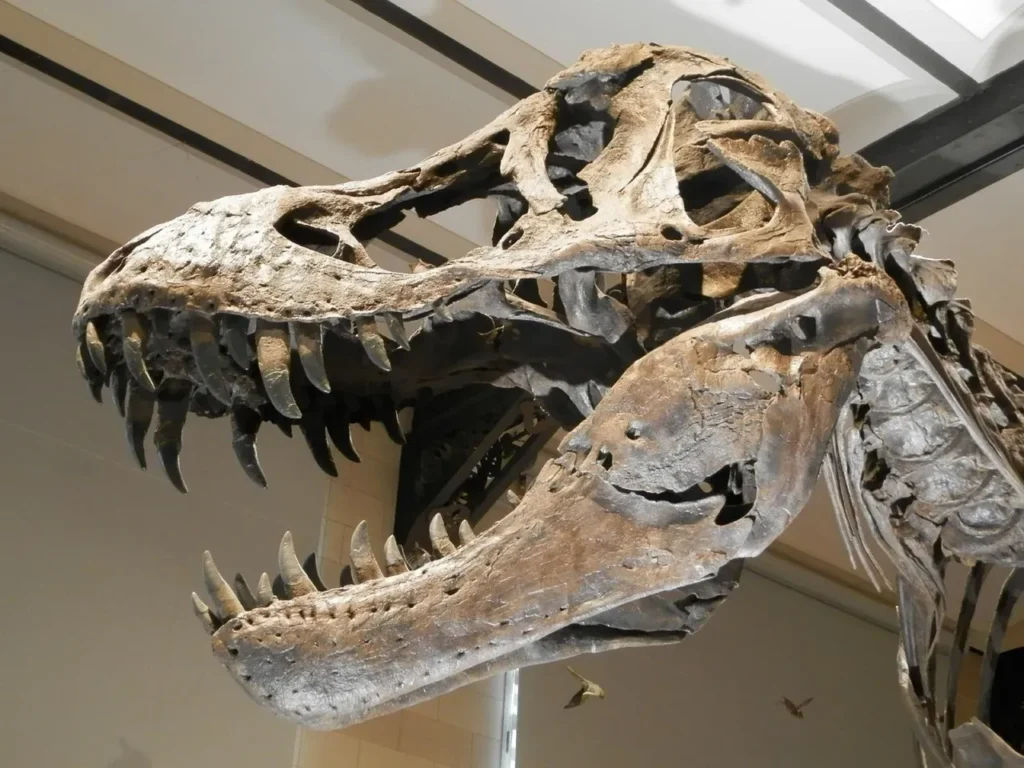
Perhaps no discovery in recent years has generated more excitement about dinosaur healing than what scientists found inside a fractured rib belonging to “Scotty,” one of the most famous T. rex specimens ever recovered. A study published in Scientific Reports reported the discovery of remnants of blood vessels inside a rib from Scotty’s skeleton, though the vessels were not the original soft tissues; rather, minerals made natural casts of the blood vessels, allowing them to be preserved and later visualized, and the vessels came from an area of the rib that had been fractured, with future studies of such preserved structures potentially helping paleontologists better understand how dinosaurs healed.
Researchers analyzed vessel-like structures within the fractured rib of the T. rex specimen, interpreted as angiogenic blood vessel casts, and interpreted their preservation as aided by the incomplete healing of the rib fracture. Angiogenesis, the process by which the body grows new blood vessels to supply a healing wound, is one of the most fundamental biological repair mechanisms known to science. Seeing its fossilized footprint inside a dinosaur rib is extraordinary.
The Immune System Question: Were Dinosaurs Naturally Disease-Resistant?
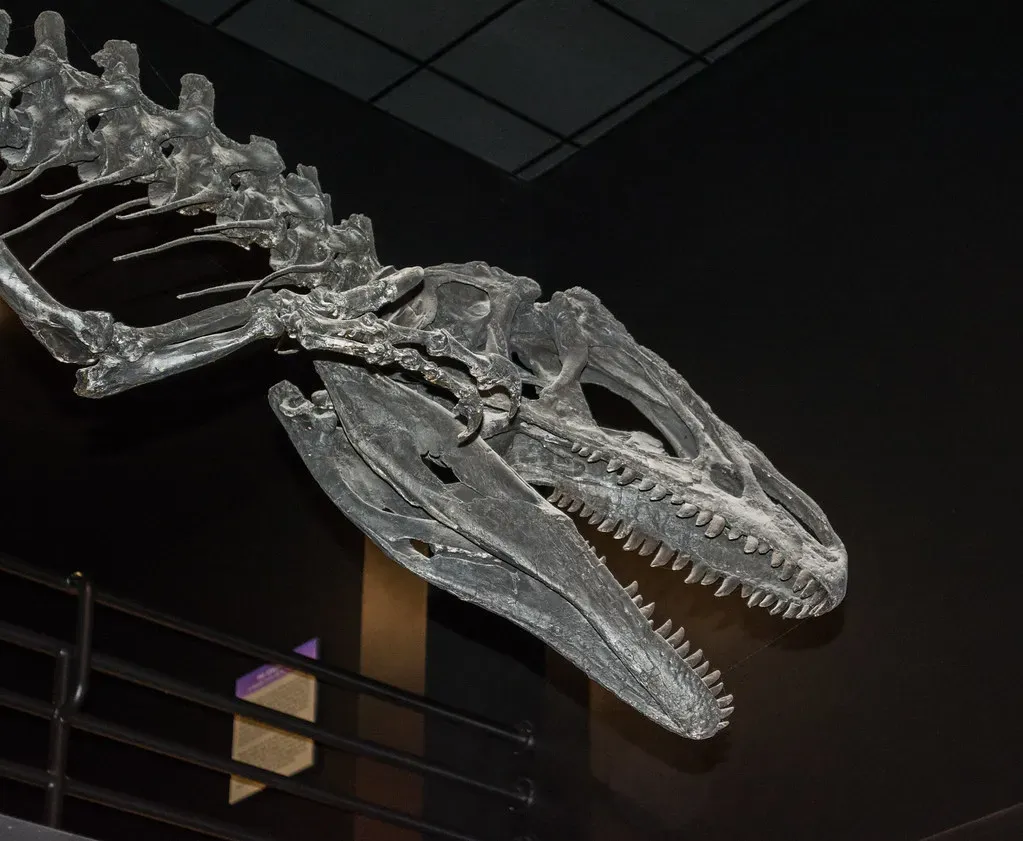
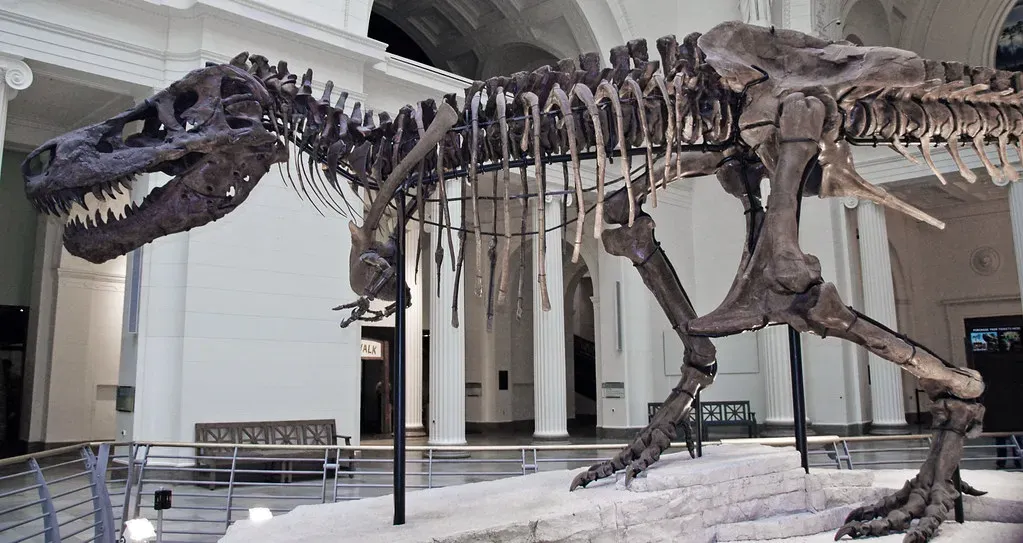
You might be wondering: beyond broken bones, what about infections? What happened when a wound went septic 150 million years before antibiotics existed? Penetrating injuries carry a risk of infection, and since extant archosaurs bracketing dinosaurs, specifically crocodilians and birds, have effective immune systems, it is safe to assume that dinosaurs did too, with evidence of localized infections attributed to injury found in, for example, the fibula of T. rex known as “Sue.”
Without antibiotics or medical care, dinosaurs relied entirely on their immune systems to fight off infections that developed after injuries, making every significant wound potentially life-threatening. Yet the fossil record shows many cases where they did exactly that. This suggests that dinosaurs possessed robust immune systems that were able to combat infections effectively. It’s a remarkable conclusion, and one that continues to reshape our understanding of Mesozoic biology.
Metabolic Rates and the Speed of Dinosaur Healing
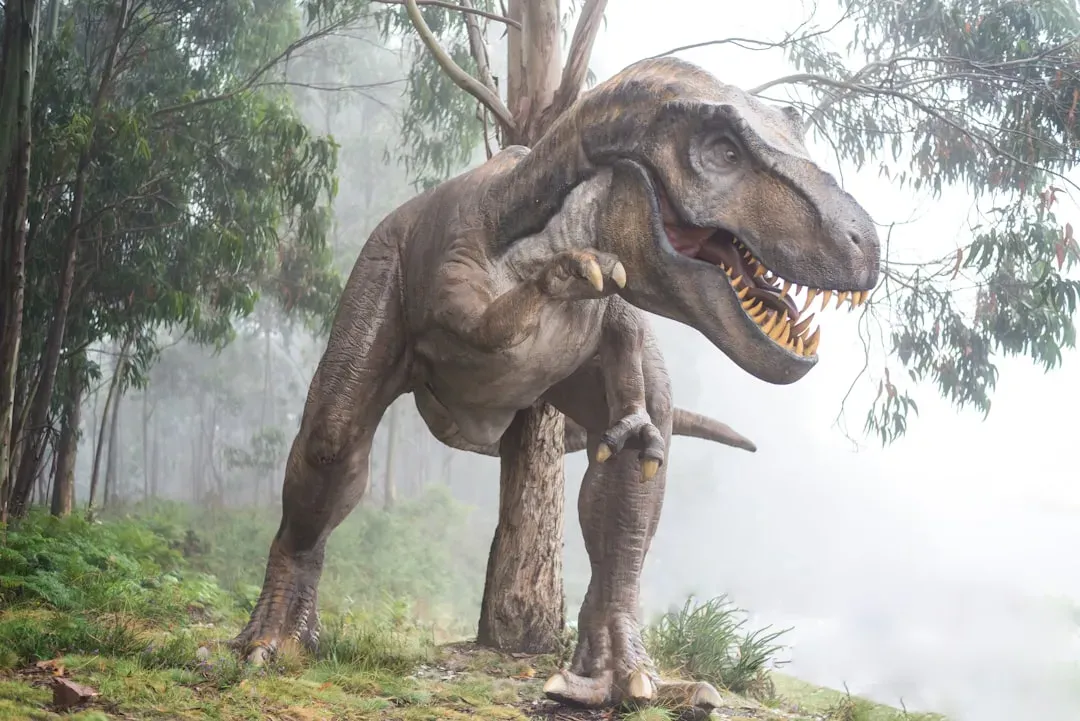
One of the deeper questions in all of this is: how fast did they actually heal? Speed of recovery is closely tied to metabolism, and for a long time, scientists weren’t sure whether dinosaurs were cold-blooded, warm-blooded, or something in between. The answer to that question matters enormously for understanding their healing capabilities. The ability to survive serious injuries such as fractures is linked to the rate of healing, itself a function of metabolic rate, and for dinosaurs, this is thought to have been intermediate between that of cold-blooded ectothermic non-archosaur reptiles and warm-blooded endothermic birds.
Analysing ratios of oxygen isotopes in phosphate ions preserved during fossilization in the early callus of a fractured neural spine, researchers deduced a warming of 2.6°C in the area of the injury, and described the process of callus replacement as intermediate between modern reptiles and birds. This is genuinely remarkable evidence. A local temperature increase at a fracture site is exactly what you see during active bone repair in living animals. The fact that this thermal signature survived tens of millions of years in fossilized bone material is, well, barely believable but apparently true.
What Dinosaur Healing Tells Us About Our Own Biology
Let’s be real for a moment. All of this is fascinating as paleontology, obviously. But there’s a practical dimension here that science is only beginning to explore, and it could have real implications for human medicine. New techniques used to analyze soft tissue in dinosaur fossils may hold the key to new cancer discoveries, with researchers having analyzed dinosaur fossils using advanced paleoproteomic techniques, a method that holds promise for uncovering molecular data.
Research into how dinosaur bones healed and the identification of chemical markers could help with the development of strategies to assist in the healing and recovery rates when it comes to injuries in other species, including our own. The idea that a Jurassic predator’s broken toe bone might one day help doctors understand human fracture repair is the kind of unexpected scientific crossover that makes this field so endlessly compelling. Biomolecules preserved in deep time have the potential to shed light on major evolutionary questions, driving the search for new and more rigorous methods to detect them.
Conclusion: The Toughest Animals That Ever Lived
The more paleontologists look, the more they find. Healed ribs, mended shoulder blades, evidence of blood vessel regrowth inside fractured bone, immune responses frozen in stone. What was once a field focused on species classification and body size is now revealing something far more intimate: the inner biology of survival. Dinosaurs didn’t just dominate their ecosystems by being big and scary. They endured. They recovered. They kept going.
Paleopathology has improved our knowledge about some biological and ecological aspects of ancient life through the study of diseases in extinct animals, and this is particularly evident for non-avian dinosaurs, since studies focused on paleopathologies in these organisms have grown exponentially in the last decade, giving us information about physiological response and indirect information to infer possible behaviors associated with certain types of injuries.
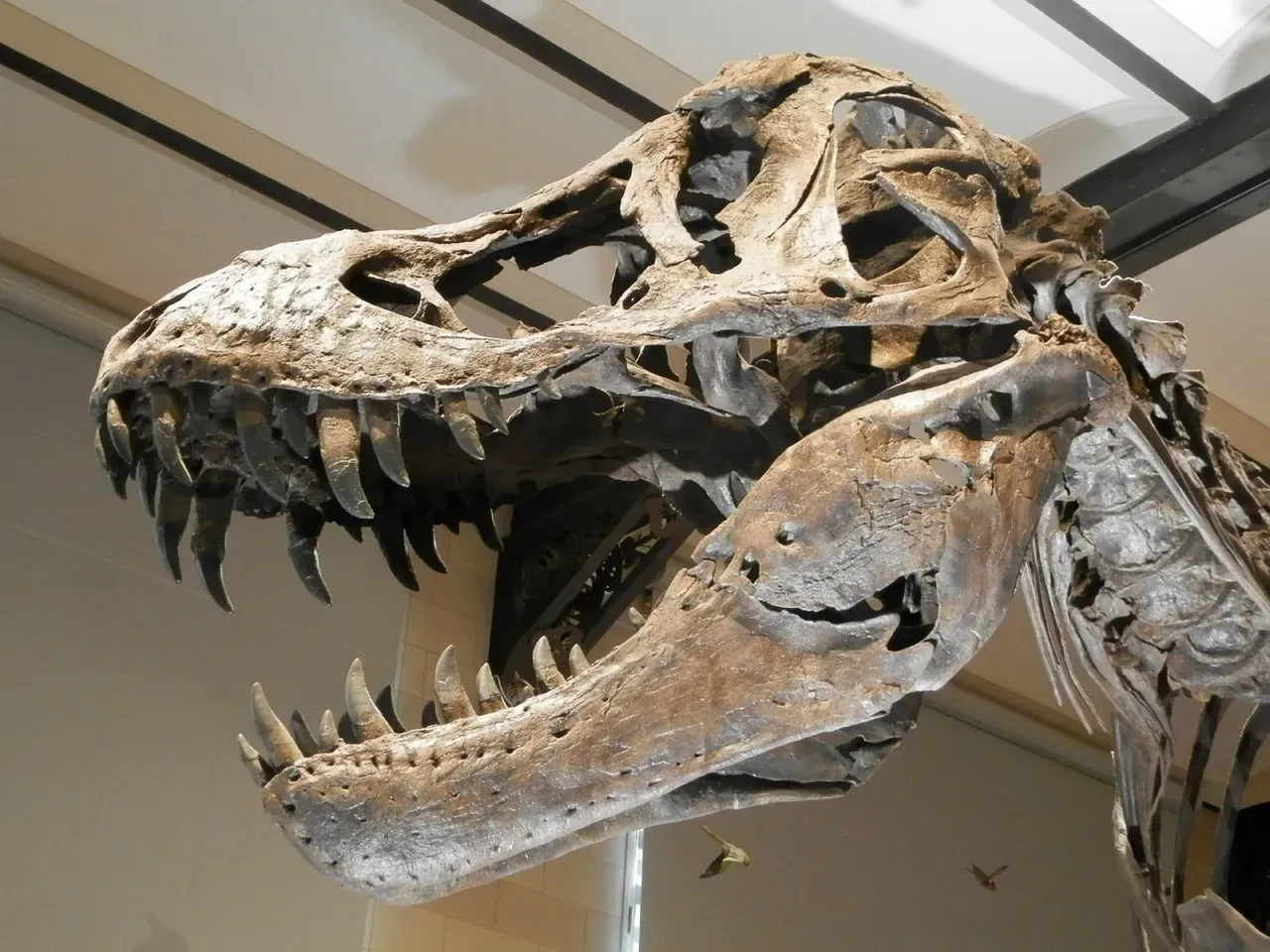
It’s hard not to feel a certain awe at that. These creatures survived in a world without medicine, without care, without anything except their own extraordinary biology. And in many cases, that was enough. The next time you see a dinosaur skeleton in a museum, look past the impressive size and the razor-sharp teeth. Look for the healed fractures. That’s where the real story lives.
What do you think is the most surprising thing about dinosaur healing abilities? Drop your thoughts in the comments below.