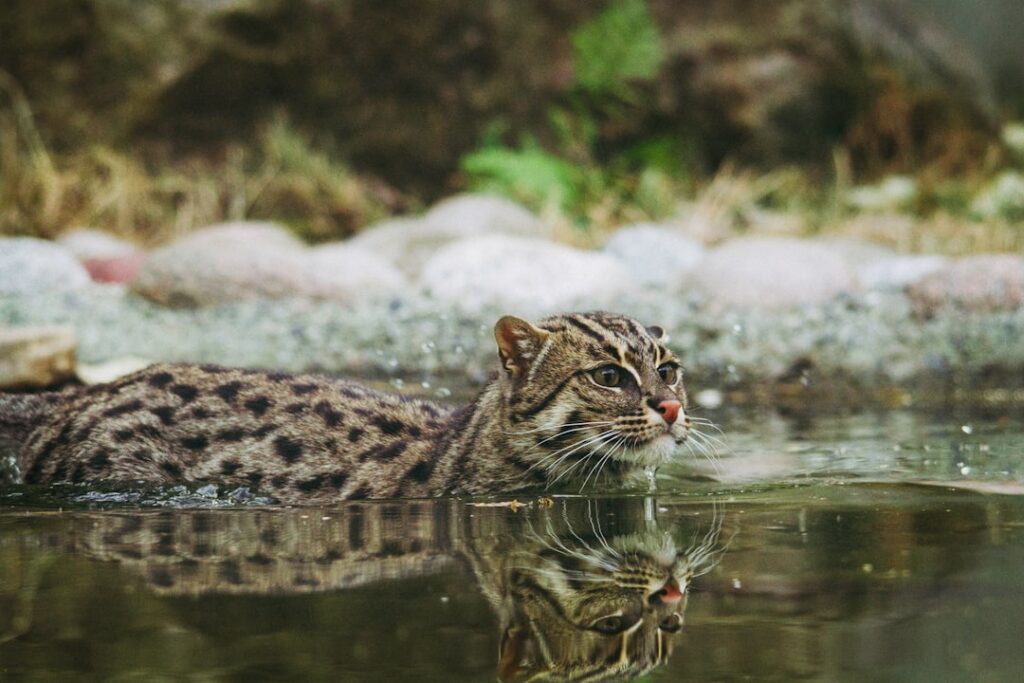
North Bihar – Sightings of the rare fishing cat have surfaced in the region’s river floodplains over recent years, turning long-held suspicions into confirmed reality. Local news reports from multiple localities documented these elusive felines, which thrive in wetland environments now under pressure. Conservationists warn that without immediate action, this vulnerable species risks vanishing from these vital habitats.
A Surprise Presence Confirmed
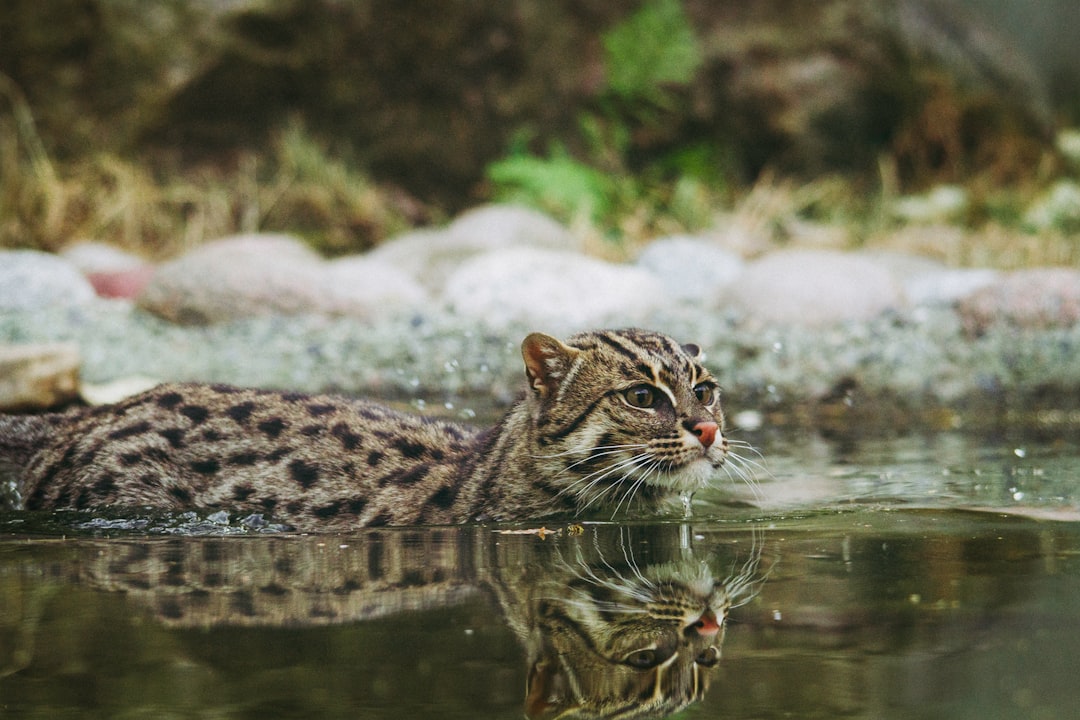
A Surprise Presence Confirmed (Image Credits: Unsplash)
Researchers had long suspected the fishing cat inhabited north Bihar’s flood-prone areas, but solid evidence emerged only recently. Camera traps and eyewitness accounts from villagers provided the first clear proof, pinpointing the cats in districts along major rivers.
These discoveries spanned five districts in Bihar, expanding known distribution maps for the species. Previously overlooked due to the cat’s nocturnal and secretive nature, the findings underscored north Bihar’s role as a potential stronghold. Wildlife experts hailed the reports as a breakthrough, yet they also spotlighted growing risks in human-dominated landscapes.
Master Swimmers of the Wetlands
The fishing cat stands out with its specialized adaptations for aquatic life. Larger than a domestic cat, it boasts partially webbed paws ideal for swimming and catching fish, its primary prey. It even dives headfirst into water to snag meals, showcasing prowess unmatched by most felines.
In north Bihar’s seasonal floodplains, these cats navigate marshes and rivers with ease. They climb trees to escape floods or spot prey, using sharp, retractable claws. Ranging up to 12 kilograms, adults mark territories with scent and vocalizations, maintaining a solitary existence except during mating.
Threats Mounting in Fragile Habitats
Habitat destruction tops the dangers facing fishing cats in north Bihar. Rapid development, agriculture expansion, and wetland drainage fragment their watery homes, leaving little room for survival. Over the past decades, such losses accelerated across South Asia, contributing to a 30% population drop.
Other perils include road mortality as cats cross highways near rivers, and retaliatory killings by locals mistaking them for threats to livestock or fish stocks. No records show attacks on humans or large animals, yet fear persists. Poaching for skins and destructive fishing practices further deplete prey.
- Wetland conversion for farming and infrastructure.
- Vehicle collisions on expanding road networks.
- Persecution due to misconceptions about livestock predation.
- Declining fish populations from overfishing and pollution.
- Climate-driven floods altering floodplains unpredictably.
Conservation Efforts Gain Momentum
India classifies the fishing cat under Schedule I of the Wildlife Protection Act, offering top legal safeguards. Organizations like the Wildlife Conservation Trust advocate for north Bihar-specific strategies, including habitat restoration and community awareness. Camera trapping continues to monitor populations and guide interventions.
Beyond protected areas, challenges persist since most north Bihar wetlands fall outside reserves. Recent studies call for expanded efforts, such as wildlife corridors and anti-poaching patrols. Collaborations with local fishers aim to reduce conflicts by promoting coexistence.
| Threat | Impact in North Bihar | Proposed Mitigation |
|---|---|---|
| Habitat Loss | Floodplain drainage | Restore wetlands |
| Road Kills | Increased traffic | Underpasses and signage |
| Persecution | Misidentification | Awareness campaigns |
Charting a Path to Survival
Protecting north Bihar’s fishing cats requires blending science, policy, and community involvement. Sustained funding for surveys and habitat safeguards could secure their future. As global populations dwindle, these regional efforts hold promise for broader recovery.
Key Takeaways:
- Fishing cats confirmed in five Bihar districts, highlighting north Bihar’s importance.
- Vulnerable status demands action against wetland loss and human conflicts.
- Targeted conservation beyond parks offers real hope for this swimmer.
North Bihar stands at a crossroads for one of Asia’s most unique wild cats. Immediate steps can prevent local extinction and preserve biodiversity. What steps should locals and authorities take next? Share your thoughts in the comments.