
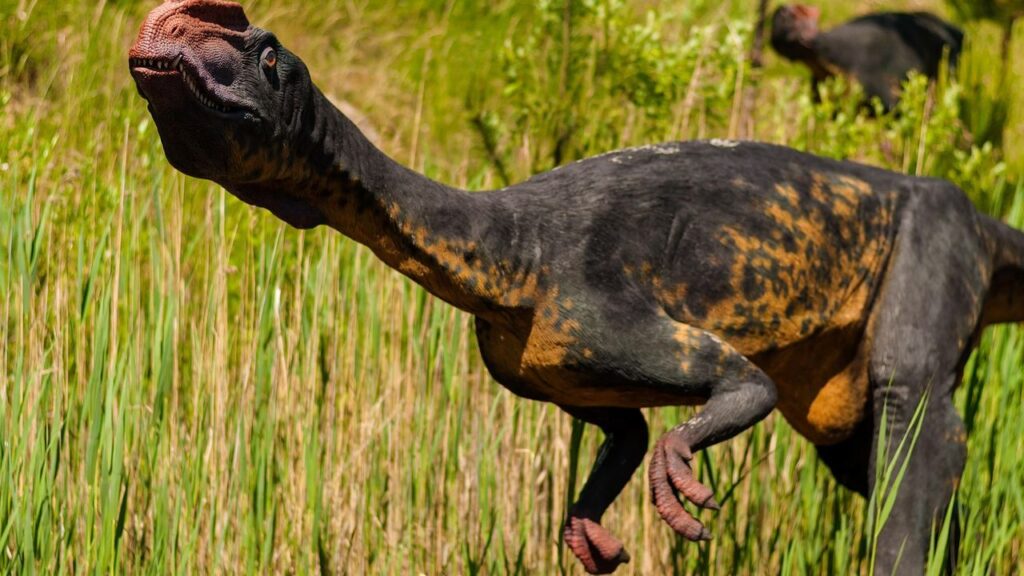
Millions of years before the first human whispered a word, the earth was alive with creatures that somehow found ways to talk to one another. Not with words, obviously. Not with phones or hand gestures scrawled on cave walls. Instead, they used tools we are only just beginning to understand, things like vibrating bones, shimmering feathers, rumbling ground tremors, and hollow skull chambers that worked like nature’s own megaphones.
The mystery of how dinosaurs communicated is one of the most thrilling open questions in paleontology. You might think the fossil record would leave us in total silence on the matter, but you’d be surprised by how much we actually know – and how mind-blowing some of the leading theories really are. Let’s dive in.
The Hadrosaur’s Built-In Horn: Resonating Skull Crests
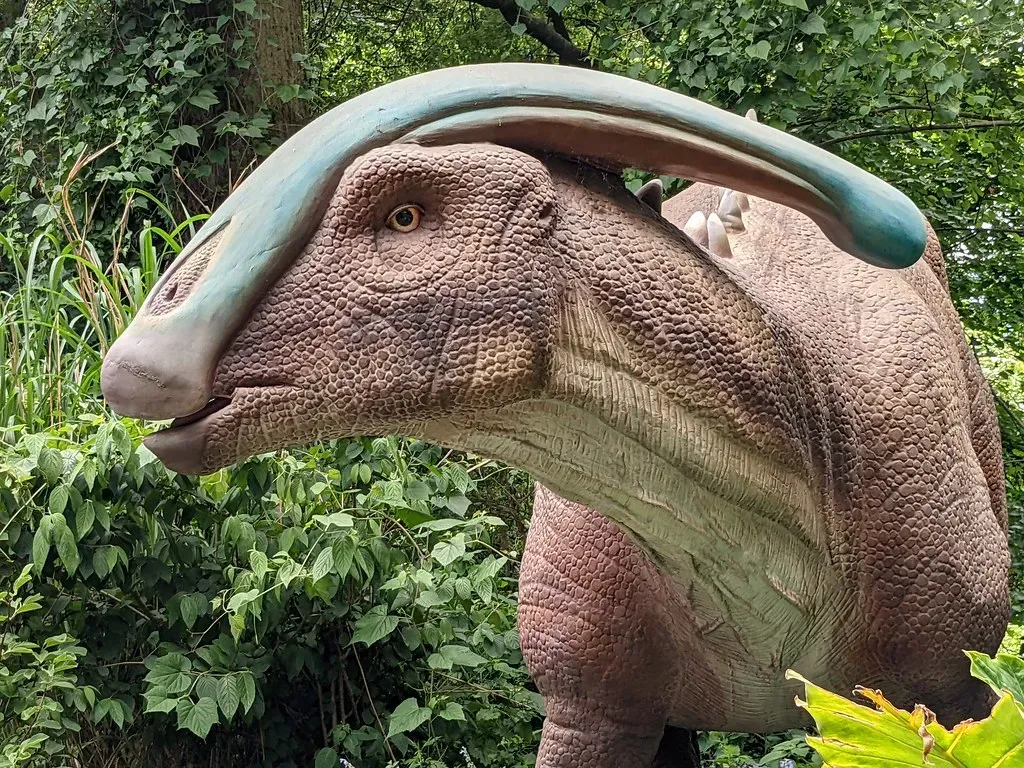
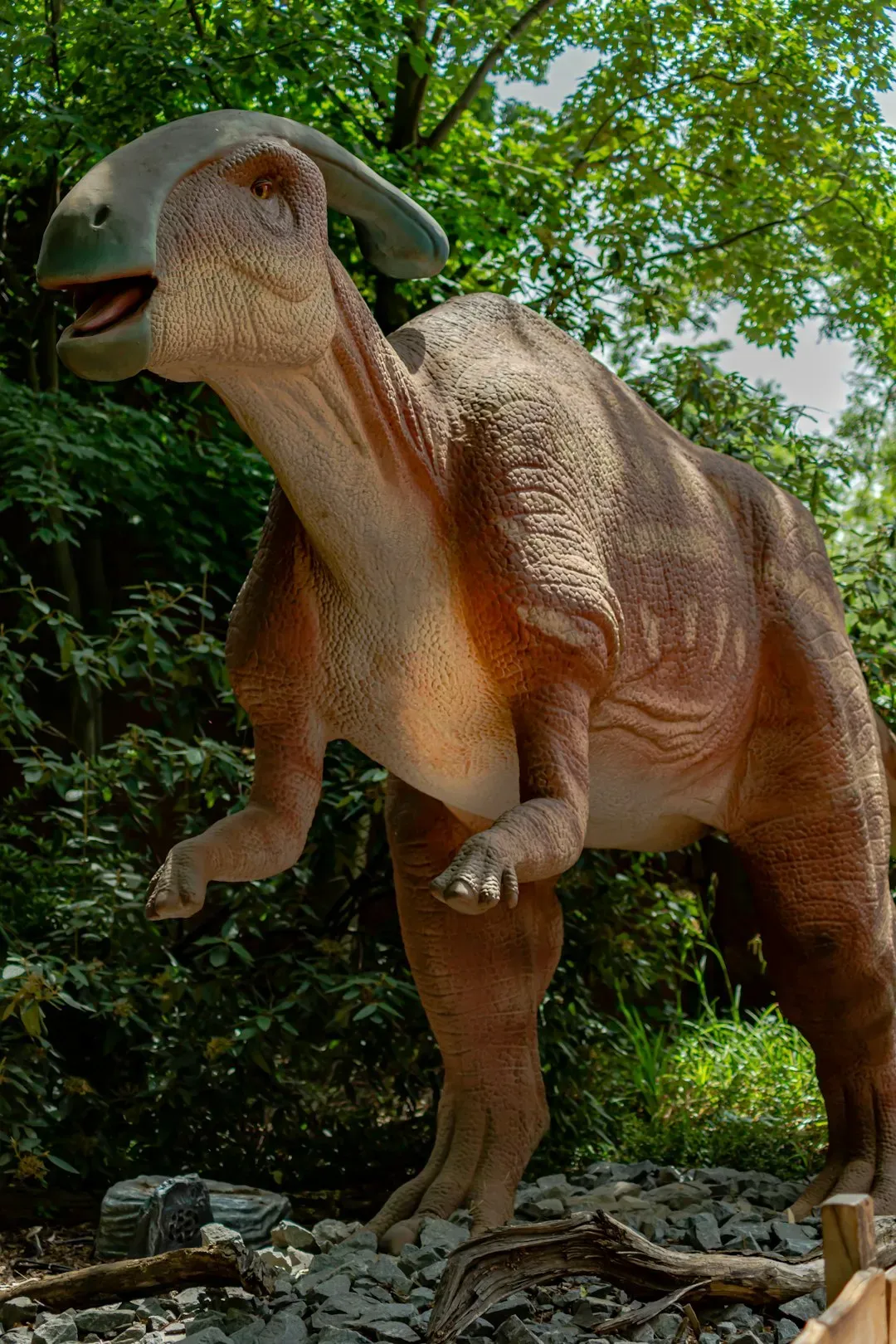
Imagine walking through a dense Cretaceous forest and hearing a deep, haunting honk echoing through the trees. That’s exactly what scientists believe you would have heard if you’d been near a Parasaurolophus. Some dinosaurs had natural resonating chambers built into their skulls that functioned something like the hollow tubes of a brass horn. The most famous examples are the hollow-crested duckbills, the lambeosaurines, including dinosaurs like Parasaurolophus, Lambeosaurus, Corythosaurus, and Hypacrosaurus. These hadrosaurs had elaborate hollow crests formed from their skull bones that may have served not only as visual display signals, but also allowed them to produce loud, resonating calls to communicate with each other.
Researchers have even attempted to simulate what these sounds might have actually sounded like. Based on the structure of the crest, the dinosaur apparently emitted a resonating low-frequency rumbling sound that could change in pitch. Paleontologist Tom Williamson and computer scientist Carl Diegert had to use common sense and imagination to reconstruct not only missing parts such as the beak and nostrils, but also the soft tissues of the head and throat that were not fossilized. Since it was uncertain whether the Parasaurolophus had vocal cords, a variation of sounds with and without vocal cords was simulated. Honestly, that kind of detective work is nothing short of extraordinary.
Closed-Mouth Vocalizations: The Dinosaur Hum You Never Expected
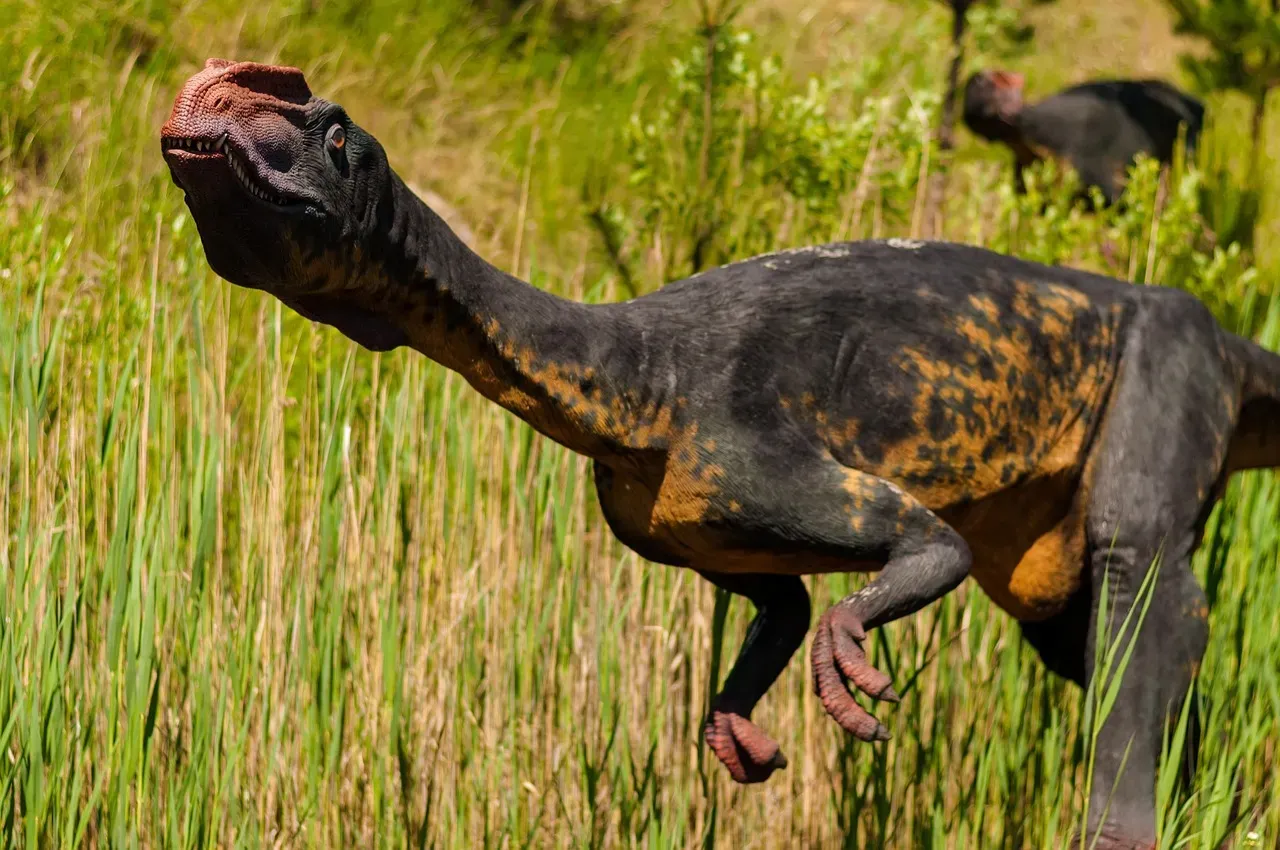
Here’s the thing most people get completely wrong about dinosaurs: they almost certainly did not roar the way you’ve seen in the movies. Animals produce closed-mouth vocalizations by inflating their esophagus or tracheal pouches while keeping their mouth closed, producing something comparable to a low-pitched swooshing, growling, or cooing sound. These closed-mouth vocalizations differ substantially from open-mouth vocalizations like bird calls. Think of them as being lower and more percussive, as opposed to bird calls, which are more varied in pitch and almost melodic. Modern examples include crocodilian growls and ostrich booms. Scientists reasoned that many dinosaurs did not perform open-mouth vocalizations, but could have generated closed-mouth vocalizations instead.
The science behind this is rooted in what we know about dinosaur biology and their living relatives. Scientists found that closed-mouth hoots evolved at least 16 times in Archosaurs, a group that includes birds, dinosaurs and crocodiles. Interestingly, only animals with a relatively large body size use closed-mouth vocalization behavior. Since dinosaurs are members of the Archosaur group, and many had large body sizes, it is likely that some dinosaurs made closed-mouthed vocalizations in a manner similar to birds today. So next time you imagine a T. rex, replace that roar with something more like a low, chest-rattling boom. Somehow, that’s even more unsettling.
Visual Displays: Horns, Frills, and the Language of Looks
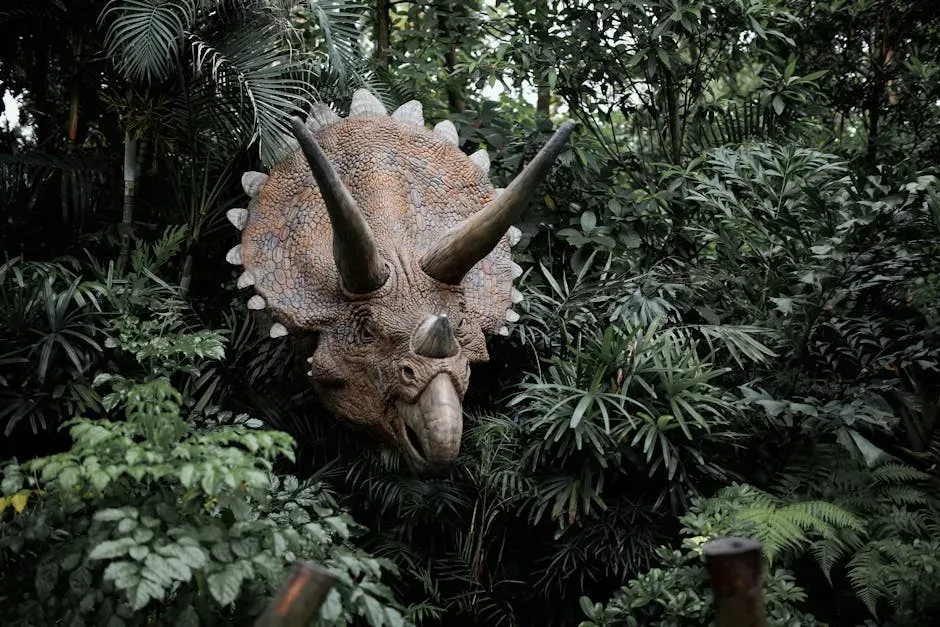
You know how a peacock doesn’t need to say a single word to make its point? Dinosaurs likely operated on a very similar principle. The horns, frills, and crests that adorned dinosaur heads may have been used for mating rituals or to intimidate rivals. Fossils show that a Triceratops relative, Protoceratops andrewsi, developed larger frills and cheek horns as it matured, suggesting these decorations helped the species communicate and possibly catch the attention of mates. These horns and frills may have also conveyed the dinosaurs’ dominance and age to others of their kind.
One way that dinosaurs almost certainly communicated messages of some sort to each other was through visual displays. Like most sauropsids, dinosaurs were probably very vision-oriented animals, able to see color and shapes better than we simple mammals can. Think about it like a traffic light system written in biology. A swelling frill or an impressive horn rack didn’t just look impressive, it told every dinosaur in the vicinity exactly where that animal stood on the social ladder without a single sound being made.
Feathered Signals: Plumage as a Communication Tool
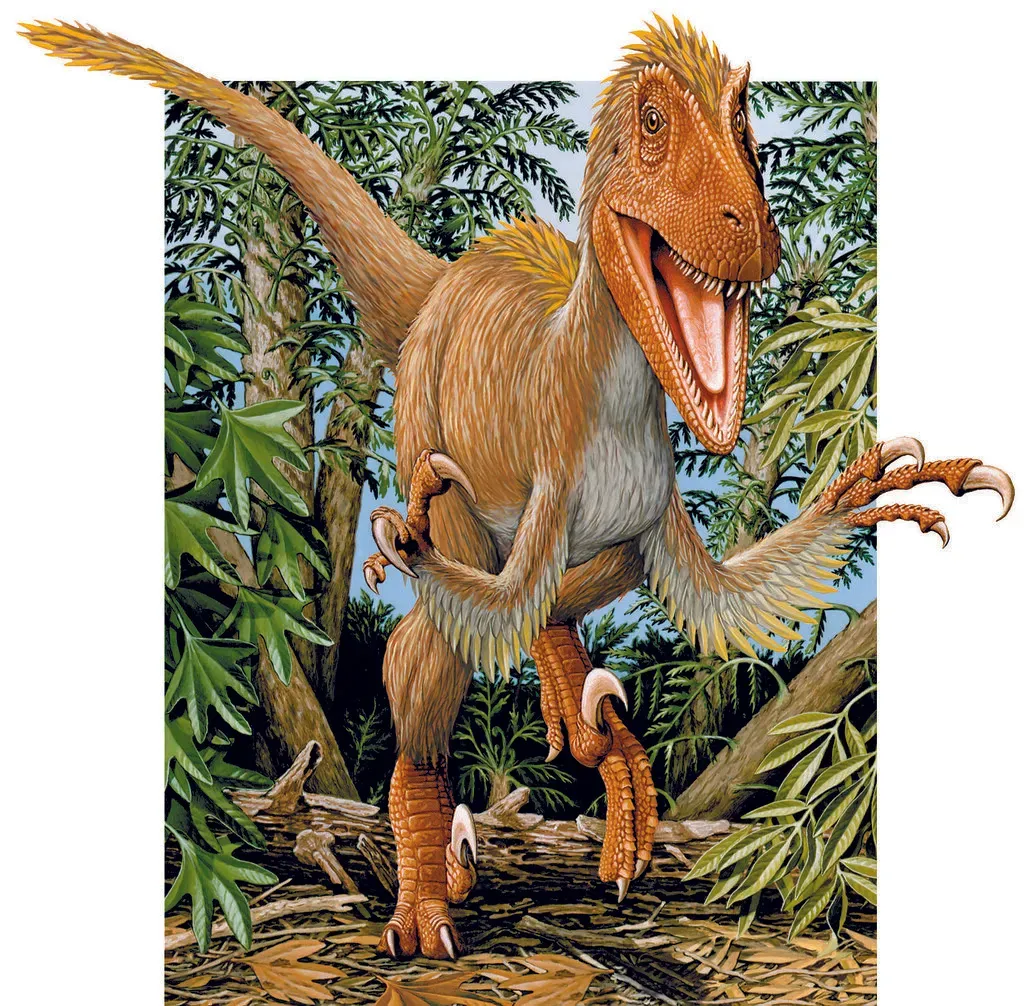
We tend to think of feathers as a bird thing. It turns out, quite a few dinosaurs were rocking impressive plumage long before modern birds ever appeared. Some scientists believe that dinosaurs may have used their feathers to communicate with one another. Aside from aerodynamics and keeping them warm, feathers helped dinosaurs show off. This is another trait we see in birds, where male birds show off their beautiful feathers to attract mates. A peacock is a great example of this behavior.
The colorful dimension of this theory is genuinely surprising. Based on the size of their eyes and the vision of their relatives such as birds and crocodiles, it’s likely that dinosaurs had excellent color vision. Recent discoveries of color patterns on dinosaur feathers suggest that colorful feathers might have played a role in signaling. So you could think of a feathered dinosaur’s plumage as a kind of walking billboard, advertising health, fitness, and reproductive readiness to anyone within eyeshot. Nature has always been a master marketer.
Body Language and Movement: Stomps, Tail Whips, and Postures
Long before any sound was made, the body itself was a broadcast tower. Scientists believe that most dinosaurs used body language to communicate. A swing of the tail, a stomp of the foot, or a stretch of the neck could send a strong message. These movements were especially important during times like mating season or when dinosaurs needed to protect their space. If a male dinosaur liked a female, he might show off with a special movement or a colorful display. If two dinosaurs were angry, they might puff up, stomp, or shake their heads as a warning.
It’s not unreasonable to think that body language, including posturing and posing, played some role in the communication of dinosaurs. This makes perfect sense when you look at modern crocodilians and large birds, which rely heavily on posture to establish dominance and express intent. A massive sauropod slowly lowering its neck toward another animal was probably communicating something very specific. Whether a warning, a greeting, or a display of dominance, it’s hard to say for sure, but the instinct to use the body as a language runs extraordinarily deep in the animal kingdom.
The Sauropod Tail Crack: Nature’s Long-Distance Signal
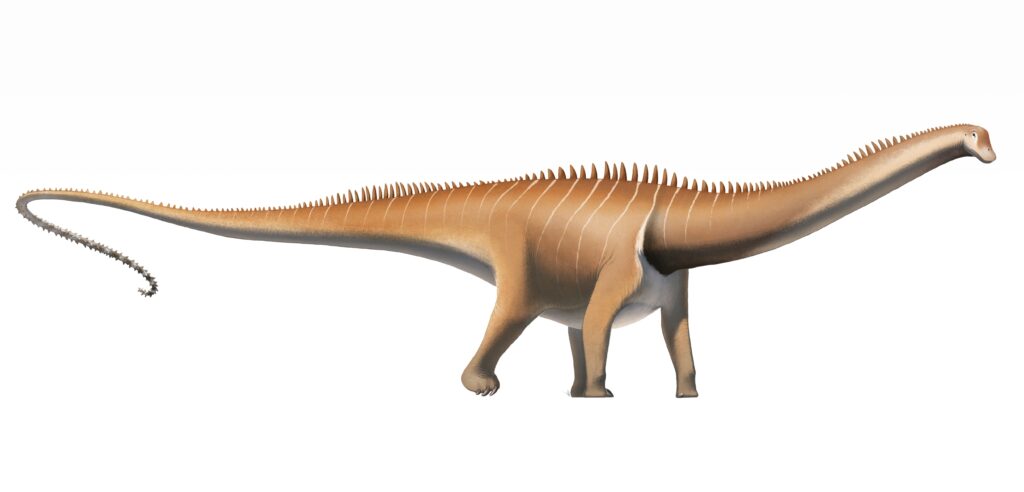
This one genuinely blew my mind when I first encountered it. Picture a creature the size of a small building snapping its tail so fast it breaks the sound barrier. The extremely long tails of Diplodocus and other sauropod dinosaurs could also have made some noise. Some researchers have suggested that the tips of these tails could have been flicked at supersonic speeds, making bullwhip-like cracking sounds that may have traveled long distances.
This wasn’t just a random physical quirk. The acoustic range of such a crack could have served as a long-distance signal across vast, open Mesozoic landscapes. Based on analyses of dinosaur ears, scientists concluded the beasts had excellent low-frequency hearing. Such low-frequency sounds could “penetrate through thick vegetation and over large distances, and may have allowed individual dinosaurs to be heard over vast areas.” So when a Diplodocus cracked its tail, it wasn’t just being dramatic. It was potentially sending a message that others kilometers away could actually receive.
Low-Frequency Infrasound: The Silent Conversation Beneath Your Feet
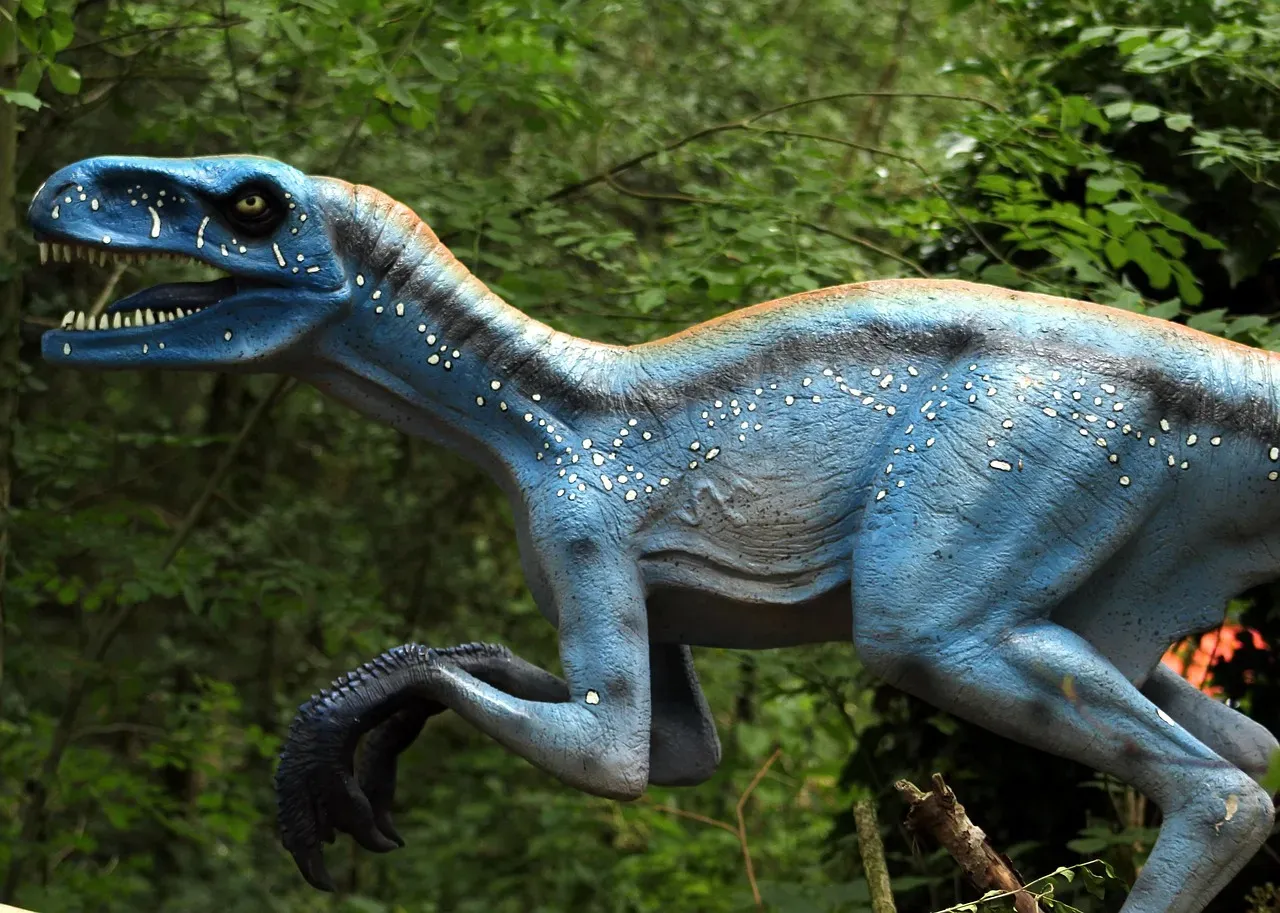
Here is a theory that genuinely stretches the imagination in the best possible way. Some researchers believe large dinosaurs may have communicated in sounds so low they were essentially inaudible, more felt than heard. Ankylosaurs had elongated and convoluted respiratory tracts that might have been used to make or modify sounds used for communication. The huge sauropod dinosaurs had long respiratory tracts in their long necks that, quite possibly, produced low-frequency sounds.
This idea isn’t as far-fetched as it might sound. Consider elephants, which we know for certain use this strategy. Elephants produce infrasound waves that travel through solid ground and are sensed by other herds using their feet, although they may be separated by hundreds of kilometres. These calls may be used to coordinate the movement of herds and allow mating elephants to find each other. If we apply this same logic to massive sauropods or ceratopsians, you could imagine entire herds communicating through vibrations in the ground, a system of messaging happening invisibly right beneath the surface of the prehistoric world.
Chemical Communication: The Theory of Prehistoric Scent Trails
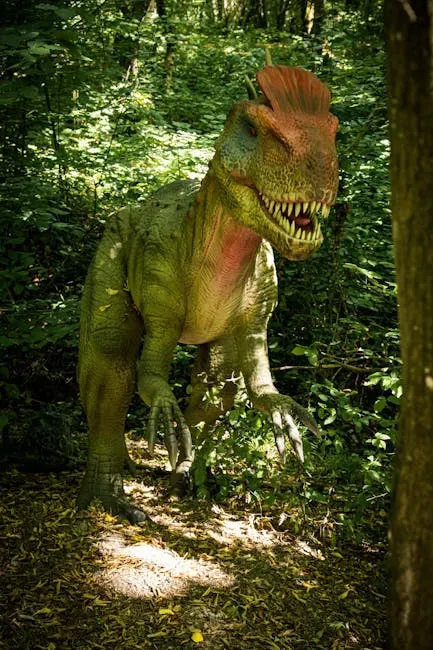
We don’t often think about smell when we imagine dinosaurs, but consider how many modern reptiles and animals rely on chemical signals as their primary communication channel. Pheromones are chemical signals released by animals that influence the behavior and physiology of other members within the same species. This unique form of communication can manifest in various ways, such as through aggregation pheromones for mate selection or alarm pheromones that alert others to threats. Pheromones are categorized into different types based on the messages they convey, including sex, alarm, and trail pheromones, each serving distinct functions.
Many scientists believe dinosaurs, as close relatives of modern reptiles and crocodilians, likely possessed scent glands and used chemical signals to mark territory, signal reproductive readiness, or identify one another. In scientific terms, pheromones are chemicals produced by creatures that, once secreted, elicit a behavioral change in another member of the same species. This behavioral response may include an emergency alarm in the case of a predator, a marker for a particular route, a boundary of one’s territory, or even the desire for reproduction. The idea of a T. rex marking its territory with scent glands is probably not the image Hollywood wants you to have, but it might be closer to reality than we once thought.
Feather Stridulation: Making Music by Rubbing Plumage Together
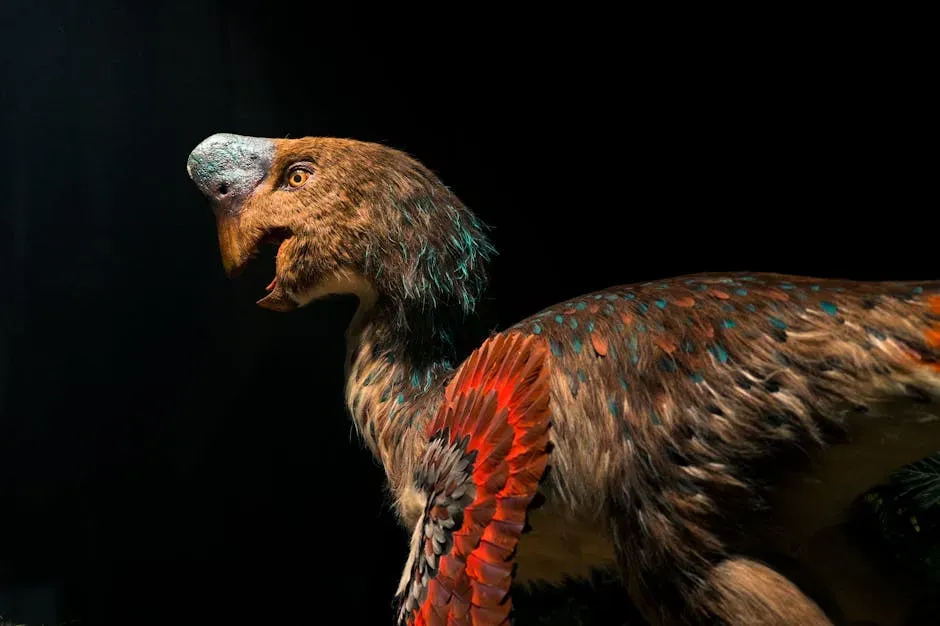
This is probably the most surprising theory on this entire list. Could some dinosaurs have communicated by literally rubbing their feathers together to make sound? It sounds almost absurd at first, but the evidence from related living animals is genuinely compelling. When male club-winged manakins try to impress females of their species, they make a “Tick-Tick-Ting” sound. They do this with their feathers. Thanks to specialized feather anatomy, the male manakins are able to rub their feathers together to make sounds that are just as loud as a typical bird song.
Little mammals called streaked tenrecs can also make clicking noises with specialized quills they rub against each other. Perhaps non-avian dinosaurs could have sounded with stridulating feathers and bristles too. Bird-like species such as Anchiornis or even Velociraptor could possibly rub their exquisite feathers together to tick or buzz. It’s a deeply strange and wonderful thought. The Velociraptor of popular imagination roars and slashes. The Velociraptor of cutting-edge paleontology might have been quietly buzzing its feathers together like a living musical instrument. I know that sounds crazy, but the science genuinely supports it as a possibility.
Herd Coordination and Social Signaling: Multi-Channel Communication Networks
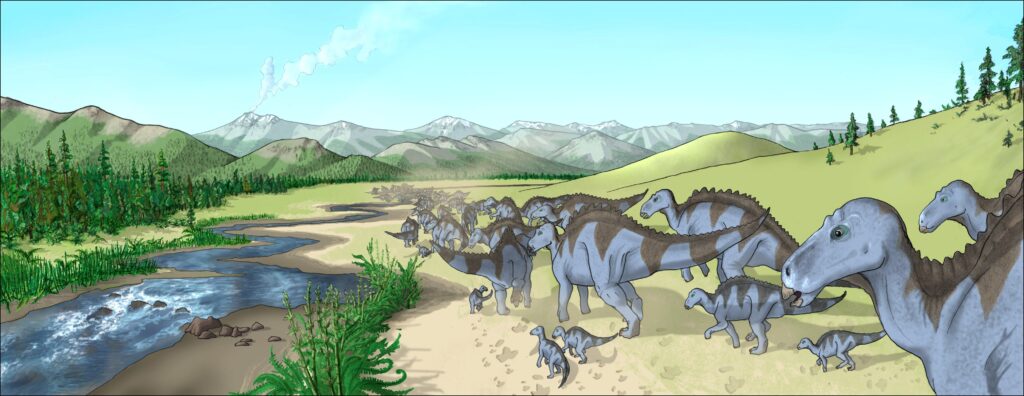
The most sophisticated theory of all treats dinosaur communication not as a single method, but as an integrated system, a multi-channel network that combined visual, acoustic, chemical, and seismic signals to keep social groups organized and functional. The discovery of massive dinosaur “highways” with thousands of parallel footprints indicates that some herds traveled together in organized formations, requiring ongoing communication to coordinate movements. These communication networks likely combined multiple signals, visual, acoustic, and possibly chemical, to create redundant systems ensuring critical messages reached all members regardless of environmental conditions.
Evidence from ceratopsian bone beds suggests that age-structured social organizations may have existed, with mature adults potentially serving as communication hubs. Think of it like a prehistoric version of a well-organized army, with experienced individuals broadcasting information to the whole group through a combination of signals. Many dinosaurs appear to have had good hearing in the low-frequency range, which aligns with theories about infrasonic communication. Tyrannosaurs possessed forward-facing ear openings similar to modern predators, suggesting directional hearing important for localizing sounds. Interestingly, different dinosaur groups show adaptations for different hearing specializations, some optimized for extremely low frequencies, others for a broader range of sounds. The picture that emerges is not of a dumb, silent reptile, but of a highly sophisticated social communicator.
Conclusion: A World That Was Never Silent

What we know for certain is that the Mesozoic world was anything but a quiet place. Dinosaurs were once living, breathing animals and must have communicated not only within their own species, but with other animals, dinosaurian and otherwise, that they shared their ecosystems with. Every theory explored here pulls us closer to understanding that prehistoric life was layered, complex, and rich with meaning.
You might never hear a Parasaurolophus call through the trees or feel the ground vibrate beneath a stampeding sauropod herd. But science, in its patient and brilliant way, is reconstructing those lost conversations piece by piece. Though we may never know exactly how they sounded or signaled to one another, researchers use clues from modern animals, fossil structures, and educated guesses to paint a possible picture of dinosaur communication. The more we study, the more we realize these animals were not the silent, lumbering giants of old imagination but communicative, socially aware creatures whose “voices” simply reached us in forms we hadn’t expected to find.
Which of these theories surprised you the most? Tell us in the comments, because honestly, there’s no wrong answer here.