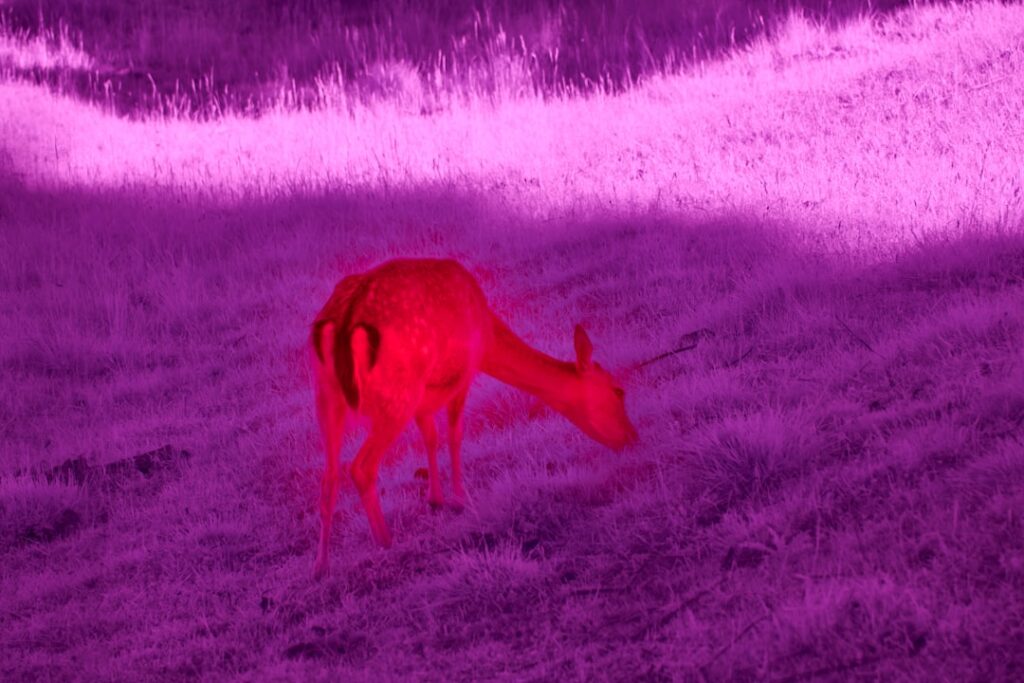
Athens, Georgia – Bucks leave behind rubs and scrapes in the forest that light up under ultraviolet illumination, offering a hidden layer of communication invisible to people. Researchers at the University of Georgia uncovered this phenomenon during nighttime surveys, revealing how white-tailed deer perceive their surroundings in ways humans cannot. The findings highlight a potential boost to courtship signals during the rut season.
A Surprising Nighttime Discovery Lights Up Deer Trails
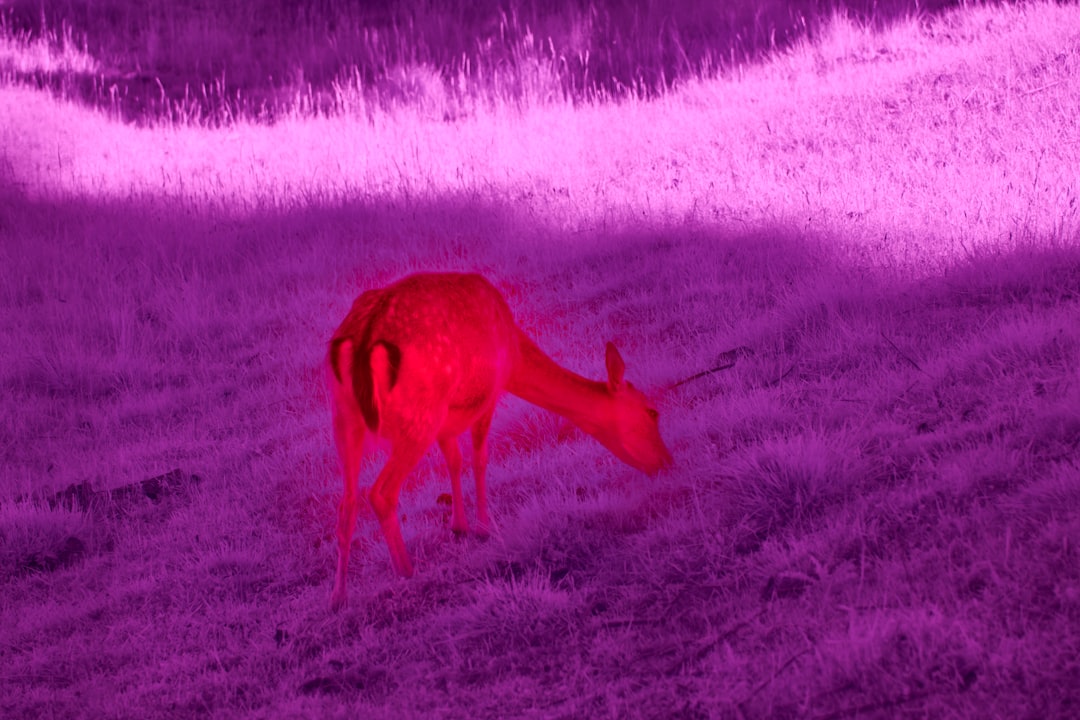
A Surprising Nighttime Discovery Lights Up Deer Trails (Image Credits: Unsplash)
Daniel DeRose-Broeckert, a doctoral student at the University of Georgia Deer Lab, led a team that transformed ordinary forest signs into glowing beacons. Daytime scouting in Whitehall Forest near Athens identified 109 antler rubs and 37 scrapes. At night, under UV light, these marks revealed photoluminescence – emitting light after absorbing UV wavelengths.
Fresher rubs shone more brightly, resembling highway reflectors along deer paths. Scrapes from the rut period glowed intensely, thanks to urine that appeared like spilled white paint. Pre-rut scrapes showed no such urine or glow. The team used a spectrometer to measure emission intensity and wavelengths precisely.
The Science Behind the Photoluminescent Marks
Deer urine and gland secretions drive much of the glow, with compounds known to photoluminesce in lab tests. Tree species like winged elm reflect UV differently, enhancing rubs on certain barks. Environmental exposure causes photobleaching, fading the signals over time. DeRose-Broeckert noted that confirming these effects in natural moonlight requires further study.
Here are the main contributors to the glow:
- Urine in rut-season scrapes, detectable by its paint-like fluorescence and scent.
- Forehead and hoof gland secretions from bucks.
- UV-reflective properties of tree bark, varying by species.
- Antler rubs stripping bark to expose glowing layers.
Why Deer See What Humans Miss
White-tailed deer detect shorter wavelengths, including UV, thanks to eye structures tuned to blues, purples, and beyond. Human lenses filter out UV, rendering these signals invisible. “We’re talking about how deer see the world,” DeRose-Broeckert said. “And how anything sees the world has impacts on the decisions they make – what they eat, where they go and how they perceive danger.”
This vision likely helps bucks advertise territory and does signal readiness. During rut, everyone checks these “bulletin boards of the forest,” as DeRose-Broeckert described. The study, published in Ecology and Evolution, builds on prior deer vision research.
Practical Applications for Wildlife Experts
The glow suggests new tools for management. UV-enhanced fencing could deter deer jumps without visual blight. Camouflage designs avoiding UV reflection might improve hides. DeRose-Broeckert cautioned that lab lights differ from natural conditions: “Shining a flashlight at something isn’t the same as what’s out there in the real world.”
Researchers compared rub and scrape visibility:
| Mark Type | UV Glow Intensity | Key Factor |
|---|---|---|
| Antler Rubs | High | Bark exposure + secretions |
| Rut Scrapes | High | Urine presence |
| Pre-Rut Scrapes | Low/None | No urine |
Read the full details in the original report from The Wildlife Society.
Key Takeaways
- Deer rubs and scrapes photoluminesce under UV, aiding low-light communication.
- Fresh marks glow brightest; urine supercharges rut scrapes.
- Deer UV vision opens management possibilities like better fencing.
These glowing marks reshape our understanding of deer behavior, proving forests hold secrets beyond human sight. As research advances, wildlife managers gain tools to coexist with cervids more effectively. What do you think – could UV tech change hunting or conservation? Tell us in the comments.