Ants represent one of the most successful insect groups on Earth, with more than 12,000 species documented globally. While most live outdoors in complex ecosystems, a select few venture into homes, where they can contaminate pet food or pose health risks to dogs, cats, reptiles, and birds. Pet owners benefit from recognizing these intruders through simple visual cues, understanding colony dynamics, and adopting non-toxic control measures to maintain a safe environment.
Household Ants: The Usual Suspects Trailing Through Your Home
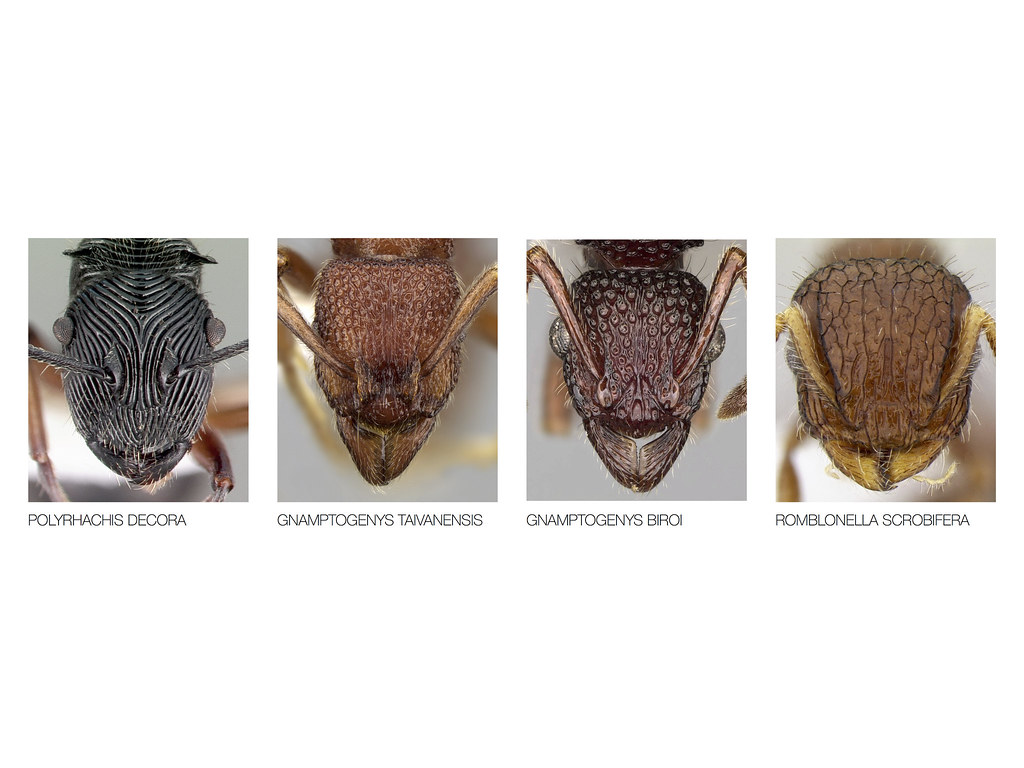
Household Ants: The Usual Suspects Trailing Through Your Home (Image Credits: Flickr)
Small ant trails snaking toward pet bowls often signal common indoor species that thrive near food sources. These ants exploit minor cracks and moisture, turning kitchens and pet areas into foraging highways.
Odorous house ants release a distinctive rotten-coconut smell when crushed, measure 2 to 3 millimeters, and appear dark brown to black. Pavement ants, slightly larger at 2.5 to 4 millimeters, nest under concrete and feature parallel grooves on their thorax. Argentine ants form massive, interconnected colonies and stay uniformly light brown at about 2 to 3 millimeters. Pharaoh ants, notorious for multiple nests in walls, prefer warm indoor spots and target sweets.
These traits aid quick spot-checks during cleanup. Removing spills promptly disrupts their paths and limits exposure for pets.
| Species | Size | Color | Key Identifier |
|---|---|---|---|
| Odorous House Ant | 2-3 mm | Dark brown-black | Coconut odor |
| Pavement Ant | 2.5-4 mm | Brown, darker head | Thorax grooves |
| Argentine Ant | 2-3 mm | Light brown | Supercolonies |
Stinging Threats: Ants That Can Harm Your Pets
Fire ants construct visible soil mounds and deliver stings that cause sharp pain and swelling in pets. Larger species like bullet ants and bulldog ants pack potent venom, making encounters in yards particularly risky for curious animals.
Fire ants range from 2 to 6 millimeters in reddish-brown bodies and aggressively defend nests. Bullet ants, up to 30 millimeters long and dark, dwell in tropical zones with venom rivaling bee stings in intensity. Bulldog ants exceed 20 millimeters, sport bright red or orange hues, and hunt with strong jaws and stings. Symptoms in pets include redness, excessive licking, hives, or breathing issues; severe cases demand veterinary care with antihistamines or fluids.
Owners notice lethargy or appetite loss in reptiles and birds post-sting. Prompt intervention prevents complications like anaphylaxis.
- Check for mounds or large ants near play areas.
- Monitor pets for swelling or distress after outdoor time.
- Seek vets for vomiting, collapse, or facial puffiness.
Colony Secrets: How Ant Societies Operate and Invade
A single queen anchors each colony, laying eggs while workers forage, tend young, and expand nests. Males appear briefly for mating, ensuring the cycle continues.
Life stages – egg, larva, pupa, adult – peak in warmer months, boosting foraging near pet stations. Pheromone trails guide workers to water bowls or kibble, with nests hidden in walls, soil, or cracks. Carpenter ants target damp wood, leaving shavings as telltale signs, unlike termites’ mud-packed damage.
Disrupting trails with soapy water and sealing gaps curbs invasions. This structure explains why surface sprays fail without addressing the queen.
| Feature | Ants | Termites |
|---|---|---|
| Waist | Narrow, node | Uniform |
| Antennae | Elbowed | Straight |
| Wings | Unequal | Equal |
Safe Strategies: Keeping Ants Out Without Endangering Pets
Pet owners prioritize sanitation by wiping spills, sealing food like freeze-dried treats, and elevating bowls on moats. Natural repellents such as diatomaceous earth or vinegar solutions dehydrate ants and erase scents safely.
Borax baits in pet-proof stations target colonies indirectly. Trim vegetation, fix leaks, and caulk entries to block access. Only a fraction of ant species pests homes, while others aerate soil and control bugs outdoors.
These steps foster balance, preserving ecosystem roles without chemicals.
- Identify ants by size, color, and traits to choose targeted responses.
- Use non-toxic tools like vinegar and seals for pet-safe defense.
- Respect ant ecology by focusing indoors, aiding outdoor benefits.
Armed with these insights, pet owners transform ant worries into manageable routines, ensuring homes stay secure and harmonious. What ant challenges have you faced with your pets? Share in the comments.