Life on Earth has a story so ancient, so staggeringly long, that our human brains almost can’t hold it. We’re talking about billions of years before dinosaurs, before fish, before the first leaf ever unfurled in sunlight. The planet you’re standing on has been a living, breathing experiment for far longer than almost anyone imagines.
From invisible microbes that literally changed the air you’re breathing right now, to rocky structures that still exist on Earth’s coastlines today, the origin story of life is endlessly surprising. If you think evolution is something that started with big creatures and got smaller and weirder going backwards, prepare to have your mind rearranged. Let’s dive in.
1. Life May Have Begun Almost as Soon as Earth Cooled Down
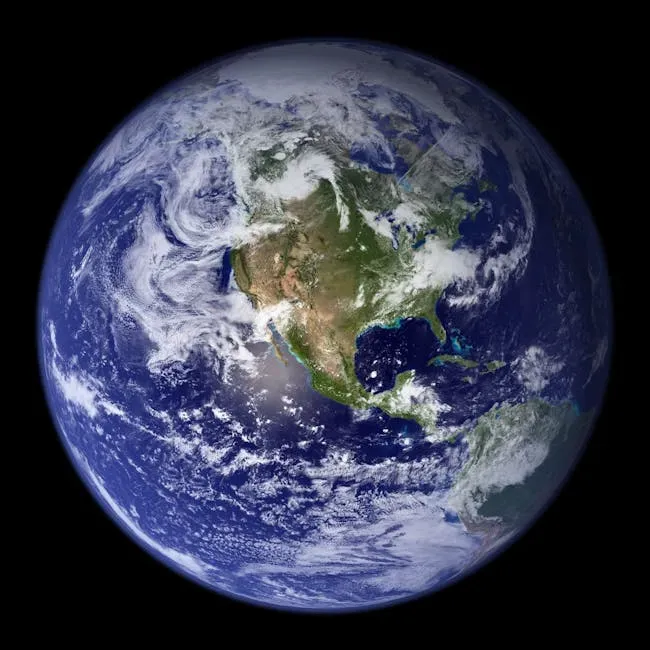
Here’s the thing most people never stop to consider. Earth is roughly four and a half billion years old, and scientists think that by around 4.3 billion years ago, our planet may have already developed conditions suitable to support life. That’s astonishingly fast on a geological timescale. Think of it like a pot of water that starts boiling the moment it hits the stove.
The earliest time for the origin of life on Earth is at least 3.5 billion years ago, and possibly as early as 4.1 billion years ago, not long after the oceans formed around 4.5 billion years ago. The window between Earth forming and life emerging was incredibly narrow. It’s almost like life wasn’t waiting for an invitation, it just showed up.
2. The Oldest Confirmed Fossils Were Found in Australia
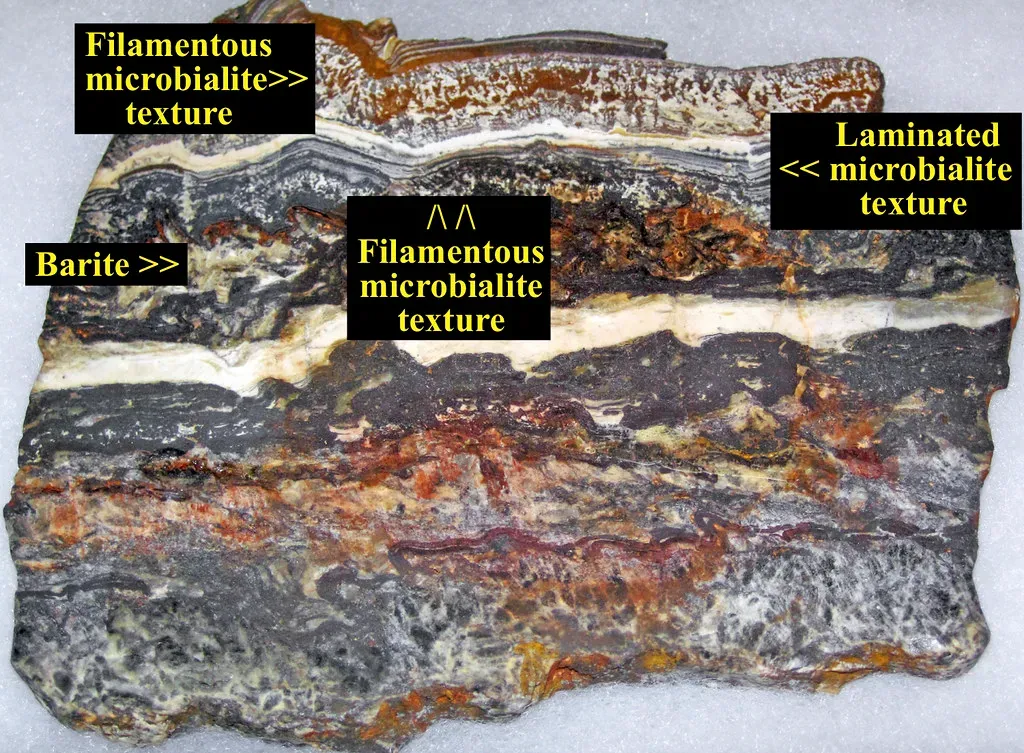
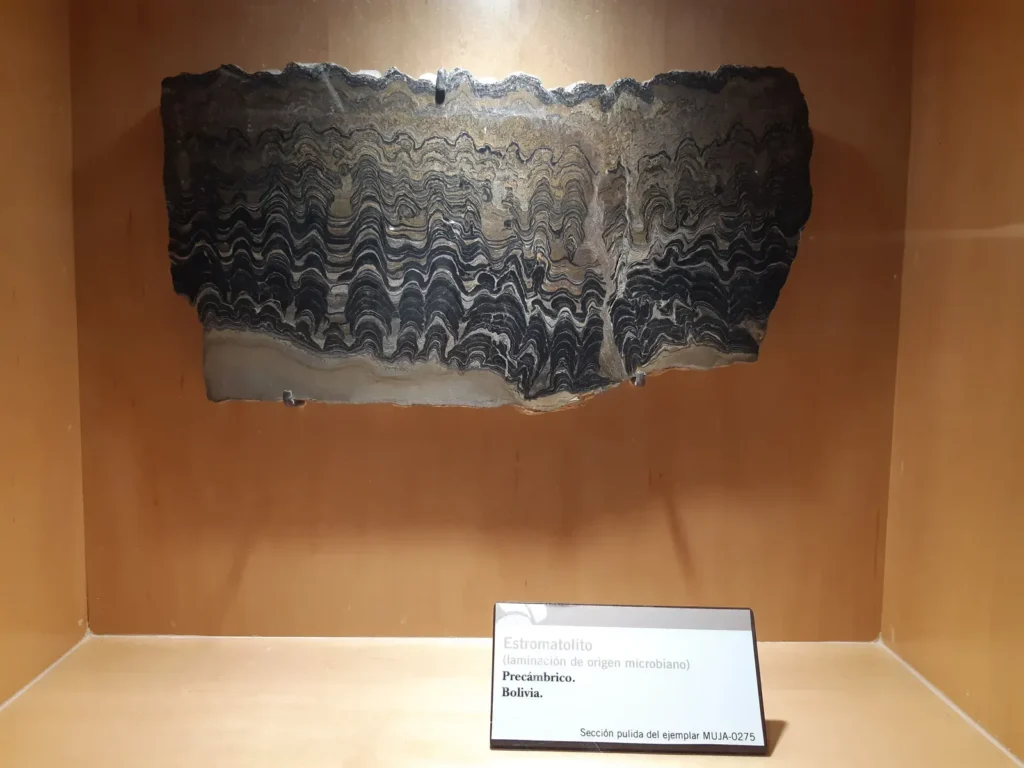
The earliest direct known life on Earth are stromatolite fossils, found in 3.48-billion-year-old geyserite uncovered in the Dresser Formation of the Pilbara Craton of Western Australia. That’s a number so enormous it barely registers. Australia, which already has a reputation for ancient and extreme things, quietly holds some of the oldest biological evidence on the entire planet.
Various microfossils of microorganisms have also been found in 3.4-billion-year-old rocks, including Apex chert rocks from that same Australian region, and in 3.42-billion-year-old hydrothermal vent precipitates from Barberton, South Africa. So it wasn’t just one lucky location. Evidence of early life has been popping up across different continents and ancient rock formations, painting a picture of a world that was already teeming with microscopic activity long before anything with eyes ever existed.
3. Even Earlier Clues Come From a Single Grain of Mineral
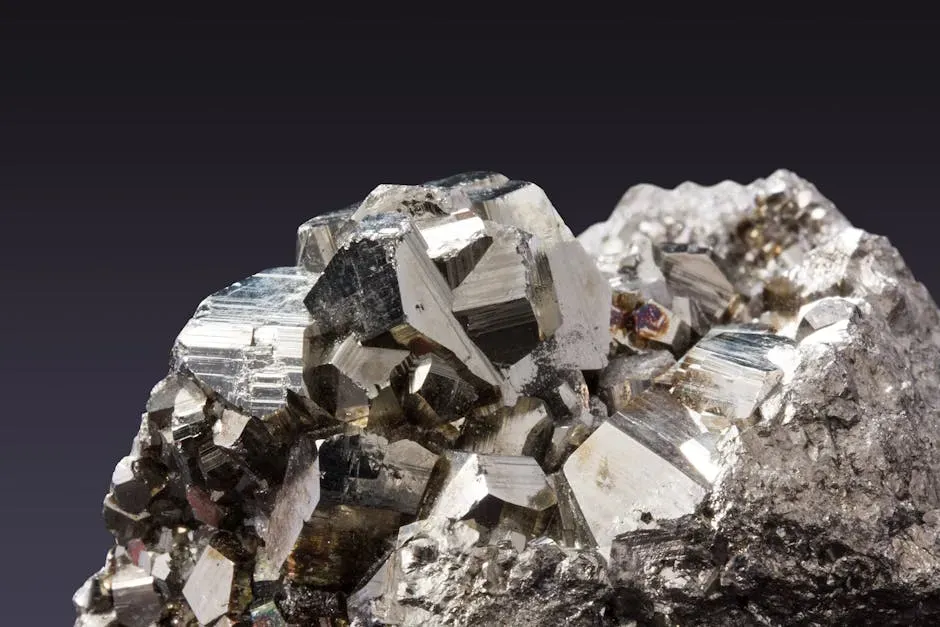
Honestly, this one might be the most jaw-dropping of all. The earliest clear evidence of life comes from biogenic carbon signatures and stromatolite fossils discovered in 3.7-billion-year-old metasedimentary rocks from western Greenland, and in 2015, possible remains of biotic life were found in 4.1-billion-year-old rocks in Western Australia. That’s a whole extra 600 million years pushed back.
Some of the hints for even older life come from ancient zircon minerals that formed in magma. Scientists found traces of a form of carbon in one such 4.1-billion-year-old zircon, though this doesn’t provide enough evidence to definitively prove life’s existence at that early date. It’s a tantalizing breadcrumb. A single microscopic grain of mineral holding what might be the whisper of the very first living thing. Science doesn’t get more dramatic than that.
4. The Very First Life Forms Were Impossibly Simple
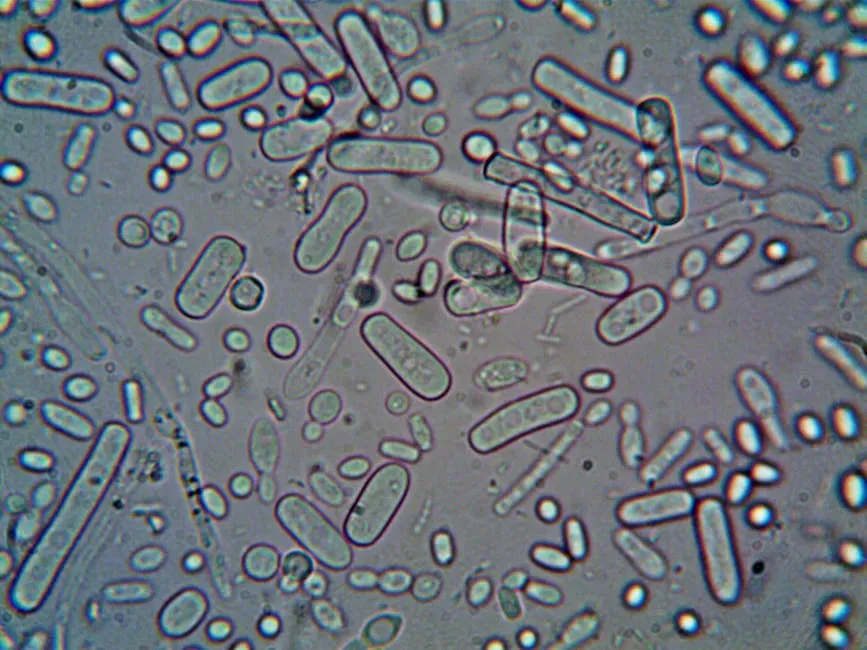
The earliest lifeforms on Earth were very simple single-celled organisms called microbes, formed out of a chemical combination of molecules present on early Earth, such as phosphate, ammonia, and carbon dioxide. No brain, no heart, no complexity whatsoever. Just a tiny pocket of chemistry that could, remarkably, replicate itself. That’s it. That was life at the beginning.
These early organisms are classified as prokaryotes: they had a single cell membrane which enveloped the internal mechanisms of the lifeform. The earliest identified organisms were minute and relatively featureless, and their fossils looked like small rods that are very difficult to tell apart from structures arising through purely physical processes. In other words, the very first life on Earth was so plain and simple that even trained scientists still debate what counts as a fossil and what’s just a rock.
5. Hydrothermal Vents Are Among the Most Likely Birthplaces of Life
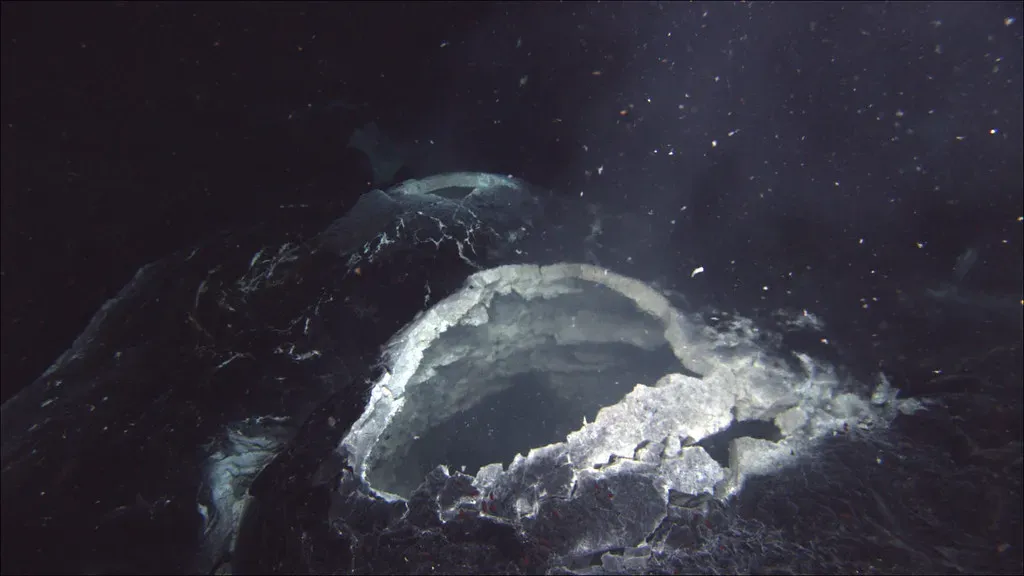
The prevailing theory today among scientists is that the earliest life originated near underwater hydrothermal vents, which spewed heat and chemicals into the ancient oceans. These aren’t gentle, calm environments. They’re superheated, mineral-rich, chemically chaotic places. Yet somehow, that extreme cocktail may have been exactly the recipe that sparked life.
Stalks of iron-rich minerals, each a fraction the size of an eyelash, may be evidence of the earliest life forms to inhabit the newborn planet Earth. The tiny hematite tubes are as much as 4.28 billion years old, and they are strikingly similar to structures produced by microbes living around undersea hydrothermal vents today. It’s a remarkable thing, really. The same type of environment that might have birthed the first life billions of years ago still hosts some of the strangest living communities on Earth today.
6. Stromatolites Are the Rock Stars of the Fossil Record
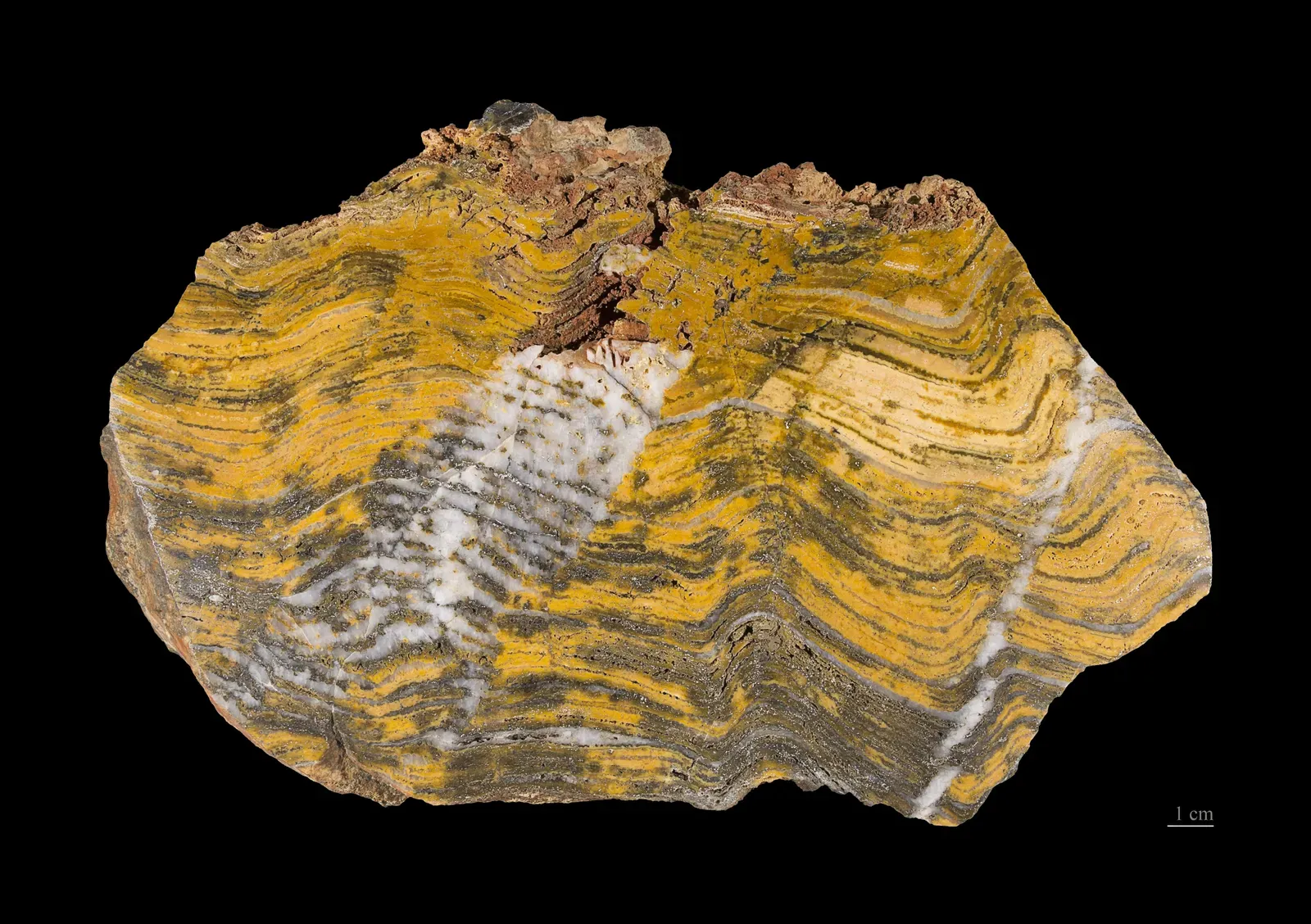
Stromatolites are layered sedimentary formations created mainly by photosynthetic microorganisms such as cyanobacteria, sulfate-reducing bacteria, and proteobacteria. Picture slow, patient, microscopic builders stacking layer upon layer of mineral and sediment over thousands of years. That’s essentially what they were doing. These microorganisms produced adhesive compounds that cemented sand and other rocky materials to form mineral microbial mats, which built up layer by layer, growing gradually over time.
Stromatolites first appeared in the fossil record during the Archean Eon, around 3.4 billion years ago. That’s nearly two-thirds of Earth’s entire existence. They weren’t just passive blobs sitting there either. Stromatolites record a turning point in Earth’s history, the moment when life began to influence atmospheric composition and ocean chemistry on a global scale. That’s a profound legacy for something that looks, to an untrained eye, like an unremarkable lump of layered rock.
7. Cyanobacteria Literally Created the Atmosphere You Breathe
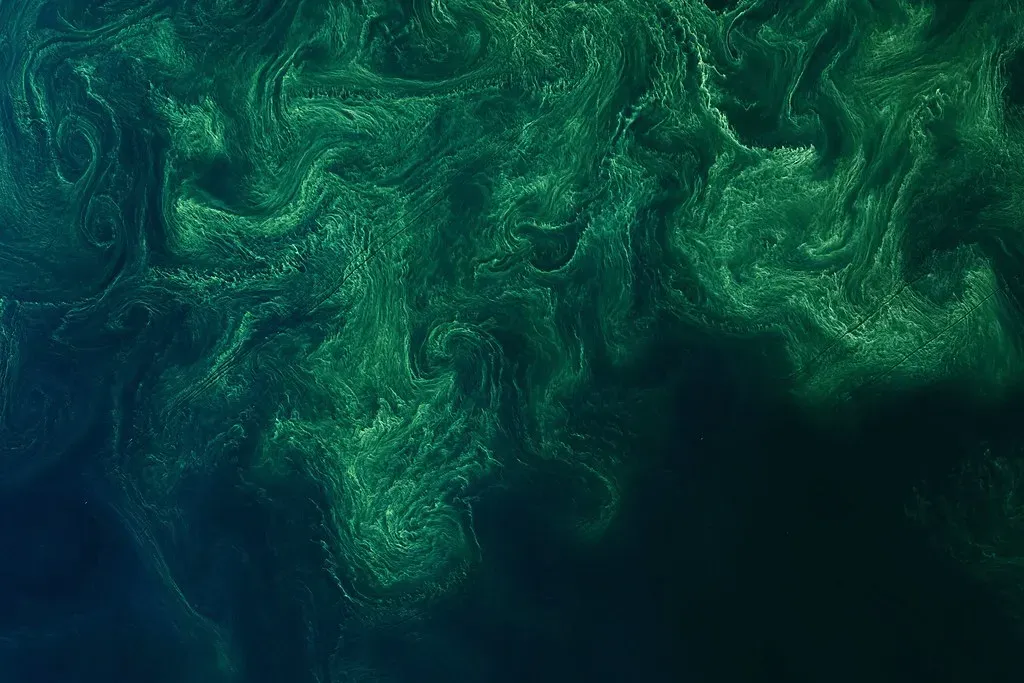
When cyanobacteria evolved at least 2.4 billion years ago, they became Earth’s first photosynthesizers, making food using water and the Sun’s energy, and releasing oxygen as a result. Let’s be real about what that means. Every breath you take right now, the oxygen filling your lungs, exists largely because of a microscopic organism that lived billions of years before humans were even a distant evolutionary dream.
Before cyanobacteria, the air was only roughly one percent oxygen. Then, for around two billion years, photosynthesizing stromatolites pumped oxygen into the oceans. When the oceans became saturated, oxygen was released into the air, and with levels reaching around twenty percent, complex life was finally able to flourish and evolve. That slow, patient transformation is one of the most profound ecological events in the history of this planet. No headlines, no spectacle. Just trillions of tiny microbes, quietly changing everything.
8. The Great Oxygenation Event Was Actually a Mass Extinction
The dramatic rise in oxygen made the environment dramatically less hospitable for other microbes that could not tolerate it. Evidence for this Great Oxidation Event is recorded in changes in seafloor rocks called Banded Iron Formations. Think about that irony for a moment. The very event that eventually made complex life, including humans, possible was simultaneously wiping out the life forms that came before. The Great Oxygenation Event was both a creation story and an extinction story rolled into one.
Older anaerobic prokaryotes of the era could not function in their new, aerobic environment. Some species perished, while others survived in the remaining anaerobic environments left on Earth. Still other early prokaryotes evolved mechanisms such as aerobic respiration to exploit the new oxygenated atmosphere by using oxygen to store energy from organic molecules. It’s almost a perfect metaphor. Change your environment enough, and some life dies while new forms find a way to thrive.
9. The Jump to Complex Cells Was a One-Time Miracle
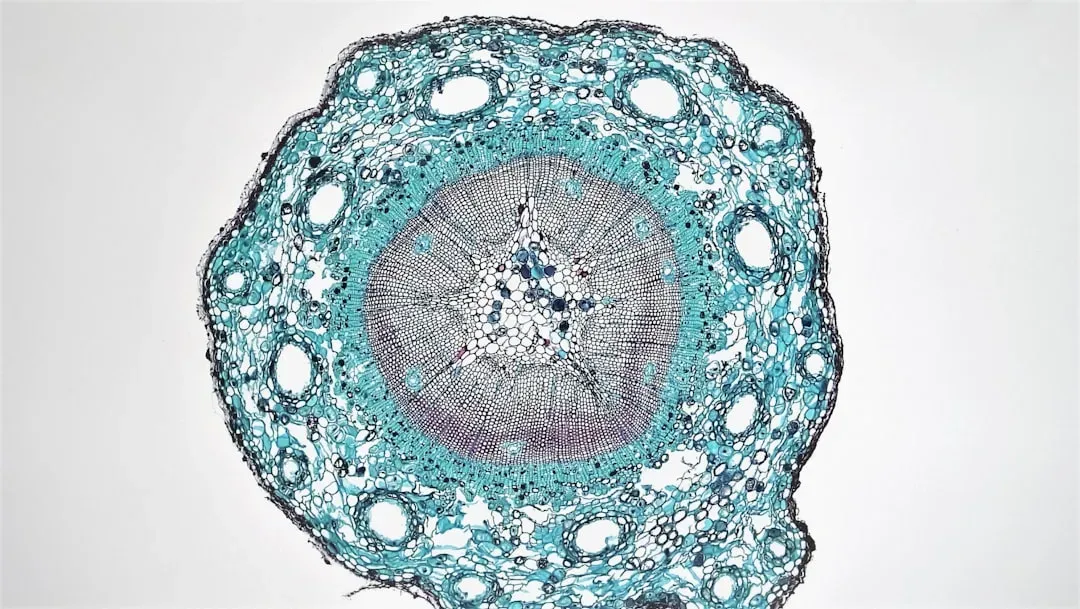
The fossil record and genetic evidence suggest that prokaryotic cells were the first organisms on Earth. These cells originated approximately 3.5 billion years ago and were the only life forms on the planet until eukaryotic cells emerged approximately 2.1 billion years ago. That’s over a billion years where nothing with a proper cell nucleus existed anywhere on Earth. A billion years of simplicity.
Because all complex life today can be traced to a single eukaryotic branch of the evolutionary tree, it’s generally assumed that this chance endosymbiotic event, the acquisition of mitochondria, occurred once and only once during the entire history of life on Earth. Once. Everything, every plant, every animal, every fungus, every human being, traces its existence back to one extraordinary biological accident that happened roughly two billion years ago. I find that both humbling and completely astonishing.
10. Early Life Survived a Catastrophic Bombardment From Space
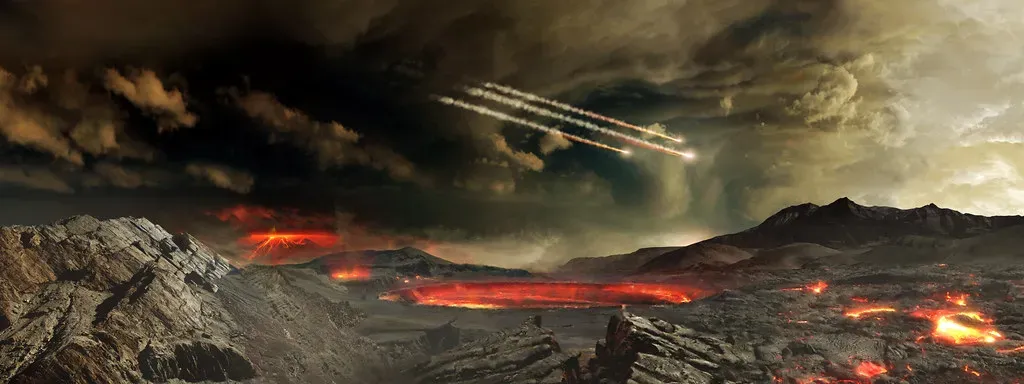
Evidence from the Moon indicates that, from roughly 4 to 3.8 billion years ago, it suffered a Late Heavy Bombardment by debris left over from the formation of the Solar System. There’s no direct evidence of conditions on Earth during this period, but no reason to think Earth was not also affected. This event may well have stripped away any previous atmosphere and oceans. The early Earth was essentially being peppered from above by cosmic debris, in an almost incomprehensible bombardment.
If subsurface microbial life had evolved by this point, it would have survived the bombardment. This is one of those details that genuinely changes how you think about life. Even during one of the most violent episodes in Earth’s history, tiny subterranean microbes may have simply weathered the storm underground, unperturbed. Life is, it turns out, remarkably stubborn.
11. The Ediacaran Creatures Were Life’s First Strange Multicellular Experiments
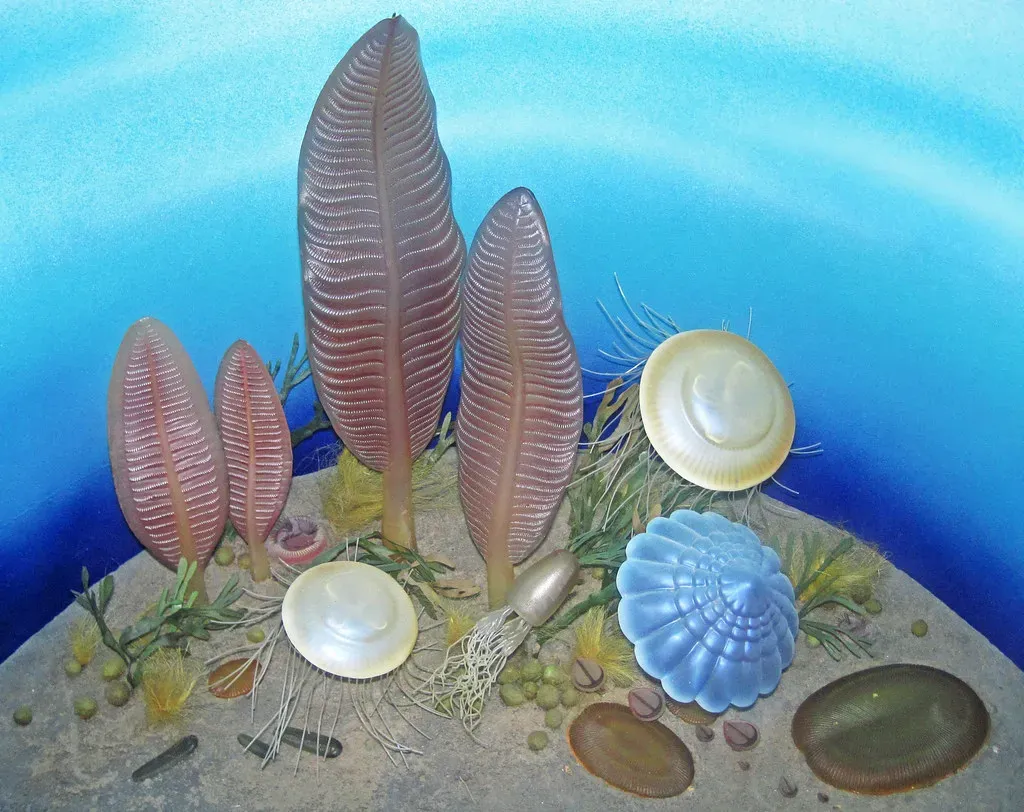
The first multicelled animals appeared in the fossil record almost 600 million years ago. Known as the Ediacarans, these bizarre creatures bore little resemblance to modern life forms. They grew on the seabed and lacked any obvious heads, mouths, or digestive organs. Imagine an ocean floor carpeted with creatures shaped like giant feathers, ribbons, and quilts, all swaying silently in the current. It was a world unlike anything that has existed before or since.
By about 580 million years ago during the Ediacaran Period, there was a proliferation of organisms in addition to sponges. These varied seafloor creatures with bodies shaped like fronds, ribbons, and even quilts lived alongside sponges for around 80 million years. What happened to the mysterious Ediacarans isn’t entirely clear. They could be the ancestors of later animals, or they may have been completely erased by extinction. That uncertainty makes them even more fascinating.
12. Living Stromatolites Still Exist Today, and You Can Visit Them
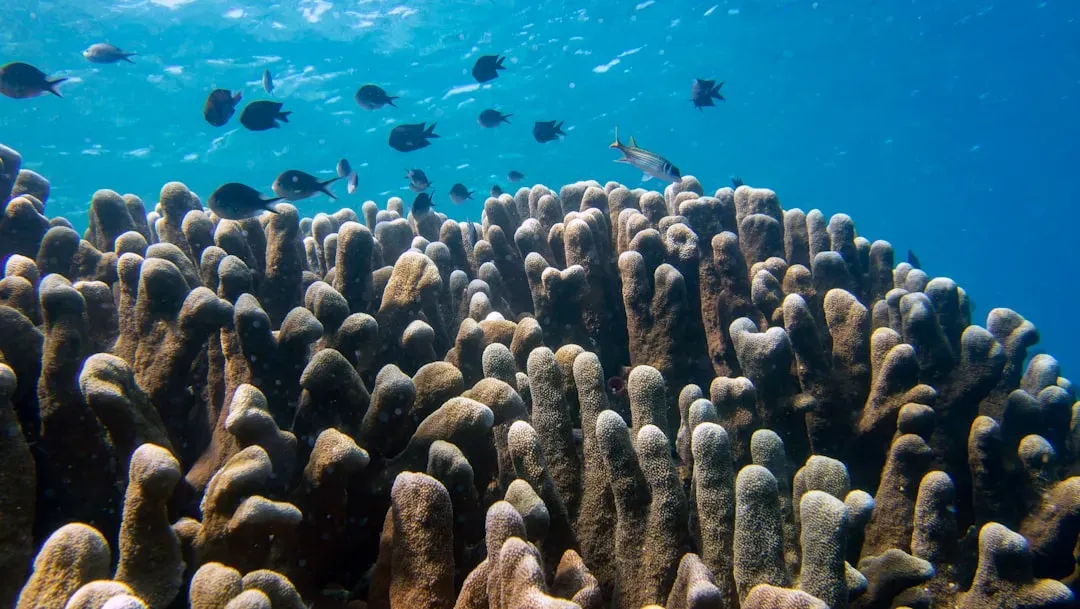
One of the most famous modern marine examples of living stromatolites occurs in Shark Bay, Western Australia, where extensive stromatolite fields grow in shallow, hypersaline waters. The elevated salinity discourages most grazing animals, and the microbial mats trap carbonate sand and promote mineral precipitation, forming domes and ridges that closely resemble ancient fossil stromatolites. You could stand a few feet away from a living structure that is essentially the same biological process that shaped life on Earth over three billion years ago. That’s not a museum exhibit. That’s a living connection to the very beginning.
In a world dominated by animals, modern stromatolites survive only in ecological refuges. Yet their continued existence is a powerful reminder that microbial life still retains the ability to shape rock, alter water chemistry, and leave lasting records of its activity, just as it did at the dawn of life on Earth. These deposits build up extremely slowly: a single one-meter structure may be 2,000 to 3,000 years old. The tiny microbes that make up modern stromatolites are similar to organisms that existed 3.5 billion years ago. Ancient, patient, and quietly extraordinary.
Conclusion: A Story Written in Stone, and Still Being Told
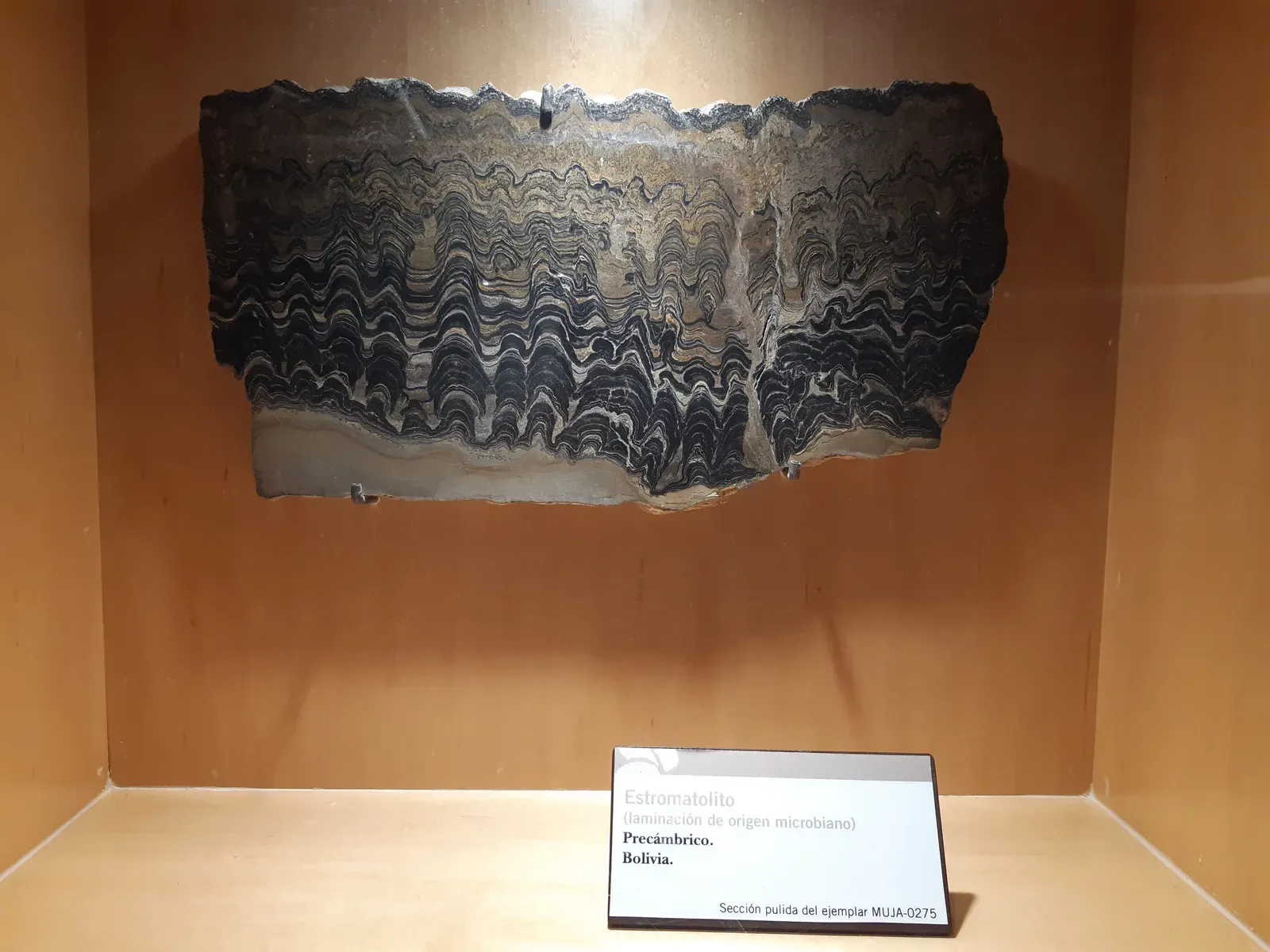
weren’t dramatic or flashy. They were invisible, patient, and microscopic. Yet they fundamentally reshaped an entire planet, filled an atmosphere, cleared the way for billions of species, and ultimately set the stage for every living thing that has ever drawn a breath, grown a leaf, or walked the ground.
What makes this story so remarkable is how recent our understanding of it truly is. Scientists are still discovering new fossils, revising timelines, and uncovering clues in ancient rock layers that rewrite everything we thought we knew. The history of life is a story that isn’t finished being told.
Next time you take a deep breath, spare a thought for the microscopic organisms that made it possible billions of years before you were born. Of all the facts in this article, which one surprised you the most? Drop your thoughts in the comments below.