
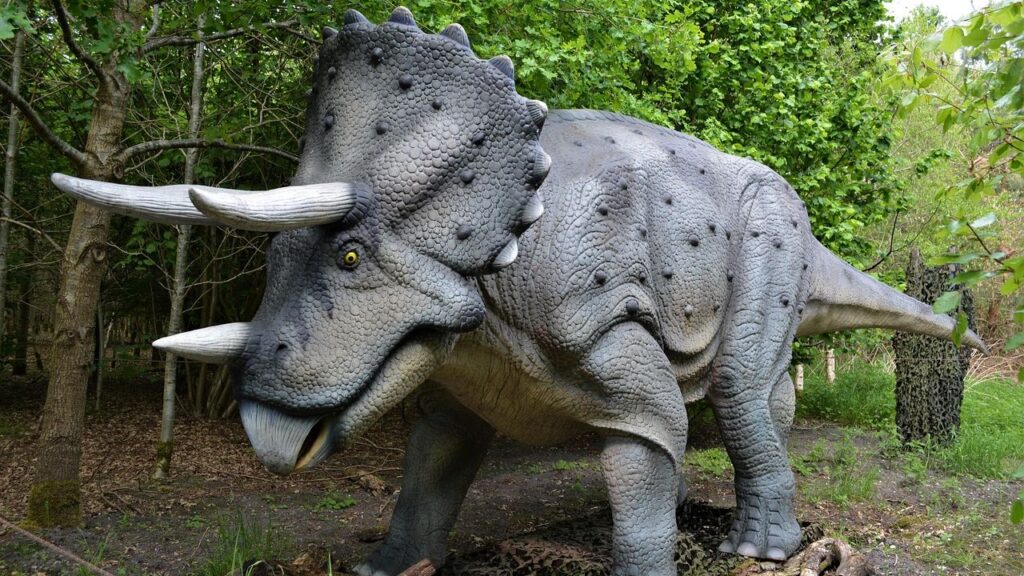
Most people picture dinosaurs as lumbering, cold-blooded giants wandering ancient wastelands in near-total isolation. Solitary. Mindless. Driven purely by hunger. Honestly, that image couldn’t be further from what science is increasingly revealing. Dinosaurs were, in many ways, shockingly familiar.
When you start digging into the evidence locked inside fossilized bones, trackways, nesting sites, and ancient scrape marks in stone, a different picture emerges entirely. One that looks remarkably like the animal kingdom you see on a nature documentary today. So let’s dive in.
1. Herding and Group Living: The Ancient Safety in Numbers
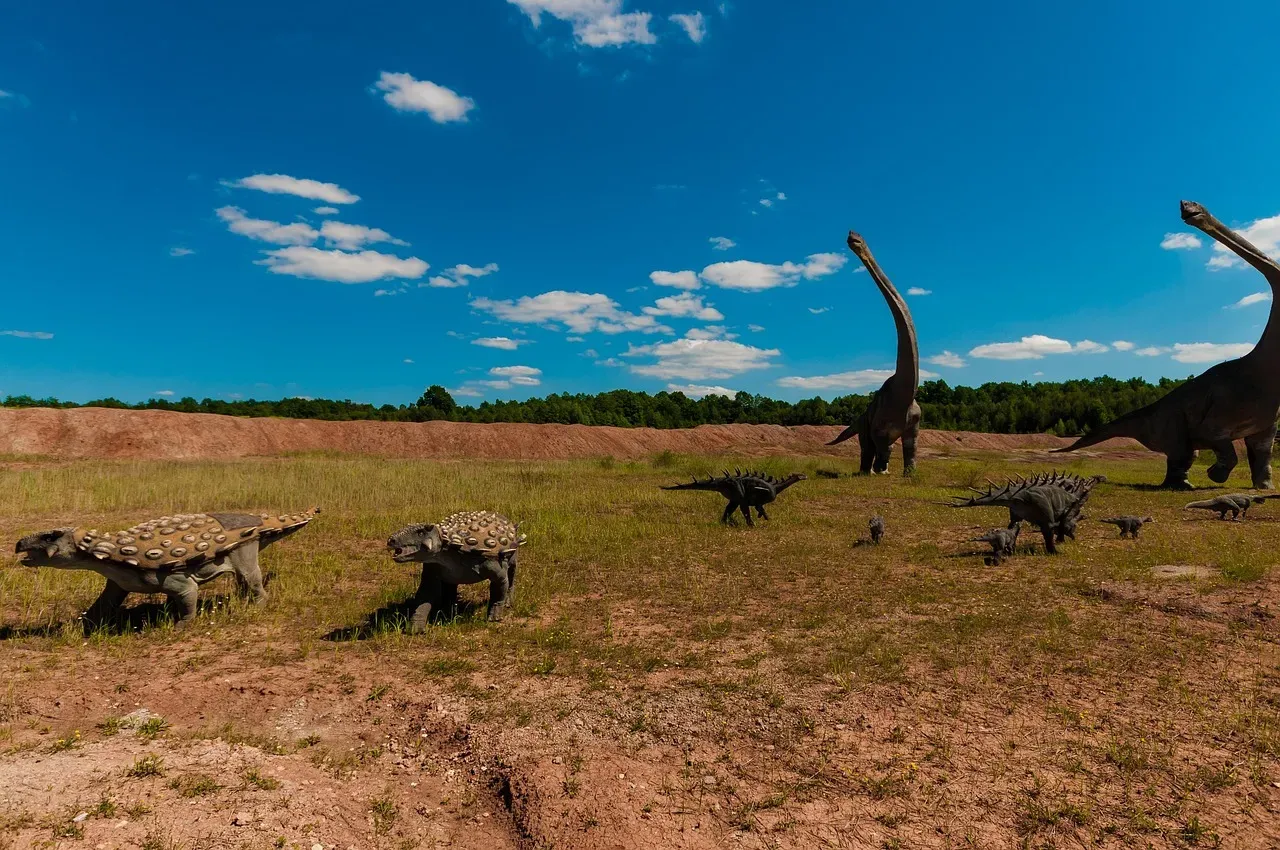
You know how wildebeest move across the Serengeti in thundering masses, or how bison once blanketed the North American plains horizon to horizon? Dinosaurs were doing essentially the same thing, and the fossil record is packed with evidence to prove it. Gregarious behavior was common in many dinosaur species, and dinosaurs may have congregated in herds for defense, migratory purposes, or to provide protection for their young.
What makes this really astonishing is how far back this behavior reaches. Researchers from MIT, Argentina, and South Africa detailed their discovery of an exceptionally well-preserved group of early dinosaurs that shows signs of complex herd behavior as early as 193 million years ago, a full 40 million years earlier than other records of dinosaur herding. Think about that for a moment. Social living wasn’t something that just evolved in mammals. It was happening in the Jurassic, long before humans or wolves or elephants ever walked the Earth.
New discoveries indicate the presence of social cohesion throughout life and age-segregation within a herd structure, in addition to colonial nesting behavior. This is the kind of thing you see today in elephant herds and certain ungulate species, where adults and juveniles occupy distinct roles within the group. The massive mixed-age herds of ceratopsians and hadrosaurs appear analogous to modern ungulate herds like wildebeest or bison, which aggregate for protection and resource exploitation. The parallels are hard to dismiss.
2. Devoted Parental Care: The Original Good Mothers and Fathers
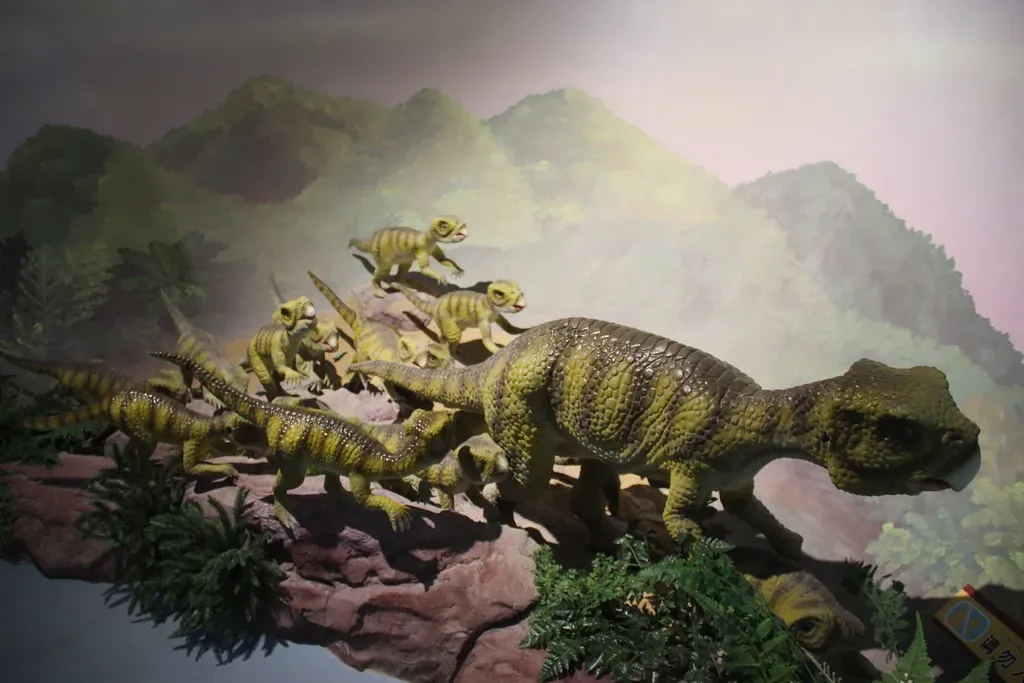
Here’s the thing that genuinely surprised me when I first learned about it. Dinosaurs, including some of the largest and most fearsome species, were dedicated parents. The image of dinosaurs as cold-blooded, uncaring reptiles couldn’t be further from the truth. Fossil evidence reveals that many dinosaur species exhibited sophisticated parental behaviors, with these ancient parents building nests, incubating eggs, and protecting their offspring with a dedication that rivals today’s most devoted animal parents.
The Maiasaura is perhaps the most famous example, and its very name tells you everything. Sites like “Egg Mountain” in Montana have revealed hundreds of Maiasaura nests in close proximity, strongly suggesting colonial nesting behavior similar to modern seabirds. These nests contain evidence that parents provided care to their young, including worn teeth in adult specimens consistent with gathering food for nestlings. That detail about worn teeth is extraordinary. It implies these creatures were actively chewing and bringing food back to their hatchlings, much like a modern bird returning to the nest.
Then there’s the remarkable “Big Mama” fossil. The Citipati osmolskae fossil dubbed “Big Mama” was a discovery that provided substantial evidence for how dinosaurs behaved with their eggs. “Big Mama” is a 75-million-year-old oviraptorid that was uncovered brooding on, meaning sitting on top of, a nest of eggs. That animal died protecting its eggs, frozen in time in an act that any modern bird or crocodile parent would recognize immediately. Nests and eggs have been found for most major groups of dinosaurs, and it appears likely that dinosaurs communicated with their young in a manner similar to modern birds and crocodiles.
3. Courtship Displays and Mating Rituals: Dancing Before Dating
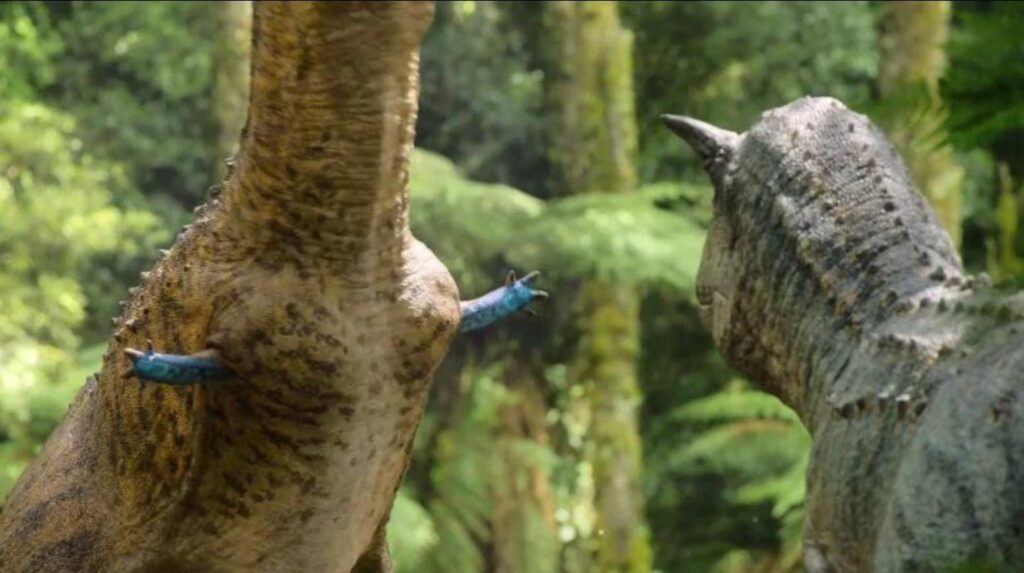
This one truly blew my mind. If you’ve ever watched a bird of paradise contort itself into impossible poses to impress a female, or seen a peacock fan its feathers in a spectacular arc, you might be surprised to learn that dinosaurs were doing something eerily similar, and they left the proof behind in solid rock. Extensive and geographically widespread physical evidence of substrate scraping behavior by large theropods is considered compelling evidence of “display arenas” or leks, consistent with nest scrape display behavior seen among many extant ground-nesting birds. Large scrapes, up to 2 meters in diameter, occur abundantly at several Cretaceous sites in Colorado, constituting a previously unknown category of large dinosaurian trace fossil.
The scale of what was found in Colorado defies easy comprehension. Using high-resolution drone imagery, a team of scientists identified 35 Ostendichnus, the word used to describe theropod mating display scrapes. These weren’t random marks. Some of the impressions suggest the dinosaurs turned clockwise as they scraped their claws through the sand, indicating a unique, repetitious dance. Circular indentations show the scrape marks may have later been turned into nests, which is a common behavior seen in some modern birds. The behavior wasn’t just about impressing a mate. It was part of a broader sequence, showing how deep and ritualized prehistoric reproduction already was.
Dinosaurs engaged in mating behavior similar to modern birds, leaving fossil evidence behind in 100-million-year-old rocks. This fossil evidence supports theories about the nature of dinosaur mating displays and the evolutionary driver known as sexual selection. Since prehistoric times, males have driven off weaker rivals while females chose the most impressive male performers as consorts. Sound familiar? That’s exactly the same dynamic playing out in elk herds, lion prides, and nightclubs on a Saturday night.
4. Intraspecific Combat: Heads Will Roll
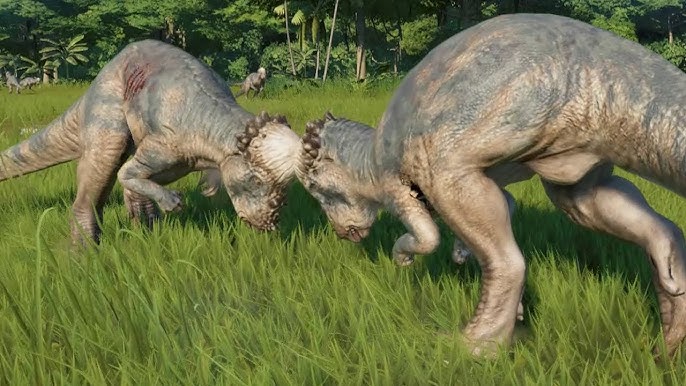
Let’s be real, the idea of two dinosaurs squaring off in a dominance battle is thrilling. Science has gone back and forth on exactly how this played out, but the evidence strongly points to real, physically costly combat between members of the same species. According to a study by scientists at the University of Wisconsin and Yale University, small, herbivorous, dome-headed dinosaurs from the late Cretaceous period known as pachycephalosaurids used domes atop their heads to fight for territory and mates.
Pachycephalosaurids presumably used the dome to fight other members of the same species, either to secure access to mates, to secure territories, or both. The injuries tell the story clearly. Two-thirds of the injuries found on skulls are on the frontal bone on the roof of the skull, the area that would suffer the most impacts during head-on collisions. This strongly suggests that the animals were indeed ramming each other. Compare that to modern bighorn sheep, which show nearly identical patterns of skull stress, and the behavioral echo across millions of years becomes impossible to ignore.
Skulls with flatter domes, which researchers believe belonged to females or youngsters, were free of injuries. This implies that, as in modern goats or cattle, only the males charged each other. I think that detail is particularly striking. The specificity of who was fighting, and who wasn’t, mirrors sex-based competition in a huge range of modern species. It wasn’t random aggression. It was strategic, socially structured combat, with clear rules about who participated. All in all, we might think of Pachycephalosaurus and its relatives as something like Mesozoic sheep and goats, docile throughout most of the year but cantankerous and competitive when it came time to breed.
5. Age Segregation Within Social Groups: Young Ones Stick Together
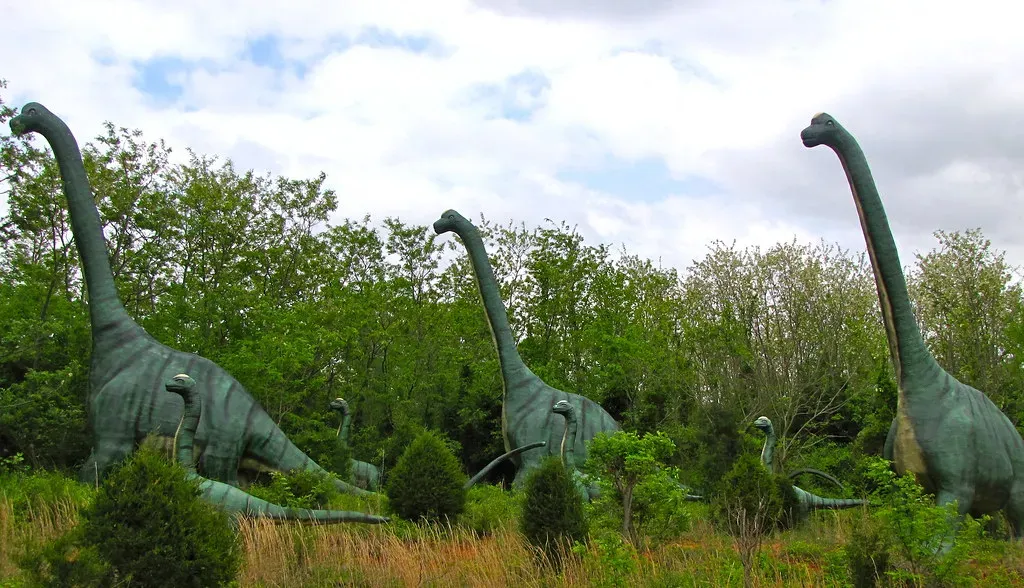
Watch a herd of elephants and you’ll notice something fascinating. The young ones tend to cluster together, supervised at a distance by adults who do the heavy lifting of foraging and protection. Remarkably, dinosaurs appear to have organized themselves in very similar ways. This “age segregation” is considered a strong sign of a complex, herd-like social structure. The dinosaurs likely worked as a community, laying their eggs in a common nesting ground, with juveniles congregating in “schools” while adults roamed and foraged for the herd.
The structural sophistication implied here is staggering. One researcher noted there may be “a larger community structure, where adults shared and took part in raising the whole community.” This moves beyond simple family units into something closer to the cooperative societies you see in wolves, African wild dogs, or even certain primate groups. When age segregation is recognized, in both fossil and modern taxa, it is thought to minimize the fitness costs related to behavioral synchronization within social groups. In other words, it wasn’t accidental. It was adaptive, chosen by natural selection because it worked.
The age segregation observed in some dinosaur assemblages finds parallels in modern animals like elephant seals and many ungulates, where immature individuals form separate groups. It’s hard to say for sure how conscious or intentional this behavior was, but the pattern is clear. Young dinosaurs weren’t randomly scattered through the herd. They had their own space within it, protected and supervised, echoing structures that appear again and again in the most socially complex animals alive today.
6. Sleeping Postures and Resting Behaviors: Ancient Habits, Modern Echoes
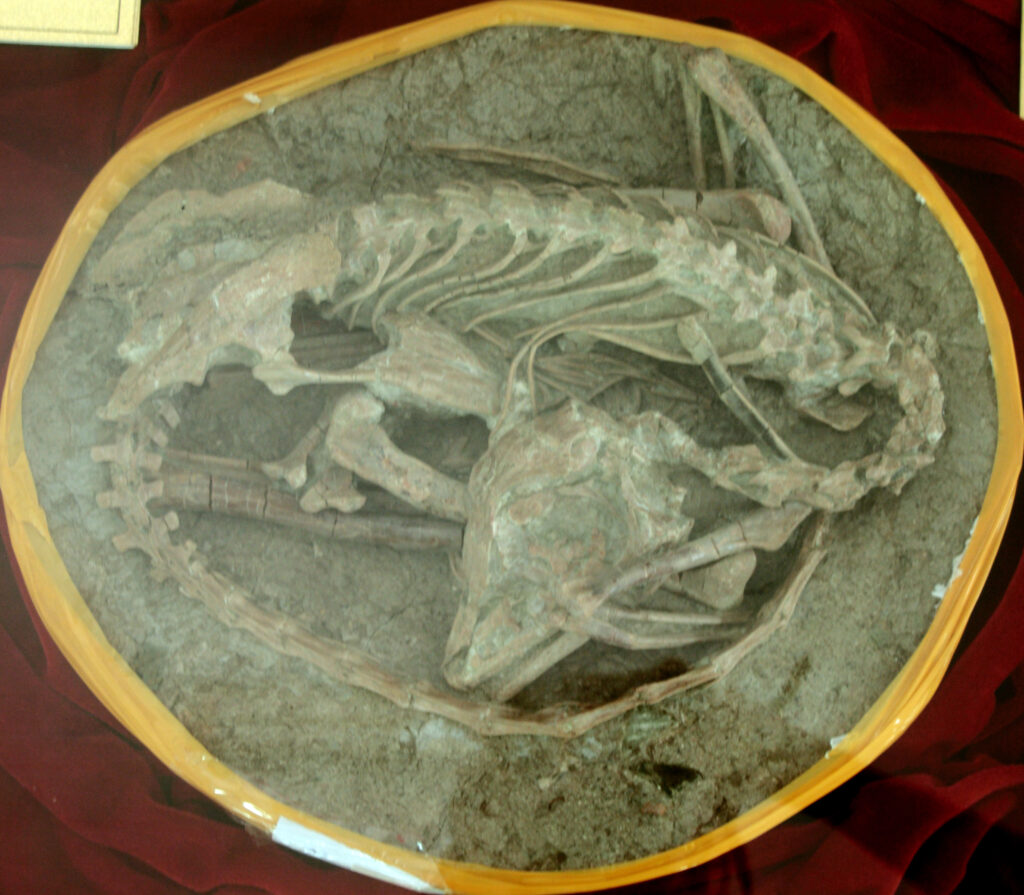
This particular behavior is one of the quieter discoveries, but it’s one of the most poignant. If you’ve ever watched a bird tuck its head under its wing to sleep, you’ve witnessed an instinct that stretches back deep into the Mesozoic. A recently discovered troodontid fossil demonstrates that some dinosaurs slept with their heads tucked under their arms. This behavior, which may have helped to keep the head warm, is also characteristic of modern birds.
The small dinosaur Mei, discovered in China, was preserved in exactly that posture, head curled beneath a wing-like forelimb in the precise position a modern sleeping bird adopts. The small Chinese dinosaur Mei was preserved in a resting posture that is extremely similar to that seen in modern birds. It’s one of those fossils that punches you in the gut with its intimacy. This creature, tens of millions of years old, was caught in a moment so universal and so recognizable that it feels almost mundane. Troodontid dinosaurs buried in avian-like sleeping postures provide rare physical evidence of stereotypical avian behavior.
What this behavior reveals is something deeper than just posture. It speaks to thermoregulation, to vulnerability during rest, and to instincts that evolved once and persisted across hundreds of millions of years. Researchers need to focus on dinosaurs’ nearest living relatives, birds and crocodylians, and the nearest analogs of large species like elephants and lions, but there are big patterns of behavior and ecology that transcend these comparisons as well. The sleeping posture is one such pattern. It endured. It survived an asteroid impact. You can observe it on your backyard bird feeder on any winter morning.
Conclusion
What emerges from all of this evidence is a picture of dinosaurs that is far more nuanced, far more socially complex, and frankly far more relatable than anything popular culture has managed to capture. These weren’t empty-eyed killing machines or prehistoric automatons. They herded. They parented. They danced to attract mates. They fought rivals for territory. They tucked their heads in to sleep. The behaviors that define so much of the animal world today were already in motion hundreds of millions of years ago.
Honestly, the real shock isn’t how different dinosaurs were from modern animals. It’s how little has actually changed. Evolution kept the playbook. It just updated the cast. Dinosaurs, ruling the Earth for millions of years, were not merely massive reptilian beings. They were intricately attuned to their environments, demonstrating behaviors finely tuned by the forces of natural selection. Next time you watch a bird feed its chicks, settle into a sleeping posture, or strut its feathers in the sunlight, you’re watching a direct echo of the Mesozoic. Does it change how you see the world around you? It probably should.