
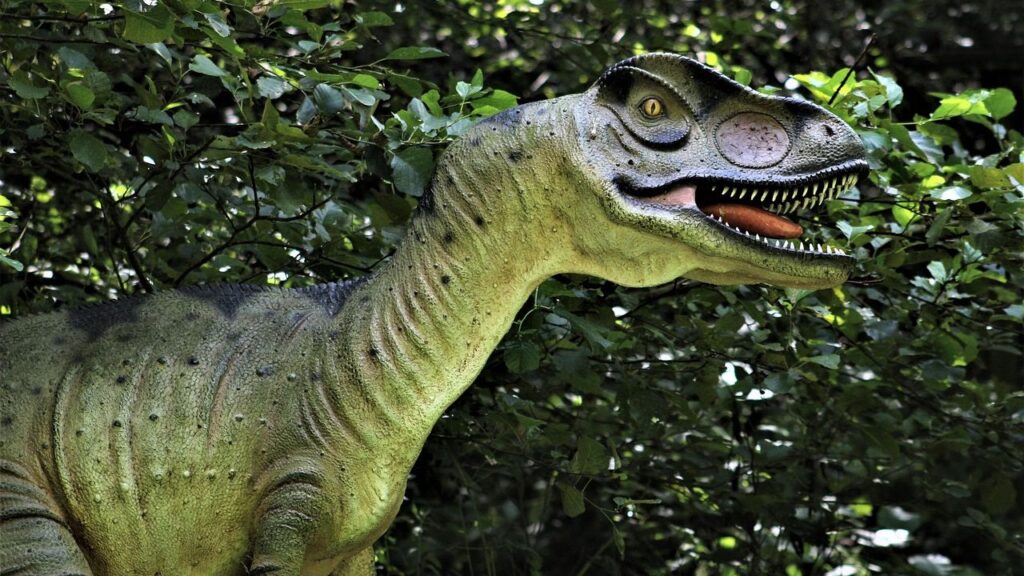
For roughly 160 million years, dinosaurs ruled this planet with a kind of dominance that no animal group has matched before or since. Think about that number for a second. Modern humans have existed for somewhere around 300,000 years, and we already think of ourselves as the undisputed masters of Earth. Dinosaurs lasted more than 500 times longer than that. So what was their secret?
The answer, it turns out, is not one single thing. It was a staggering collection of biological innovations, physical gifts, and behavioral strategies that stacked up over millions of years of evolution. Some of these adaptations are jaw-dropping. Others are surprisingly subtle. All of them were devastatingly effective. Let’s dive in.
1. Hollow, Air-Filled Bones That Were Light Yet Incredibly Strong
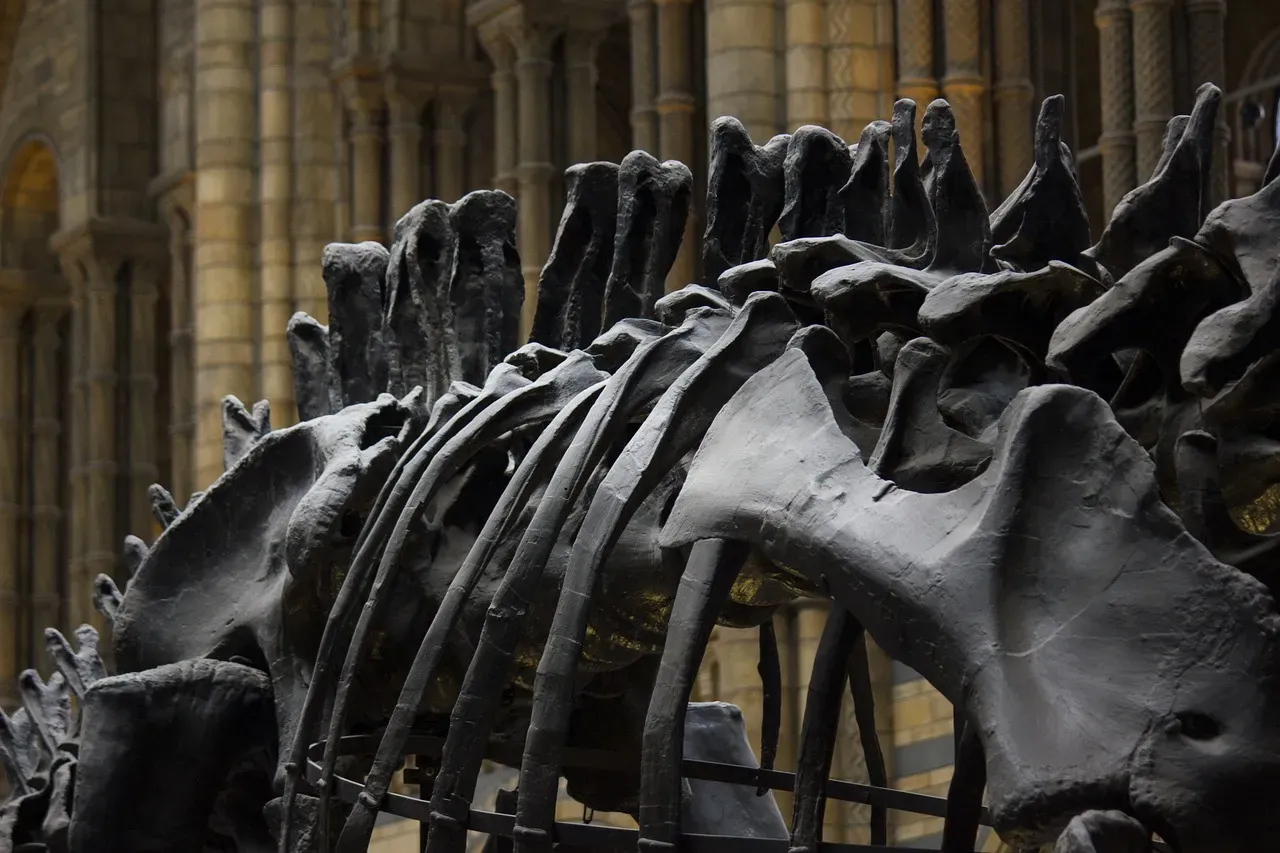
You might think that having hollow bones sounds like a liability, as if it would make an animal fragile or brittle. But here’s the thing – it was actually one of the most powerful structural advantages a creature could possess. Brazilian paleontologist Tito Aureliano found that hollow bones filled with little air sacs were so important to dinosaur survival that they evolved independently several times in different lineages – which, in evolutionary terms, is basically the universe saying “yes, this works, try it again.”
The air sacs reinforced the internal structure of the dinosaurs’ bones while creating a greater surface area for the attachment of large, powerful muscles, enabling those bones to grow large without weighing the animal down. Think of it like corrugated cardboard. Your regular deliveries from online retailers come packed in corrugated cardboard, which has the same advantages as aerated bones – it is light, yet tough. Nature engineered this solution hundreds of millions of years before we did.
2. A Revolutionary Stance and Gait That Outpaced the Competition
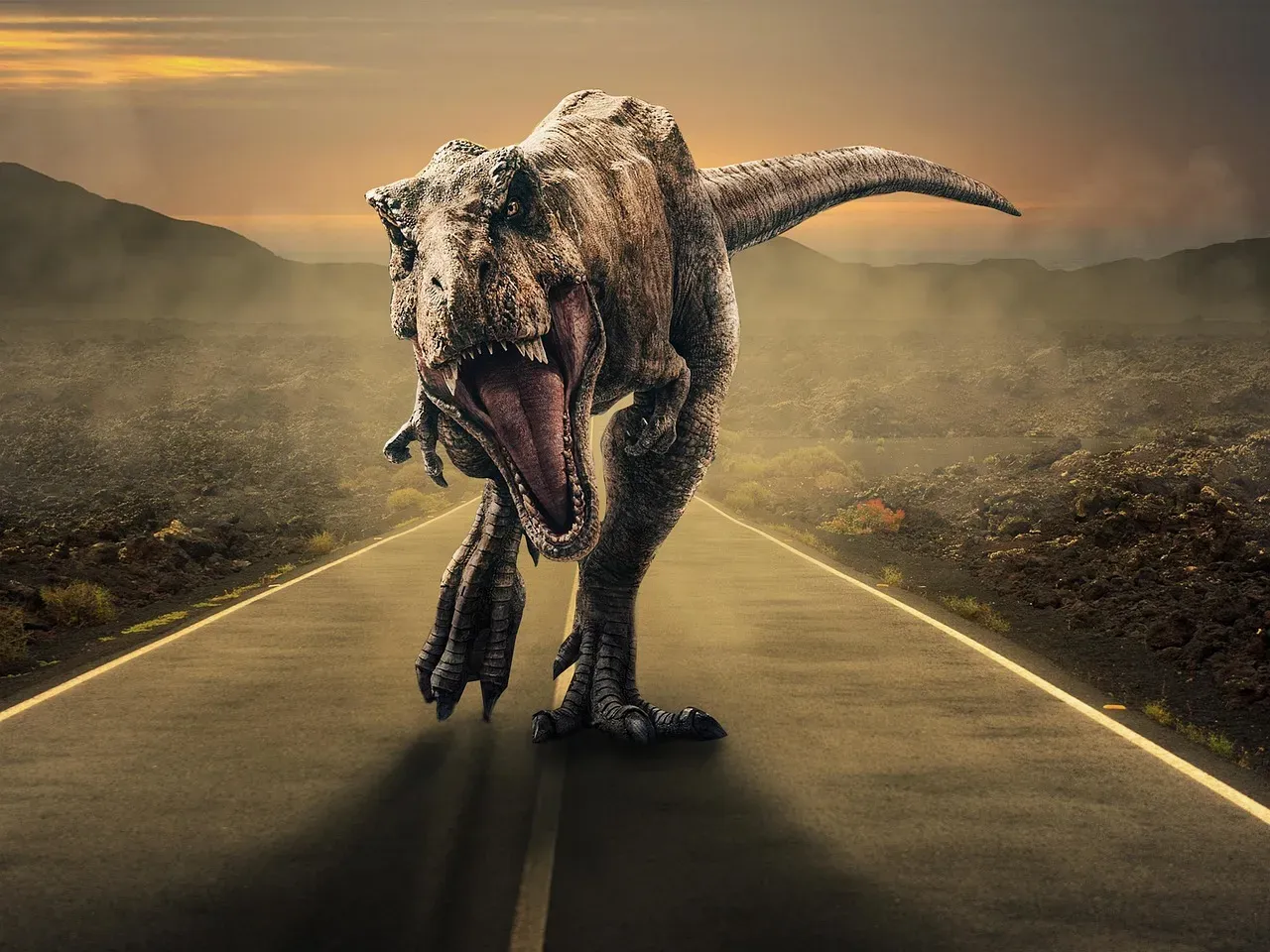
Before dinosaurs truly dominated the Earth, they shared the Triassic world with tough competitors. So what tipped the balance? Findings from a study published in Royal Society Open Science show that the first dinosaurs were simply faster and more dynamic than their competitors, and it’s why they were able to dominate the Earth for 160 million years. Speed and agility, not raw power alone, were the early trump cards.
Researchers identified which of these ancient beasts were quadrupedal or bipedal, and also looked at their cursoriality index, a measure of running ability. They found that, from the beginning, dinosaurs and their close relatives were bipedal and cursorial – meaning their limbs were adapted for running – and they also showed a much wider range of running styles than some of their close competitors. Dinosaurs were initially bipedal and could run, rather than just lumber along like their ancestors. Being able to move quickly enhanced their abilities to evade predators and catch prey, giving them a distinct advantage during the drying climate of the Triassic.
3. Versatile Locomotion That Let Them Fill Every Ecological Niche
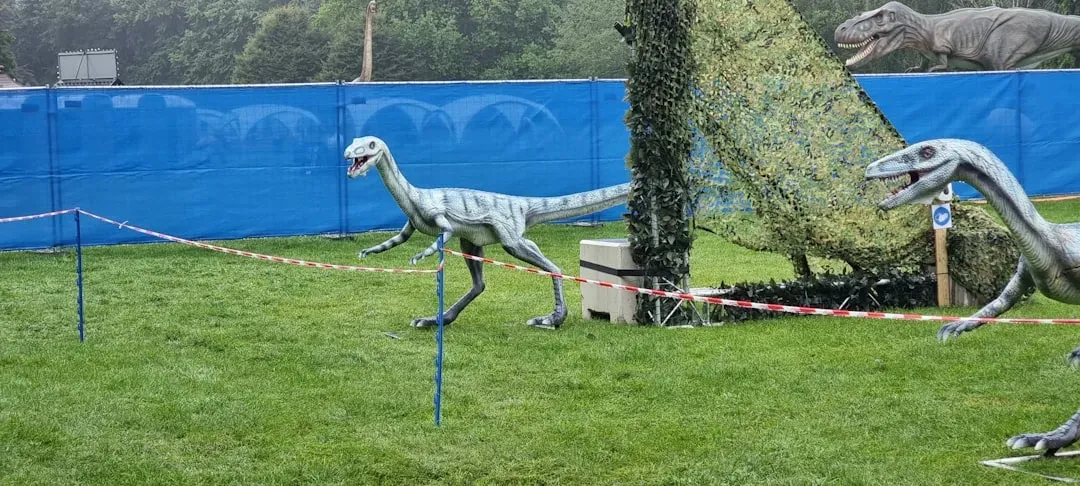
Here is where dinosaurs truly separated themselves from the pack. While other reptile groups became locked into one way of moving around, dinosaurs remained strikingly flexible. Some dinosaurs retained their upright, bipedal posture while others dropped to all fours. This enabled them to diversify and fill a wide range of ecological niches. Imagine being equally comfortable sprinting on two legs and lumbering powerfully on four – that kind of versatility is extraordinarily rare in nature.
After the end-Triassic mass extinction, truly huge dinosaurs emerged, over ten meters long, some with armor, many quadrupedal, but many still bipedal like their ancestors. The diversity of their posture and gait meant they were immensely adaptable, and this ensured strong success on Earth for so long. When environmental crises hit, dinosaurs were ready to reshape and reinvent themselves. Their competitors simply could not keep up.
4. Cold-Weather Adaptations That Gave Them a Lethal Edge
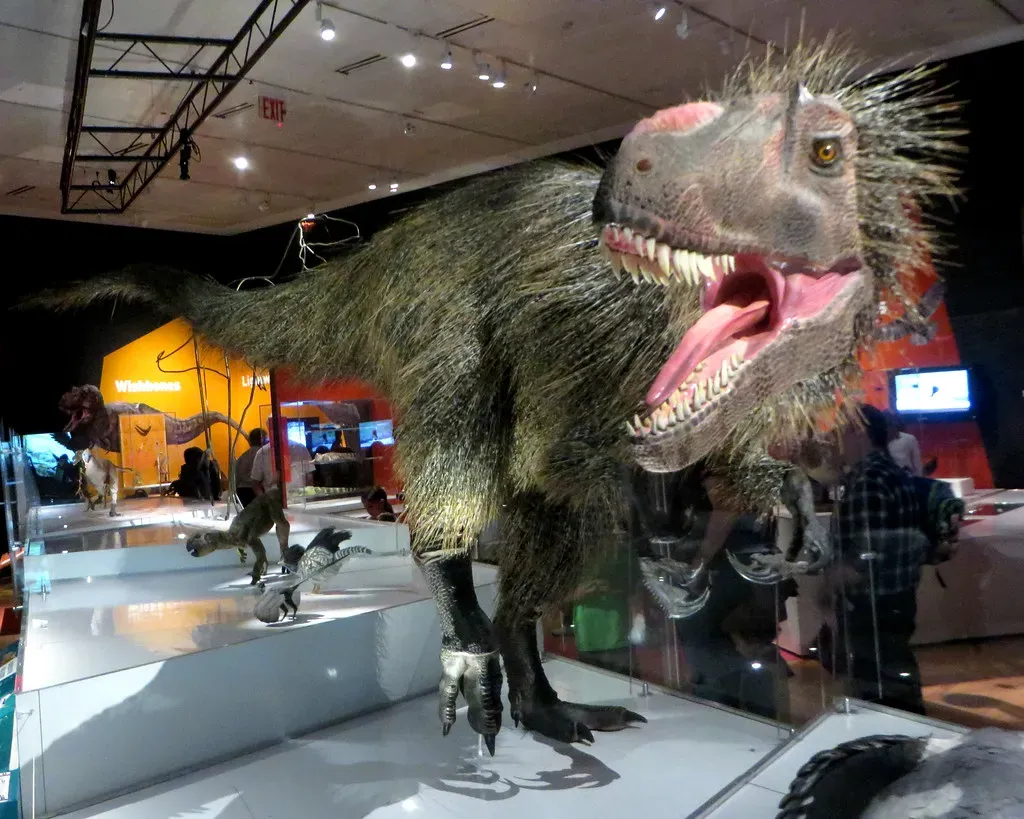
You’ve probably pictured dinosaurs lazily stomping through lush, steaming tropical jungles. Honestly, that image is more Hollywood than science. 202 million years ago, in an episode called the Triassic-Jurassic extinction event, a chain of massive volcanic eruptions cooled the planet dramatically, killing more than 75 percent of species on land and in the oceans, paving the way for cold-adapted dinosaurs to emerge from the Triassic period and dominate the Jurassic.
Researchers say their findings defy stereotypes of dinosaurs only thriving in warm, humid environments – their adaptation to cold environments gave them the edge during an early extinction event. The recent discovery of their cold adaptations overturns traditional stereotypes of dinosaurs inhabiting warm, tropical jungles. Feathers and the ability to withstand freezing conditions highlight their adaptability to cold climates, challenging our perception of these ancient creatures. When the world turned cold and dark, the dinosaurs were essentially already dressed for the occasion.
5. Feathers for Insulation, Display, and Ultimately Flight
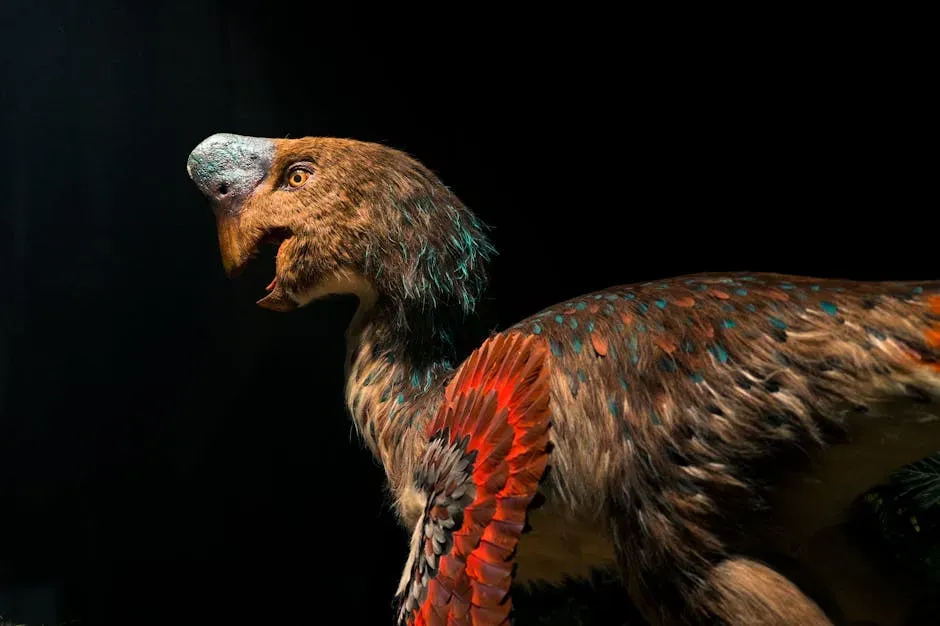
Feathers weren’t just a bird thing. Feathers are one of the most recognizable characteristics of modern birds, and a trait that was also shared by several non-avian dinosaurs. This is one of the most startling revelations in modern paleontology, and I think it fundamentally changes how you should visualize these creatures. A T. rex ancestor with a feathery coat? Absolutely. The tyrannosauroid Yutyrannus, for instance, is known to have possessed feathers and weighed 1.1 tonnes.
The fact that many dinosaurs had fluff, fuzz, and feathers indicates that they evolved these insulating coats to help retain body heat, with their protofeathers being more of a hindrance if they had to rely on the environment to regulate their temperature. Feathers in certain species not only helped dinosaurs stay warm but also played a role in courtship displays and communication. Over time, these same structures would give rise to powered flight – one of the most transformative evolutionary leaps in the history of life on Earth.
6. Specialized Teeth and Feeding Adaptations for Every Diet
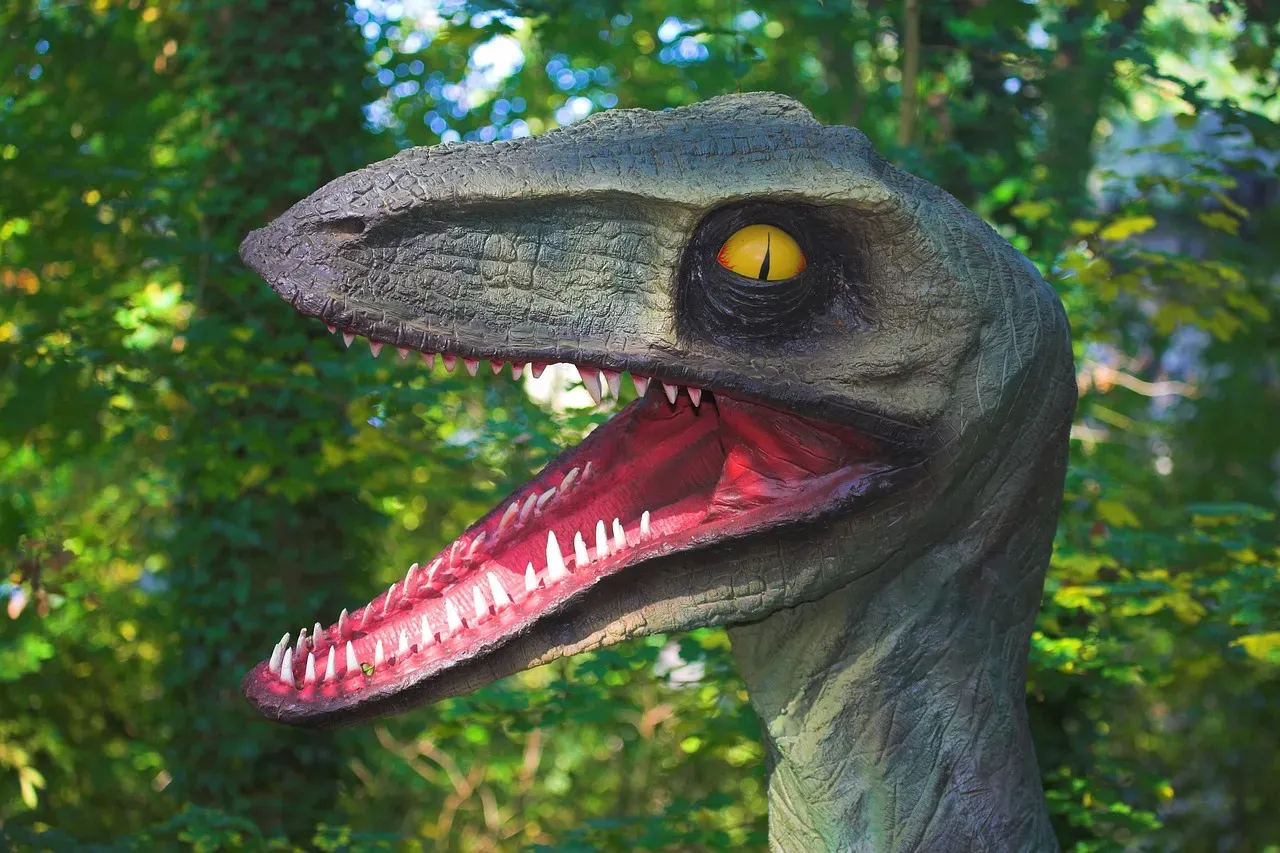
One of the most overlooked reasons dinosaurs dominated for so long is their incredible dietary diversity. To thrive in diverse ecosystems, dinosaurs developed a range of adaptations from specialized teeth to feathers, enhancing their survival and dominance. These evolutionary tactics allowed them to exploit various ecological niches, from dense forests to open plains. Carnivores, herbivores, omnivores – the dinosaur family tree had a seat at every dinner table nature could set.
The elongated necks of sauropods allowed them to reach high into the canopy, accessing a wide range of plant matter that was otherwise inaccessible to smaller herbivores. Their powerful, tooth-lined jaws and efficient digestive systems enabled them to process vast amounts of fibrous plant material, ensuring a steady supply of nutrients to fuel their colossal bodies. Meanwhile, on the carnivore side, predators possessed powerful jaws, serrated teeth, and keen senses that allowed them to track, pursue, and overpower their targets with deadly efficiency, with advanced hunting strategies including pack-hunting behaviors in some species further enhancing their success.
7. Elevated Metabolism and Warm-Blooded Physiology
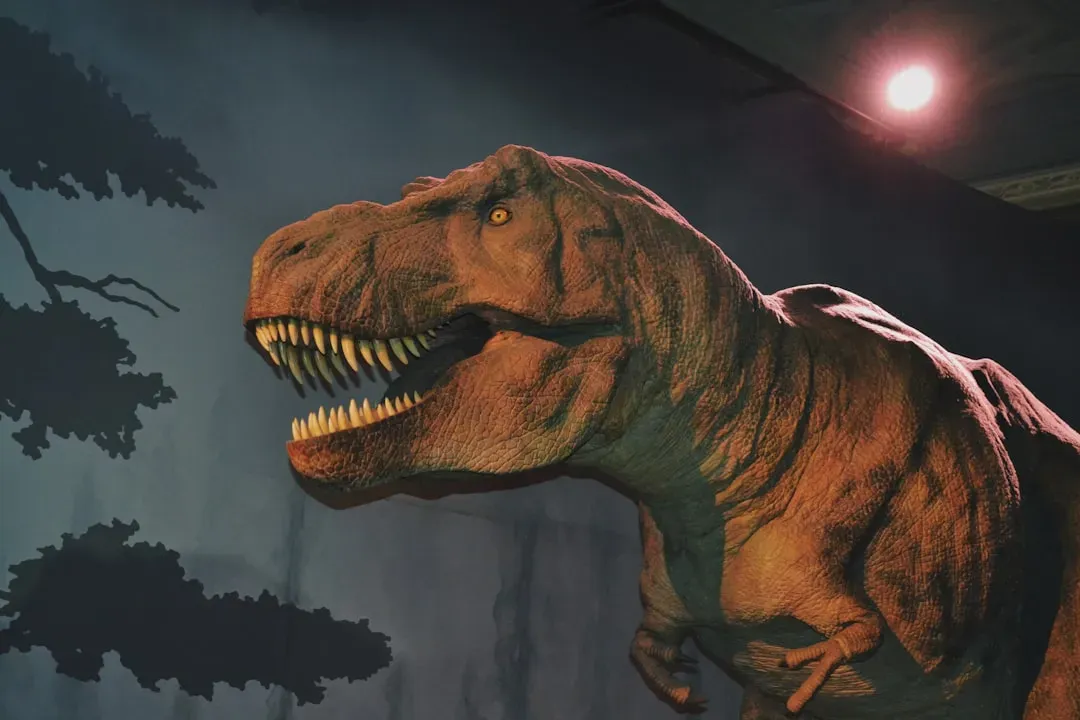
For decades, scientists assumed dinosaurs were sluggish, cold-blooded reptiles baking on rocks between meals. That picture has been pretty thoroughly dismantled. The lizard-hipped dinosaurs, including theropods like Velociraptor and T. rex and the giant sauropods like Brachiosaurus, were warm- or even hot-blooded. Researchers were surprised to find that some of these dinosaurs weren’t just warm-blooded – they had metabolic rates comparable to modern birds, much higher than mammals.
By counting growth rings in bones and examining how quickly bone within each ring accumulated, paleontologists have been able to discern that many dinosaurs grew very fast after they hatched. That’s a strong point in favor of elevated body temperatures and a fast-running metabolism. While the endothermic state is metabolically expensive, requiring the body to produce heat continuously, endotherms can be more active and survive lower external temperatures. For a creature trying to dominate an entire planet, that extra energy was worth every calorie.
8. Advanced Respiratory Systems with Unidirectional Air Flow
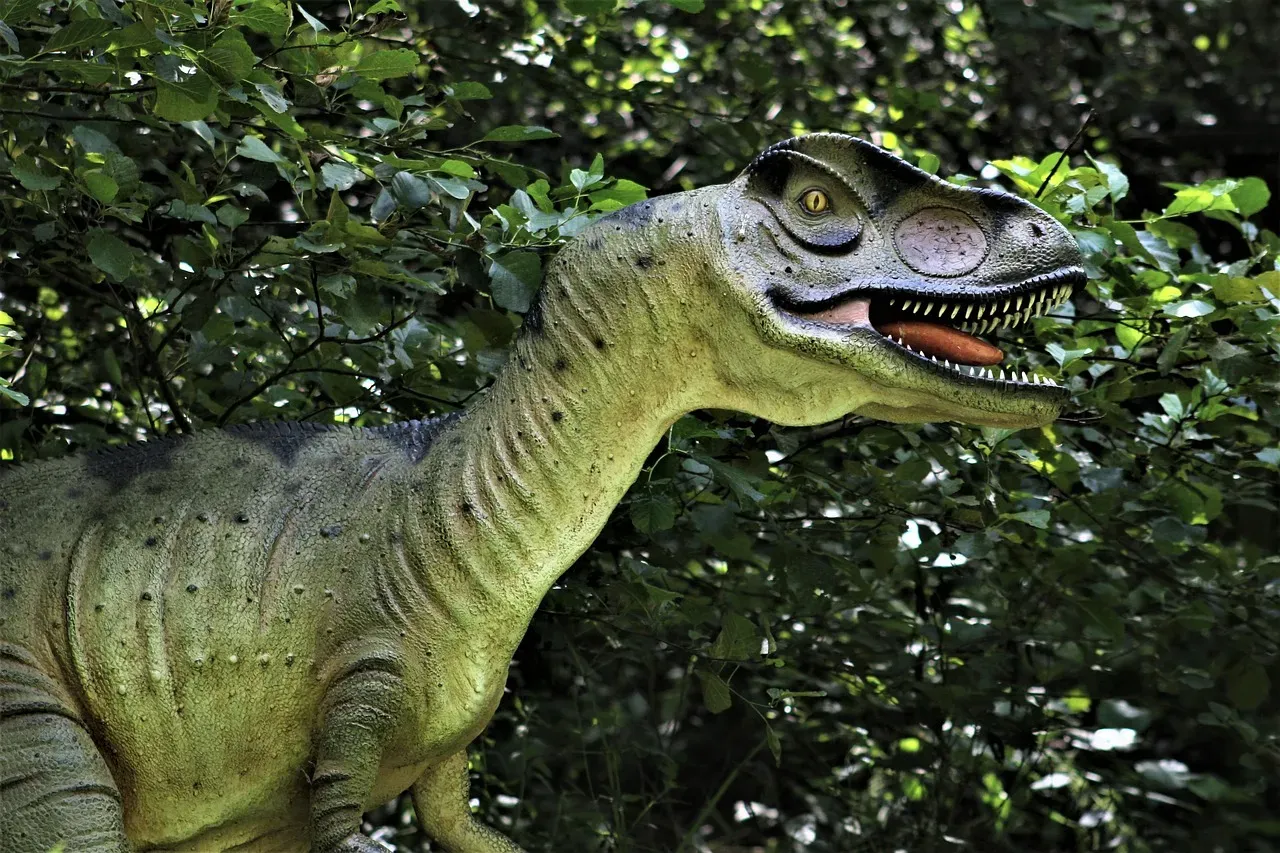
Most animals, including you reading this right now, breathe in a tidal pattern – air flows in, does its job, then flows back out the same way it came. Dinosaurs – or at least many of them – didn’t work like that. It has been suggested that remarkable levels of abundance and diversity were a result of dinosaur-specific genetic adaptations, which let them outlive other species in hostile habitats, including unusual bone development rates and highly adapted respiration systems such as unidirectional respiration.
Researchers believed that air sacs enhanced oxygen levels in dinosaurs’ blood. They focused on the late Triassic period in south Brazil, roughly 233 million years ago. At the time, it had a scorching hot and dry climate, so more oxygen circulating in the dinosaurs’ blood would help the beasts cool their bodies more efficiently and allow them to move faster. This kind of breathing system is exactly what modern birds still use today – and birds are, after all, the living dinosaurs walking among us right now.
9. Herding Behavior and Complex Social Structures
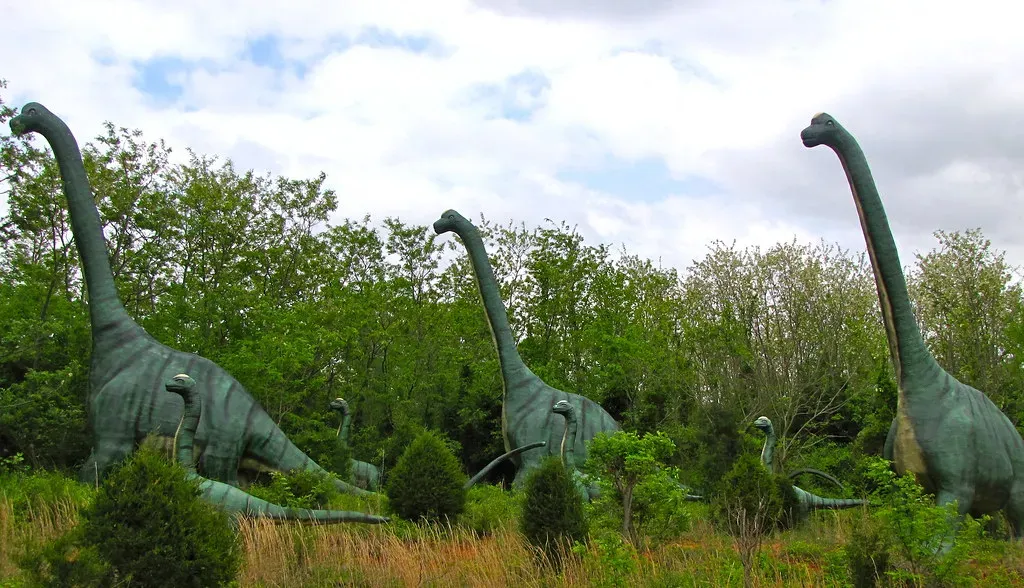
It’s tempting to think of prehistoric life as a purely solitary, every-creature-for-itself kind of world. But dinosaurs were far more socially sophisticated than that. Researchers from MIT, Argentina, and South Africa detail the discovery of an exceptionally preserved group of early dinosaurs that shows signs of complex herd behavior as early as 193 million years ago – 40 million years earlier than other records of dinosaur herding. Living in groups wasn’t just a nice feature; it was a survival engine.
Living in herds allowed dinosaurs to better defend themselves against predators and avoid being targeted individually. By migrating collectively, dinosaurs could take advantage of favorable seasonal conditions and find suitable nesting sites. The young dinosaurs stayed close to each other while the adults protected the herd and foraged for food. This kind of organized, age-segregated group structure sounds less like a reptile and more like an elephant herd or a wolf pack. Honestly, it’s remarkable.
10. Egg-Laying, Nesting Strategies, and Parental Care
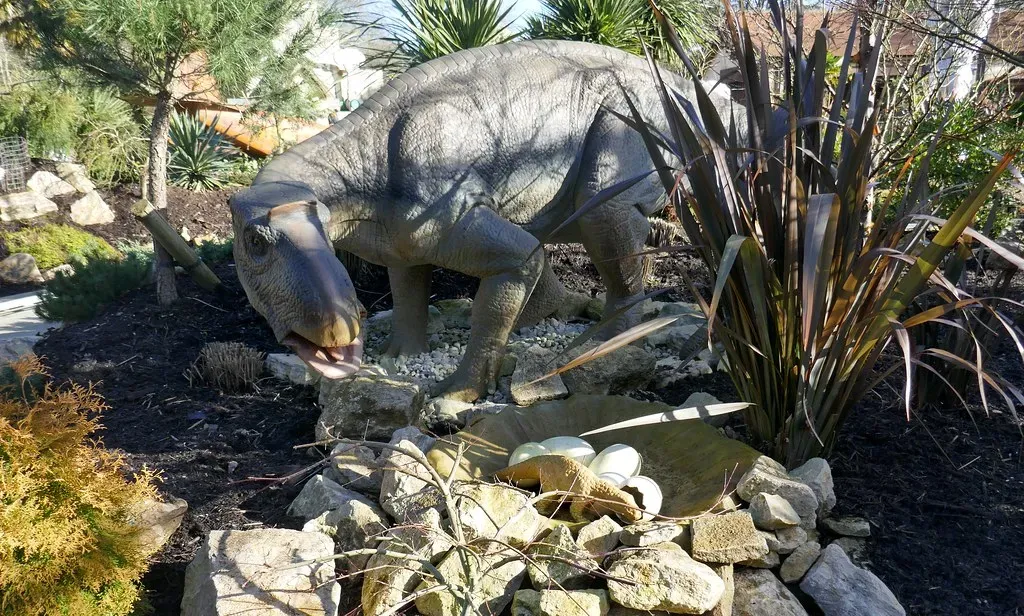
Evidence suggests that all dinosaurs were egg-laying, and that nest-building was a trait shared by many dinosaurs, both avian and non-avian. While that might sound ordinary, the sophistication wrapped inside that single biological fact is extraordinary. Some groups of dinosaurs evolved a hard calcite shell that locked in moisture and allowed them to nest in a wider range of environments. This development would have offered a major advantage, and at least three separate dinosaur lineages evolved hard-shelled eggs independently: theropods, sauropods, and hadrosaurs.
Nesting sites show that a number of different dinosaur species made annual treks to the same nesting ground. Because of the succession of similar nests and eggs lying one on top of the other, it is thought that particular species returned to the same site year after year to lay their clutches – what researchers concluded was “site fidelity,” an instinctive part of dinosaurian reproductive strategy. The presence of trampled eggshells and plant matter in Maiasaura nests found at Montana’s Egg Mountain indicates extensive parental care, suggesting that parents may have fed and cared for their young before they ventured out on their own. These weren’t mindless brutes. They were committed parents raising the next generation of rulers.
Conclusion: A Blueprint for Planetary Dominance
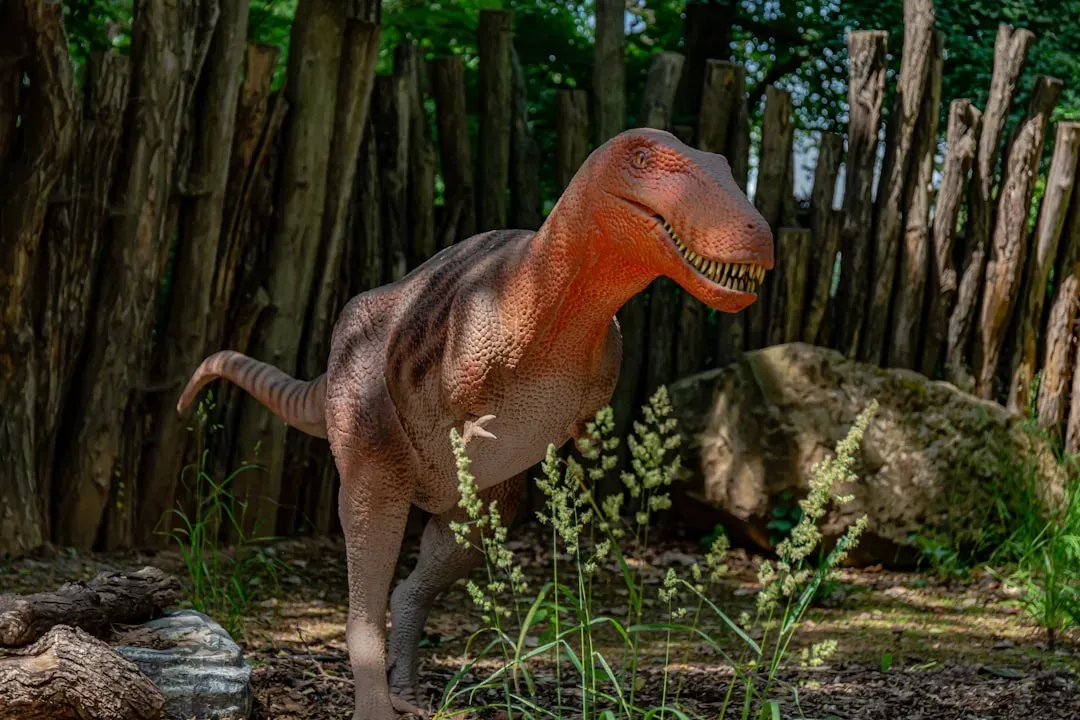
When you look at all ten of these adaptations together, something remarkable becomes clear. No single trait made dinosaurs great. It was the combination – the hollow bones paired with powerful muscles, the versatile gait paired with an efficient metabolism, the social intelligence paired with sophisticated nesting. Each innovation built upon the last, creating a biological blueprint so resilient it lasted for more than 160 million years.
There is a humbling lesson buried in all of this. The most successful organisms in Earth’s history were not simply the biggest or the strongest. They were the most adaptable, the most resourceful, and in many ways, the most collaborative. Dinosaurs didn’t just survive their environment. They bent it to their will, again and again, across extinction events, climate shifts, and continental upheavals.
The next time you see a bird outside your window, remember – you’re looking at the last surviving dinosaur, still using many of those same ancient tools to thrive in a world that has changed almost beyond recognition. Which of these ten adaptations surprised you the most? Drop your thoughts in the comments.