
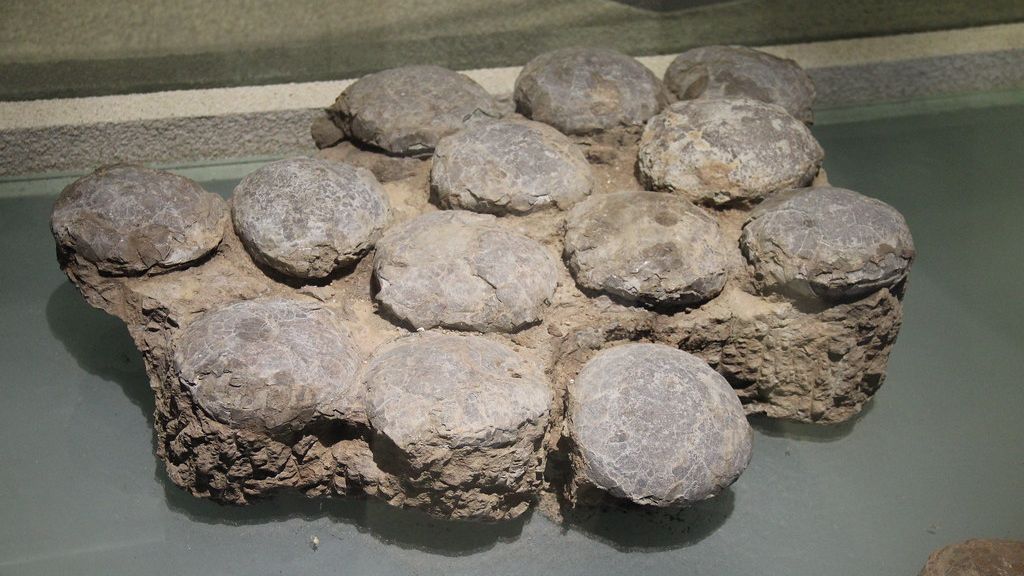
Imagine holding a fragment of eggshell in your hand, knowing it was laid by a creature roughly 85 million years ago, in a world so wildly different from ours that it might as well be another planet. Dinosaur eggs are one of paleontology’s most captivating subjects, and yet for a long time, scientists were baffled. Where were all the eggs? Why did so few survive? What was life really like in those ancient nesting grounds before everything went terrifyingly silent?
The story of dinosaur eggs is not just about reproduction. It is a story about survival, extinction, evolution, and the slow unravelling of an entire chapter of Earth’s history. From China’s enormous fossil reserves to the windswept plains of Patagonia, researchers keep digging up surprises that turn old assumptions upside down. Let’s dive in.
The Egg-Laying Giants of the Mesozoic World
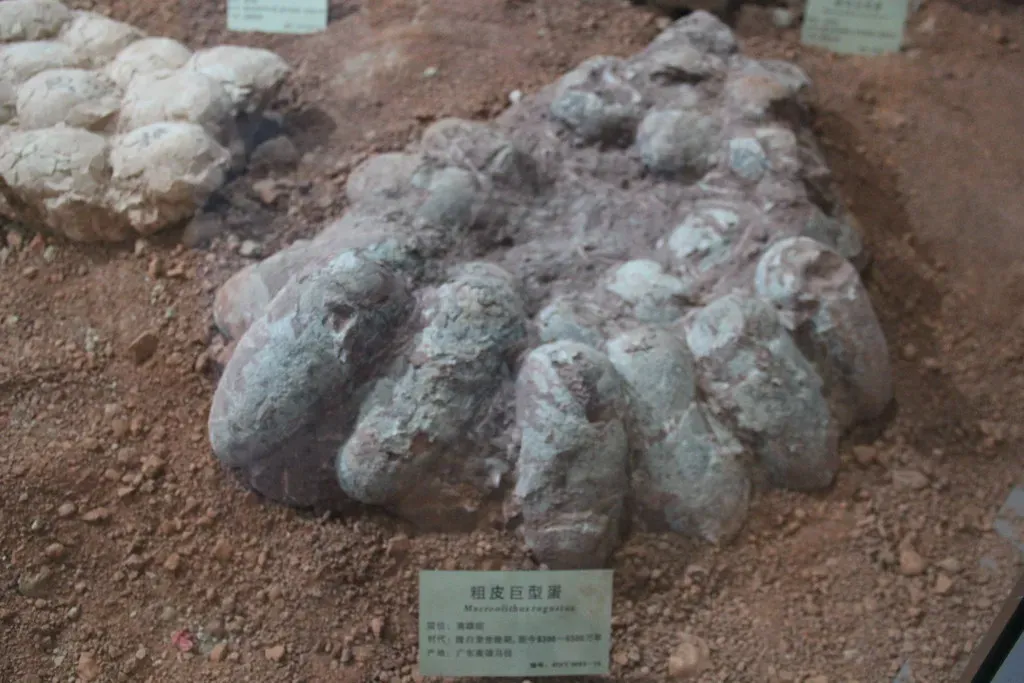
As far as we know, all dinosaurs reproduced by laying eggs, as do most other sauropsids, the broader group that includes reptiles. Think about that for a second. Every terrifying predator, every gentle long-necked giant, every feathered creature that stalked the Cretaceous undergrowth began life crammed inside an egg. It is a humbling thought.
These animals appeared in the Late Triassic Epoch, 235 million years ago, and lived on earth for as long as 170 million years but disappeared 66 million years ago. During all that time, eggs were the engine of their survival. Since dinosaurs were oviparous animals, the success of hatching eggs directly determined the prosperity of dinosaur populations. Their eggs were not a side note in history. They were the whole story.
The Soft Shell Secret That Changed Everything
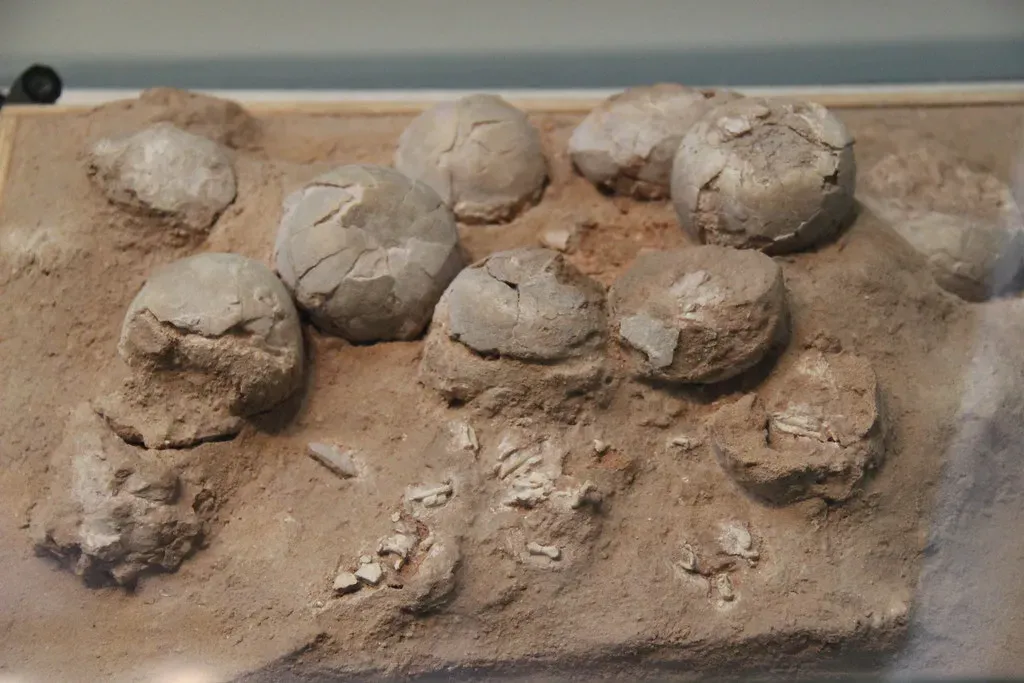
Here is something most people never expect to hear: many dinosaurs may not have laid the hard, calcified eggs you picture in every museum display. For years, paleontologists were puzzled by the startling rarity of egg fossils for certain species. Researchers solved the mystery when they confirmed that the dinosaurs had laid soft-shelled eggs, and their study helps explain why dinosaur eggs are relatively rare, since many laid soft-shelled eggs that were unlikely to fossilize.
The fossilized eggs unearthed with the sauropodomorph Qianlong shouhu do not resemble the hard, mineralized eggs typically associated with dinosaurs. Instead, these were described as having leathery shells, thicker and tougher than soft-shelled ovum, yet lacking the rigid structure of bird-like hard shells. It is a bit like comparing a chicken egg to the shell of a sea turtle. Not what you would expect. The common ancestor of all dinosaurs likely laid soft-shelled eggs buried in moist soil, and hard-shelled eggs evolved multiple times in several lineages.
Where the Fossil Eggs Are Found Today
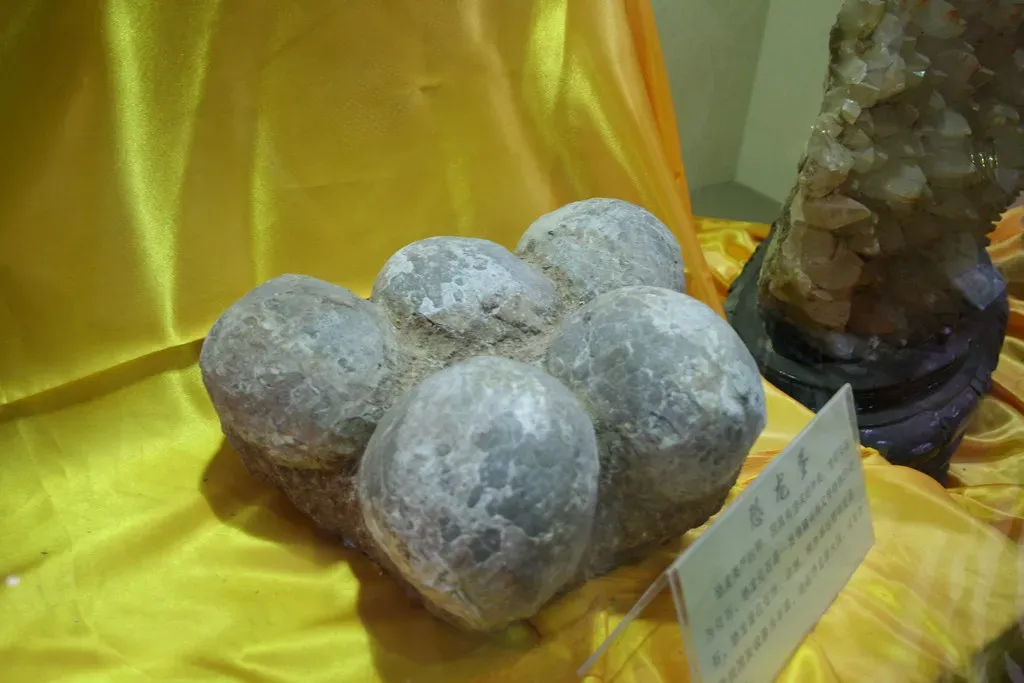
In the 1920s, Roy Chapman Andrews led the first paleontological expeditions into the Gobi Desert of Mongolia, where he located the rich Cretaceous fossil beds at the region known as the “Flaming Cliffs,” yielding the first identified caches of fossilized dinosaur eggs and proving that at least some dinosaurs were oviparous. That discovery rewrote the scientific textbooks overnight. It is hard to overstate what a bombshell that was at the time.
Qinglongshan in China is the country’s first national dinosaur egg fossil reserve, where more than 3,000 fossilized eggs are spread across three sites. Meanwhile, cameras from the Laboratory of Comparative Anatomy and Evolution of Vertebrates at the Argentine Museum of Natural Sciences captured an unexpected find: a 70-million-year-old dinosaur egg, astonishingly well preserved, which researchers believe could be the first complete egg of a carnivorous dinosaur ever found in South America – and it might even contain embryonic remains inside. The planet keeps giving up its secrets, one shell fragment at a time.
The New Science of Dating Ancient Eggs
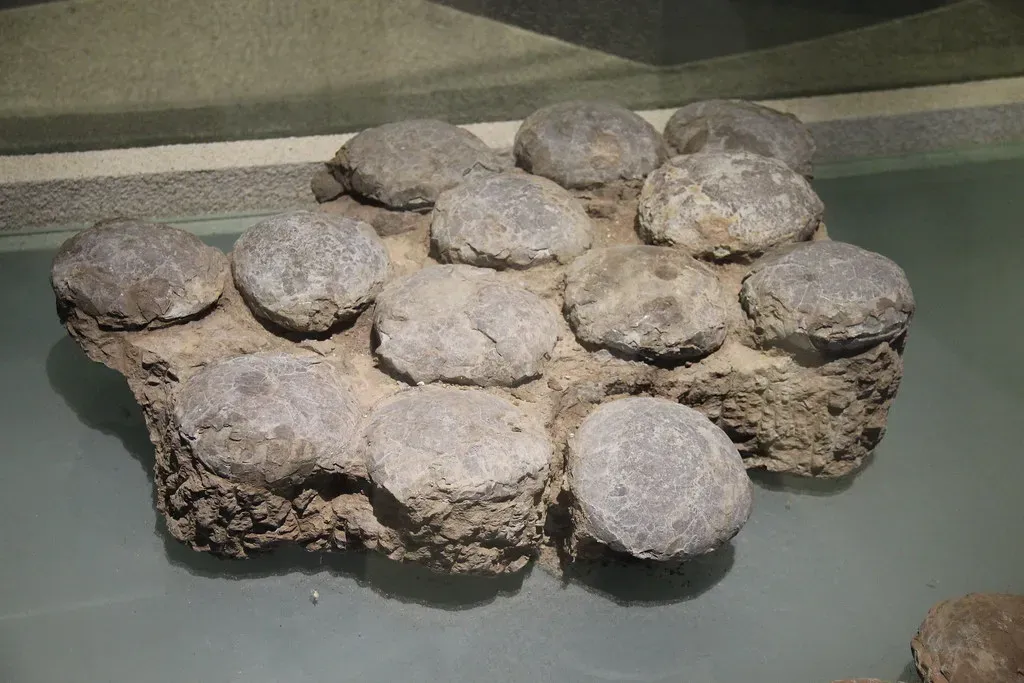
You might be wondering how scientists actually figure out how old a fossilized egg is. Honestly, it used to be a bit of a guessing game. Traditionally, dating dinosaur eggs involves indirect methods, such as dating volcanic rock, ash layers, or minerals around eggs. That is roughly like estimating how old a photograph is by studying the frame around it rather than the image itself.
Dating dinosaur eggs has always been tricky because traditional methods rely on surrounding rocks or minerals that may have shifted over time. Now, for the first time, scientists have directly dated dinosaur eggs by firing lasers at tiny eggshell fragments, and the technique revealed that fossils in central China are about 85 million years old, placing them in the Late Cretaceous period. Rather than deriving the dates of fossils from the rocks in which they are encased, researchers propose that radioactive minerals like uranium in fossil eggshells can be used to directly date the fossils and refine prehistoric timelines that have previously been mysteries. Think of it as an atomic clock built right into the shell itself.
Nesting Behavior and the Social Lives of Dinosaurs
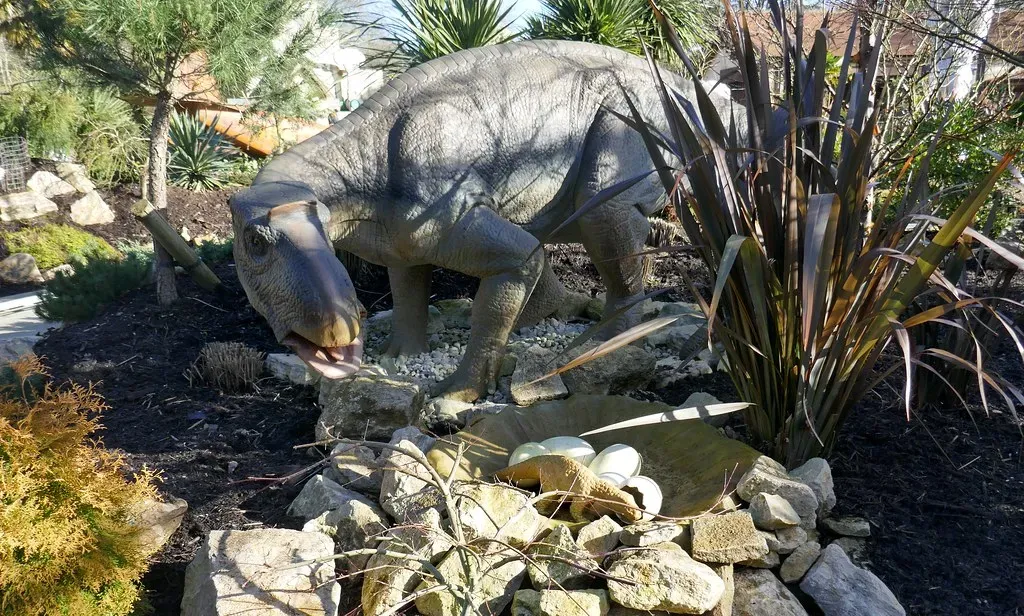
Let’s be real. When most of us imagine dinosaurs, we picture solitary, snarling creatures roaming alone. The fossil evidence paints a far more interesting and emotionally surprising picture. Fossil evidence suggests that Maiasaura parents nested in large colonies, creating a social structure similar to modern-day birds, and this communal nesting behavior provided several advantages in terms of protection and care for their hatchlings.
The dinosaurs likely worked as a community, laying their eggs in a common nesting ground, while juveniles congregated in groups and adults roamed and foraged for the herd. Along with fossilized bones, the way they were grouped and arranged suggests some dinosaurs may have nested together, with researchers uncovering five separate clutches near adult skeletons, hinting that some species possibly laid eggs in colonies – a behavior linked to group protection or shared nesting efforts. A prehistoric daycare system, essentially. I think that is one of the most unexpectedly touching facts in all of paleontology.
Climate Change and the Decline of Dinosaur Diversity
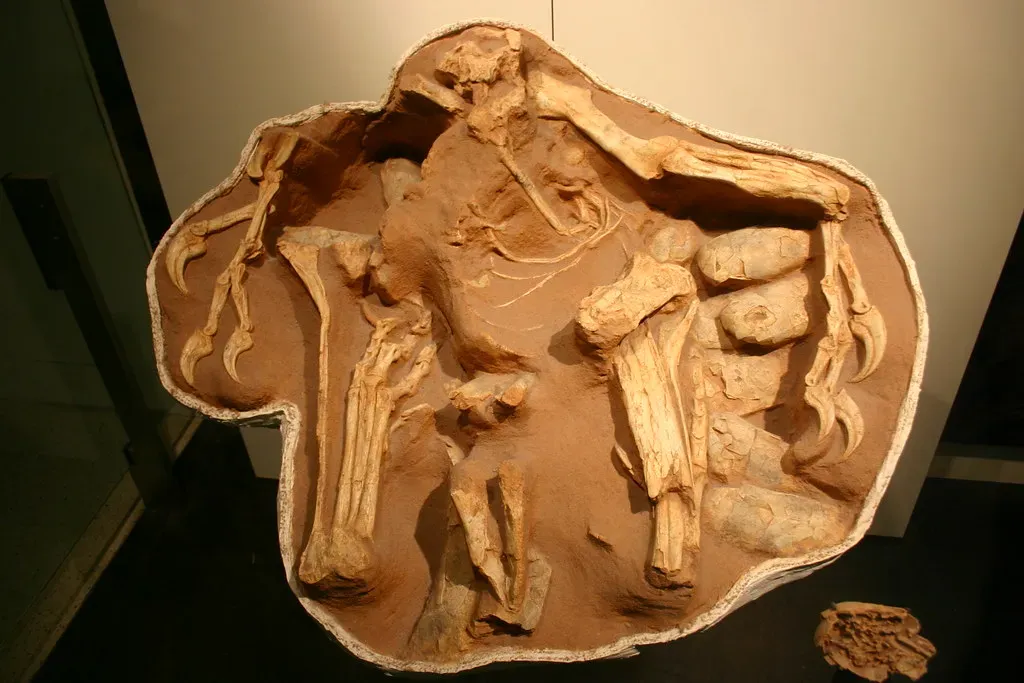
Here is a sobering thought. Long before the asteroid struck, the dinosaur world was already showing signs of strain. Chinese scientists discovered that a sustained decline in dinosaur diversity happened in the Late Cretaceous period by carrying out studies on dinosaur egg fossils, and they concluded that such decline weakened the dinosaurs’ ability to adapt to environmental upheavals derived from major natural disasters, which eventually caused their extinction.
Global cooling had started several million years before certain eggs were laid, in the Turonian epoch, and by the time they were deposited, temperatures had declined significantly. The transition from a warm to a cooler climate was likely a factor in dinosaurs’ diminishing diversity and may have affected how many eggs were laid by how many species. Some species may have represented an evolutionary dead end where the egg-laying dinosaur population failed to adapt successfully to cooling climates. The cracks in the Cretaceous world were spreading well before the sky literally fell.
What the Asteroid Did to the Last Eggs
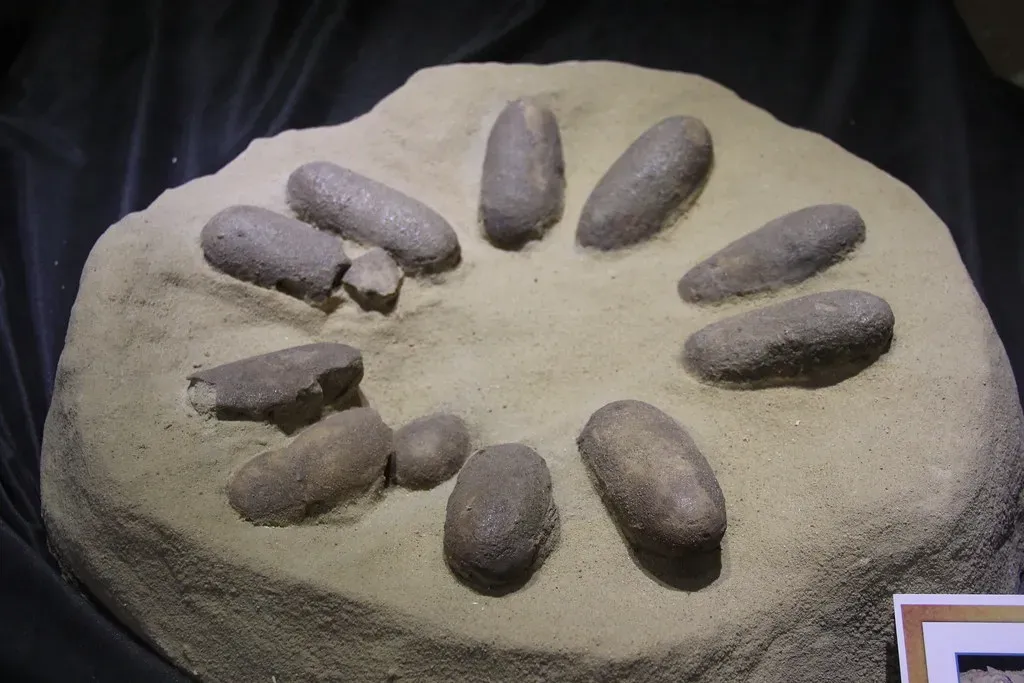
A pivotal event marking the end of the Cretaceous was the Chicxulub meteor impact, which led to the extinction of approximately half of Earth’s species, including most dinosaurs, and this catastrophic event reshaped the course of evolution, paving the way for mammals to rise to prominence in the following Cenozoic era. When you think about what that means for eggs in nests across every continent, it is almost incomprehensible.
Between 628 and 1,078 non-avian dinosaur species were alive at the end of the Cretaceous and underwent sudden extinction after the Cretaceous-Paleogene extinction event. Every single one of those species had been laying eggs right up until the end. Over two million years passed after the K-T extinction before Earth’s ecosystems recovered in the Paleogene Period, with largely new fauna and flora dominated by mammals, small feathered dinosaurs now known as birds, and flowering plants. The nesting grounds fell silent. Forever.
The Living Connection: Birds as Dinosaur Descendants
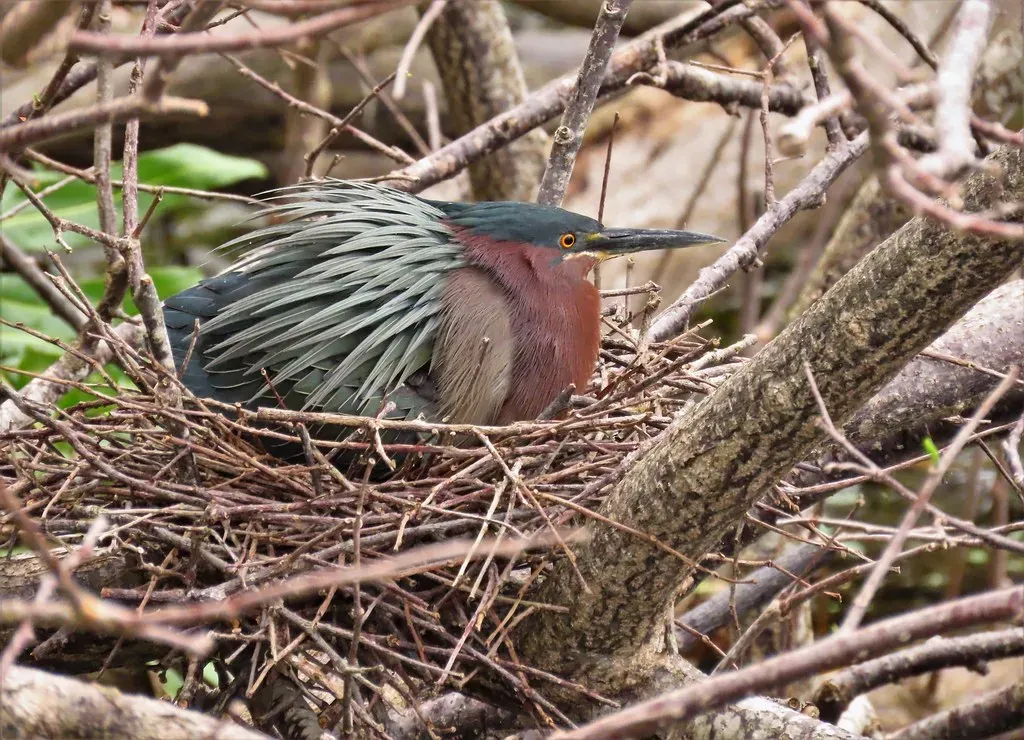
It is hard to say for sure where the line between “dinosaur” and “bird” truly sits, but what science tells us is astonishing. The great extinction at the end of the Cretaceous wiped out the dinosaurs, except for the birds, of course. Every bird nest you see today, from a sparrow’s cup of grass to an eagle’s massive platform of sticks, is a direct continuation of a nesting tradition that stretches back hundreds of millions of years.
The rise of colored eggs in the fossil record coincides with the shift to partially open nests that dinosaurs incubated by sitting on them, much as many modern birds do. Paleontologists can look at dinosaurs’ modern-day relatives, the birds, for theories on ancient reptile behavior, using the nest sites of modern ground-nesting birds like pelicans and gulls to get an impression of what dinosaur nesting might have looked like and how adults interacted with their young. The egg is the thread connecting two worlds separated by 66 million years. Every time you see a robin sitting on her blue eggs, you are watching a behavior born in the age of dinosaurs.
Conclusion
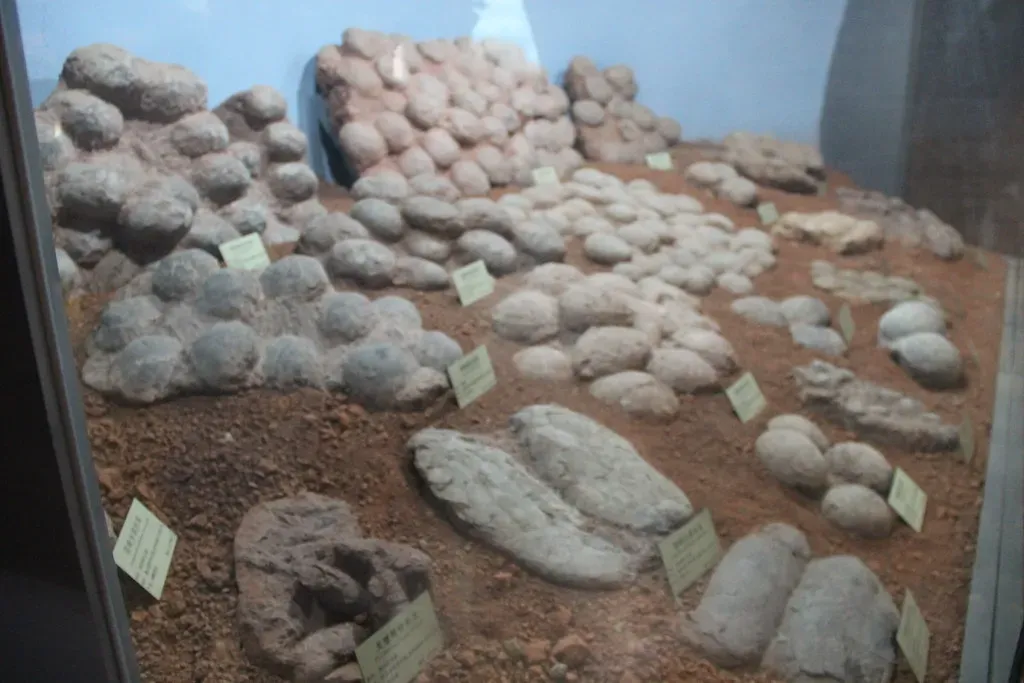
The story of dinosaur eggs is genuinely one of the most layered mysteries in all of natural history. You have soft shells that dissolved before they could be preserved, ancient nesting communities that rivalled modern colonies in complexity, laser-wielding scientists unlocking 85-million-year-old timelines, and a final catastrophic silence that ended it all in geological instant. Every fragment of eggshell pulled from ancient rock is a tiny window into a world almost unimaginably different from our own.
What makes it all the more profound is that the story did not truly end. The eggs of birds are dinosaur eggs, still being laid, still cracking open, still delivering life into a world that almost never had the chance to see them again. The next time you look at a cracked egg on a kitchen counter, perhaps let yourself wonder: what extraordinary chain of survival and extinction had to unfold for that simple, fragile shell to exist? What do you think is still waiting to be discovered out there in the rocks? Tell us in the comments.