
Imagine standing on a vast, sweltering floodplain roughly 230 million years ago. No birds overhead. No flowers underfoot. Just raw, steaming Pangaea stretching to every horizon, a single colossal landmass still fusing together like a slow-motion collision. You’d be forgiven for thinking nothing too dramatic was happening. You’d be wrong. Hidden within the red sandstones and river deltas of that ancient world, a group of creatures was quietly setting the stage for the most spectacular size explosion in the history of land life.
This is the story of how , not with a single dramatic leap but through millions of years of biological innovation, lucky circumstances, and evolutionary pressures that are still fascinating scientists in 2026. From tiny bipedal ancestors barely the size of a dog, to creatures weighing dozens of tonnes and stretching the length of a basketball court, the path to true gigantism is more surprising than you might think. Let’s dive in.
A World After Catastrophe: The Triassic Stage Is Set
Before you can understand why the first mega-dinosaurs appeared when they did, you need to picture the world they inherited. The Triassic Period, running from roughly 252 to 201 million years ago, began after Earth’s worst-ever extinction event devastated life. The Permian-Triassic extinction event, also known as the Great Dying, took place roughly 252 million years ago and was one of the most significant events in the history of our planet. Think of it like a global reset button, pressed hard, leaving enormous ecological vacancies across every continent and ocean.
The Triassic was a time of change, a transition from a world dominated by mammal-like reptiles to one ruled by dinosaurs. Bookended by extinctions, this era saw huge shifts in the diversity and dominance of life on Earth, ushering in the appearance of many well-known groups of animals that would go on to rule the planet for tens of millions of years. Those empty ecological niches were, in a very real sense, open invitations. The dinosaurs accepted them enthusiastically.
The Triassic Period marked the dawn of dinosaurs, emerging after the Permian-Triassic extinction event. During this period, early dinosaurs coexisted with other reptiles, including pterosaurs and crocodilian ancestors. The climate was generally hot and dry, with vast deserts and limited polar ice. It was a harsh proving ground, and only the most adaptable lineages would go on to shape the planet’s future.
Surprisingly Small Beginnings: The Tiny Ancestors of Giants
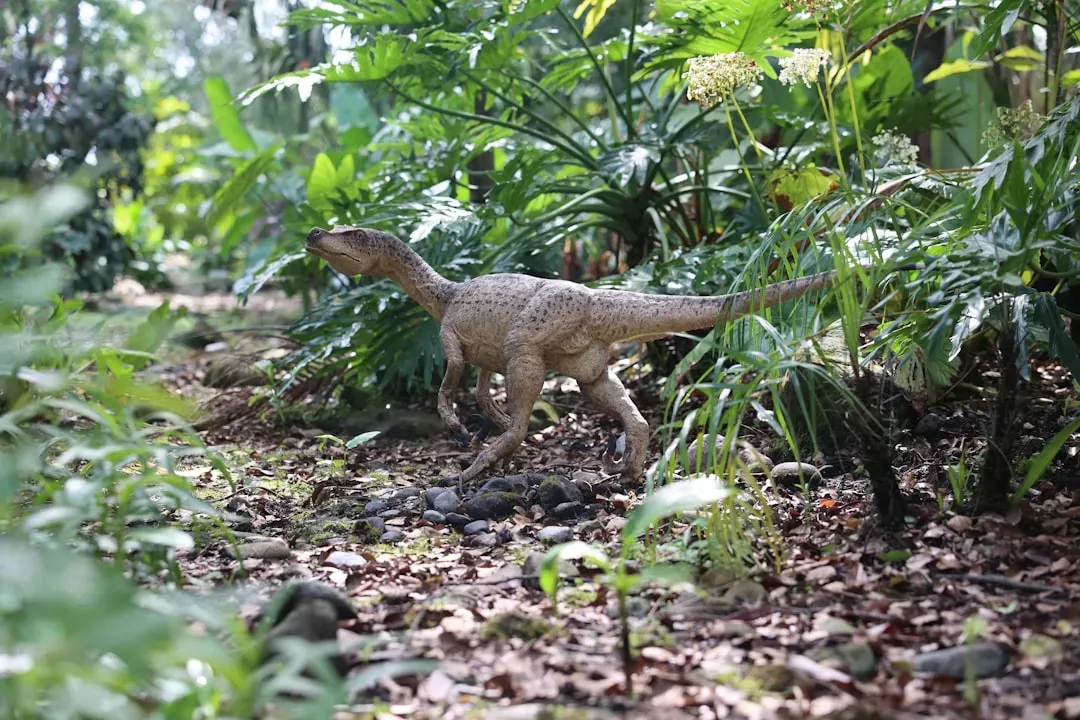
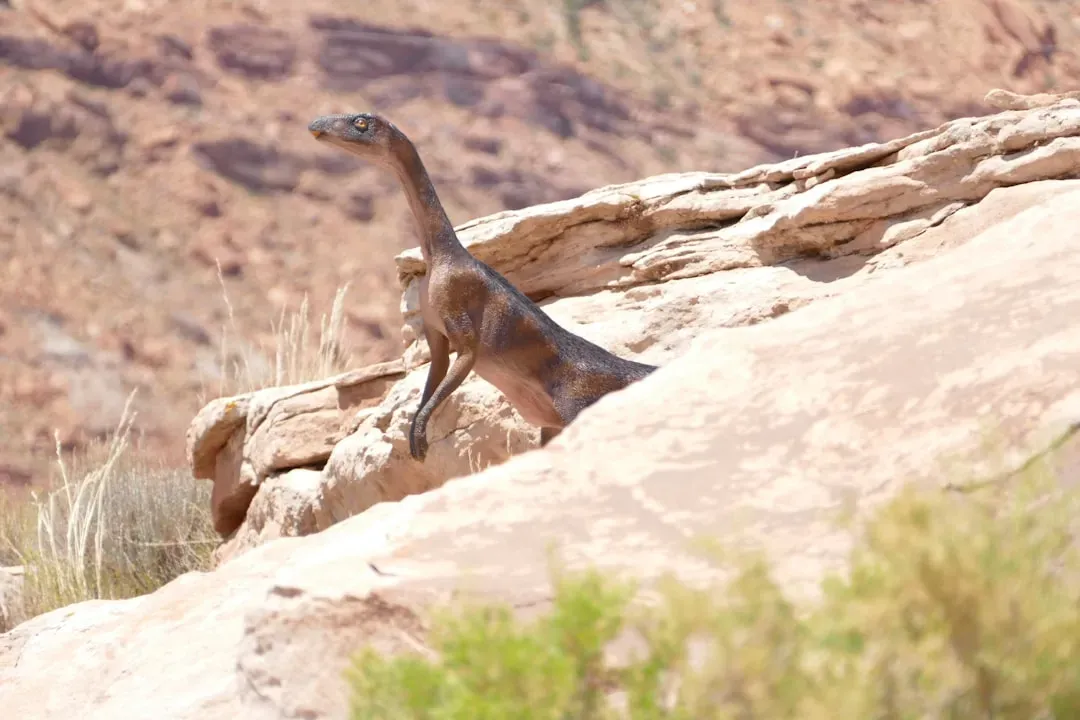
Here’s the thing that genuinely surprises most people: the ancestors of the largest land animals that ever lived were tiny. We’re talking ankle-height creatures. Sauropods were gigantic descendants of surprisingly small ancestors. Basal dinosauriformes, such as Pseudolagosuchus and Marasuchus from the Middle Triassic of Argentina, weighed approximately 1 kilogram or less. That’s roughly the weight of a large bag of sugar. Hard to picture, isn’t it?
Dinosaurs dominated terrestrial ecosystems for more than 140 million years during the Mesozoic era, and among them were sauropodomorphs, the largest land animals recorded in the history of life. Early sauropodomorphs were small bipeds, and it was long believed that the acquisition of giant body size in this group occurred during the Jurassic and was linked to numerous skeletal modifications present in Eusauropoda. What nobody expected was how quickly that transformation began to unfold, and how early in the story gigantism actually started stirring.
Ingentia Prima and the Surprising Early Push Toward Gigantism
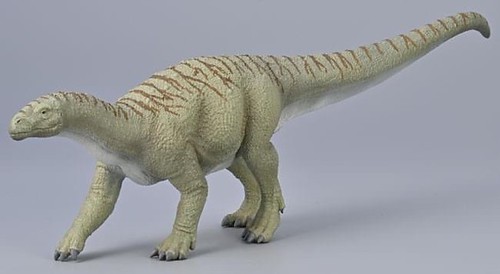
One of the most jaw-dropping revelations in recent paleontology is the discovery that the push toward enormous body size started far earlier than anyone realized. A new sauropodomorph dinosaur taxon, Ingentia prima, and new lessemsaurid fossils from the Late Triassic of Argentina reveal a distinctive and early pathway towards gigantism, 30 million years before the first eusauropods appeared. Thirty million years earlier. That’s not a footnote, that’s a completely different chapter in the story.
By the end of the Triassic, the seven-ton Lessemsaurus had evolved, marking the origin of the oldest true sauropods. The Early Jurassic saw the evolution of the even larger Ledumahadi, which weighed around 12 tons. Each of these creatures represented a bold new experiment in what a land animal could be and how big it could become. The evolutionary ambition here is honestly breathtaking when you let the numbers sink in.
The Triassic Giants of Thailand: First Evidence of True Large Scale
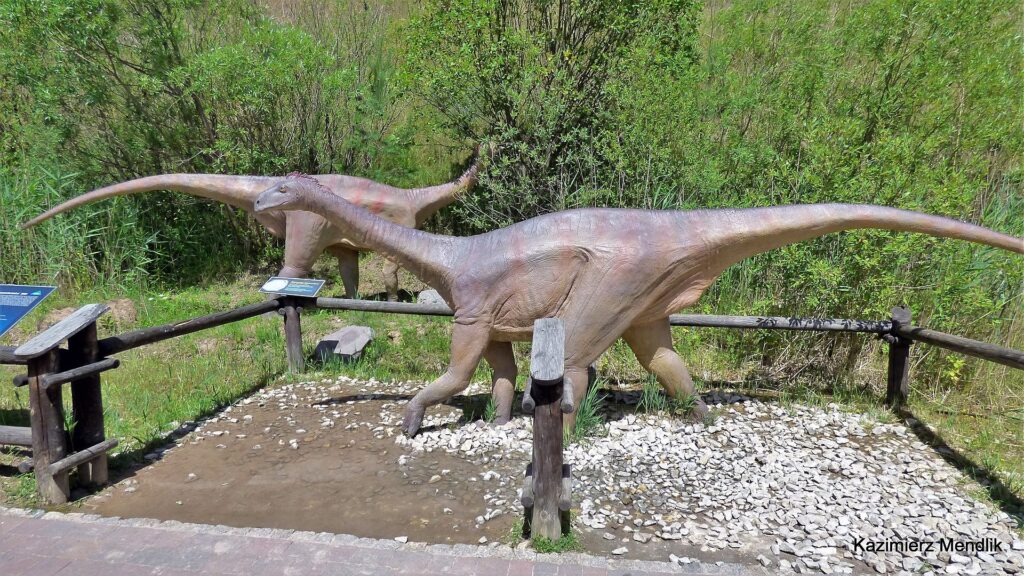
Newly discovered sauropod material from the Upper Triassic of northeastern Thailand reveals that some of the earliest sauropods had already reached a very large size. A one-meter-long humerus is within the size range of large Jurassic sauropods such as Camarasaurus and suggests an animal reaching a length of 12 to 15 meters. It took sauropodomorph dinosaurs some 20 million years to produce giant forms, a rapid size increase when compared with that observed in the evolution of other dinosaurs. Twenty million years sounds like a long time to you and me, but in evolutionary terms it is astonishingly fast.
The earliest currently known sauropod dinosaur was recently reported from the Late Triassic Nam Phong Formation of Thailand. This first report of a Triassic sauropod was based on a fragmentary skeleton, described as Isanosaurus attavipachi. The discovery of these Thai fossils rewrote the timeline entirely. It shifted the emergence of giant sauropods back into a period when scientists had long assumed only modest-sized creatures roamed the land.
Walking on Four Legs: The Biomechanical Revolution That Made Giants Possible
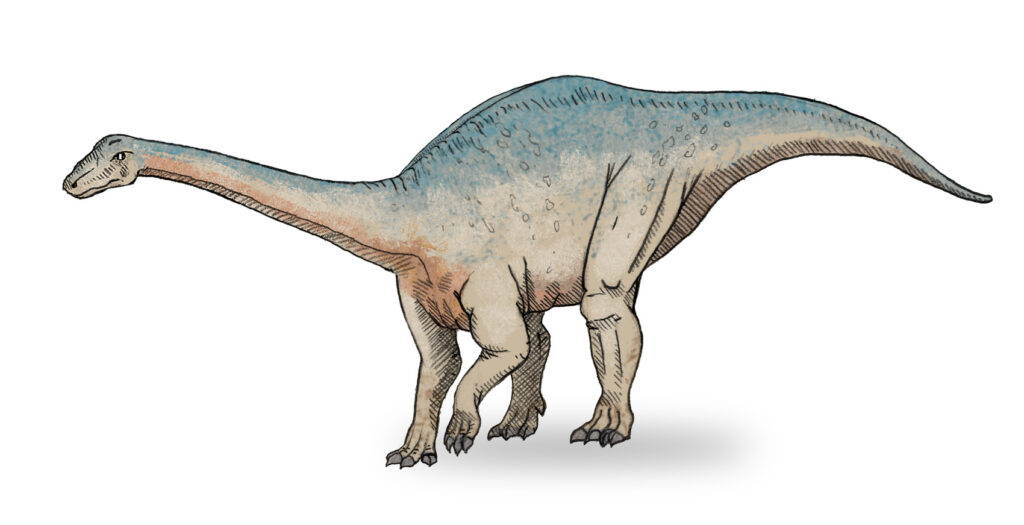
Getting big is one thing. Staying upright and actually moving when you weigh several tons is quite another problem. Sometime in the early Jurassic around 195 million years ago, what we can now call true sauropods committed to a locomotory mode they would maintain through to their extinction some 130 million years later: quadrupedality. Dropping onto four legs was not a backward step; it was the structural solution to a very real engineering challenge.
Sauropods took this even further by forcing the forelimbs into a very similar, columnar posture as the hindlimbs, a feature that no other dinosaurian quadrupeds evolved. Think of it like the difference between a rickety folding table and a solid stone pillar. Columnar limbs evolved at some point in the early Jurassic. The oldest sauropod known to have had columnar limbs was Vulcanodon, which lived in what is now Zimbabwe around 199 to 188 million years ago. Vulcanodon has been estimated to have weighed up to 10 tons, making it one of the largest terrestrial animals of its time. That structural shift was nothing short of revolutionary.
Hollow Bones and Bird-Like Breathing: The Secret Weapon of Sauropod Gigantism
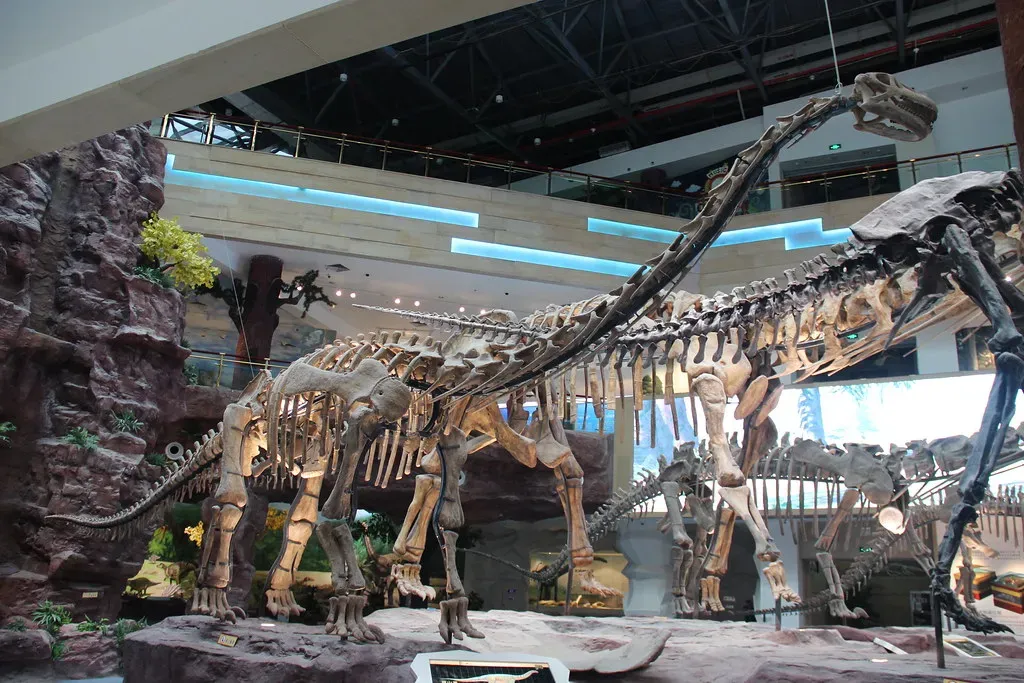
Honestly, this is where the biology gets remarkable. You might wonder how an animal weighing 50 or 80 tonnes could even breathe efficiently enough to stay alive. The answer lies in a system shared with modern birds. Sauropods had air sac breathing, which allowed them to exchange oxygen in the lungs effectively, a trait found in birds, which are dinosaur descendants. Their pneumatized bones were hollow, and not only allowed the air sac breathing but also reduced the cost of locomotion. This characteristic equipped them with efficient breathing, which subsequently enhanced the basal metabolic rate, resulting in rapid growth.
Dinosaurs as big as buses or five-story buildings would not be possible if their bones were dense and heavy like ours. Like present-day birds, dinosaurs had hollow bones with inner structures known as air sacs, which made their skeletons lighter and less dense. These structures were apparently so advantageous that they emerged at least three times during the evolution of dinosaurs and pterosaurs, according to a study described in Scientific Reports. Nature found this solution so effective that it independently reinvented it several times over. That alone tells you how powerful an advantage it was.
True Gigantism Arrives: The Late Jurassic Explosion
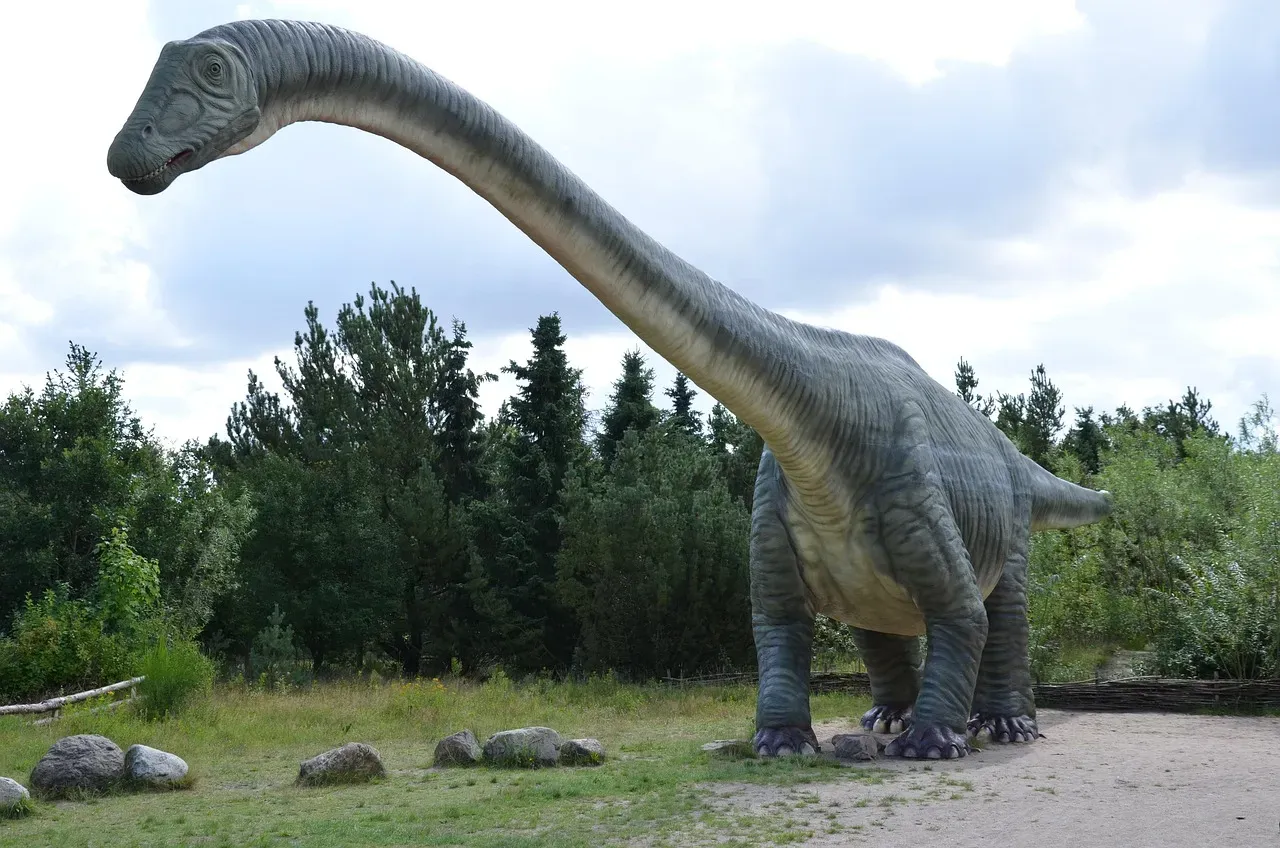
True gigantism emerged at the beginning of the Late Jurassic; genera like Turiasaurus and Mamenchisaurus were up to 20 to 25 meters long. This was the moment the planet had never seen before and, honestly, has never seen since. These were not just large animals; they were creatures operating at the absolute outer boundary of what terrestrial life could achieve. The herbivorous sauropod dinosaurs of the Jurassic and Cretaceous periods were the largest terrestrial animals ever, surpassing the largest herbivorous mammals by an order of magnitude in body mass. Several evolutionary lineages among Sauropoda produced giants with body masses in excess of 50 metric tonnes by conservative estimates.
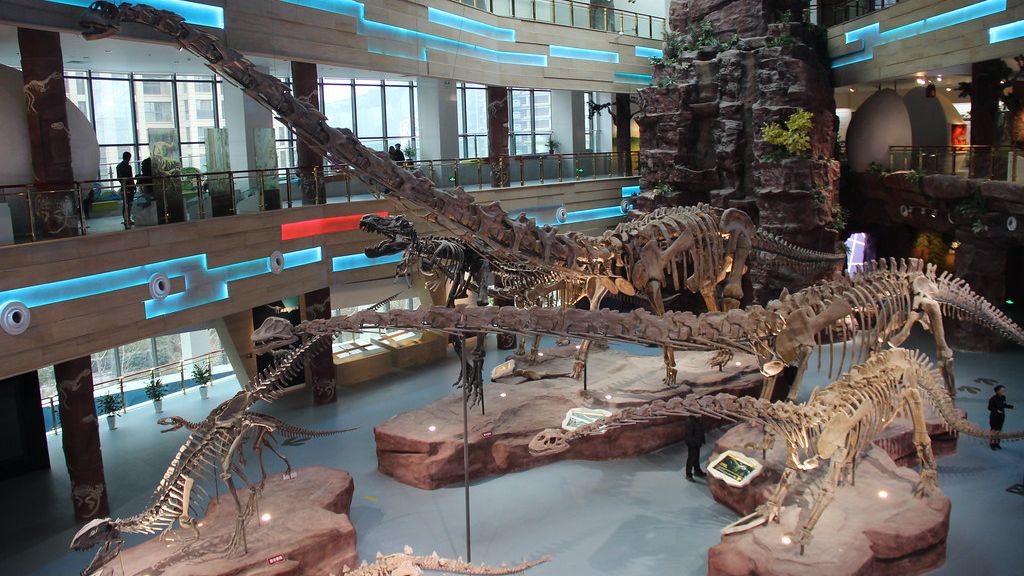
Many gigantic forms existed in the Late Jurassic, such as the turiasaur Turiasaurus, the mamenchisaurids Mamenchisaurus and Xinjiangtitan, the diplodocoids Diplodocus, Apatosaurus, Supersaurus and Barosaurus, the camarasaurid Camarasaurus, and the brachiosaurids Brachiosaurus and Giraffatitan. It reads like a hall of fame. Each of those names represents a multi-tonne masterpiece of evolutionary engineering that still stirs something deep and primal when you see a reconstructed skeleton today. The oldest sauropods were already very large and show the same long-bone histology as the well-known Jurassic sauropods. This bone histology is unequivocal evidence for very fast growth.
A Legacy Written in Stone: What the Fossil Record Keeps Telling Us
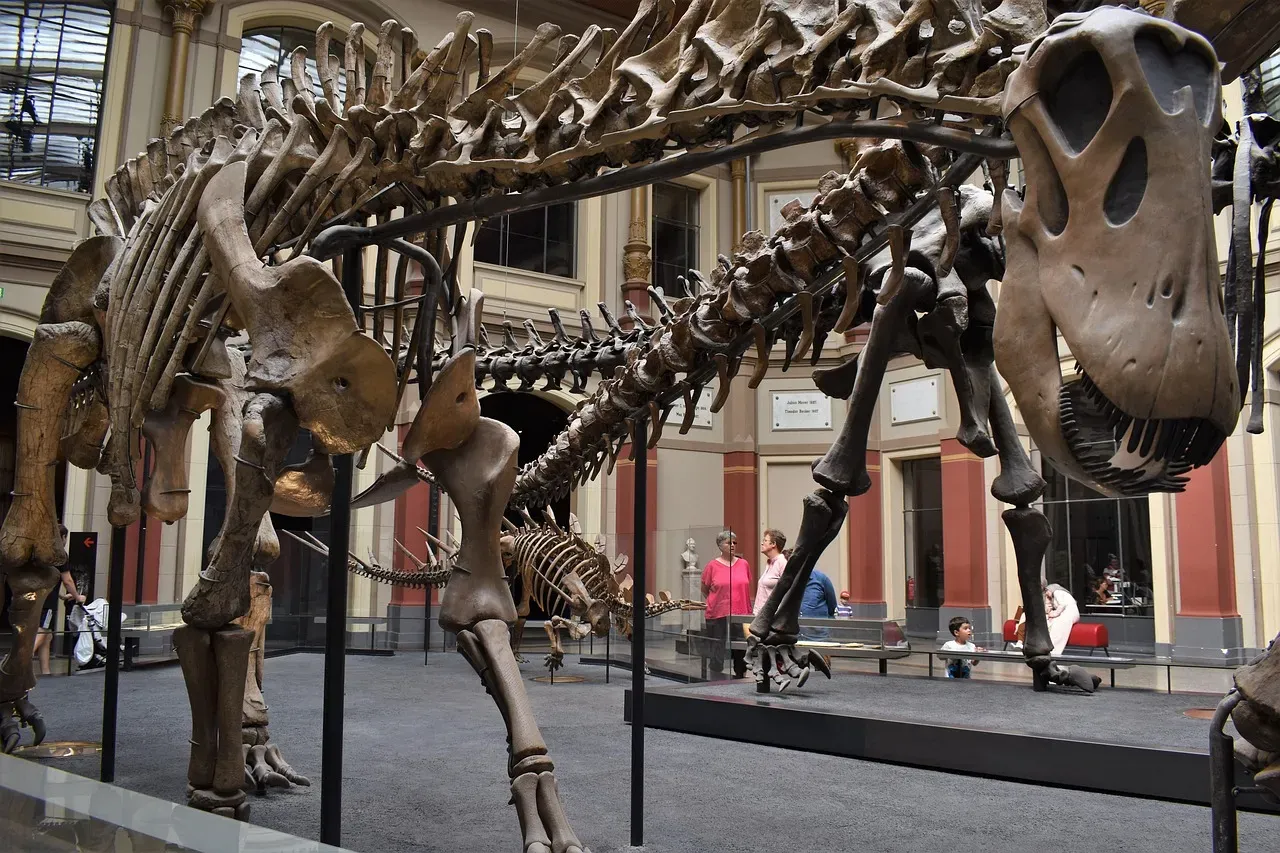
Even in 2026, the story of Earth’s first mega-dinosaurs keeps getting richer. A golden era in dinosaur science is driving fascination with dinosaurs. Around 1,400 dinosaur species are now known from more than 90 countries, with the rate of discovery accelerating in the last two decades. The year 2025 alone saw the discovery of 44 new dinosaur species, nearly one a week. Every new find has the potential to push the origin of gigantism even further back in time, or reveal a branch of giant evolution nobody suspected.
In popular culture sauropods are often depicted as the ultimate failure in evolution, but exactly the opposite is the case. No other herbivore in the history of land animals was equally successful, by a wide margin and by any measure. Sauropods existed for a minimum of 135 million years, from the beginning of the Jurassic 201 million years ago to the end of the Cretaceous, 66 million years ago. Compare that to modern humans, who have been around for a few hundred thousand years. By that measurement, the so-called “failed” giants were among the most successful animals Earth has ever produced.
Conclusion: The Echoes of Giants
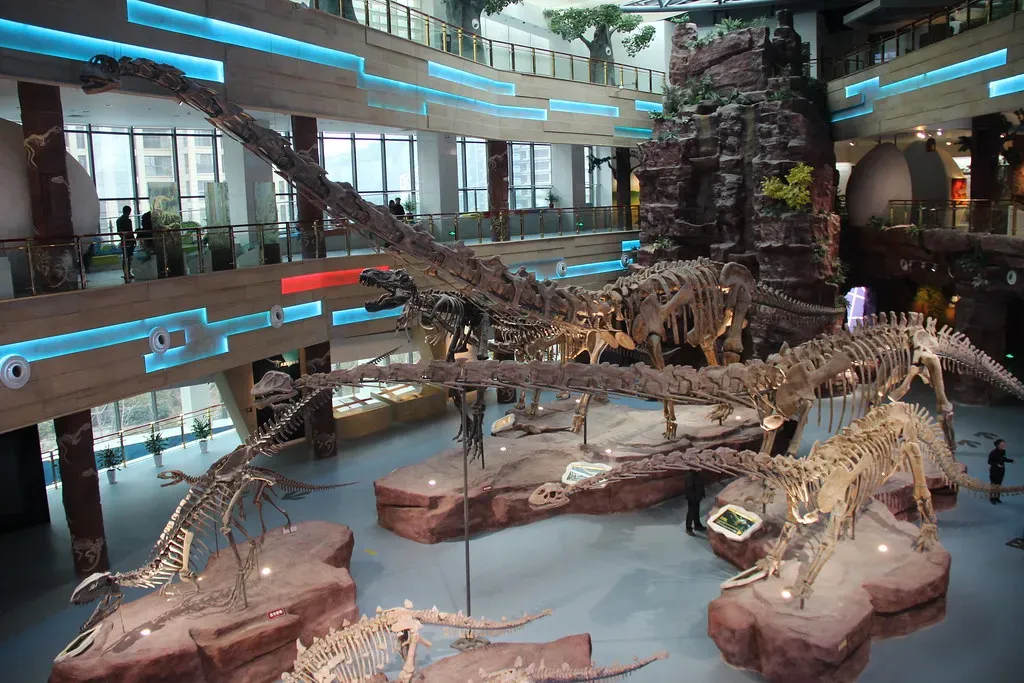
The emergence of Earth’s first mega-dinosaurs is one of the most extraordinary stories in the entire history of life. It began with creatures you could hold in your hands, passed through the ecological chaos of the Great Dying, and eventually produced animals so large they make modern elephants look modest. The real wonder is not just the size they achieved, but the breathtaking suite of biological innovations that made it possible: hollow bones, bird-like lungs, columnar limbs, and a reproduction strategy uniquely suited to rapid growth.
What strikes me most is how fragile and contingent this whole story was. A different extinction event, a slightly different Triassic climate, or a missing evolutionary innovation, and none of it happens. The giants we marvel at in museums today were never inevitable. They were the product of millions of years of trial, error, and extraordinary biological luck.
Next time you stand in front of a sauropod skeleton and tilt your neck all the way back just to see the skull, remember you are looking at the culmination of one of evolution’s boldest experiments. The world has never seen anything quite like them before, and may never again. What part of their story surprises you most?