
You’ve seen them roar in every Hollywood blockbuster. You’ve heard the ground-shaking bellows, the thunderous screams echoing through dense prehistoric jungle. But here’s the thing – science tells a very different, and honestly far more fascinating, story. The way dinosaurs actually communicated with one another is a topic that has kept paleontologists busy for decades, peeling back layer after layer of fossil evidence to reveal surprising, sometimes mind-blowing truths.
From built-in trumpet systems inside their skulls to feathered light shows that would put a peacock to shame, dinosaur communication was layered, complex, and rich with nuance. Let’s dive in.
1. Booming Closed-Mouth Vocalizations That Shook the Mesozoic
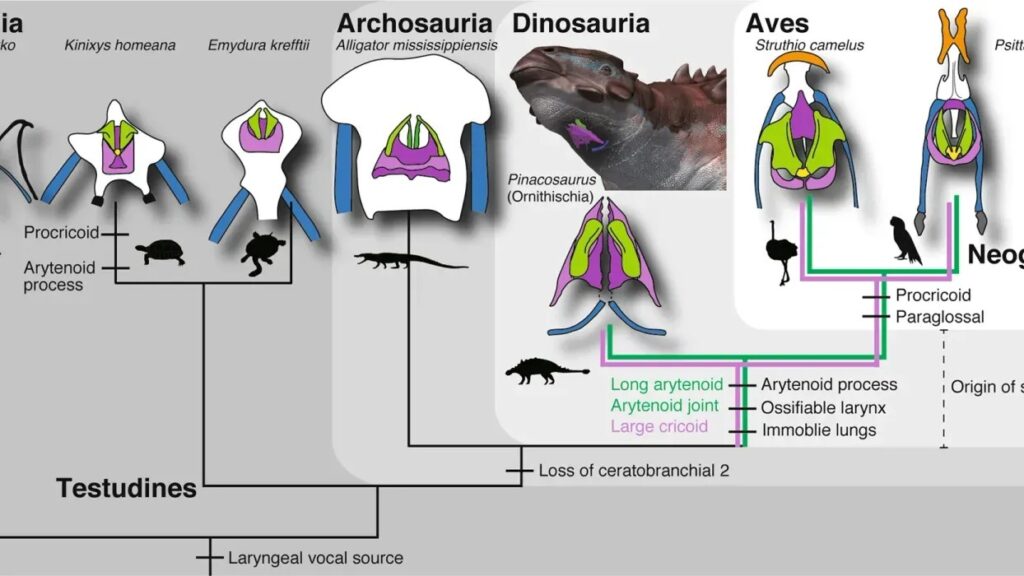
Forget everything you think you know about dinosaur roars. Dinosaurs may have made closed-mouth noises, much like the booms and hoots that some birds make today. That means instead of gaping jaws and earth-shattering screams, you might have actually encountered something closer to the deep, resonant hum of an emu wandering through a Cretaceous forest. Strange? Yes. Incredible? Absolutely.
Scientists found that closed-mouth hoots evolved at least 16 times in Archosaurs, a group that includes birds, dinosaurs and crocodiles. Only animals with a relatively large body size use closed-mouth vocalization behavior, and since dinosaurs are members of the Archosaur group with many having large body sizes, it is likely that some dinosaurs made closed-mouthed vocalizations in a manner similar to birds today. Think about that – the next time you picture a T. rex, you might want to swap that thunderous roar for something far more eerie and haunting.
2. The Hadrosaur’s Built-In Horn Section
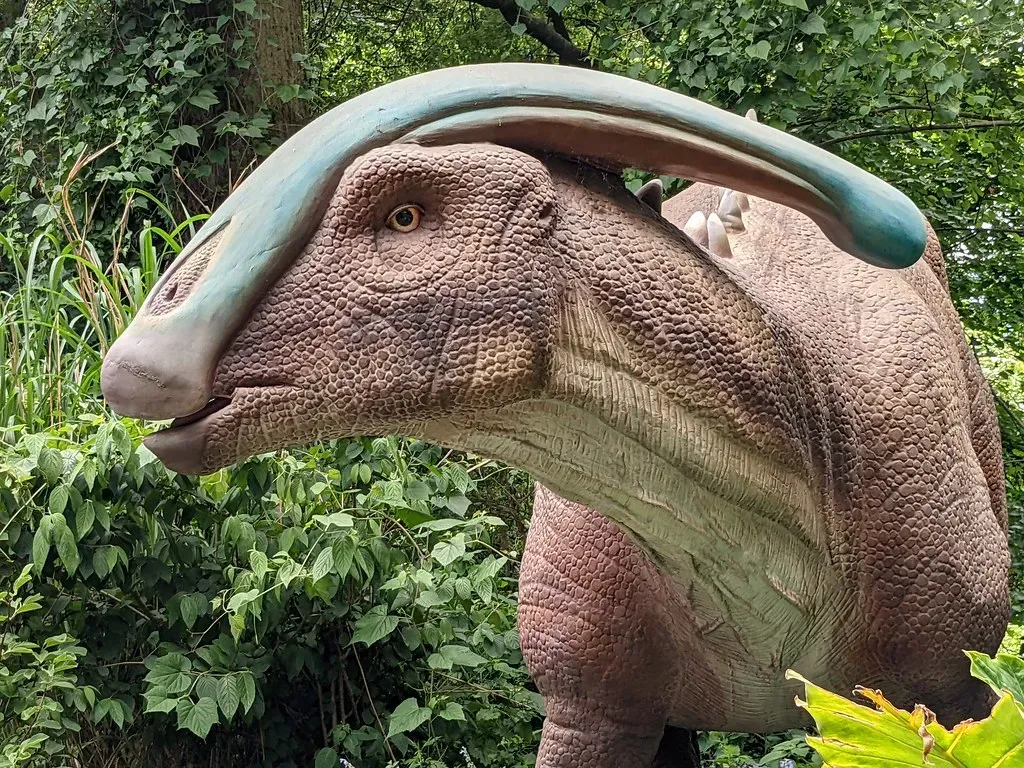
If you ever played a trombone in school, you might have more in common with a Parasaurolophus than you’d expect. Computer models of Parasaurolophus, a hadrosaur with an elaborate hollow crest extending from its skull, suggest this crest functioned as a resonating chamber, potentially producing deep, trumpet-like sounds rather than roars. Scientists have literally reconstructed its voice using CT scanning technology and acoustic modeling software – and the results are strikingly musical.
Species like Parasaurolophus, Corythosaurus, and Lambeosaurus had elaborate hollow crests extending from their skulls, containing complex nasal passages that looped through these structures before connecting to the airway. When researchers created physical and digital models of these passages, they discovered these crests could have functioned essentially as natural trumpets or trombones, and the sound produced would have been deep and resonant, similar to brass instruments rather than mammalian roars. Different hadrosaur species had differently shaped crests, suggesting each might have produced its own distinctive sound, enabling species recognition, mate selection, and hierarchical communication within herds. It’s honestly one of the most spectacular natural sound systems ever to have existed on this planet.
3. Colorful Feather Displays That Spoke Louder Than Words
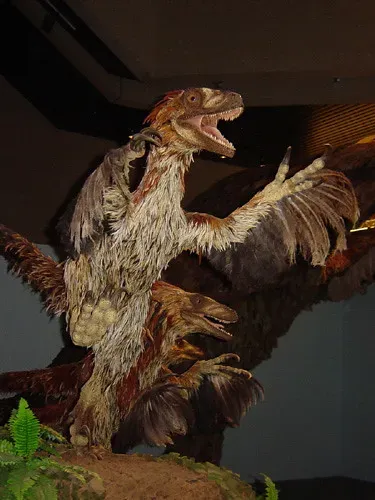
Each year dinosaurs keep getting fuzzier and fuzzier. Feathers, protofeathers, and strange bristles are turning up on an increasing number of non-avian dinosaurs, indicating that such secondary body coverings either evolved multiple times in the dinosaur family tree or were inherited from a last common ancestor. This is a game-changer, not just for how we picture dinosaurs, but for understanding how they spoke to each other without making a single sound.
Based on the size of their eyes and the vision of their relatives – birds and crocodiles – it is likely that dinosaurs had excellent color vision, and recent discoveries of color patterns on dinosaur feathers suggest that colorful feathers might have played a role in signaling. The elaborate visual displays of modern birds of paradise hint at how feathered dinosaurs might have utilized their plumage for dramatic signaling. Picture it like a prehistoric Instagram – your plumage was your profile, your status, and your mating advertisement all rolled into one breathtaking display.
4. Horns, Frills, and Crests as Visual Status Symbols
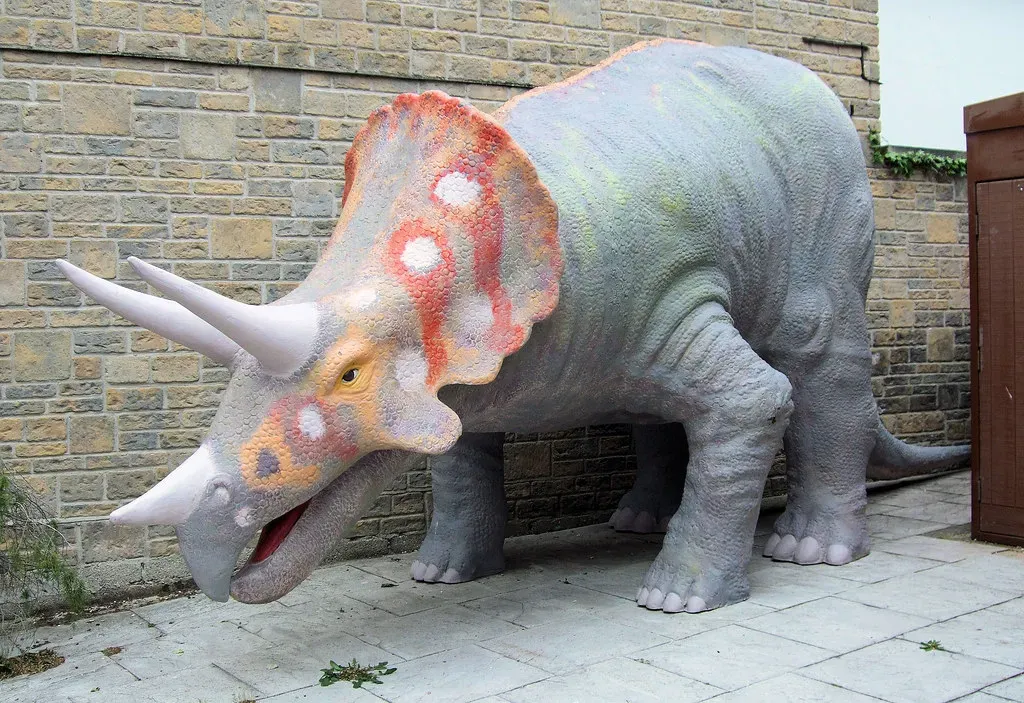
The horns, frills, and crests that adorned dinosaur heads may have been used for mating rituals or to intimidate rivals. Fossils show that a Triceratops relative, Protoceratops andrewsi, developed larger frills and cheek horns as it matured, suggesting that these decorations helped the species communicate and possibly catch the attention of mates. Think of it as nature’s way of wearing a rank badge – the bigger and bolder the frill, the louder the silent message.
Physical features such as crests, frills, and horns played a significant role in signaling dominance, age, or attracting potential mates, and these visual displays were designed to catch the attention and interest of others, either as a form of courtship or as a means of intimidation towards rivals. The wide diversity of visual display structures among fossil dinosaur groups, such as horns, frills, crests, sails, and feathers, suggests that visual communication has always been important in dinosaur biology. Honestly, an angry Triceratops shaking its frill at you would have needed absolutely no translation.
5. Body Language, Courtship Dances, and Scratch Ceremonies
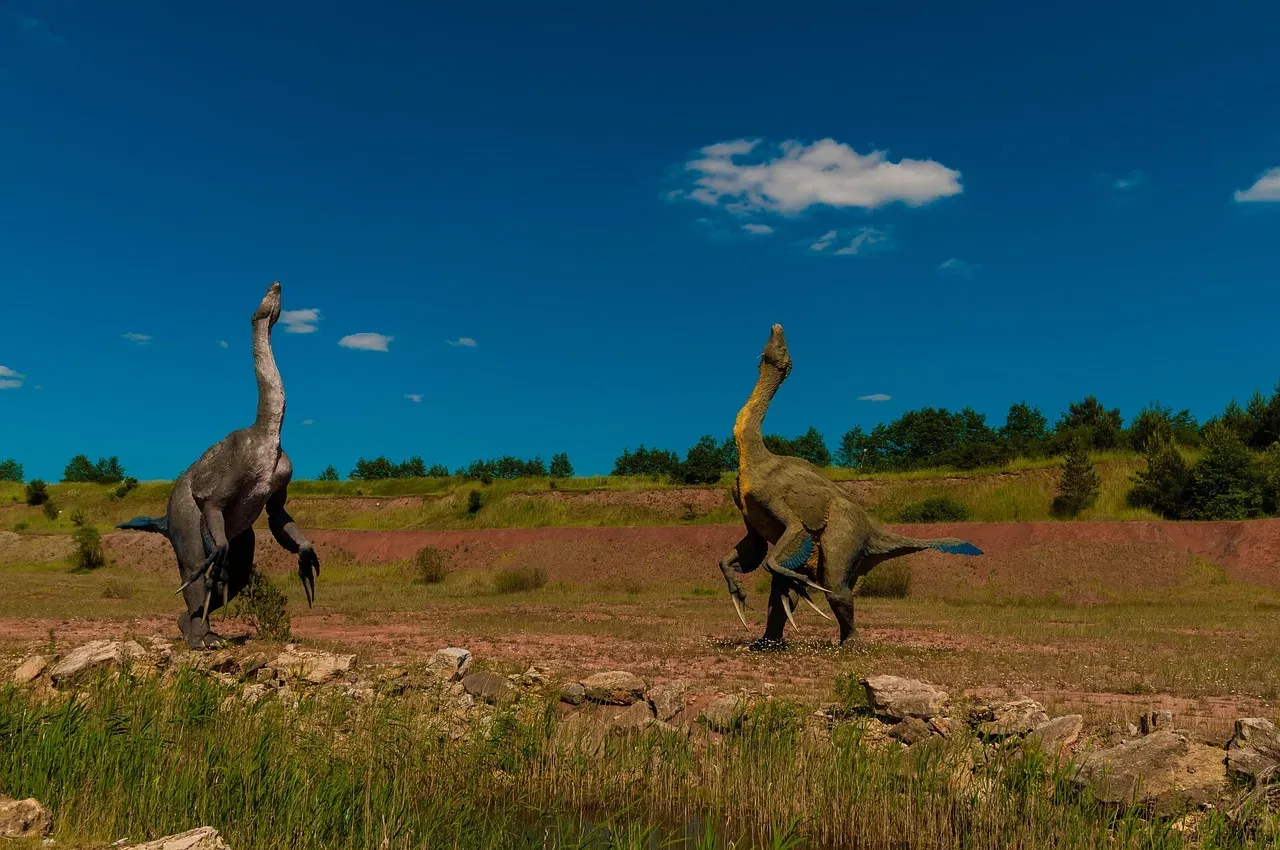
Let’s be real – sometimes you don’t need a voice to say everything. It is not unreasonable to think that body language, posturing, and posing played some role in the communication of dinosaurs, and a look at the behaviors of modern birds supports this, with each species having its own little posturing quirks. Sharp-tailed grouse perform intricate dances with heads down and tails skyward, hummingbirds swoop and duck in the air, goldeneyes jerk and bob their heads, and countless tropical songbirds have mastered complex and intricately choreographed dance numbers. The dinosaur ancestors of these birds? Likely doing the same kinds of things.
There is some fossil evidence of dinosaur courtship in the literature to support this, such as a 2016 study reporting fossilized scratch-marks from large theropods engaging in some sort of display ceremony. These movements were especially important during times like mating season or when dinosaurs needed to protect their space. If a male dinosaur wanted to attract a female, he might show off with a special movement or colorful display. If two dinosaurs were angry, they might puff up, stomp, or shake their heads as a warning. It’s the Mesozoic version of a dance-off – and the stakes were very, very high.
6. Infrasound and Seismic Ground Vibrations
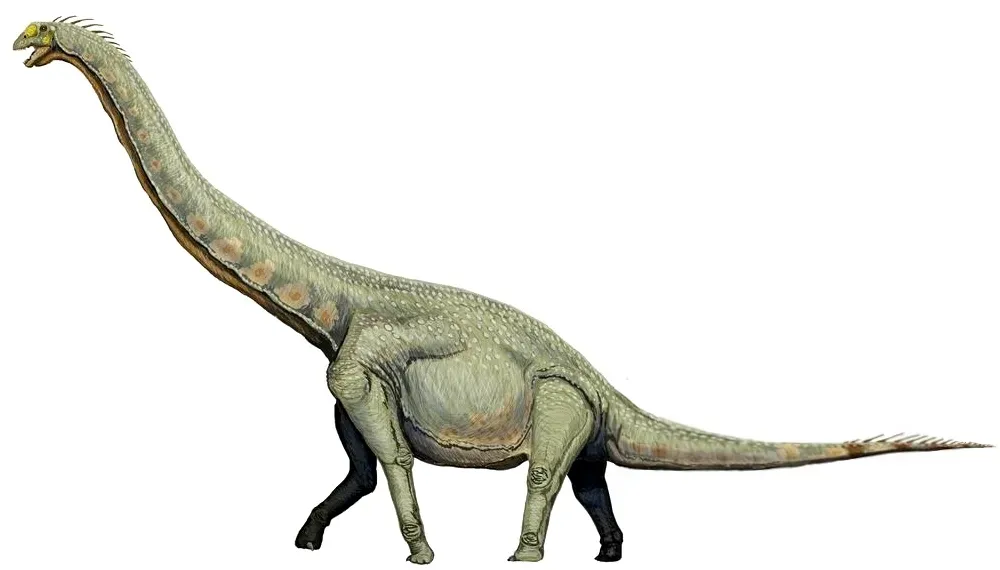
Here’s where things get truly mind-bending. The enormous size of many dinosaurs suggests they may have utilized seismic communication, transmitting signals through ground vibrations. The massive sauropods, weighing up to 70 tons, would have generated significant ground vibrations simply by walking, and some paleontologists speculate these dinosaurs might have deliberately stomped to create seismic signals detectable by others through specialized sensory organs in their feet or legs.
One particularly intriguing theory suggests that some dinosaurs, especially the larger species, may have used low-frequency sound waves – infrasound – to communicate across vast distances. This form of communication, observed in modern elephants and whales, could have been an evolutionary advantage for dinosaurs roaming prehistoric landscapes. Computer tomography scans of dinosaur skull structures have allowed scientists to create models predicting the resonant frequencies these chambers could produce, and reconstructions suggest many of these sounds would fall within the infrasound range – too low for human ears but potentially perfect for communication across the vast territories these dinosaurs inhabited. You’d have stood right next to one and heard nothing, yet felt everything.
7. Hissing, Jaw Clapping, and Non-Vocal Physical Sounds
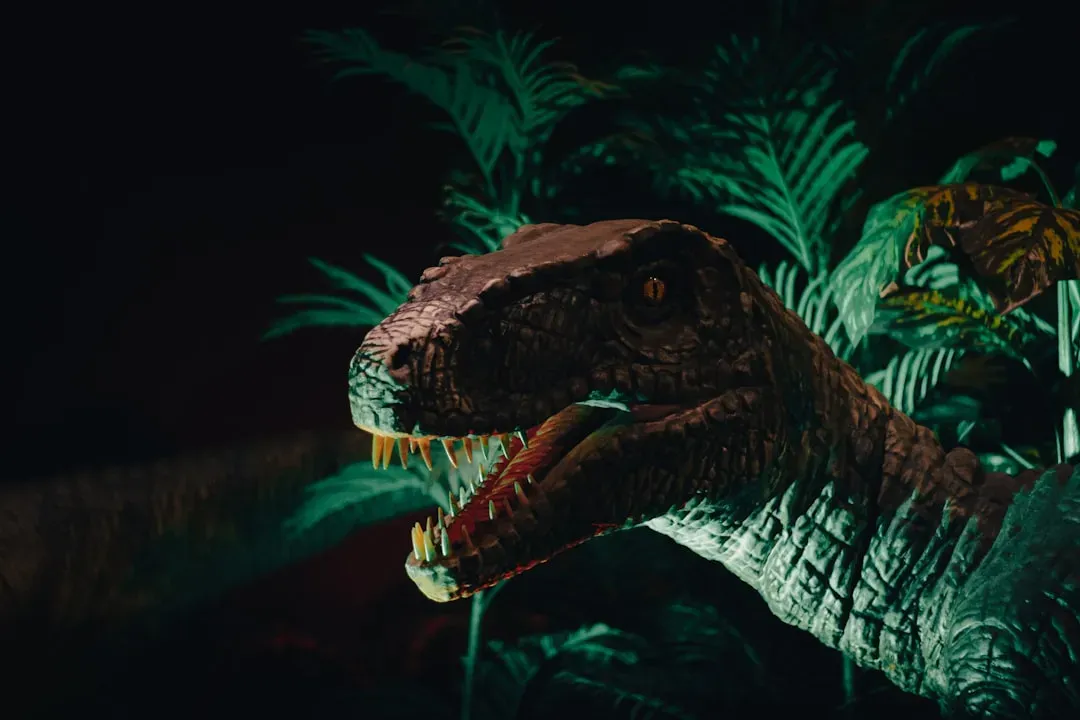
Not every dinosaur had an elaborate crest or a forest of colorful feathers. Some communicated the old-fashioned way. Non-avian dinosaurs may have by hissing, clapping jaws together, grinding mandibles against upper jaws, rubbing scales together, or use of environmental materials such as splashing against water. Even without dinosaurian roars, the Mesozoic would not have been entirely quiet. Think of how expressive a Komodo dragon sounds today – and then scale that up to something the size of a bus.
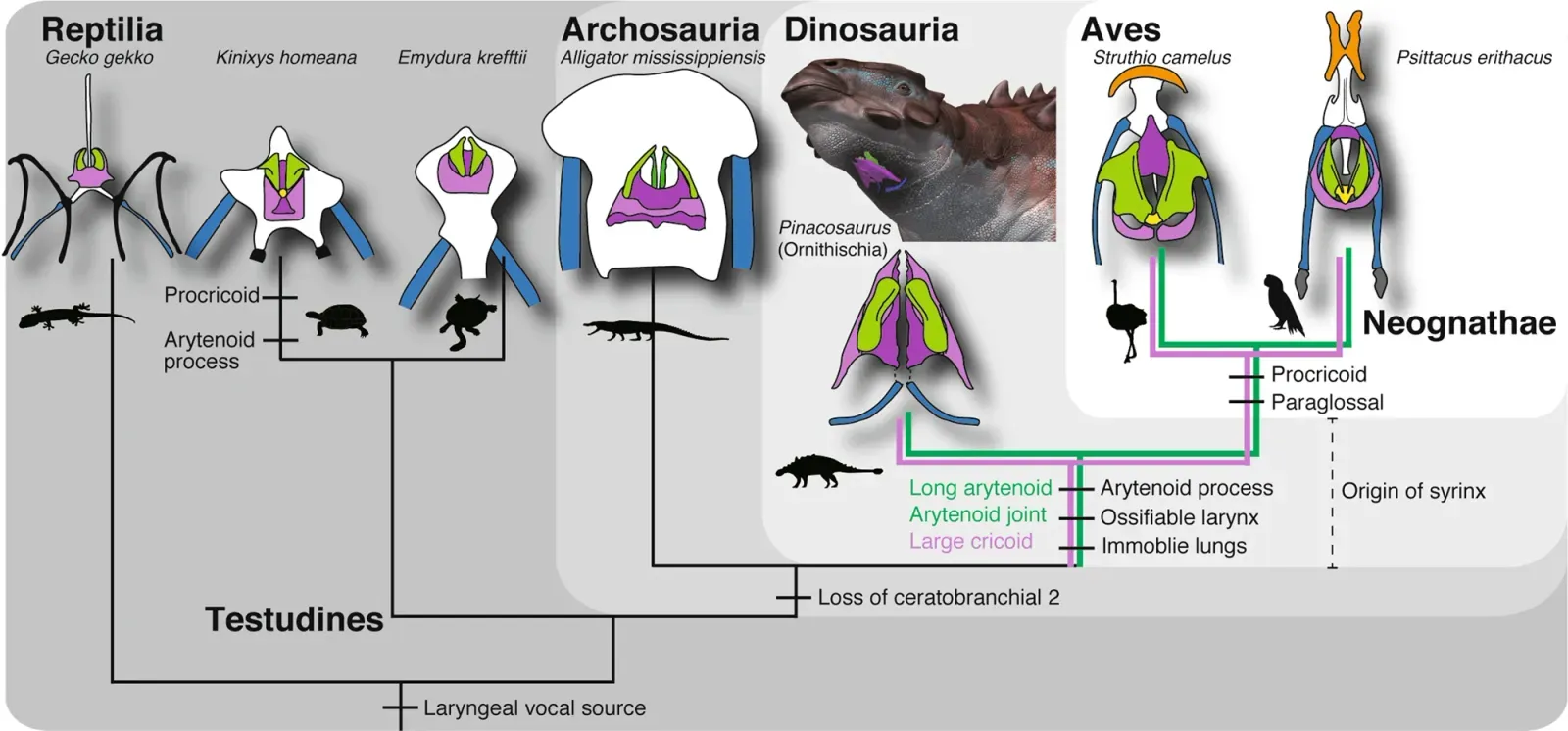
The extremely long tails of Diplodocus and other sauropod dinosaurs could also have made some noise. Some researchers have suggested that the tips of these tails could have been flicked at supersonic speeds, making bullwhip-like cracking sounds that may have traveled long distances. Moreover, ankylosaurs had elongated and convoluted respiratory tracts that might have been used to make or modify sounds used for communication, and the huge sauropod dinosaurs had long respiratory tracts in their long necks that, quite possibly, produced low-frequency sounds. In other words, even a supposedly “quiet” dinosaur could generate an absolute symphony of physical noise – no vocal cords required.
Conclusion: The Prehistoric Conversation We’re Still Decoding
The world of dinosaur communication is richer, stranger, and more layered than cinema has ever dared to show you. From resonant trumpet-like calls booming through hollow skull crests to ground-shaking seismic signals and feathered light shows – these ancient creatures had a full toolkit for talking to one another. Paleontologists have uncovered evidence suggesting that dinosaurs possessed a diverse array of communication methods, from vocalizations and visual displays to potential chemical signaling.
Some researchers are even using machine learning algorithms to identify patterns in dinosaur anatomy that correlate with specific communication capabilities in modern animals. These technological approaches, combined with new fossil discoveries, promise to continually refine our understanding of how these magnificent ancient animals . Every scan of a fossilized skull, every scratch mark preserved in ancient rock, every feather impression frozen in time brings us one step closer to truly hearing the Mesozoic world.
It’s hard to say for sure just how much more we’ll uncover in the next decade – but I think the most exciting revelations are still ahead of us. What surprises you most about how dinosaurs communicated? Drop your thoughts in the comments below.