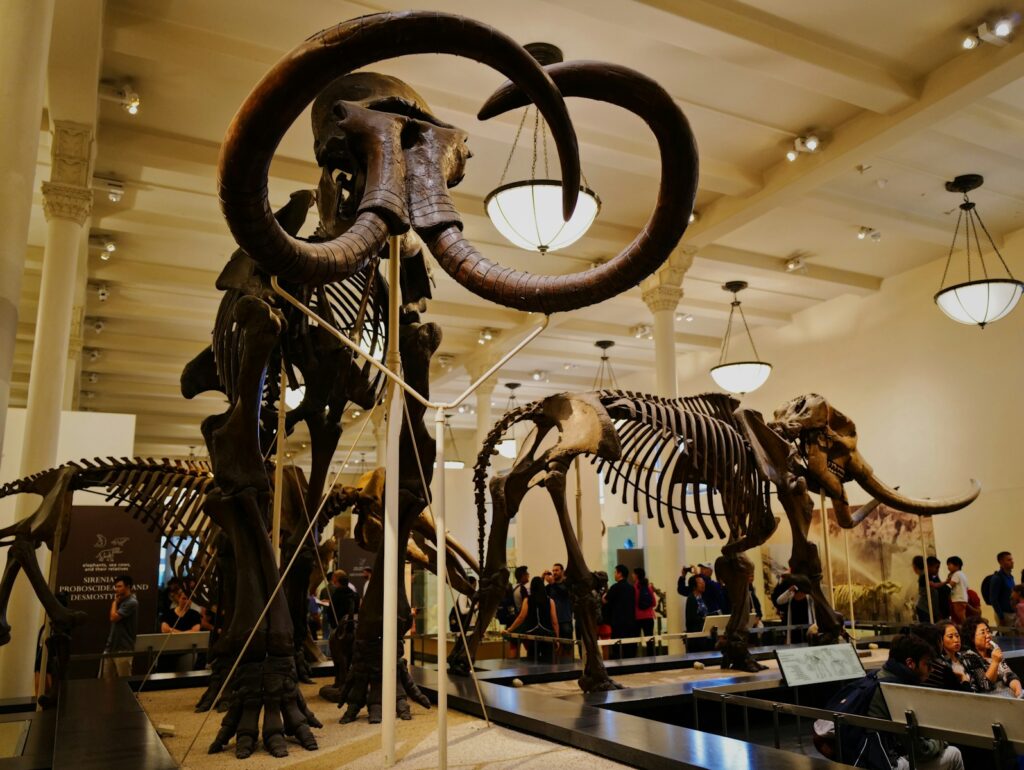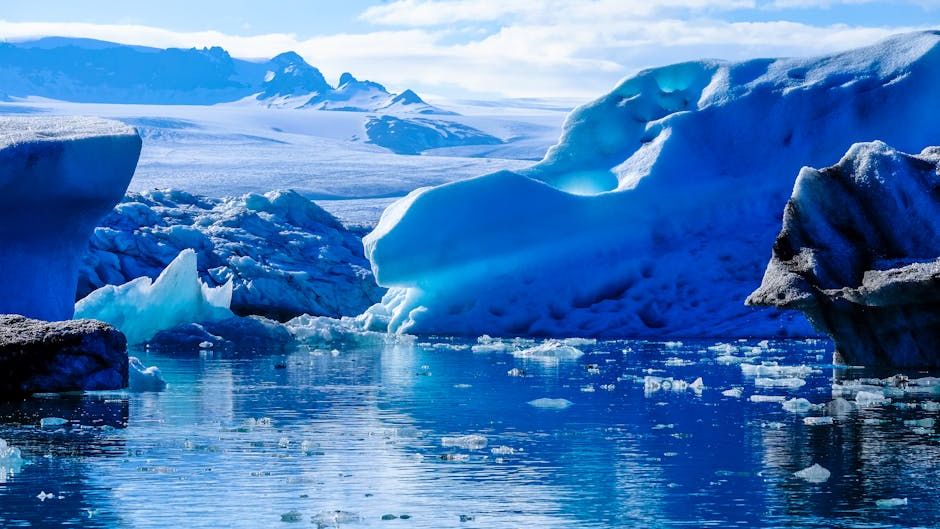
Few mysteries in Earth’s history spark more wonder than the Ice Age. We picture woolly mammoths, frozen landscapes stretching horizon to horizon, and a world almost unrecognizable from the one you live in today. Yet here is the thing that most people miss entirely: you are actually living in an ice age right now.
At least five major ice ages have occurred throughout Earth’s history, and the most recent one began approximately 3 million years ago and continues today. Currently, we are in a warm interglacial period that began about 11,000 years ago. So what actually triggered these colossal deep freezes? Scientists have spent centuries arguing, calculating, and digging through ancient rock and ocean sediment to answer that question. The truth? It is far stranger and more spectacular than you might expect. Let’s dive in.
1. The Milankovitch Cycles: Earth’s Cosmic Wobble
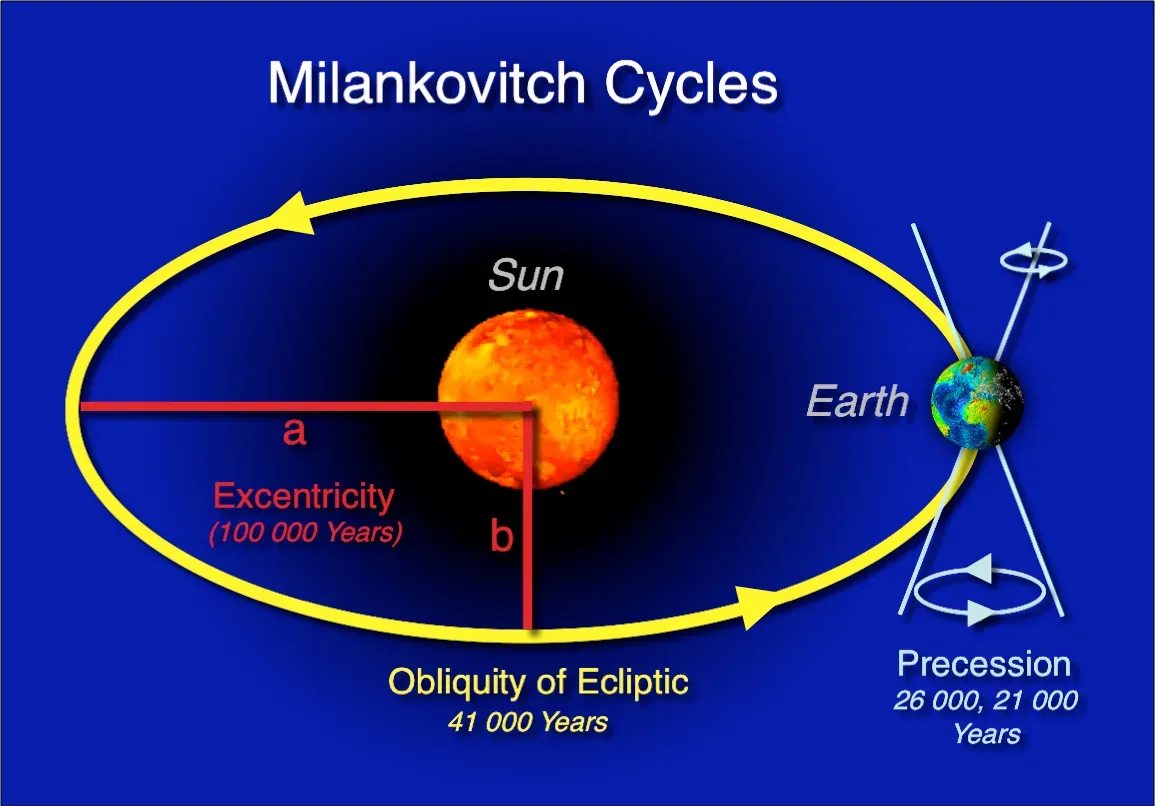
If you want to understand what controls the rhythm of ice ages, you have to start with one of the most elegant ideas in all of science. A century ago, Serbian scientist Milutin Milankovitch hypothesized that the long-term, collective effects of changes in Earth’s position relative to the Sun are a strong driver of Earth’s long-term climate, and are responsible for triggering the beginning and end of glaciation periods. Think of it like this: Earth is not a perfectly obedient planet spinning in a perfect circle. It wobbles, tilts, and stretches its orbit like a slightly off-balance spinning top.
Variations in Earth’s eccentricity, axial tilt, and precession comprise the three dominant cycles, collectively known as the Milankovitch Cycles. A landmark 1976 study in the journal Science, using deep-sea sediment cores, found that Milankovitch cycles correspond with periods of major climate change over the past 450,000 years, with Ice Ages occurring when Earth underwent different stages of orbital variation. Honestly, the sheer precision of this cosmic mechanism is breathtaking – a tiny wobble in an orbit, played out over tens of thousands of years, can plunge an entire planet into ice. However, even Milankovitch’s theory has holes scientists are still trying to fill today.
2. The Continental Drift Theory: Moving Landmasses Closed the Planet’s Heating Vents
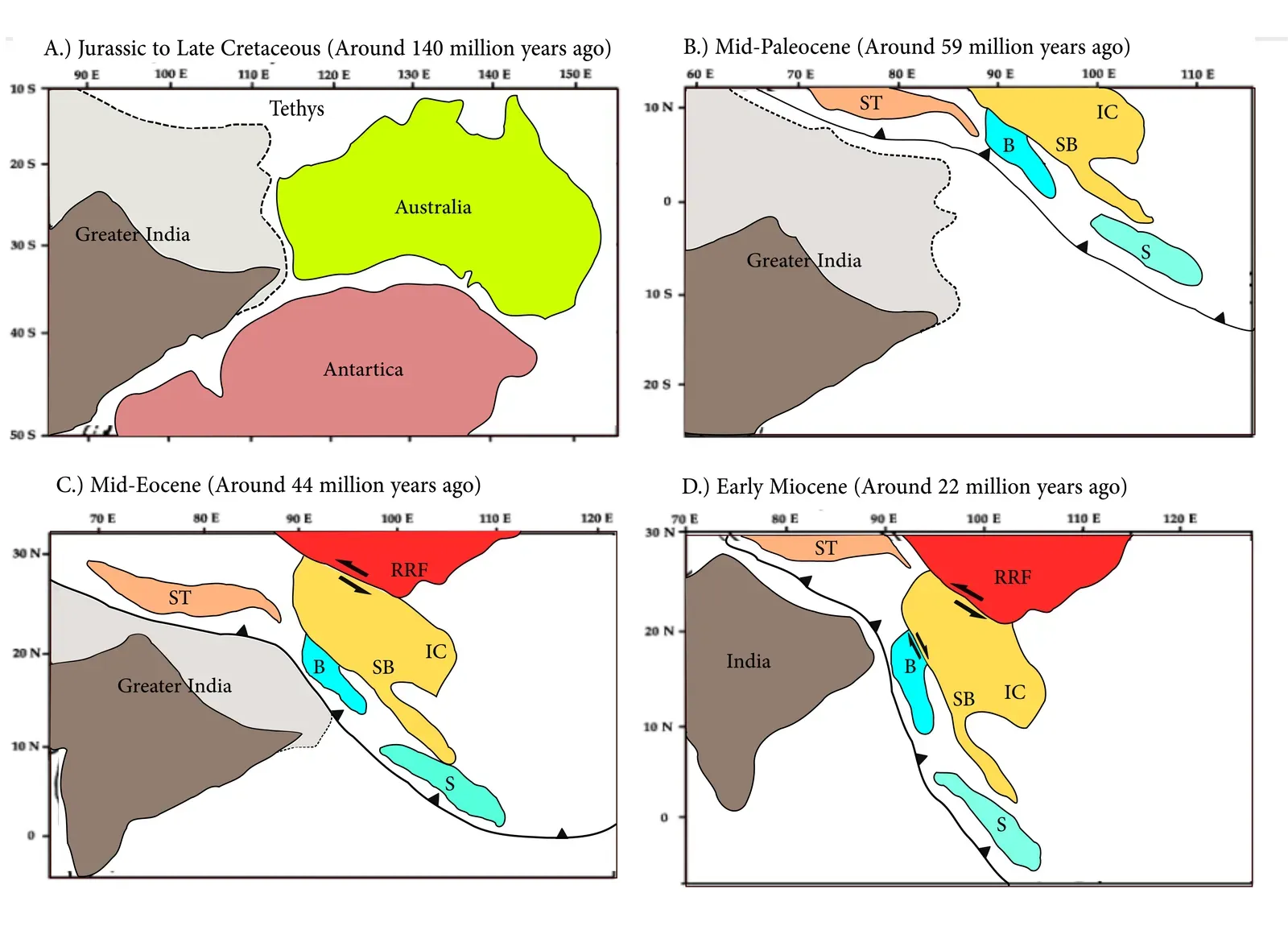
Here is a theory that sounds almost too simple – but turns out to be deeply powerful. One significant trigger in initiating ice ages is the changing positions of Earth’s ever-moving continents, which affect ocean and atmospheric circulation patterns. When plate-tectonic movement causes continents to be arranged such that warm water flow from the equator to the poles is blocked or reduced, ice sheets may arise and set another ice age in motion. Imagine blocking a heating vent in a cold house. You do not need to turn off the furnace entirely. You just need to redirect the warmth.
Today’s ice age most likely began when the land bridge between North and South America, the Isthmus of Panama, formed and ended the exchange of tropical water between the Atlantic and Pacific Oceans, significantly altering ocean currents. There are three main contributors from the layout of the continents that obstruct the movement of warm water to the poles: a continent sits on top of a pole, as Antarctica does today; a polar sea is almost land-locked, as the Arctic Ocean is today; and a supercontinent covers most of the equator, as Rodinia did during the Cryogenian period. The planet’s geography itself, it seems, is one of the most powerful thermostats ever devised.
3. The CO2 Collapse Theory: Earth’s Atmosphere Ran Out of Warmth
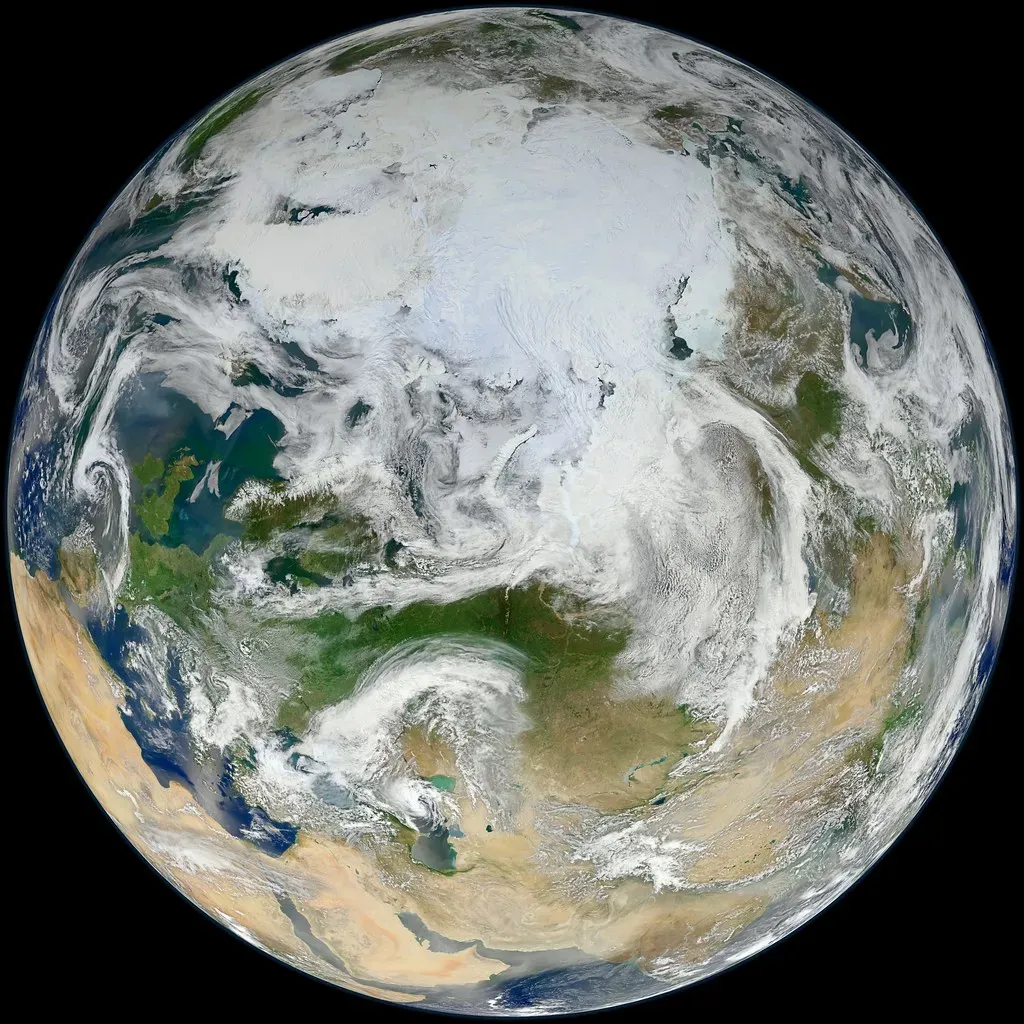
In the 1970s, scientists discovered that the concentration of the atmospheric greenhouse gas carbon dioxide was about roughly a third lower during the ice ages. That prompted theories that the decrease in atmospheric CO2 levels is a key ingredient in the glacial cycles, but the causes of the CO2 change remained unknown. Think of CO2 as a blanket around the planet. Remove enough of that blanket and the planet simply gets cold. What makes this theory fascinating is the cascade of events it implies.
Changes in atmospheric greenhouse gas concentrations, and in particular CO2, play a large role in the development of cold conditions during ice ages. In this case, CO2 is not the immediate cause of ice ages; rather, it serves as a feedback to amplify changes initiated by orbital variations. Colder ocean water dissolves more CO2, absorbing more from the atmosphere, though this is somewhat offset by the effect of higher salinity on ocean CO2 absorption. It is a self-reinforcing loop, almost like the planet tightening its own grip around itself. Eerie and magnificent in equal measure.
4. The Himalayan Uplift Theory: Mountains That Chilled the World
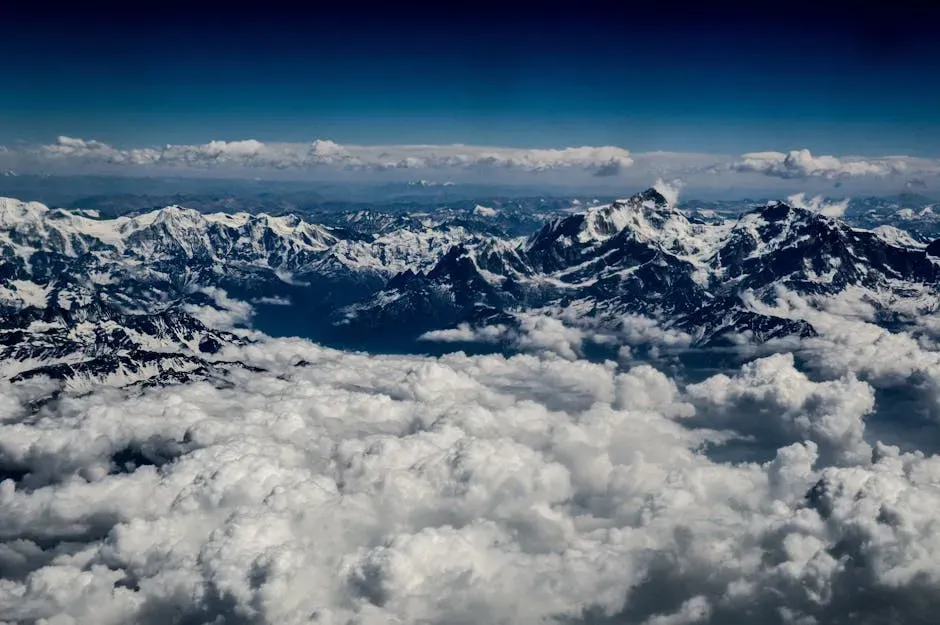
Could mountains – massive, beautiful, seemingly static mountains – be responsible for sending Earth into a deep freeze? Researchers at Columbia University’s Lamont-Doherty Earth Observatory proposed that enhanced erosion and weathering of rocks, driven by the uplift of the Himalayas and Andes, caused a decline in atmospheric carbon dioxide. This resulted in the global cooling observed over the past 40 million years, and ultimately, to repeated ice ages. This idea is known as the Uplift-Weathering Hypothesis.
Some scientists believe that the Himalayas are a major factor in the current ice age, because these mountains have increased Earth’s total rainfall and therefore the rate at which carbon dioxide is washed out of the atmosphere, decreasing the greenhouse effect. The rise and subsequent weathering of the Himalayas may have caused our current ice age, the one that began 40 million years ago. The silicate rocks are exposed to the atmosphere, weathering sucks CO2 out of the atmosphere and chills the planet – and this may be the only effective way to bring CO2 levels down to a threshold cool enough for ice to start building up. Mountains, it turns out, are not just scenery. They are climate machines.
5. The Snowball Earth Theory: When the Entire Planet Froze Over
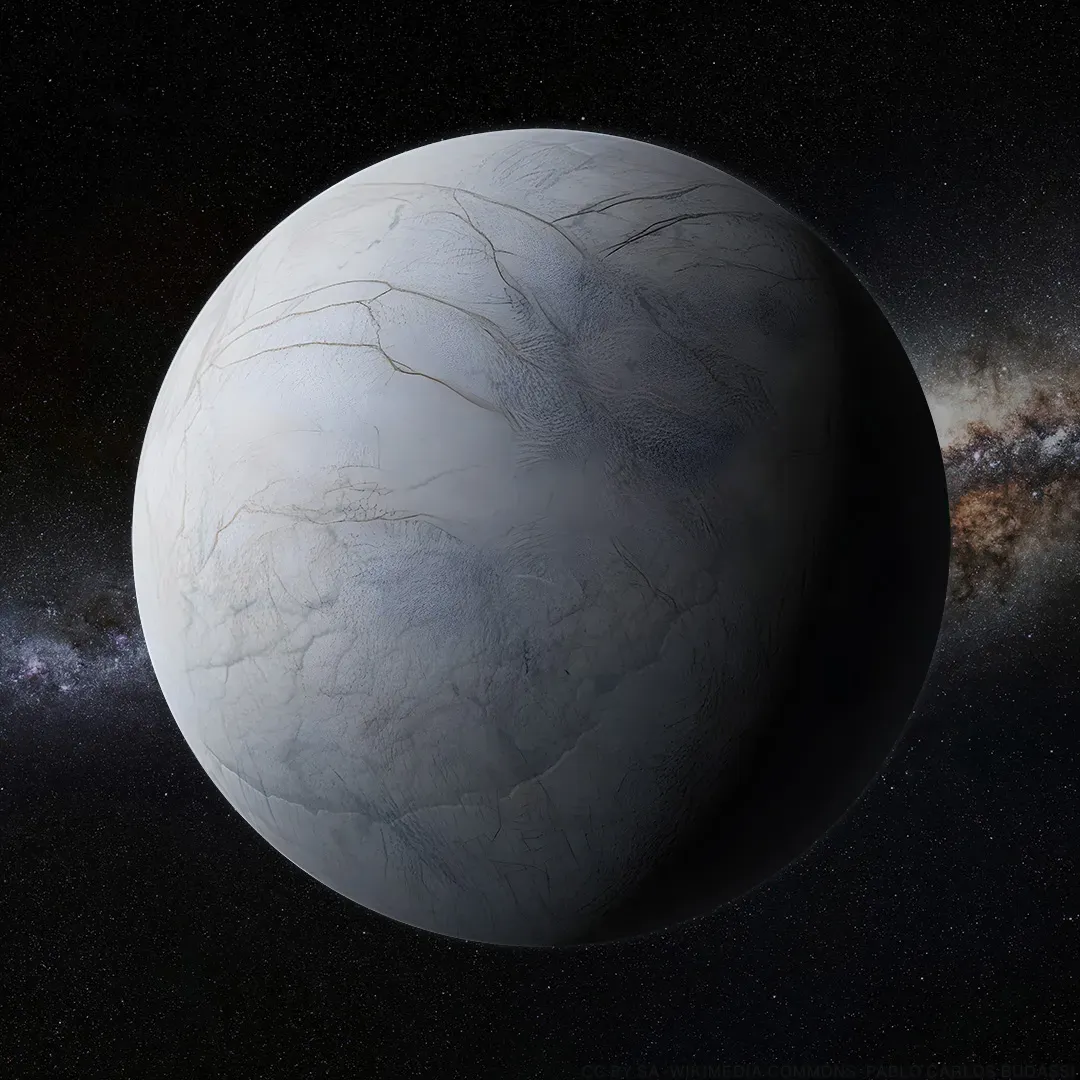
I know this sounds crazy, but there is compelling evidence that Earth was once, essentially, a giant frozen ball hurtling through space. At least twice in Earth’s history, nearly the entire planet was encased in a sheet of snow and ice. These dramatic Snowball Earth events occurred in quick succession, somewhere around 700 million years ago, and evidence suggests that the consecutive global ice ages set the stage for the subsequent explosion of complex, multicellular life on Earth. Life almost ended. Then it exploded. Remarkable does not even begin to cover it.
Regardless of the trigger, initial cooling results in an increase in the area of Earth’s surface covered by ice and snow, and the additional ice and snow reflects more solar energy back to space, further cooling Earth and further increasing the area of ice coverage. This positive feedback loop could eventually produce a frozen equator as cold as modern Antarctica. The Earth freed itself from this state by releasing small amounts of carbon dioxide back into the atmosphere over long periods of time. Plate tectonics were the main factor for Earth heating and coming out of a Snowball Earth event, as they are the driving force behind volcanoes being formed. Volcanoes would release small amounts of carbon dioxide, causing a greenhouse effect. Volcanoes, essentially, turned the heater back on.
6. The Volcanic Eruption Theory: When Fire Created Ice
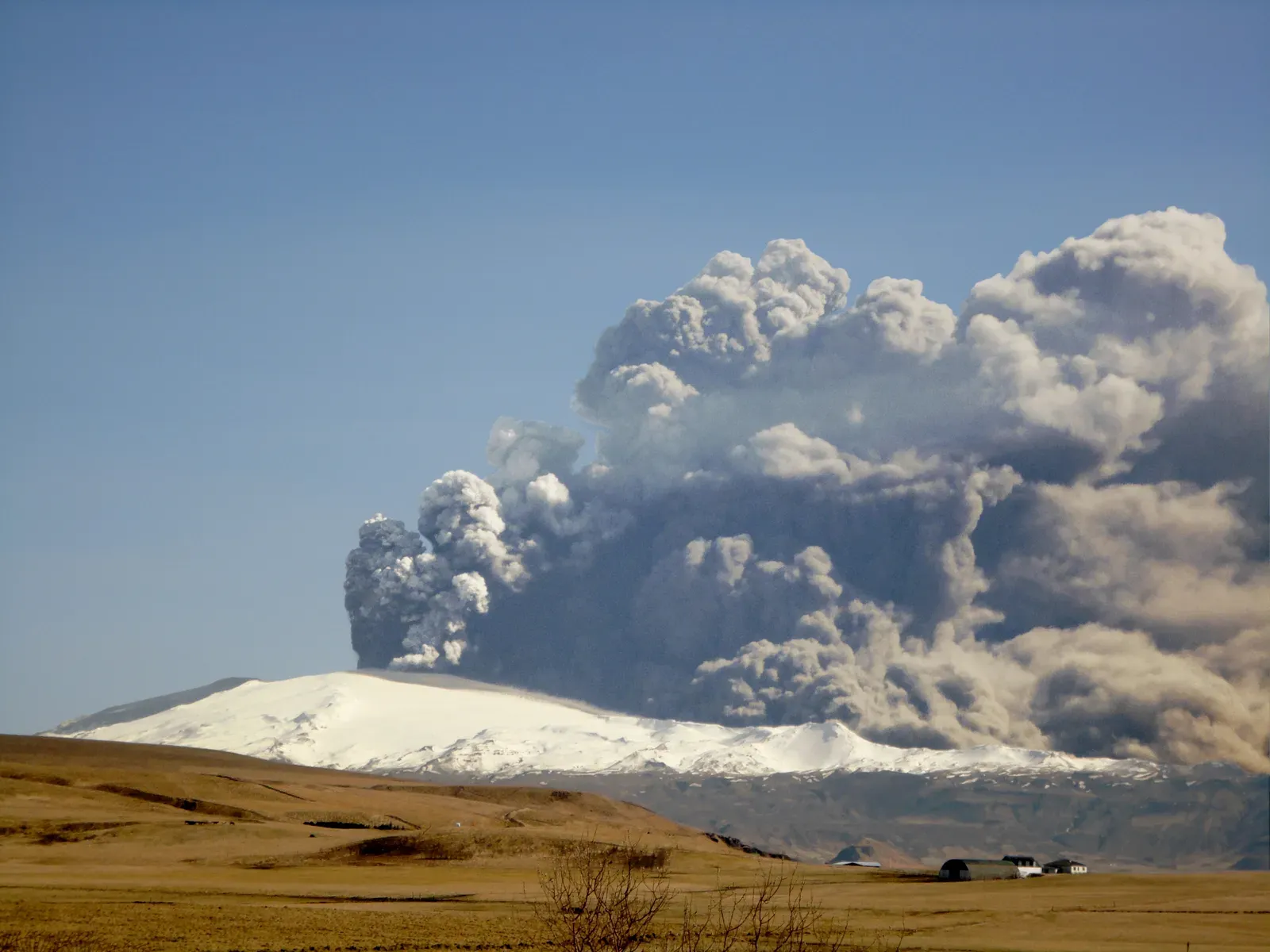
Volcanoes are not just destroyers. Sometimes, they are the architects of entire climate epochs. Findings suggest that whatever triggered the Earth’s ice ages most likely involved processes that quickly reduced the amount of solar radiation coming to the surface, such as widespread volcanic eruptions or biologically induced cloud formation that could have significantly blocked out the sun’s rays. Picture a sky so thick with volcanic aerosols that sunlight barely reaches the ground. The cold would follow fast.
A study published in the journal Geology proposes that all-time low volcanic carbon dioxide emissions both triggered the relentless onslaught of the ice and accounted for its duration. This work revealed that the start of the Sturtian ice age precisely correlates with an all-time low in volcanic CO2 emissions. In addition, the CO2 outflux remained relatively low for the entire duration of the ice age. It is a perfect paradox – when volcanoes go quiet, the world gets colder. The planet needs its underground fires just to stay warm.
7. The Ocean Circulation Theory: When the Seas Stopped Sharing Their Heat
The oceans are essentially Earth’s central heating system, moving warmth from the tropics to the poles through massive underwater conveyor belts. So what happens when those belts slow down or stop? The theory suggests that the redistribution of heat on the planet by changing ocean circulation can isolate polar regions, cause the growth of ice sheets and sea ice, and increase temperature differences between the equator and the poles. It is a bit like turning off the radiators in one part of a house while leaving the boiler running elsewhere.
The most likely cause for the first major drop in carbon dioxide levels was an expansion of sea ice around Antarctica. Sea ice acts as a lid on the waters of the Southern Ocean and prevents them from releasing their carbon to the atmosphere. A reorganization of deep ocean circulation, triggered by ocean cooling and even more sea ice in the Southern Ocean, was responsible for trapping most of the carbon dioxide in the ocean. The ocean does not just respond to climate change. In this story, it drives it.
8. The Tropical Tectonics Theory: When Equatorial Collisions Cooled the Globe
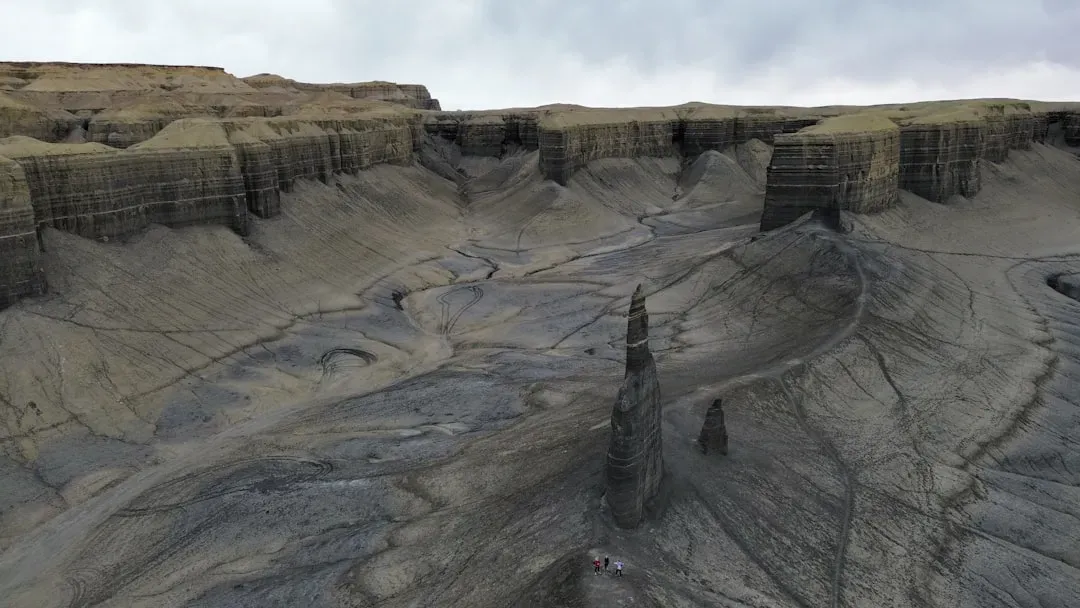
Here is one of the more recent and genuinely surprising theories to emerge from modern research. Scientists from MIT and two University of California campuses report that each of the last three major ice ages were preceded by tropical arc-continent collisions – tectonic pileups that occurred near the Earth’s equator, in which oceanic plates rode up over continental plates, exposing tens of thousands of kilometers of oceanic rock to a tropical environment. The heat of the tropics, counterintuitively, became the trigger for planetary cooling.
The heat and humidity of the tropics likely triggered a chemical reaction between the rocks and the atmosphere. Specifically, the rocks’ calcium and magnesium reacted with atmospheric carbon dioxide, pulling the gas out of the atmosphere and permanently sequestering it in the form of carbonates such as limestone. Over time, this weathering process, occurring over millions of square kilometers, could pull enough carbon dioxide out of the atmosphere to cool temperatures globally and ultimately set off an ice age. The tropics, the warmest place on Earth, quietly sucked the heat right out of the planet’s future. Let’s be real – that is a twist nobody saw coming.
9. The Antarctic Ocean Biological Pump Theory: Tiny Algae That Helped Freeze the World
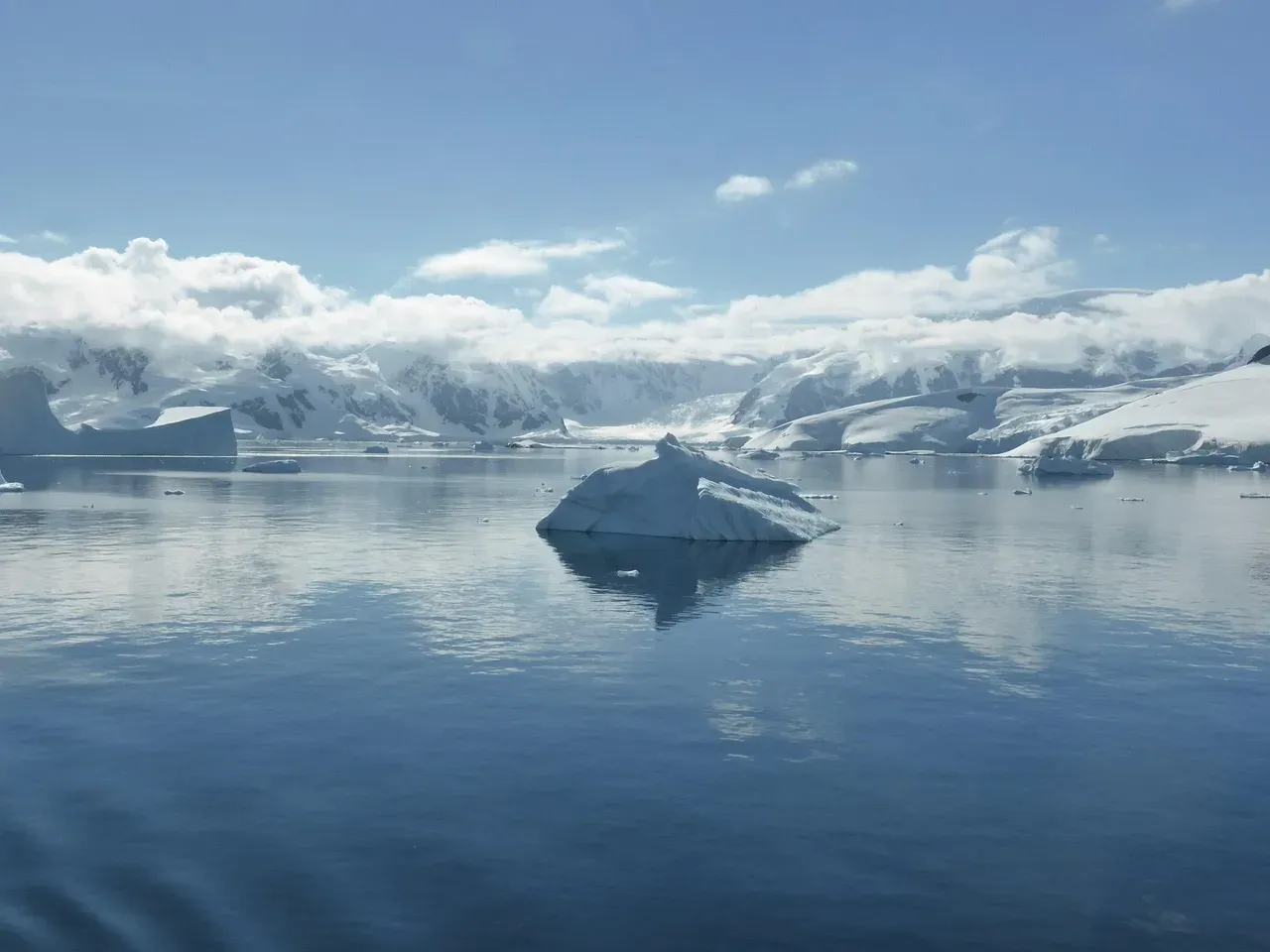
Sometimes the most world-altering actors are the ones you cannot even see. An international collaboration led by scientists from Princeton University and the Max Planck Institute for Chemistry found evidence indicating that during ice ages, changes in the surface waters of the Antarctic Ocean worked to store more CO2 in the deep ocean. The mechanism? Microscopic floating algae called diatoms, drifting in the Southern Ocean’s surface waters.
For decades, researchers have known that the growth and sinking of plankton pumps CO2 deep into the ocean, a process often referred to as the “biological pump.” The biological pump is driven mostly by the tropical, subtropical, and temperate oceans and is inefficient closer to the poles. The worst offender is the Antarctic Ocean, where strong eastward winds encircling the Antarctic continent pull CO2-rich deep water up to the surface, effectively leaking CO2 to the atmosphere. Measurements provide evidence for systematic reductions in wind-driven upwelling in the Antarctic Ocean during the ice ages – meaning when those winds weakened, the ocean locked away carbon, and the planet cooled. Invisible life, planet-scale consequences.
10. The Arctic Ocean Gateway Theory: Ice Sheets That Rewired the North Atlantic
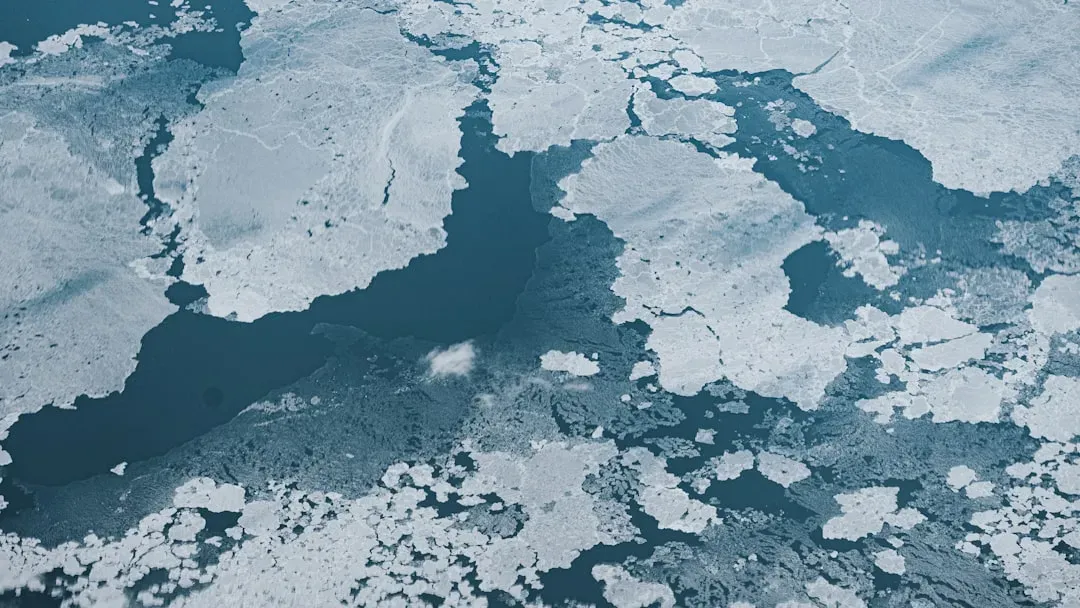
This theory is one of the newer breakthroughs in ice age science, and it fundamentally changes how you might think about why Scandinavia and northern Europe became buried under ice. A study published in the journal Nature Geoscience proposes an explanation for the rapid expansion of the ice sheets that covered much of the Northern Hemisphere during the most recent ice age, and the findings could also apply to other glacial periods throughout Earth’s history. The culprit? Blocked waterways in the Canadian Arctic, of all places.
Researchers simulated a scenario in which marine ice sheets obstructed the waterways in the Canadian Arctic Archipelago. In that experiment, the comparatively fresh Arctic and North Pacific water, typically routed through the Canadian Arctic Archipelago, was diverted east of Greenland, where deep water masses typically form. This diversion led to a freshening and weakening of the North Atlantic deep circulation, sea ice expansion, and cooler conditions in Scandinavia. A single bottleneck – a blocked channel in the Arctic – essentially rewired the entire North Atlantic heating system and brought a continent to its frozen knees. It’s hard to say for sure this is the final answer, but the elegance of the mechanism is hard to ignore.
Conclusion: The Ice Age Is a Story Without a Single Villain
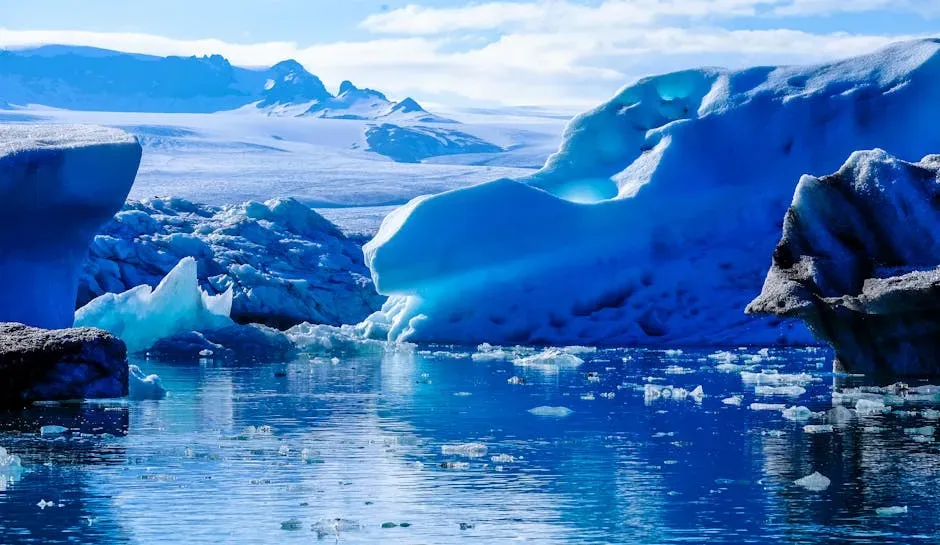
What makes the ice age such a captivating mystery is that no single theory wins outright. Although the exact causes for ice ages, and the glacial cycles within them, have not been proven, they are most likely the result of a complicated dynamic interaction between such things as solar output, distance of the Earth from the sun, position and height of the continents, ocean circulation, and the composition of the atmosphere. Every theory you have just read through contributes a genuine piece to a picture that science is still assembling.
The planet does not freeze because of one villain. It freezes because of a conspiracy – tectonic plates drifting, orbits wobbling, volcanoes going silent, oceans reorganizing, and microscopic algae quietly locking carbon in the deep. Each mechanism amplifies the others in ways that still keep scientists busy in 2026. The more you learn, the more you realize Earth is not just a passive rock we happen to live on. It is an incredibly complex, self-regulating system that sometimes, quite dramatically, turns the temperature way down.
So here is the question to sit with: if so many forces have to align just right to trigger an ice age, how close to that tipping point might we be at any given moment in Earth’s long history – and what does that tell you about the planet you call home? What do you think? Tell us in the comments.