The asteroid strike that doomed non-avian dinosaurs 66 million years ago unleashed global chaos, from firestorms to a prolonged impact winter. Yet, research reveals that marine life staged a remarkably swift comeback. Microscopic plankton, in particular, evolved into new species far sooner than scientists once believed, signaling the dawn of ecological renewal.
The Chicxulub Cataclysm Sets the Stage
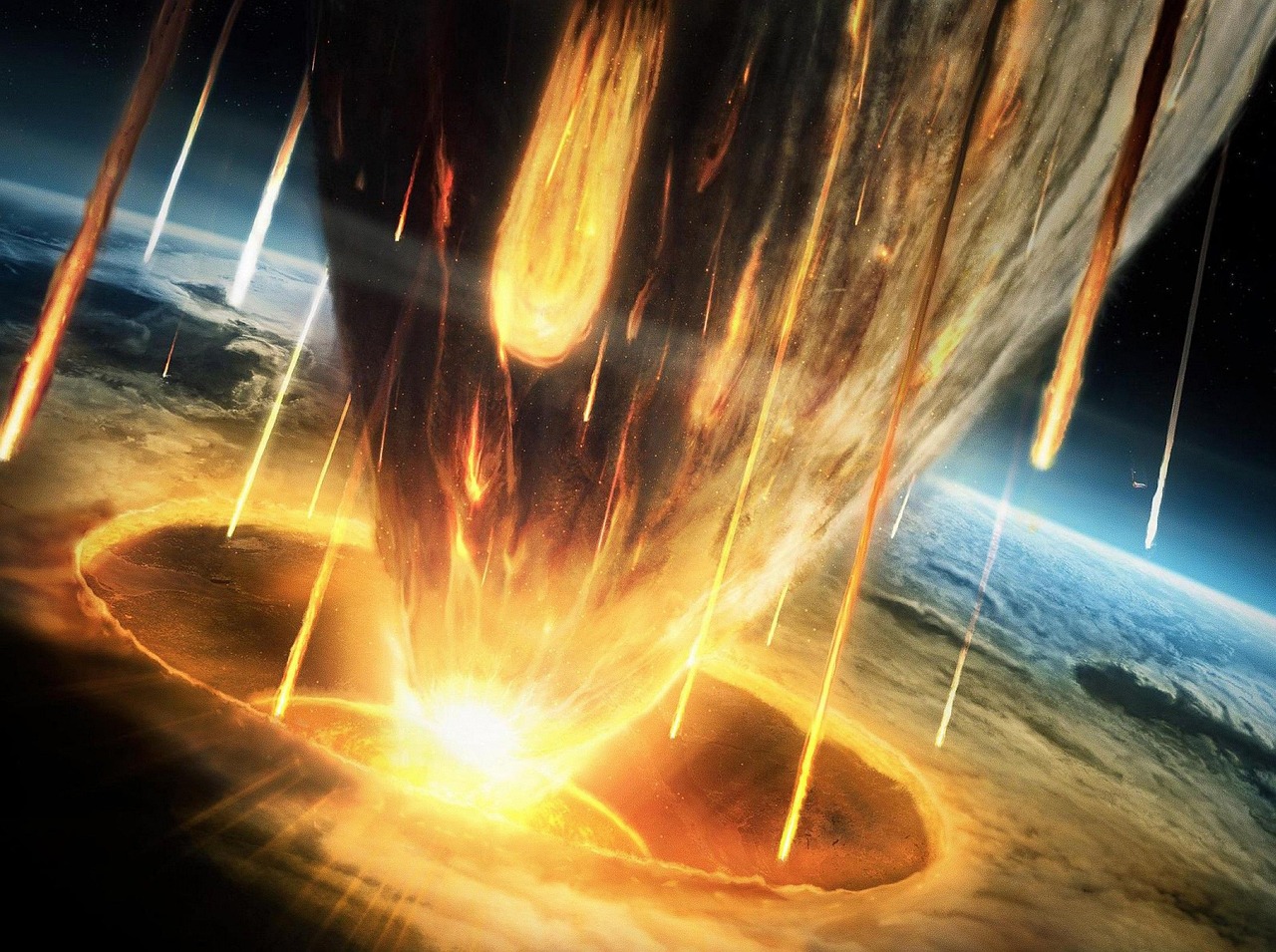
The Chicxulub Cataclysm Sets the Stage (Image Credits: Pixabay)
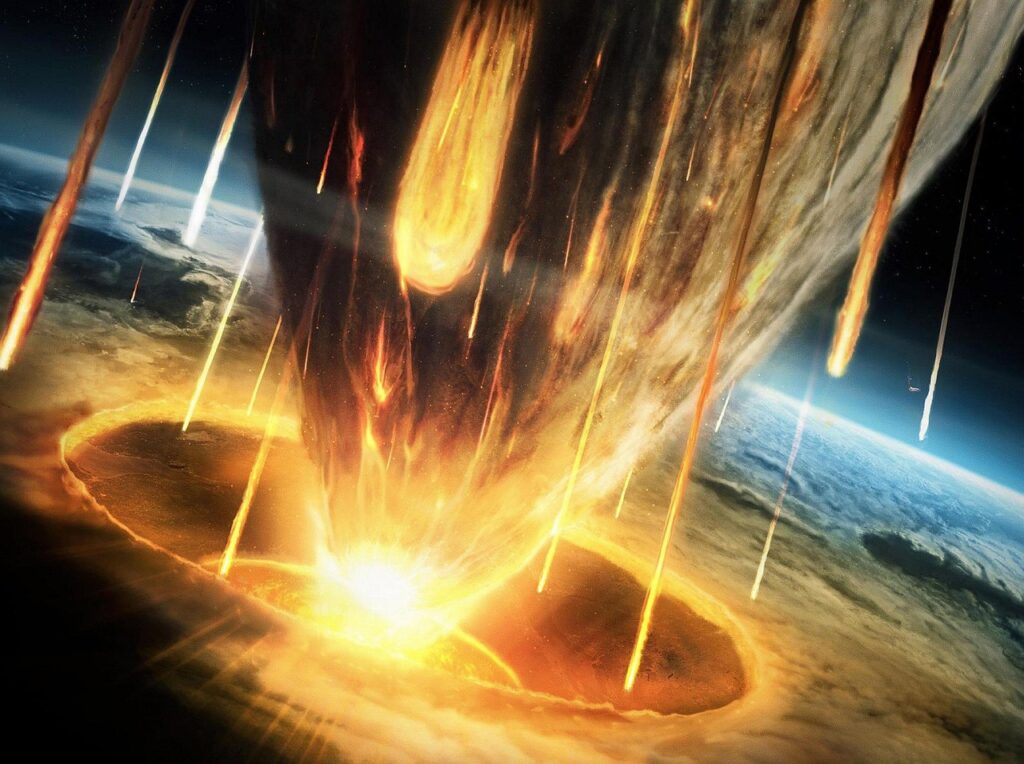
A massive asteroid carved out the Chicxulub crater off Mexico’s Yucatan Peninsula, ejecting debris that darkened skies worldwide. This event triggered the Cretaceous-Paleogene (K-Pg) mass extinction, erasing about 75 percent of Earth’s species, including dominant marine groups like calcareous nannoplankton. Oceans turned barren as food chains collapsed, and sediments piled up irregularly due to disrupted biological fallout and rampant erosion from dying vegetation.
Scientists long assumed recovery lagged, with new species taking tens of thousands of years to appear. However, a 2026 study upended that view by pinpointing the first post-impact innovators. Planktic foraminifera, tiny shelled organisms, filled vacated niches almost immediately, kickstarting biodiversity’s return over the ensuing 10 million years.
Helium-3 Unlocks Precise Timelines
Researchers led by Christopher M. Lowery of the University of Texas at Austin turned to an ingenious tool: helium-3 isotopes embedded in cosmic dust. This extraterrestrial tracer rains down at a constant rate, allowing experts to calculate sedimentation speeds with unprecedented accuracy. Higher helium-3 levels signal slow buildup; lower ones indicate rapid deposition.
The team examined six K-Pg boundary sites across Europe, North Africa, and the Gulf of Mexico. The global boundary clay layer, rich in impact ejecta, served as ground zero for their analysis. By calibrating against this marker, they dated the debut of key fossils, overcoming flaws in older methods that presumed steady sediment flow before and after the disaster.
Key Milestones in Post-Impact Evolution
Parvularugoglobigerina eugubina, a hallmark foraminifera, surfaced between 3,500 and 11,000 years after the strike. At El Kef in Tunisia, a prime site, it appeared around 6,600 years post-impact, refined to about 6,400 years via helium-3. Some species debuted in fewer than 2,000 years, shattering expectations.
Within roughly 6,000 years, 10 to 20 new foraminifera species proliferated, though experts debate precise species boundaries in the fossil record. Here’s a snapshot of recovery paces:
- Less than 2,000 years: Earliest new species at select sites.
- 3,500–6,400 years: P. eugubina average across locations.
- Up to 11,000 years: Later arrivals in varied sediments.
- 6,000 years: Burst of 10–20 foraminifera species.
This surge marked the top of the first post-extinction biozone, heralding broader marine revival.
Why So Swift? Unlocking Nature’s Resilience
Catastrophe cleared the slate, creating opportunities for survivors. With larger predators gone, opportunistic plankton exploited nutrient surges from eroded lands. Lowery called the pace “ridiculously fast,” noting it reveals how extreme events spur evolution and environmental healing.
Co-author Timothy J. Bralower of Penn State emphasized life’s tenacity: “The speed of the recovery demonstrates just how resilient life is; to have complex life reestablished within a geologic heartbeat is truly astounding.” Such rapidity contrasts sharply with typical speciation over millions of years, highlighting adaptability under duress.
Implications for Past and Present
The findings, detailed in the journal Geology, refine our grasp of mass extinction dynamics. They affirm that while the Chicxulub event devastated life, it also catalyzed innovation in oceans, paving the way for mammalian dominance on land. Bralower added a modern angle: this resilience might offer hope amid human-driven changes.
| Site Region | Example Timing (years post-impact) |
|---|---|
| North Africa (El Kef) | ~6,400 for P. eugubina |
| Europe | 3,500–11,000 range |
| Gulf of Mexico | Variable, early recovery noted |
Key Takeaways:
- New plankton species arose in thousands – not tens of thousands – of years.
- Helium-3 dating revolutionized post-impact chronologies.
- Life’s bounce-back underscores evolutionary potential after crises.
Earth’s history proves that from ashes, abundance follows – often sooner than expected. What lessons does this hold for our planet’s future? Share your thoughts in the comments.