
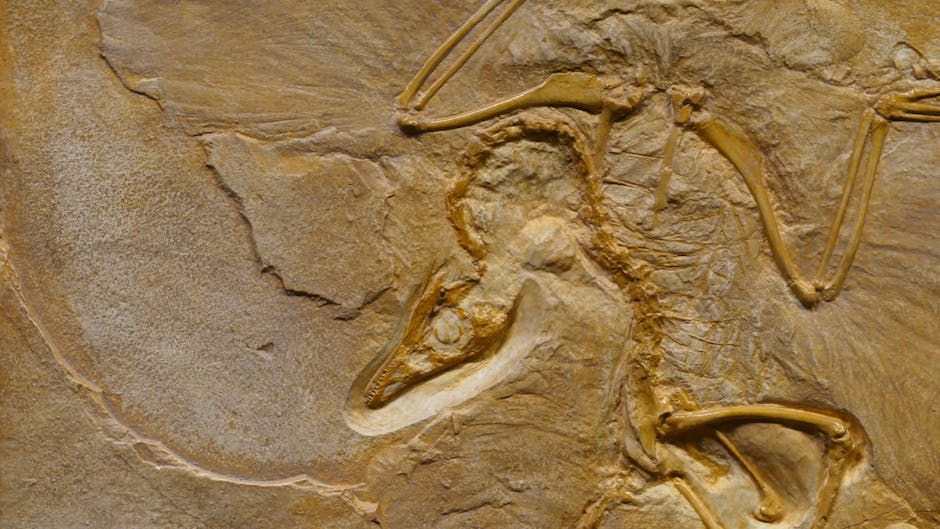
When you picture a dinosaur fossil being unearthed, you probably imagine a team of scientists in wide-brimmed hats crouched over a sun-baked desert floor in Montana or the Gobi. Brushes in hand, infinite patience, dramatic landscape. That’s the classic image. Honestly, it’s accurate a good portion of the time.
But here’s the thing – dinosaur bones have a habit of turning up in the most jaw-dropping places. Places that have absolutely no right to contain the remains of a 160-million-year-old giant. From the floors of icy oceans to someone’s perfectly ordinary backyard, the prehistoric world keeps breaking into our modern one in the most extraordinary ways. Let’s dive in.
A Man’s Backyard in Portugal
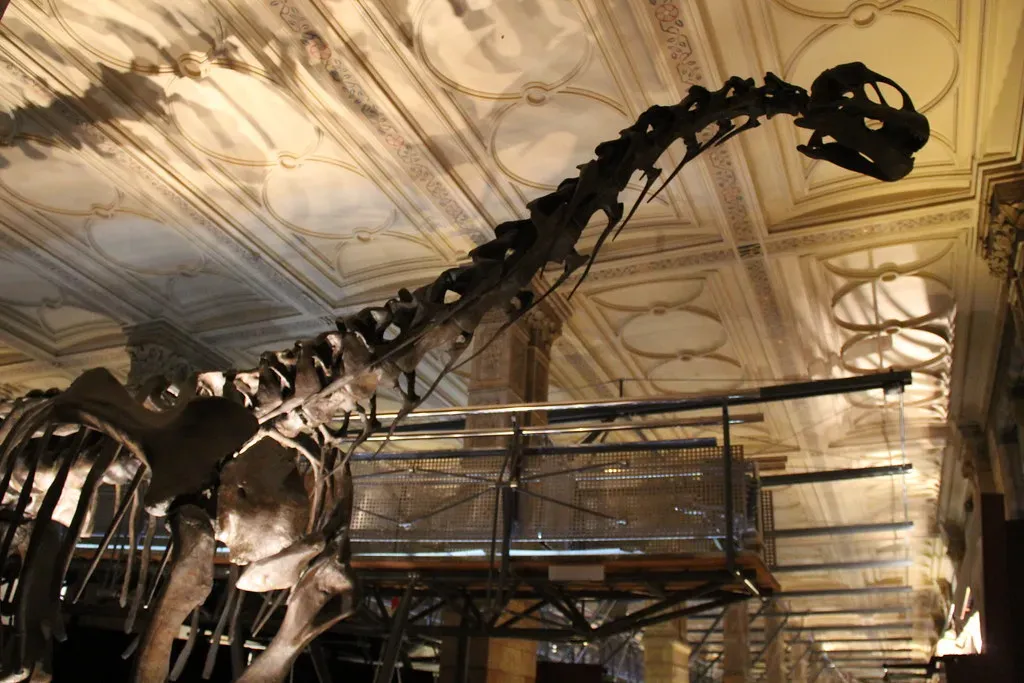
Imagine you’re renovating your yard in Pombal, Portugal, a pleasant town with no particular claim to paleontological fame. You’re moving soil, maybe thinking about where to plant tomatoes. Then you notice something odd sticking out of the ground – bone fragments. Fossil bone fragments. That’s exactly what happened to one Portuguese homeowner in 2017.
The skeleton of a massive dinosaur was discovered in a man’s backyard in Pombal, Portugal, and it could be the largest ever found in Europe. The property owner noticed fragments of fossilized bones in his yard when carrying out construction in 2017, and contacted a research team, which launched an initial excavation campaign the same year.
Sauropods are plant-eating, four-legged dinosaurs with long necks and tails. This dinosaur measured about 39 feet tall and 82 feet long. Think about that for a second – a creature as long as a semi-truck plus a trailer, hiding beneath someone’s vegetable garden. This kind of preservation is relatively rare for large-sized dinosaurs from the Portuguese fossil record and indicates particular and unusual environmental and taphonomic features.
Beneath a Museum Parking Lot in Denver, Colorado
Parking lots are not glamorous places. You pull in, you park, you leave. Nobody expects them to be portals to the Cretaceous. Yet in January 2025, one parking lot in Denver became the site of one of the most sensational urban fossil discoveries in recent memory.
The scientific core was drilled nearly 1,000 feet below the surface, passing through layers of gravel and sand deposited by the South Platte River before reaching ancient bedrock from the Late Cretaceous Period. While it wasn’t surprising that scientists uncovered fascinating geology all the way down, the scientific core extracted something that surpassed everyone’s expectations: a partial dinosaur bone dating back 67.5 million years.
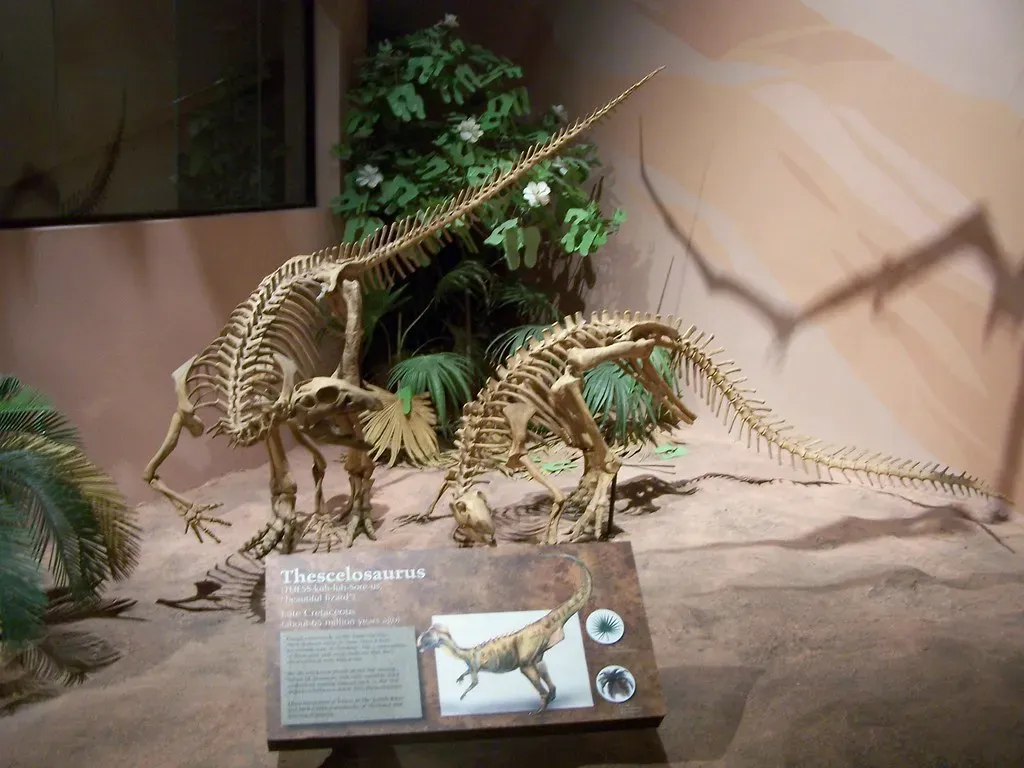
Not only is it exceedingly rare to find a dinosaur fossil in a narrow drill core, but this fossil turned out to be the deepest and oldest dinosaur bone ever discovered within the Denver city limits. The fossil, which museum staff believe may belong to either Thescelosaurus or Edmontosaurus, is the deepest and oldest dinosaur fossil ever found in Denver city limits. It’s enough to make you look at any parking lot differently from now on.
During the Construction of a Baseball Stadium
Sports stadiums are temples of very human pastimes – hotdogs, roaring crowds, the crack of a bat. They are not generally associated with ancient reptiles. Unless, of course, you’re talking about Coors Field in Denver, home of the Colorado Rockies baseball team.
In 1993, when construction crews digging up the corner of 20th and Blake streets for the forthcoming baseball stadium found something of the prehistoric variety. It wasn’t an egg. Dinosaur bones were found during the building of the Rockies’ home.
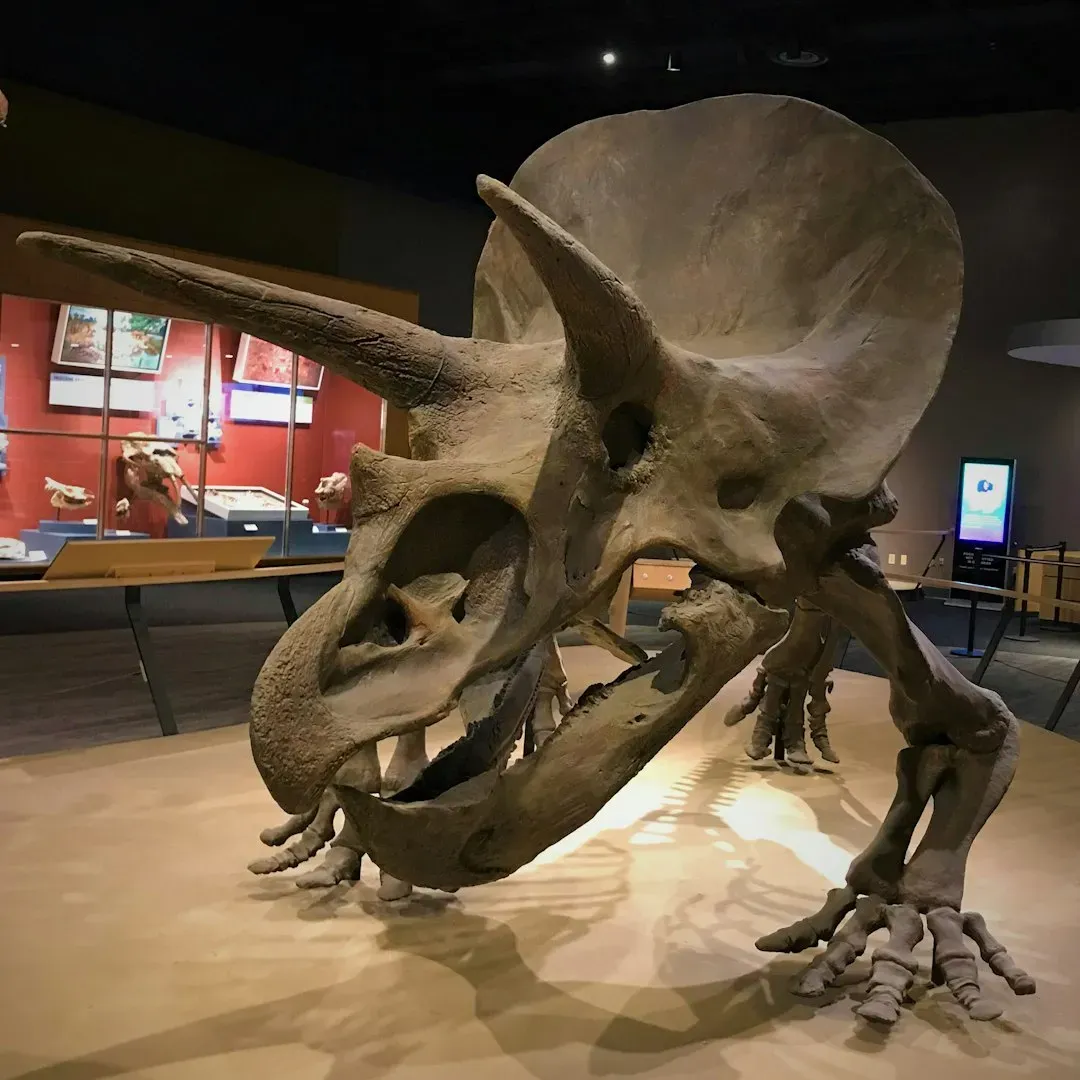
Workers were finding Triceratops fossils, duck-billed dinosaurs, and mammals that existed right after the dinosaurs went extinct, all of it right under the surface in the Denver area. That’s why the team’s mascot is a purple Triceratops named Dinger. Let’s be real – very few major league mascots can claim genuine paleontological roots. Denver is genuinely in a category of its own.
The Deep North Sea – Found During Oil Drilling
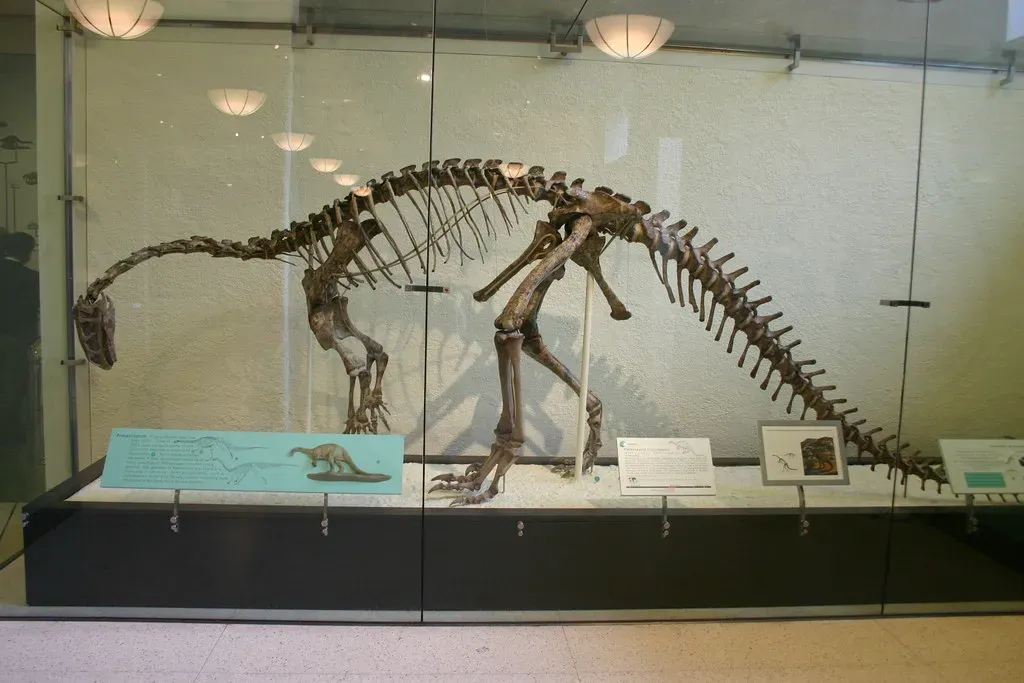
This one is so unexpected it almost sounds like a joke. An oil company drilling through the North Sea doesn’t exactly scream “dinosaur discovery.” The sea floor, after all, is cold, dark, and very much a world away from the sun-drenched plains where most dinosaurs once roamed.
The discovery of the fossil was made completely by accident in the North Sea while a local company was drilling for oil, at 2,256 meters below the seabed. This means the discovery is not only a first for Norway but also for the world, marking the deepest dinosaur fossil ever discovered.
Norway’s first dinosaur fossil is a Plateosaurus, a species that could be up to nine metres long and weigh up to four tons. It lived in Europe and on Greenland 210 to 195 million years ago, at the end of the Triassic Period. It had been there for nearly 200 million years, ever since the time the North Sea wasn’t a sea at all, but an enormous alluvial plane. That context is genuinely mind-bending – where waves now roll, dinosaurs once walked.
The Frozen Continent of Antarctica
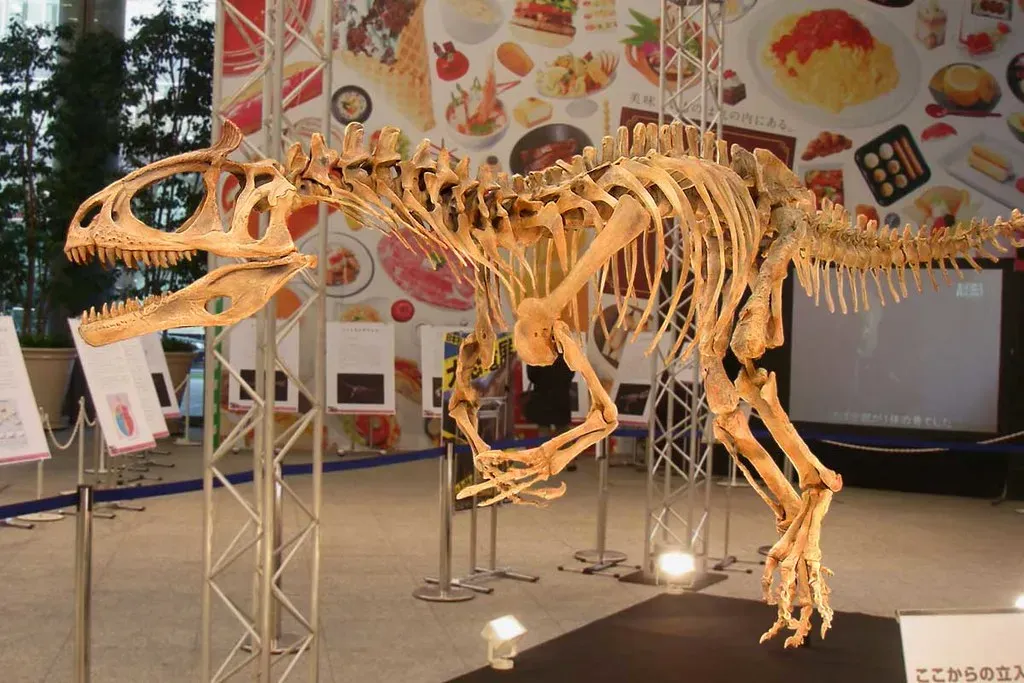
Antarctica is the coldest, most hostile landmass on the planet. Temperatures that regularly drop to extremes. Winds that could knock you sideways. It’s not exactly where you’d send a field crew looking for tropical-era giant lizards. Yet, that’s precisely where some astonishing fossil finds have been made.
In 1990-91, scientists made the first discoveries of dinosaur fossils in the central Transantarctic Mountains of Antarctica. A site on Mt. Kirkpatrick, near the Beardmore Glacier, yielded the bones of Cryolophosaurus ellioti, a species wholly new to science.
Antarctica today is a cold, inhospitable desert; however, in the more distant past, the climate was much warmer. Abundant finds of fossil leaves and wood point to the existence of extensive forestation in earlier geological periods, even to within a few degrees of latitude of the South Pole itself. Dinosaurs, and later, marsupial mammals once roamed across its surface. The idea of lush forests where now there is only ice is one of the most quietly astonishing things paleontology has revealed.
A University Campus Construction Site in Massachusetts
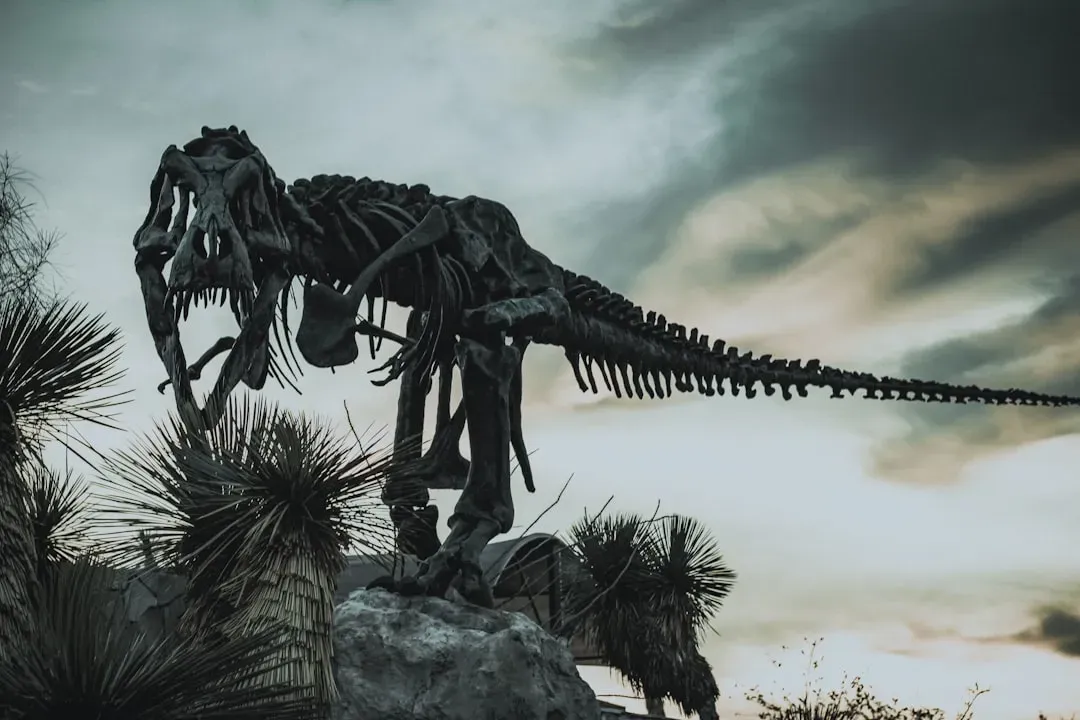
You would not expect a pile of rubble on a university construction site to hide something priceless. Most people would walk straight past it. Fortunately, one geologist had a different kind of eye for rocks – which led to a discovery nobody saw coming on the Amherst campus.
In 2021, a Geology professor was strolling through the Amherst Campus, University of Massachusetts, when a pile of loose rocks on construction rubble caught his eye. Being rock-curious, the professor asked if he could collect some to add to a garden. Later, upon inspecting it with X-ray, he discovered that one of the rocks wasn’t a rock but the fossil of a neotheropod, a large dinosaur species from the Early Jurassic Age.
Neotheropods roamed the earth before the T. Rex and are considered the largest predatory dinosaurs of the early Jurassic period. So in other words, what looked like a garden ornament turned out to be a remnant of one of history’s most fearsome predators. It’s hard to say for sure, but this might be the most dramatic rock collection story in academic history.
A Paris Subway Station
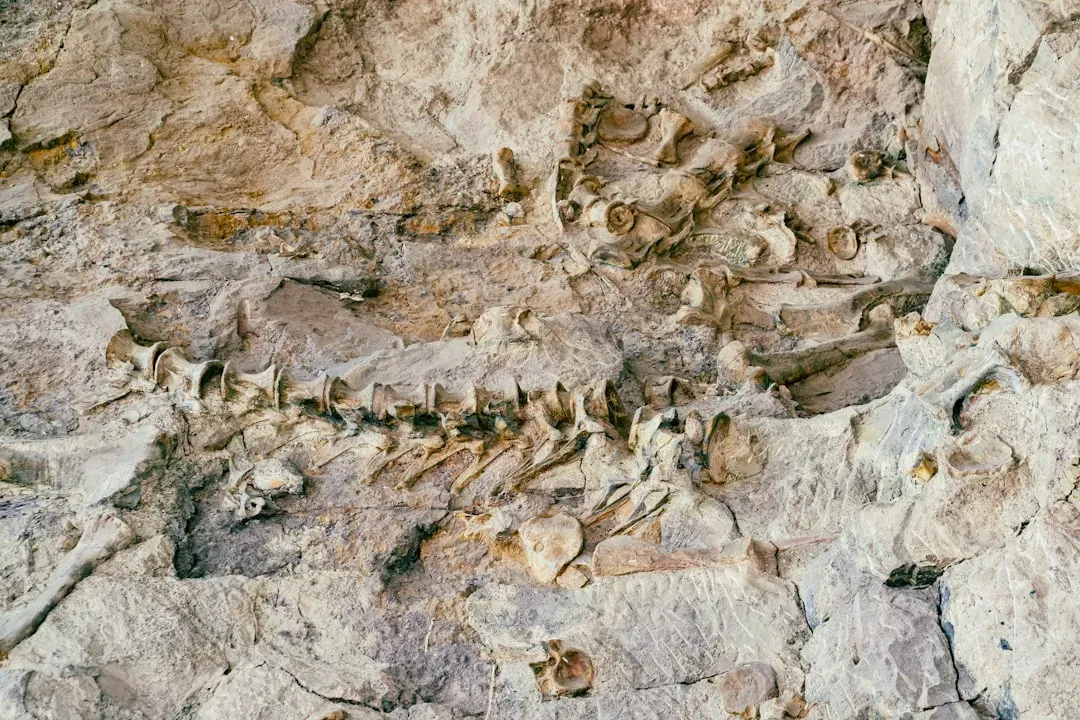
Paris is a city of art, culture, magnificent architecture, and apparently – dinosaurs. While the French capital is famous for many underground things, including its famous catacombs and art-lined metro tunnels, a prehistoric resident found beneath its streets is perhaps the most unexpected surprise of all.
In 1895, workers excavating a subway station in Paris discovered a dinosaur bone embedded in a layer of limestone. Think about what that scene must have looked like. Workers in the middle of what was essentially a major urban infrastructure project, pickaxes in hand, and then – an ancient bone emerging from Parisian limestone.
Cities are built on layers of the past, quite literally, and Paris is no different. The limestone underpinning much of the French capital is packed with biological history. One of the most common types of natural stones used in construction is limestone, which architects know is generally formed of biological remains. Every time you step into a Parisian metro station, you are walking through millions of years of natural history, one tile at a time.
Canada’s Oil Sands – Industrial Mining Territory
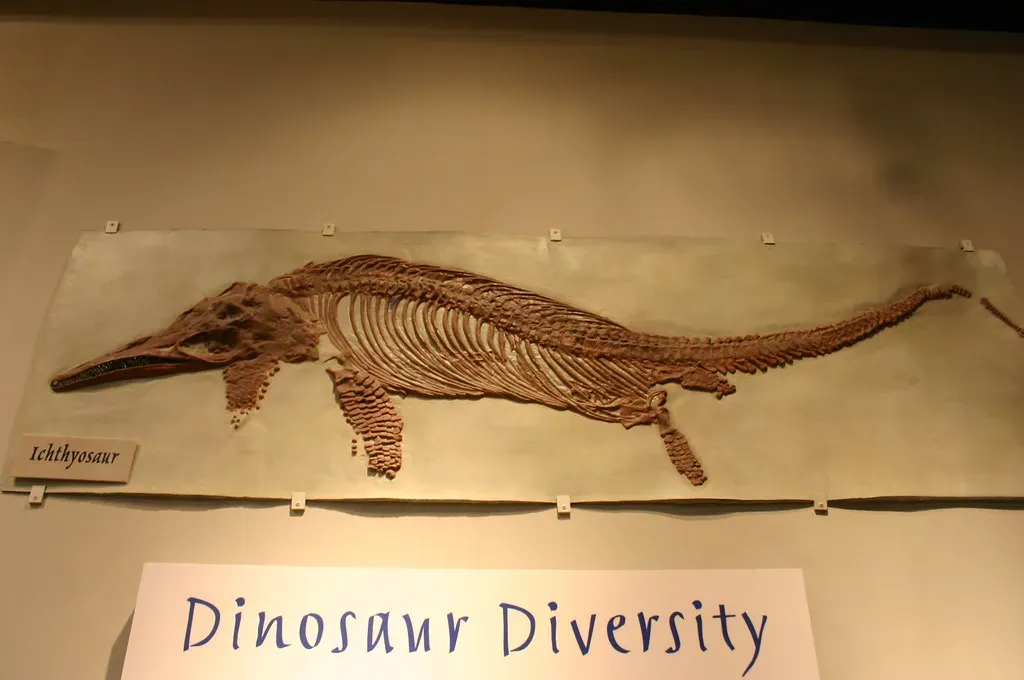
You picture a dinosaur dig and think of desert badlands, not industrial mining machinery grinding through vast open pits. But Canada’s oil sands region, an area typically associated with heavy industry and petroleum extraction, has had a remarkable habit of throwing up prehistoric surprises.
Canada’s oil sands are the third-largest oil reserve in the world, located in an area that was once part of a prehistoric sea. That geological backstory matters enormously. Ancient sea floors and river deltas are exactly the kind of environments where animal remains got buried and preserved over millions of years.
Multiple on Syncrude leases in the region. One found in the year 2000 was 110 million years old and declared to be one of the most complete Cretaceous Ichthyosaurs of its age ever discovered in North America. Industrial workers are not trained paleontologists, yet they are often the ones who notice something is off about the rock they just moved. It takes sharp eyes – and a good dose of curiosity – to stop a massive excavating machine and call a scientist.
Inside the Walls of City Buildings – Washington D.C. and Beyond
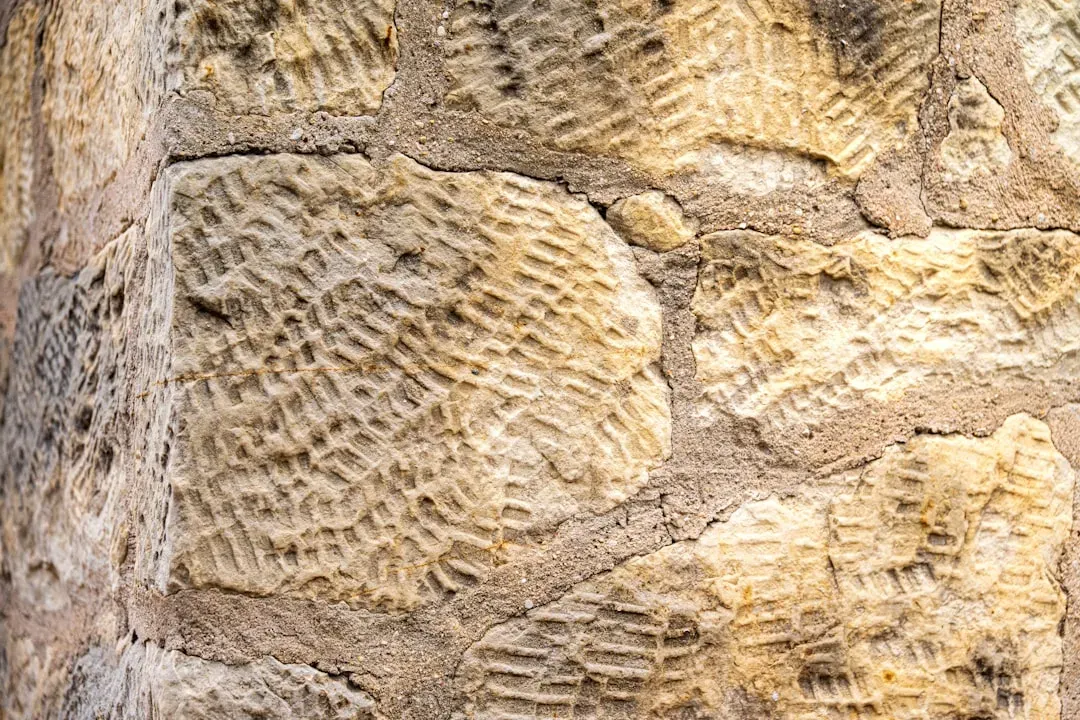
Here is a genuinely bizarre thought. You might have stood inside a government building or a grand civic hall and been closer to a dinosaur fossil than you realized. Not in a display case, not under glass – literally inside the walls around you.
One of the most common types of natural stone used in construction is limestone, which architects know is generally formed of biological remains, even if you often cannot see distinct fossils in a given type of limestone with the unaided eye. Washington D.C., in particular, has earned an almost mythical reputation in this regard among fossil enthusiasts.
Washington is not unique in this regard, and many cities have fossil displays. Many, many cities and towns across the U.S. have buildings with Indiana Limestone, which is a fossil-bearing stone. The next time you walk into an old courthouse, hotel lobby, or historic library, look down at the floor tiles or run your hand along the wall. There is a real possibility that what you are touching contains the fossilized memory of something that lived long before humans ever existed. Once you know what to look for, fossils can be found in numerous places.
Conclusion
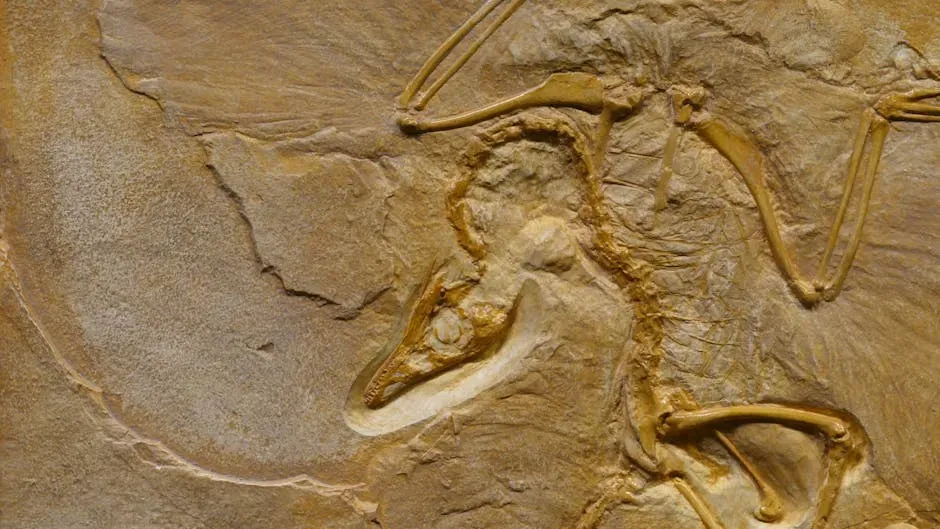
Dinosaur fossils, it turns out, have absolutely no respect for where they are supposed to be found. They show up under baseball stadiums, inside drill cores from the bottom of an oil-rich sea, in the backyards of unsuspecting homeowners, and embedded in the walls of buildings you walk past every day. Dinosaurs roamed the planet millions of years ago, but their fossils always captivate the imagination. While most are found in remote places, some have been discovered in the most unusual of locations.
The truth is, the prehistoric world is not as distant as we like to think. It is literally beneath our feet, in our walls, and hiding in plain sight. Every time construction crews break ground, every time an oil drill bores into the earth, every time someone picks up a rock that just doesn’t look quite right, there is a small but very real chance that the next great discovery is moments away.
So the next time you find yourself absentmindedly kicking at a rock in your garden or glancing down at an old marble floor – you never know what you might be looking at. What location surprised you the most? Drop your thoughts in the comments.