
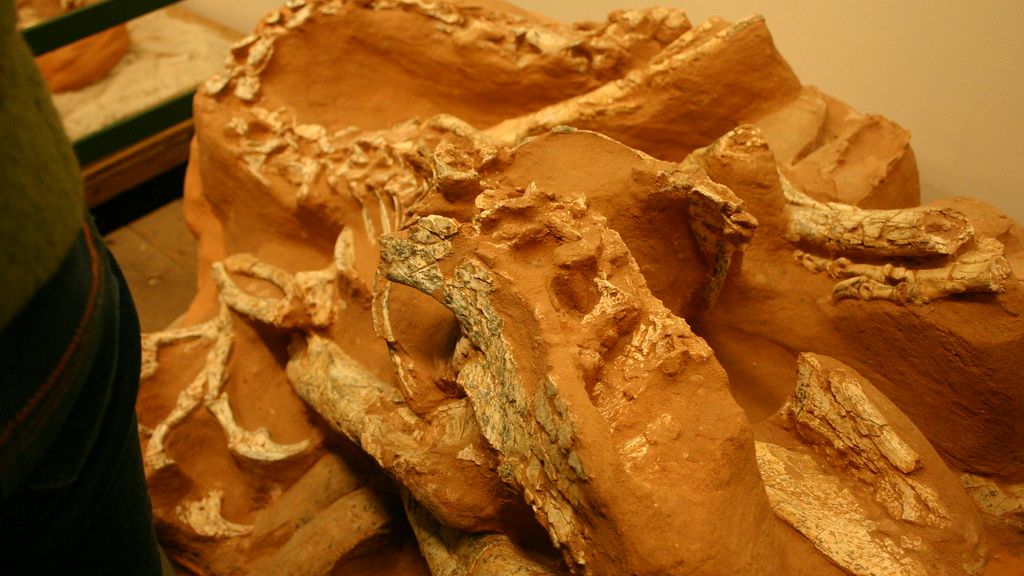
Dinosaurs never really left us. They haunt museums, fuel blockbuster franchises, and somehow keep showing up in the science headlines every single week. You’d think we’d have run out of surprises by now – but the last decade has proven that assumption spectacularly wrong. Some of the most jaw-dropping paleontological revelations in all of history have happened right under our noses, overturning textbooks and forcing scientists to rethink everything from how T. rex lived to how the very first birds learned to fly.
Over the past decade, paleontology has entered a new era of rapid discovery and scientific transformation, with breakthrough fossils unearthed across Asia, South America, North America, and Europe dramatically expanding our understanding of dinosaur evolution, biology, and behavior. What’s most exciting is that the rate of discovery is actually speeding up, not slowing down. If you thought everything worth finding had already been dug up, prepare to be genuinely surprised. Let’s dive in.
1. The Dueling Dinosaurs: Nanotyrannus Was Real – and It Changes Everything We Knew About T. Rex
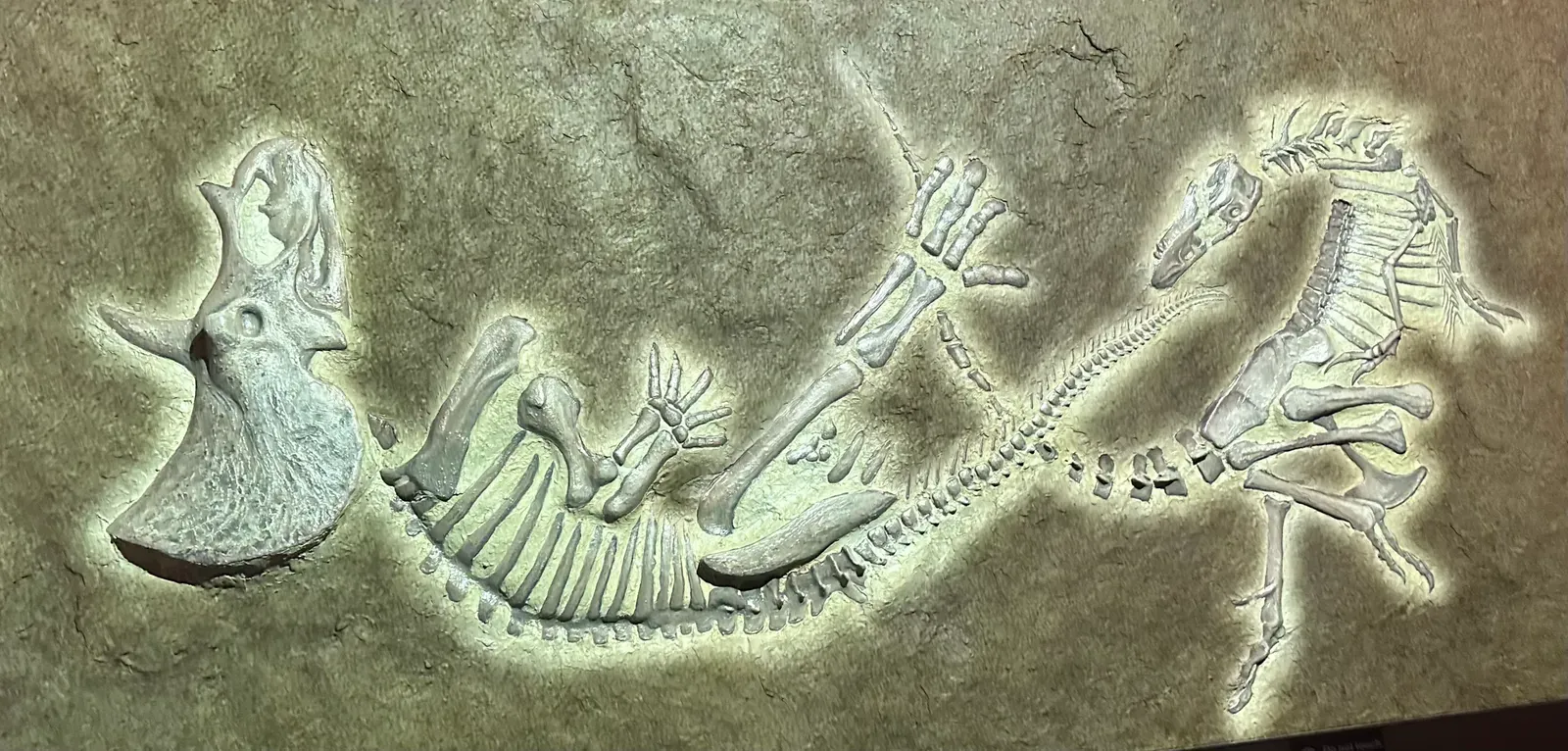
Here’s a fact that should stop you in your tracks: for over thirty years, scientists were unknowingly using the wrong animal to study T. rex’s growth and behavior. That’s not a minor mix-up. That’s decades of research built on a case of mistaken identity. Nanotyrannus is nothing short of a notorious dinosaur – since the predatory creature was first named in 1988, paleontologists argued over whether medium-sized tyrannosaur fossils found in the same rocks as the iconic Tyrannosaurus rex were juvenile T. rex or a unique and distinct predator. In recent years, the bulk of the evidence appeared to favor the juvenile T. rex hypothesis.
Paleontologists in the N.C. Museum of Natural Sciences’ SECU DinoLab – the world’s only paleontology preparation lab regularly open to the public – had been studying the pair of exquisitely preserved, 67-million-year-old specimens called the “Dueling Dinosaurs” after the museum acquired them in 2020. Their first major research finding overturned a widely accepted scientific consensus on tyrannosaurs that had persisted for more than three decades. The skeleton’s fusing spinal sutures and growth rings showed it was fully grown when it died at approximately 20 years of age, with anatomy revealing traits including fewer tail vertebrae, more teeth, larger hands, and different skull nerve and sinus patterns. Together, the studies end a 35-year-long controversy and reveal Nanotyrannus as a slender, agile pursuit predator, built for speed. This discovery completely reframes the idea that T. rex was the lone predator of its time, challenging long-held assumptions about late Cretaceous ecosystem dynamics – and we now know multiple tyrannosaur species coexisted in the last million years before the asteroid impact.
2. The Chicago Archaeopteryx: Finally Answering How the First Bird Took Flight
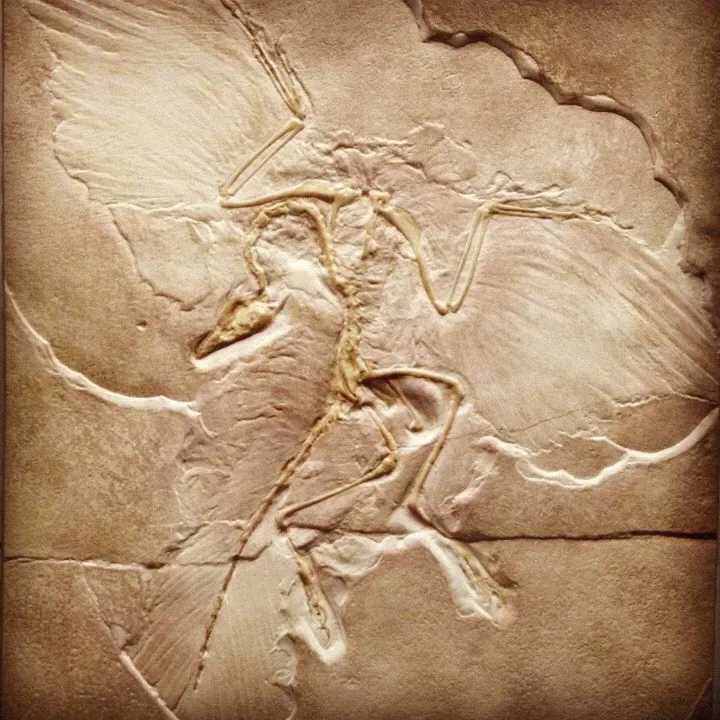
Imagine a fossil so important that scientists spent over 1,300 hours chipping away rock just to see what was inside. That patience paid off in a truly extraordinary way. Dubbed the Chicago Archaeopteryx, this fossil is the 14th known specimen of this iconic Jurassic species. Archaeopteryx lived approximately 150 million years ago, and the Chicago specimen is the smallest one known – only about the size of a pigeon.
After 1,300 hours of meticulous fossil preparation, painstakingly extracting bits of rock to reveal the preserved creature, the team was astonished to find they had acquired an almost perfect specimen: nearly 100 percent complete, uncrushed by postmortem geological pressures, with even the imprints of soft tissues like feathers and skin. The key to Archaeopteryx’s flight turned out to be a set of feathers never before seen in a member of its species: a long set of feathers on the upper arm, called tertials. Elongated scale shapes on its toe pads hinted that Archaeopteryx spent time foraging on the ground, and bones in the roof of its mouth provided clues about the evolution of a skull feature in birds called cranial kinesis – the independent movement of skull bones – which gives birds more flexibility in how they use their beaks. Honestly, finding all of this in one single fossil feels almost unfair to every other prehistoric discovery.
3. The Dinosaur Mummy That Showed Us What a Living Dinosaur Looked Like
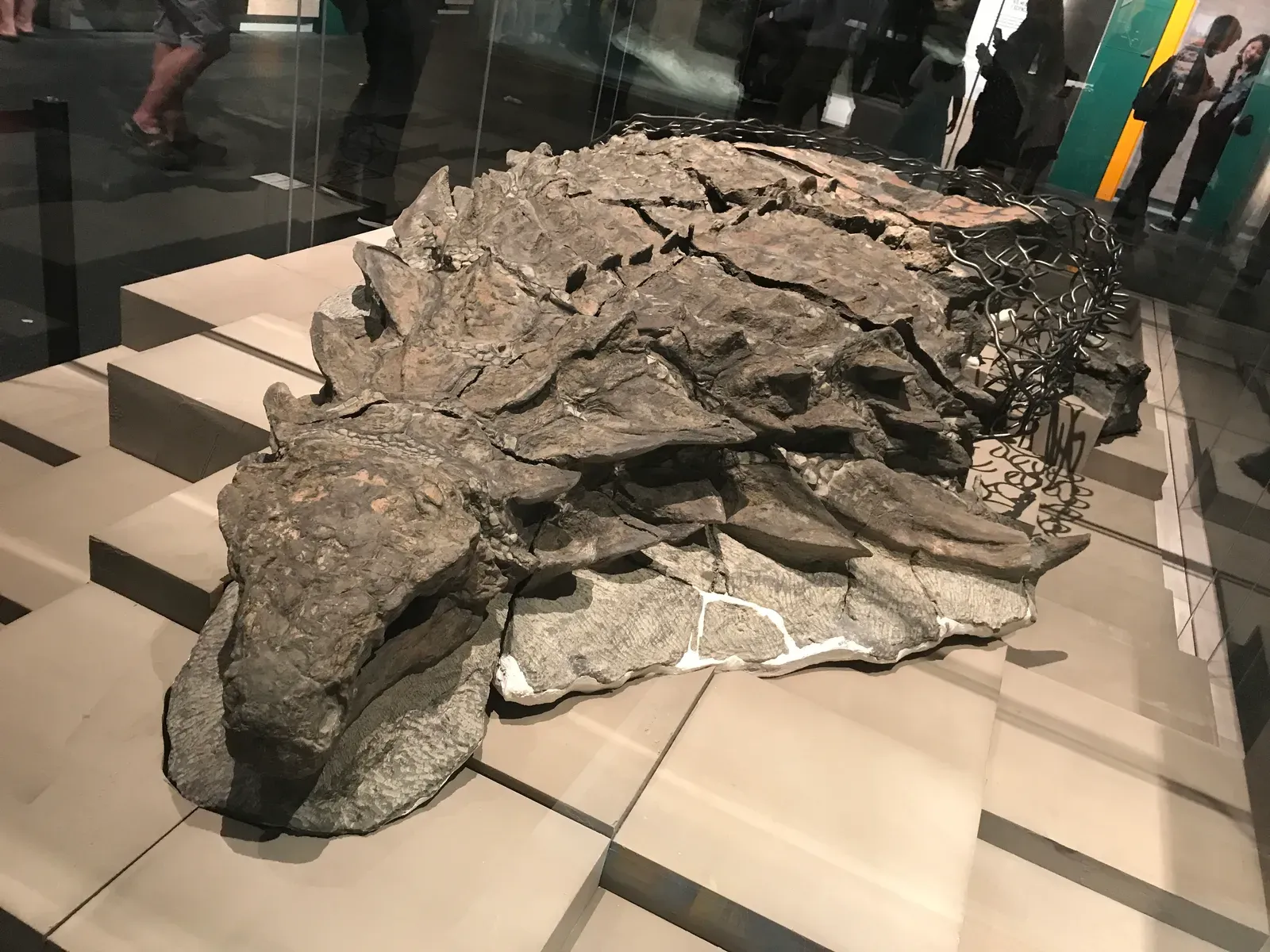
Most dinosaur fossils are just bones. Broken bones at that. So when paleontologists get to study an animal that still has its skin, armor, and even traces of internal organs after 110 million years, you can understand why the scientific community loses its collective mind. In March 2011, a Canadian backhoe operator unearthed what paleontologists now call one of the most extraordinary fossil finds of all time. At a sprawling open-pit oil sands operation near Fort McMurray, Alberta, the machine struck a thick, stone-encased form that turned out to be a nearly complete dinosaur – not just bones, but a three-dimensional specimen with its skin, armor, keratin sheaths, and even pigmentation all still intact after 110 million years underground. Named Borealopelta markmitchelli, the fossil is now considered the best-preserved armored dinosaur ever found.
An analysis of the fossilized skin of Borealopelta markmitchelli revealed that the ancient creature had a reddish-brown coloration and camouflage in the form of countershading – and that despite being the size of a tank, it was still hunted by carnivorous dinosaurs. Think about that for a moment: a one-ton, heavily armored herbivore still felt the need to blend in with its environment. What makes this finding exceptional is not just the preservation but what it implies – a 1,300-kilogram dinosaur evolved to hide. In modern ecosystems, animals of this size rarely face predation and show no need for camouflage. Elephants, rhinos, and bison simply rely on bulk and weaponry. The Cretaceous, it turns out, was even more dangerous than anyone had imagined.
4. Spicomellus: The Punk Rock Dinosaur That Rewrote Ankylosaur Origins
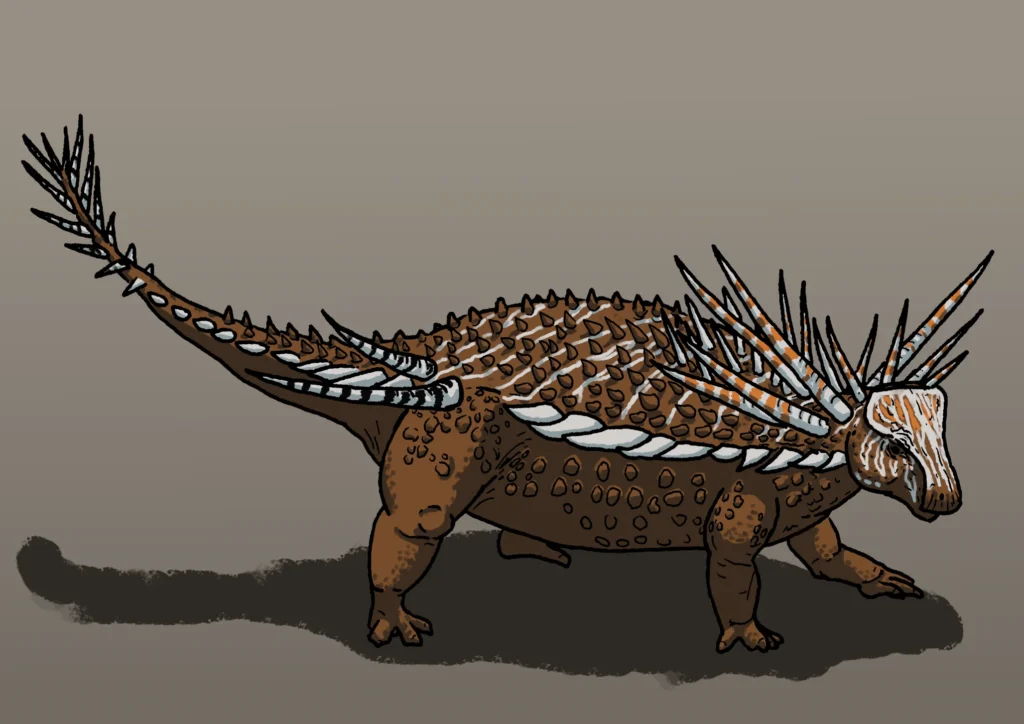
If you had to imagine an ancient armored dinosaur, you’d probably picture something heavy, squat, and defensively built. What you almost certainly wouldn’t picture is something bristling with golf-club-length spines jutting from a bony collar around its neck – a dinosaur that looks like it wandered straight out of a heavy metal album cover. Yet that’s exactly what Spicomellus turned out to be. Spicomellus was initially named in 2021 based on an incomplete rib from 165-million-year-old rocks in Morocco – a rib unlike that in any other animal, alive or extinct, with a series of long spines fused to its surface.
In 2025, a team led by researcher Susie Maidment described a much more complete skeleton that revealed one of the strangest dinosaurs ever discovered. The new fossils show that Spicomellus is the oldest known member of the ankylosaurs, heavily armored, low, squat plant-eaters. Spicomellus is characterized by its bizarre armor, bristling with long spines all over the body, including a bony collar around the neck with spines the length of golf clubs sticking out of it. Dubbed the “punk rock dinosaur” by the BBC, Spicomellus is changing our understanding of ankylosaur evolution while also highlighting the importance of the Moroccan fossil record. It’s hard to say for sure whether the Jurassic landscape looked more like a nature documentary or a fantasy film – but Spicomellus tips the balance firmly toward the latter.
5. Zavacephale: The Oldest Dome-Headed Dinosaur Ever Found
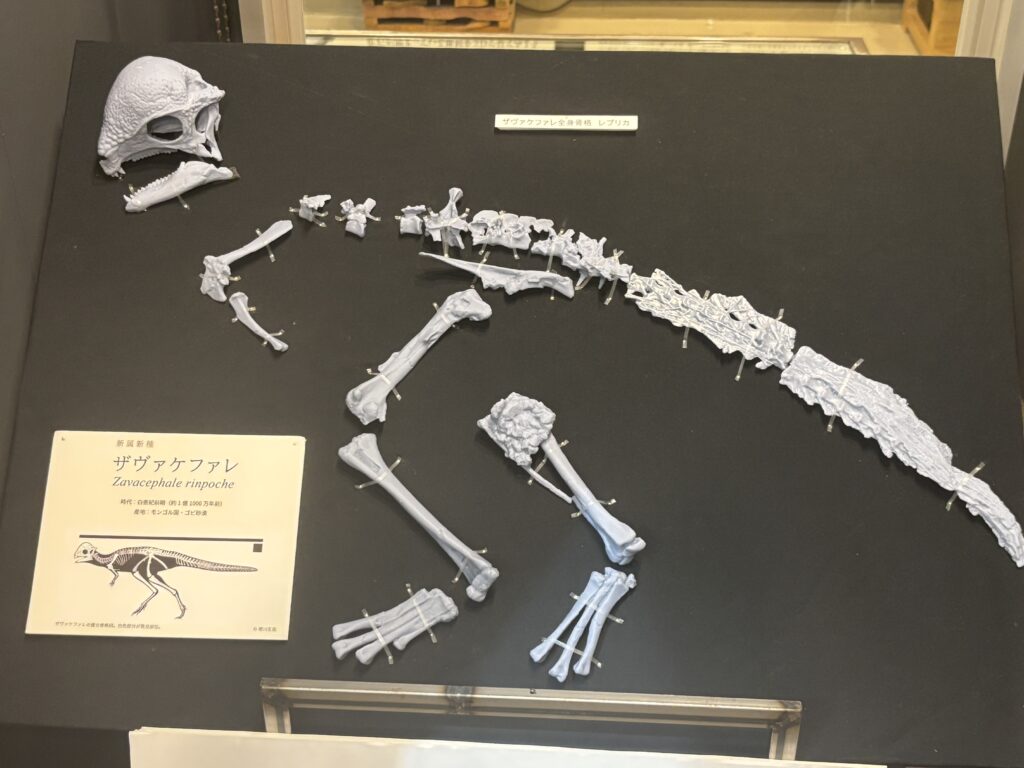
Every now and then, a fossil is so striking that it draws audible gasps even from seasoned professionals who have spent their careers around ancient bones. That’s a rare thing. Scientists aren’t usually prone to dramatic reactions. Some fossils are so exciting that when first shown at academic conferences, they draw audible gasps even from experienced palaeontologists – and Zavacephale is one of these. The stunning skeleton of this one-metre-long plant-eating dinosaur was discovered in 110-million-year-old rocks in the Gobi Desert of Mongolia.
Scientists announced in September 2025 that they had unearthed the earliest known pachycephalosaur in the Gobi Desert in Mongolia and named it Zavacephale rinpoche. Pachycephalosaurs are the dome-headed dinosaurs that many people remember from films – animals that used their reinforced skulls the way rams use their horns. Finding the oldest member of this group pushes back the origins of that remarkable skull structure by a significant margin and opens up entirely new questions about how and why that dramatic head-butting behavior evolved in the first place. It’s the kind of discovery that makes you realize how much of the family tree still has blank branches waiting to be filled.
6. Ahvaytum bahndooiveche: The Fossil That Challenged the Origin Story of All Dinosaurs
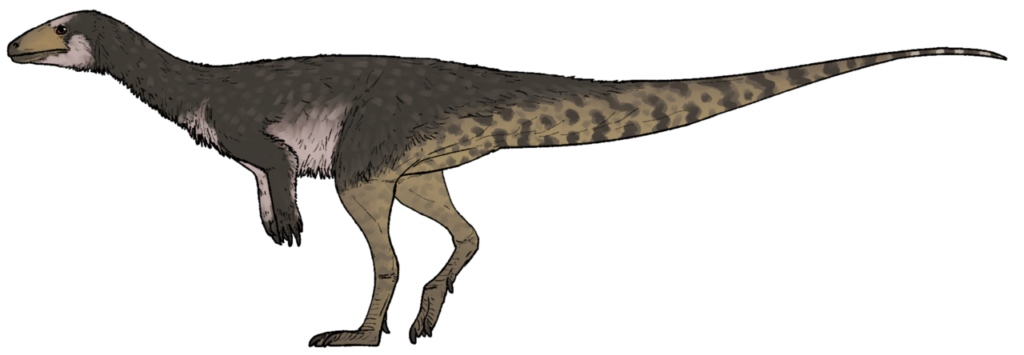
You might assume that by now, scientists have a pretty solid grip on where dinosaurs first appeared. It turns out, that assumption needed some serious revision. The leading hypothesis for years was that dinosaurs originated in the high-latitude southern hemisphere and only later spread northward. Paleontologists in the United States uncovered the fossilized remains of a new species of sauropodomorph dinosaur that lived in the northern hemisphere during the Carnian age of the Late Triassic epoch, around 230 million years ago.
Until this discovery, the origin of dinosaurs was thought to be deeply rooted in the high-latitude southern hemisphere. Gondwanan dinosaur faunas and the oldest known dinosaur occurrence in the northern hemisphere were separated by 6 to 10 million years. However, the newly-described Laurasian species lived at the same time as the oldest known southern dinosaurs. Named Ahvaytum bahndooiveche, this sauropodomorph is the oldest known Laurasian dinosaur. The presence of a 230-million-year-old, low-latitude, early sauropodomorph from the northern hemisphere challenges the hypothesis of a delayed dinosaurian dispersal out of high-latitude Gondwana. It’s a bit like finding out that the birthplace of an entire civilization was in entirely the wrong country. Everything shifts when you pull on a thread like this one.
7. The Phoenix Trackway: A 40-Second Walk Frozen in Stone for 120 Million Years
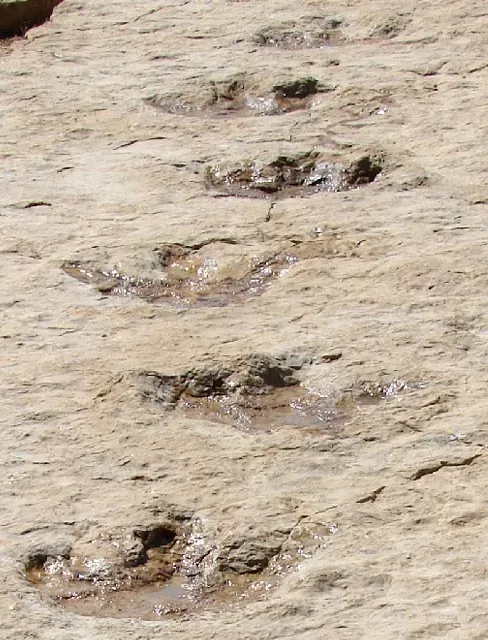
Bones tell you an enormous amount about what a dinosaur looked like. They tell you far less about how it actually moved, behaved, or interacted with its environment moment to moment. That’s where trackways come in – and few are as spectacular as the one that local folklore attributed to a mythical phoenix for generations. Dr. Anthony Romilio from UQ’s Dinosaur Lab analyzed and reconstructed the Phoenix Trackway, the longest documented set of footprints made by a predator walking on two legs in East Asia.
A dinosaur’s 40-second journey more than 120 million years ago has been brought back to life by a research team using advanced digital modelling techniques. This sequence of 80 consecutive footprints extends for 70 metres in Sichuan Province, China, and is a fleeting moment frozen in stone. The footprints show this dinosaur moved at a steady 5.3 km/h – equivalent to a brisk human walk – and then briefly accelerated into a light trot before returning to its regular pace. This wasn’t just a dinosaur wandering aimlessly; it was moving with purpose in a nearly perfectly straight line. Local folklore once attributed the footprints to a mythical phoenix, but scientific analysis reveals it was an ancient predator, similar in size to the feathered Yutyrannus which lived in northeastern China in the early Cretaceous period. The idea that a single ordinary stroll taken 120 million years ago survived long enough for us to reconstruct it step by step is one of the most quietly astonishing things in all of science.
Conclusion: The Golden Age of Dinosaur Science Is Happening Right Now
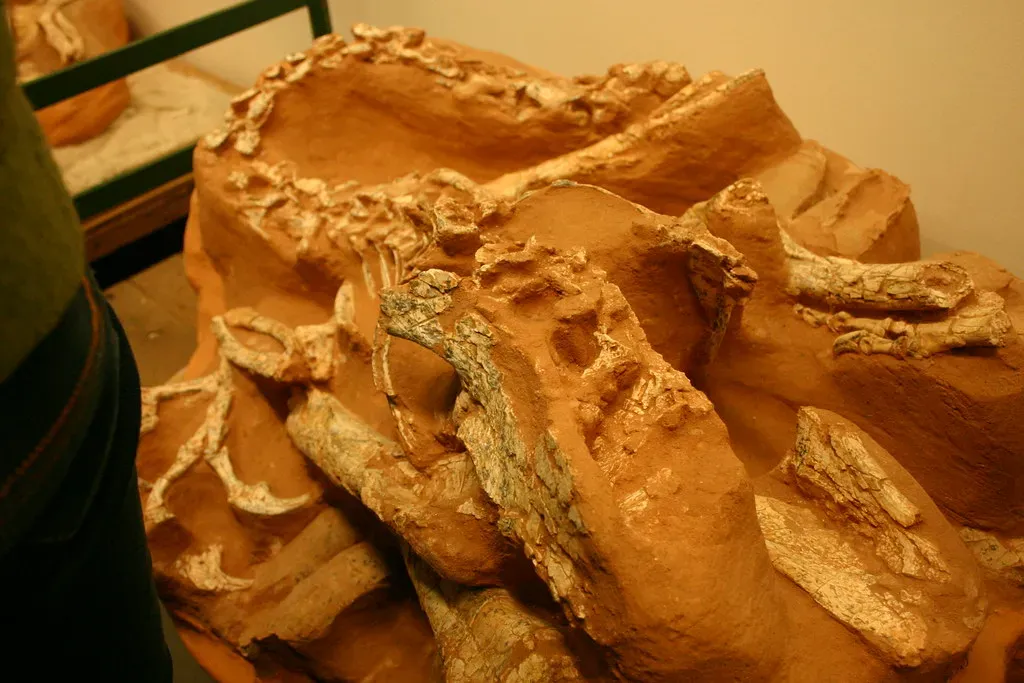
If you walked away from any of these discoveries thinking paleontology is a discipline that wraps things up neatly, think again. Around 1,400 dinosaur species are now known from more than 90 countries, with the rate of discovery accelerating in the last two decades – and 2025 alone saw the discovery of 44 new dinosaur species, nearly one a week. That pace isn’t slowing down.
Dinosaurs may be long extinct, but recent years have made it abundantly clear that they’re anything but settled science. New fossils, reanalyses of famous specimens, and the use of increasingly sophisticated tools have continued to upend what we thought we knew about how these animals lived. Every new fossil that comes out of the ground has the potential to rewrite a chapter – or several chapters – of what we understand about life on this planet. The real thrill of paleontology isn’t just the ancient past. It’s the fact that the next world-changing discovery could already be sitting in the ground somewhere, waiting for exactly the right moment to be found. What do you think the next decade will uncover? Tell us in the comments!