Scientists continue to uncover remarkable new frog species even as amphibians confront their greatest crisis in modern history. March 20 brings World Frog Day, an annual event dedicated to highlighting the plight of these ancient creatures and urging global action. With roughly 150 new amphibian species described each year, the juxtaposition of discovery and decline underscores the urgency of conservation efforts.
Frogs’ Ancient Survival Story Meets Modern Peril
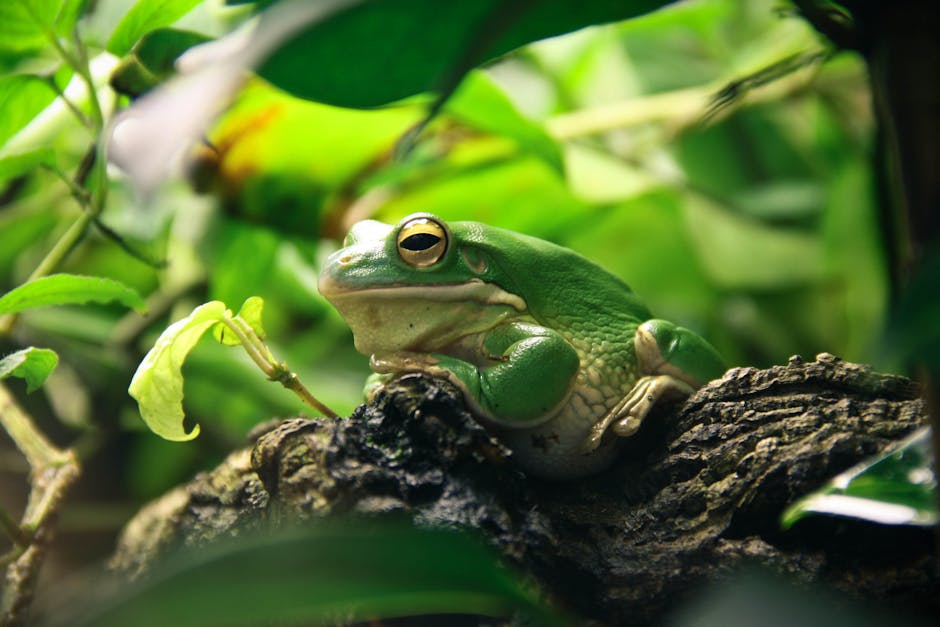
Frogs’ Ancient Survival Story Meets Modern Peril (Image Credits: Pexels)
Proto-frogs first appeared around 250 million years ago during the Early Triassic period, making amphibians some of Earth’s oldest land vertebrates. These resilient animals endured mass extinctions that wiped out dinosaurs, adapting through diverse habitats from rainforests to deserts. Today, however, their story takes a darker turn. Conservation data reveals that 40.7% of amphibian species – over 2,800 in total – now qualify as threatened worldwide.
The International Union for Conservation of Nature tracks this decline closely. Frogs and toads serve vital ecological roles, controlling insect populations and indicating environmental health. Their permeable skin and dual life stages leave them vulnerable to changes in water quality and temperature. Recent assessments confirm the trend persists, with no signs of reversal.
Exciting New Finds in a Race Against Time
Researchers described numerous amphibian species in recent years, often from remote or fragmented habitats. In early 2026, a Jurassic-era amphibian with a projectile tongue earned the name Nabia civiscientrix, thanks to citizen scientists. Peruvian scientists identified Oreobates shunkusacha in the Amazon’s San Martín region, issuing immediate warnings about its vulnerability.
Brazil’s cloud forests revealed a tiny orange frog no larger than a pencil eraser, while remote Australian islands yielded two new frog species alongside a gecko. Peru’s Andes also hosted three new terrestrial-breeding frogs from the Pristimantis genus. These discoveries highlight biodiversity hotspots but also fragile ecosystems.
- Nabia civiscientrix: Fossil species from Jurassic deposits, named for community involvement.
- Oreobates shunkusacha: Amazon frog prompting expert conservation alerts.
- Tiny orange frog: Brazil’s mountain forests, emphasizing miniature biodiversity.
- Pristimantis species: Three new highland frogs in Peru’s Cordillera de Huancabamba.
- Dauan Island frogs: Remote Australian discoveries amid isolation.
Key Threats Fueling the Amphibian Crisis
Habitat destruction tops the list of dangers, as deforestation and urbanization fragment vital wetlands. Climate change alters rainfall patterns and raises temperatures, disrupting breeding cycles. The chytrid fungus, a deadly pathogen, has decimated populations across continents since the 1980s.
Pollution from pesticides and plastics further compounds the issue, seeping into the amphibians’ sensitive skins. Overcollection for pets and traditional medicine adds pressure in some regions. A 2023 study emphasized that these factors drive ongoing declines, with emerging threats like invasive species accelerating losses.
| Threat | Impact |
|---|---|
| Habitat Loss | Eliminates breeding sites |
| Climate Change | Disrupts reproduction |
| Chytrid Fungus | Causes mass die-offs |
| Pollution | Toxifies water and skin |
World Frog Day Ignites Global Action
Organized by SAVE THE FROGS!, World Frog Day on March 20 fosters education and advocacy. Zoos and conservation groups host events, from talks to habitat restoration workshops. In 2026, aquariums like Newport Aquarium plan frog-themed activities to engage visitors.
The day encourages simple steps like reducing pesticide use and supporting protected areas. AmphibiaWeb and IUCN resources track progress, urging citizen science participation. Past celebrations have boosted funding and policy changes, proving collective efforts matter.
Key Takeaways
- 40.7% of amphibians face extinction risk, the highest among vertebrates.[2]
- Annual discoveries of ~150 species often reveal threatened populations immediately.
- World Frog Day calls for habitat protection and disease mitigation worldwide.
Frogs remind us of nature’s fragility and resilience, having outlasted epochs yet now needing human help. As March 20 arrives, the call to protect these vital creatures grows louder. What steps will you take to support amphibian conservation? Tell us in the comments.