
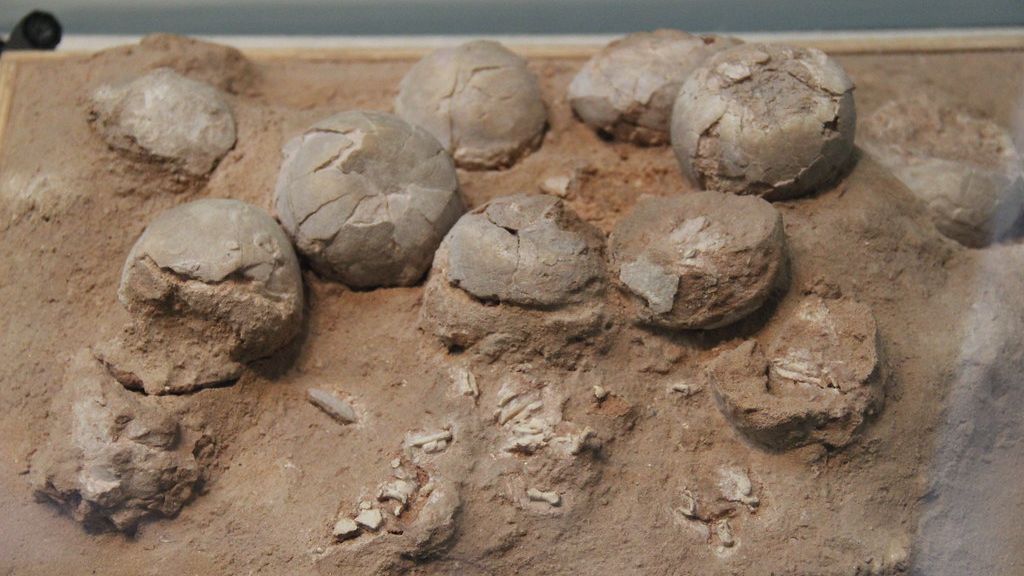
Dinosaurs dominated our planet for well over 150 million years, and yet for the longest time, one of the most basic things about them remained a complete mystery. How did they reproduce? What did their eggs actually look like? Were they caring parents or ruthless abandoners? Slowly but surely, science has been cracking open those answers, one fossilized shell fragment at a time.
The world of dinosaur eggs is stranger, more colorful, and far more surprising than most people imagine. From eggs that sat quietly undisturbed for 85 million years to shells that were once vivid shades of blue-green, the story of prehistoric reproduction is enough to stop you in your tracks. So let’s dive in.
1. Not All Dinosaurs Laid Hard-Shelled Eggs
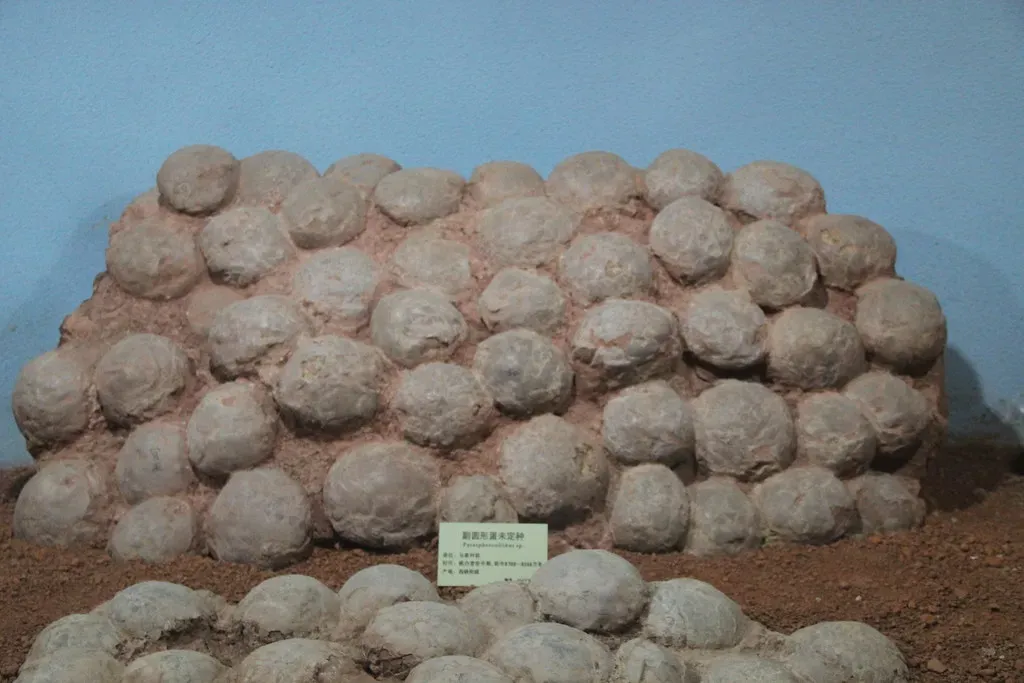
Here’s the thing most people get completely wrong. For over a century, scientists assumed all dinosaurs, without exception, produced hard-shelled eggs. It made logical sense, since their closest living relatives, birds and crocodilians, both lay hard eggs. That assumption felt rock-solid, until 2020 blew it apart entirely.
Molecular analyses of newly discovered, embryo-bearing ornithischian and sauropod dinosaur eggs suggest that the ancestral dinosaur egg was soft-shelled, and that hard-shelled eggs evolved independently at least three times in the major dinosaur lineages. Think of it like a kind of evolutionary convergence, where completely separate branches of the dinosaur family tree each arrived at hard shells on their own.
Soft-shelled eggs are more sensitive to the environment, because they lose moisture easily in dry conditions. Parents could not sit directly on top of them without risking a crushed shell. Given these limitations, some dinosaurs like Protoceratops likely buried their eggs in moist sediment and left them to be incubated by external heat sources such as decaying plants or sunlight. It’s a detail that completely rewrites our mental image of the prehistoric nursery.
2. Dinosaur Eggs Come in Surprising Shapes and Sizes
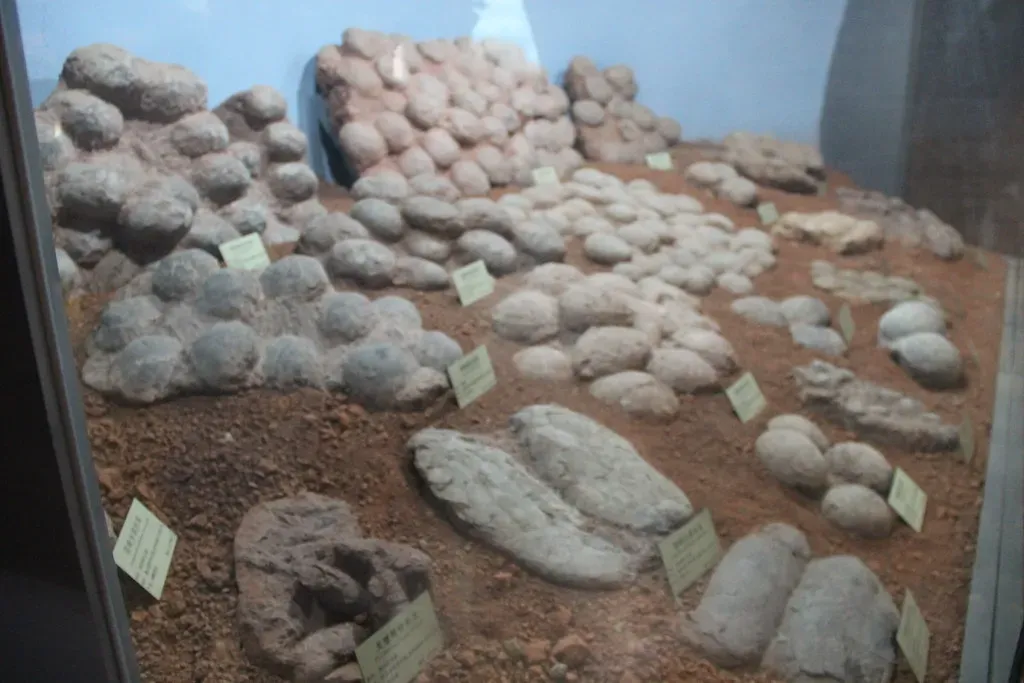
Dinosaur eggs vary greatly in size and shape, but even the largest non-avian dinosaur eggs are smaller than the largest known bird eggs. Dinosaur eggs range in shape from spherical to highly elongated, with some specimens three times longer than they are wide. Some elongated eggs are symmetrical, whereas others have one rounded end and one pointed end, similar to bird eggs. Most elongated eggs were laid by theropods and have an avian-like eggshell, whereas the spherical eggs typically represent non-theropod dinosaurs.
Honestly, it’s a bit mind-bending. You would expect the giants of the ancient world, creatures that dwarfed modern elephants, to have laid eggs the size of beach balls. There isn’t always a clear connection between the size of the dinosaurs and the size of their eggs. The theropods from the oogenus Macroelongatoolithus laid the largest dinosaur eggs ever discovered, which are around 24 inches in length. That’s still not enormous by comparison to the creatures themselves, which is both humbling and strangely fascinating.
3. Some Dinosaur Eggs Were Colorful
You might picture dinosaur eggs as plain, beige, unremarkable oval objects. The science says otherwise. Modern birds inherited their knack for vibrant eggshells from their dinosaur ancestors, which first gained the trait more than 145 million years ago. That’s a lineage of colorful eggs stretching back to a time when the earliest feathered dinosaurs were just getting started.
Researchers found traces of organic compounds called protoporphyrin and biliverdin inside a Cretaceous dinosaur eggshell. These compounds are important for the coloration of eggshells, and by comparing the signatures to those of modern bird eggs, researchers were able to determine that the eggs of a beaked, feathery dinosaur called an oviraptorid were blue-green in color. That matches up with details of how the eggs were placed and preserved, hinting that the eggs of these dinosaurs were only partially covered in the nest. The color was an important clue to the way these dinosaurs nested and raised their young. Color, it turns out, was not decoration. It was survival strategy.
4. Dinosaur Eggs Breathe Through Thousands of Tiny Pores
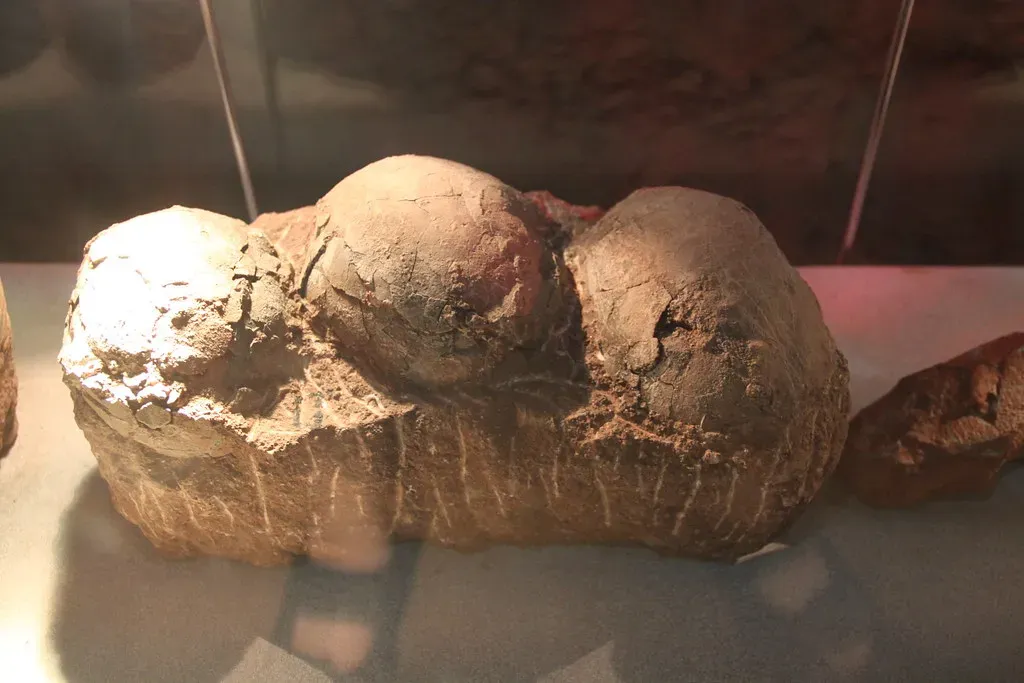
Every embryo needs oxygen, and long before baby lungs were an option, evolution came up with an elegant solution. In all eggs, the embryo must breathe. In egg-laying amniotes including dinosaurs, pore canals cutting through the eggshell allow gas exchange between the embryo and the outside world. Dinosaur eggshells exhibit a lot of diversity in pore size, density, and shape. It is essentially a built-in ventilation system, engineered over millions of years.
The density and width of the pores, combined with the eggshell’s thickness, can be used to predict the gas conductance of a dinosaur’s egg. This can provide both information about nesting behavior and about the climate, since eggs buried in sediment have higher rates of gas conductance than those laid in the open, and eggs laid in arid environments have lower gas conductance to prevent water loss. Scientists can essentially read the climate of the ancient world by studying the pores in a tiny shard of eggshell. That is remarkable.
5. Hatching Took Far Longer Than You Would Expect
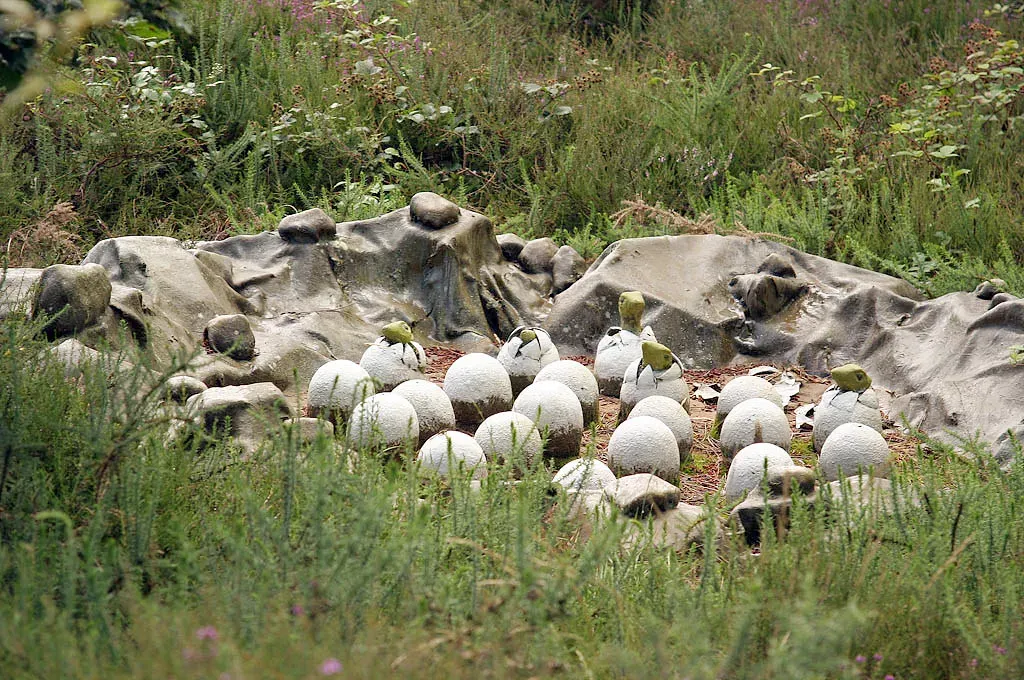
Most people assume dinosaur eggs hatched quickly, perhaps the way a chicken egg does in three weeks. The reality is dramatically different. Dinosaur eggs took between three and six months to hatch, twice as long as predicted from bird eggs of similar size. Imagine waiting nearly half a year for your offspring to emerge, all while guarding a vulnerable nest in a world full of predators.
Nesting is one of the most perilous times for egg-laying animals, as predators can steal eggs, floods or drought can destroy them, and the parents may suffer from hunger or exposure to predators as they guard the eggs. Longer incubation times can be a particular disadvantage in the wake of a cataclysmic event such as the asteroid that struck Earth at the end of the Cretaceous period 66 million years ago. Some researchers believe this extended hatching period played a real role in why non-avian dinosaurs ultimately could not survive the mass extinction event that birds and mammals managed to outlast.
6. Some Dinosaurs Were Remarkably Devoted Parents
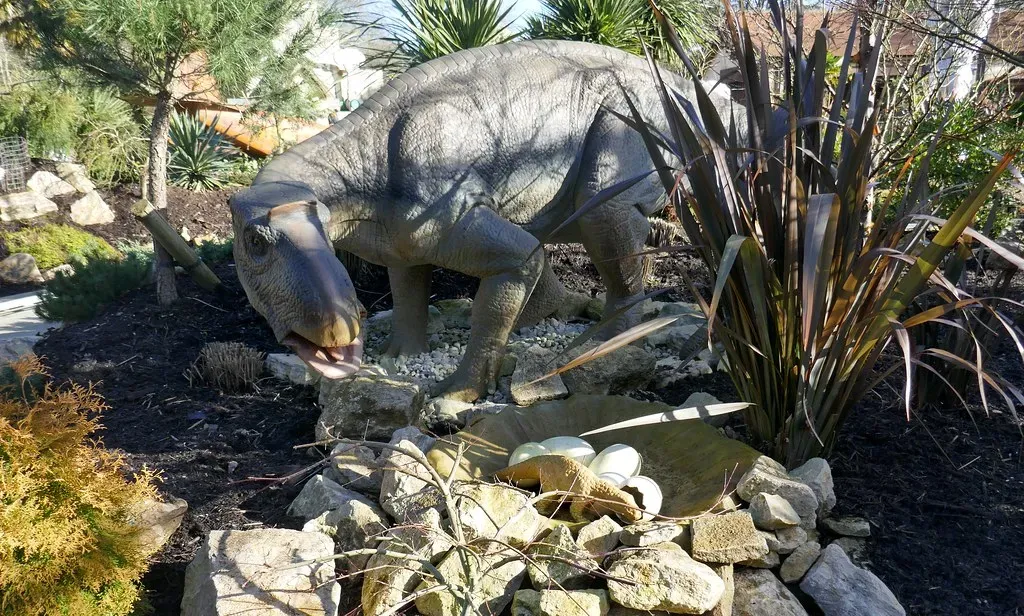
The old image of dinosaurs as cold, indifferent reptiles dropping eggs in the dirt and walking away is crumbling fast. The discovery of nesting colonies of the hadrosaur Maiasaura in Montana earned it the name “good mother lizard.” Scientists found nests packed closely together, suggesting social nesting. More importantly, the fossilized hatchlings found in the nests had poorly developed leg joints, meaning they couldn’t walk right after hatching. This implies the parents had to bring food to the nest and protect their helpless young for a period of time, a clear sign of extended parental care.
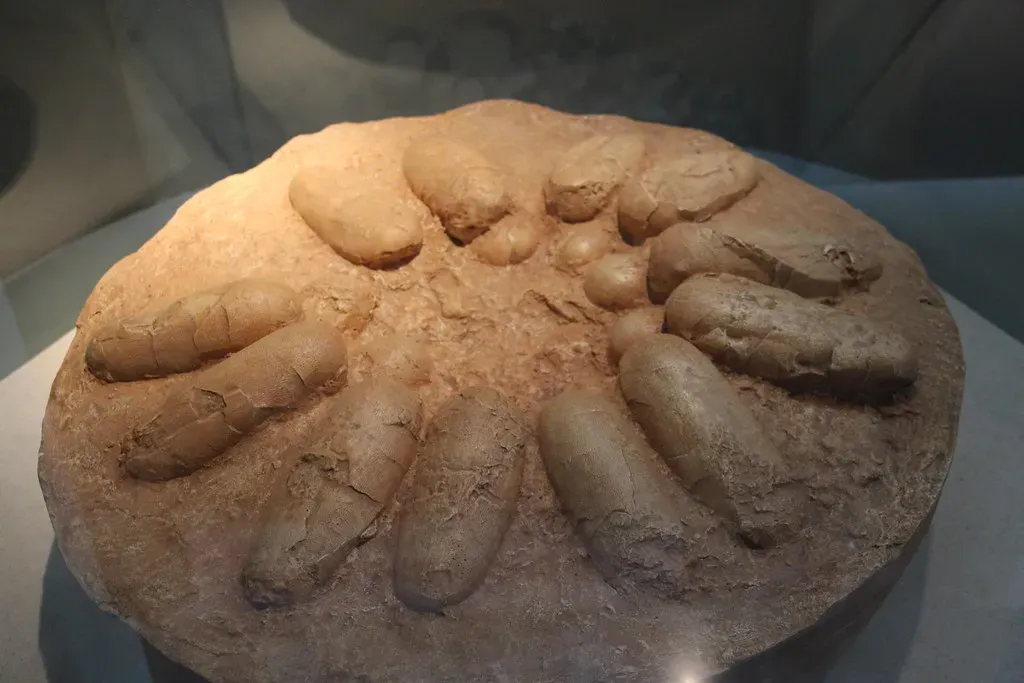
The spectacular nesting Citipati fossil provides some of the most remarkable evidence of how these dinosaurs incubated their eggs. The large adult skeleton is preserved at the center of a ring of eggs, with its arms wrapped around the precious clutch. This Citipati parent was shielding the eggs when it perished in a sandstorm. There is something genuinely moving about a parent dinosaur frozen in time, still protecting its young at the moment of death.
7. The Oviraptor Was Wrongly Accused of Egg Theft for 70 Years
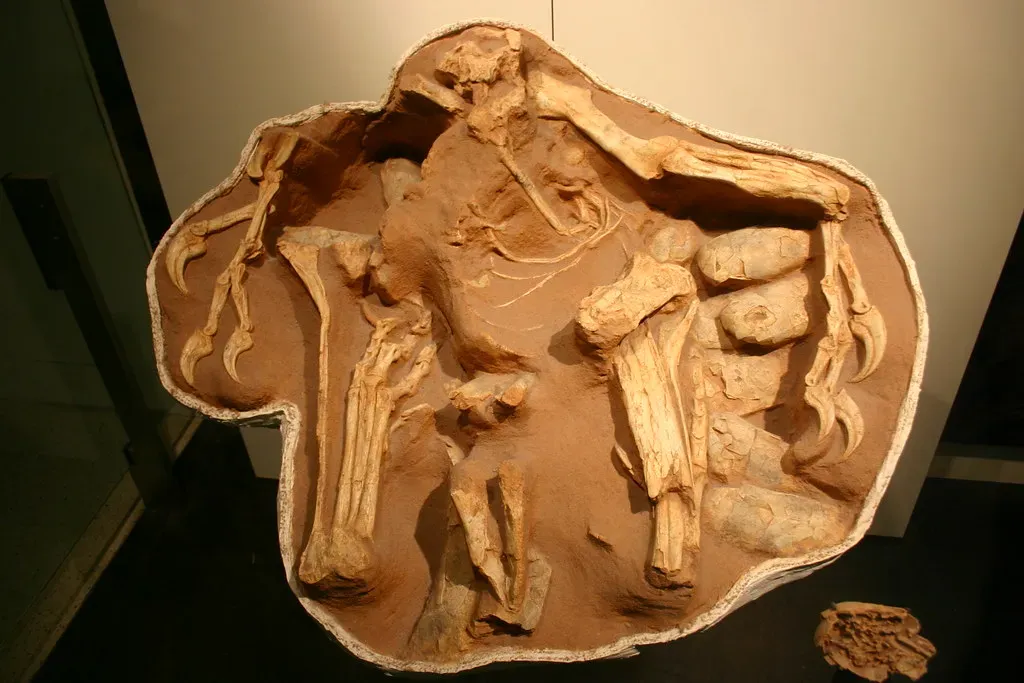
Few stories in paleontology are more dramatic, or more embarrassing in hindsight, than the tale of the Oviraptor. When a skeleton of an unusual beaked theropod dinosaur was found next to one nest, explorers assumed that it had died pilfering Protoceratops eggs. This unusual dinosaur was dubbed Oviraptor, meaning “egg thief.” For the next 70 years, Oviraptor stood falsely accused of stealing eggs.
Oviraptor, whose name is derived from the Latin for “egg thieves,” was first discovered in the 1920s in association with eggs that were thought to belong to the small ceratopsian dinosaur Protoceratops. Based on this find, scientists thought that Oviraptor may have stolen and eaten other dinosaurs’ eggs. It has now been confirmed that the eggs actually belonged to Oviraptor itself. There is no other evidence that it stole eggs. In fact, oviraptorids show substantial evidence of putting their lives on the line for their young. Let’s be real, that is a spectacular vindication after seven decades of unfair reputation.
8. Dinosaur Eggs Have Been Found on Almost Every Continent
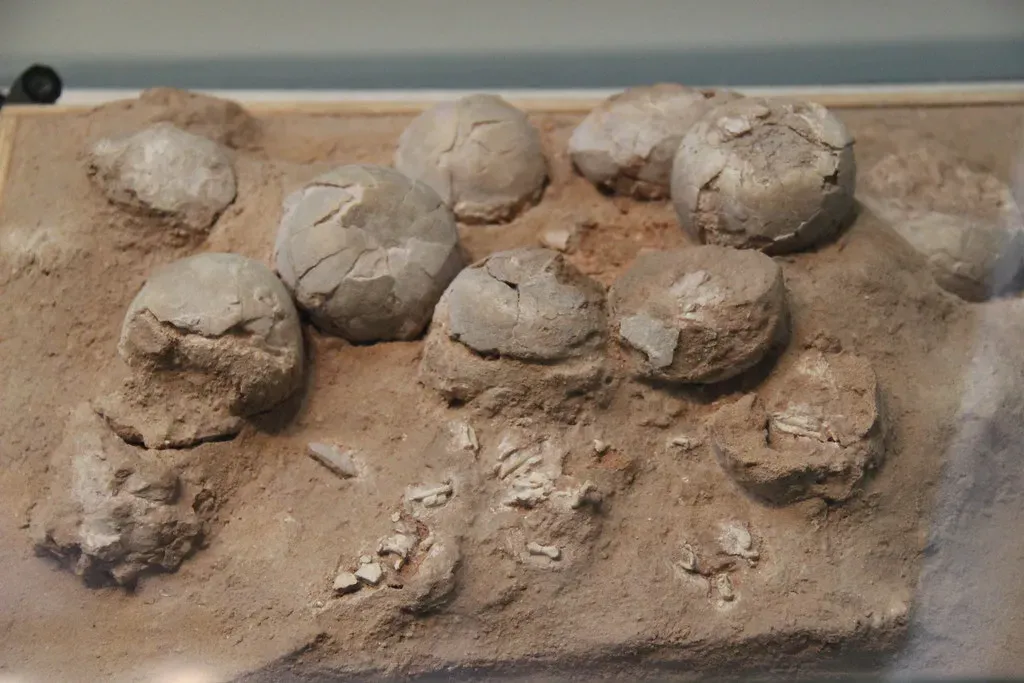
Until the 1980s, discoveries of fossilized eggs and bones of young dinosaurs were extremely rare, but dinosaur eggs have now been discovered on several continents, and fossils of hatchlings, juveniles, and adults have been found for most major groups. The global spread of these discoveries tells us that dinosaurs were reproducing across nearly the entire prehistoric world, from what is now Argentina to China.
While most dinosaur eggs have been found in North America, Africa, and Asia, they have also been discovered in South America, Australia, and even Europe. There are now more than 1,000 known dinosaur egg sites around the world. Among the most extraordinary is China’s Qinglongshan site, where more than 3,000 fossilized eggs are spread across three sites, essentially a prehistoric nursery on a massive scale. The sheer number is staggering.
9. Scientists Can Now Directly Date Dinosaur Eggs With Laser Precision
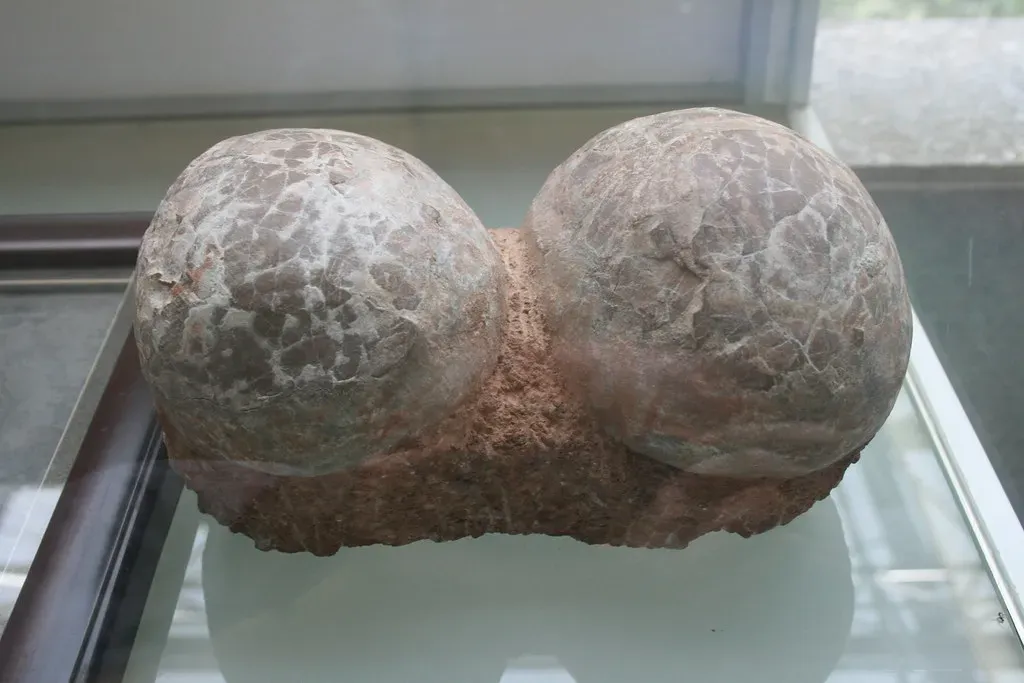
For most of paleontological history, dating a dinosaur egg meant dating the rocks surrounding it and simply hoping the egg was the same age. That approach carried obvious uncertainty. Dating dinosaur eggs is difficult, as available methods are limited and prone to errors because measurement proxies such as volcanic rocks or crystals may have changed between egg laying and dating attempts. Now, in a first for paleontology, researchers used a new method to date dinosaur eggs by firing lasers at eggshell fragments. This way, eggs in central China have been dated to the late Cretaceous, making them about 85 million years old.
Researchers fired a micro-laser at eggshell samples, vaporizing carbonate minerals into aerosol. This was analyzed by a mass spectrometer to count uranium and lead atoms. Since uranium decays into lead at a fixed rate, scientists were able to calculate the age by measuring accumulated lead, described as “an atomic clock for fossils.” It’s a technique that will allow paleontologists to determine more accurate dates for fossil sites with preserved eggshell, which is essential to working out which dinosaur species lived together and how dinosaurs evolved over time. This is genuinely one of the most exciting advances in the field right now.
10. Egg Fossils Can Reveal What the Ancient Climate Was Like
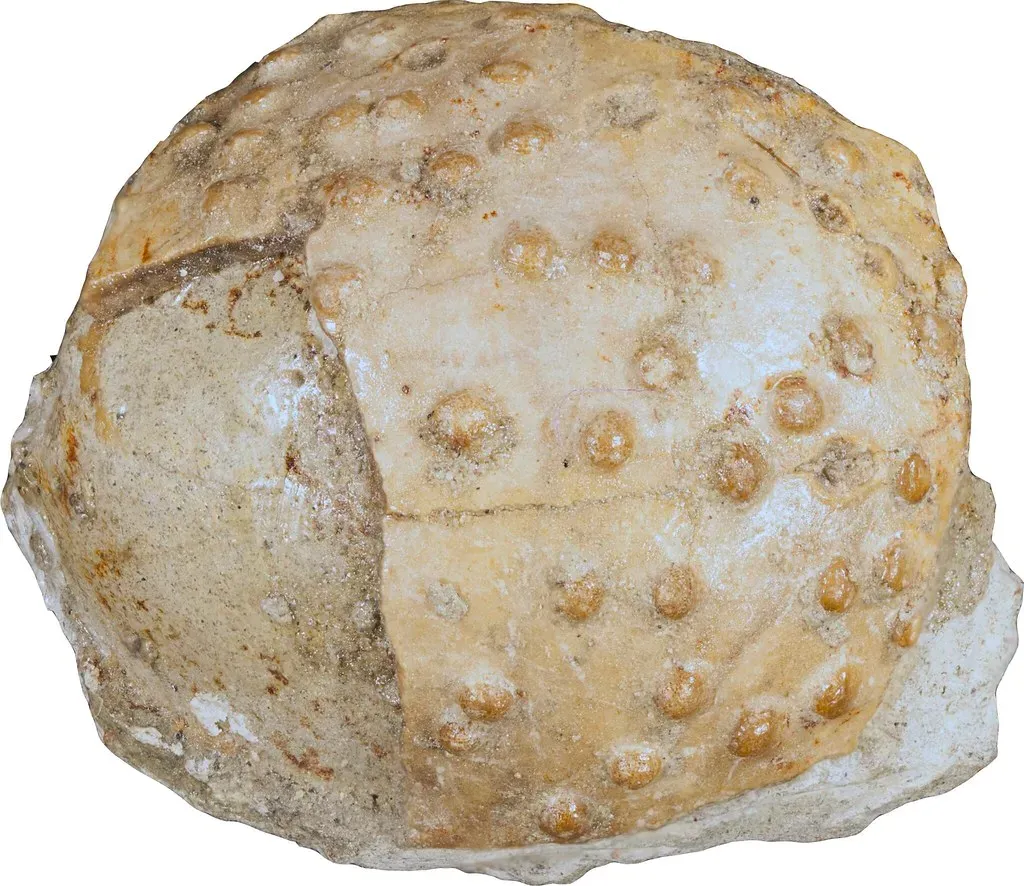
It might sound incredible, but a fragment of fossilized eggshell can tell researchers about temperature, rainfall, and atmospheric conditions that existed tens of millions of years ago. By studying those fossils, researchers can open a window to the climate during the Cretaceous, a time when the Earth was rocked by volcanic activity, drops in oceanic oxygen, and mass extinction. The egg, in this sense, becomes a tiny archive of an entire lost world.
Global cooling had started several million years before the laying of some of the best-studied eggs, in the Turonian epoch. By the time they were laid, temperatures had declined significantly. The transition from a warm to a cooler climate was likely a factor in dinosaurs’ diminishing diversity and may have affected how many eggs were laid by how many species. Dinosaur eggs “provide critical insights into paleoenvironments, climate, and biotic evolution,” meaning every fossilized shell fragment is simultaneously a birth record and a climate report.
Conclusion
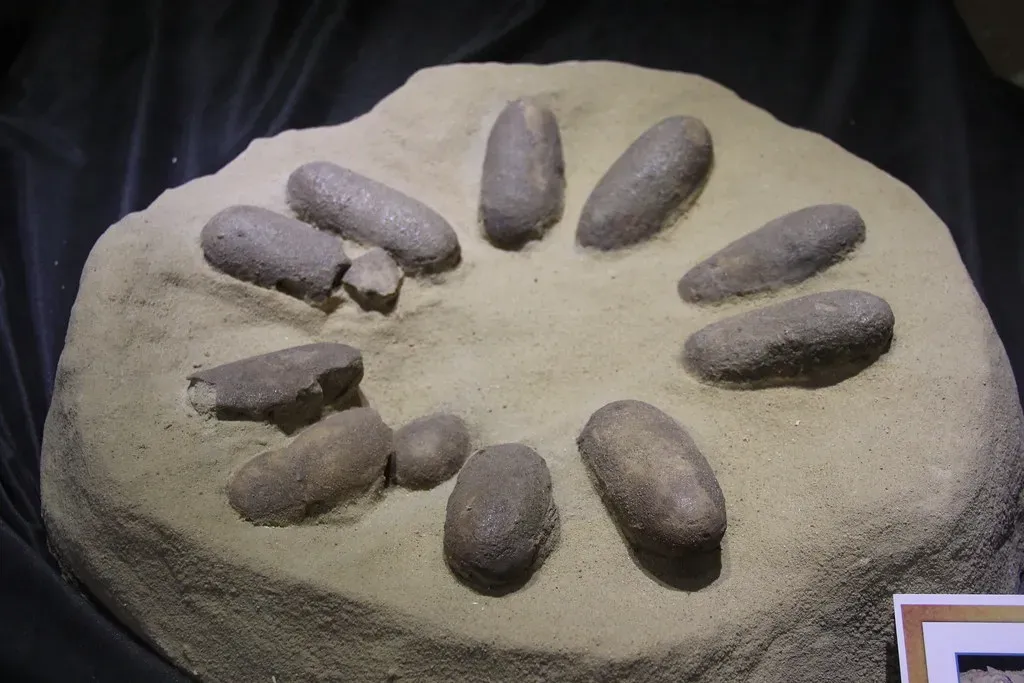
Dinosaur eggs are not simply ancient curiosities locked behind museum glass. They are windows. Through them, you can see parental love, evolutionary creativity, climate change, extinction, and survival, all compressed into a structure small enough to hold in your hands. From soft-shelled ancestors buried in prehistoric soil to vividly colored clutches guarded by devoted parents, the story of how dinosaurs reproduced is as complex and emotionally resonant as anything else in natural history.
What makes all of this even more thrilling is that scientists, as of 2026, are still making landmark discoveries. Laser-dating techniques that were unthinkable a decade ago are now rewriting prehistoric timelines. New egg sites are unearthed every year. There is still so much we do not know, and I think that is the most exciting part of all.
The next time you look at an ordinary bird egg at breakfast, consider this: you are looking at the living legacy of a reproductive strategy that first appeared over 230 million years ago in the earliest dinosaurs. Some things, it turns out, are too good to abandon. What surprised you most about what dinosaur eggs can reveal? Drop your thoughts in the comments.