
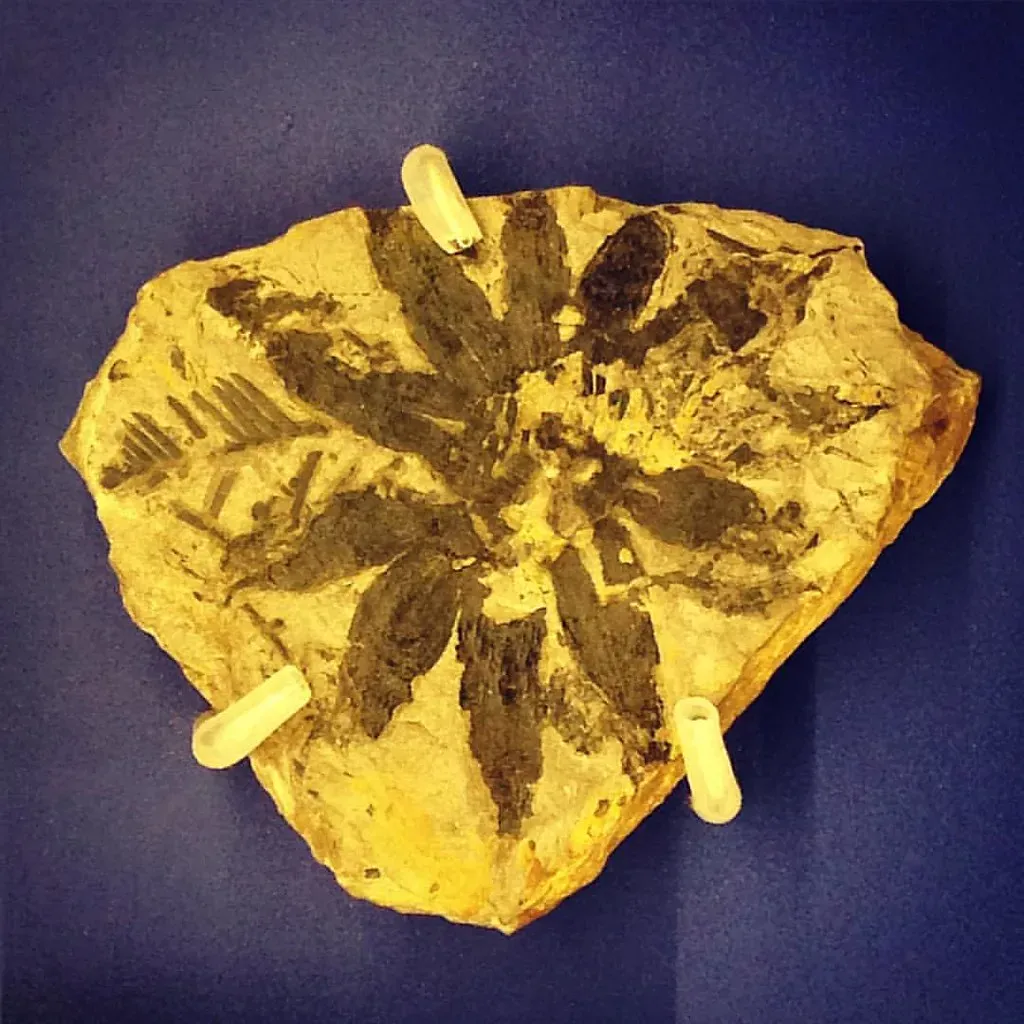
There is something quietly extraordinary about holding a piece of rock and knowing that, pressed inside it, is the ghostly outline of a leaf that photosynthesized sunlight hundreds of millions of years before humans walked the Earth. Fossilized plants don’t have the dramatic appeal of dinosaur bones, and they rarely make the front page. Yet these ancient botanical relics are arguably far more important. They reshaped continents, rewired entire atmospheres, and built the very coal deposits that powered the Industrial Revolution.
If you’ve ever wondered how scientists piece together entire prehistoric worlds from a sliver of compressed bark or a dusting of ancient pollen, you’re in for something special. The story of fossilized plants is wild, surprising, and sometimes genuinely hard to believe. Let’s dive in.
1. You Can “Read” Ancient Climates in Fossilized Leaves
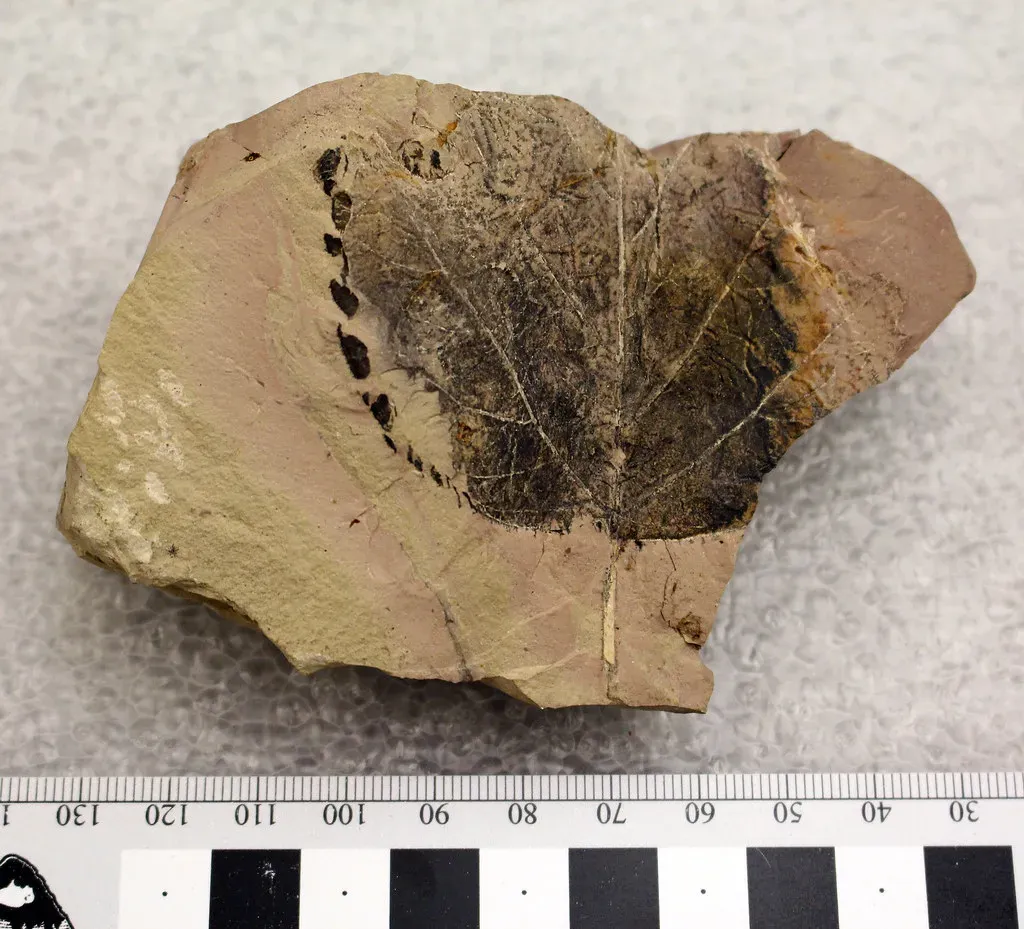
Here’s the thing: a fossilized leaf isn’t just a pretty imprint in rock. It’s a climate report from millions of years ago. Plants are excellent indicators of past climate, as their shape, structure, and distribution help scientists estimate temperature, rainfall, and CO2 levels over time. For example, broad fossil leaves with smooth edges suggest a warm, wet climate. That’s an astonishing level of information locked inside something that looks like a flattened sketch in stone.
Fossilized pollen, known through the study of palynology, can also reveal detailed information about past climates. Pollen grains are highly durable and can survive in the fossil record for millions of years. These microscopic grains are species-specific, meaning they provide evidence of the types of plants that existed during different periods. By analyzing patterns of pollen deposition over time, scientists can reconstruct ancient climates and understand how plants responded to changes in temperature, precipitation, and atmospheric conditions. Think of it as nature’s own weather archive, written in microscopic dust.
2. Fossilized Plants Proved That the Continents Once Moved
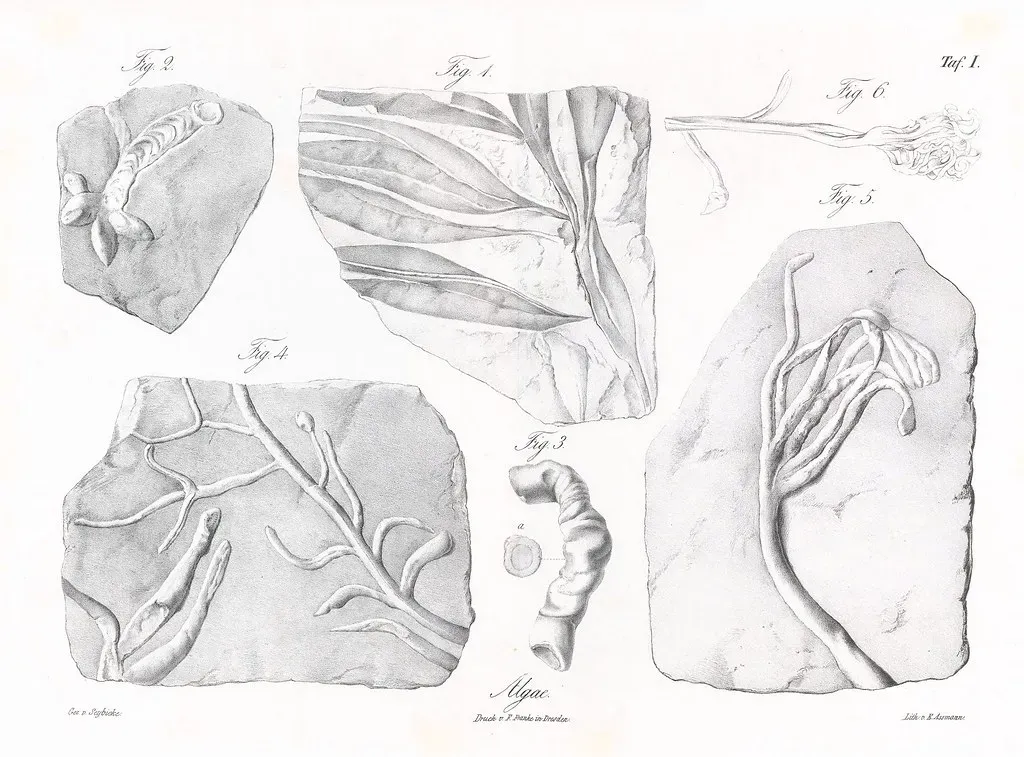
This one genuinely astonishes me every time I think about it. A plant fossil helped overturn one of the most fundamental assumptions in all of geology. German scientist Alfred Wegener formed the theory of continental drift, which hypothesized that the continents separated and drifted to other locations. The far-reaching distribution of Glossopteris provided integral evidence to support the idea of continental drift. Fossil records eventually led to the concept of plate tectonics, which provided a scientific explanation of why the continents moved.
The presence of Glossopteris in Antarctica makes little sense unless the continents were once connected. Today, it is much too cold and too dark much of the year for any large plants to survive on Antarctica. Its occurrence, therefore, in Antarctica’s fossil record implies that the environment of Antarctica has changed substantially over the last 250 million years. That single plant fossil, found on a frozen continent, rewrote the map of Earth itself.
3. The Carboniferous Coal Forests Once Pumped Extraordinary Amounts of Oxygen Into the Air
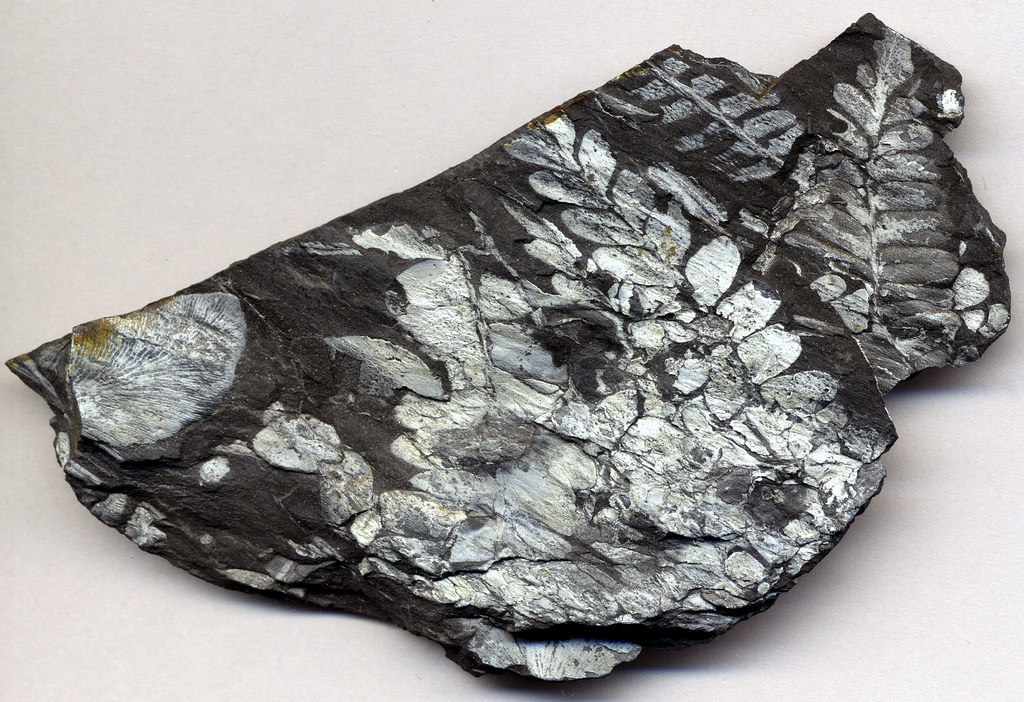
Imagine a world where the air you breathed was almost twice as oxygen-rich as it is today. That world existed, and fossilized plants tell us exactly how it happened. Coal forests or coal swamps were the vast swathes of freshwater swamp and riparian forests that covered much of the Earth’s tropical regions during the late Carboniferous and Permian periods. As plant matter from these wetland forests decayed, enormous deposits of peat accumulated, which later became buried and converted into coal. Much of the carbon in the peat deposits produced by coal forests came from photosynthetic fixation of atmospheric carbon dioxide, which released the accompanying split-off oxygen into the atmosphere. This process may have greatly increased the atmospheric concentration of oxygen to possibly as high as about 35%, making the air more breathable by animals with inefficient respiratory systems.
In order to grow tall enough to compete with other plants for light, the early trees began to produce a strengthening material, lignin, to give their wood compressive strength. While lignin is now digestible by a group known as the white rot fungi, back in the Carboniferous lignin was almost as indigestible as plastics are now. It took 30 million years for fungi to develop an enzyme that could successfully break down lignin. That biological lag is the reason those ancient forests were buried, rather than decomposed, and why you have coal powering cities today.
4. Some Fossilized Plants Predate Dinosaurs by Hundreds of Millions of Years
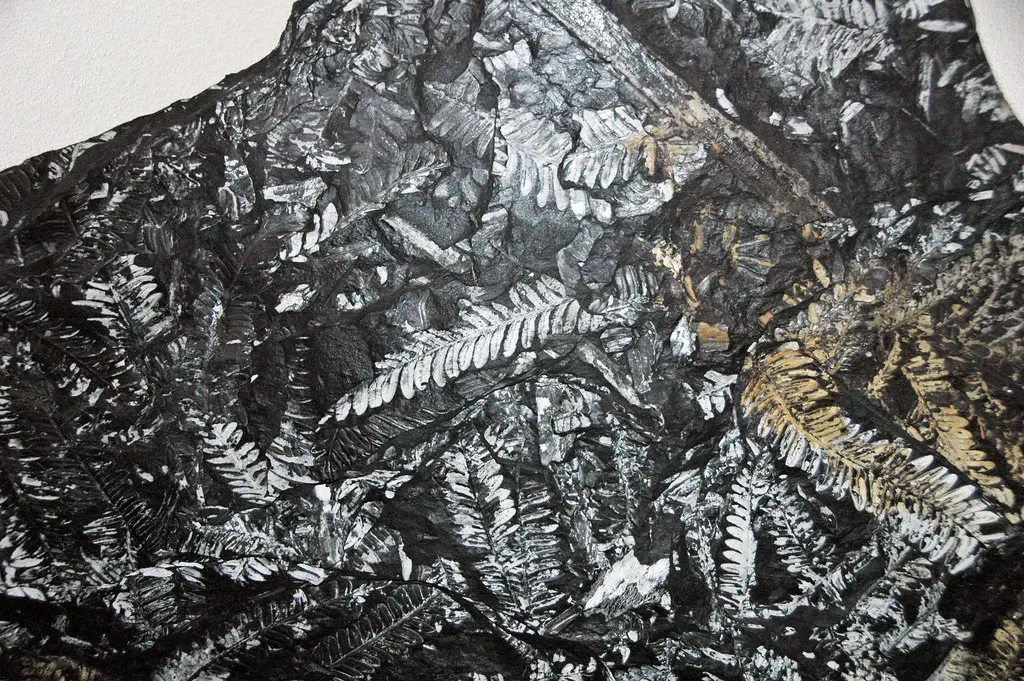
You might assume dinosaurs were the original rulers of prehistoric Earth, but plants beat them to the party by an almost incomprehensible margin. At present, fossil evidence of land plants dates to the Ordovician Period, about 485.4 million to 443.8 million years ago, of the Paleozoic Era. Dinosaurs didn’t even appear until roughly 230 million years ago. Plants were already ancient by then, with hundreds of millions of years of evolutionary innovation already under their roots.
The most ancient plant fossils are older than one billion years, as is the case of microscopic impressions of Precambrian algae. Let that number settle for a moment. One billion years. Plants came to Earth before animals did, and they continue to be one of the most resilient kingdoms when it comes to adapting to various environments, including inhospitable ones. That’s not a supporting role in Earth’s story. That’s the leading one.
5. The World’s First Forests Were Completely Different From Anything You’d Recognize Today
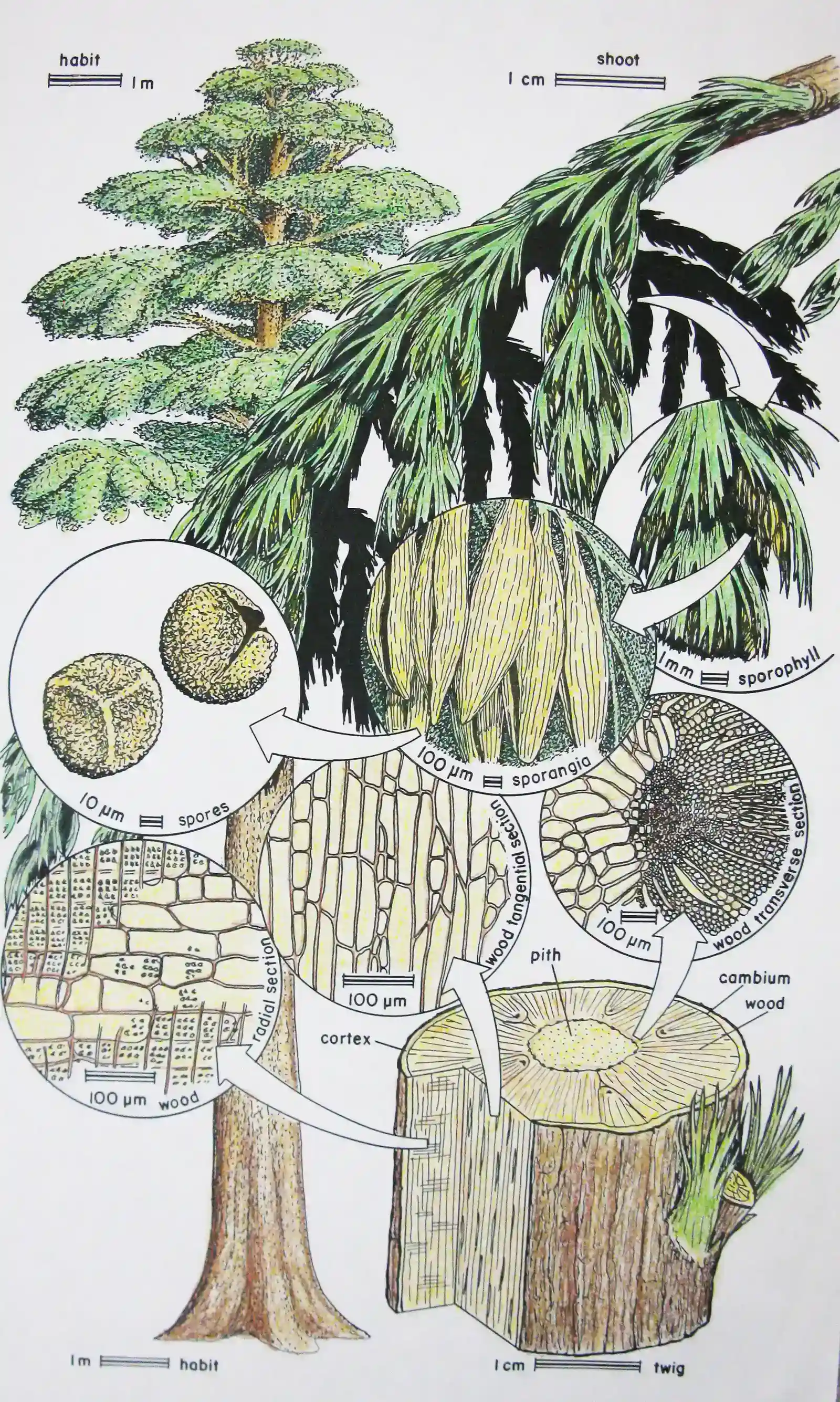
If you could time-travel back to the Devonian period, roughly 380 million years ago, the forests you’d encounter would feel genuinely alien. A useful index fossil, Archaeopteris is found in strata dating from the Upper Devonian to Lower Carboniferous, with the oldest fossils being 385 million years old, and had global distribution. Looking roughly like a top-heavy Christmas tree, Archaeopteris may have played a part in the transformation of Earth’s climate during the Devonian before becoming extinct within a short period of time at the beginning of the Carboniferous period.
In the 1960s, paleontologist Charles B. Beck was able to demonstrate that the fossil wood known as Callixylon and the leaves known as Archaeopteris were actually part of the same plant. It was a plant with a mixture of characteristics not seen in any living plant, a link between true gymnosperms and ferns. It’s honestly a little unsettling. These were towering organisms that belonged to no group that exists today, living in forests unlike anything our modern imagination might conjure.
6. Fossilized Plants Helped Produce Every Drop of Coal, Oil, and Gas You’ve Ever Used
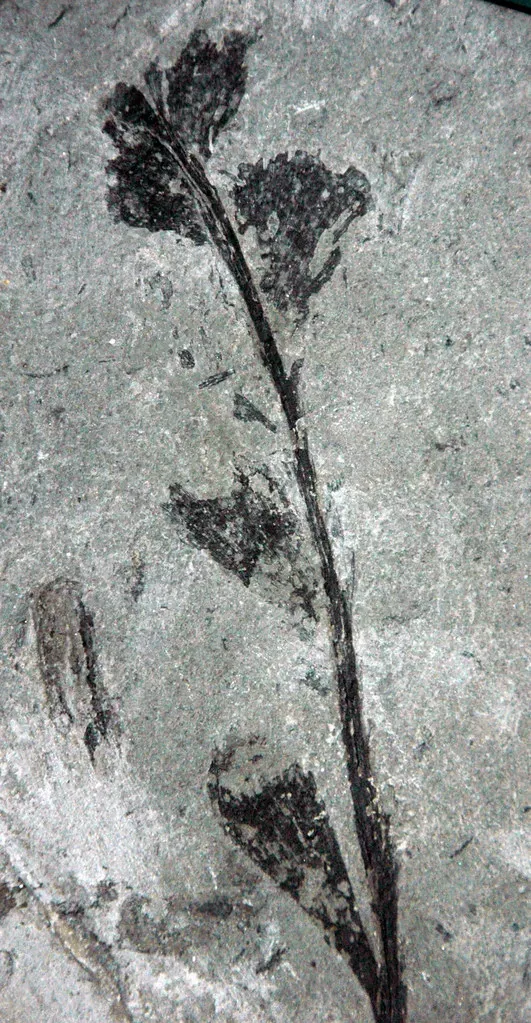
Here’s a connection most people never make: every time you fill up a tank with fuel or switch on a coal-powered light, you’re burning the compressed remains of ancient forests. During the later part of the Carboniferous Period, 318 to 299 million years ago, great forests grew on the land and giant swamps filled low-lying areas. Usually when a dead plant or animal decays, microbes decompose it and combine its carbon with oxygen in the air to produce carbon dioxide. But as great masses of dead plants became buried under swamps and out of contact with oxygen, the level of carbon dioxide in the atmosphere actually dropped.
Trees loaded themselves with a molecule called lignin, which formed a massive amount of tree bark. The bark-to-wood ratio was so high that hardly any decomposing organism could digest Carboniferous tree bark. While there were plenty of plant-eating animals on land, their mouthparts were not suited to chew through these tough foods. After their death, these forests left plenty of tissues behind to fossilize, resulting in much of the coal we burn today. It’s a strange thought: the smartphone in your pocket may have been charged by the compressed ghost of a Carboniferous swamp tree.
7. Ginkgo Biloba Is a Living Fossil, Virtually Unchanged for Over 200 Million Years
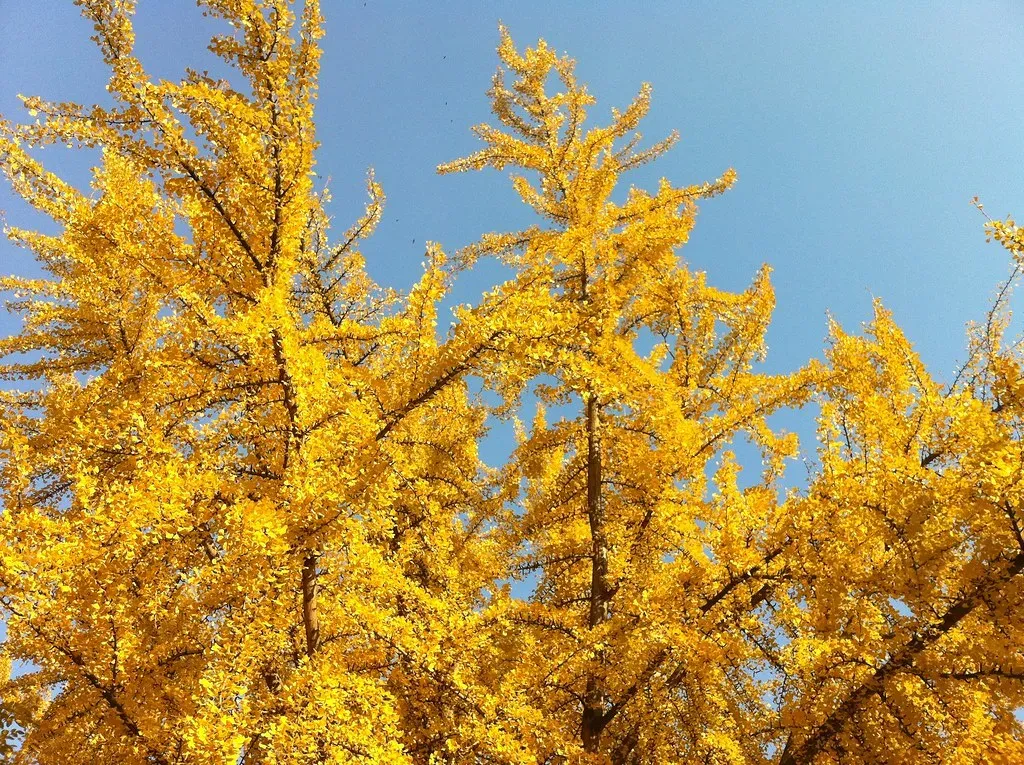
Not all fascinating fossil plant stories belong to the deep past. Some of them are still walking, growing, and quietly thriving right now. Some plants have remained almost unchanged throughout Earth’s geological time scale. Horsetails had evolved by the Late Devonian, early ferns had evolved by the Mississippian, conifers by the Pennsylvanian. Some plants of prehistory are the same ones around today and are thus living fossils, such as Ginkgo biloba and Sciadopitys verticillata.
At the end of the Pliocene, about 3 million years ago, ginkgos disappeared worldwide. The species survived only in central China, where it was cultivated for millennia by Chinese monks. Due to its status as a religious symbol, the tree was also introduced to Korea and Japan. Some planted trees at temples and shrines are known to be over 1,500 years old. Without this cultivation, it is possible the ginkgo would have gone extinct. When you walk past a ginkgo tree on a city street, you are quite literally walking past a dinosaur-era survivor, one that outlived most of its entire era by sheer luck and human devotion.
8. A Fossil Plant Discovery in Scotland Revealed How Life First Conquered Dry Land
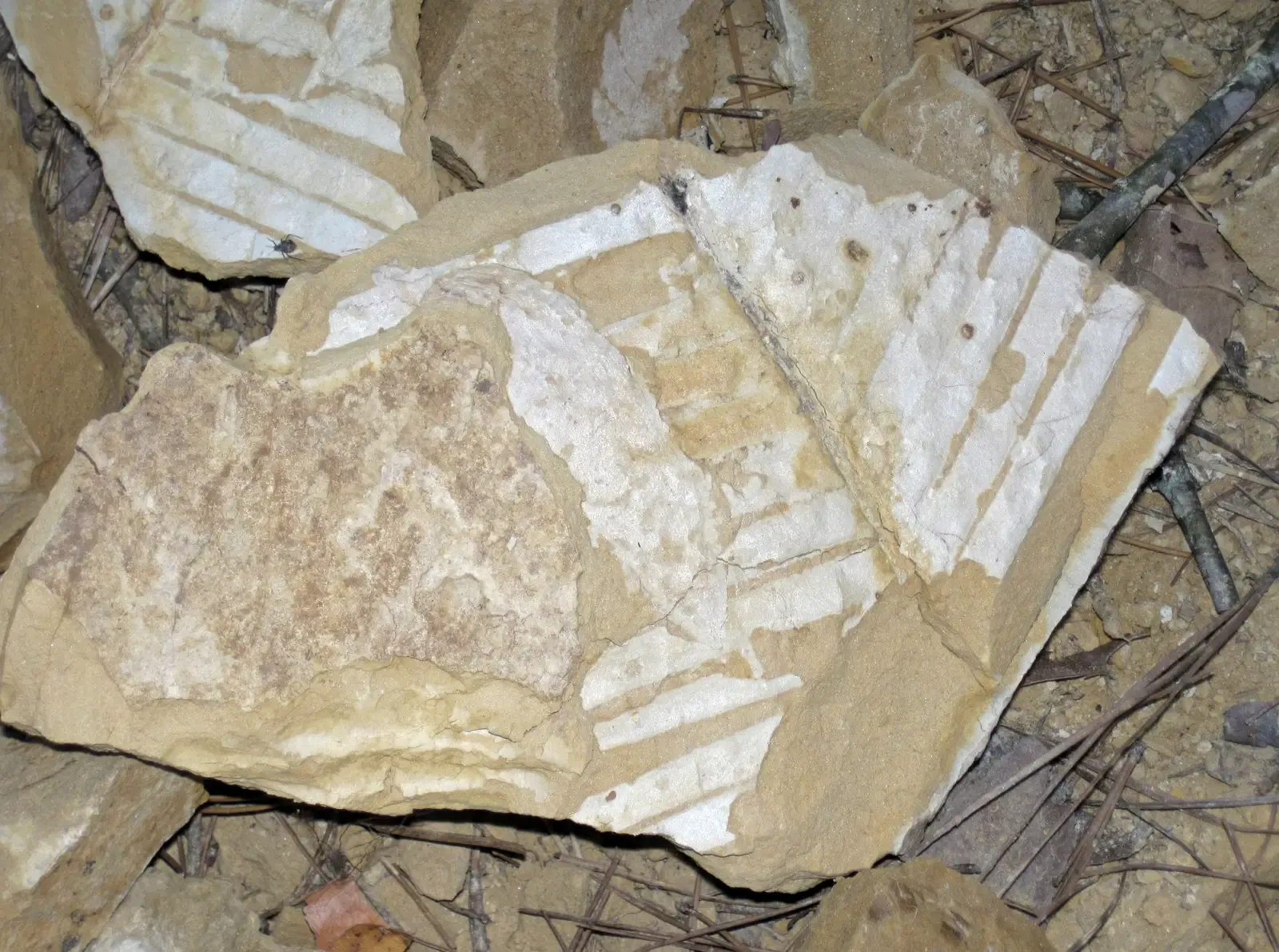
How did plants first survive on bare, dry land with no roots and no soil to speak of? For a long time, scientists genuinely didn’t know. Then a fossil discovery in Scotland offered an extraordinary clue. A new fossil fungus discovered in Scotland has revealed early evidence of the relationship between plants and fungi, as plants and fungi shared nutrients to survive on land. A microscopic structure frozen in time for more than 400 million years offers hints about the origin of one of the greatest partnerships in the history of life on Earth.
Evidence of the collaboration between plants and fungi, known as a mycorrhiza, was found in a 407-million-year-old fossil from Scotland’s Windyfield Chert. Inside the preserved tissues of an ancient plant was a tiny structure that allows plants and fungi to share nutrients, called an arbuscule. Dry land would have been a very challenging environment for plants to live in. Most species didn’t even have roots around 400 million years ago, making it difficult for them to obtain the nutrients they need. In other words, plants didn’t conquer land alone. They had partners, and fossilized evidence of that partnership is still visible today under a laser microscope.
9. The Carboniferous Rainforest Collapse Was Earth’s First Major Climate-Driven Extinction
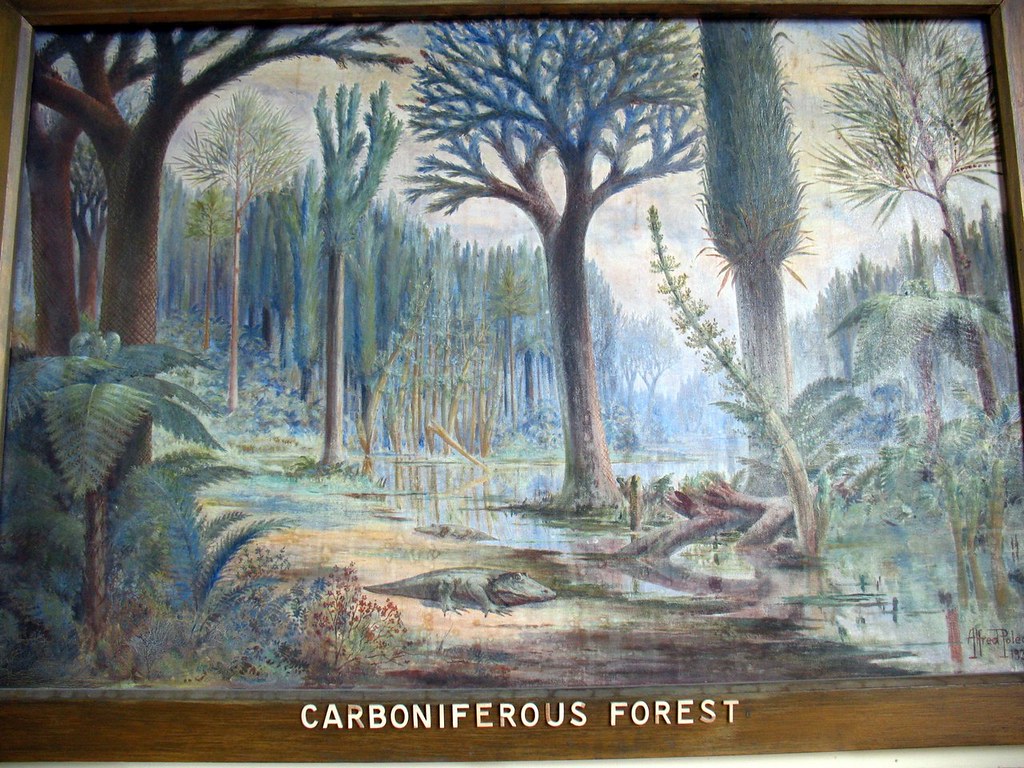
Long before asteroid impacts or volcanic catastrophes grabbed the headlines of prehistory, plants triggered their very own ecological crisis. The Carboniferous rainforest collapse was a minor extinction event that occurred around 305 million years ago in the Carboniferous period. The event occurred at the end of the Moscovian and continued into the early Kasimovian stages of the Pennsylvanian. It altered the vast coal forests that covered the equatorial region of Euramerica. This event may have fragmented the forests into isolated refugia or ecological “islands,” which in turn encouraged dwarfism and, shortly after, extinction of many plant and animal species.
At the time of the Carboniferous rainforest collapse, the climate became cooler and drier. This is reflected in the rock record as the Earth entered a short, intense ice age. Sea levels dropped by about 100 metres, and glacial ice covered most of the southern continent of Gondwana. It’s a haunting preview of what unchecked climate change can do. The fossil plant record captures the entire sequence of this catastrophe, layer by layer, like pages in a slow-motion disaster diary.
10. Fossilized Pollen Can Solve Crimes, Track Ancient Farming, and Predict Future Climates
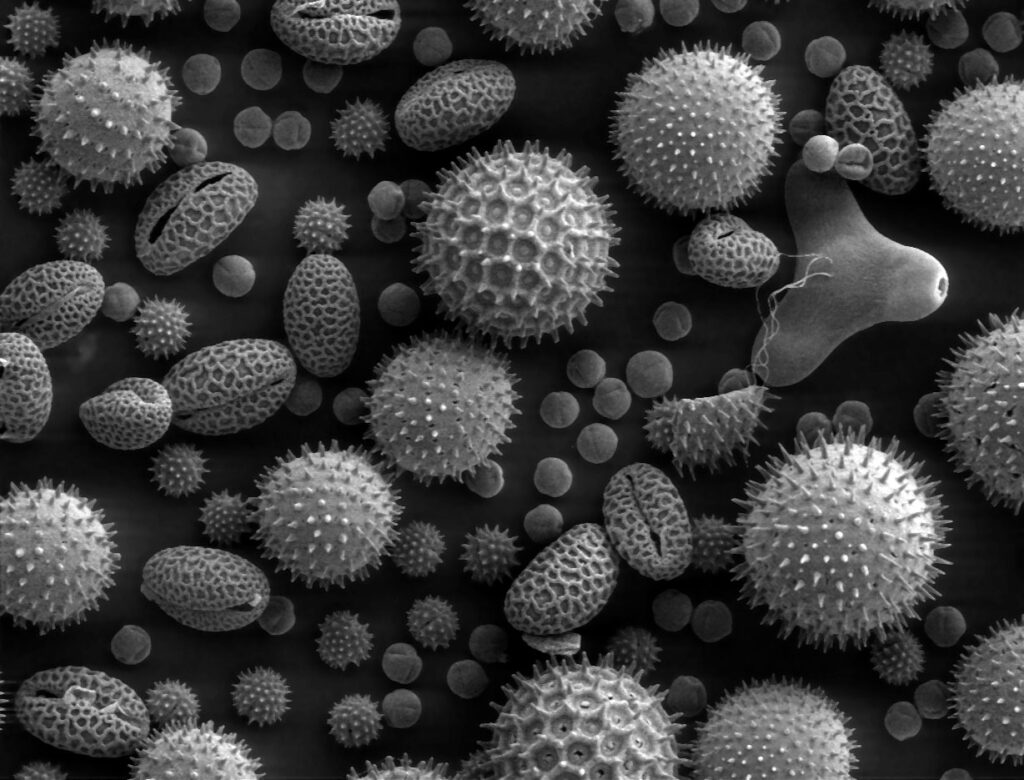
Fossilized plants are far more useful than most people realize. The applications extend beyond archaeology museums and university labs into the genuinely practical. Besides uncovering documentation of our past environmental conditions, palynology can also tell us about animal diets, historical standings of human allergies, and reveal evidence in crime cases. That’s right. The same science used to reconstruct 300-million-year-old swamps can also place a suspect at a crime scene or identify what a prehistoric person had for dinner.
Paleobotany has numerous applications that extend beyond academic research, including climate change studies, where by analyzing ancient climates scientists can make predictions about future climate shifts. Energy resource exploration uses plant fossils to indicate potential locations for oil and coal reserves. Conservation efforts draw on understanding plant extinction events to aid in preserving current biodiversity. Agricultural advances benefit from insights into ancient plant resilience, potentially leading to the development of hardier crops. Honestly, if fossilized plants had a marketing team, they’d be everywhere.
Conclusion
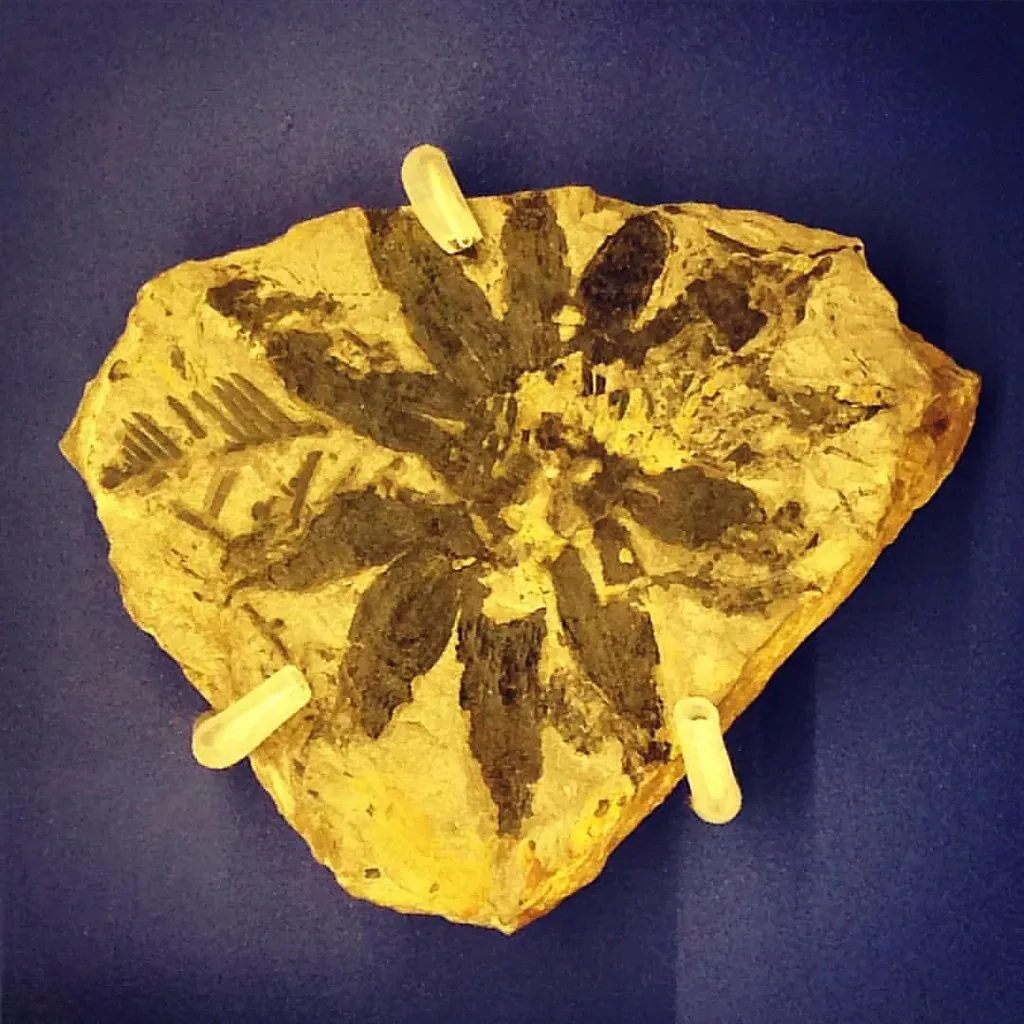
What makes fossilized plants so endlessly compelling is the sheer scale of what they carry. Each pressed leaf, each microscopic grain of pollen, each silicified fragment of bark is a message from a world that no longer exists. Fossils of plants are more valuable than we ever thought. These precious artefacts deserve more credit than they are given and should be preserved with much care. Not only have these plants provided their services to the planet while still alive, but they continue to do so even after their death.
They built our atmosphere, shaped entire continents, powered the Industrial Revolution, and are now helping scientists predict the future of our climate. All from fragments of rock you might easily walk past without a second glance. The next time you see a lump of coal, a ginkgo tree, or even a fern, take a moment. You’re looking at some of the oldest, most consequential living systems Earth has ever produced. What would you have guessed that a fossilized plant could do?