
Picture this: you’re standing in a dense Cretaceous forest, surrounded by towering ferns, and the ground beneath your feet begins to tremble. Not from an earthquake, but from something alive. Something enormous. Something talking. The idea of dinosaurs communicating sounds like pure science fiction until you realize that researchers have been piecing together remarkable clues hidden in fossilized skulls, bone structures, and the behavior of their living descendants. What they’ve found is stranger, more beautiful, and far more complex than anything Hollywood ever imagined.
Forget roaring movie monsters. The real story of dinosaur communication is one of infrasonic rumbles, resonating bone crests, color-shifting plumage, and seismic vibrations you’d feel more than hear. Let’s dive in.
The Truth About Dinosaur Roars (It’s Not What You Think)

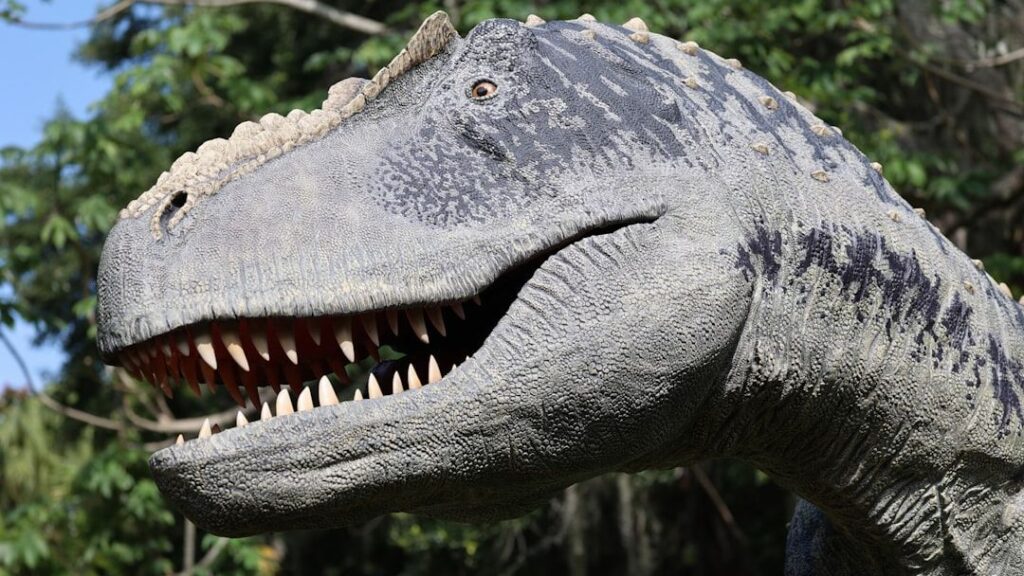
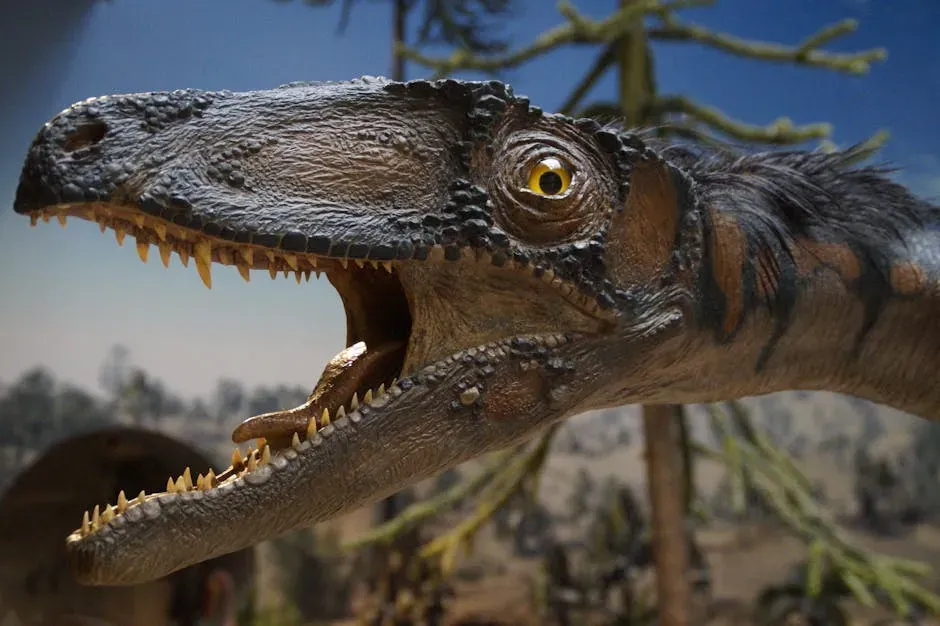
Let’s be real, almost everything you think you know about how dinosaurs sounded is wrong. Evidence suggests that dinosaur vocalizations were not likely to have sounded like roars at all. That big dramatic T. rex scream you love in the movies? Scientifically speaking, it almost certainly never happened.
Considering that the respiratory system and larynx of dinosaurs was different from that of mammals, most were likely incapable of making comparable noises, meaning dinosaurs were likely not roaring and bellowing at each other like you see in movies. Scientists theorize that many dinosaurs may have produced closed-mouth vocalizations, created by inflating their esophagus or tracheal pouches while keeping their mouth closed, producing something comparable to a low-pitched swooshing, growling, or cooing sound.
Closed-Mouth Vocalizations: The Boom You Never Expected
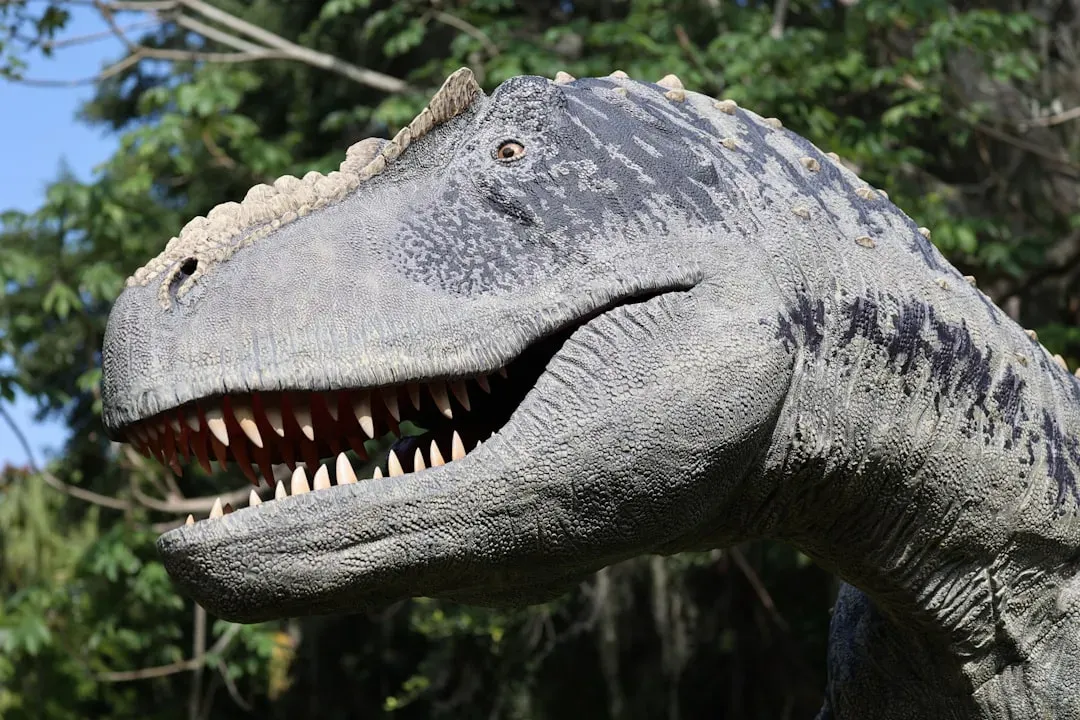
Here’s the thing, when you imagine a T. rex communicating, a deep booming hum might be the last thing that comes to mind. Yet that is precisely what the science points toward. These closed-mouth vocalizations differ substantially from open-mouth vocalizations like bird calls. Think of closed-mouth vocalizations as being lower and more percussive, as opposed to bird calls, which are more varied in pitch and almost melodic.
Modern examples of closed-mouth vocalizations include crocodilian growls and ostrich booms. As a result, scientists reasoned that many dinosaurs did not perform open-mouth vocalizations, but could have generated closed-mouth vocalizations instead. Think of it like a massive living subwoofer, designed not to impress an audience but to send critical messages across miles of prehistoric wilderness. Honestly, that might be even more terrifying than a roar.
Parasaurolophus and the Living Bone Instrument
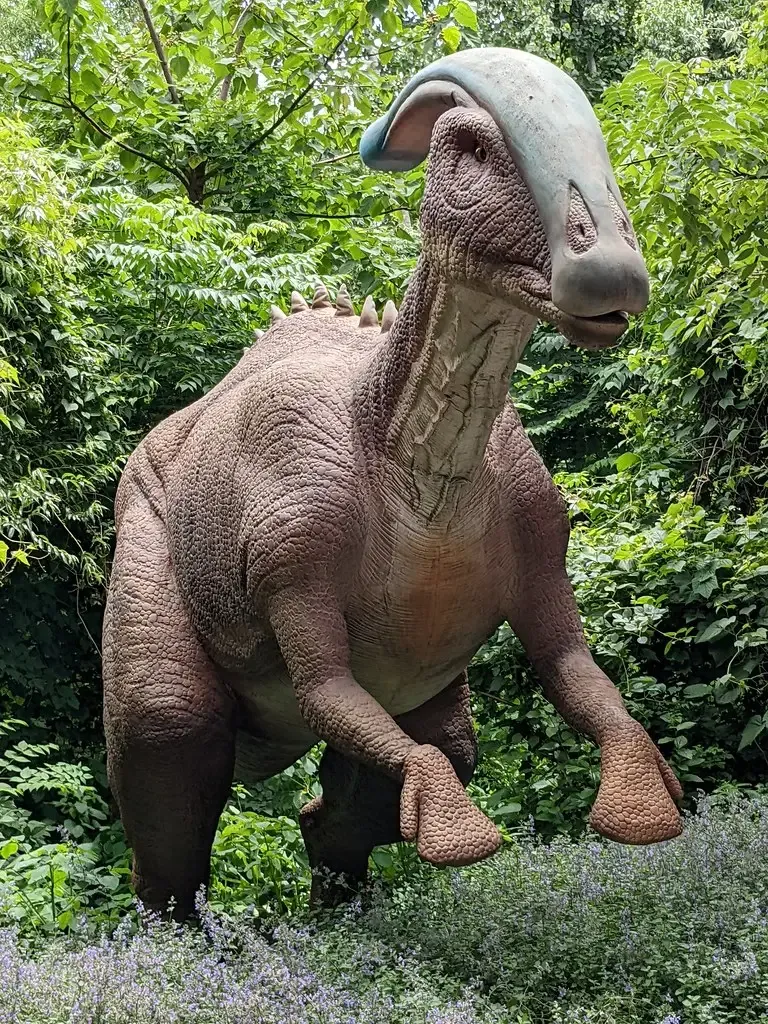
If one dinosaur could be called the Mozart of the Mesozoic, it would have to be Parasaurolophus. In 1975, researcher James Hopson hypothesized that the crests of hadrosaurs like Parasaurolophus were visual display structures that doubled as resonating chambers for vocal communication. This was one of those ideas that seemed almost too elegant to be true. It turned out to be remarkably well supported.
Studied from an acoustical perspective, researcher David Weishampel found that the crest of Parasaurolophus truly was capable of acting as a resonating chamber for sound. In fact, the internal anatomy of the Parasaurolophus crest was very similar to a woodwind instrument called the crumhorn, and Weishampel proposed that adult Parasaurolophus communicated over long distances through low-frequency sounds. By comparing crest shape to the structure of the inner ear, Weishampel suggested that young individuals produced higher-frequency sounds while adults could produce low-frequency honks that could be heard over much wider areas. Nature, it turns out, built a working trombone 75 million years before humans did.
Feathered Dinosaurs May Have Literally “Talked” With Their Feathers
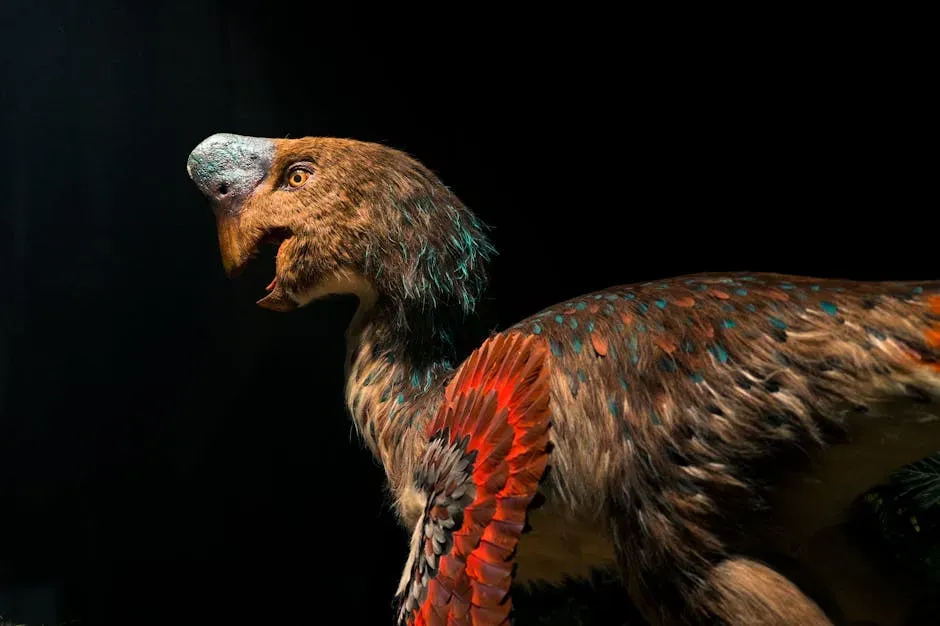
You probably know by now that many dinosaurs had feathers. What you might not know is that those feathers could have been a form of communication in their own right. Non-avian dinosaurs could have sounded with stridulating feathers and bristles. Bird-like species such as Anchiornis or even Velociraptor could potentially rub their exquisite feathers together to tick or buzz, and Psittacosaurus might have shaken its tail to rustle its quill-like bristles.
Feathers were almost certainly used for visual displays as well. Countless birds today use their colorful and elaborate feathers to show off to each other, and use in display is thought to perhaps have been a driving force in the evolution of complex feathers. Many feathered dinosaurs, such as the maniraptoran theropods, had long feathers on their forearms that essentially formed wings. Unable to use them for flight, perhaps these simple “wings” were used as display features. It’s a fascinating parallel to peacocks today, and I think it makes perfect sense when you consider just how vision-driven these animals likely were.
Color Vision and the Silent Language of Visual Display
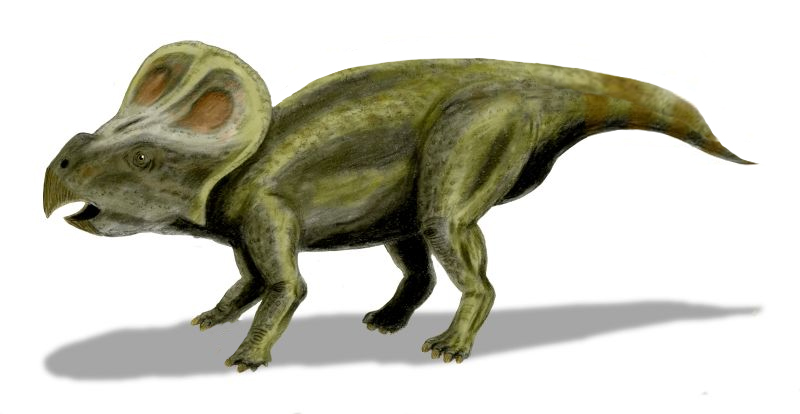
Dinosaurs weren’t just hearing each other, they were watching each other very carefully. Dinosaur fossils have offered tantalizing clues about the animals’ senses. Based on the size of their eyes and the vision of their relatives, meaning birds and crocodiles, it’s likely that dinosaurs had excellent color vision. Recent discoveries of color patterns on dinosaur feathers suggest that colorful feathers might have played a role in signaling.
The horns, frills, and crests that adorned dinosaur heads may have been used for mating rituals or to intimidate rivals. Fossils show that a Triceratops relative, Protoceratops andrewsi, developed larger frills and cheek horns as it matured, suggesting that these decorations helped the species communicate, and possibly catch the attention of mates. These horns and frills may have also conveyed the dinosaurs’ dominance and age to others of their kind. Think of it less like a billboard and more like an evolving resume, worn on your face for every rival and potential mate to read.
Infrasound Theory: Rumbles Below Human Hearing

One particularly intriguing theory suggests that some dinosaurs, especially the larger species, may have used low-frequency sound waves, infrasound, to communicate across vast distances. This form of communication, observed in modern elephants and whales, could have been an evolutionary advantage for dinosaurs roaming prehistoric landscapes. It sounds wild, but the physics actually hold up surprisingly well.
Infrasound sits below 20 Hz, sound waves that rumble beneath our hearing but pack serious power. Large predators like Tyrannosaurus rex might have used low-frequency vocalizations to communicate with pack members during hunts without alerting prey species sensitive to higher frequencies. Conversely, herbivorous dinosaurs may have evolved the ability to detect infrasound as an early warning system for approaching predators. Computer tomography scans of resonating structures have allowed scientists to create models predicting the resonant frequencies these chambers could produce, and reconstructions suggest many of these sounds would fall within the infrasound range, too low for human ears but potentially perfect for communication across the vast territories these dinosaurs inhabited. In other words, the Mesozoic might have been deafeningly loud in a register we simply couldn’t detect.
The Supersonic Tail Theory: When Communication Sounded Like a Cannon
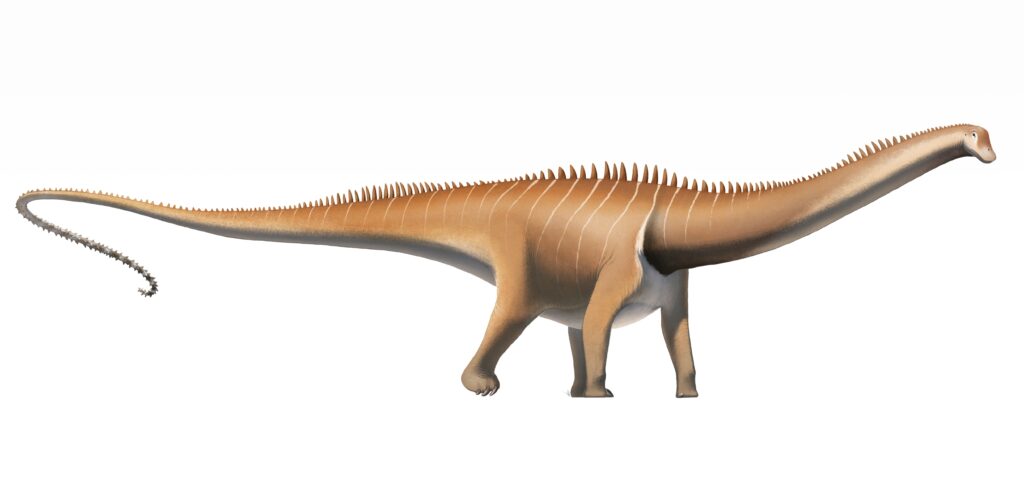
I know it sounds crazy, but some researchers genuinely proposed that certain dinosaurs may have cracked their tails like enormous bullwhips, creating sounds loud enough to function as long-distance signals. Apatosaurus, and other sauropod dinosaurs with incredibly long tails, may have supersonically whipped their tails for purposes of defense, communication, same-species rivalry, or courtship. The idea came from studying the remarkable taper of diplodocid tails.
Some sauropod tails look like whips, and the resemblance may not be a coincidence. Both are long, relatively broad at the base and narrow at the tip. Recent computer models comparing sauropod tails and bullwhips revealed a surprise: if moved in particular ways, some tails, like noisemaking whips, could reach supersonic speeds. It’s worth noting, though, that the controversial idea that some dinosaurs could lash their tails like a whip creating a supersonic crack has been challenged in newer research. The debate is still alive and, honestly, it’s one of the most thrilling arguments happening in paleontology right now.
The Silent Dinosaur Hypothesis: What If They Made No Vocal Sounds At All?
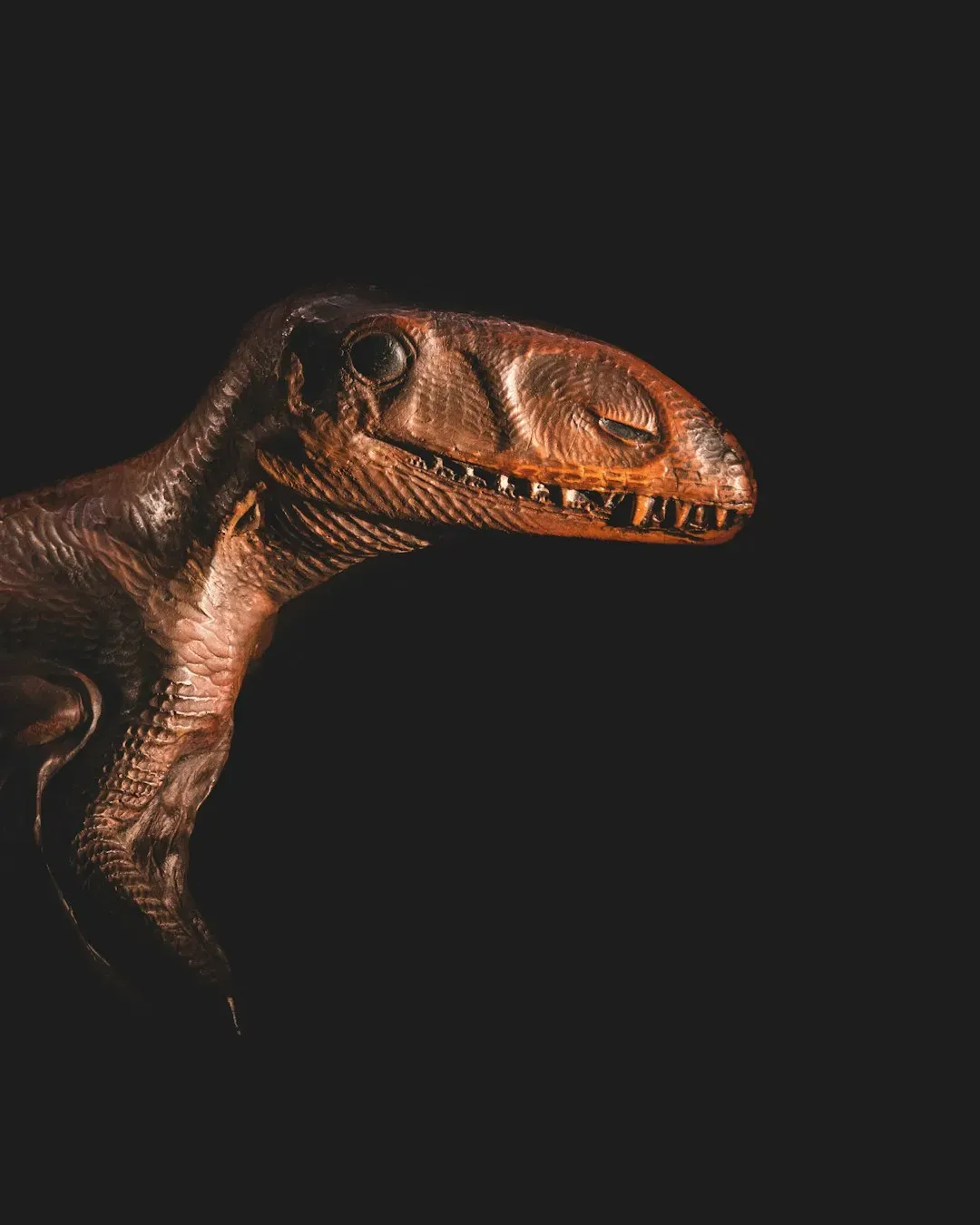
This one might be the most surprising theory of all. What if many dinosaurs were essentially vocally silent, relying entirely on non-vocal sounds? Researcher Phil Senter made the bold suggestion that non-avian dinosaurs may have been entirely non-vocal. In other words, this posits that dinosaurs may have not only been much quieter than their pop culture counterparts, but actually reliant on non-vocal acoustics when they wanted to communicate audibly.
Whatever other noises dinosaurs created, we know that they could hiss, snort, and stamp their feet, and living diapsids show that such behaviors are used as communication strategies among extant dinosaur relatives. Non-avian dinosaurs may have communicated with each other by hissing, clapping jaws together, grinding mandibles against upper jaws, rubbing scales together, or use of environmental materials such as splashing against water. Even without dinosaurian roars, the Mesozoic wouldn’t have been entirely quiet. Think of it like the difference between a spoken conversation and a whole language built from gestures, taps, and shuffles. Subtle, complex, and entirely possible.
Brain Structure and the Capacity for Complex Communication
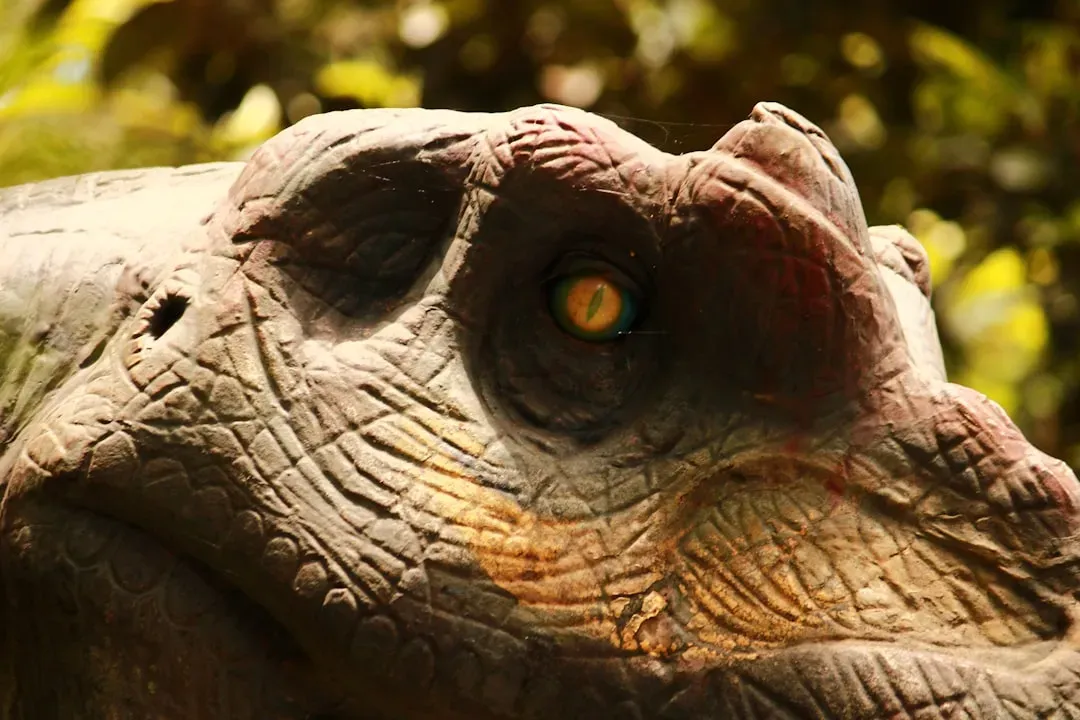
Perhaps the most mind-blowing piece of this puzzle comes not from bones or fossils of vocal structures, but from inside the skull itself. Crocodiles and birds both have complex brain regions that help sense other animals’ vocalizations. Since birds and crocodiles both have these regions, dinosaurs probably did too. That finding suggests that dinosaurs such as T. rex were capable of processing complex stimuli, such as sounds made by other dinosaurs.
Researcher Julia Clarke suggests that some dinosaurs likely had complex social structures requiring varied forms of communication, much like today’s avian species do. Evaluating such aspects of dinosaurs as their herding behavior, nest building, vocal communication, and sensory capabilities offers a picture of how this ancient group of reptiles led their lives. It’s hard to say for sure just how sophisticated dinosaur communication really was, but the neurological architecture for processing complex signals was almost certainly there. That changes everything about how you picture these animals in your mind.
Conclusion: A Prehistoric Symphony We’re Still Learning to Hear
The truth about dinosaur communication is far more layered, strange, and wonderful than any blockbuster ever dared to show you. From bone-carved resonating chambers that worked like musical instruments, to infrasonic rumbles felt through the ground, to feathers shaken in precise visual languages, these creatures were communicating in ways that challenge everything we assumed about “primitive” ancient life.
Though we may never know exactly how they sounded or signaled to one another, researchers use clues from modern animals, fossil structures, and educated guesses to paint a possible picture of dinosaur communication. Every new fossil, every new CT scan, and every new comparative study pulls back the curtain a little further on a world that was noisier, more colorful, and more socially complex than we ever imagined. The next time you walk past a dinosaur skeleton in a museum, stop for a moment. Think about the sounds it made. Think about the messages it sent. Because somewhere in those ancient bones, a whole conversation is still waiting to be heard. What do you think they were trying to say? Drop your thoughts in the comments below.