
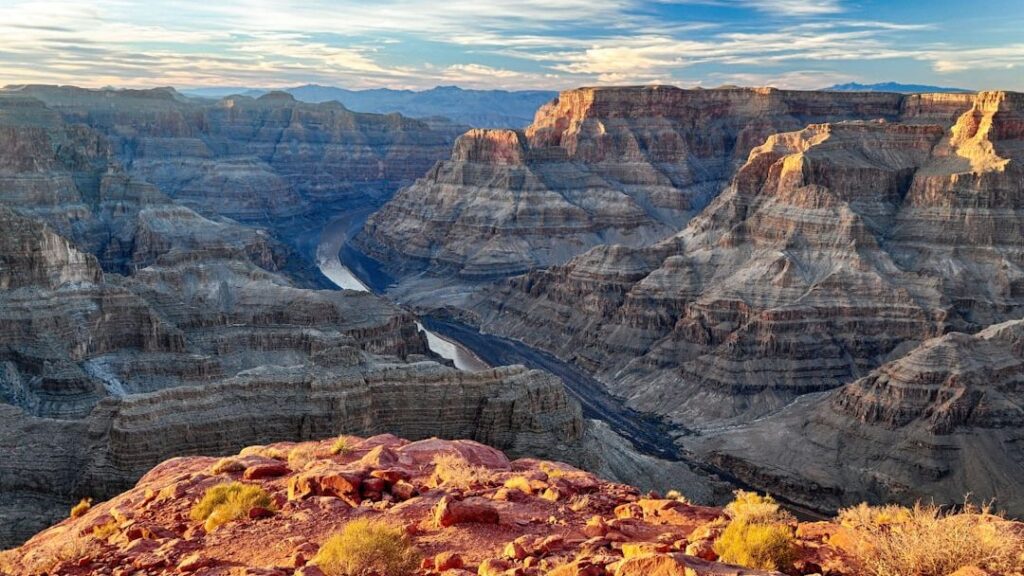
There are places on this planet that stop you cold. Not because they are beautiful, though beauty is certainly part of it. The Grand Canyon does something different. It makes you feel physically small and, strangely, erases the concept of time as you know it. You stand at the rim, look down into this vast, layered abyss, and the thought creeps in: everything you have ever worried about is utterly irrelevant on this scale.
What makes the Grand Canyon so astonishing is not just its size. It is what lives inside those walls. Stacked rock layers, silent and ancient, hold a record of our planet that spans almost two billion years. Scientists are still decoding it, still arguing over it, and still making discoveries inside it. So let’s dive in.
A Window Into Nearly Two Billion Years of Earth’s Story
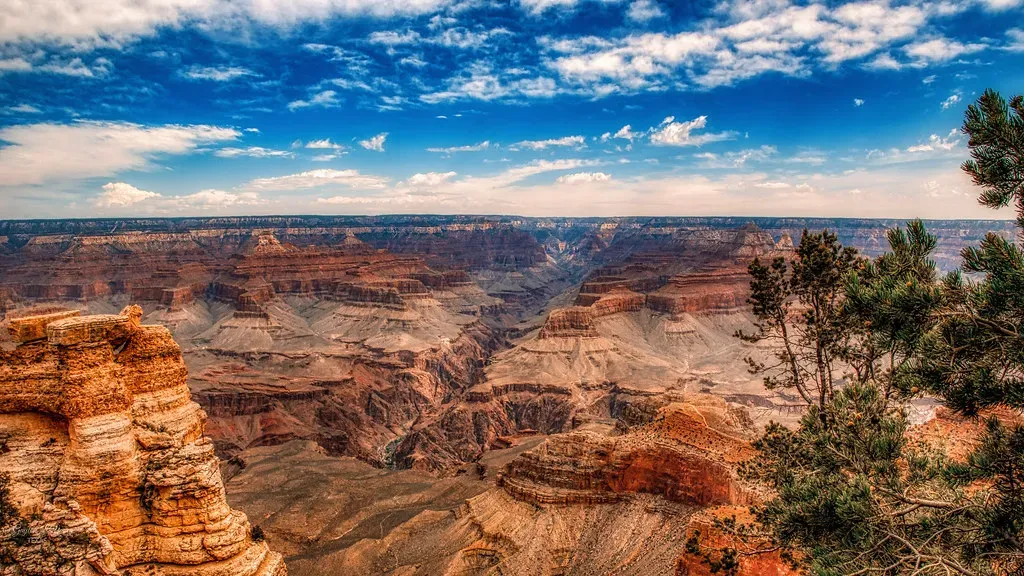
You might assume a famous landmark this well-studied would have already given up all its secrets. Honestly, that could not be further from the truth. The Grand Canyon extends more than 400 kilometers and cuts two kilometers into the crust, revealing roughly 1.7 billion years of the Earth’s geological history. That number is almost impossible to wrap your head around.
Rocks exposed in the canyon’s walls record approximately one third of the planet’s entire history, spanning from the Precambrian Proterozoic Eon all the way to the Permian Period of the Paleozoic Era. Think of it like a library where each shelf holds a different chapter of Earth’s autobiography. You, standing at the rim, are reading the cover. The real story is buried far, far below.
The Vishnu Schist: The Oldest Foundation Beneath Your Feet
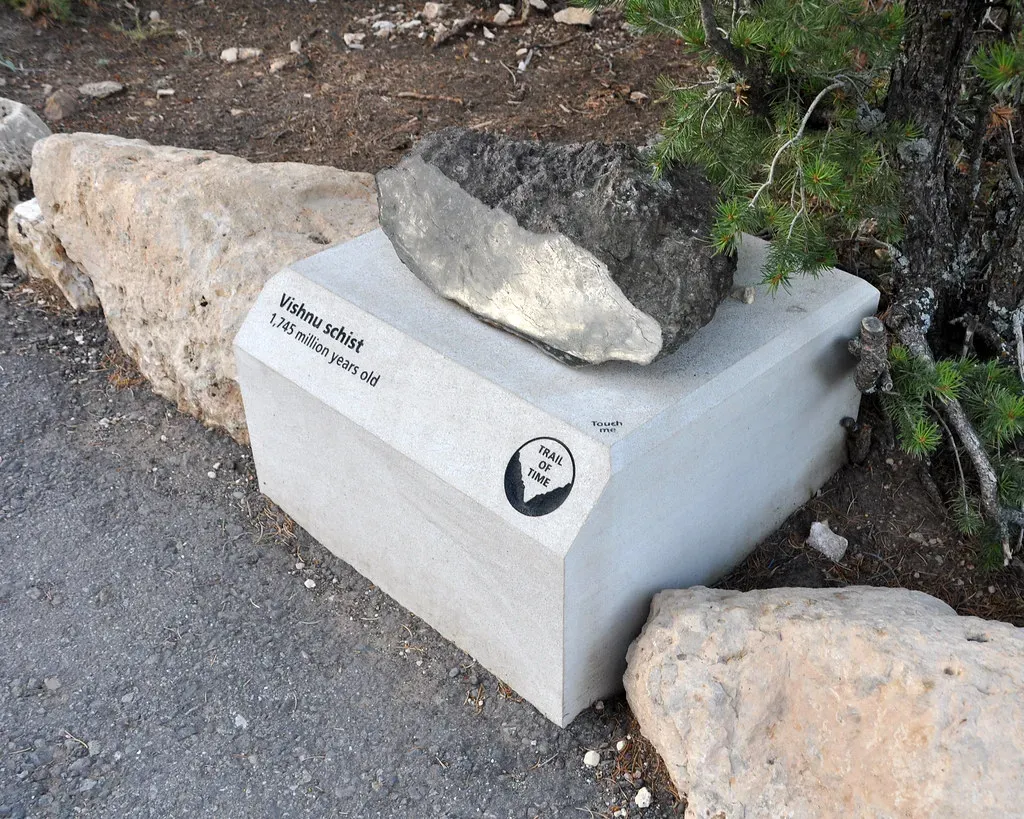
At the very bottom of the canyon lies the Vishnu Schist, a hard rock originally deposited mainly as sediments some two billion years ago. The layer was subsequently covered, and around 1.7 billion years ago, deep underground, it was transformed into schist through intense heat and pressure. It is the canyon’s bedrock foundation, dark and almost alien-looking when you see it up close.
This Vishnu Schist first appeared almost two billion years ago as lava exposed to the heat and pressure of colliding volcanic islands with the North American landmass. When you stand above it on a trail, you are gazing at rock that formed before complex life even existed on this planet. Let that sink in for a moment. It is not just old. It is ancient in a way that makes your concept of history feel like a footnote.
Reading the Rock Layers Like Pages in a Book
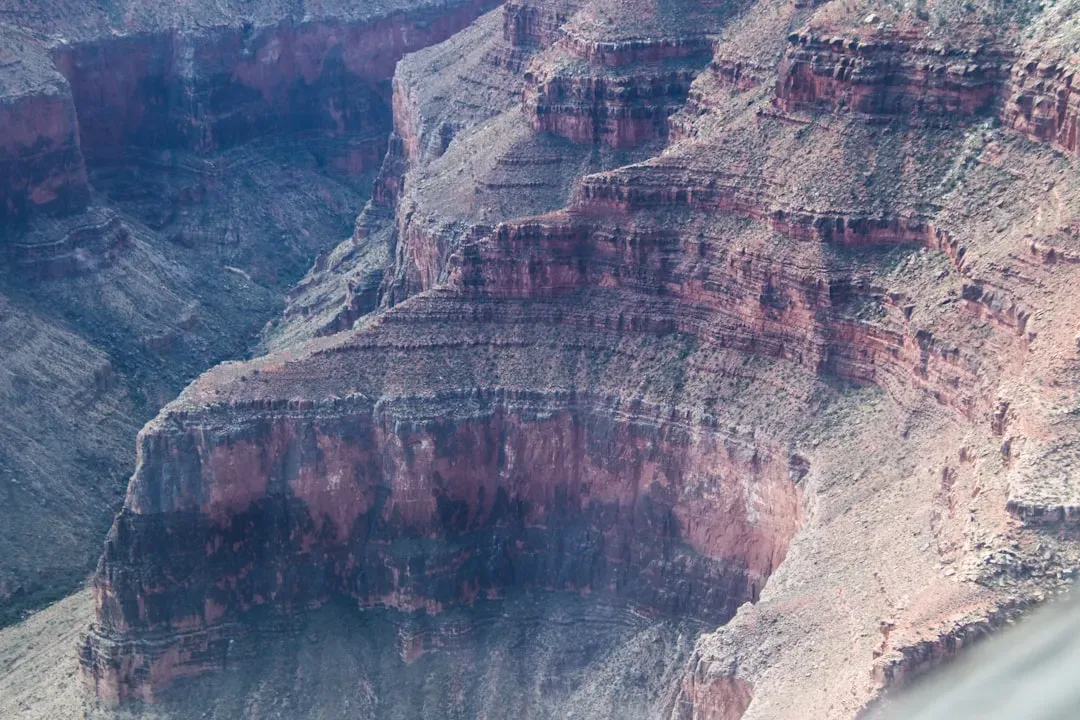
The nearly 40 major sedimentary rock layers exposed in the Grand Canyon range in age from about 200 million to nearly 2 billion years old, and most were deposited in warm, shallow seas and near ancient, long-gone shorelines in western North America. Every layer you see on those canyon walls is a frozen moment in time. A different world, a different climate, a different ocean.
Stratigraphy is the study of rock layering and reveals a wealth of information about what Earth was like when each layer formed. In the Grand Canyon, there are clear horizontal layers of different rocks that provide information about where, when, and how they were deposited, long before the canyon was even carved. It is geology at its most vivid and accessible. You do not need a microscope or a laboratory. You just need to look at the wall in front of you.
The Great Unconformity: Where One Billion Years Simply Vanished
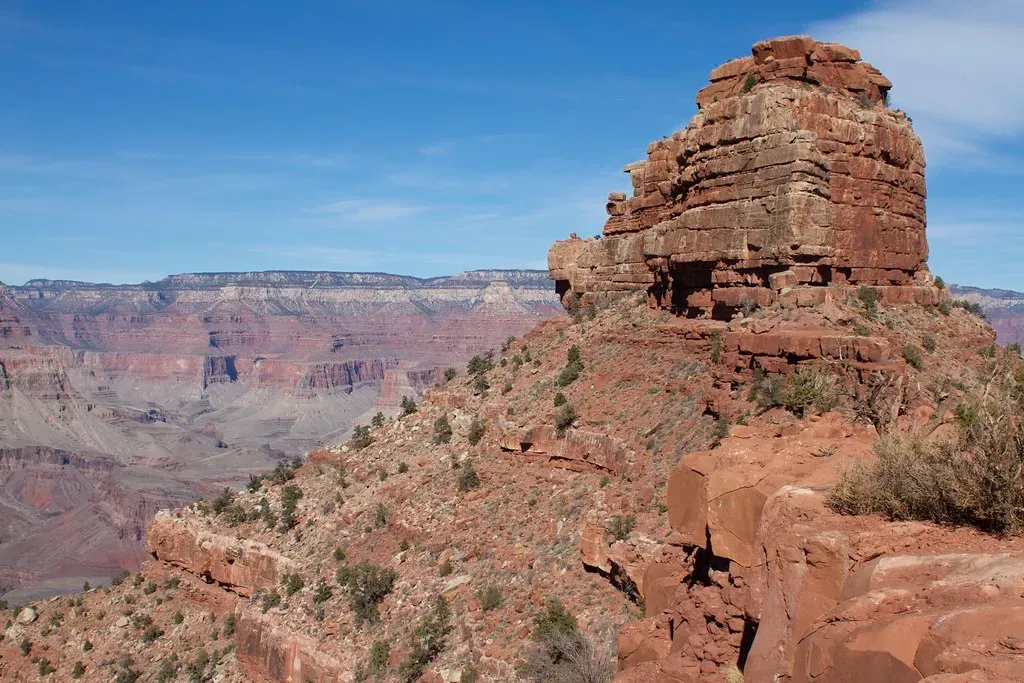
Here is where things get genuinely strange. A mystery lies deep within the Grand Canyon: one billion years’ worth of rocks have simply disappeared. This “Great Unconformity” has rocked the scientific community since it was first described almost 150 years ago. Imagine if someone tore nearly half the pages out of a history book and nobody could explain how or when.
The answer may lie in the breakup of the ancient supercontinent Rodinia. The upheaval was so violent it likely washed rocks and sediment into the ocean, accounting for one billion years’ worth of missing material in the case of the Grand Canyon. Researchers used a method called thermochronology to track the history of rock heating. When rocks are buried deep underground, immense pressure causes them to heat up, and that toasting leaves a chemical “footprint” of minerals behind, revealing clues about their history. Science at its most detective-like.
The Colorado River: The Sculptor That Carved a Mile-Deep Chasm
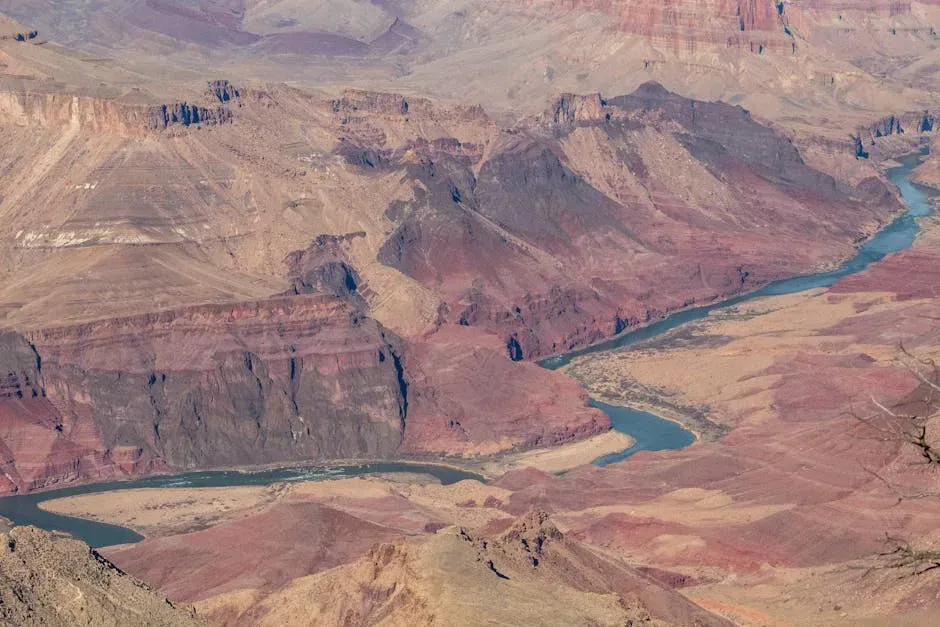
While the rock layers have been around for millions and even billions of years, the canyon itself is young. The Colorado River started carving into the rocks of the Grand Canyon only five to six million years ago. In geologic terms, that is practically yesterday. It is a bit like discovering that the world’s most ancient library was only recently built around the books it houses.
As the Colorado Plateau rose, the Colorado River cut its way downward, creating the mile-deep chasm of the Grand Canyon. This extraordinary depth resulted from the powerful erosion of the river, whose power to erode is a consequence of its steep drop combined with the rapid uplift of the plateau. The river acted less like a gentle stream and more like a relentless natural blade, slicing downward through rock with tireless patience over millions of years.
Ancient Seas, Sand Dunes, and Swamps: Environments Frozen in Stone
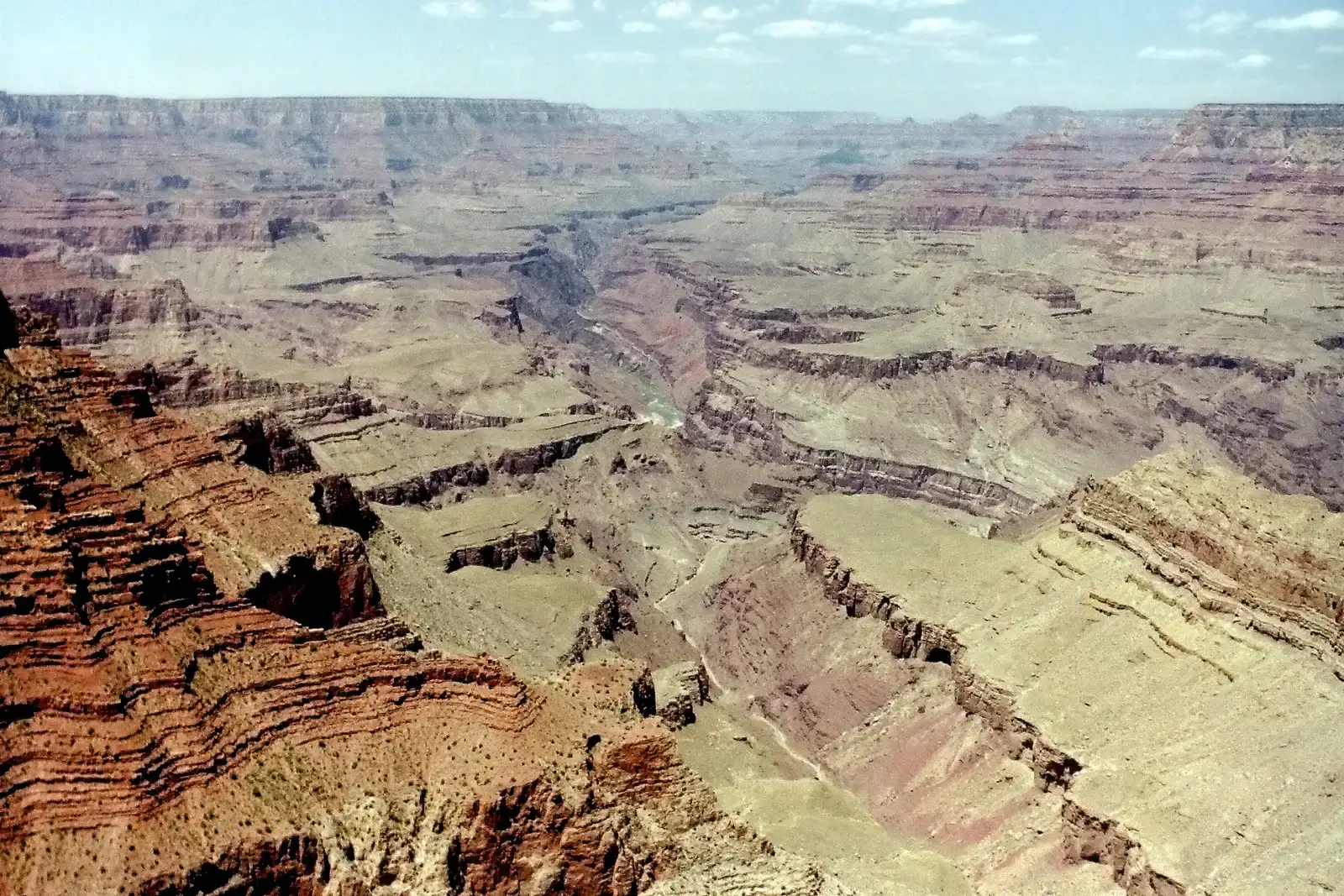
Many of the formations were deposited in warm shallow seas, near-shore environments such as beaches, and swamps as the seashore repeatedly advanced and retreated over the edge of a proto-North America. A major exception is the Permian Coconino Sandstone, which contains abundant geological evidence of ancient sand dune deposition, while several parts of the Supai Group were also deposited in non-marine environments. The variety is staggering. You are not looking at one ancient world. You are looking at dozens of them, stacked on top of each other.
Nautiloids once roamed a shallow sea, catching prey with octopus-like tentacles. Seed ferns thrived in warm swamps and forests. Fish swam in an ancient ocean. Early reptiles scurried across sand dunes. In the Grand Canyon, these secrets are hardened into stone right in front of your eyes like an open book. The canyon is not a passive display. It is a living record, if you know how to read it.
The Fossils That Tell the Story of Ancient Life
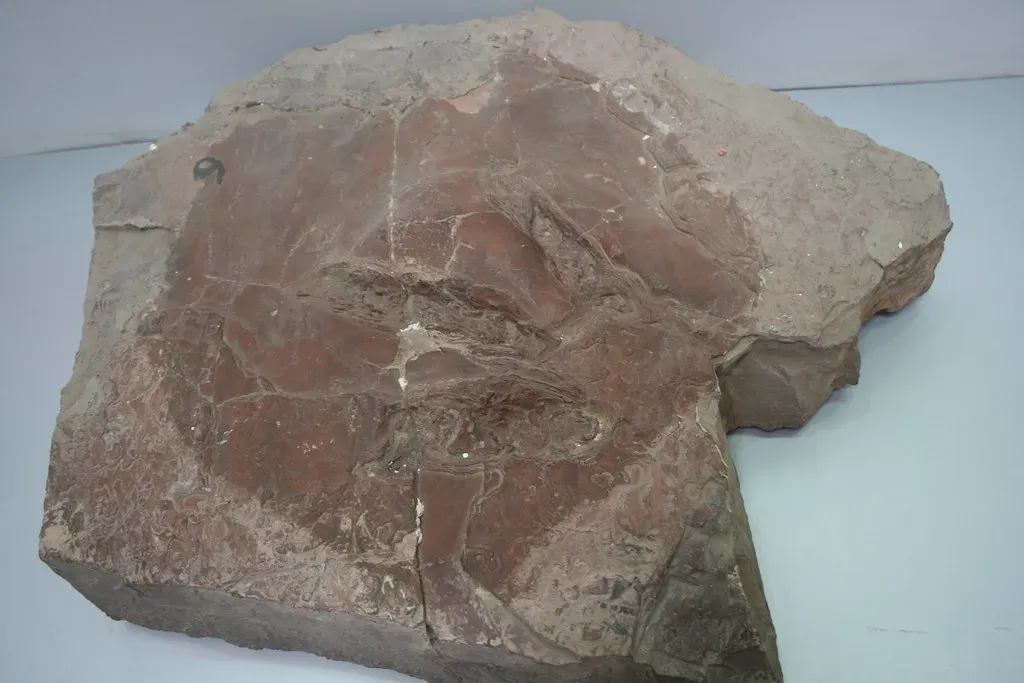
The Paleozoic Strata contain many fossils that help scientists learn about the geologic history of North America, and most of the fossils are ocean-dwelling creatures, telling us that the area now in the middle of Arizona was once a sea. It sounds almost absurd. The dry, sun-baked Arizona landscape was once submerged under a vast ocean. Yet the evidence is unmistakable, written right there in limestone and shale.
Close to the rim of the Grand Canyon lies the Coconino Sandstone. This layer is the result of a vast sand dune-covered landscape, and it is common to find reptile, scorpion, and spider tracks from when these creatures were scurrying across the dunes around 280 million years ago. Finding a fossilized footprint from a creature that lived before the age of dinosaurs, pressed into the stone of an ancient desert, is the kind of thing that makes your brain temporarily short-circuit in the best possible way.
John Wesley Powell and the Scientific Revolution at the Rim
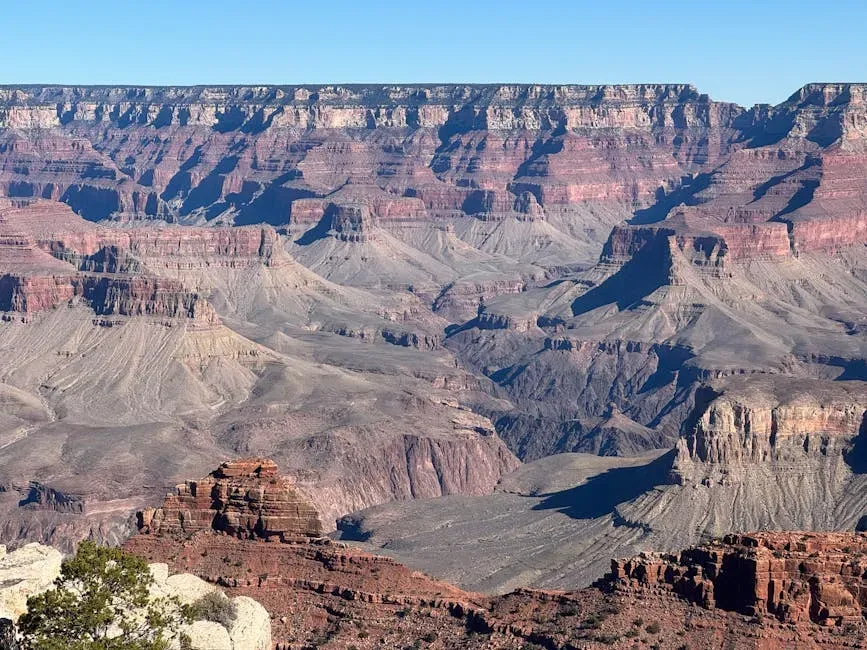
The geology of the Grand Canyon was first systematically studied by the explorer-geologist John Wesley Powell in three epic exploratory trips between 1869 and 1872. More than a century later, scientists are still interpreting the details of its formation and of the fossil life contained within its steep rock walls. Powell was not just an adventurer. He was a man who looked at rock walls and asked questions no one had thought to ask before.
The theory that water erosion formed the Grand Canyon forced geologists and literate members of society into mind-bending speculations about the age of the Earth. A water-carved Grand Canyon would have required millions of years of slow, steady erosion. This intellectual revolution embedded the concept of deep time into the modern world and supported other revolutionary ideas such as Charles Darwin’s theory of evolution. Powell’s canyon was not just a geological discovery. It was a philosophical earthquake.
The Canyon’s Mysteries Are Still Being Written Today
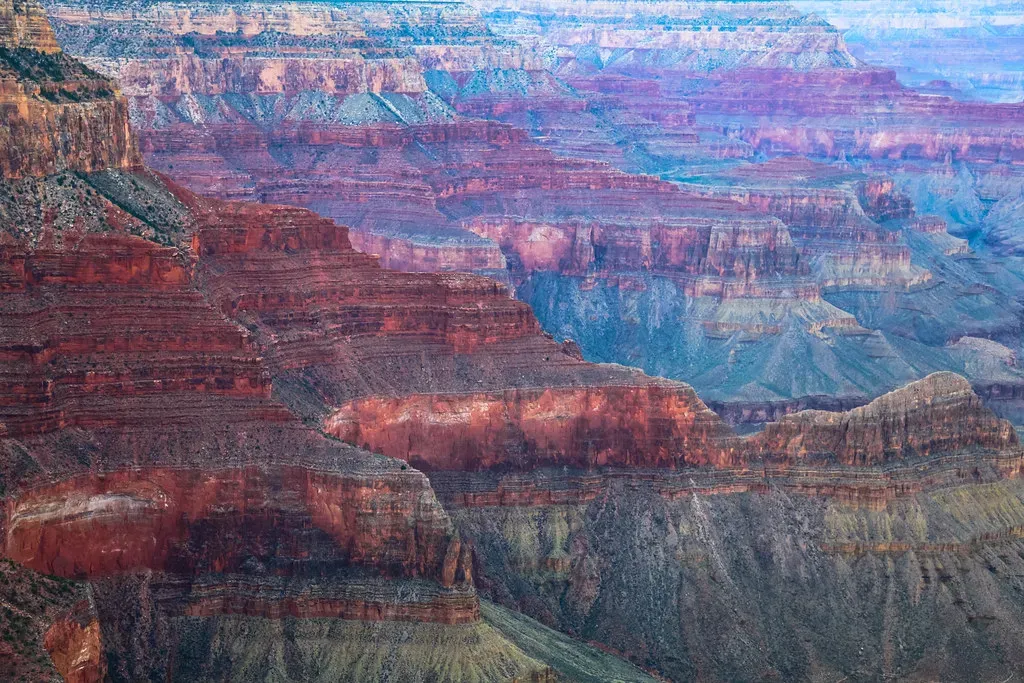
After 150 years, the Grand Canyon is still a mystery even to the geologists who study it. As recently as the mid-1970s, scientists identified a new rock layer at the canyon. Even today, geologists still debate just how old some rock layers are, and when and why the Colorado River began carving the Grand Canyon in the first place. That level of ongoing mystery in something this famous is, I think, genuinely wonderful. It means we are still learning.
In their efforts to map out the canyon’s geological history, new tools have played a crucial role. Technology like three-dimensional scanning has allowed researchers to create detailed, accurate models of the canyon’s rock formations. The Tonto Group alone holds a treasure trove of sedimentary layers and fossils chronicling the Cambrian Explosion some 540 million years ago, when the first animals with hard shells rapidly proliferated and sea levels rose to envelop continents with emerging marine life. Every new technology reveals another layer of the story that no human eye has ever properly read before.
Conclusion: A Place That Puts Everything Into Perspective
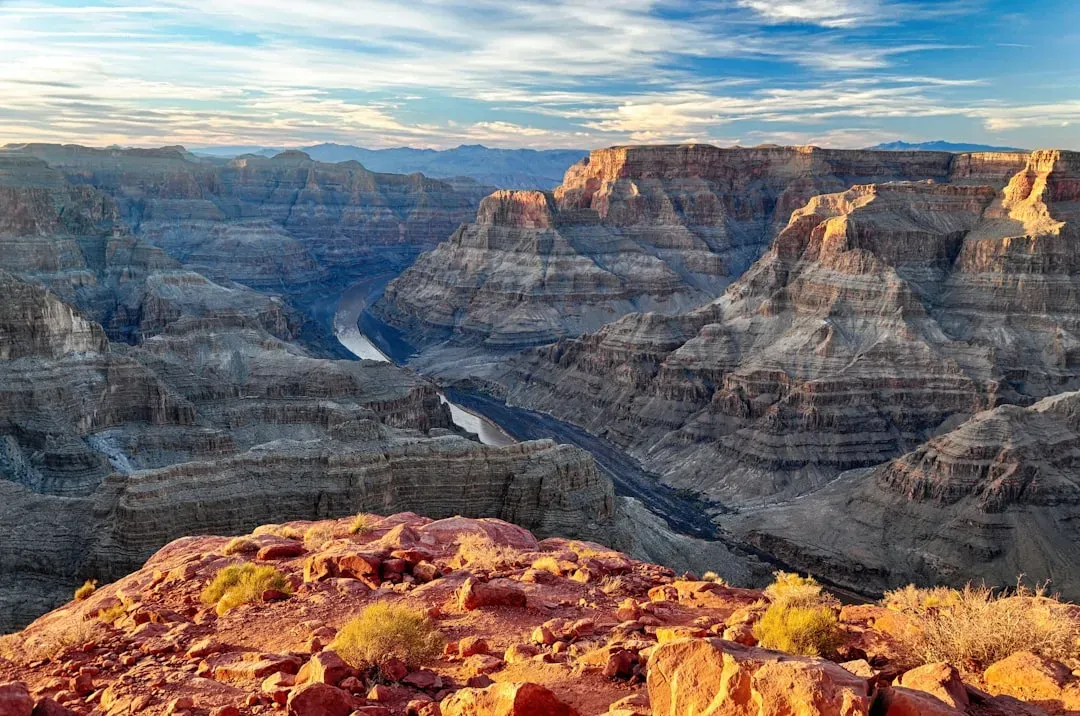
The Grand Canyon is not just a pretty view. It is a record of time so vast and so layered that even the scientists who dedicate their careers to studying it admit there is still more to uncover. You can stand on that rim and see roughly a third of Earth’s entire planetary history exposed in front of you, and that is not an exaggeration. It is a verifiable, humbling fact.
What strikes me most is this: the rock at the bottom formed before complex life existed, and the rock at the top solidified before dinosaurs roamed the Earth. The canyon is not just old. It is a reminder that humanity’s entire story, every empire, every invention, every heartbreak, occupies barely a whisper at the very end of an impossibly long conversation Earth has been having with itself.
The next time you look at a photograph of the Grand Canyon, or better yet, stand at its rim, try to resist the urge to see it as just scenery. You are looking at nearly two billion years of planetary memory, carved open and laid bare by a river that started its work only yesterday, geologically speaking. What part of that story do you think still lies undiscovered?