
For most of human history, dinosaurs were dismissed as lumbering, dim-witted reptiles. Giant, yes. Terrifying, absolutely. But smart? Not a chance. That old assumption is crumbling fast, and the science replacing it is far more surprising than anything you might imagine.
We are living in what many paleontologists are calling a golden era of dinosaur discovery. New fossils, advanced brain imaging, and computational tools are rewriting the rulebook on how these animals thought, sensed, and behaved. You might be shocked by just how much has changed in the past few years alone. Let’s dive in.
From “Walnut Brains” to Worthy Competitors: The Myth Collapses
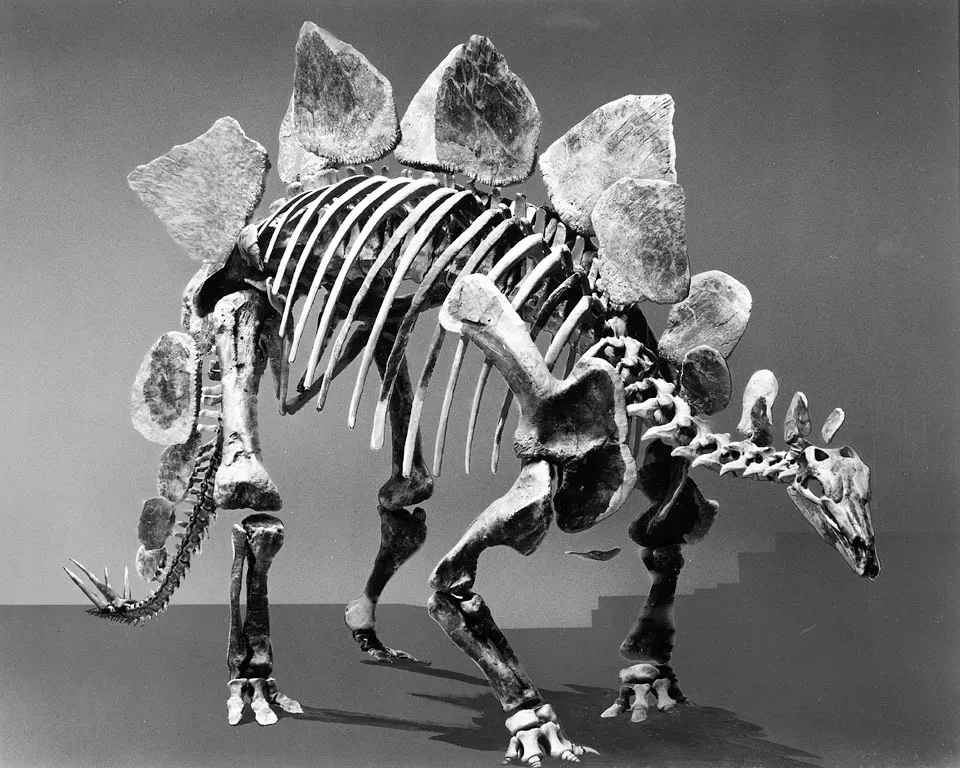
For generations, the assumption that dinosaurs were unintelligent felt almost bulletproof. Early paleontologists assumed that dinosaurs were unintelligent, based on both the size of their brains in relation to their bodies and because they were considered closely related to reptiles. The phrase “a brain the size of a walnut” became cultural shorthand for stupidity, applied most famously to Stegosaurus. Honestly, it’s a phrase that stuck around way longer than it deserved.
The idea that Stegosaurus had “a brain the size of a walnut” was not quite accurate. It had a brain the size of a dog’s, but in proportion to its body, the brain was very small. That distinction matters. Size relative to body, not raw size alone, is what scientists now work hard to interpret. Early paleontologists made little progress in understanding dinosaur cognition until the 1970s, when scientists developed a new system for estimating intelligence based on relative brain size, called the encephalization quotient, or EQ.
The Neuron Wars: Was T. Rex More Like a Monkey or a Lizard?
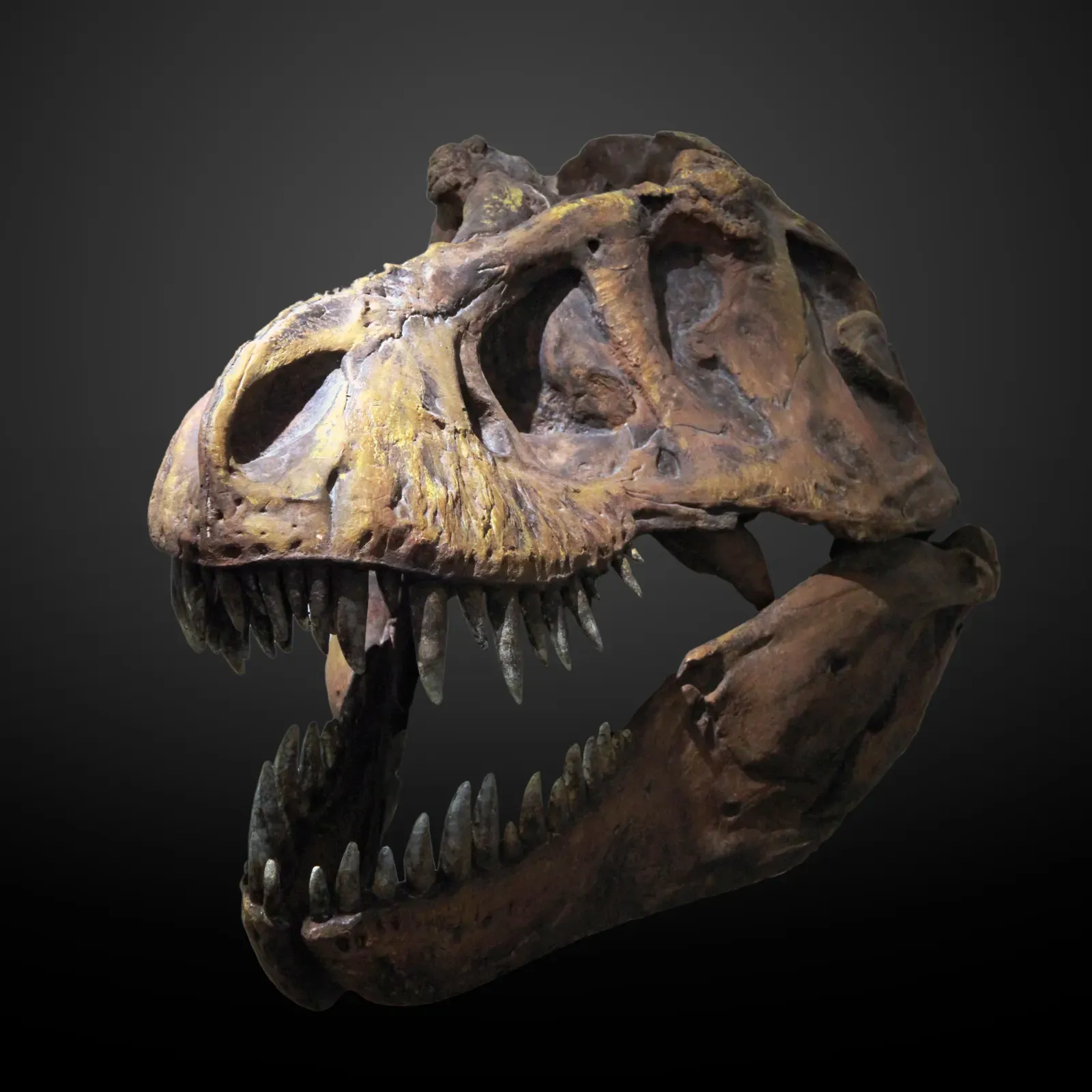
Here’s the thing. Around 2023, a bombshell paper shook the paleontology world. Biologist and neuroscientist Suzana Herculano-Houzel of the Vanderbilt Brain Institute published a study suggesting that theropods had telencephalic neurons similar to modern-day primates, suggesting a higher level of intelligence than previously thought, perhaps even as advanced as humans. The idea of a monkey-brained T. rex was genuinely electrifying, and media coverage went absolutely wild with it. It seemed almost too good to be true.
Predictably, the scientific community pushed back hard. An international team of paleontologists, behavioral scientists, and neurologists re-examined brain size and structure in dinosaurs and concluded they behaved more like crocodiles and lizards. The team found that dinosaur brain size had been overestimated, especially that of the forebrain, and thus neuron counts as well. They also showed that neuron count estimates are not a reliable guide to intelligence. So where does that leave us? Somewhere in genuinely exciting scientific territory, with no easy answers yet.
The Problem With Measuring Extinct Minds
Measuring intelligence in a living animal is already fiendishly difficult. Doing it for a creature that has been dead for 66 million years? That’s another challenge entirely. Estimating intelligence is problematic even in living species, but is far more difficult in extinct animals. Without the ability to conduct behavioral studies, theories on dinosaur intelligence can never be well corroborated. Think of it like trying to guess someone’s personality from their shoe size alone. Possible, maybe. Reliable? Definitely not.
T. rex is related to both reptiles and birds, but these two groups have vastly different neuron densities. Reptiles have fewer neurons per square centimeter of brain than birds. When calculating the number of neurons in extinct theropods, researchers must decide whether to use the neuron densities of birds, reptiles, or some combination of the two. That single methodological choice dramatically changes the conclusion. Researchers have a ten-fold range from a turtle to a crow density of neurons to choose from, with no definite way of constraining it. Even in modern animals, telencephalic neuron counts don’t track reliably against good measures of cognitive ability.
What CT Scanning Is Revealing About Dinosaur Brains and Senses
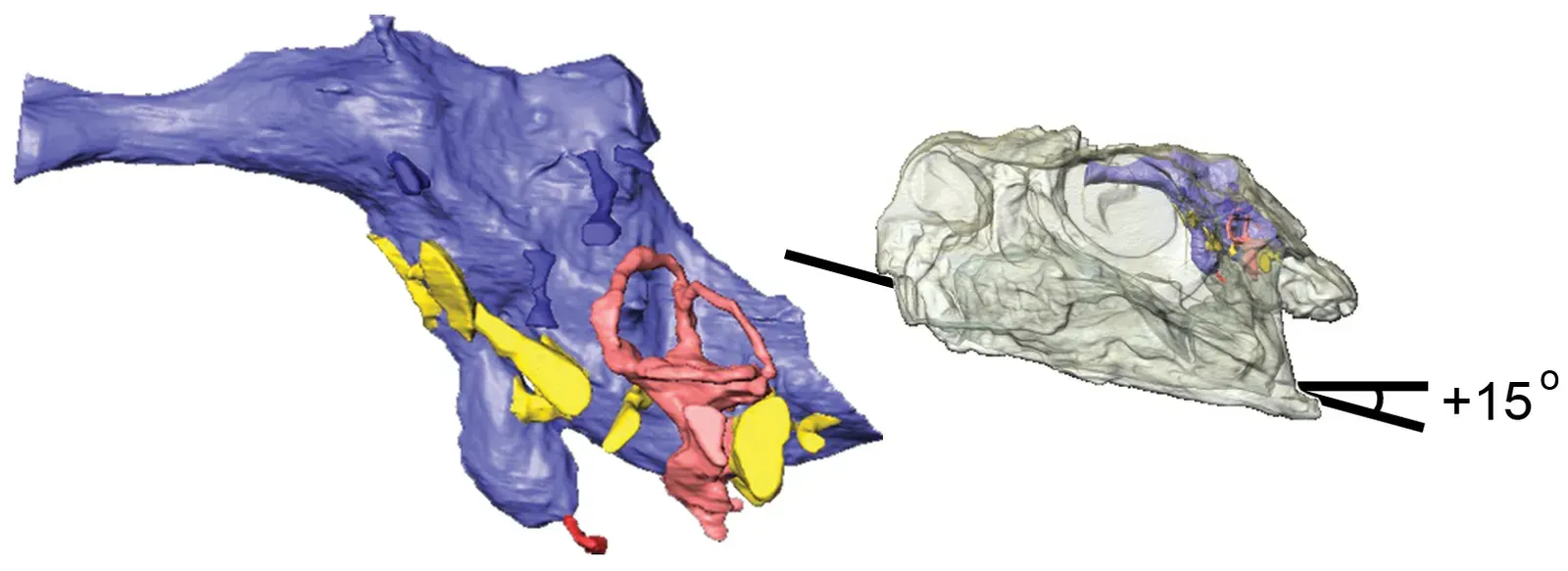
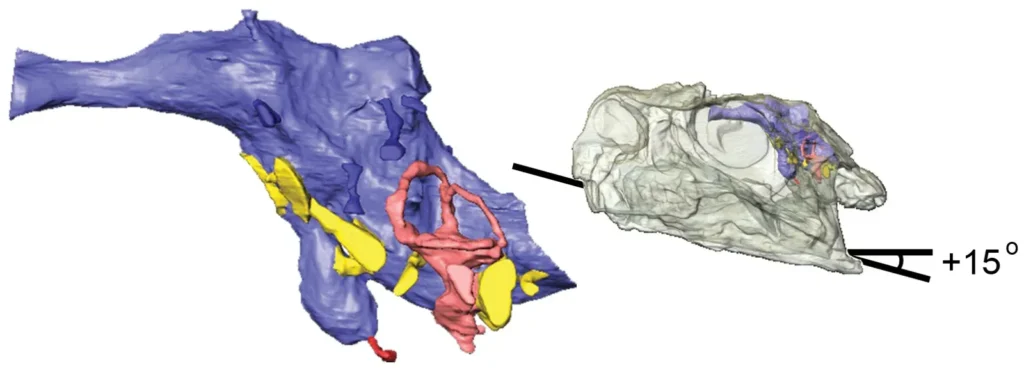
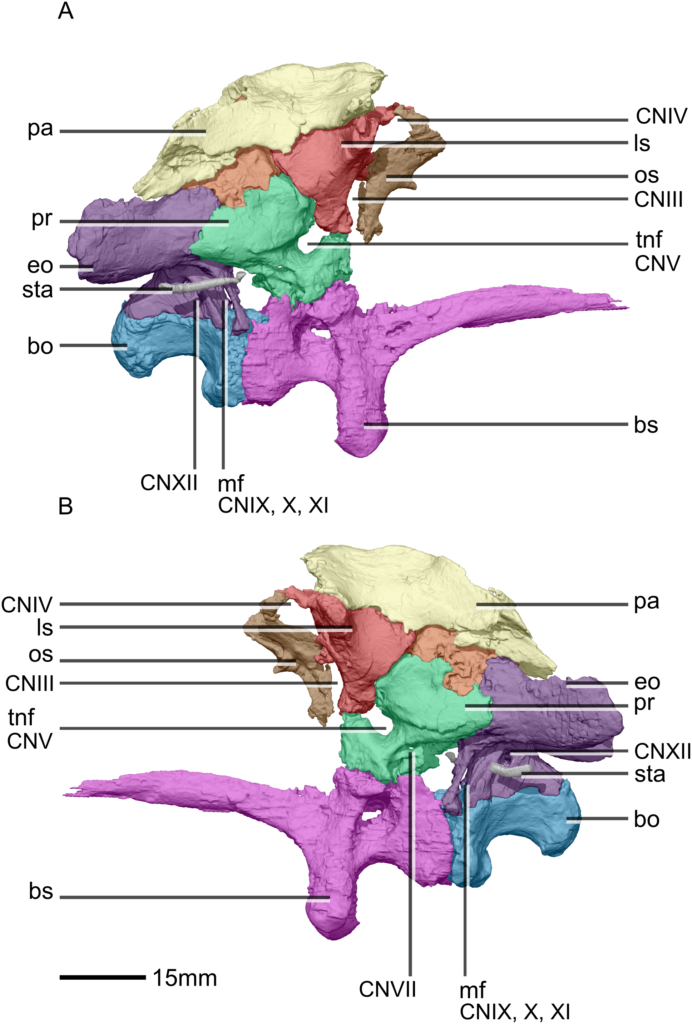
Forget old-fashioned guesswork from cracked-open skulls. Recent research utilizing computed tomography, or CT scanning, has enabled scientists to create accurate models of dinosaur brains, allowing for more comprehensive analyses of their cognitive capacities. This technology is transforming paleontology the same way X-rays once transformed medicine. You can now peer inside a fossil skull without touching a single bone.
A CT scan of an often-overlooked plant-eating dinosaur’s skull revealed that while it may not have been all that “brainy,” it had a unique combination of traits associated with living animals that spend at least part of their time underground, including a super sense of smell and outstanding balance. The work was the first to link a specific sensory fingerprint with this behavior in extinct dinosaurs. That dinosaur was Thescelosaurus, a species most scientists had largely ignored. Researchers found that the olfactory bulbs, the regions of the brain that process smell, were very well developed in Thescelosaurus. They were relatively larger than those of any other dinosaur known so far, and similar to those of living alligators. Thescelosaurus may have used its similarly powerful sense of smell to find buried plant foods like roots and tubers.
Vision, Hearing, and a Sensory World We Barely Imagined
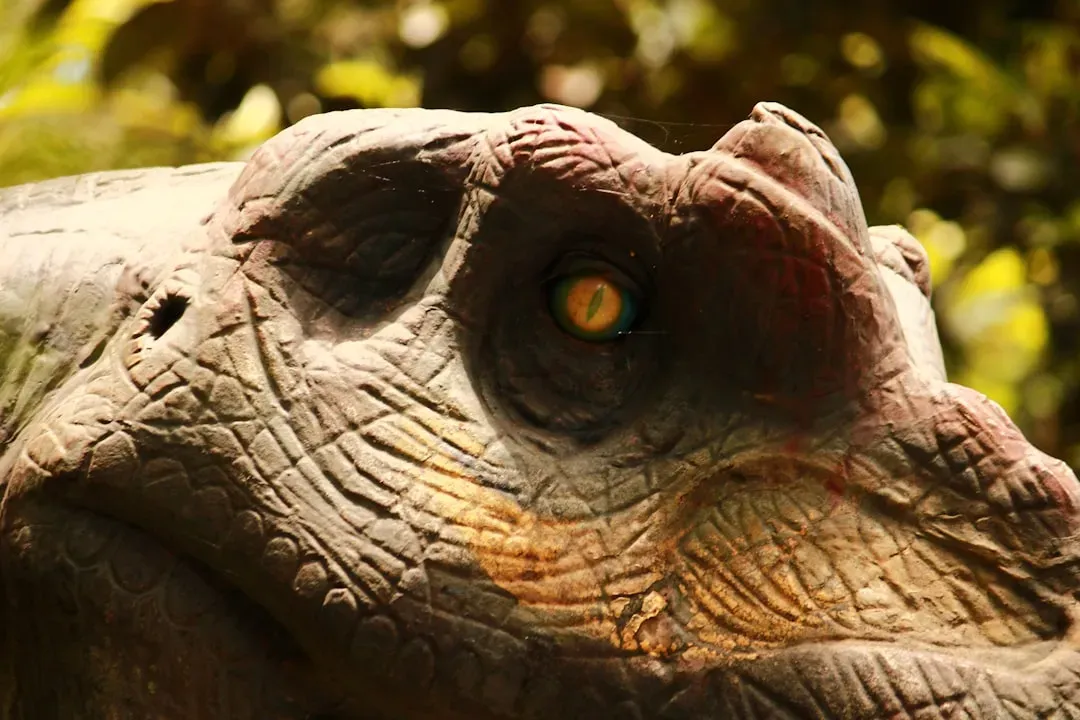
It turns out dinosaurs were far more sensory-sophisticated than the old “dumb lizard” picture suggested. Dinosaurs probably possessed tetrachromatic vision, meaning they had four types of cone cells in their eyes compared to the three in human eyes. This allowed them to see a greater range of colors than humans, and they could likely see ultraviolet light. This enhanced color perception likely aided in hunting, communication, and navigation. Imagine perceiving a world layered in colors you can’t even conceptualize. Genuinely extraordinary.
The variations in sensory ability across different species are equally fascinating. T. rex brains show unusually large olfactory regions for a dinosaur, indicating the species had an exceptionally keen sense of smell. Meanwhile, in spinosaurs, another sense that appears to have changed during evolution was hearing. The cochlear duct, the part of the inner ear which converts sound into brain signals, was found to be slightly elongated in early spinosaurs and therefore specialized for lower frequencies. Different dinosaurs tuned their senses to fit their specific world, much like different animals do today.
Social Behavior as a Window Into Dinosaur Intelligence
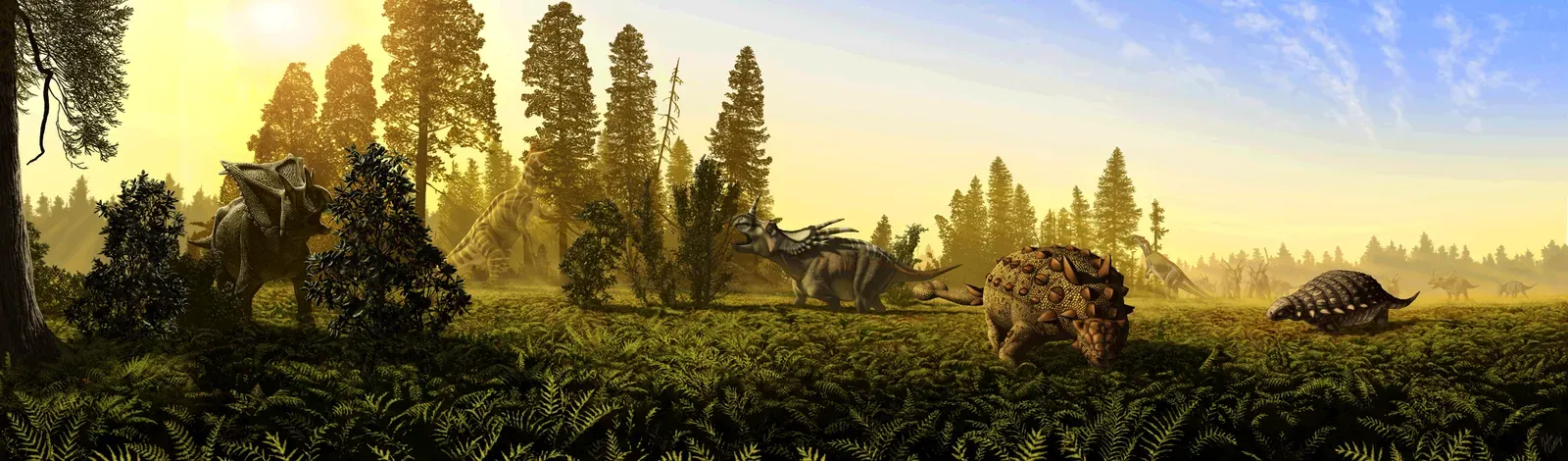
Intelligence doesn’t just live inside a skull. You can see it in how animals organize themselves, care for their young, and navigate group life. The evidence for complex social behavior in dinosaurs is growing, and it’s seriously compelling. Researchers from MIT, Argentina, and South Africa found that Mussaurus patagonicus may have lived in herds as early as 193 million years ago, representing the earliest evidence of social herding among dinosaurs. That’s roughly 40 million years earlier than scientists previously thought.
New discoveries indicate the presence of social cohesion throughout life and age-segregation within a herd structure, in addition to colonial nesting behaviour. These findings provide the earliest evidence of complex social behaviour in Dinosauria. Social structure like this demands coordination, memory, and a level of awareness of others. A collection of footprints from a group of ceratopsians and an Ankylosaurus could be the first evidence of dinosaur herds that were made up of multiple species. Mixed-species herding, if confirmed, would represent a degree of interspecies social tolerance that is genuinely surprising for animals long assumed to be solitary and reactive.
Birds as Living Fossils of Dinosaur Intelligence
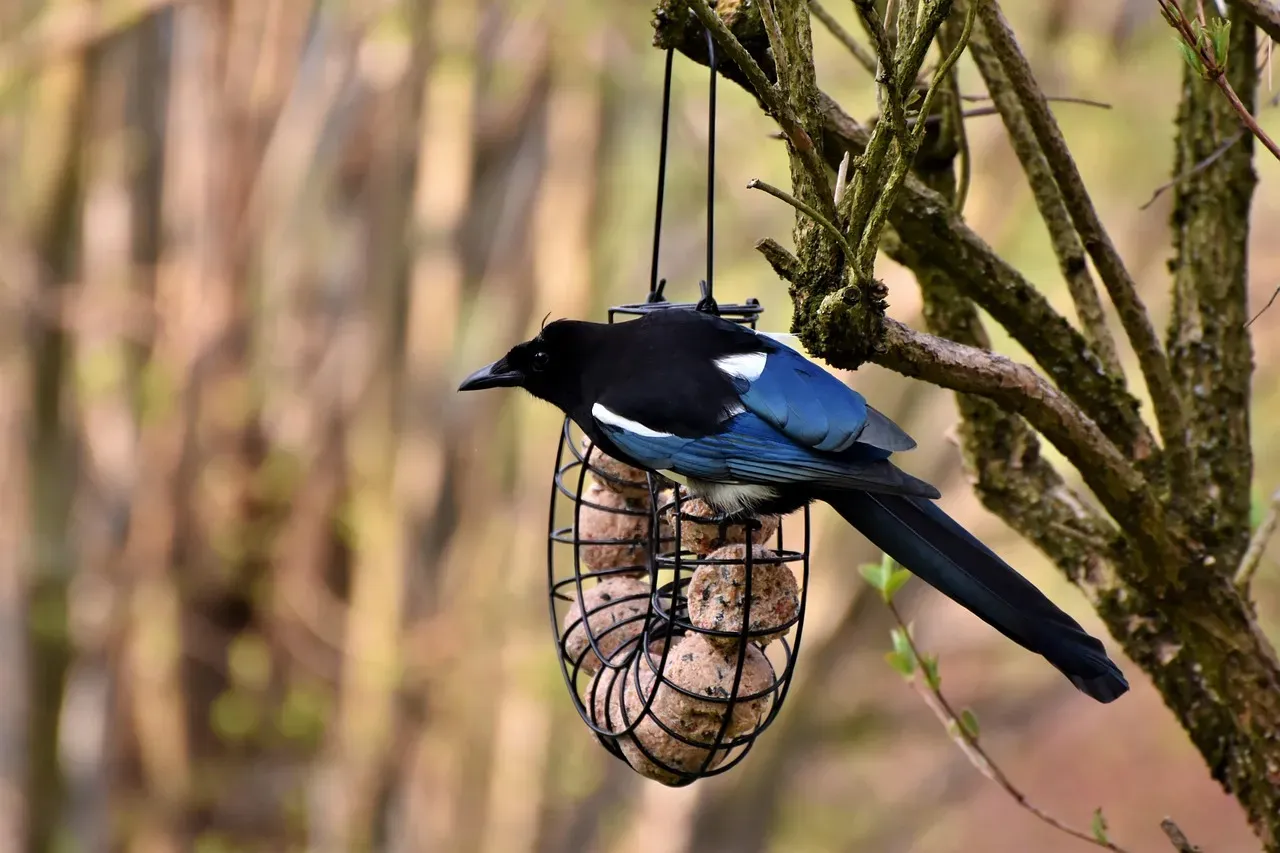
Perhaps the most mind-bending shift in our understanding is this: you don’t have to go to a museum to study dinosaur intelligence. You can watch it at a bird feeder. The realization that birds evolved from theropod dinosaurs led some paleontologists to theorize that dinosaur intelligence might be more appropriately based on studies of avian intelligence and the structure of birds’ brains. Crows, ravens, and parrots, all living dinosaurs in the truest technical sense, are among the most cognitively sophisticated animals on the planet.
What is clear from research is that dinosaurs were among the most complex and intelligent animals in the Mesozoic, and their descendants, the birds, have evolved into some of the most intelligent animals in the modern world. This is very much an active area of debate and consideration. It’s difficult not to be intrigued and even excited by claims that Mesozoic dinosaurs possessed largely unknown neurocognitive functions approaching those seen in birds. I think that’s the most honest summary of where the science stands right now: not settled, not simple, but absolutely worth paying attention to.
Conclusion: The Story Is Far From Over
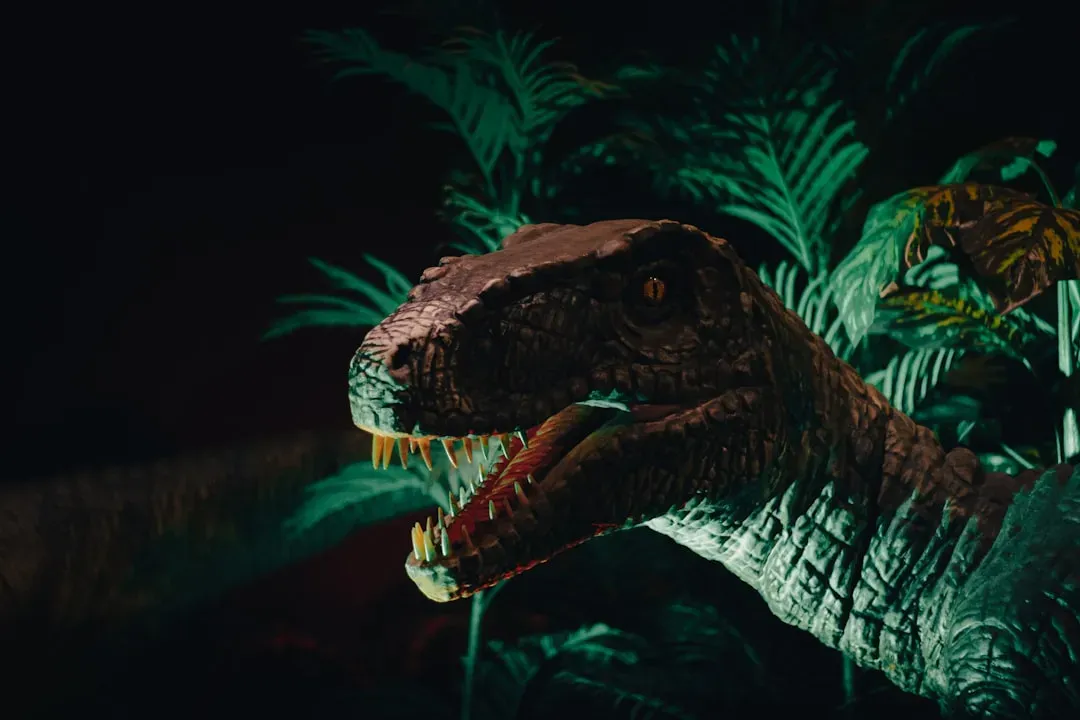
What we thought we knew about dinosaur intelligence has been turned inside out in just a few years. Dinosaurs may be long extinct, but 2025 and beyond made it abundantly clear that they’re anything but settled science. New fossils, reanalyses of famous specimens, and the use of increasingly sophisticated tools have continued to upend what we thought we knew about how these animals lived, moved, fed, and evolved. Every new CT scan, every fossil trackway, and every reanalysis of an old specimen adds another brushstroke to this ever-more-complex portrait.
While debates continue regarding the best methods to assess intelligence, the consensus is that dinosaurs exhibited a range of cognitive abilities, making them some of the most complex animals of their time. Future research may further clarify their intelligence and its implications for understanding the evolution of cognition in both dinosaurs and their avian descendants. The days of the dim-witted dinosaur are over. What’s emerging instead is something far more interesting: a picture of ancient animals that sensed, socialized, and navigated their world with a sophistication we are only just beginning to appreciate.
So the next time you hear a crow outwit a problem or watch a parrot read a room, remember, you might be looking at the living echo of a Cretaceous mind. What does that make you think about the dinosaurs you thought you knew?