
When you think of birds today, you probably picture the sparrows at your feeder, the pigeons strutting down the sidewalk, or maybe an eagle soaring dramatically over a canyon. Elegant, sure. Impressive, sometimes. But compared to what the skies, plains, and coastlines looked like tens of millions of years ago? Today’s birds are almost quaint.
The story of prehistoric birds is one of the most jaw-dropping chapters in the entire history of life on Earth. Creatures with toothed jaws, giants that dwarfed modern condors, apex predators that terrorized entire continents, and ocean-going behemoths that make the wandering albatross look like a pigeon. You’re about to discover just how extraordinary, strange, and downright terrifying the ancestors of modern birds truly were. Let’s dive in.
The Humble, Surprisingly Unimpressive Beginnings of Avian Life
Uploaded by FunkMonk, CC BY-SA 2.0)
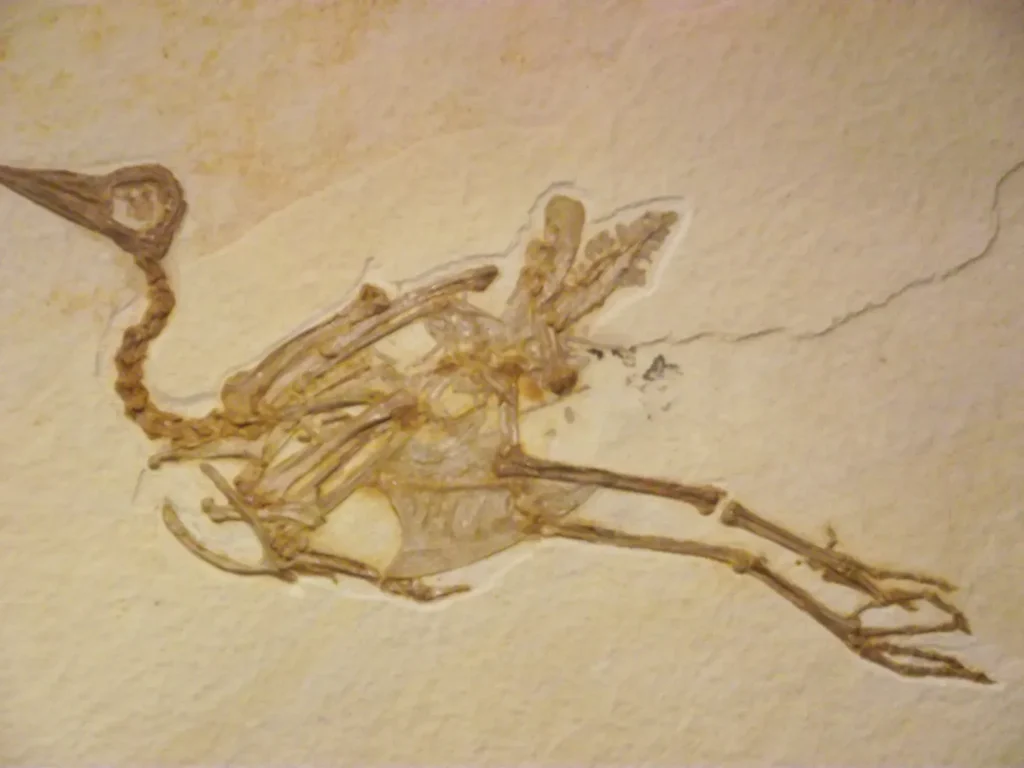
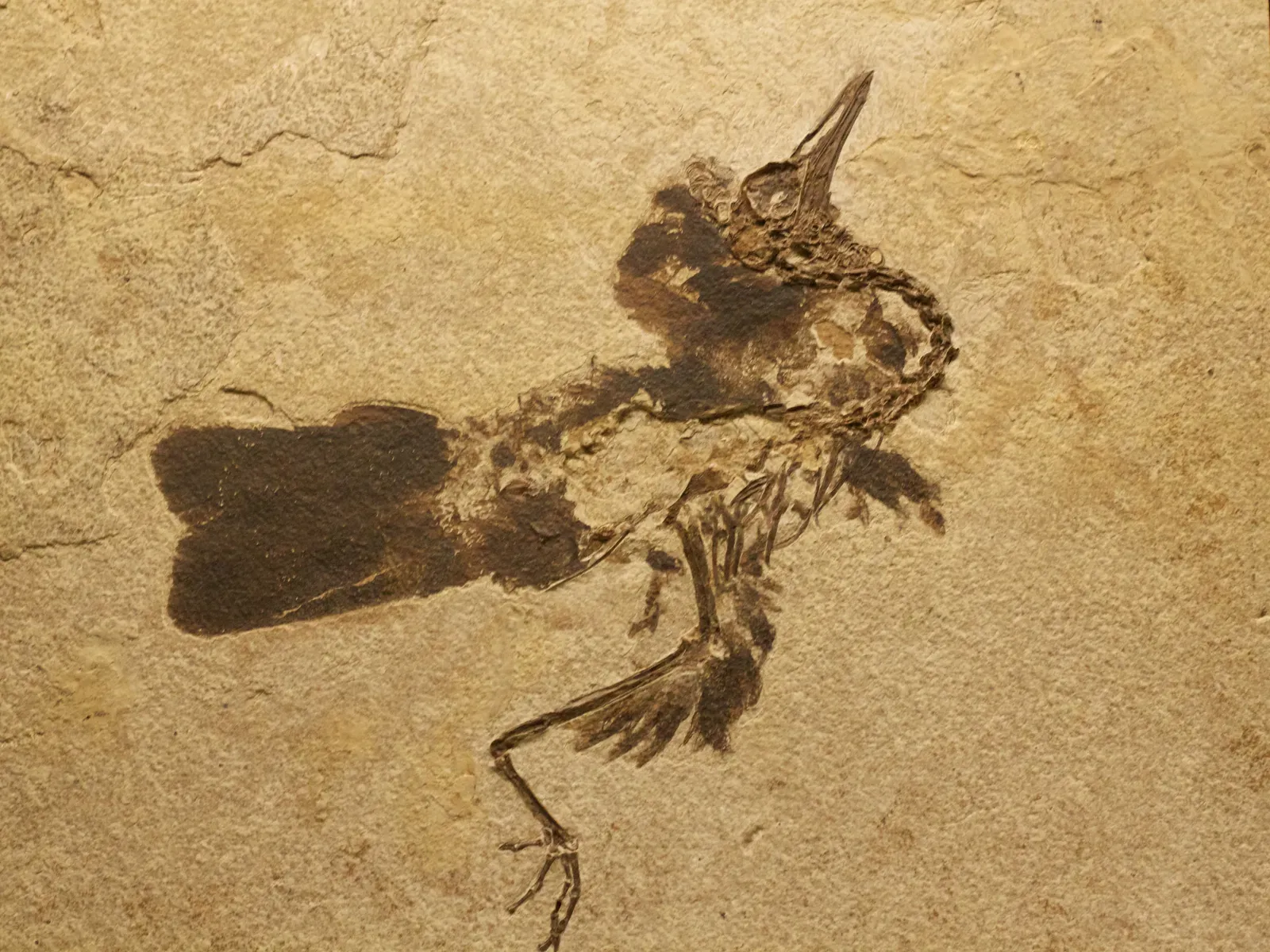
Here’s something that might genuinely surprise you. The very earliest birds were not the diverse, awe-inspiring creatures we might expect. Researchers found a striking lack of diversity in the earliest known fossil bird fauna, a set of species that lived at about the same time and in the same habitat. In other words, nature’s first attempt at birds was, honestly, a little bland.
They found that these early birds were less diverse than modern birds. In particular, larger birds and water birds were lacking. Think about that. No swooping herons, no diving gannets, no swimming ducks. To tease out the ecological roles played by the prehistoric birds, the researchers used modern-day birds to build a statistical technique that could relate the physical characteristics of a bird to its diet, behavior and habitat. Long legs might be associated with birds that wade through water, for instance, and the shape of the beak might hint at what the bird ate. The data painted a picture of creatures that were, collectively, a bit too similar to each other to be truly remarkable yet.
Archaeopteryx: The Original “Bird” That Wasn’t Quite a Bird
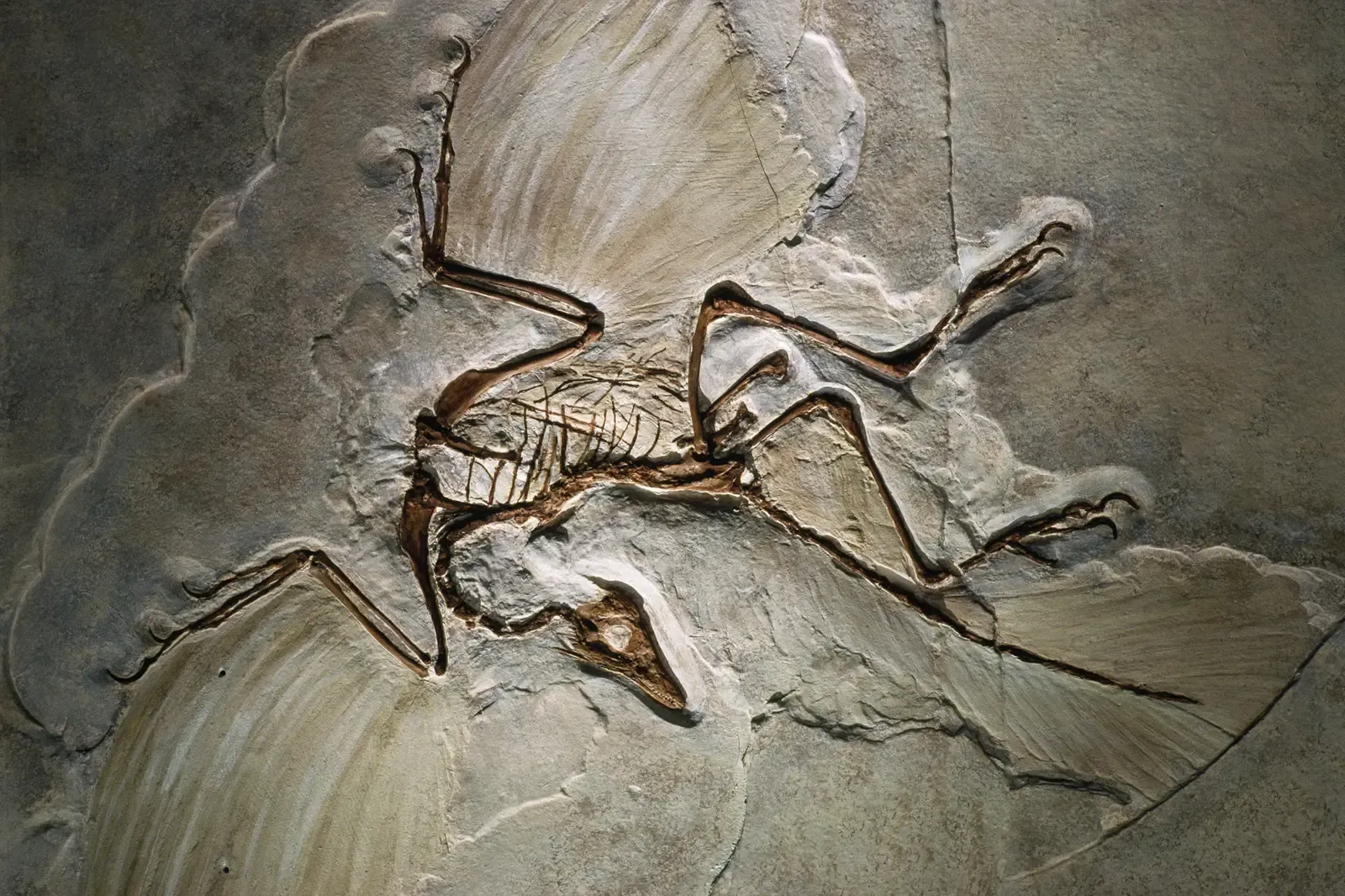
Archaeopteryx lived in the Late Jurassic around 150 million years ago, in what is now southern Germany, during a time when Europe was an archipelago of islands in a shallow warm tropical sea, much closer to the equator than it is now. It is still widely considered one of the most important fossils ever discovered, and for good reason. It represents the moment evolution was caught mid-experiment.
Unlike all living birds, Archaeopteryx had a full set of teeth, a rather flat sternum, a long, bony tail, gastralia, and three claws on the wing which could have still been used to grasp prey or maybe trees. However, its feathers, wings, furcula, and reduced fingers are all characteristics of modern birds. I think of it like a half-finished renovation: the bones of something spectacular, but the old structure still showing through every wall. The bones of Archaeopteryx were strong enough to handle low torsional forces, which allowed for bursts of powered flight over short distances to elude predators, rather than high torsional forces, which are required for rapid flapping and soaring.
When Prehistoric Birds Had Actual Teeth in Their Beaks
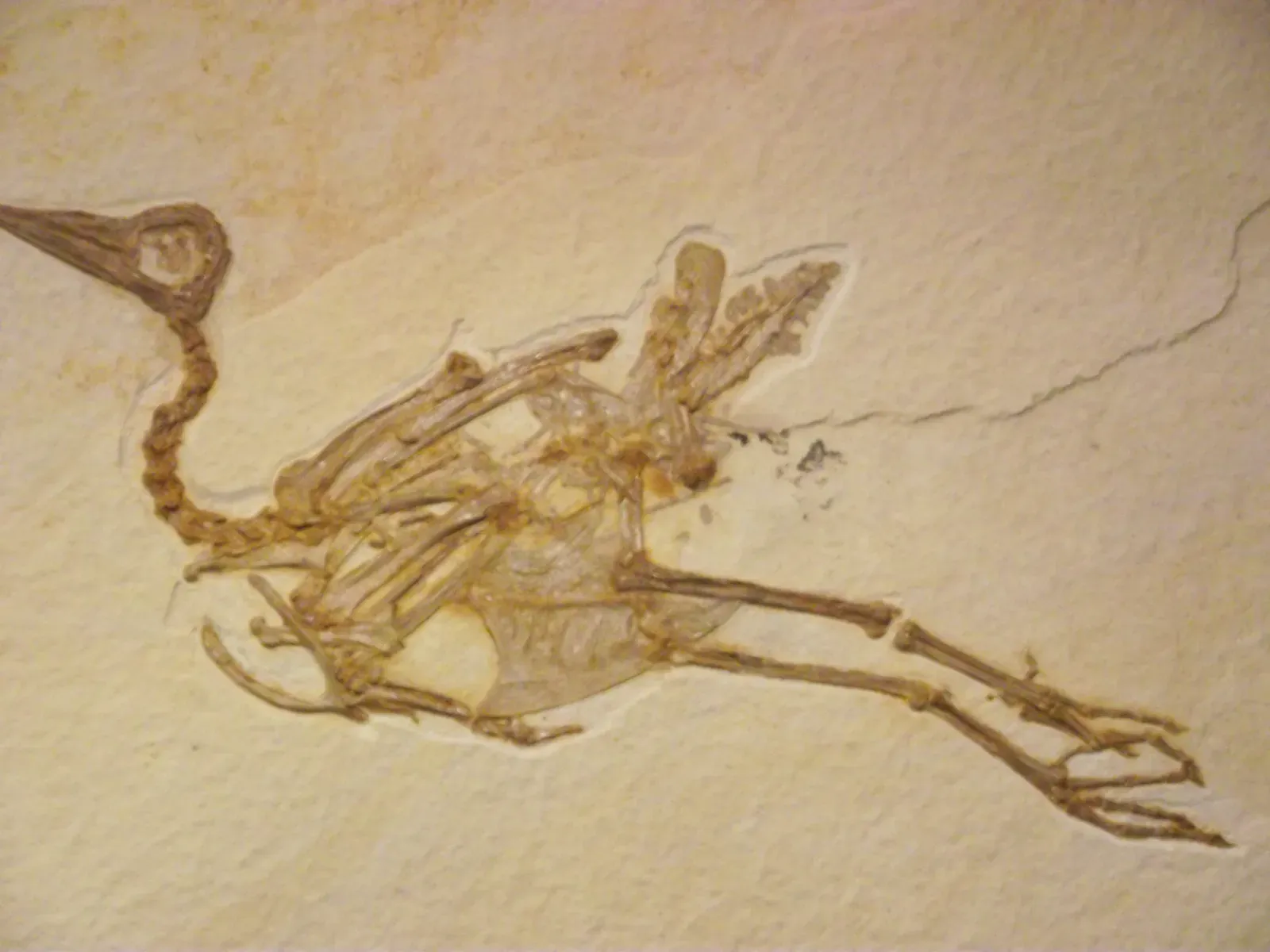
It sounds almost cartoonish, right? A bird with teeth. Yet this was genuinely real for a huge swath of avian prehistory. Toothed birds first appeared in the fossil record during the Jurassic period, approximately 150 to 160 million years ago, with Archaeopteryx often cited as the most famous example. These weren’t decorative features either. They served a serious biological purpose.
The anatomical features of Hesperornithiformes reveal modifications tailored for an aquatic existence. Their long, slender necks and sharp, toothed beaks were well-suited for catching fish, their primary diet. Unlike their avian counterparts, these birds possessed powerful hind limbs equipped with lobed feet, allowing them to propel efficiently through water. Meanwhile, Ichthyornis was a gull-sized toothed bird that lived approximately 93 to 83 million years ago during the Late Cretaceous period. Unlike the flightless Hesperornithiformes, Ichthyornis was a strong flier with well-developed wings, combining modern bird-like flight capabilities with an ancient toothed jaw. Teeth and flight. Together. At the same time. That’s prehistoric aviation for you.
The Terror Birds: Earth’s Forgotten Apex Predators
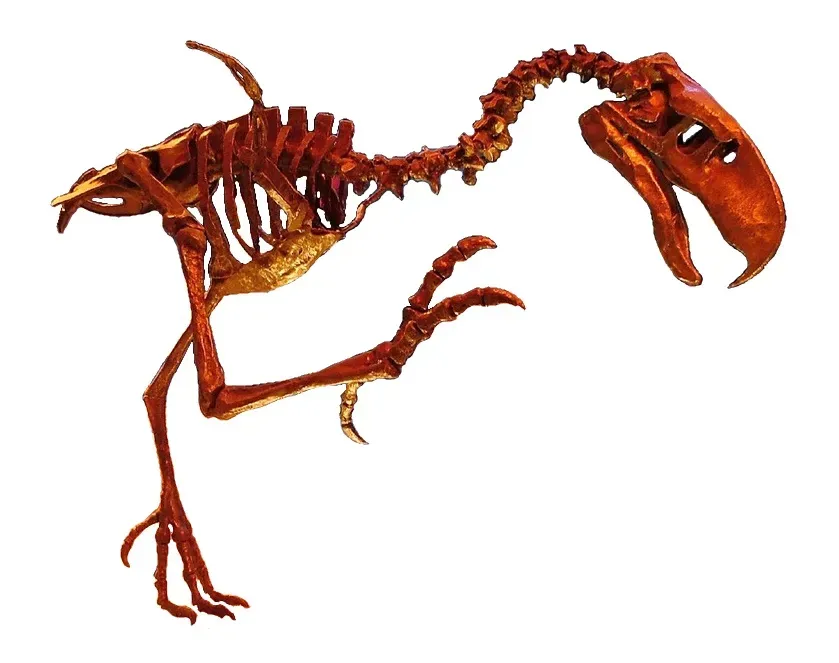
Uploaded by FunkMonk, CC BY 2.0)
Let’s be real: nothing in the modern bird world compares to what South America once produced. Phorusrhacids, colloquially known as terror birds, are an extinct family of large carnivorous, mostly flightless birds that were among the largest apex predators in South America during the Cenozoic era. These weren’t scavengers lurking on the outskirts of a predator’s kill. They were the top of the food chain.
Standing up to 10 feet tall, they had massive, hooked beaks and really strong legs built for running. Basically, they were the top predators of their time. Their predatory toolkit was formidable. This suggests that the phorusrhacid had a highly flexible and developed neck allowing it to carry its heavy head and strike with terrifying speed and power. Although the phorusrhacid externally looks like it has a short neck, its flexible skeletal neck structure proves that it could expand farther beyond the expected reach and intimidate its prey using its height, allowing it to strike more easily. Scientists estimate that the large terror birds were extremely nimble and quick runners, able to reach speeds of 48 km/h, or around 30 mph.
Argentavis Magnificens: The Sky’s Most Terrifying Landlord
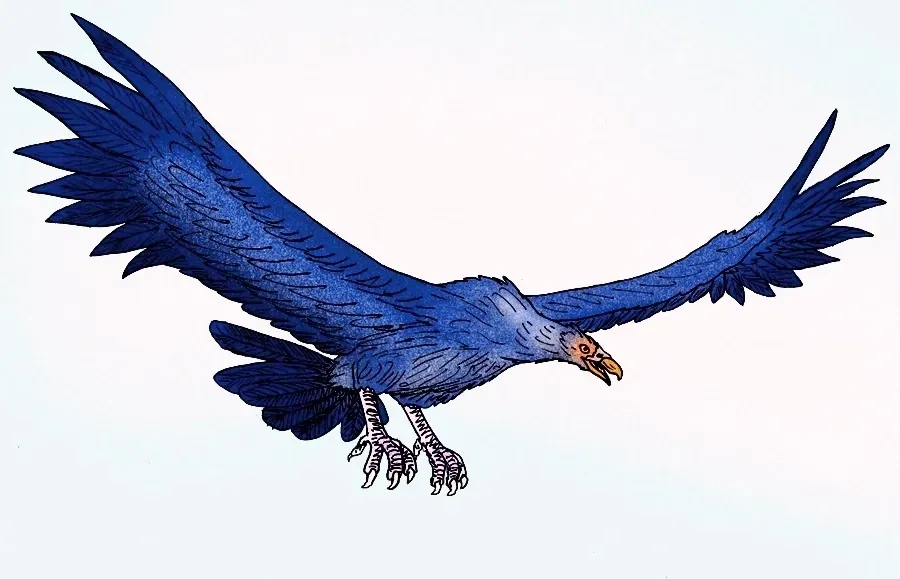
Picture the largest bird you’ve ever seen in real life. Now double it. Then double it again, roughly. Argentavis was among the largest flying birds to ever exist, holding the record for heaviest flying bird, although it was surpassed in wingspan after the 2014 description of Pelagornis sandersi, which is estimated to have possessed wings some 20% longer than those of Argentavis. This creature was less a bird and more a flying monument.
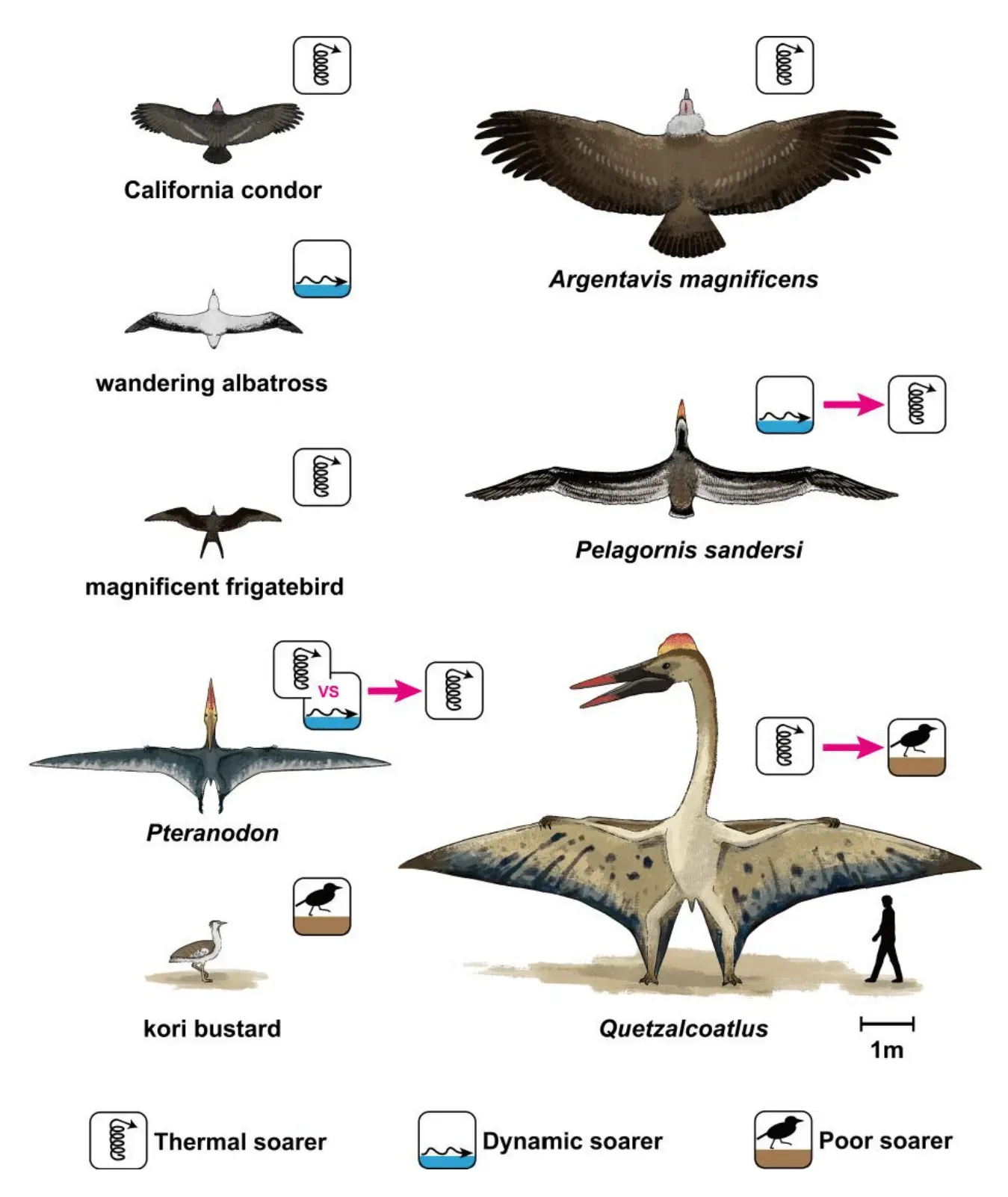
With an impressive wingspan of around 22 feet and weighing up to 160 pounds, they were the heaviest flying birds in the world. For comparison, the wandering albatross is the largest flying bird and has the largest wingspan of any living bird today. Their wingspan is typically between 8 feet 3 inches and 11 feet 6 inches. They are also relatively light birds, weighing only 14 to 24 pounds. Argentavis was in a completely different league. It may have flown and lived much like the modern Andean condor, scanning large areas of land for carrion. It is probable that it utilised thermal currents to stay aloft, and it has been estimated that the minimal velocity for Argentavis was about 40 kilometres per hour.
Pelagornis Sandersi: The Jaw-Dropping Ocean Giant
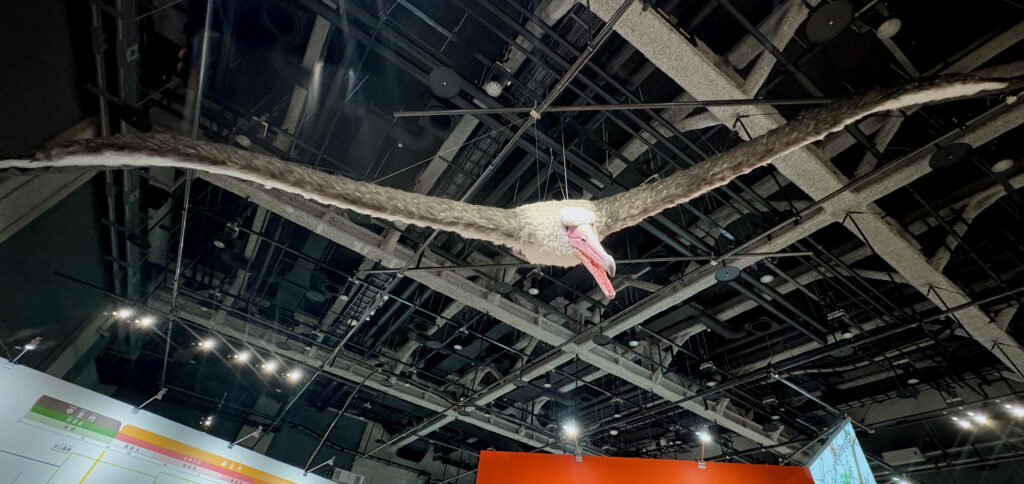
If Argentavis dominated the land-facing skies, Pelagornis sandersi owned the open ocean. The Pelagornis sandersi, which lived 25 to 28 million years ago, boasted a wingspan of 20 to 24 feet, twice as long as the biggest birds alive today, the California condor and Royal albatross, or roughly as long as a school bus packed full of small children. That comparison to a school bus never gets less astonishing.
It belongs to a group of strange, prehistoric birds known as pseudo-tooth birds. These birds didn’t have teeth, rather tooth-like projections on the margins of their bills that served a similar function and helped them to grasp slippery fish. As for getting into the air in the first place, once it was airborne, simulations suggest that the bird’s long, slender wings made it an incredibly efficient glider. By riding on air currents that rise up from the ocean’s surface, Pelagornis sandersi was able to soar for miles over the open ocean without flapping its wings, occasionally swooping down to the water to feed on soft-bodied prey like squid and eels.
Vorombe Titan: When “Big Bird” Was Actually Terrifying
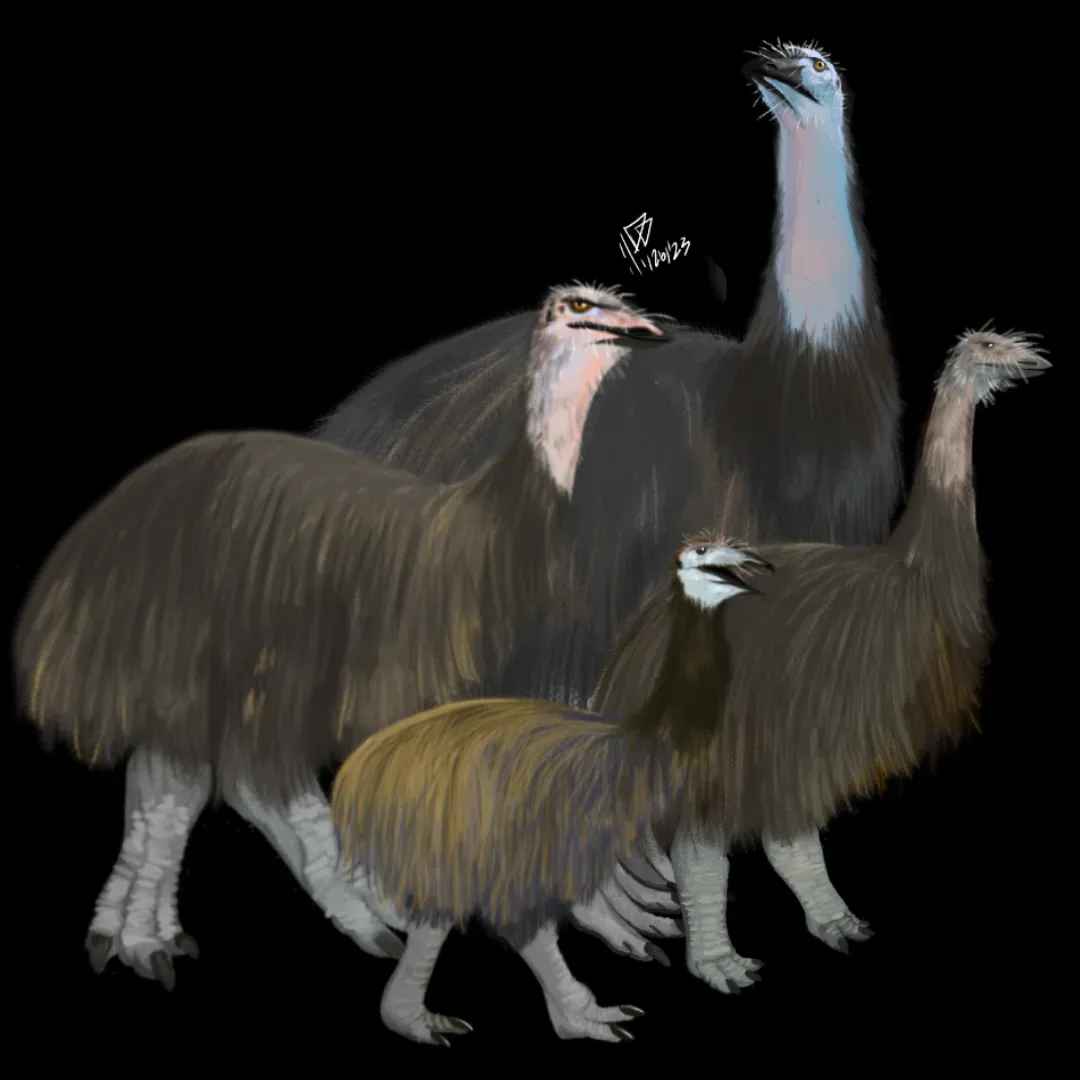
The Vorombe titan holds a title nobody today comes close to challenging. The largest extinct bird in the world is the massive Vorombe titan which was almost 10 feet tall and weighed up to an incredible 1,600 pounds. With a name that literally means “big bird,” the Vorombe titan is both the largest and the heaviest bird to have ever existed. It was a flightless elephant bird from Madagascar, and even its eggs were record-setting.
As is to be expected, they also laid the largest eggs ever known. Their eggs were between 10 and 13 inches long and 7 to 10 inches wide. Despite being endemic to Madagascar, eggs have turned up as far away as Australia and India. Sadly, the story of this magnificent creature has a painfully familiar ending. Although humans and elephant birds had lived alongside each other for thousands of years, around 1,000 years ago, the elephant birds became the subject of continued and sustained hunting. Tool marks on elephant bird bones dating back thousands of years show that humans had long hunted them. However, the increased activity around 1,000 years ago, coupled with a massive loss of habitat, eventually forced the giant birds to extinction.
How the Mass Extinction Reset the Entire Avian Story
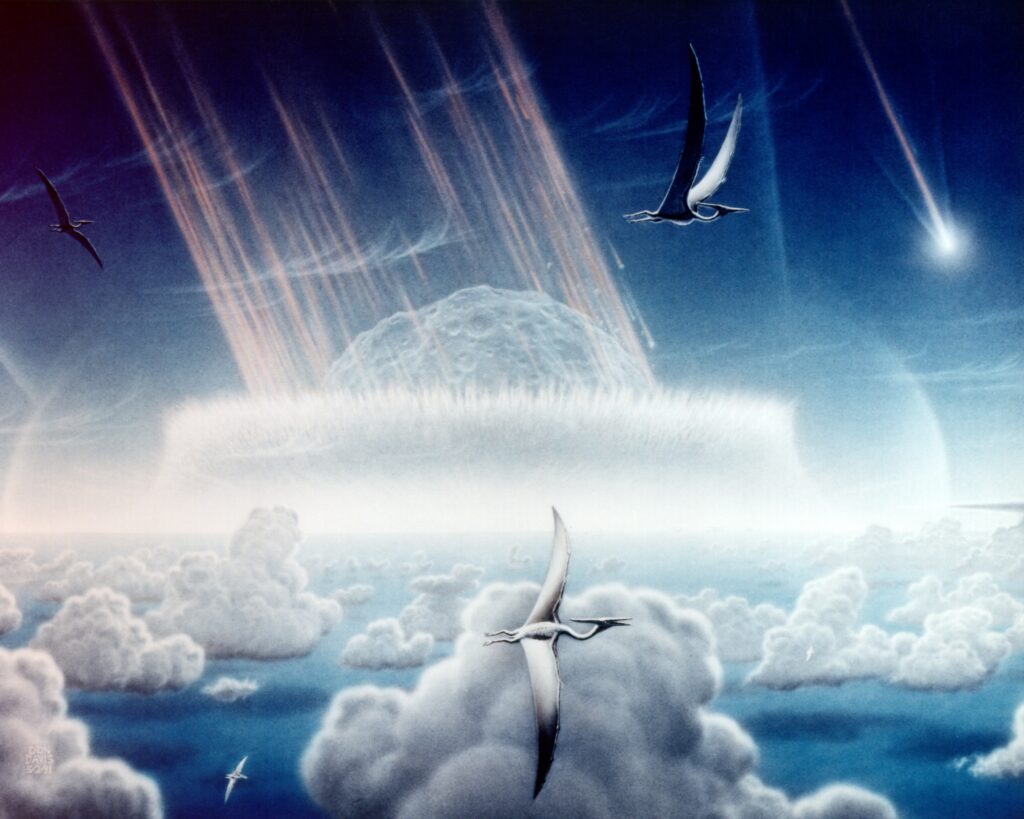
The end of the Cretaceous was the great reset button for birds. All of these ancient, abundant birds died out after the asteroid hit Earth at the end of the Cretaceous. Their slower growth rates as compared to other birds, and the destruction of their forest homes by fires after the asteroid, may have spelled their doom. It was a catastrophic narrowing of an already remarkable evolutionary experiment.
Yet something extraordinary happened in the aftermath. The rapid proliferation of lineages in Neoaves seems to coincide with the Cretaceous–Paleogene extinction event, suggesting a role for ecological opportunity stimulating diversification in the aftermath of the mass extinction. In other words, the disaster that wiped out so many extraordinary prehistoric birds also cracked the world open for the survivors. At any one time there were probably only about 1,000 species of dinosaur on earth, whereas birds have taken what they’ve inherited from dinosaurs and done a lot more with it, giving rise to an enormous diversity of 11,000 species. The modern world of birds, extraordinary as it is, was born from that sudden, violent opportunity.
Conclusion
The prehistoric bird world was something closer to a fever dream than anything you would see on a nature documentary today. Toothed sea divers, running predators the size of draft horses, flying giants that made today’s condors look timid, and ground-dwelling tanks that weighed as much as a grand piano. Compared to all of that, the modern bird world, wonderful as it is, feels like the quieter second act of an epic story.
Understanding these ancient creatures isn’t just about satisfying curiosity. It reshapes how you see the birds outside your window right now. Every sparrow, every hawk, every odd duck on a pond carries the genetic memory of some of the most formidable animals that ever lived. The sky was never more dramatic than when Argentavis cast its enormous shadow across the Patagonian grasslands. So the next time a bird lands near you, maybe take a second look. What do you think it would be like to share a world with these prehistoric giants?