
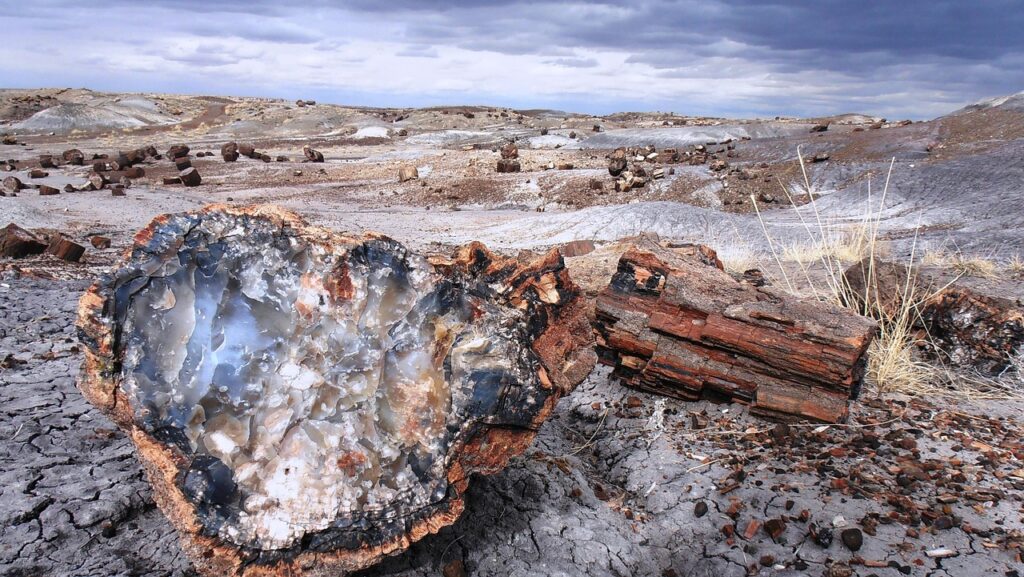
There is something almost humbling about staring at a slice of ancient rock and realizing you are looking at a world that existed millions of years before humans ever walked the Earth. The stories embedded in fossils, ice cores, and seafloor sediments are not just relics of curiosity – they are urgent warnings, detailed blueprints, and, if you pay close enough attention, survival guides for a planet under serious pressure. Scientists across the globe are beginning to recognize that the past is one of the most powerful tools we have for protecting the future.
You might not immediately think of paleontology as cutting-edge conservation science. Yet right now, in 2026, researchers are using ancient bones, plankton shells, and trapped air bubbles to forecast what lies ahead for Earth’s ecosystems with striking accuracy. The connections between deep time and today’s environmental crisis are far more direct than most people realize. Let’s dive in.
The Earth Has Always Kept Records – You Just Have to Know How to Read Them
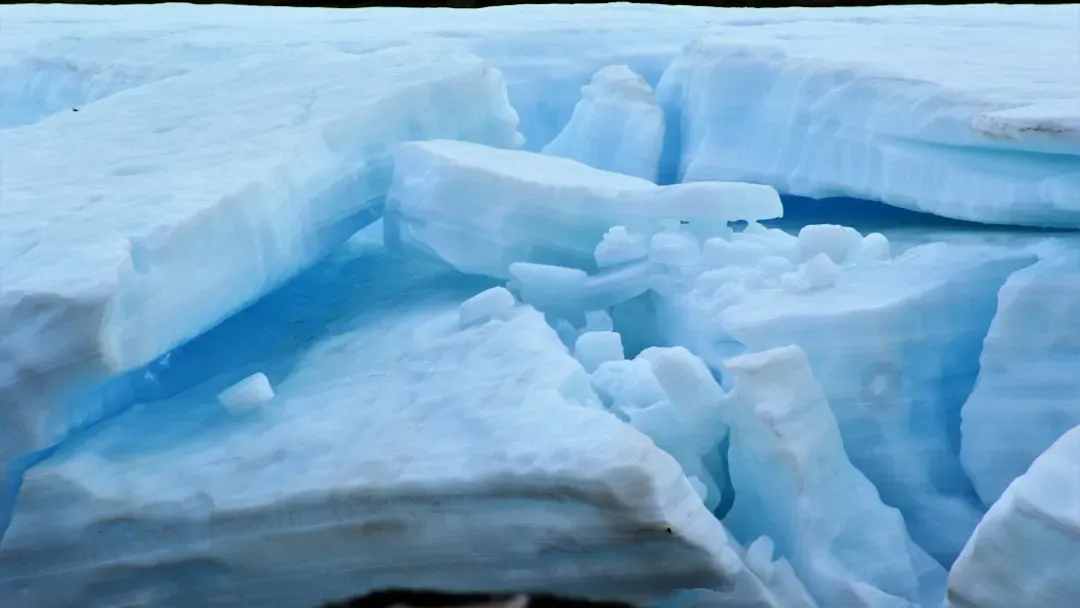
Think of the natural world as a library that never stops filing documents. Every layer of sediment, every tree ring, every coral skeleton is a page in a story stretching back billions of years. Tree rings, ice cores from Greenland and Antarctica, sediments from the bottoms of lakes and seas, and many other natural proxy records of climatic conditions help us piece together the story of Earth’s climates from the ancient past. The sheer depth of information available to scientists today is staggering.
Scientists often seek clues to past climates by drilling into glaciers and ice sheets, and the extracted ice cylinders – sometimes taken from several kilometers below the surface – show evidence of atmospheric composition, volcanic eruptions, dust storms, and even wind patterns. Layer upon layer, these ice cores function like a time capsule, and opening them tells you exactly what the atmosphere looked like at a given moment in history. As the ice compacts over time, tiny bubbles of the atmosphere, including greenhouse gases like carbon dioxide and methane, press inside the ice, and these air pocket “fossils” provide samples of what the atmosphere was like when that layer of ice formed.
Fossils Are Not Just Bones – They Are Climate Forecasters
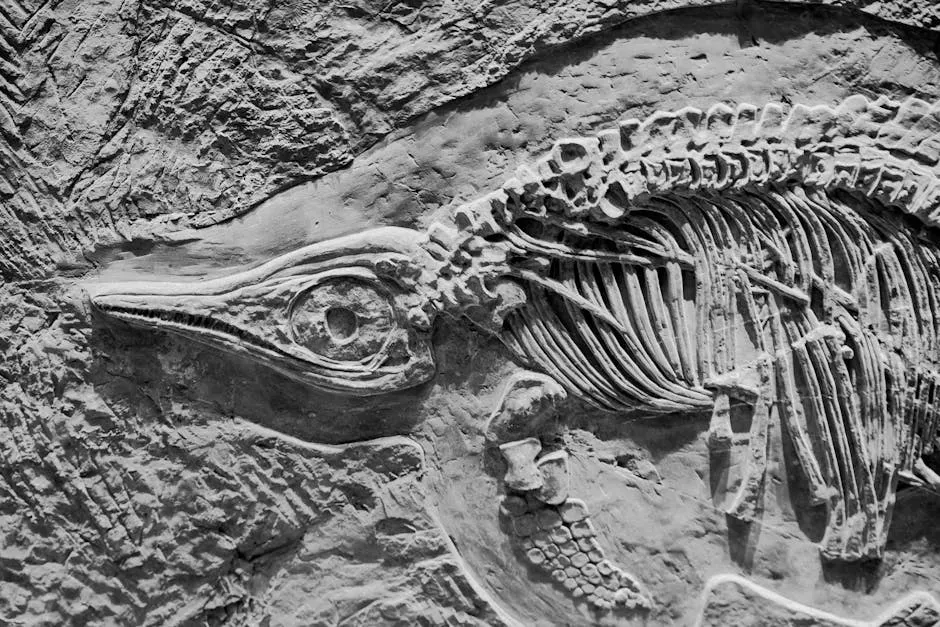
Here’s the thing: fossils are far more than museum centerpieces. Researchers are now using the fossil record to actively predict how modern ecosystems will behave as the climate continues to warm. One area of current research concentrates on extinct marine plankton abundant in many rocks, since variations in the body sizes or distribution of plankton can be used to reconstruct past environmental changes on ecosystem structure and predict ecosystem response under modern-day climate change. That is a remarkable idea when you sit with it for a moment.
Research techniques have allowed scientists to extract enough fossils to survey their body sizes across a warming interval in the late Devonian Period, which showed they became smaller over time – and this is significant because it demonstrates implications for energy transfer in food webs today. If oceans warm, plankton get smaller, negatively impacting fish stocks. Honestly, the idea that a 400-million-year-old marine organism could tell you something about the future of your seafood supply feels almost science fiction. It is not.
Conservation Paleobiology: The Science Quietly Changing Everything
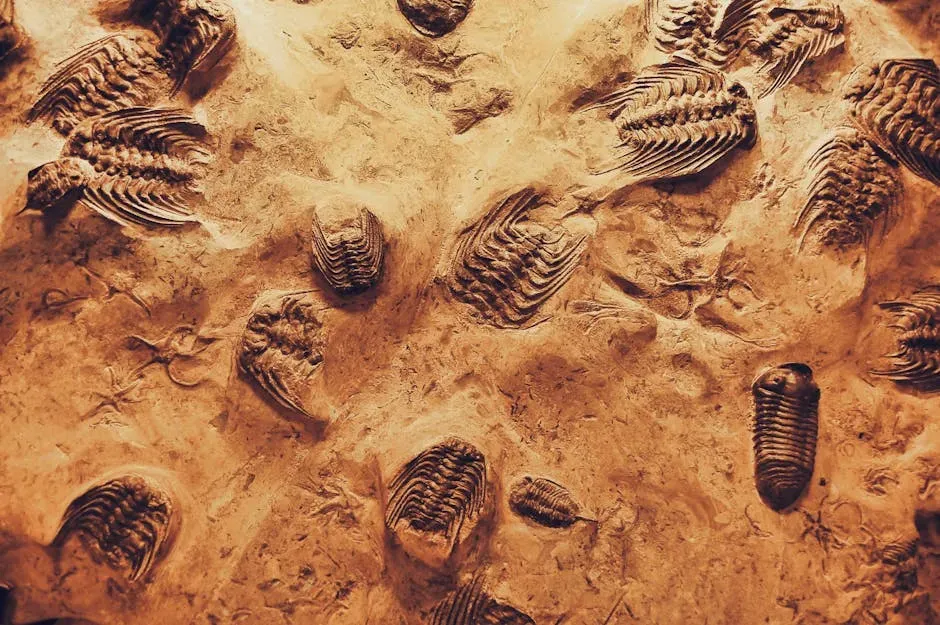
Conservation paleobiology is a new and growing interdisciplinary field that applies the data and methods of paleontology to the conservation and restoration of present-day biodiversity and ecosystem services – the benefits people derive from the world around us. You might think of it as time travel for conservationists. Instead of accepting the degraded state of an ecosystem as the starting point, scientists go back in time to find out what healthy actually looked like.
Functional diversity, which measures the processes that take place within an ecosystem, is often more informative than biodiversity for conservationists trying to restore and protect environments – and this is a boon for the nascent field of conservation paleobiology, in which scientists compare healthy fossilized ecosystems to those from modern times that have been affected by humans, thereby learning which functions or species are now missing and need to be restored. In other words, you can use the past as the benchmark against which to measure how far things have fallen – and what needs to come back.
Mass Extinctions Happened Before. Here Is What They Taught Us.
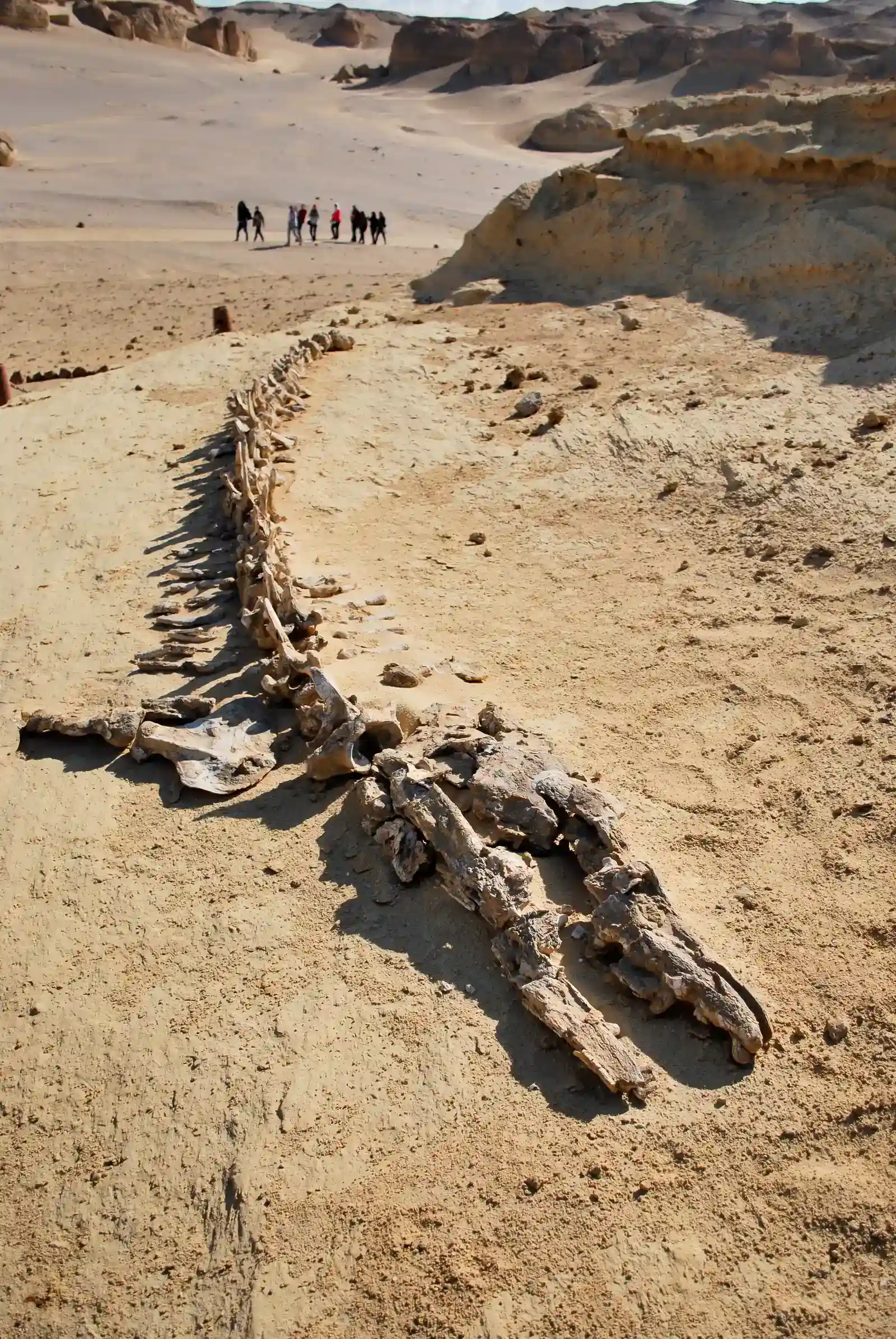
The Earth has experienced five mass extinctions, four of which are known to have been caused by climate change, and biodiversity is currently declining so rapidly that many scientists believe we are facing a sixth mass extinction. That is not a comfortable sentence to read. Yet ignoring the pattern that keeps repeating itself across geologic time would be the greater mistake.
The fossil record shows us that biodiversity has definite breaking points, usually during a perfect storm of climatic and environmental upheaval – and it is not just that species are lost, but that the ecological landscape is overturned. Research shows that Earth is resilient after mass extinctions, but recovery can take many generations and does not always mean a return to pre-extinction conditions. So while the planet may bounce back over millions of years, the world that emerges may look nothing like the one we depend on for food, water, and survival.
Using the Past to Set Conservation Goals for the Future
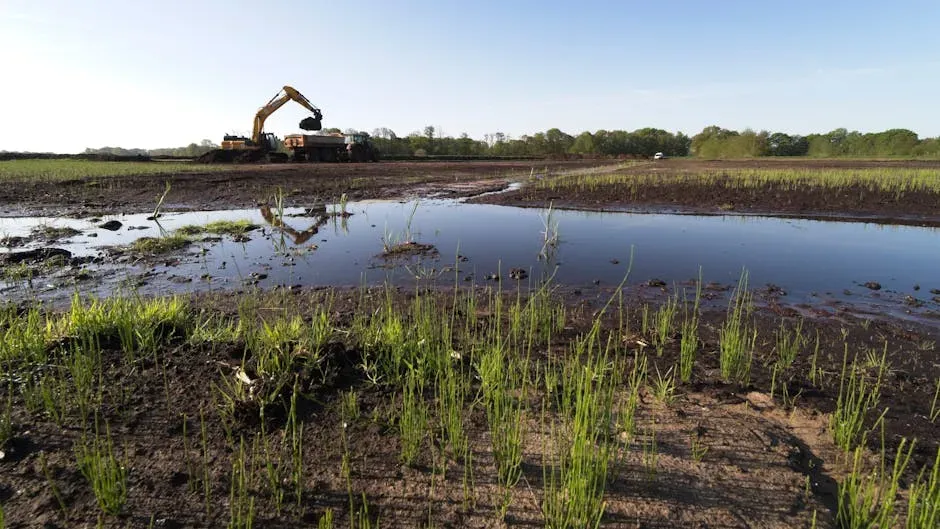
Understanding how species will respond to climate change in the future is crucial for informing how to best preserve the world’s remaining biodiversity, and a groundbreaking approach for predicting future climate change effects involves paleo-records – using tools such as precisely dated fossil records, genome-scale ancient DNA, and sophisticated predictive modeling to reconstruct prehistoric species distributions and climate conditions. This is the kind of science that genuinely gives you a sense of hope, even when the headlines are discouraging.
Functional diversity, which tracks whether biological processes are running smoothly, is also a critical part of conservation, and with current research results, conservationists can now compare healthy ecosystems from the recent past to their modern counterparts that have been altered by humans – and then use this information to set goals that will restore and protect these environments in the future. Think of it like restoring an old painting by referring to the original sketch underneath. You cannot fix what you cannot first imagine.
Ancient Data Is Now Powering Modern Climate Models
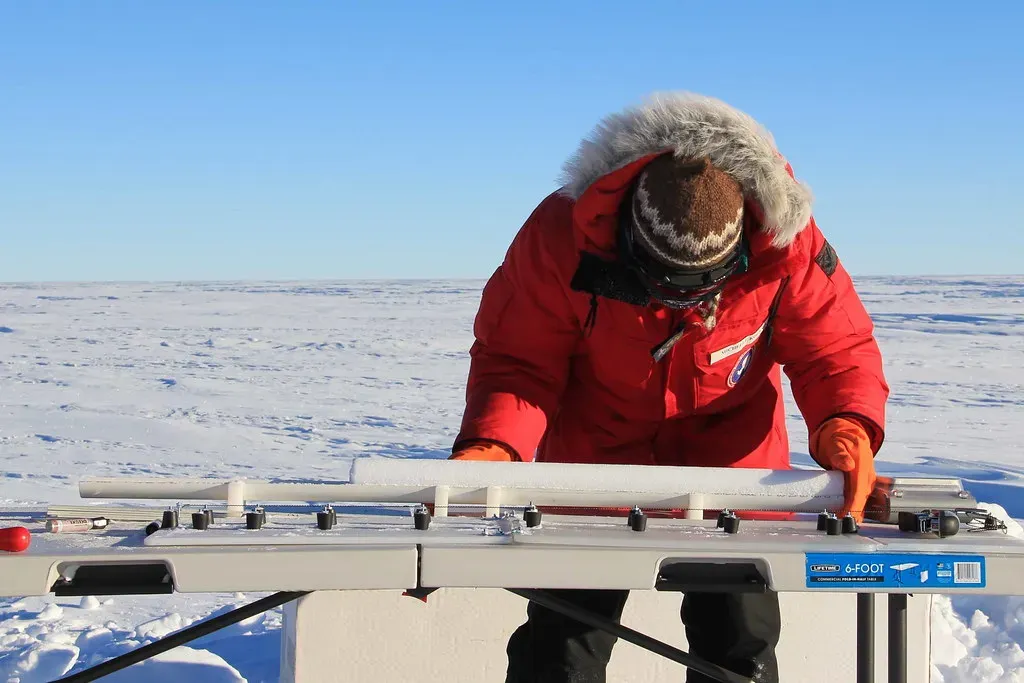
Scientists combine information from ice cores with data from tree rings and seafloor sediment cores to reconstruct how greenhouse gases influenced rain and snowfall patterns, growing seasons, and the stability of ice sheets – and they can then develop computer models that capture the nuanced effects of greenhouse gases and accurately forecast how rising emissions will change our climate. It is, in a very literal sense, using ancient evidence to predict tomorrow’s weather on a planetary scale.
Data from East Antarctic ice cores has enabled scientists to reconstruct Earth’s climate going back 800,000 years, and related studies confirm the dramatic growth in greenhouse gases caused by burning fossil fuels. Ice cores also show that current carbon dioxide concentrations are now higher than they have been for hundreds of thousands of years, and the higher concentrations are driven by human burning of fossil fuels. That context changes everything. You are not experiencing something natural – you are experiencing something unprecedented in the record of human civilization.
The Urgency Is Real – And Ancient Ecosystems Are Sounding the Alarm
Seven of Earth’s nine planetary boundaries – the natural systems that keep our planet stable – have now been breached, and this includes ocean acidity crossing a critical threshold, based on the Planetary Health Check 2025 by the Potsdam Institute for Climate Impact Research. Those are not abstract numbers. Those are the guardrails of life on this planet, and most of them are already gone.
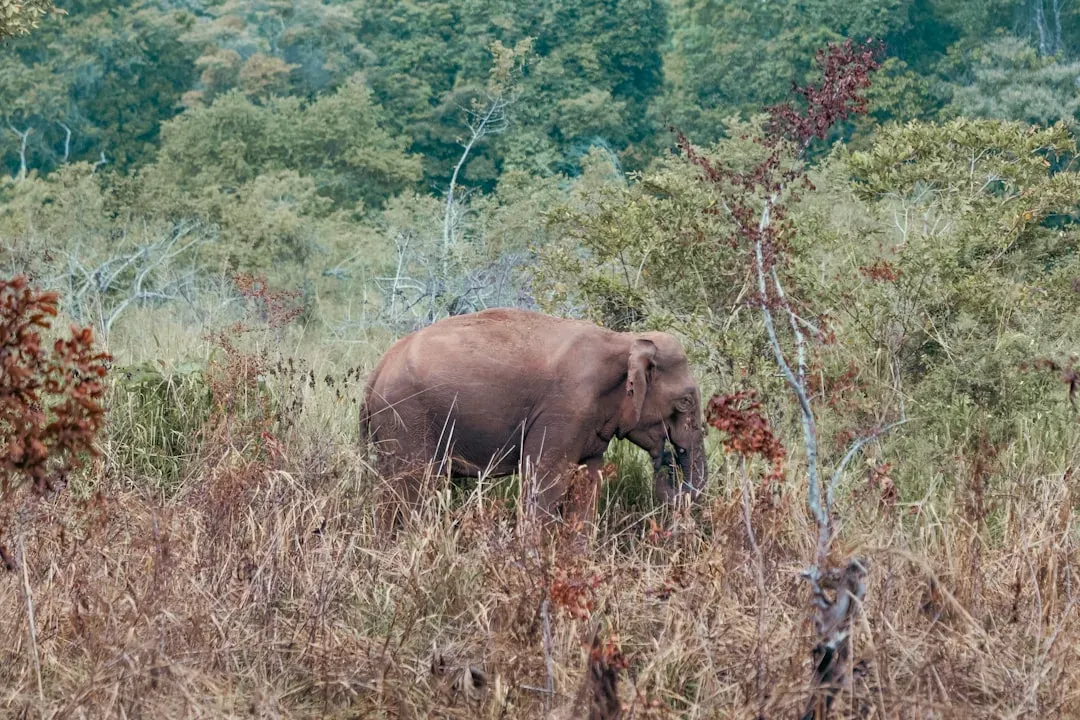
Today, Earth is experiencing a biodiversity crisis so severe that many scientists consider it the beginning of a sixth mass extinction, and since 1970, global monitored wildlife populations have declined by nearly three quarters, with Earth’s current species extinction rate estimated at one hundred to one thousand times greater than pre-human rates. Ecosystems that we depend on for our well-being are currently threatened by climate change, habitat change, overexploitation, pollution, and invasive species – and healthy ecosystems provide us with an array of benefits such as clean water, food, nutrient cycling, coastal protection, and climate regulation, many of which play out on long timescales that require equally long-term data for effective restoration and conservation. Ancient ecosystems, in this light, are not history – they are instructions.
Conclusion: The Deep Past Is Your Most Powerful Tool Right Now
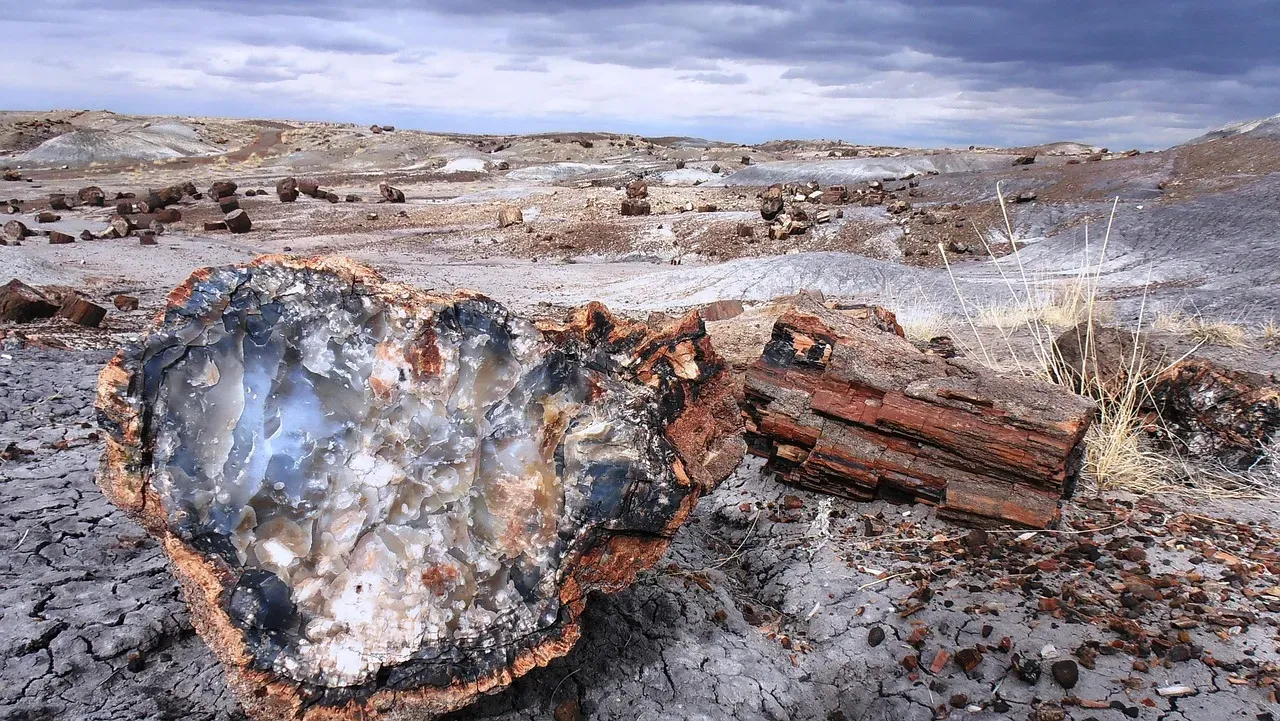
There is a strange and beautiful irony in the fact that the most cutting-edge conservation science on the planet is being powered by rocks, ice, and the shells of creatures that died before the dinosaurs. Yet here we are. The past, it turns out, is not behind us at all – it is the very foundation on which every responsible decision about our planet’s future must be built.
You can use what the ancient world recorded to understand where we are headed, to set realistic restoration targets, and to measure how far modern ecosystems have already drifted from their natural baselines. The tools exist. The data exists. What remains is the will to listen to what the Earth has been telling us for hundreds of millions of years.
The planet has survived five catastrophic mass extinctions before, but recovery took millions of years each time – and always produced a world that looked nothing like the one before. The question worth sitting with today is this: are you willing to treat ancient ecosystems as the warning system they truly are, before the next chapter writes itself without our input?