
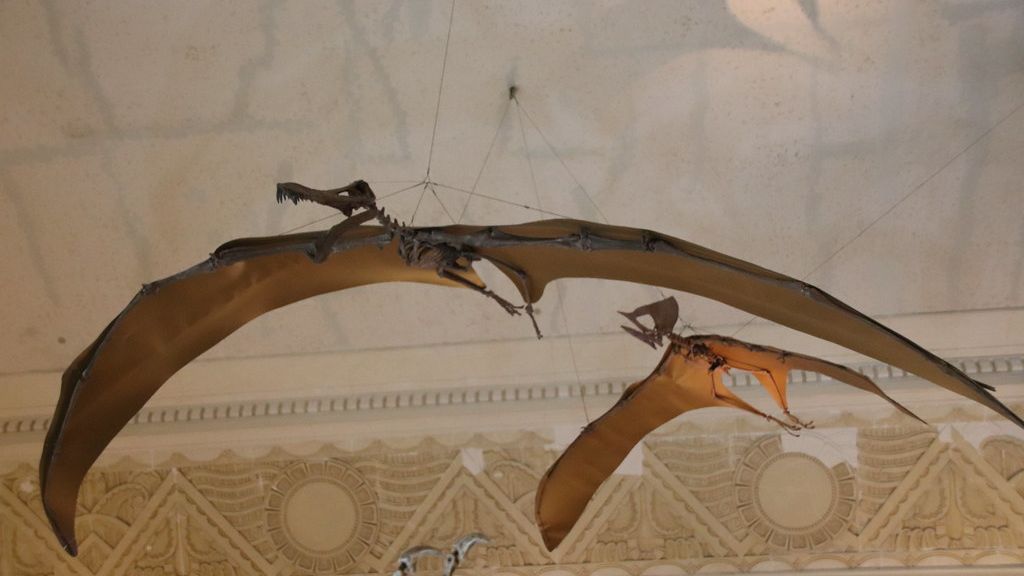
For decades, most people pictured pterosaurs as scaly, cold-blooded sky scrapers gliding lazily over prehistoric seas like oversized pelicans. They were the background creatures of dinosaur books, the flying reptiles you never really thought too hard about. Turns out, that picture was almost entirely wrong.
Science has been quietly, and sometimes dramatically, rewriting the pterosaur story. New fossils, scanning technology, and some genuinely jaw-dropping paleontological finds have revealed a creature far more complex, warm, colorful, and behaviorally sophisticated than anyone imagined. Let’s dive in.
The Oldest Pterosaur in North America Just Turned Up in Arizona
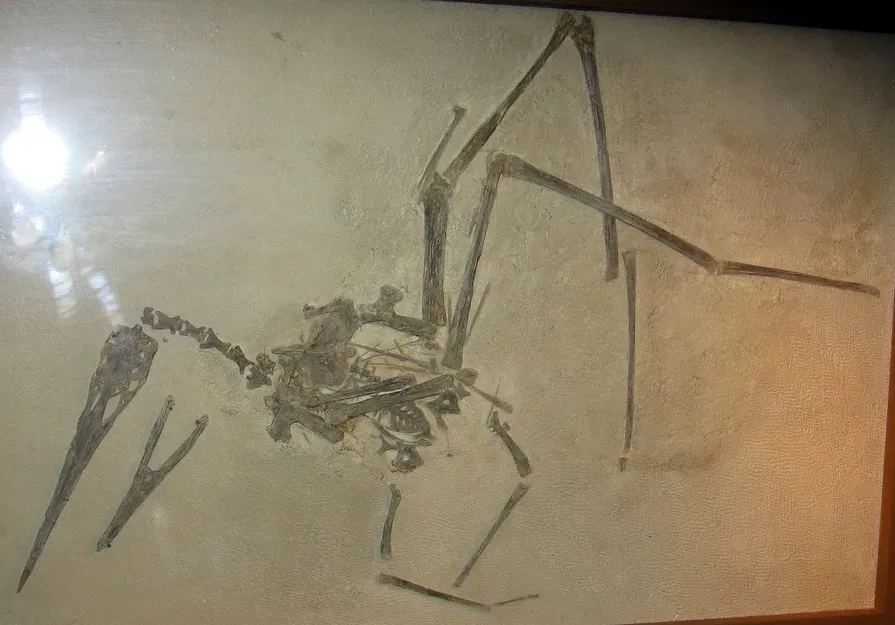
Uploaded by FunkMonk, CC BY-SA 2.0)
Picture this: a research team goes out looking for mammal ancestors in the rugged badlands of Arizona’s Petrified Forest National Park, and instead stumbles onto something no one expected. A Smithsonian-led research team discovered the oldest known pterosaur in North America, a seagull-sized winged reptile that lived 209 million years ago during the late Triassic period. The fossilized jawbone of the new species, named Eotephradactylus mcintireae, was unearthed alongside hundreds of other fossils at a remote bonebed in Arizona.
The team named the new pterosaur species Eotephradactylus mcintireae, with the generic name meaning “ash-winged dawn goddess,” referencing the site’s volcanic ash and the animal’s position near the base of the pterosaur evolutionary tree. The species was small enough to comfortably perch on a person’s shoulder. That image alone should rewrite how you think about early pterosaurs. They weren’t always giants.
Flight Evolved Explosively, Not Gradually
![Flight Evolved Explosively, Not Gradually ([3] archive copy at the Wayback Machine, CC BY-SA 3.0)](https://nvmwebsites-budwg5g9avh3epea.z03.azurefd.net/dinoworld/bd35e9d94e89860230073d9696c6946b.webp)
Here’s the thing about how we used to think flight evolved: slowly, step by step, brain getting bigger, body slowly adapting. That may be true for birds, but for pterosaurs, the story is completely different. Ancient pterosaurs may have taken to the skies far earlier and more explosively than birds, evolving flight at their very origin despite having relatively small brains. Using advanced CT imaging, scientists reconstructed the brain cavities of pterosaur fossils and their close relatives, uncovering surprising clues, such as enlarged optic lobes, that hint at a rapid leap into powered flight.
Their findings contrast sharply with the slow, stepwise evolution seen in birds, whose brains expanded over time to support flying. Think of it like this: birds were like students who gradually learned to drive over months, while pterosaurs just got in the car and floored it. The findings add to evidence that enlarged brains seen in modern birds and presumably in their prehistoric ancestors were not the driver of pterosaurs’ ability to achieve flight. Pterosaurs evolved flight early on in their existence and did so with a smaller brain similar to true non-flying dinosaurs.
A Missing Link Fossil Fills a 200-Million-Year-Old Gap
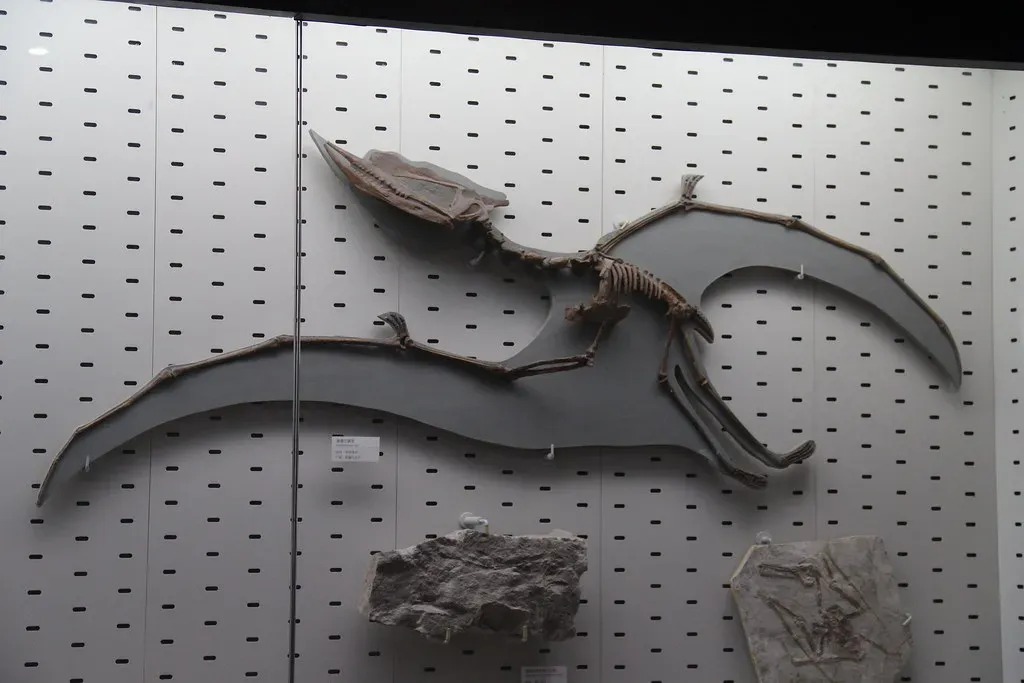
A newly discovered pterosaur fossil has shed light on the evolutionary journey of these ancient flying reptiles. This complete specimen, named Skiphosoura bavarica, provides crucial insights into how pterosaurs transitioned from early, smaller forms to the later, gigantic species. By analyzing the unique features of Skiphosoura, paleontologists can now trace the step-by-step evolution of pterosaurs, including changes in head size, neck length, wing structure, and tail length.
They named the animal Skiphosoura bavarica meaning “sword tail from Bavaria” because it comes from southern Germany and has a very unusual short but stiff and pointed tail. The specimen is complete with nearly every single bone preserved and, unusually, it is preserved in three dimensions, where most pterosaurs tend to be crushed flat. In life it would have been about 2 meters in wingspan, similar to that of large birds like the golden eagle. That kind of preservation is genuinely rare and changes everything researchers can conclude.
Pterosaurs Had Feathers, and They Were Probably Colorful
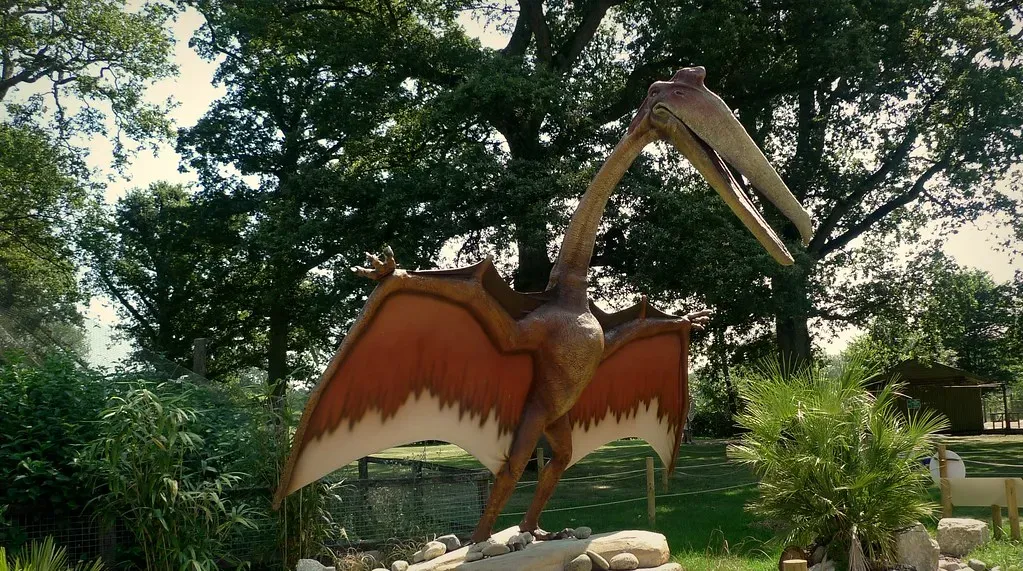
Honestly, this one still blows my mind. You’ve probably heard about feathered dinosaurs by now, but pterosaurs? An international team of paleontologists discovered remarkable new evidence that pterosaurs, the flying relatives of dinosaurs, were able to control the color of their feathers using melanin pigments. The team discovered that the bottom of the crest had a fuzzy rim of feathers, with short wiry hair-like feathers and fluffy branched feathers. So not only did they have feathers, they had different types of feathers.
The range of melanosome geometries found in this Tupandactylus specimen suggests that the creature may have been quite colorful, and that riot of color hints that the feathers weren’t just there to keep the creatures warm, but may have been used for visual signaling, such as displays to attract a mate. The finding means that feathers could date back to a common ancestor of dinosaurs and pterosaurs, meaning they first appeared during the early Triassic Period, at around 250 million years ago, far earlier than scientists had believed.
Some Flew, Some Soared, and Some Basically Preferred Walking
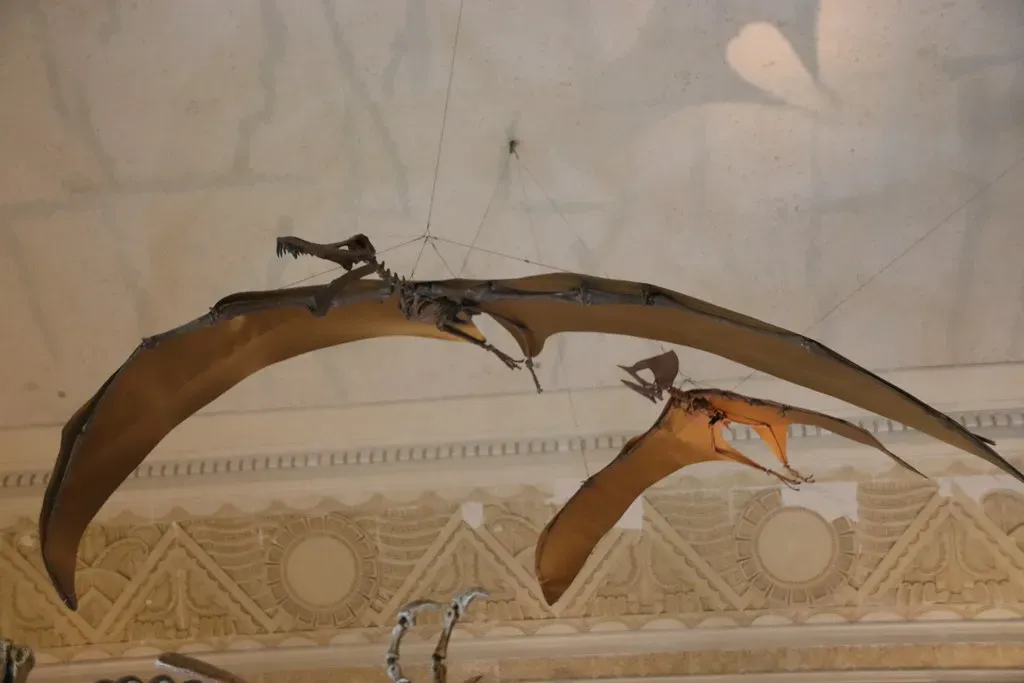
We used to lump all pterosaurs together as “flying reptiles.” Clean, simple, wrong. Some species of pterosaurs flew by flapping their wings while others soared like vultures, a new study published in the Journal of Vertebrate Paleontology demonstrates. It has long been debated whether the largest pterosaurs could fly at all. Remarkable and rare three-dimensional fossils of two different large-bodied azhdarchoid pterosaur species have enabled scientists to hypothesize that not only could the largest pterosaurs take to the air, but their flight styles could differ too.
The evolutionary adaptations that allowed ancient pterosaurs to grow to enormous sizes have been pinpointed for the first time, and the discovery revealed a surprising twist. The ability to walk efficiently on the ground played a crucial role in determining how large the biggest flying animals could grow, with some reaching wingspans of up to 10 meters. This indicates that pterosaurs were not confined to a life in the skies but were also adapted to a wide range of terrestrial lifestyles, from tree-climbing in early species to more ground-based lifestyles in later ones. Basically, they were more like versatile athletes than pure aerial specialists.
Scotland Rewrote the Jurassic Family Tree
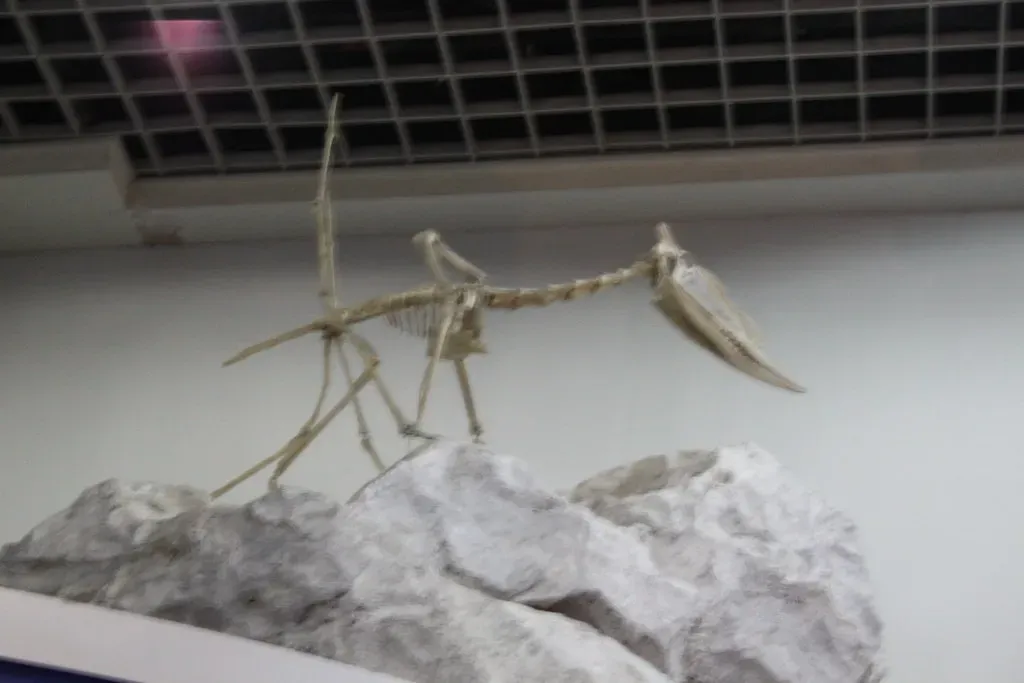
A well-preserved fossil uncovered on the Isle of Skye has been revealed as a new species of pterosaur. With an estimated wingspan of 1.6 metres, Ceoptera evansae would have soared through the Jurassic skies over 165 million years ago. It’s hard to say for sure just how significant that sounds until you realize that most of its closest relatives were previously found only in China. Its appearance in the Middle Jurassic of the UK was a complete surprise, as most of its close relatives are from China.
The new pterosaur is part of the Darwinoptera clade of pterosaurs. Its discovery shows that the clade was considerably more diverse than previously thought, and persisted for more than 25 million years, from the late Early Jurassic to the latest Jurassic. During this period, species within the clade spread worldwide. Discovered in Scotland, Ceoptera evansae shows that Middle Jurassic pterosaurs were more species-rich than previously realized. One small fossil from a Scottish beach. One massive revision of the map.
Giant Pterosaurs Were Surprisingly Devoted Parents
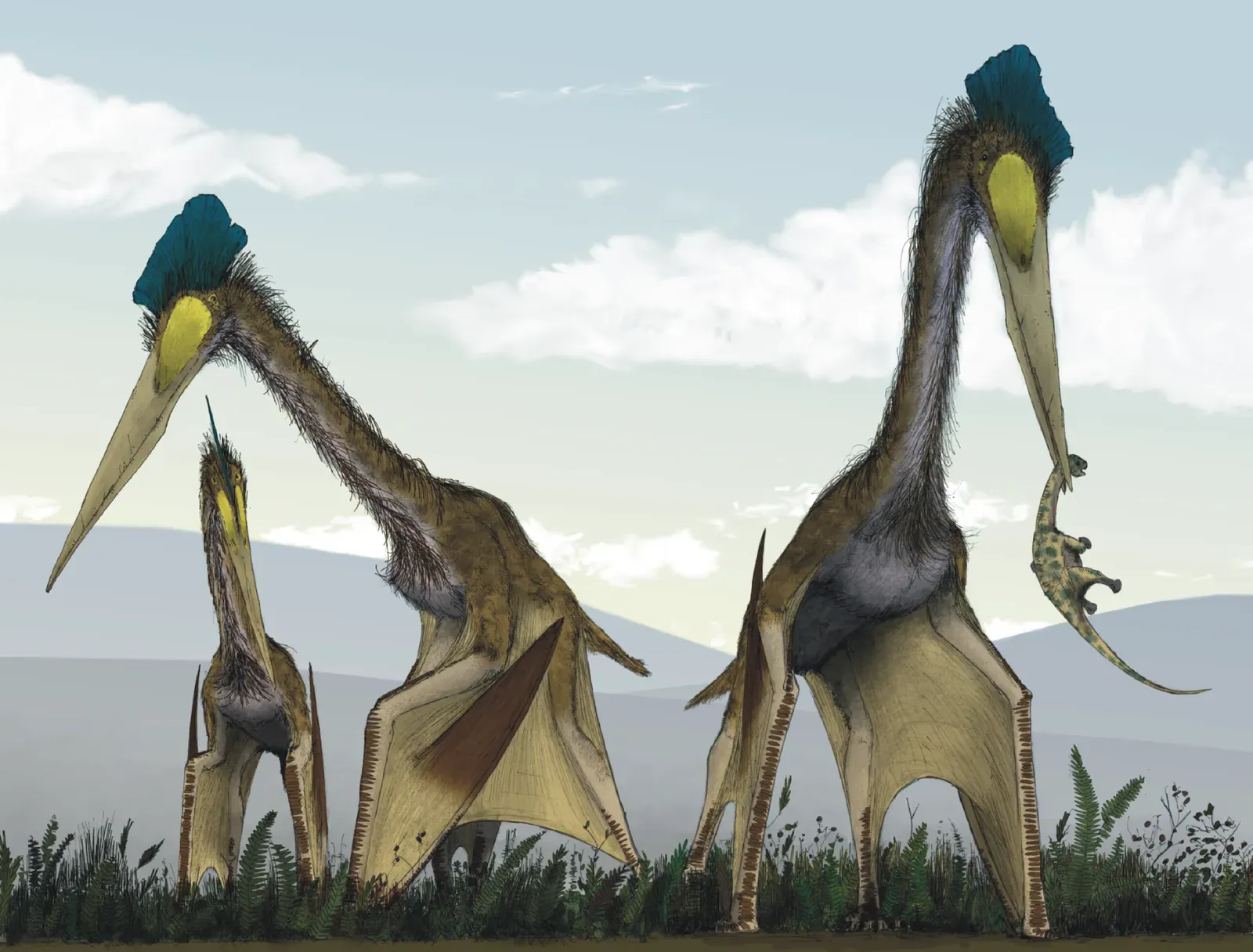
You wouldn’t necessarily picture a creature the size of a small airplane as a nurturing parent, but that’s exactly what the evidence suggests. Unlike small pterosaurs, which were born with well-developed wings and could fly soon after hatching, large pterosaurs were born with small arms that would not have facilitated active powered flight, and parental care would have been essential to survival of the young and enabling them to grow to huge sizes.
These developmental differences between larger and smaller species of pterosaur indicate that Pteranodon’s relatively greater proximal limb growth shortly after hatching, along with perhaps enhanced parental care, may have helped it reach a large adult size. Pterosaurs as a group encompassed the largest flying animals of all time. Hatzegopteryx thambema may have been the biggest, with a wingspan of up to 12 metres. To grow big, pterosaurs had to do most of their growing after they hatched. A key difference between the small and large species may have been parental care. It’s the kind of behavior we associate with mammals and birds, not ancient reptiles.
Conclusion
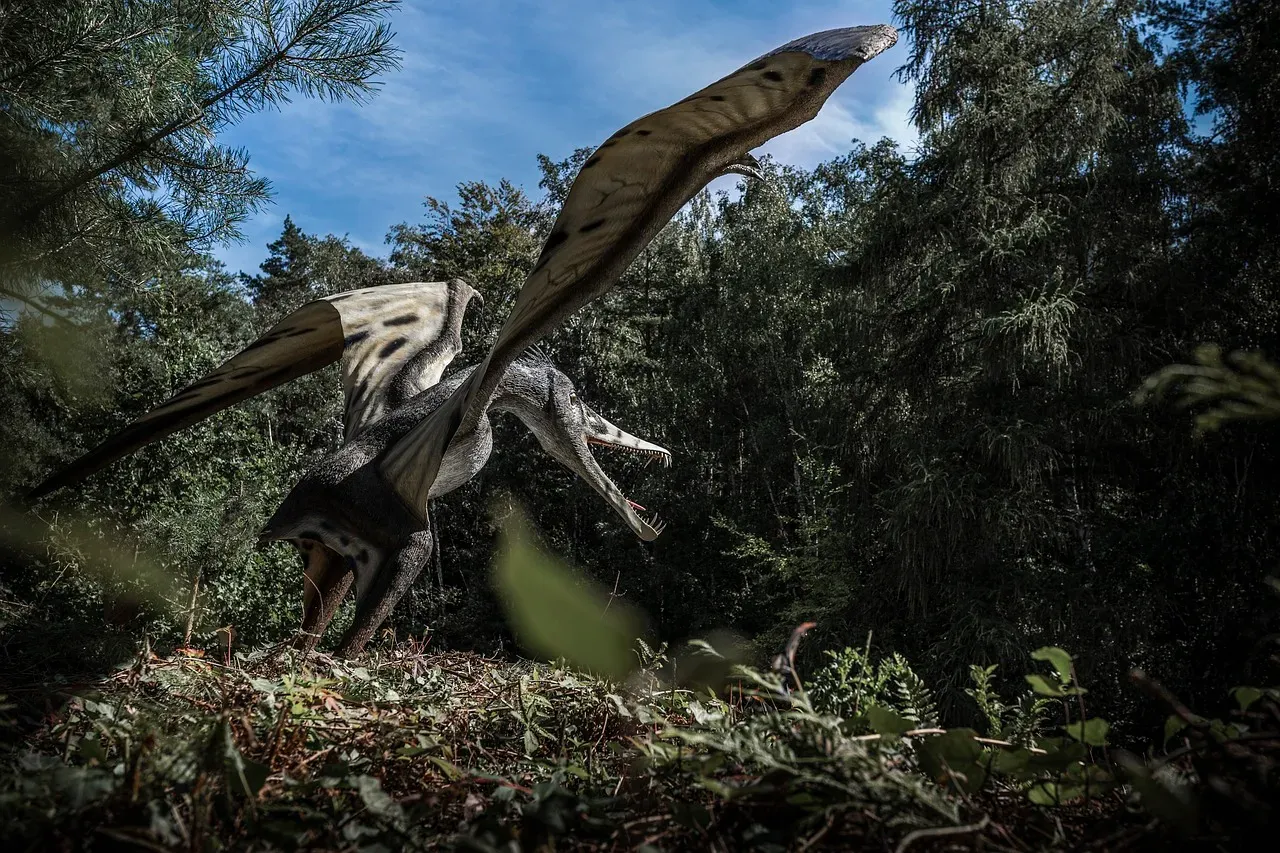
What’s remarkable about all of this is just how much the pterosaur story keeps expanding. Every new fossil, every CT scan, every scrutinized piece of ancient jawbone tears down an old assumption and replaces it with something richer and stranger. These weren’t primitive gliders. They were warm, possibly colorful, sometimes doting parents who flew in wildly different ways, walked the ground with purpose, and apparently invented flight in a burst rather than over millions of careful steps.
The pterosaur we thought we knew was basically a cartoon. The real animal was something far more alive. As new tools and new excavation sites keep delivering surprises, from the desert floors of Arizona to the seaside cliffs of Scotland, it seems like pterosaurs still have plenty more secrets to give up.
Which discovery surprised you the most? Did you expect pterosaurs to have been so colorful, so caring, and so surprisingly athletic on the ground? Tell us your thoughts in the comments below.