When most people think of prehistoric life, their minds go straight to T. rex or a Brachiosaurus stretching its neck above the treetops. Understandable, honestly. Dinosaurs have dominated our imagination for over a century. But here’s the thing – by the time the first dinosaur took its inaugural steps on Earth, life had already been thriving, evolving, dying out, and bouncing back for hundreds of millions of years. There was an entire world before the dinosaurs. Several worlds, actually.
The story of early life on Earth is wilder, stranger, and in many ways more mind-bending than anything the Jurassic era ever produced. We are talking about creatures so bizarre that scientists still argue about what kingdom of life they even belonged to. We are talking about oceans that looked nothing like today’s, continents arranged in alien configurations, and mass extinctions that nearly wiped the slate clean more than once. So strap in, because this journey goes deeper into the past than most people ever dare to look. Let’s dive in.
The Paleozoic Era: Earth’s First Great Chapter of Complex Life
You might be surprised to learn that the Paleozoic Era began around 538.8 million years ago, preceding the Mesozoic Era by hundreds of millions of years. That is not just a long time – that is an almost incomprehensible stretch of Earth history. Think of it like this: if the entire history of life were compressed into a single day, the dinosaurs would not show up until around 9 PM. The Paleozoic Era would have started at dawn.
The Paleozoic was a time of dramatic geological, climatic, and evolutionary change. The Cambrian period witnessed the most rapid and widespread diversification of life in Earth’s history, known as the Cambrian explosion, in which most modern phyla first appeared. It is impossible to overstate how extraordinary this chapter of Earth’s story was. The Paleozoic Era was a time of major evolutionary leaps and the emergence of many of the major groups of animals that still survive on Earth today.
The Ediacaran Period: Earth’s First Attempt at Complex Life
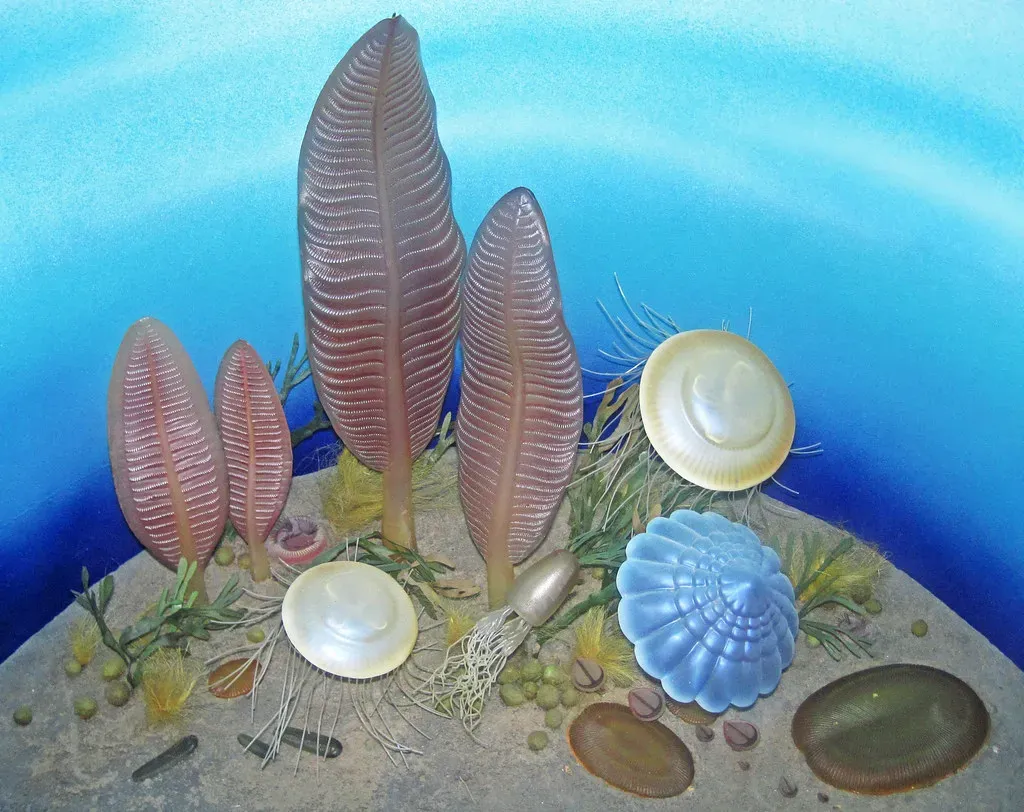
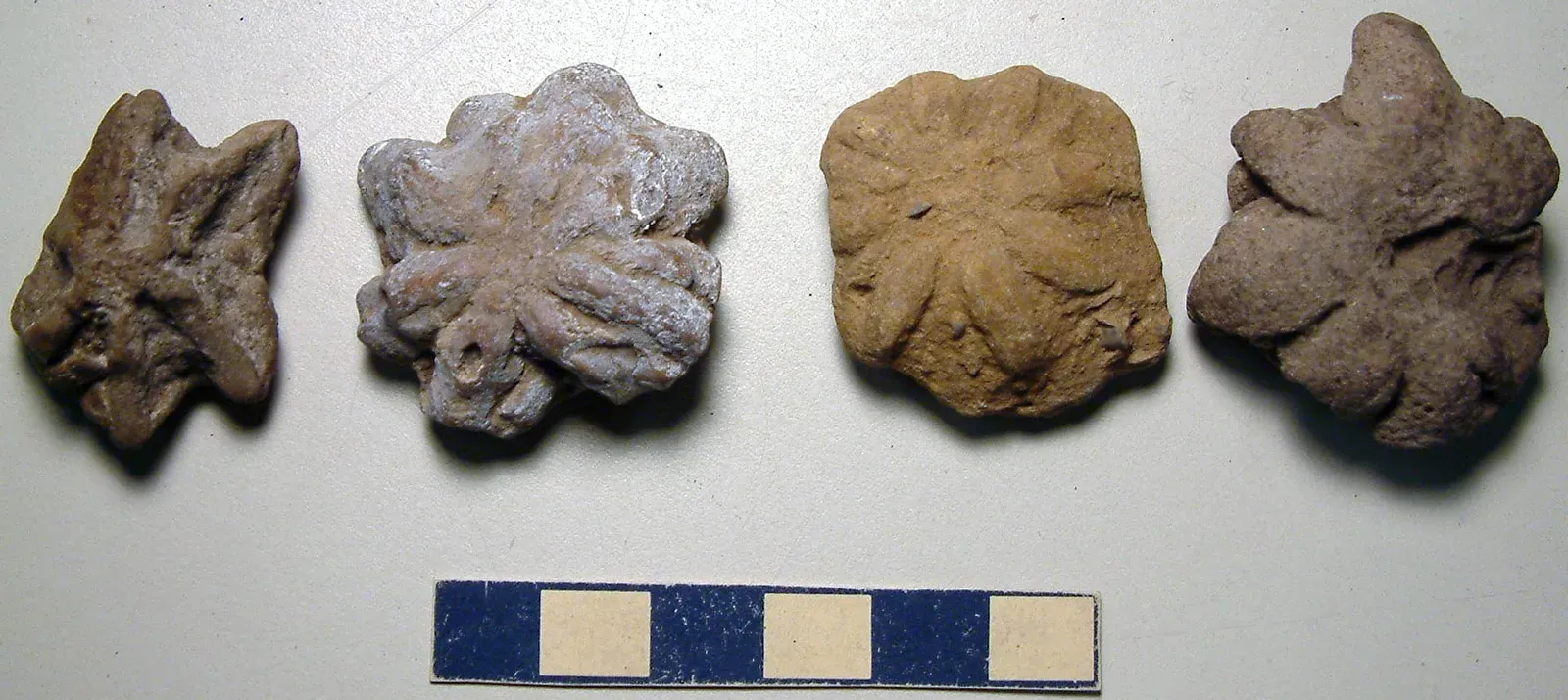
Before the famous Cambrian explosion, the Earth was host to something even more mysterious. The Ediacaran fauna is a unique assemblage of soft-bodied organisms preserved worldwide as fossil impressions in sandstone from the Ediacaran Period, spanning approximately 635 million to 541 million years ago. These were not your typical animals. They looked nothing like anything alive today. Honestly, imagine stumbling upon one of these fossils and trying to figure out what you are even looking at.
Most macroscopic fossils of the Ediacaran are morphologically distinct from later life-forms, resembling discs, tubes, mud-filled bags, or quilted mattresses. Due to the difficulty of deducing evolutionary relationships among these organisms, some paleontologists have suggested that these represent completely extinct lineages that do not resemble any living organism. Think about that for a second. An entire kingdom of life that left no descendants. No cousins, no distant relatives – just fossils pressed into ancient rock, staring back at us across half a billion years.
The Cambrian Explosion: When Life Reinvented Itself Overnight
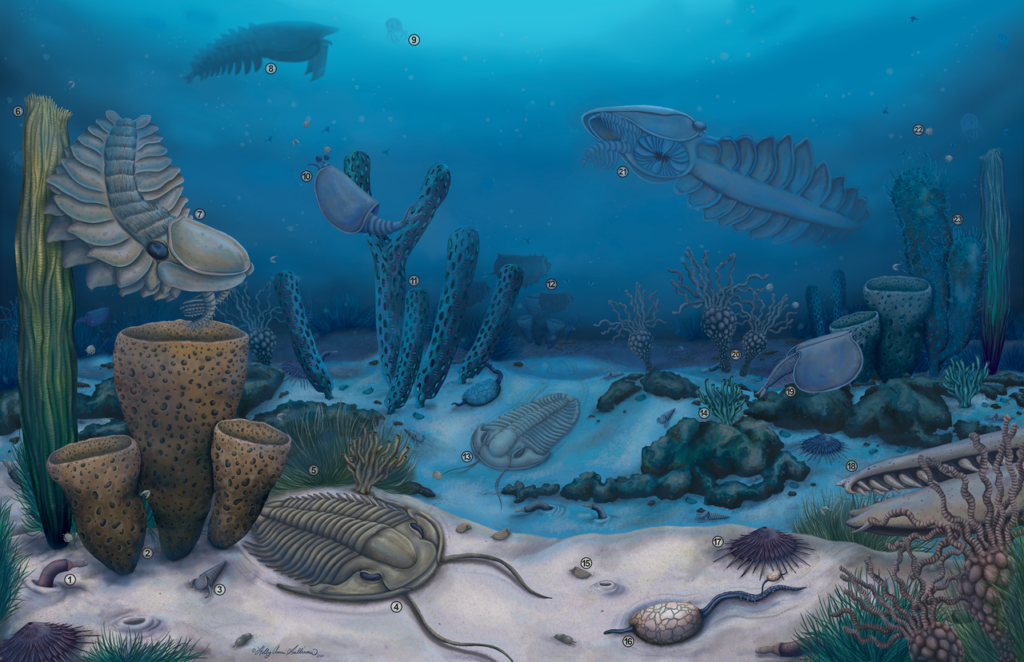
The Cambrian explosion was the unparalleled emergence of organisms between 541 million and approximately 530 million years ago at the beginning of the Cambrian Period. The event was characterized by the appearance of many of the major phyla, between 20 and 35, that make up modern animal life. In terms of evolutionary pace, this is almost shocking. Life had spent billions of years as single-celled blobs, and then suddenly the ocean floor was buzzing with complex, multi-limbed, predator-filled ecosystems.
At the beginning of the Cambrian, all of the basic kinds of animals, or phyla, appeared abruptly, within a 10 to 20 million year “blink of an eye” in the fossil record. This is one of the most important events since the origin of life more than 3 billion years earlier. Scientists call it the Cambrian Explosion. Researchers still debate what actually triggered it. New research provides the clearest evidence to date that a rapid burst of evolution 540 million years ago could have been caused by a small increase in oxygen in Earth’s atmosphere. A small breath of air – and everything changed.
Trilobites: The Beetles of the Ancient Seas
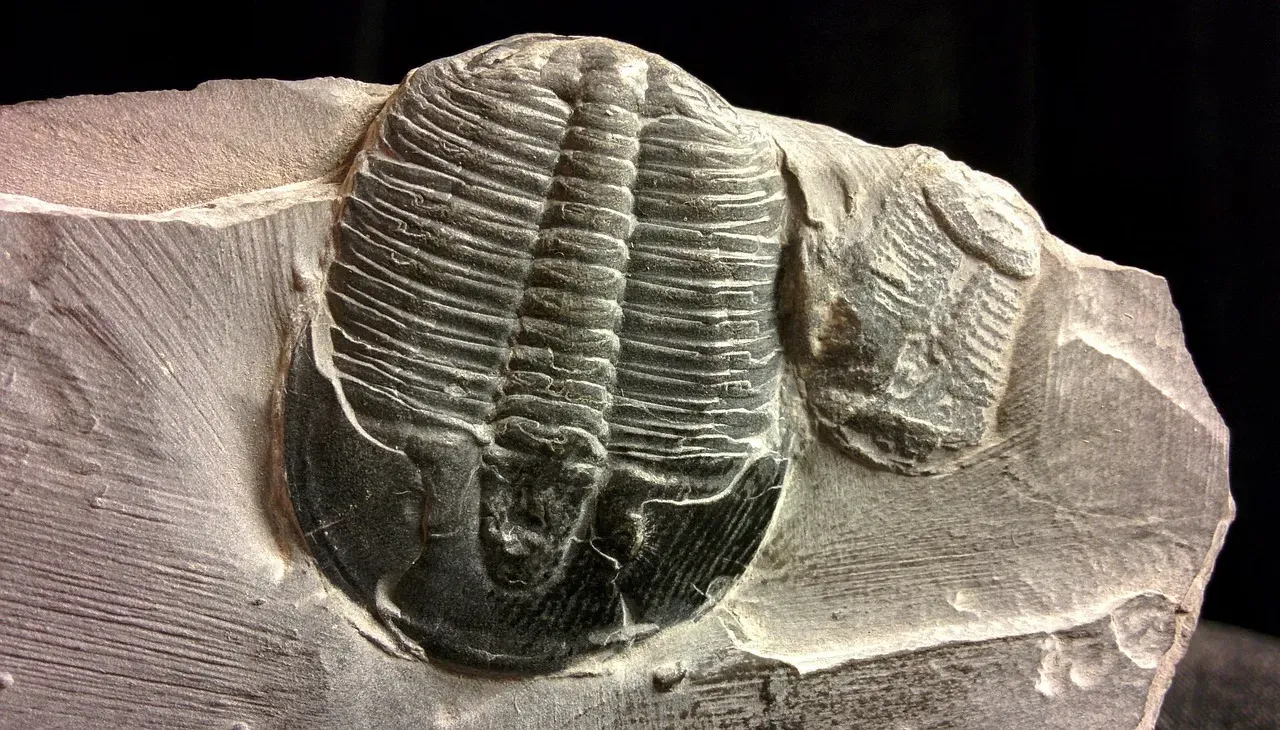
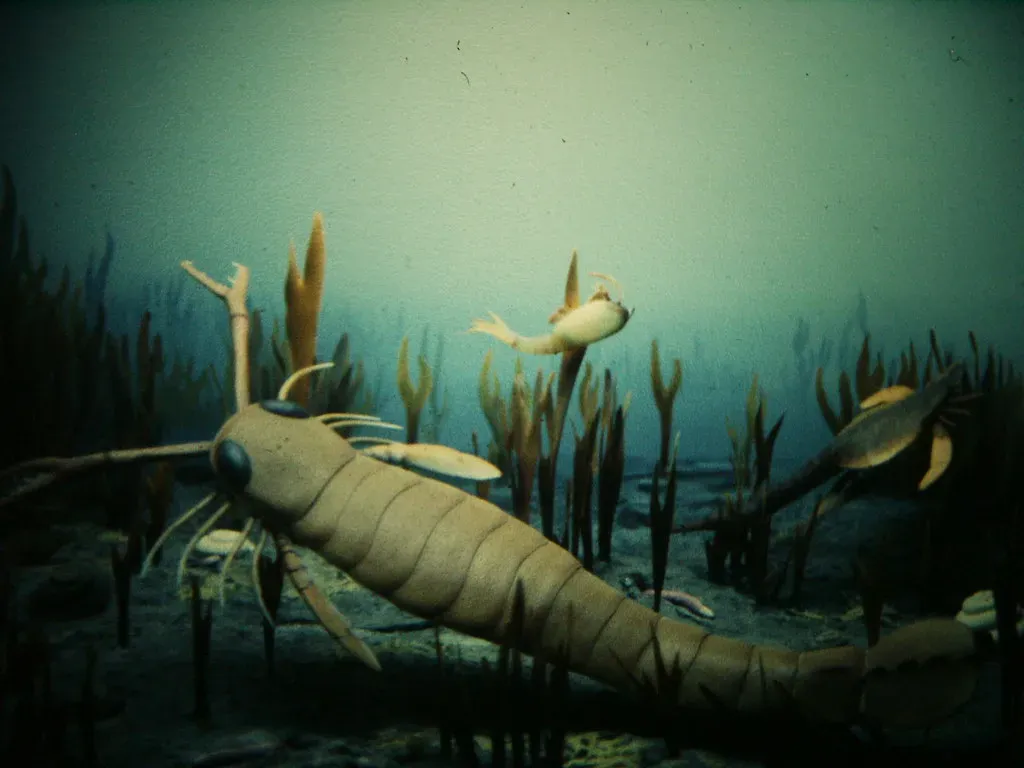
If you had to crown one creature as the icon of pre-dinosaur life, the trilobite would win by a landslide. Trilobites are extinct marine animals with a curious fossil record. One of the earliest known groups of arthropods, the phylum which includes all modern-day insects, arachnids and crustaceans, trilobites were wildly successful in the ancient oceans, with some 20,000 species spread over ten orders. Twenty thousand species. For context, all modern bird species number around ten thousand. These creatures dominated the oceans for an extraordinarily long time.
Probably the best-known Cambrian animals were trilobites, a group of armored invertebrates that no longer exist. They were abundant in shallow Cambrian seas, which covered much of the world. Trilobites included swimming forms, bottom dwellers, varieties that lived in warm shallow waters, and those that lived in deeper cooler regions. All species had hard, calcified external skeletons, which allowed them to be preserved in many Cambrian sedimentary rocks. Their fossils are so abundant that you can hold one in your hand today and trace the segmented armor with your fingertips. I think that’s genuinely remarkable.
The Devonian Period: Fish Take Over and Life Crawls Ashore
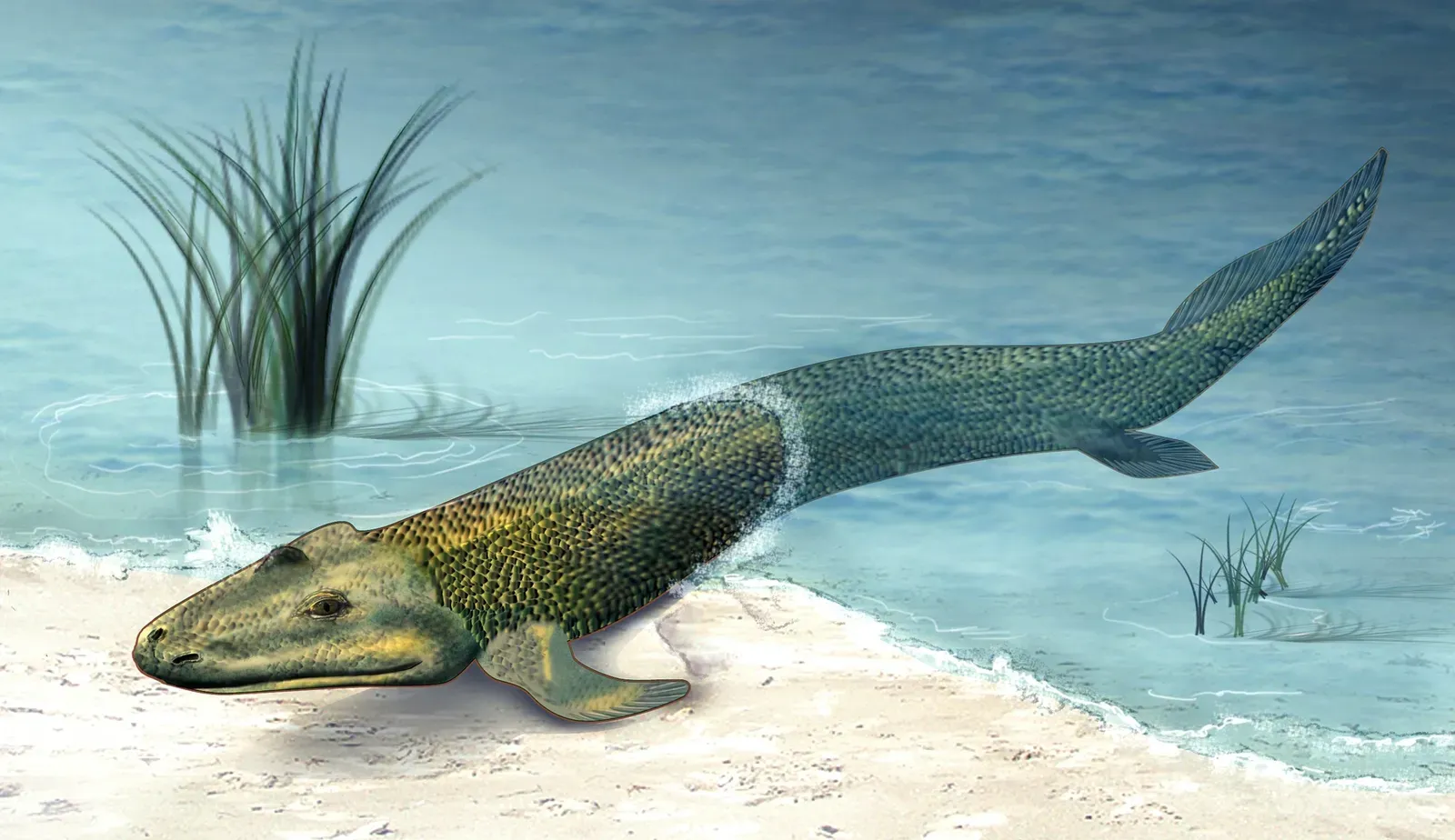
http://nsf.gov/news/mmg/mmg_disp.cfm?med_id=58310
http://nsf.gov/news/news_summ.jsp?cntn_id=106807
https://flickr.com/photos/nsf_beta/3705198718, Public domain)
The Devonian Period spans between about 419.2 million and 358.9 million years ago, and it is sometimes called the “Age of Fishes” because of the diverse, abundant, and in some cases bizarre types of these creatures that swam Devonian seas. Here’s the thing – calling it just the “Age of Fishes” actually undersells what happened. It was also the age when life first dragged itself permanently onto dry land, which is arguably one of the most consequential events in the history of all living things, including you.
Early tetrapods probably evolved from lobe-finned fishes able to use their muscular fins to take advantage of the predator-free and food-rich environment of the new wetland ecosystems. The earliest known tetrapod is Tiktaalik roseae. Dated from the mid-Devonian, this fossil creature is considered to be the link between the lobe-finned fishes and early amphibians. Tiktaalik was probably mostly aquatic, “walking” on the bottom of shallow water estuaries. It had a fish-like pelvis, but its hind limbs were larger and stronger than those in front, suggesting it was able to propel itself outside of an aquatic environment. That creature is, in a very real sense, a distant ancestor of everything with four limbs on Earth today – including you.
The Carboniferous Period: A World of Giant Insects and Swamp Forests
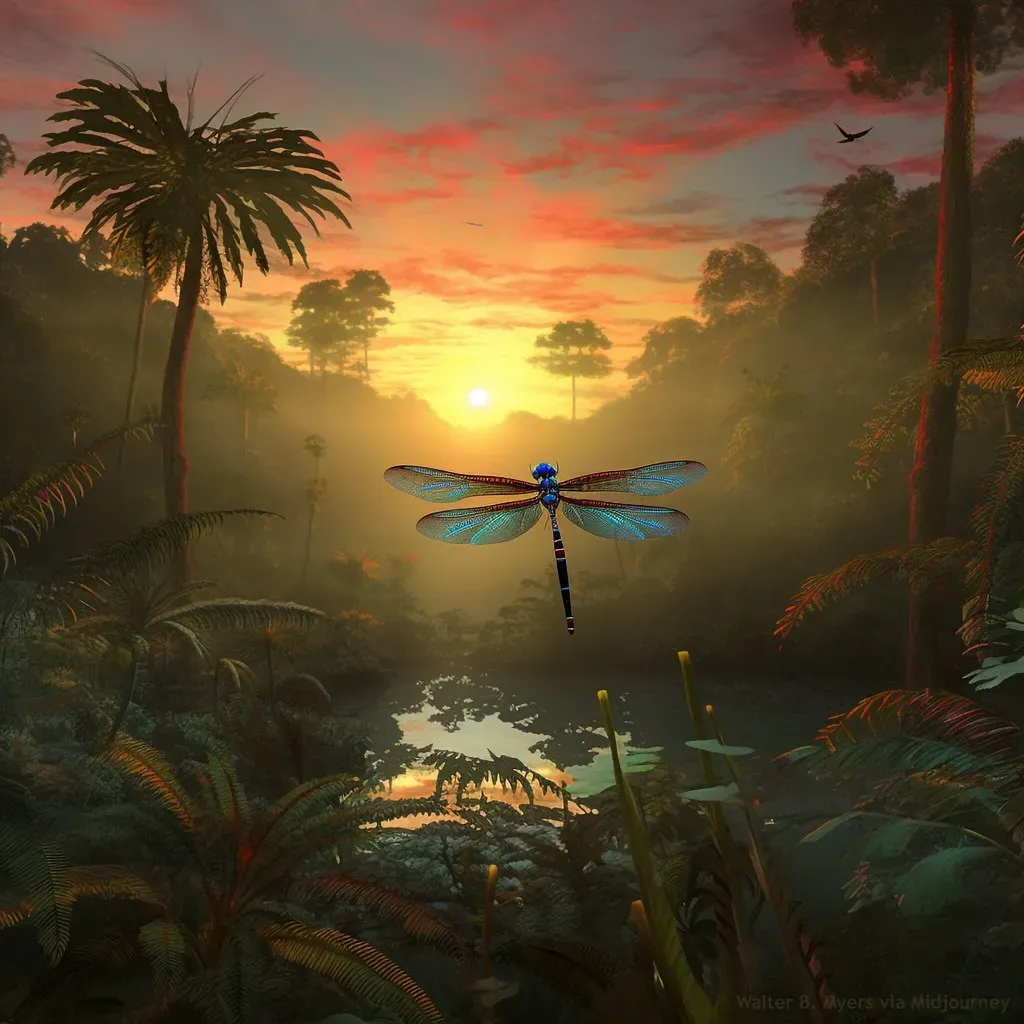
One particularly interesting period within the Paleozoic is the Carboniferous period. During this time, Earth was a hot, humid world covered in vast swamps and rainforests. This environment fostered the growth of immense vegetation, leading to the formation of the coal deposits we utilize today. Every time you burn coal or use a coal-powered product, you are in a strange sense using the compressed remains of a Carboniferous forest. That is either poetic or deeply unsettling, depending on your mood.
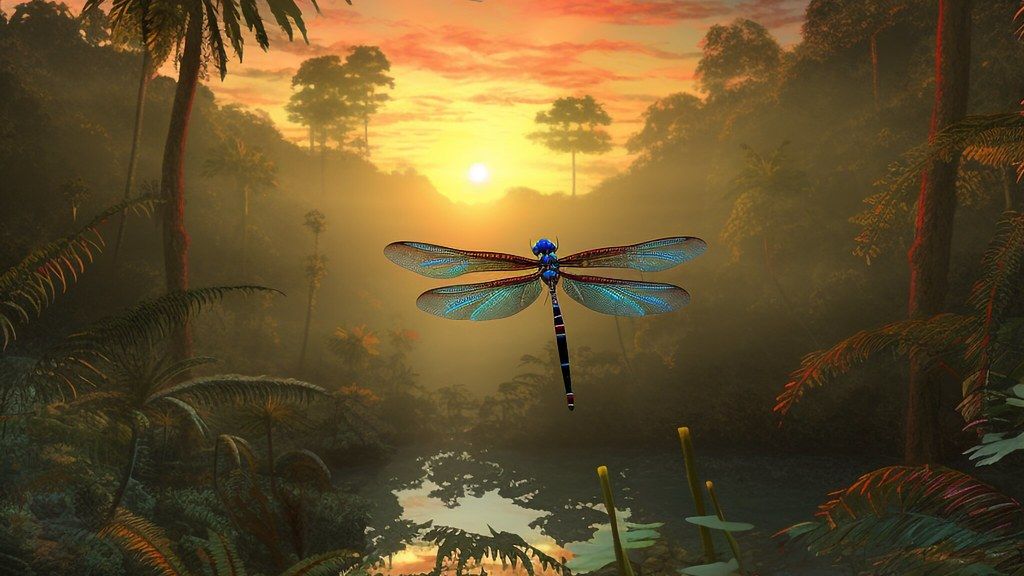
On land, the first reptiles appeared, and they laid the first shelled eggs. With this important evolutionary innovation, vertebrates no longer had to find water in which to lay their eggs. The first land snails and insects with wings appeared, including dragonflies and mayflies, and some of these had wingspans of more than three feet! Imagine hiking through a Carboniferous forest and watching a dragonfly with the wingspan of a modern hawk drift over your head. I know it sounds crazy, but that was simply Tuesday back then.
Dimetrodon and the Permian Rulers: Earth’s Proto-Mammals
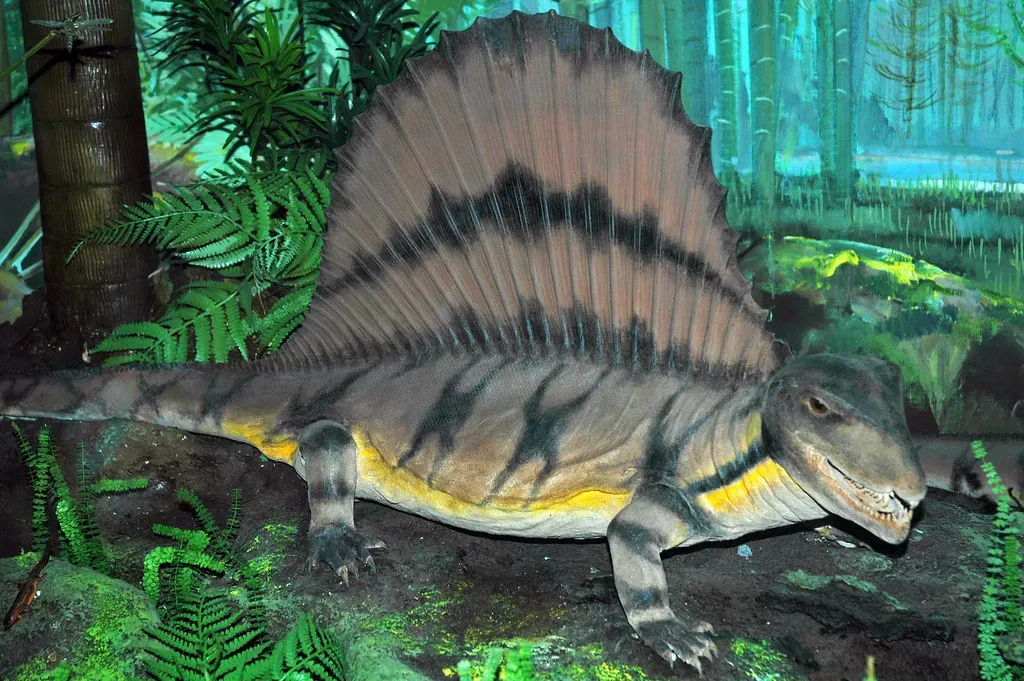
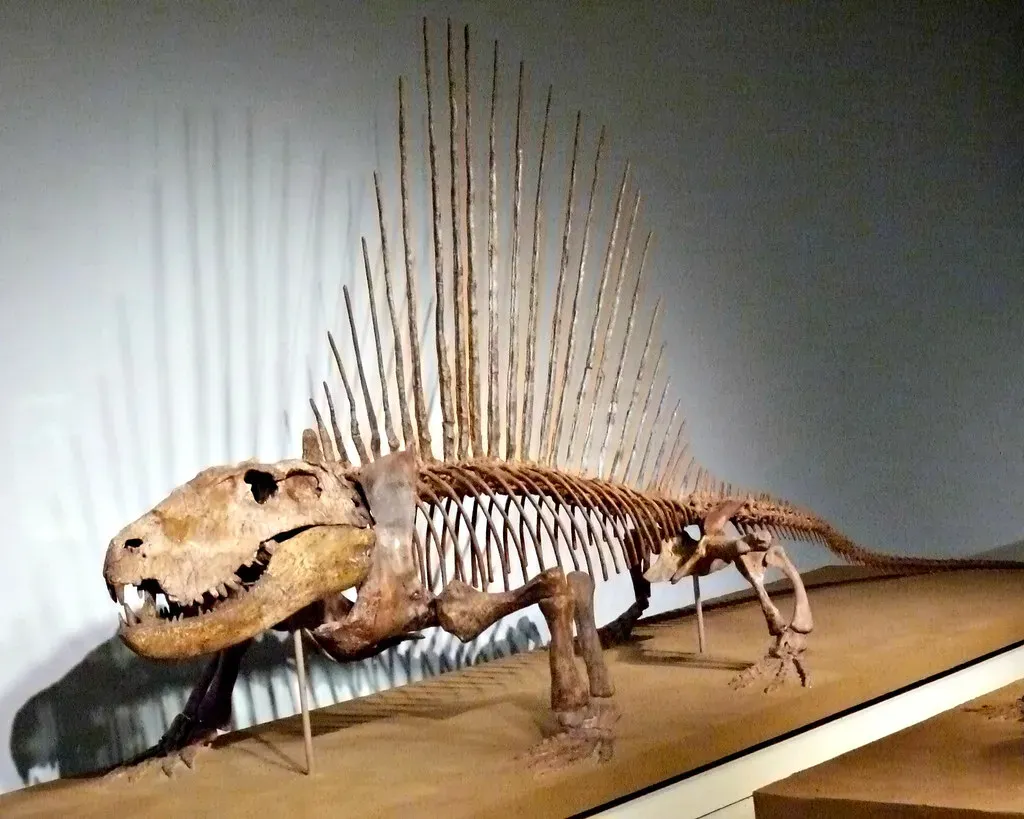
Here is a misconception worth clearing up for good. Dimetrodon is often mistaken for a dinosaur or portrayed as a contemporary of dinosaurs in popular culture, but it became extinct by the middle Permian, some 40 million years before the appearance of dinosaurs. Dimetrodon was not a dinosaur. It was not even a reptile in the way we think about reptiles today. It belonged to a group far more closely related to mammals – which makes it, in a strange twist of fate, more closely related to you than to any Tyrannosaurus.
Among the diverse life forms of the Carboniferous and Permian periods were large amphibians, early reptiles, and importantly the synapsids. Synapsids were a group of animals that possessed certain reptilian characteristics but also exhibited traits that would later evolve into features we see in modern mammals. They included a range of creatures from the pelycosaurs, with their distinctive sail-like structures on their backs, to the therapsids, which were more advanced. Synapsids split from the reptilian lineage in the Carboniferous Period around 318 million years ago. By 295 million years ago, synapsids had diversified into several groups and had become the dominant animals on land.
The Great Dying: The Extinction That Ended It All and Set the Stage for Dinosaurs
Every dramatic story needs a devastating climax, and the pre-dinosaur world had one that remains unmatched in the history of life. The end of the Paleozoic Era was marked by the greatest mass extinction event in Earth’s history, known as the Permian-Triassic extinction event. This cataclysmic event, which occurred approximately 252 million years ago, wiped out more than 90 percent of the planet’s species, leaving the Earth a desolate and nearly lifeless place. Scientists sometimes call this event “The Great Dying,” and honestly, you can understand why.
The Paleozoic Era ended with the largest extinction event of the Phanerozoic Eon, the Permian-Triassic extinction event. The effects of this catastrophe were so devastating that it took life on land 30 million years into the Mesozoic Era to recover. It is hard to fully comprehend that scale of destruction. Archosaurs, which included the ancestors of dinosaurs and crocodilians, were initially rarer than therapsids, but they began to displace therapsids in the mid-Triassic. Olenekian tooth fossil assemblages from the Karoo Basin indicate that archosauromorphs were already highly diverse. In the mid to late Triassic, the dinosaurs evolved from one group of archosaurs, and went on to dominate terrestrial ecosystems during the Jurassic and Cretaceous. The Great Dying, as horrific as it was, essentially cleared the board and handed the world to the creatures that would become the most famous animals in history.
Conclusion: The Forgotten World That Made Everything Possible
The pre-dinosaur world was not a prologue. It was a full story in itself – hundreds of millions of years of creatures testing what life could look like, filling every ocean and eventually every continent with remarkable, mind-bending diversity. From the alien fronds of the Ediacaran to the sail-backed Dimetrodon prowling Permian swamps, this era shaped the biological blueprints that every creature living today ultimately inherited.
Next time you see a fossil trilobite in a museum, or read about the first fish to haul itself onto a riverbank, consider what that moment meant. It was not just an evolutionary curiosity – it was the pivot point that eventually led to every land animal that has ever lived, including the person reading this article right now. The dinosaurs may get all the glory, but the real foundation of life on Earth was built long before they ever arrived.
What do you think about it – does the world before the dinosaurs deserve more attention than it gets? Tell us in the comments.