
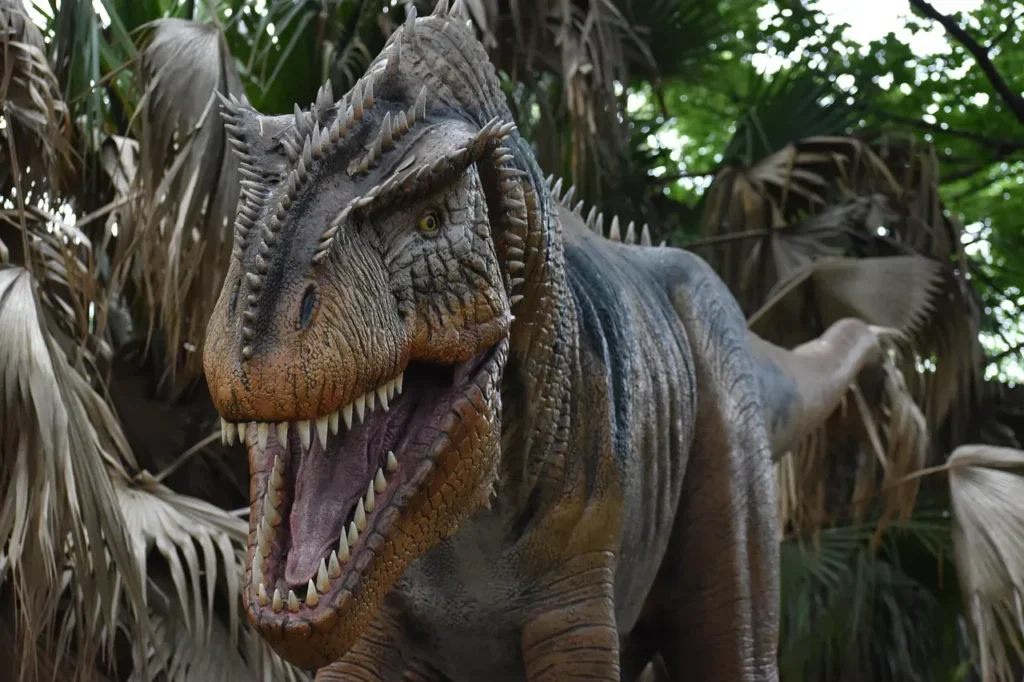
Here’s something that might shake your prehistoric world view a little. You probably grew up thinking the T-Rex was the ultimate killing machine. Hollywood taught you that. Museums reinforced it. That iconic roar, those tiny arms, that thundering walk. Honestly, it’s hard not to be impressed. Yet when you start digging into the real fossil record, you quickly realize that Tyrannosaurus rex was just one terrifying player in a long, violent history of apex predators far more diverse, far more brutal, and in some cases far more powerful than anything you’ve seen on a movie screen.
The ancient world was not a peaceful place. It was a stage for some of nature’s most ruthless experiments in size, speed, and killing efficiency. On land, in the skies, and deep beneath prehistoric oceans, creatures evolved to dominate their environments in ways that still leave scientists speechless. Some of these beasts you’ll recognize. Others will be completely new to you. Be prepared to have your assumptions thoroughly dismantled. Let’s dive in.
Spinosaurus: The River Giant That Dwarfed the King
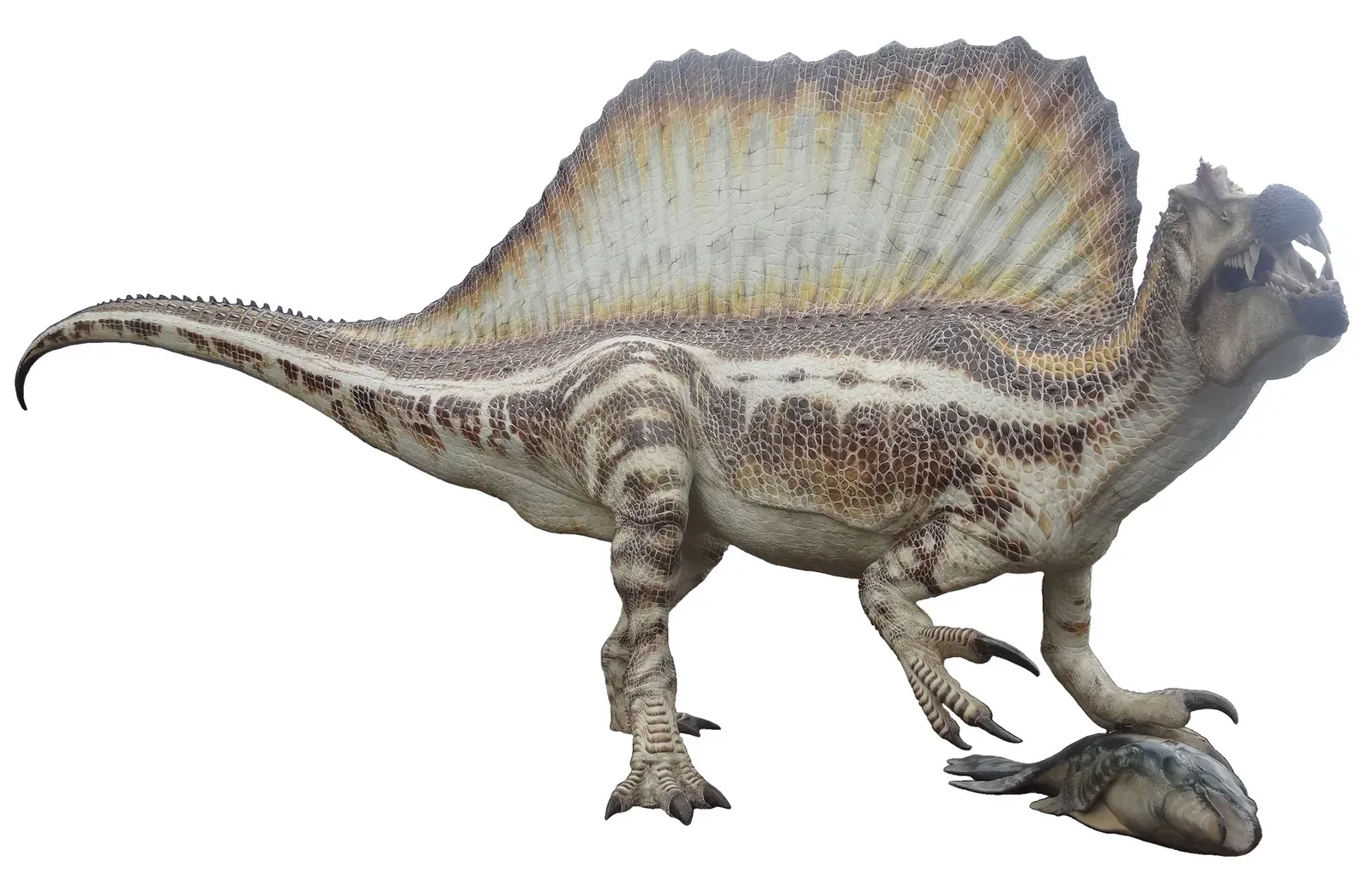
Let’s be real. The moment you learn about Spinosaurus, the T-Rex’s legendary status starts to wobble. Spinosaurus was about 60 feet in length and was considered the biggest land and water-based predator ever to roam the globe. That’s not a trivial distinction. You’re looking at a creature that essentially owned two worlds simultaneously, the rivers and the land surrounding them, something the T-Rex could never claim.
Spinosaurus is thought to be an aquatic predator, the first known dinosaur specialised for hunting in water. Since the 1990s it had been depicted as a bipedal predator, but in 2014 more accurate research showed that it actually walked on four legs, a controversial discovery since nearly all predatory dinosaurs before walked on two legs. It hunted large fish in rivers in Africa and was the biggest predatory dinosaur ever. Think about that. A fish-hunting dinosaur bigger than the T-Rex. Nature really had no limits.
Megalodon: The Ocean’s Absolute Tyrant
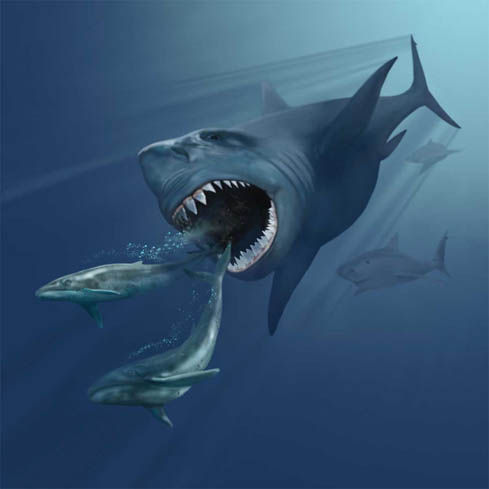
Megalodon is widely regarded as the most feared prehistoric shark. It dominated the oceans 23 to 3 million years ago and reached lengths of up to 60 feet, with a bite powerful enough to crush whale skulls. You’ve seen the Hollywood version of this creature, but the real animal was even more unsettling. Think about something roughly the length of a semi-truck, gliding silently through open ocean.
Fossil evidence suggests Megalodon “made a living hunting and killing large whales by biting off their tails and flippers.” That’s a hunting strategy more calculated and terrifying than anything a T-Rex ever pulled off. Comparable to the great white shark but in an entirely different league of power, Megalodon was one of the most fearsome marine predators that has ever roamed the seas. Its size, power, and speed allowed it to dominate the oceans, and its diet consisted primarily of large prehistoric whales. The ocean was simply its personal hunting ground.
Sarcosuchus: The SuperCroc That Made Dinosaurs Nervous
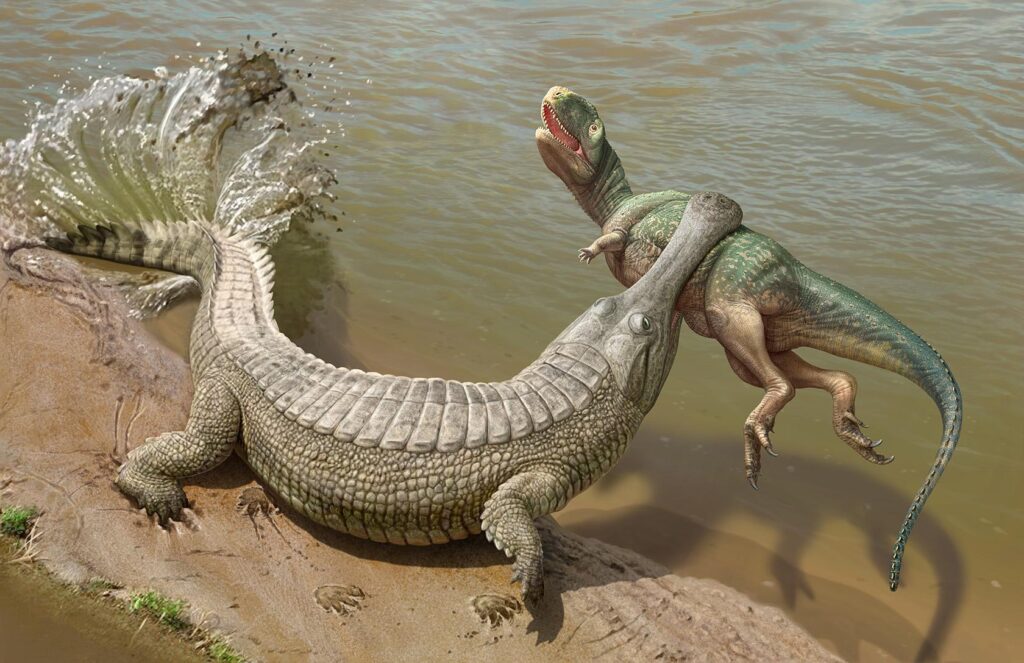
Known as the “SuperCroc”, Sarcosuchus was a 40-foot crocodilian that lived 112 million years ago, typically preying on fish, dinosaurs, and other animals near water sources. Imagine you’re a mid-sized dinosaur walking along an ancient African river for a drink of water, and this thing is waiting for you beneath the surface. That’s not a nightmare. That was Tuesday in the Early Cretaceous.
A full-grown adult Sarcosuchus reached up to 11 to 12 meters in length with an average weight of 8 tonnes. By evolution, its eyes were somewhat telescoped, set next to a long snout that constituted 75 percent of the head’s total length. The upper jaw had 35 teeth in each of its two sides, while the lower jaw had 31 in each side. This was not just a big crocodile. It was an entirely different category of ambush predator, one that had the privilege to hunt terrestrial dinosaurs, waiting by the side or surface of the water until an unsuspecting prey came too near.
Liopleurodon: The Jurassic Sea’s Four-Flippered Terror
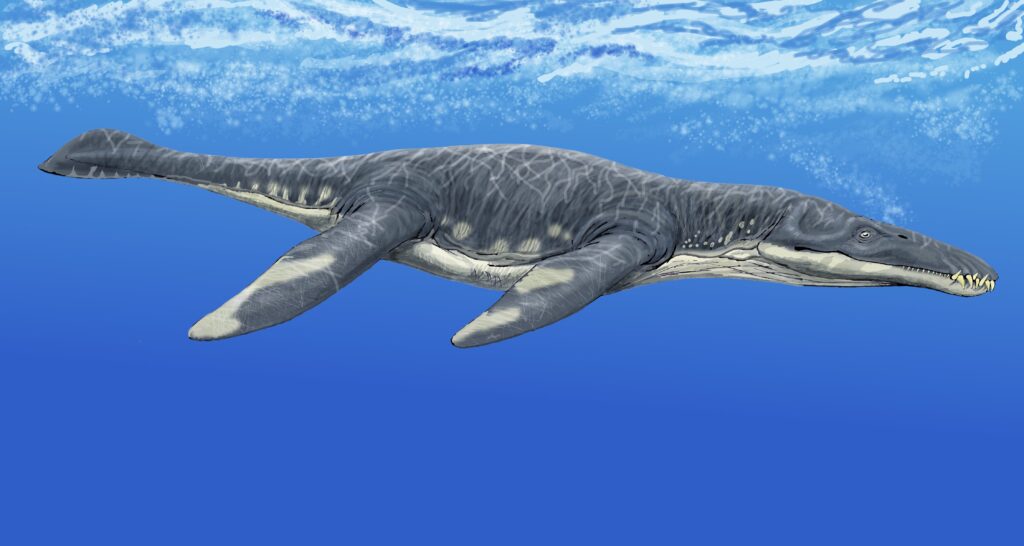
Liopleurodon, a marine reptile of the Jurassic seas, grew up to 40 feet long with four massive flippers for swift underwater movement. A unique trait of this creature was its bite, which was modified to capture its slippery prey, like ichthyosaurs. Four flippers gave it extraordinary maneuverability, the kind that allowed it to change direction instantly in pursuit of prey. In the ocean, that is a decisive advantage.
Liopleurodon’s name means “smooth-sided tooth,” and its body was built to achieve a quick burst of speed. This allowed it to quickly get the jump on its prey with little time for reaction. Think of it like the prehistoric equivalent of a torpedo. You would never see it coming. Liopleurodon is a genus of large, carnivorous marine reptiles that belonged to the Pliosauroidea, a group of short-necked plesiosaurs, and lived during the Callovian stage of the Middle Jurassic Period, approximately 166 to 163 million years ago. Ancient seas were genuinely no place for the faint-hearted.
Giganotosaurus: South America’s Colossal Land Predator
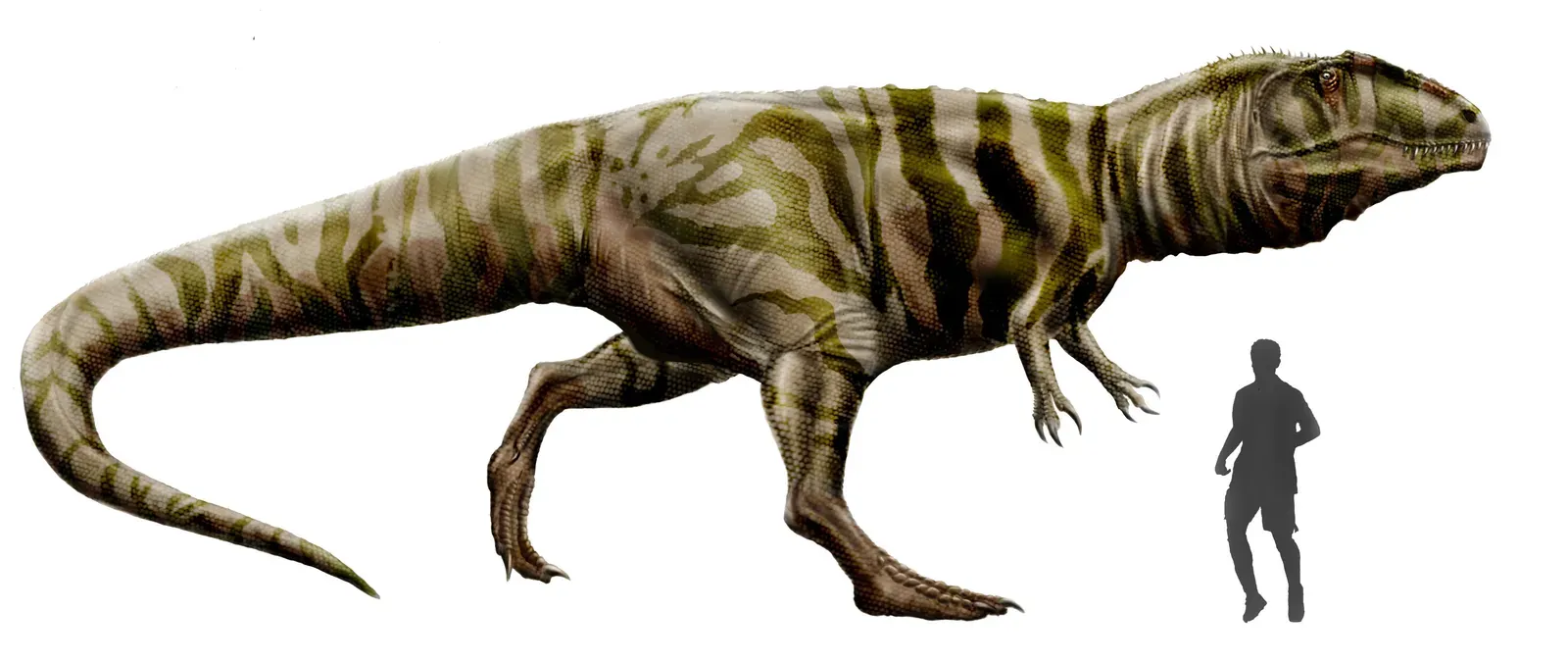
One of the largest land carnivores ever, Giganotosaurus exceeded 40 feet and weighed over eight tons. It is reported to have walked the lands of Argentina roughly 98 million years ago and had powerful jaws that dominated its prey. What makes this creature especially fascinating is where it lived and what it hunted. You’re talking about a predator that stalked an entirely different hemisphere of the prehistoric world, one that most people have never even heard of.
Giganotosaurus is thought to have been the apex predator of its ecosystem, and it may have fed on juvenile sauropod dinosaurs. Sauropods were some of the largest animals ever to walk the earth, so targeting even their young required extraordinary confidence and capability. A 2005 study found that Giganotosaurus and related taxa had adaptations for capturing and bringing down prey by delivering powerful bites, whereas tyrannosaurs had adaptations for resisting torsional stress and crushing bones. A fundamentally different style of killing, and no less deadly for it.
Smilodon: The Ambush Artist With Knives for Teeth
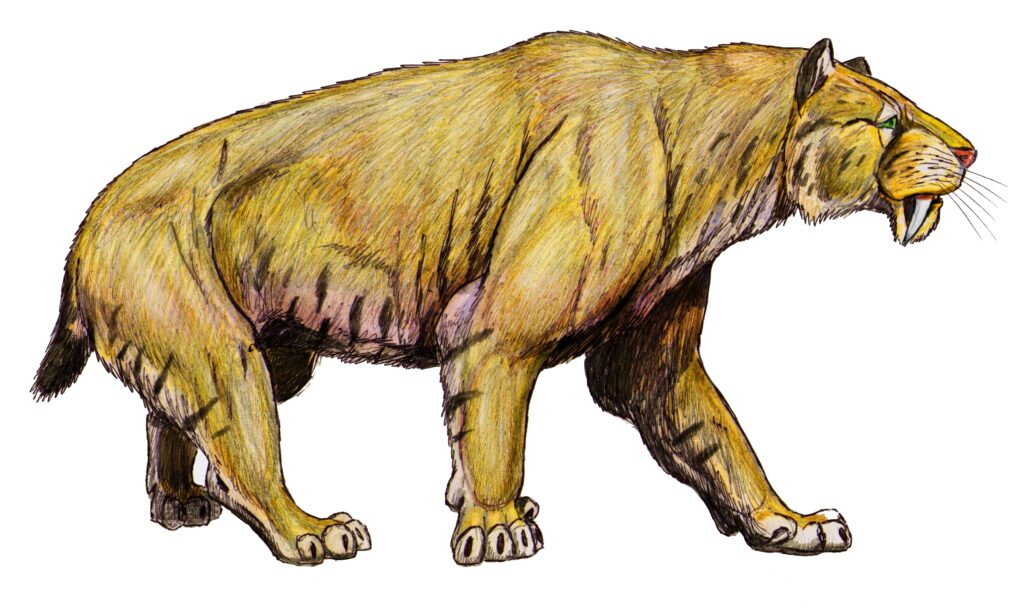
Smilodon lived in the Americas during the Pleistocene, roughly 2.5 million to around 10,000 years ago, overlapping with those humans who first discovered the “New World.” Although often called sabre-tooth tigers, Smilodon were not tigers. Instead they belonged to a large, extinct family of big cats known as Machairodonts. That last detail always surprises people. The connection to modern tigers is more of a nickname than a scientific reality.
Like many other Machairodonts, Smilodon were built more like bears than today’s lions and tigers. They had stout, muscular hindlimbs and long, grasping forelimbs. Their most characteristic features were their canines, which measured nearly a foot from root to tip. These adaptations made Smilodon formidable ambush predators that specialised in pouncing on their prey. You can picture it now. Waiting silently in the undergrowth, then launching with explosive force and driving those enormous teeth straight into vital organs. It was believed to have relied on ambush techniques, overpowering large herbivores and sinking its canines into its prey in order to strike vital organs.
Titanoboa: The Serpent That Redefined Fear
![Titanoboa: The Serpent That Redefined Fear (own work uploaded by artist here:[1] Larger version from:[2], CC BY 3.0)](https://nvmwebsites-budwg5g9avh3epea.z03.azurefd.net/dinoworld/20fd5d82e2208dd894eab1d52bda8815.webp)
Titanoboa, meaning “titanic boa,” currently holds the crown of the largest snake that has ever lived. Believed to have reached lengths of up to 50 feet, it would clamp down on its target, wrap its body around its prey, and constrict it to death. Fifty feet. That’s roughly the length of a standard city bus, and it moved. Imagine something that size sliding silently through a swamp toward you. I think most of us would prefer the dinosaurs.
Titanoboa was the largest snake ever discovered, stretching over 42 feet and weighing a ton, living around 60 million years ago. It could crush prey with the same ease as giant crocodiles in South American swamps. What makes Titanoboa especially interesting is when it existed. It thrived shortly after the mass extinction event that wiped out the dinosaurs, filling the ecological vacuum left behind with its enormous, constricting body. Nature, it seems, simply cannot tolerate a power vacuum.
Allosaurus: The Late Jurassic’s Ferocious Blueprint
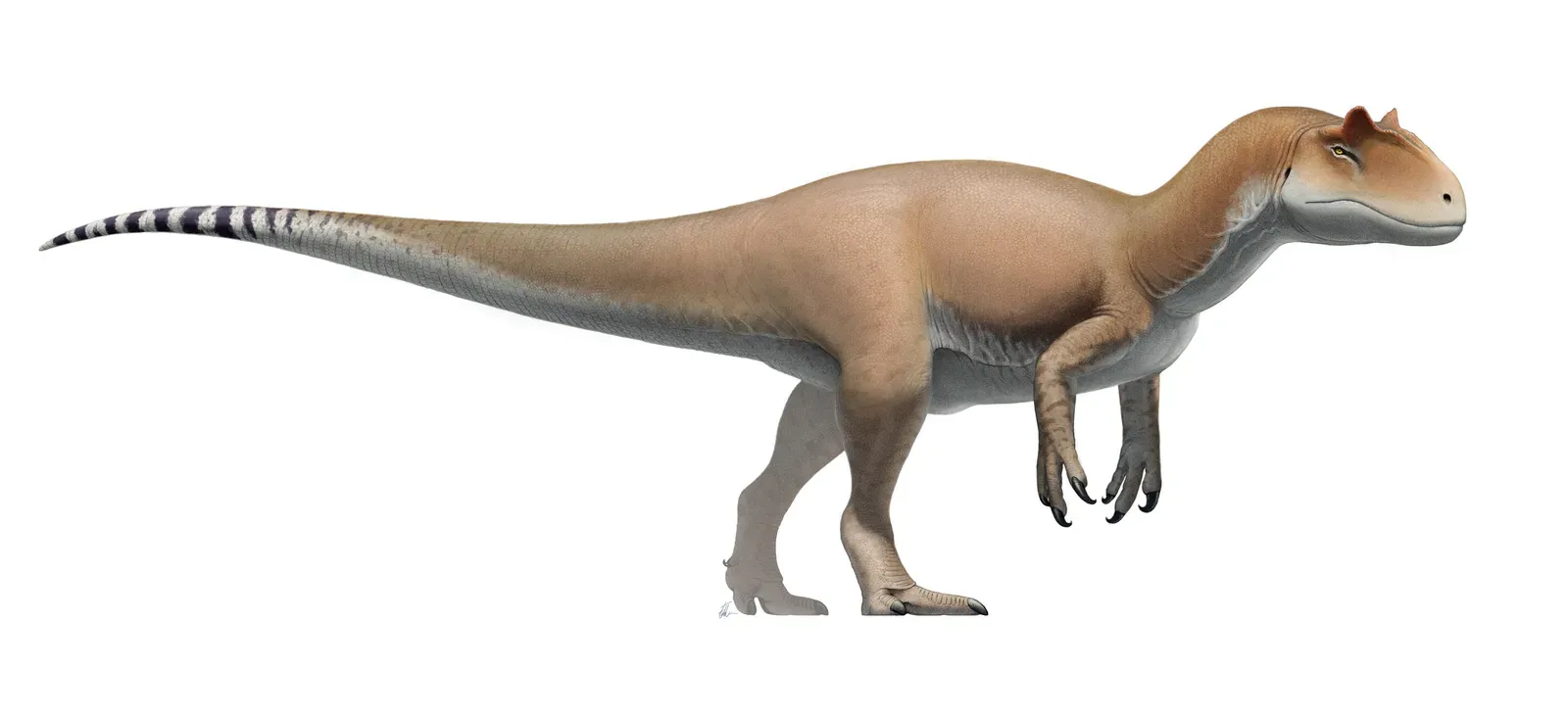
A dominant predator of the Late Jurassic, Allosaurus reached 30 feet and hunted in coordinated groups. It had serrated teeth which enabled it to dismantle large herbivores like Stegosaurus. They were aggressive hunters, too. That last part is something you feel in the fossil record. This was not a patient, opportunistic scavenger. Allosaurus was an active, relentless hunter that took on armored prey most creatures would wisely avoid.
Injuries to the arms where tendons have been ripped from the bones suggest that Allosaurus was very physical in its attacks upon other dinosaurs, and it would have done so without much thought or fear of injury to itself. This is further evidenced by fossils that prove Allosaurus got into fights with armoured dinosaurs like Stegosaurus. Honestly, that’s the kind of aggression that borders on reckless. But it worked. Allosaurus is not only the best-represented large theropod dinosaur in the fossil record, it seems to have been the predator design of the Late Jurassic. Evolution basically used it as the template.
Mosasaurus: The Cretaceous Ocean’s Last Word
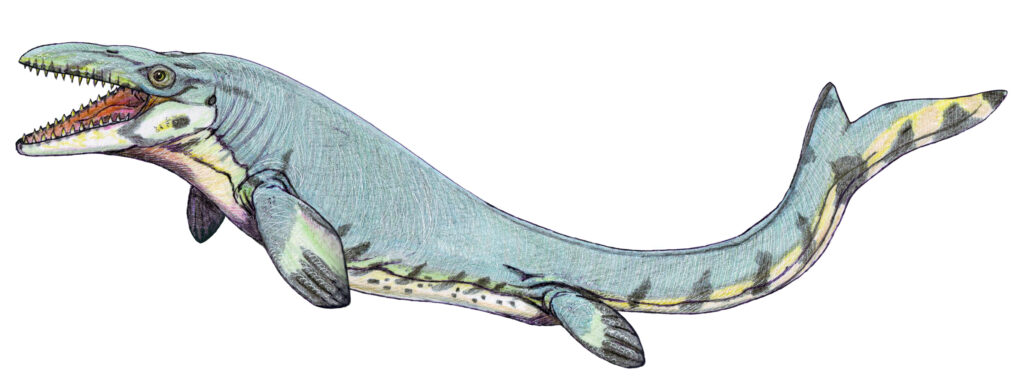
The apex marine predator of the Late Cretaceous, Mosasaurus hoffmannii, reached lengths over 55 feet and had double-hinged jaws and paddle-like limbs, making it an oceanic terror. Double-hinged jaws. Think about what that means for a moment. A single set of hinged jaws is already terrifying enough. Two sets means prey essentially had no chance of escape once those jaws made contact.
Mosasaurus was a massive marine reptile from the Late Cretaceous period, measuring up to 50 feet in length. It used its tail for propulsion and jaws for crushing ammonites and other aquatic reptiles. It wasn’t just big. It was athletically designed for underwater pursuit and overwhelming force. Researchers discovered that there was a previously unseen seventh trophic level in ancient marine ecosystems that was filled with enormous marine reptiles. Some of these, like Mosasaurus relatives, are known as hyper-apex predators. You don’t just sit at the top of the food chain. You become its defining boundary.
Andrewsarchus: The Hoofed Beast That Crushed Everything
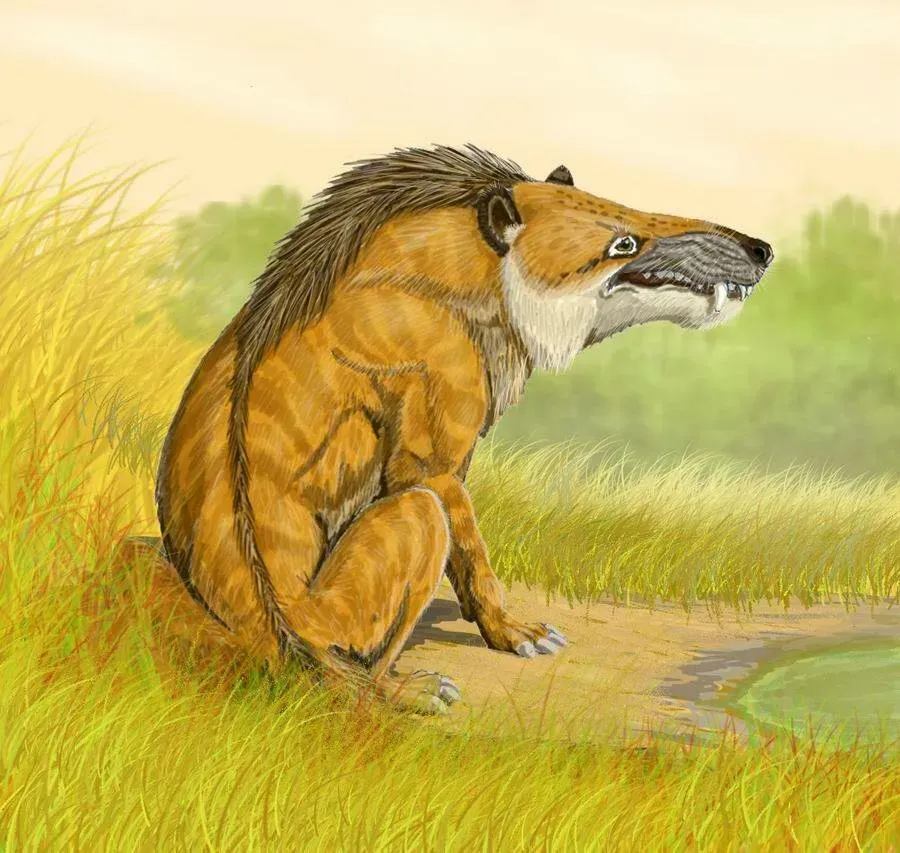
This massive hoof-toed creature, Andrewsarchus mongoliensis, came from an order of mammals called artiodactyls, a group that includes everything from ungulates to pigs and whales. It may have stood about six feet tall and about 12 feet long. Scientists think that these predators, which lived in the Middle Eocene in East Asia around 45 million years ago, were most closely related to modern-day whales and hippos. Something that is more closely related to a whale than to a wolf but that hunts like a nightmare is exactly the kind of creature the ancient world specialized in producing.
The largest known carnivorous land mammal, Andrewsarchus, roamed 45 million years ago during the Eocene epoch. Measuring over 13 feet in length, it had a massive skull and jaws capable of crushing bone. It was discovered in Mongolia in the 1920s. Here’s the thing: the Andrewsarchus could bite with a power of about one tonne, which is more than twice as much as any creature alive today. That single statistic puts it in a category of raw, skull-shattering destructive power that very few animals in history can match. It remains one of the most underrated predators ever uncovered.
Conclusion
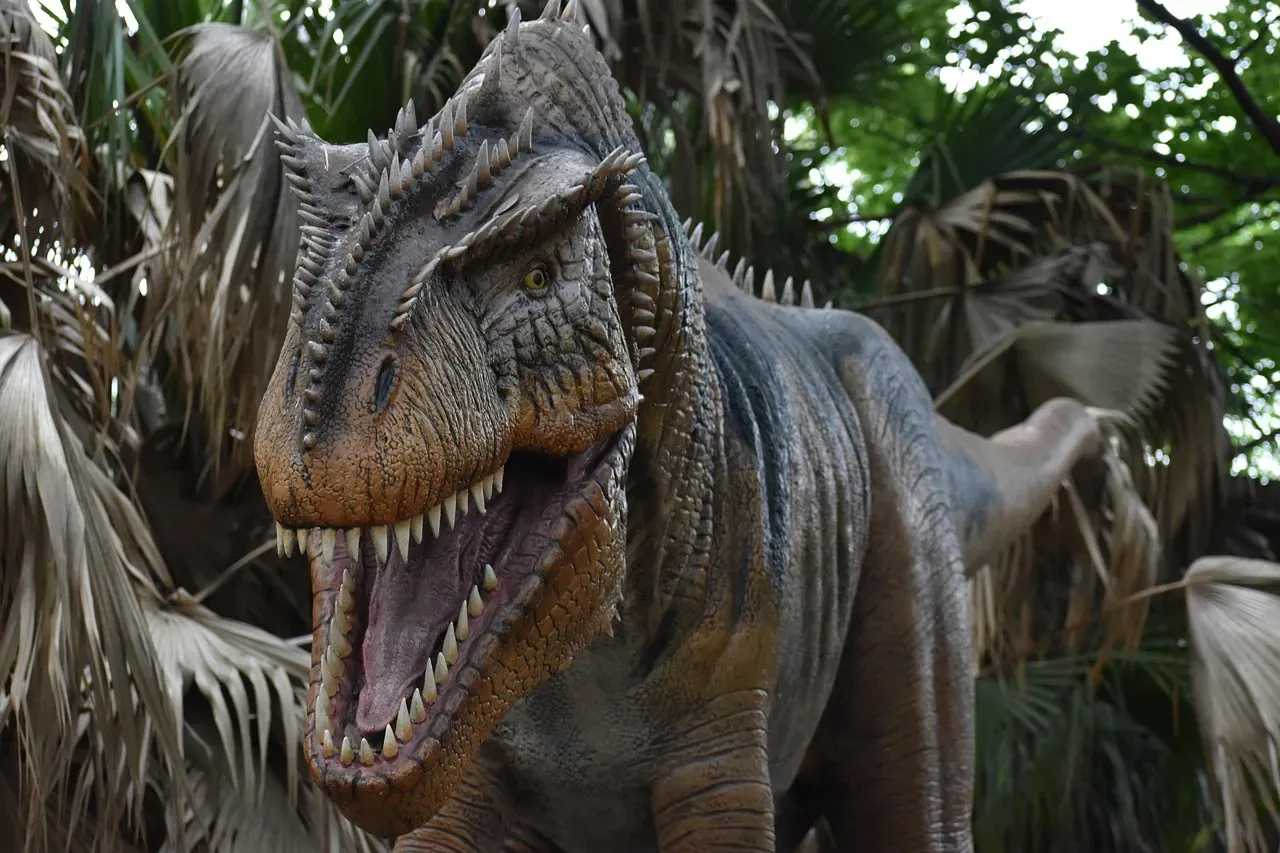
You’ve just taken a journey through some of the most extraordinary predators our planet has ever produced. From the river-dominating Spinosaurus to the ocean-ruling Megalodon, from the bone-crushing Andrewsarchus to the ambushing Smilodon, history is packed with creatures that make today’s apex predators look almost manageable by comparison. The T-Rex remains iconic, and rightfully so. But it was never alone at the top, and it was never the whole story.
What’s truly humbling is realizing how many of these animals existed in ecosystems just as brutal and complex as anything we see today, only scaled to a degree we can barely imagine. Every fossil uncovered adds a new chapter to a story that has been unfolding for hundreds of millions of years. The ancient world wasn’t waiting for us to arrive. It was already running a spectacular, lethal show long before we showed up.
When you consider all of this, one question lingers: if these creatures were alive today, which one do you think would hold the undisputed title of the world’s greatest predator? Tell us your pick in the comments.