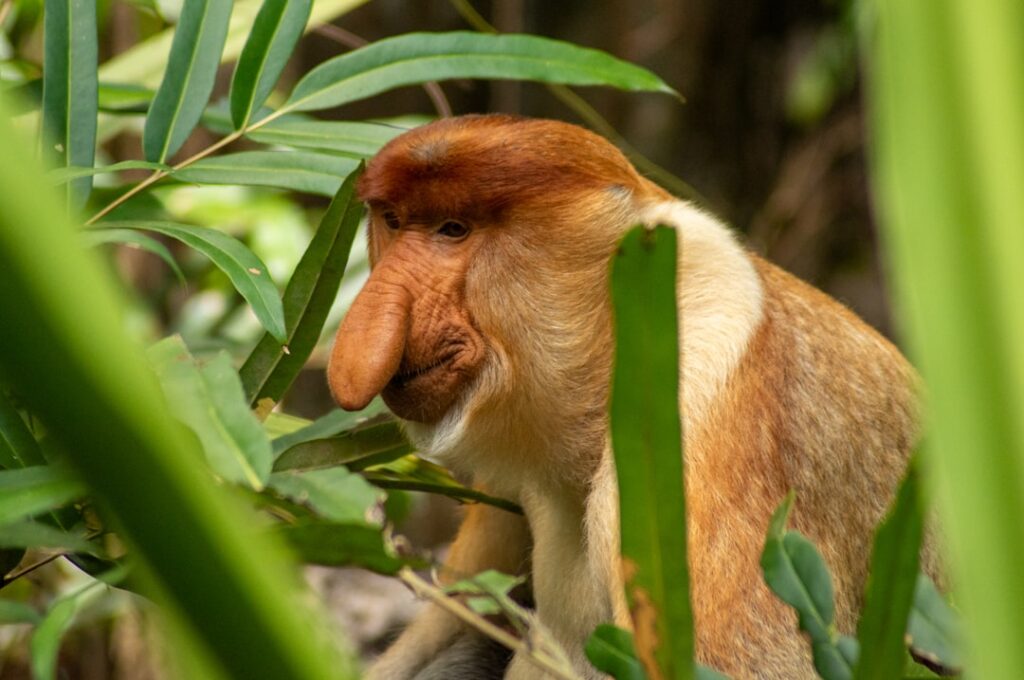
Samut Sakhon province, Thailand – Residents stumbled upon an unusual sight near a railway track one morning in early January. The injured primate, with its distinctive pot belly, reddish-brown coat, and oversized upturned nose, stood out sharply against the familiar local wildlife. Local authorities soon confirmed the animal’s exotic origins, sparking investigations into how such a rare species ended up thousands of kilometers from its island home.
A Startling Encounter on the Tracks
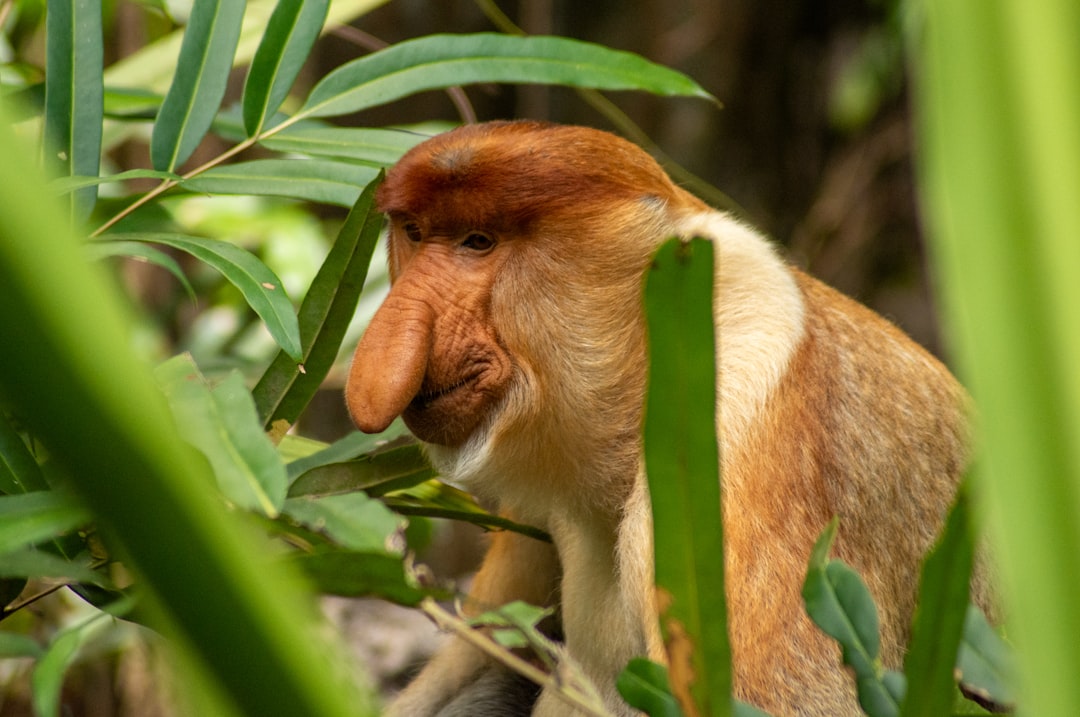
A Startling Encounter on the Tracks (Image Credits: Unsplash)
On January 6, people in central Thailand’s Samut Sakhon province spotted the monkey and quickly contacted a wildlife hotline. They transported the wounded animal to a local clinic for immediate care. Reports indicated the primate had likely been hit by a train, suffering severe injuries to its hands and tail.
Officers from the Phanthai Norasingh Non-Hunting Area arrived the following day to secure the scene. The team transferred the monkey to the Wildlife Health Management and Clinic Division. This rapid response underscored the urgency of handling non-native species in unfamiliar territory.
Unmasking the Proboscis Primate
Veterinarians identified the creature as a juvenile male proboscis monkey, or Nasalis larvatus, known for its prominent nose that amplifies calls in the wild. Native exclusively to Borneo across Indonesia, Malaysia, and Brunei, the species faces endangerment from habitat loss and other pressures. Thailand’s Department of National Parks, Wildlife and Plant Conservation (DNP) relocated it to the Ban Pong wildlife rescue center in Ratchaburi for specialized treatment.
“That’s when they realized that this was a foreign monkey,” stated Kanpicha Han-Asa, a DNP veterinarian at Ban Pong. Staff there noted this marked their first encounter with a proboscis monkey. Krishnapong Oncharoen, head of the center’s wildlife protection unit, confirmed no prior cases had surfaced locally.
Traces of Illicit Trade
Authorities searched records and found no import permits for the animal. Listed under CITES Appendix I, proboscis monkeys face a global ban on commercial international trade. Thailand’s CITES database, tracking shipments since 1975, showed zero legal imports of the species.
Experts pointed to smuggling as the likely path. Tom Taylor of Wildlife Friends Foundation Thailand called the discovery “extremely shocking,” labeling it an escapee from illegal trade. A second proboscis monkey resides at Sri Ayutthaya Lion Park, a private facility, with its presence dating back to late 2025. Such instances suggest a pattern in exotic pet and collection demands.
Challenges in Rehabilitation
Treatment proved complex due to the monkey’s specialized needs. Open wounds necessitated amputation of a finger and part of the tail to avert infection. Caretakers researched its natural diet, comprising 70-80% leaves, to sustain the primate in captivity.
- Initial stabilization at a local clinic prevented shock.
- Amputation addressed severe trauma from the train impact.
- Diet adaptation focused on foliage-heavy meals.
- Enclosure design mimicked arboreal habitats.
- Monitoring ensured psychological adjustment.
Though release into the wild remains impossible, officials eye a potential return to Borneo once stability improves. No owner has claimed the animal, reinforcing escape theories, possibly from a transport train.
Widening Shadows of Wildlife Trafficking
Recent data signals a troubling rise in proboscis monkey trade. A June 2025 study in Discover Animals documented increased domestic sales in Indonesia since 2016 and more zoo holdings worldwide (Mongabay report).
Chris Shepherd, co-author and conservation advocate, deemed the Thai cases “alarming.” He urged probes into origins and stronger airport enforcement. Thailand has seen surges in smuggled primates, including silvery gibbons from Indonesia recently. Advocates call for bans on private ownership of CITES Appendix I primates.
Key Takeaways:
- Proboscis monkeys demand precise diets, complicating captive survival.
- CITES records confirm no legal pathway for this Thai specimen.
- Trade upticks threaten an already vulnerable Borneo endemic.
This incident lays bare the vulnerabilities in Southeast Asia’s wildlife corridors. As enforcement gaps persist, each rescued animal tells a larger story of exploitation. What steps should Thailand take next to stem this tide? Share your thoughts in the comments.