
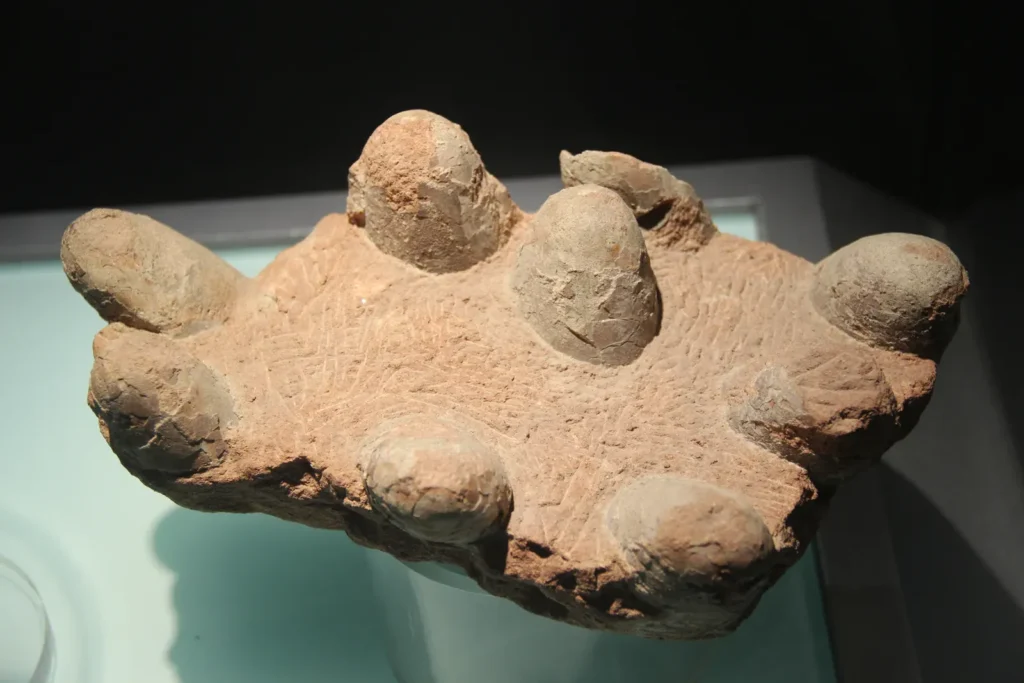
Picture this: you’re standing in a desert in Mongolia, and beneath your feet lies a clutch of eggs that has been waiting undisturbed for roughly 75 million years. Not bones. Not claws. Eggs. Perfectly shaped, fossilized, and absolutely packed with secrets about creatures that once ruled this planet. It sounds like the setup to a sci-fi film, but this is real paleontology, and it’s more astonishing than any Hollywood script could ever be.
The story of dinosaur eggs is one of the most underappreciated chapters in natural history. You’ve probably heard plenty about T. rex teeth or Triceratops horns, but the eggs? They are tiny capsules of prehistoric drama, and every crack in those ancient shells tells a story. What scientists have been uncovering in recent years will genuinely surprise you. Let’s dive in.
The Very First Dinosaur Eggs Were Soft, Not Hard
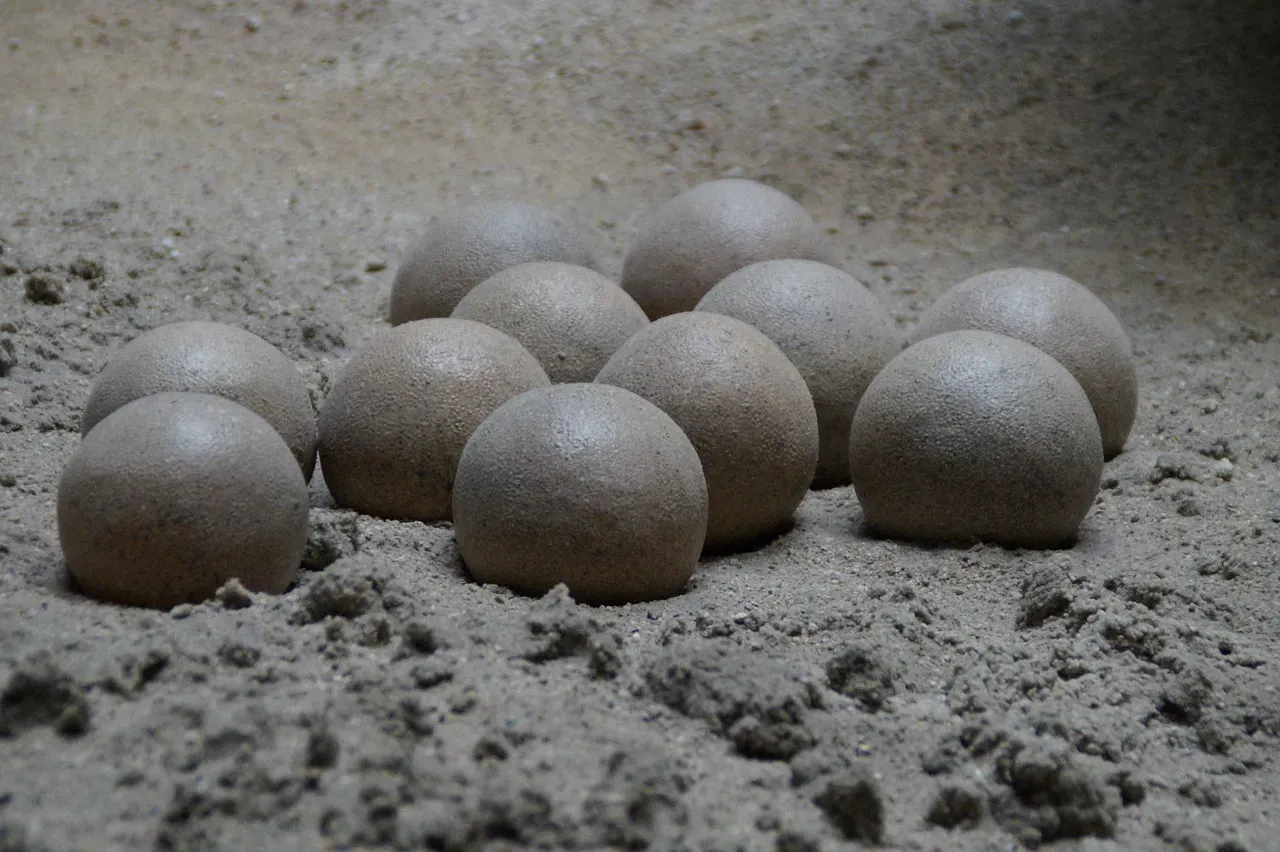
Here’s the thing that nobody saw coming. You’ve always pictured dinosaur eggs as tough, rock-hard objects, haven’t you? It makes sense. We see hard shells on bird eggs and crocodile eggs, so naturally we assumed dinosaurs worked the same way. Turns out, that assumption was completely wrong.
The first dinosaurs actually laid soft-shelled eggs that resembled those of a turtle, contradicting the long-held belief that all dinosaur eggs were hard-shelled. You now know that the common ancestor of all dinosaurs laid soft-shelled eggs buried in moist soil, and that hard-shelled eggs actually evolved multiple times in several lineages – and that the rise of colored eggs in the fossil record coincides with the shift to partially open nests.
Hard-shelled, calcified eggs evolved independently at least three times in dinosaurs, and soft eggshells, being sensitive to water loss, would not have held up under the weight of a brooding parent – which is why the researchers propose that those eggs were likely buried in moist soil or sand and incubated with heat from decomposing plant matter, much like what some reptiles do today. Think of it less like a bird’s nest and more like a turtle hiding her eggs on a beach. Honestly, that image is far more interesting.
Dinosaur Eggs Took Between Three and Six Months to Hatch
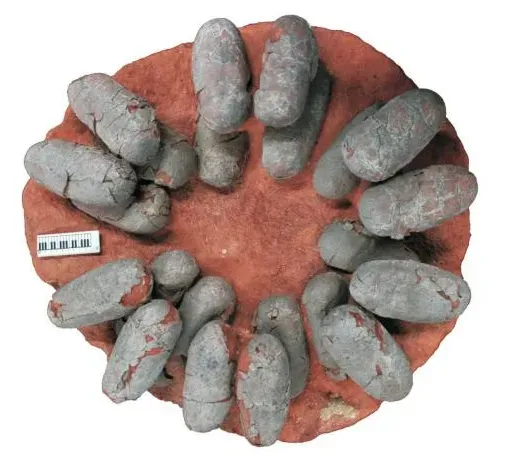
You might assume dinosaur eggs hatched at a similar speed to bird eggs, given that birds are essentially living dinosaurs. That assumption is also wrong, and the truth is almost unsettling when you think about it.
Dinosaur eggs actually took between three and six months to hatch, which is roughly twice as long as would be predicted from bird eggs of similar size, and those long incubation times likely made it tough for them to outcompete faster-generating animals. By studying the growth lines in the microscopic teeth of embryos found inside fossilized eggs, researchers determined that Protoceratops eggs took about 2.8 months to hatch, while those of Hypacrosaurus incubated for a remarkable 5.8 months.
Nesting is one of the most perilous times for egg-laying animals – predators can steal eggs, floods or drought can destroy them, and parents may suffer from hunger or exposure to predators while guarding the eggs – and longer incubation times can be a particular disadvantage in the wake of a cataclysmic event such as the asteroid that struck Earth at the end of the Cretaceous period 66 million years ago. Half a year is a long, terrifyingly vulnerable stretch of time. No wonder some lineages didn’t make it.
Some Dinosaurs Were Caught Fossilized Right on Top of Their Eggs
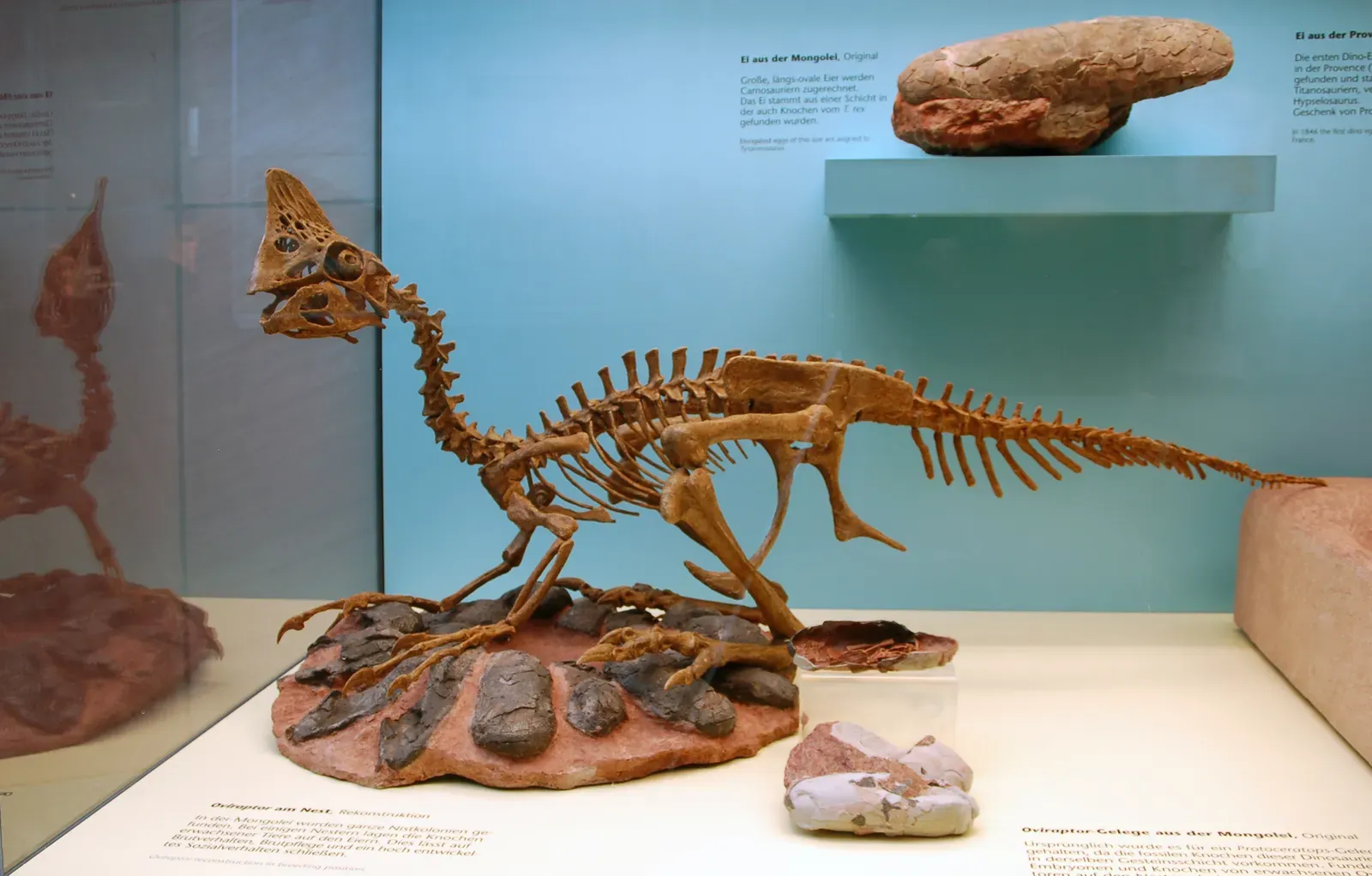
Imagine being flash-frozen in the act of parenting and preserved that way for 70 million years. That’s essentially what happened in one of the most remarkable fossil discoveries ever made, and it rewrites everything you thought you knew about dinosaur nurturing behavior.
A roughly 70-million-year-old fossil captured an adult oviraptorid theropod dinosaur sitting atop a nest of its eggs, with multiple eggs clearly visible, including at least three that contain embryos, as well as the forearms, pelvis, hind limbs, and partial tail of the adult. A multinational team of researchers announced this as a world first for paleontology: a dinosaur preserved sitting atop a nest of its own eggs that include fossilized babies inside.
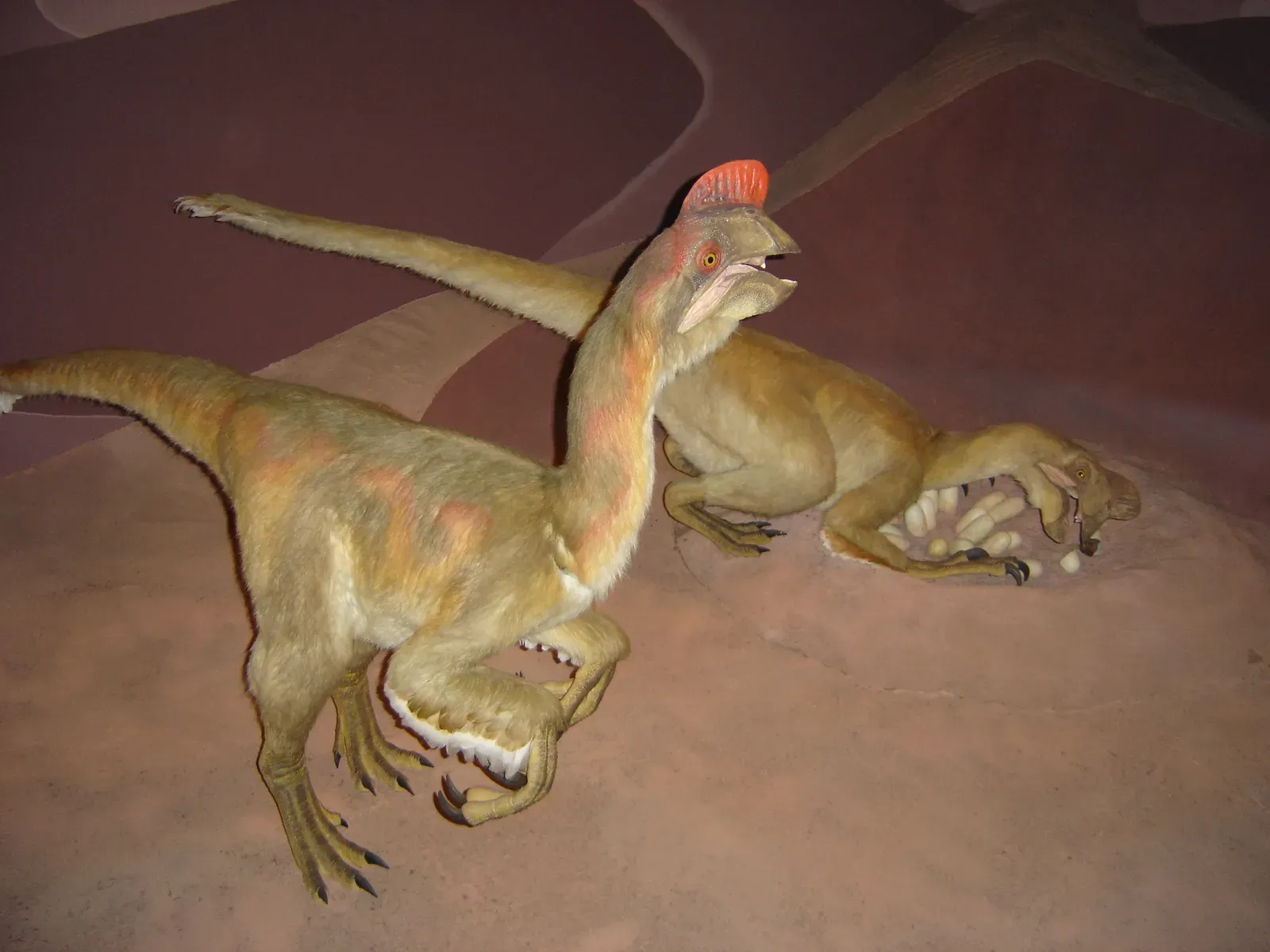
The babies were almost ready to hatch, which tells scientists beyond a doubt that this oviraptorid had tended its nest for quite a long time. The large adult skeleton was preserved at the center of a ring of eggs, its arms wrapped around the precious clutch – this Citipati parent was shielding the eggs when it perished in a sandstorm. You literally couldn’t write a more touching story of prehistoric parental sacrifice if you tried.
Dinosaur Eggs Were Sometimes Colorful, Not Just Plain White
When you imagine a dinosaur egg, you probably picture something dull and beige, like a fossilized rock. That’s a fair assumption given that everything you’ve seen in museums looks brown and dusty. The reality is far more vibrant, and the science behind it is genuinely eye-opening.
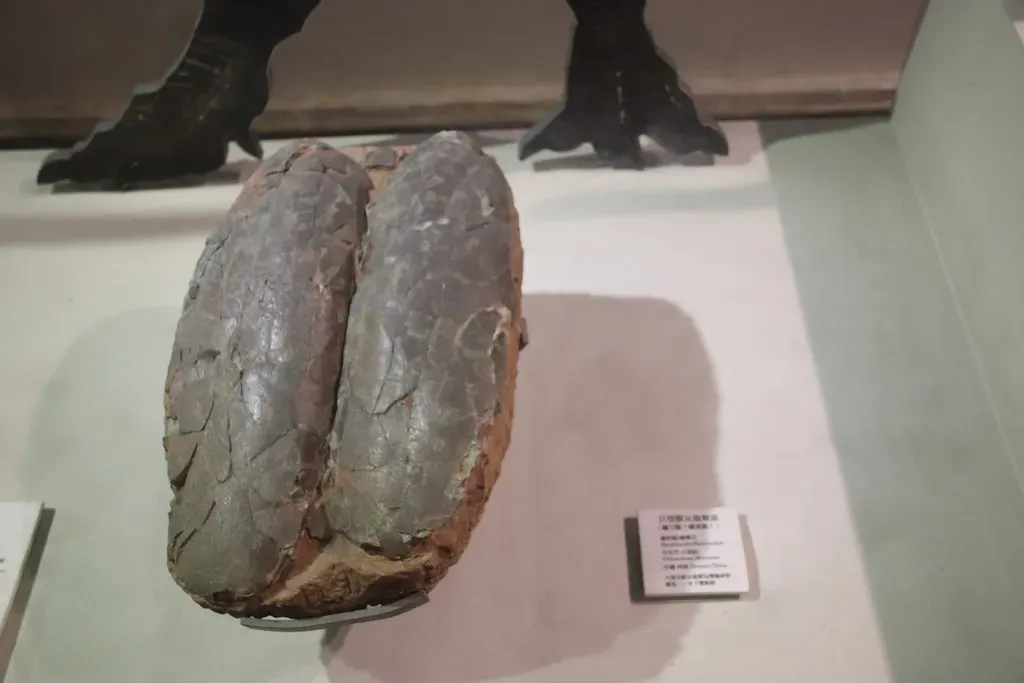
The rise of colored eggs in the fossil record coincides with the shift to partially open nests that dinosaurs incubated by sitting on them, much as many modern birds do, and today’s bird eggs exhibit a remarkable palette of colors and patterns – recent work shows that dinosaur eggs were varied in color too. In fossil nests from the oviraptorid Heyuannia, researchers identified pigments in the eggs to determine their original color, and those eggs were originally blue-green.
Color makes no difference in buried nests, where eggs can’t be seen, but for birds that lay eggs in open nests – and the dinosaurs that did so before them – color could camouflage the clutch from predators or differentiate parents’ eggs from those of other species. Blue-green dinosaur eggs. That image alone should completely reshape how you picture a Cretaceous nesting ground. It was far more vivid than we ever gave it credit for.
You Can Now Date Dinosaur Eggs Directly With an “Atomic Clock” Method
For most of the history of paleontology, figuring out the exact age of a dinosaur fossil meant looking at the rocks around it, not the fossil itself. That indirect approach worked reasonably well, but it always came with a margin of uncertainty that left scientists frustrated. Now, that’s all changing, and dinosaur eggs are leading the revolution.
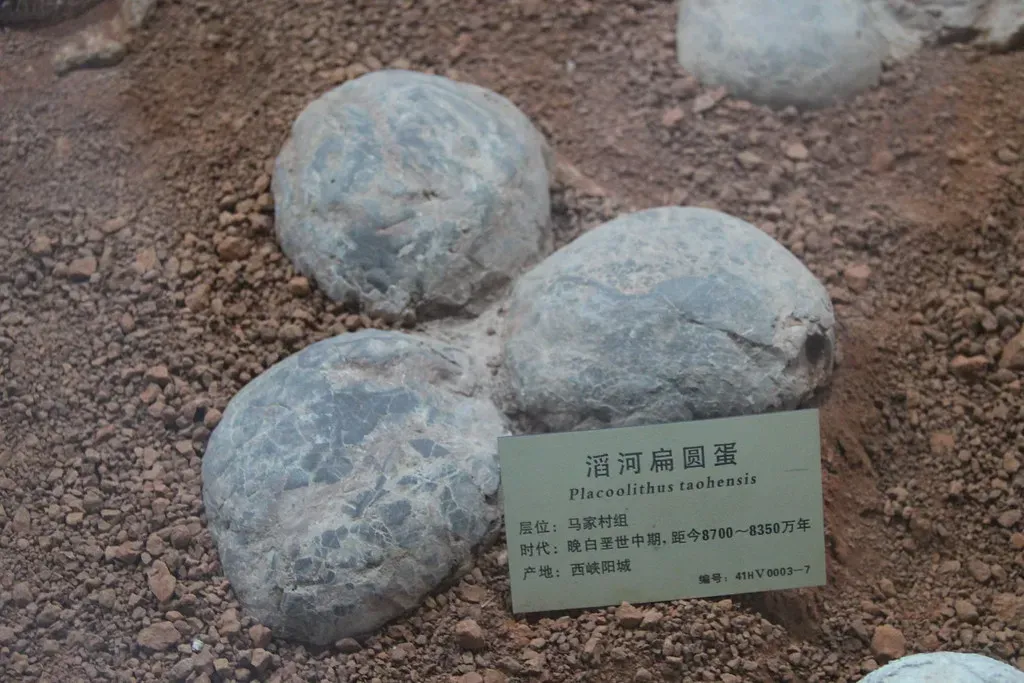
Researchers have for the first time directly dated dinosaur eggs with a technique called carbonate uranium-lead (U-Pb) dating, a method that had previously been used to calculate the ages of rocks, minerals, and fossilized bones and teeth – but using it on a dinosaur egg was entirely new. A clutch of 28 dinosaur eggs found in the Qinglongshan fossil reserve in central China was found to be about 86 million years old, and researchers now hope those eggs and the technique employed might help reveal how dinosaurs living in China’s Yunyang Basin adapted to a cooling climate.
With more than 200 dinosaur egg sites worldwide, of which only a handful have been accurately dated, U-Pb dating could be a valuable new tool for studying preserved examples of egg-laying in dinosaurs and learning how that may have changed over time – and if widely applied, this approach could help establish a robust chronological framework for dinosaur reproduction behavior. It’s almost poetic. The eggs that once carried new life are now helping us understand ancient time itself.
The Oviraptor Was Wrongly Accused of Egg Theft for Decades
Few dinosaurs have suffered a worse reputational injustice than the Oviraptor. Its very name means “egg thief,” a label slapped on it because of where it was found. For decades, scientists and the public alike accepted this narrative without question. It turns out the story was completely backwards.
The first scientifically recognized dinosaur egg fossils were discovered serendipitously in 1923 by an American Museum of Natural History crew while looking for evidence of early humans in Mongolia, and those eggs were mistakenly attributed to the locally abundant herbivore Protoceratops – they are now known to actually be Oviraptor eggs. Paleontologists initially presumed the fossil eggs at the Flaming Cliffs were laid by Protoceratops simply because it was the most common dinosaur at the locality where the eggs were found.
The Oviraptor wasn’t stealing eggs. It was sitting on its own nest, doing exactly what a devoted parent does. In 2005, paleontologists also found a fossilized Oviraptor pelvis with eggs inside, and the positioning of those two eggs suggests that the species may have formed and laid eggs in clutches of two, the way many birds do – contrasting sharply with the way many reptiles lay large batches of eggs at once. The Oviraptor deserves a full apology from the scientific community, honestly.
Dinosaur Eggshells Breathe, Just Like Lungs
You wouldn’t think of an eggshell as something alive or functioning, but it’s actually one of the most brilliantly engineered structures in nature. The shell isn’t just a passive container. It’s an active system, and what scientists have decoded from those ancient surfaces is genuinely mind-bending.
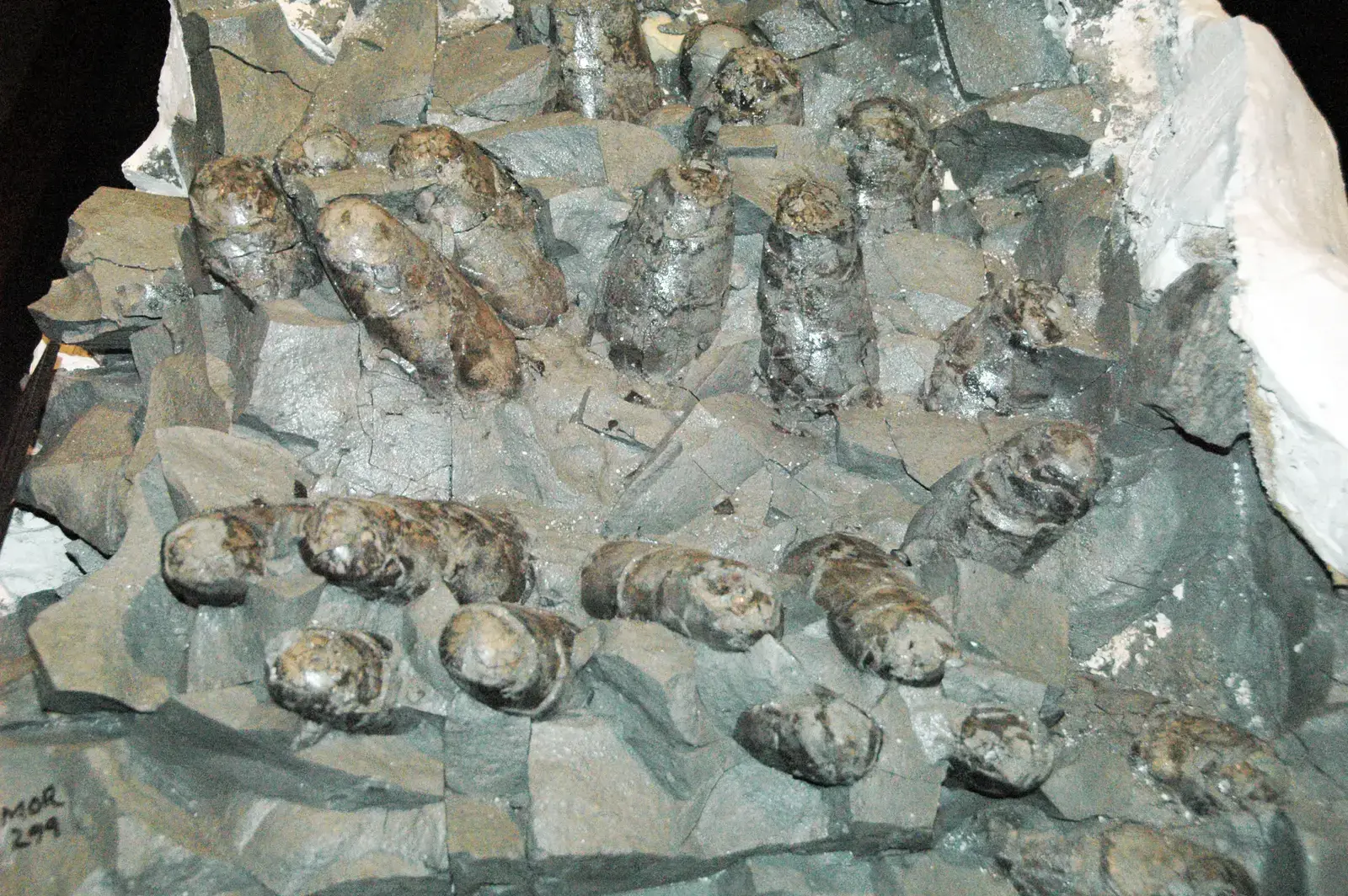
In all eggs, the embryo must breathe, and in egg-laying amniotes including dinosaurs, pore canals cutting through the eggshell allow gas exchange between the embryo and the outside world – and dinosaur eggshells exhibit a great deal of diversity in pore size, density, and shape. The density and width of the pores, combined with the eggshell’s thickness, can be used to predict the gas conductance of a dinosaur’s egg, and this can provide information about both nesting behavior and climate – eggs buried in sediment have higher rates of gas conductance than those laid in the open, and eggs laid in arid environments have lower gas conductance to prevent water loss.
It’s like reading a weather report from 80 million years ago, encoded in microscopic holes. Some researchers speculate that a surface texture of nodes and ridges on eggshell can help in preventing plant debris often used to cover the eggs from plugging the pores, thereby protecting embryos from suffocation. Even a tiny, forgotten pore in a piece of ancient shell carries an entire story. The more you learn about this, the more impressive it gets.
Some Dinosaurs Nested in Massive Colonies, Like Modern Seabirds
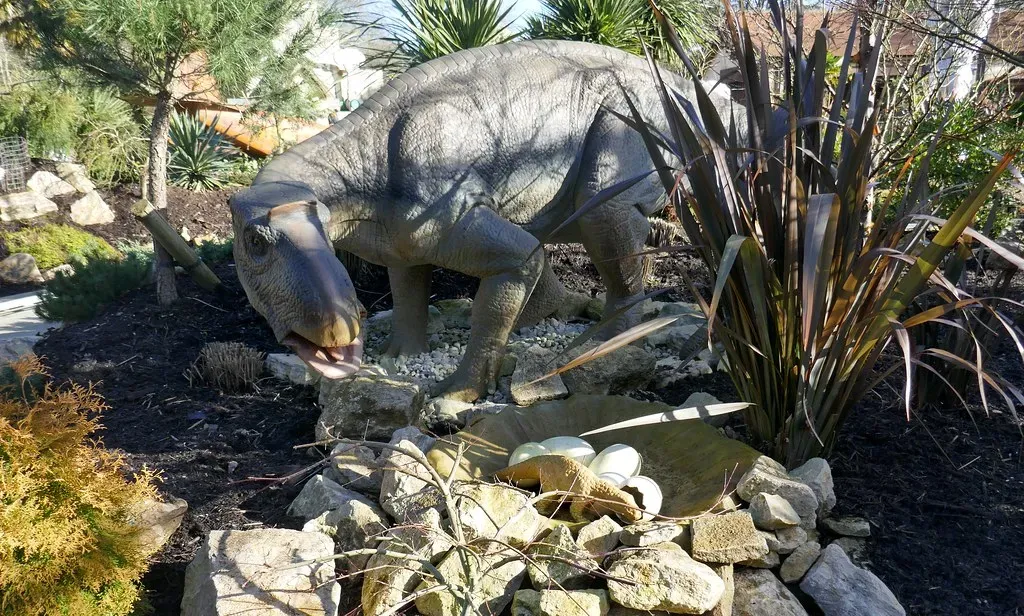
There’s something almost moving about picturing dinosaurs not as solitary, terrifying monsters, but as community-minded parents returning year after year to the same nesting grounds. The fossil evidence strongly suggests that’s exactly what some of them did, and the scale of those colonies was extraordinary.
One remarkable find was in Montana, where fossils of duckbill dinosaurs, including eggs, nests, hatchlings, juveniles, and adults were found together in one death assemblage – the eggshells in the nests were badly broken, arousing speculation that the hatchlings might have crushed the eggs while moving around, and some paleontologists think this site was a nesting colony where adult dinosaurs cared for their young during the first several months after hatching.
Discoveries of multiple layers of nests within the same area have led researchers to suspect that some localities were used by the same species of animal over multiple breeding seasons. Spectacular dinosaur nesting localities have been found in Montana, Argentina, China, India, France, Spain, and Mongolia, advancing the knowledge of the reproduction and nesting habits of several dinosaur species. These weren’t scattered loners. They came back to the same place, season after season, generation after generation. That’s a kind of loyalty that feels surprisingly relatable.
Identifying Which Dinosaur Laid an Egg Is Remarkably Difficult
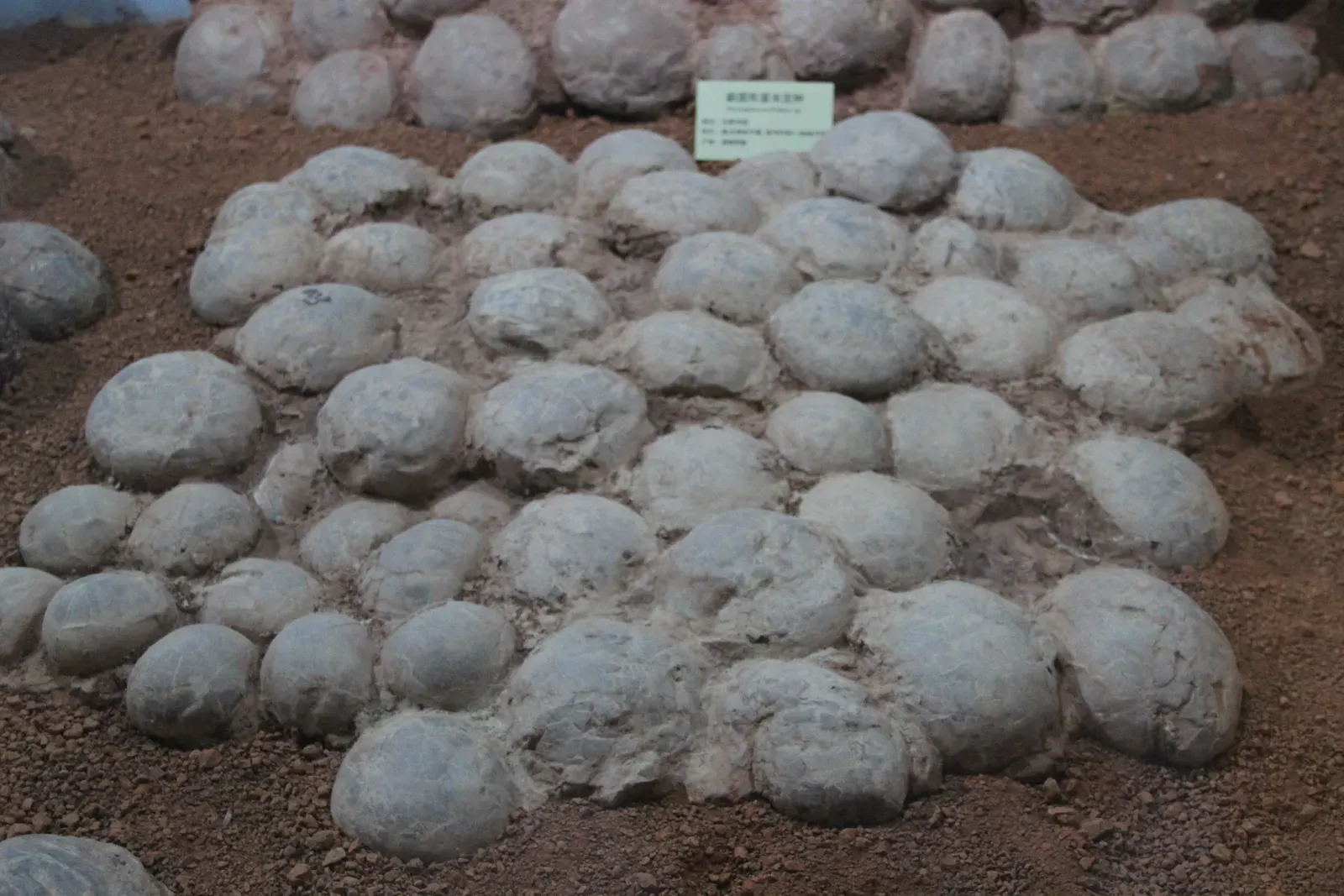
You might think that if you find a dinosaur egg, you’d simply match it to the nearest skeleton and move on. If only it were that straightforward. In reality, figuring out which species laid a specific egg is one of the trickiest puzzles in all of paleontology, and it trips up even the most experienced researchers.
It is very difficult to determine what species of dinosaur laid the eggs that have been discovered, because only a few dinosaur embryos have been found inside the fossil eggs. In spite of recent finds, dinosaur eggs are still a lot rarer than dinosaur bones, and on top of that, very few eggs that have survived until today still contain their embryos.
The size and shape of eggs adds further complexity – researchers have asserted that two dissimilar eggs, one round and the other oblong, both contained a dinosaur known as a Therizinosaur. Most eggs at one Chinese site belong to the species Placoolithus tumiaolingensis in the Dendroolithidae family, a classification that is derived from the eggs themselves rather than from a dinosaur’s fossil skeleton – and the dinosaur that laid those eggs has not yet been identified. It’s a bit like finding a pair of shoes in an empty house and trying to figure out who lived there. Harder than it looks.
Climate Change Was Written Into the Eggshell Itself
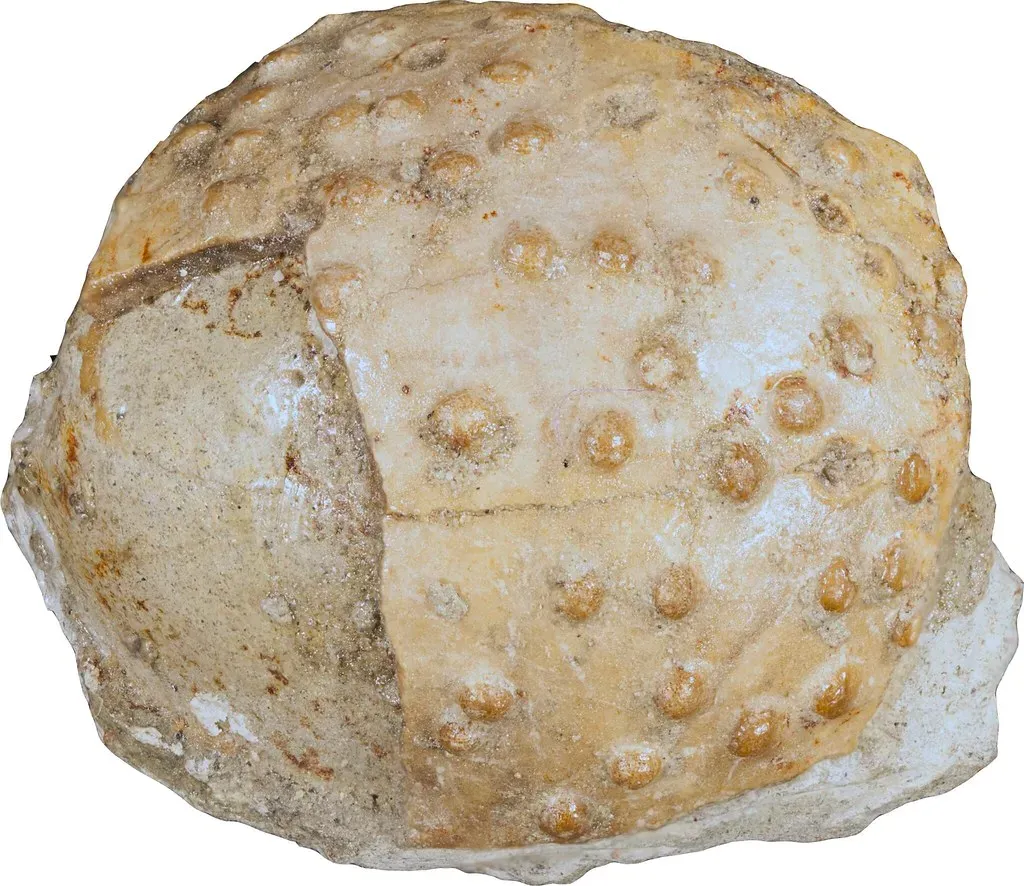
Here’s one of the most quietly spectacular revelations in recent dinosaur science. You can actually read ancient climate shifts directly from the microscopic structure of fossilized eggshells. Not just from surrounding rocks or pollen records, but from the eggs themselves – and what they’re telling us is remarkable.
Global cooling had started several million years before the laying of certain fossilized eggs, in the Turonian epoch lasting from approximately 93.9 to 89.8 million years ago, and by the time those eggs were laid, temperatures had declined significantly – the transition from a warm to a cooler climate was likely a factor in dinosaurs’ diminishing diversity and may have affected how many eggs were laid by how many species.
Researchers suggest the eggs’ specialized pore structures may have evolved as an adaptation to the planet’s decreasing temperatures, a global cooling that had begun several million years before the eggs were laid. At the Qinglongshan site in China’s central Hubei Province, thousands of dinosaur eggs remain intact today, and by studying those fossils, researchers can open a window to the climate during the Cretaceous, a time when the Earth was rocked by volcanic activity, drops in oceanic oxygen, and mass extinction. The egg didn’t just carry a baby. It carried the entire climate story of its age. Honestly, that blows my mind every time I think about it.
Conclusion: The Eggs That Changed Everything
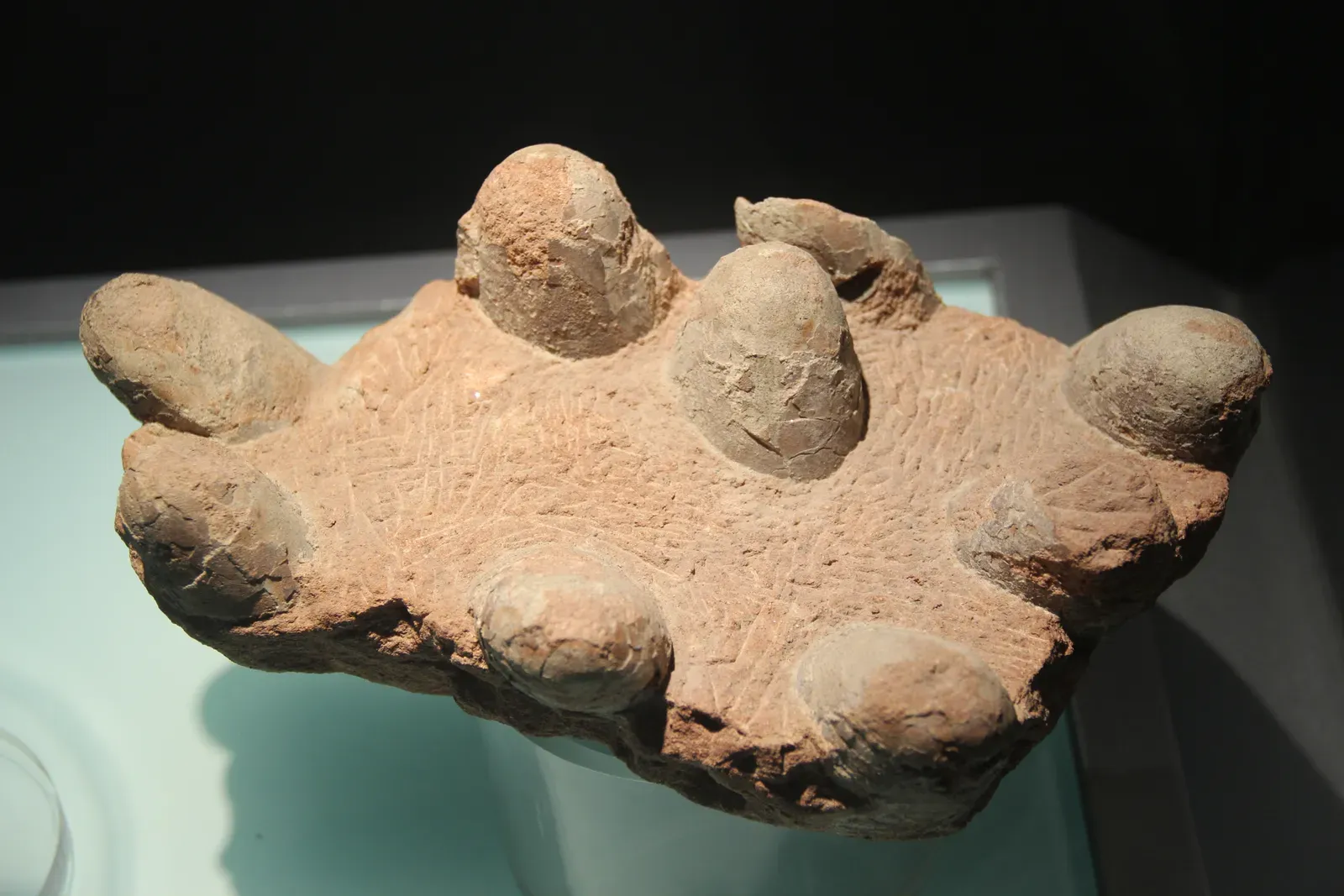
Dinosaur eggs are far more than just ancient curiosities sitting behind museum glass. They are scientific time capsules – fragile, breathable, sometimes colorful, and occasionally soft as leather – that continue to rewrite our understanding of life on this planet. Every new discovery peels back another layer of the story, and at the pace research is moving in 2026, you can expect that story to get even richer in the years ahead.
What strikes you most is how human these creatures feel once you understand their eggs. They returned to the same nesting grounds. They sat on their clutches. They died protecting their young from sandstorms. They were not the cold, senseless monsters of old Hollywood movies. They were complex, vulnerable, and fascinatingly alive in ways a giant tooth or a fossilized femur could never fully convey.
The next time you see a bird’s egg on the ground, take a second to really look at it. You’re staring at the living legacy of 230 million years of reproductive evolution. Now, which of these ten facts surprised you the most? Drop your thoughts in the comments below.