
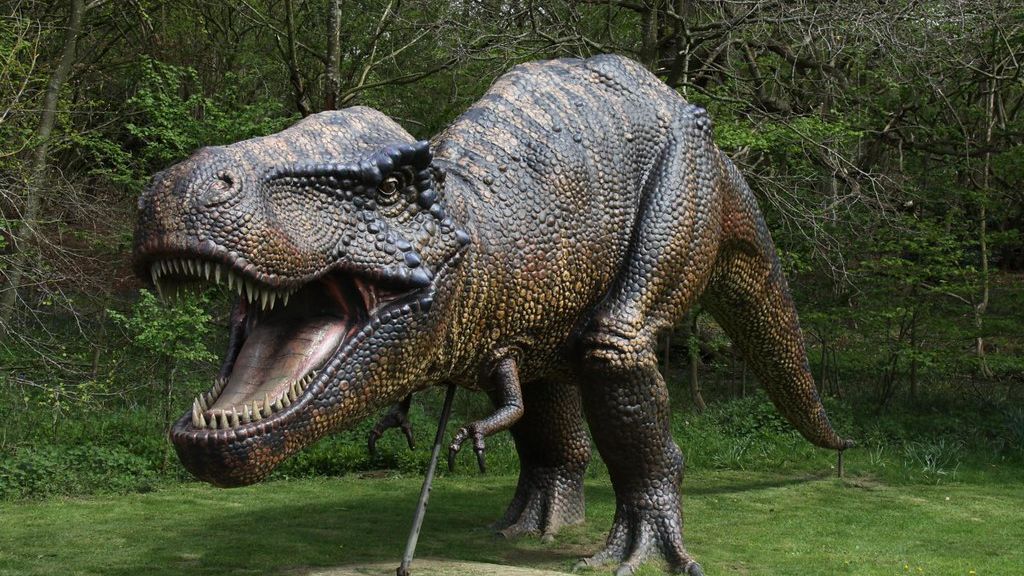
You probably grew up picturing dinosaurs as solitary, cold-blooded monsters – lumbering through a prehistoric world alone, guided only by hunger and instinct. That image is deeply comfortable. It is also, increasingly, wrong.
Modern paleontology has been quietly dismantling the old reptile stereotype for decades, revealing a portrait of creatures whose lives were far more layered, structured, and socially rich than anyone once imagined. From nesting colonies to possible pack behavior, from warm blood running through giant bones to parents sacrificing their lives for their eggs, the story of dinosaurs keeps getting more astonishing.
So let’s dive in – because what you are about to read may fundamentally change the way you think about these ancient giants.
The “Cold-Blooded Reptile” Myth That Refused to Die
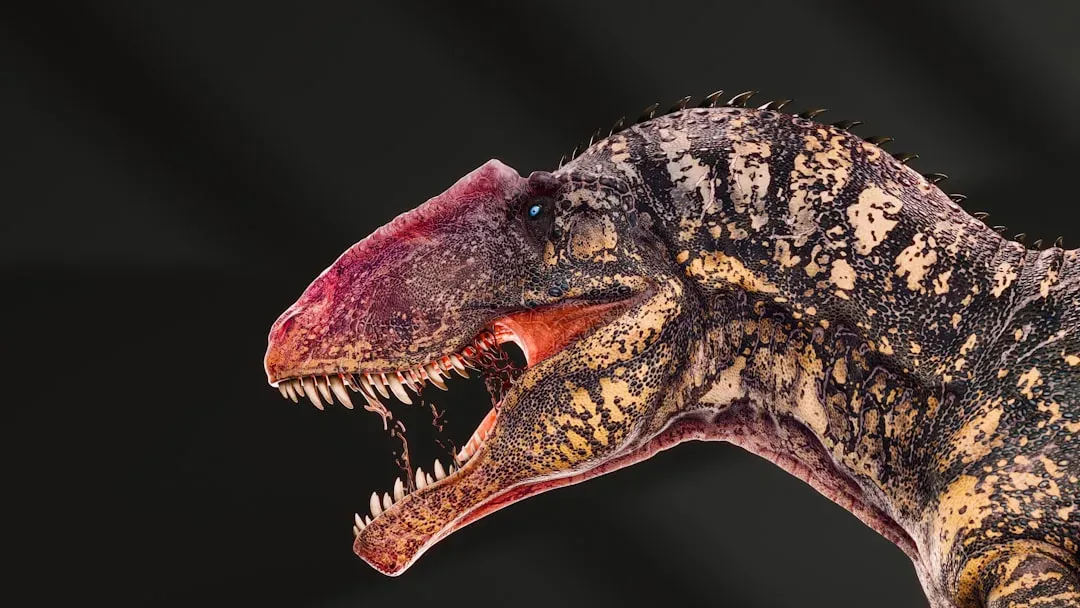
For over a century, the assumption was straightforward: dinosaurs were reptiles, reptiles are cold-blooded, and so dinosaurs must have been cold-blooded too. When they were first introduced to the scientific community in the mid to late nineteenth century, the general consensus was that dinosaurs were cold-blooded, sluggish animals, similar in lifestyle to modern reptiles, but scaled up. It seemed logical enough at the time, though honestly, it was more assumption than actual science.
For decades, paleontologists debated whether dinosaurs were warm-blooded, like modern mammals and birds, or cold-blooded, like modern reptiles. Knowing whether dinosaurs were warm or cold-blooded could give us hints about how active they were and what their everyday lives were like. The answer, it turns out, is startlingly complicated, and far more fascinating than the old textbooks ever hinted.
Warm Blood, Hot Debate: What Science Now Tells You
Two major groups of dinosaurs may have been warm-blooded, having evolved the ability to regulate their body temperatures, around 180 million years ago, according to a new study. That is a revolutionary finding. Think of it like discovering that what you assumed was a cold fish was actually running a fever the whole time.
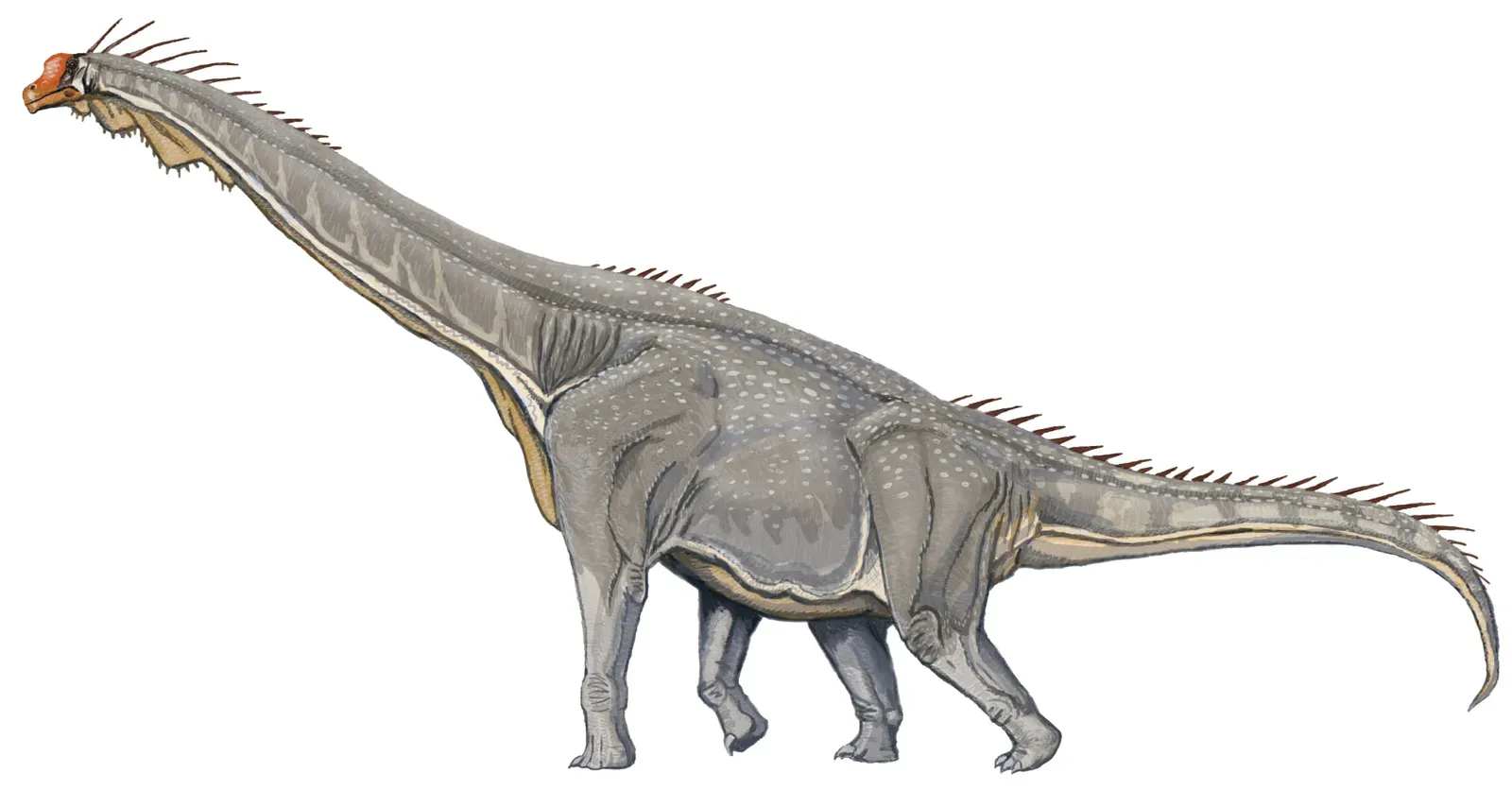
The lizard-hipped dinosaurs, including theropods and the sauropods, such as Velociraptor, T. rex, and giant long-necked herbivores like Brachiosaurus, were warm or even hot-blooded. The researchers were surprised to find that some of these dinosaurs were not just warm-blooded – they had metabolic rates comparable to modern birds, much higher than mammals. Still, not everything fits neatly into one box. Some researchers found that dinosaurs took a middle path between warm-blooded mammals and cold-blooded reptiles. “Most dinosaurs were probably mesothermic,” said researcher John Grady, who led a University of New Mexico study. The story is layered, and that complexity is exactly what makes it so gripping.
Herds, Age Groups, and the Earliest Evidence of Social Living
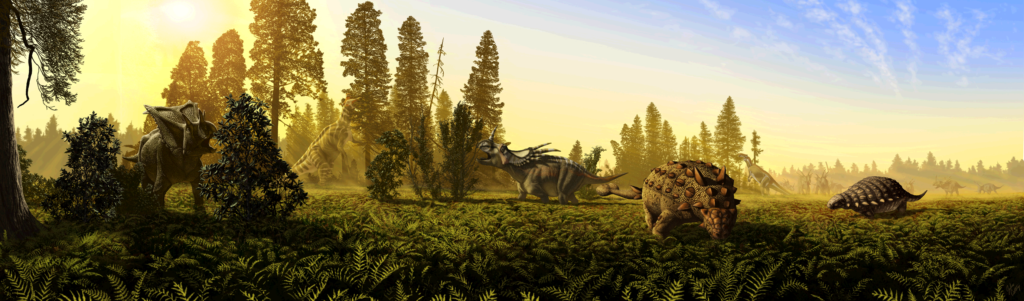
Here is the thing – if you think of dinosaurs as loners, the fossil record has news for you. Researchers from MIT, Argentina, and South Africa detailed their discovery of an exceptionally preserved group of early dinosaurs that shows signs of complex herd behavior as early as 193 million years ago – 40 million years earlier than other records of dinosaur herding. That is not a small footnote. That is a thunderclap in paleontology.
Their new discoveries indicate the presence of social cohesion throughout life and age-segregation within a herd structure, in addition to colonial nesting behaviour. These findings provide the earliest evidence of complex social behaviour in Dinosauria, predating previous records by at least 40 million years. The embryonic eggs were separate from the juveniles, and the juveniles were separated from older individuals. This physical evidence points to a stratified group or herd of dinosaurs, like a troop of elephants today. Let that sink in for a moment.
Parental Care: Dinosaurs That Raised Their Young
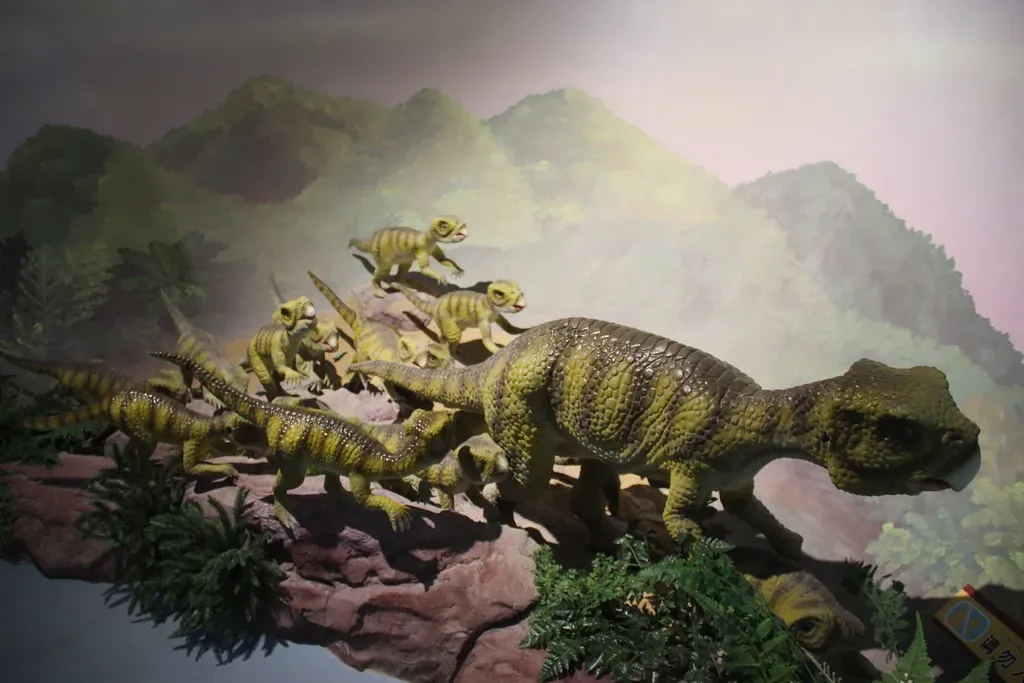
One of the most emotionally powerful revelations from modern paleontology is this: some dinosaurs were genuinely devoted parents. The Citipati osmolskae fossil dubbed “Big Mama” was a discovery that provided substantial evidence for how dinosaurs behaved with their eggs. “Big Mama” is a 75-million-year-old oviraptorid that was uncovered brooding on a nest of eggs. The Mongolian dinosaur was revealed to the world in 1995 and named Citipati in 2001.
The Maiasaura, commonly known as the “good mother lizard,” is a prime example of dinosaur parental care. These dinosaurs lived during the Late Cretaceous period, around 80 to 75 million years ago, and exhibited remarkable nurturing behaviors. Fossil evidence suggests that Maiasaura parents nested in large colonies, creating a social structure similar to modern-day birds. Parental attention to the young was variable, ranging from protection from predators to possible parental feeding of nest-bound hatchlings. Some of those parents, it seems, did not just lay eggs and walk away. They stayed. They protected. They fed.
Pack Hunters or Myth? The Truth About Predatory Social Structure
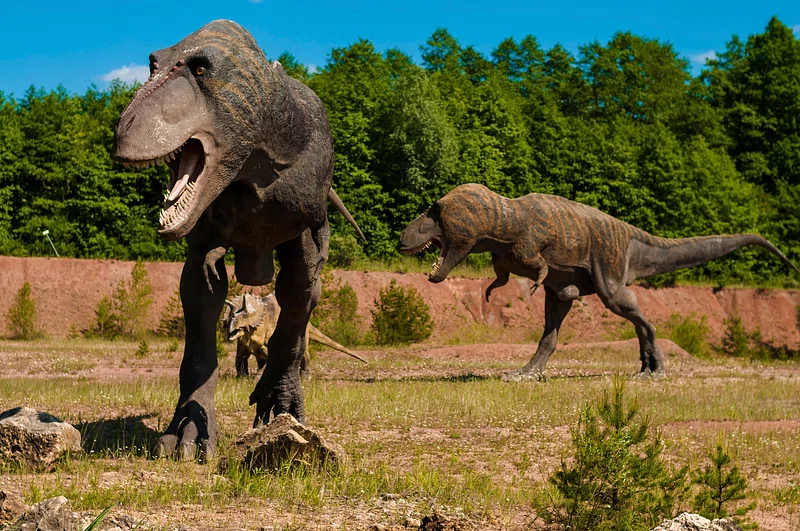
A study suggested that a group of fossilized T. rex found in Utah hunted in a pack like wolves and had a social structure similar to that of birds. The fossil group at Utah’s Grand Staircase-Escalante National Monument, which stands as the first T. rex “mass death state site” in the southern United States, was preserved well enough for researchers to conclude that the group of T. rex did indeed live together. That finding genuinely shifted the debate. Still, the picture is muddy.
“There’s actually not very much direct evidence for pack hunting in dinosaurs,” says Paul Barrett, a paleontologist and merit researcher with the Natural History Museum in London. “Instead, what we have are a bunch of clues that taken together indicate that it may have been happening in at least some of the hunters.” A University of Wisconsin Oshkosh analysis of raptor teeth published in a peer-reviewed journal shows that Velociraptors and their kin likely did not hunt in big, coordinated packs like dogs. Honestly, the real Velociraptor was about the size of a turkey, which makes the Jurassic Park version all the more dramatic a fiction.
Display, Communication, and Reading Other Members of the Herd
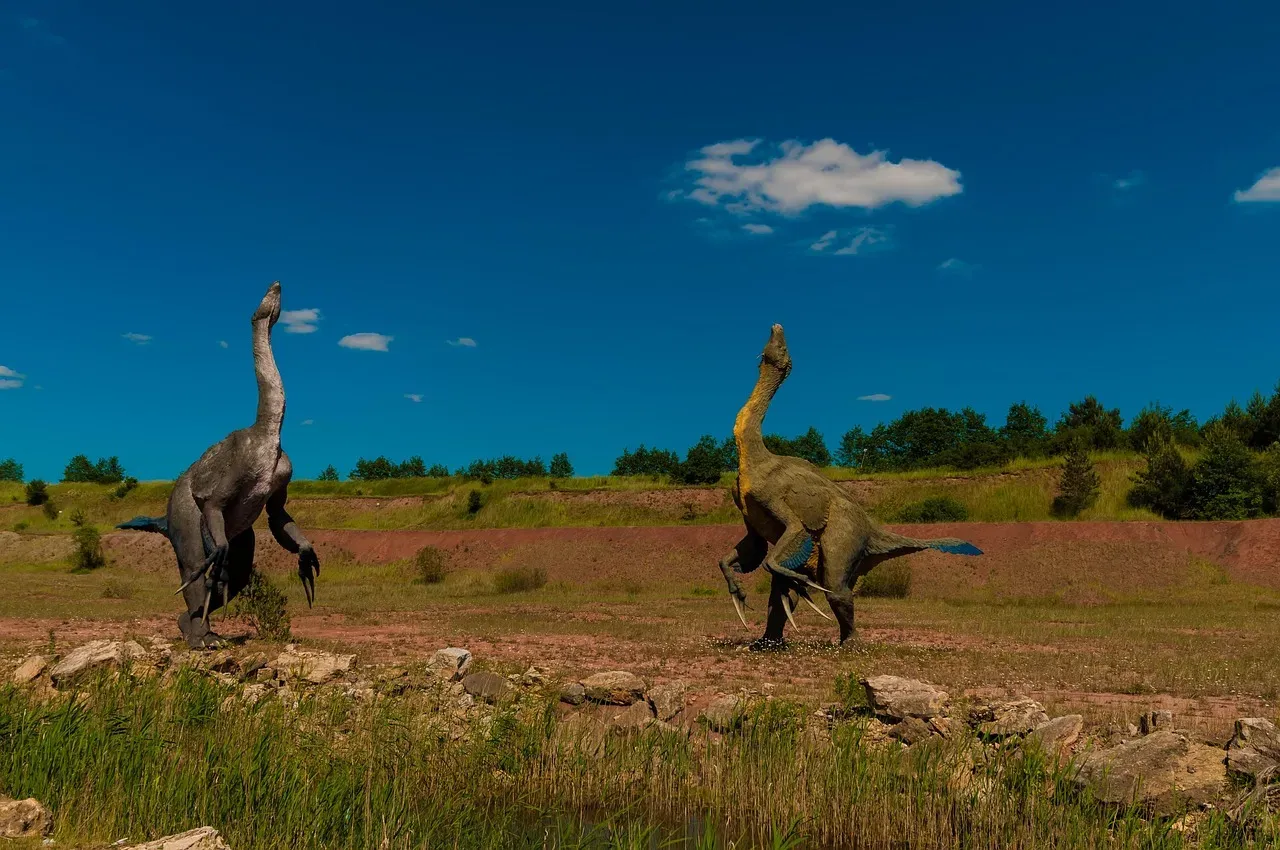
Social animals need to communicate. You do it every day without thinking twice – a raised eyebrow, a tone of voice, a posture that says back off. Dinosaurs had their own version of this, and it was built right into their bodies. Modern animals with mating signals as prominent as the horns and frills of ceratopsians tend to form large, intricate associations. Those elaborate physical features were not just armor. They were social language.
In the case of defensive and territorial displays, physical features could serve as a non-lethal means of getting a point across. Non-avian dinosaurs were probably sexually dimorphic and some may have engaged in hierarchical rituals. Think of it like the animal equivalent of a business card – a quick, visual way to communicate status, readiness to mate, or a firm warning to stay away. It is a remarkably sophisticated system for animals we once dismissed as mindless monsters.
The Living Descendants That Prove the Social Legacy
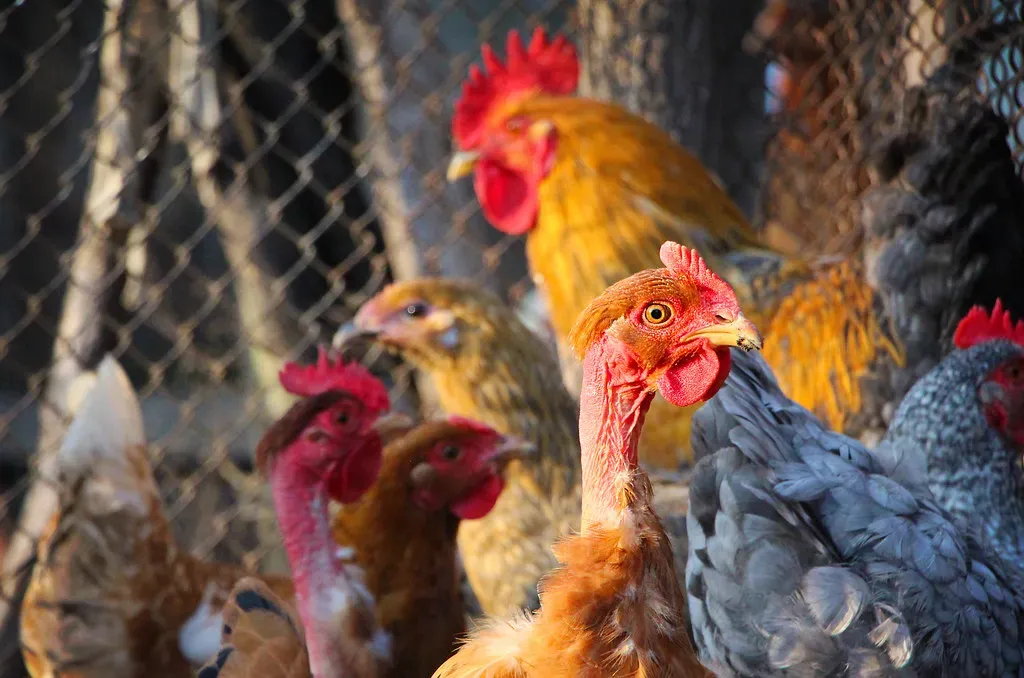
Here is something that might genuinely surprise you. There is strong consensus among scientists that today’s birds are actually dinosaurs, and that they evolved from theropods, a family of three-toed predators that included Velociraptor and Tyrannosaurus rex. That means every time you watch a crow solve a puzzle or a parrot mimic language or a bird protect its nest with fierce dedication, you are watching dinosaur behavior in real time.
Living dinosaurs, meaning birds, and their closest living relatives, crocodilians, share many derived features of reproduction that are probably ancestral traits of Archosauria, including nests built of vegetation, vocal communication between parents and offspring prior to hatching, and some degree of parental care for at least a few weeks. The landscape of dinosaur research shifted dramatically in recent years, and cutting-edge discoveries, innovative methodologies, and refined interpretations are reshaping how we understand these prehistoric giants. The more we learn, the more we realize that birds did not just inherit feathers from dinosaurs. They inherited a whole way of living.
Conclusion: They Were Never Just Reptiles
The old image of dinosaurs as cold, solitary, dim-witted reptiles has been crumbling for years, piece by piece, fossil by fossil. What is emerging in its place is something far more compelling: animals that lived in structured social groups, raised their young with varying degrees of devotion, communicated through physical display, and may have coordinated hunts across vast landscapes. Their emotional and behavioral complexity may never be fully known, but what we do know already demands a profound rethinking.
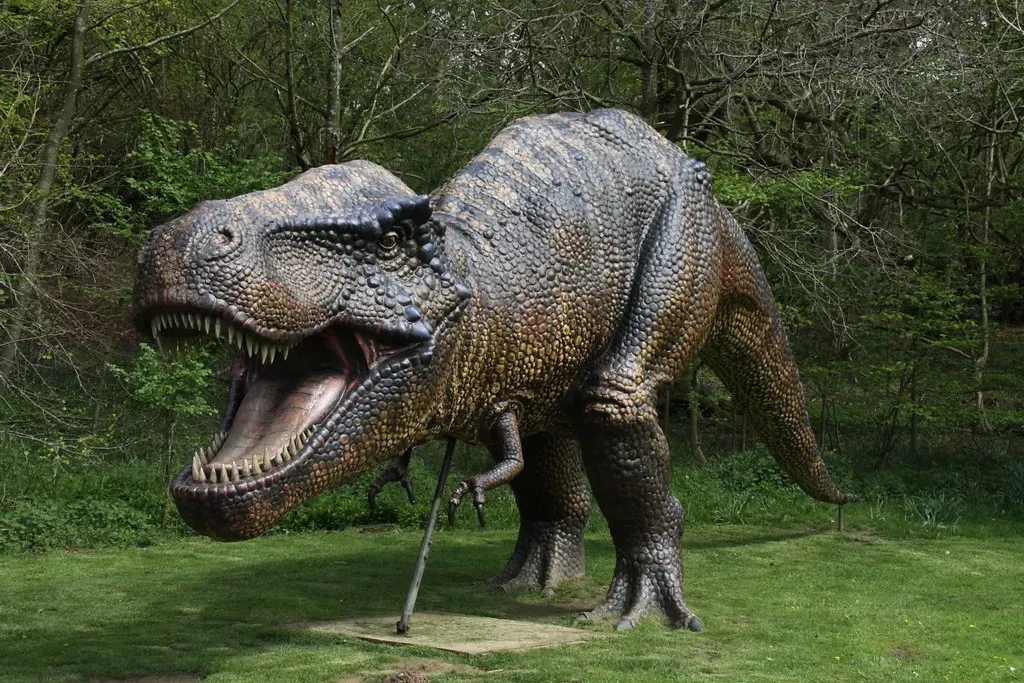
The next time you picture a Tyrannosaurus rex, try not to see a lone monster. Try instead to see a creature that may have moved in groups, navigated social hierarchies, and recognized its own kind from across a Cretaceous plain. The line between “just a reptile” and something far more sentient is thinner than anyone expected.
What aspect of dinosaur social life surprises you the most? Share your thoughts in the comments – this is one prehistoric conversation worth having.