
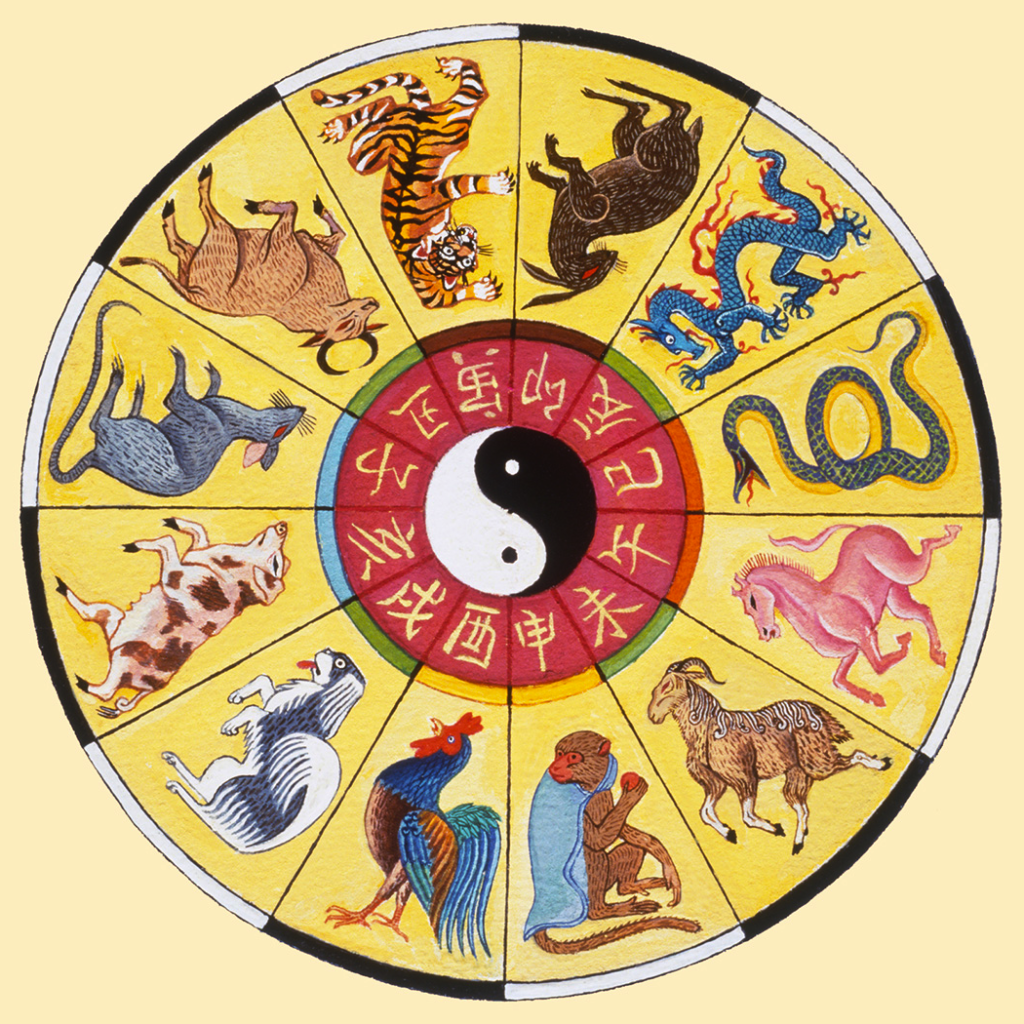
Imagine trying to make sense of the world around you without any clocks, modern calendars, or scientific instruments. You look to the sky, watch the animals around your farm, and feel the turning of seasons in your bones. That is precisely what millions of ancient people did, and over time their careful, almost meditative observations became codified into one of humanity’s most enduring symbolic systems: the zodiac. Honestly, that’s a remarkable thing to think about.
The twelve animals that populate the Chinese zodiac are not an accident of imagination. They are a map. A map drawn from rivers and rice fields, from predawn skies and nighttime forest sounds, from the slow orbit of planets and the rhythm of planting seasons. Every single creature in the cycle has a story rooted in lived experience, not just myth. So let’s dive in and discover just how deep that connection really goes.
The Ancient Roots of a Living Calendar
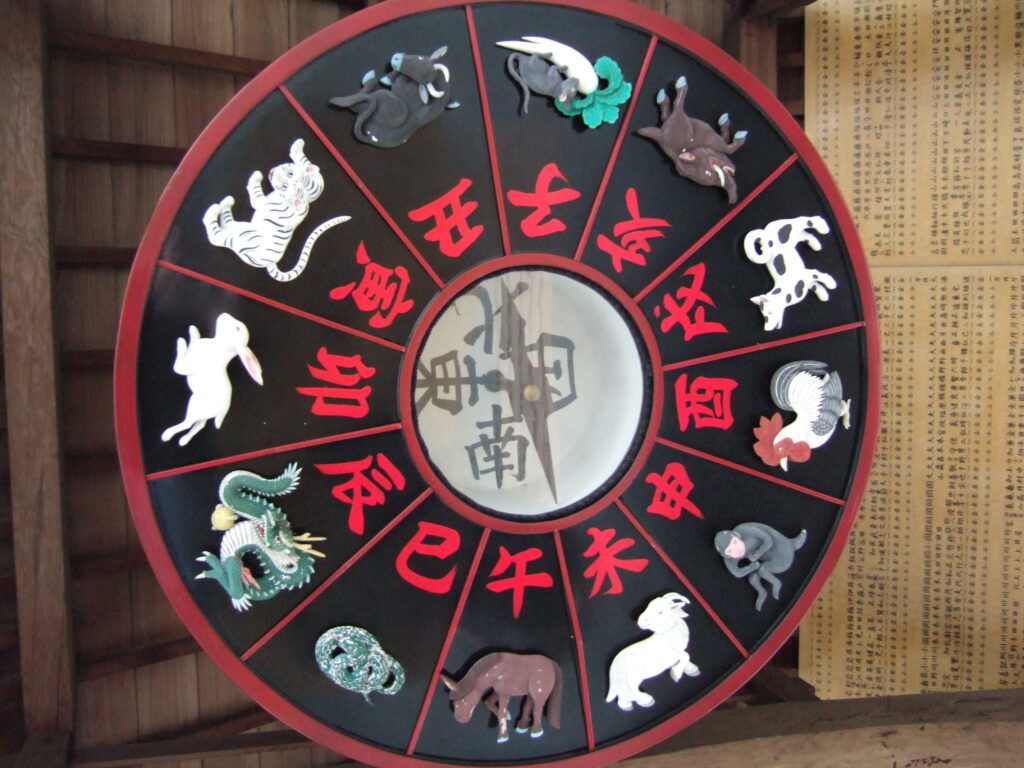
A zodiac system has existed in Chinese culture since the Qin dynasty, more than two thousand years ago. That alone is remarkable. Think about it like this: when the Roman Empire was still in its infancy, people in East Asia were already organizing their entire understanding of time around a rotating cast of twelve animals.
People made conscious attempts to measure, record, and predict seasonal changes by reference to astronomical cycles. Early evidence of such practices appears as markings on bones and cave walls, which show that the lunar cycle was being noted as early as 25,000 years ago. The zodiac, in other words, did not spring out of nowhere. It was the flowering of an ancient, deeply human impulse to understand nature’s rhythm.
Jupiter’s Dance and the 12-Year Cycle
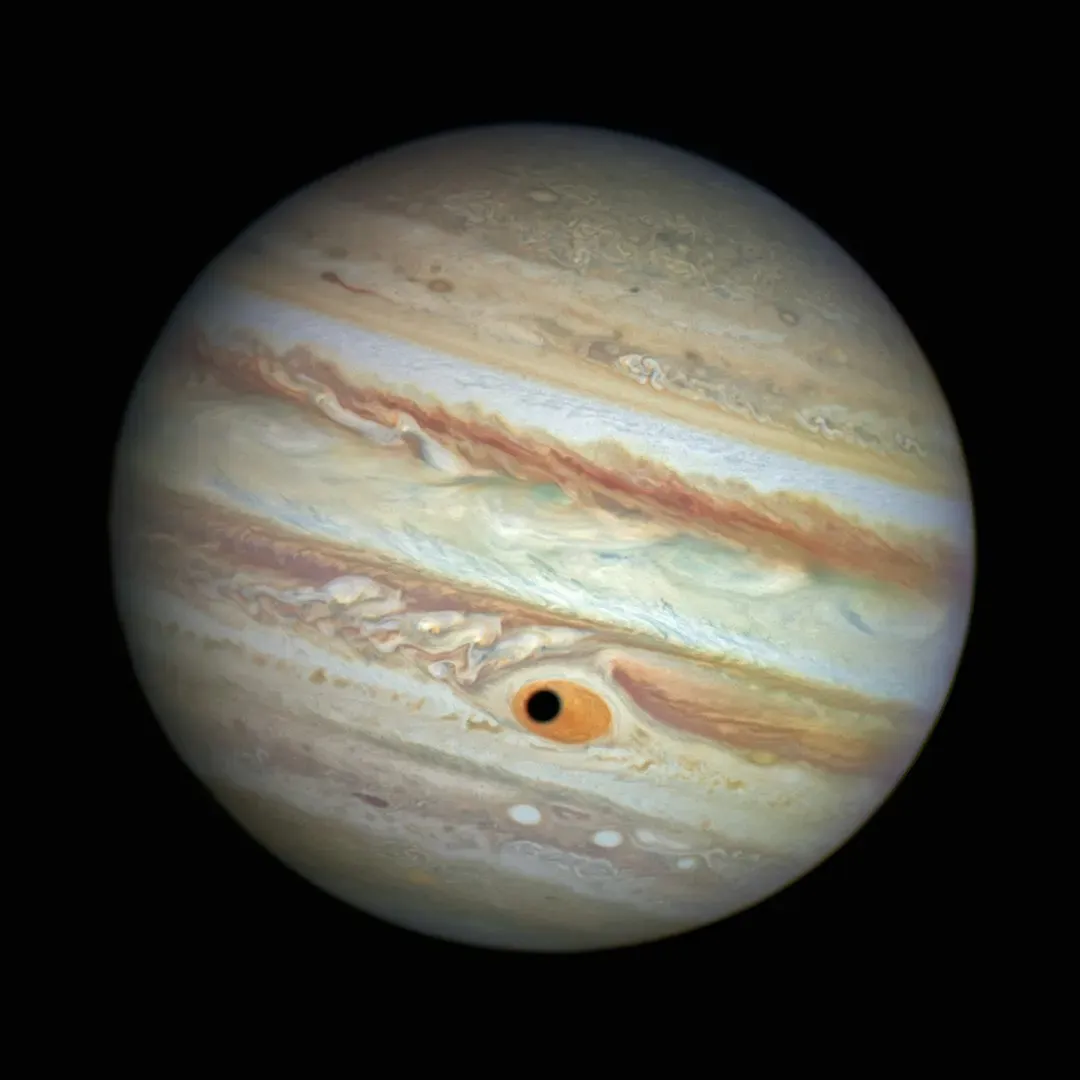
The 12 Chinese zodiac signs are based on the 12 Terrestrial Branches, and ancient Chinese people invented the system based on observations of the orbit of Jupiter, which has a 12-year rotation basis. That is not folklore. That is actual astronomical science, dressed in the clothing of myth and symbol. You have to admire the precision with which ancient sky-watchers noticed that Jupiter took roughly twelve years to complete its journey around the sun.
Some researchers believe the 12-year cycle of Sheng Xiao was inspired by sightings of Jupiter as it slowly moved through the night sky. Ancient observers did not have telescopes. They had patience, repetition, and a burning need to make sense of recurring celestial patterns. This is how a planet’s orbit quietly became the skeleton of a cultural tradition that still shapes the lives of hundreds of millions of people today.
Animals Tied to the Hours of the Day
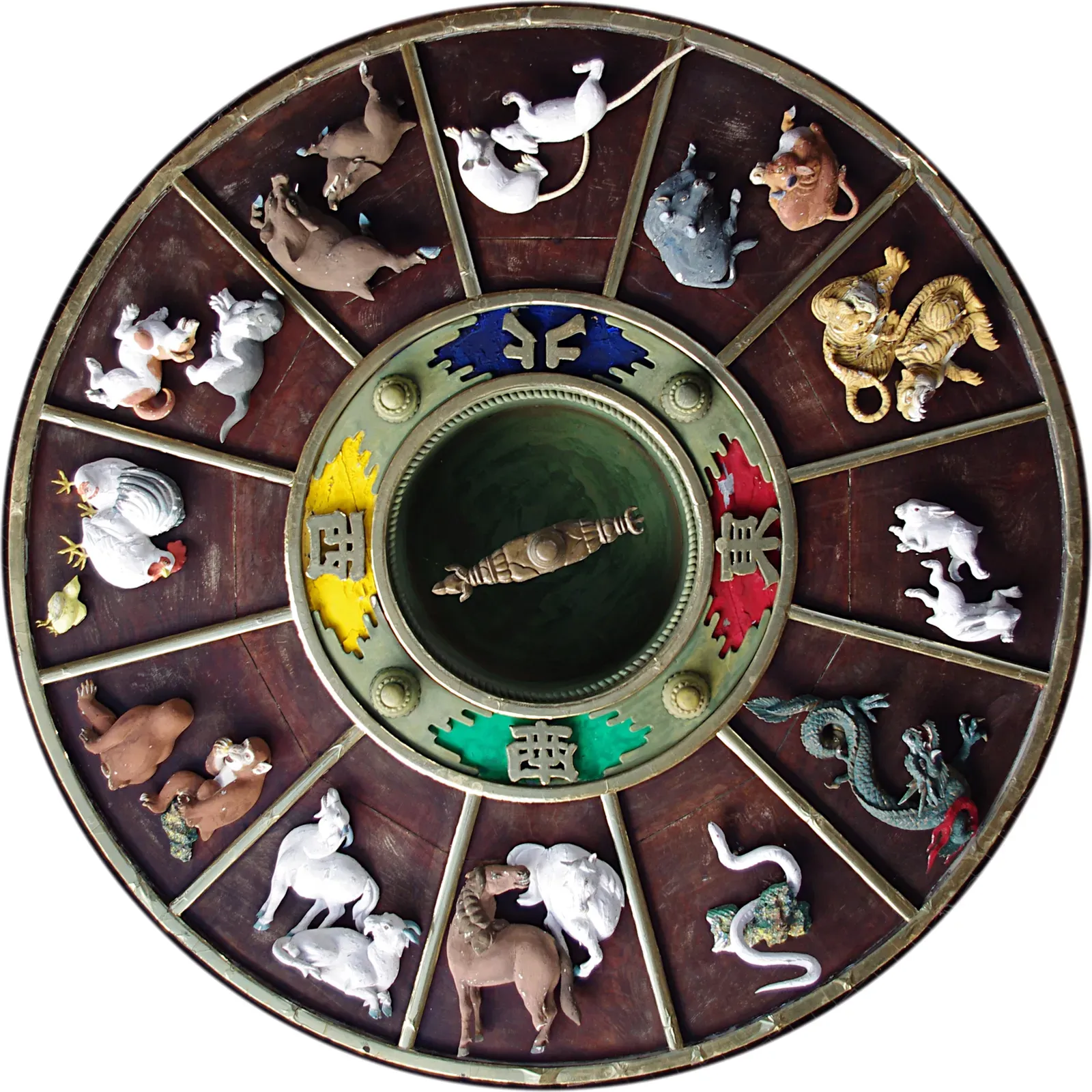
Since the Han dynasty, the twelve Earthly Branches have been used to record the time of day. For entertainment and convenience, they were replaced by the twelve animals, and a mnemonic refers to the behavior of the animals. This is where things get genuinely fascinating. Each animal was essentially a clock hand, representing a two-hour window of the day based on that creature’s natural behavior in the wild.
The ox is the second animal because it ruminates after 1:00 am, and the tiger comes next as it is believed to start wandering and preying between 3:00 to 5:00 in the morning. The same order was transplanted to the arrangement of the 12 zodiac signs. Without any records on archives, this is the most believable explanation, since it is more of a summary of the ancient people’s observation of nature. Think of it as a living almanac built out of wildlife behavior. Ancient farmers knew their landscape the way you know your own neighborhood.
The Earthly Branches and Timekeeping in Ancient China
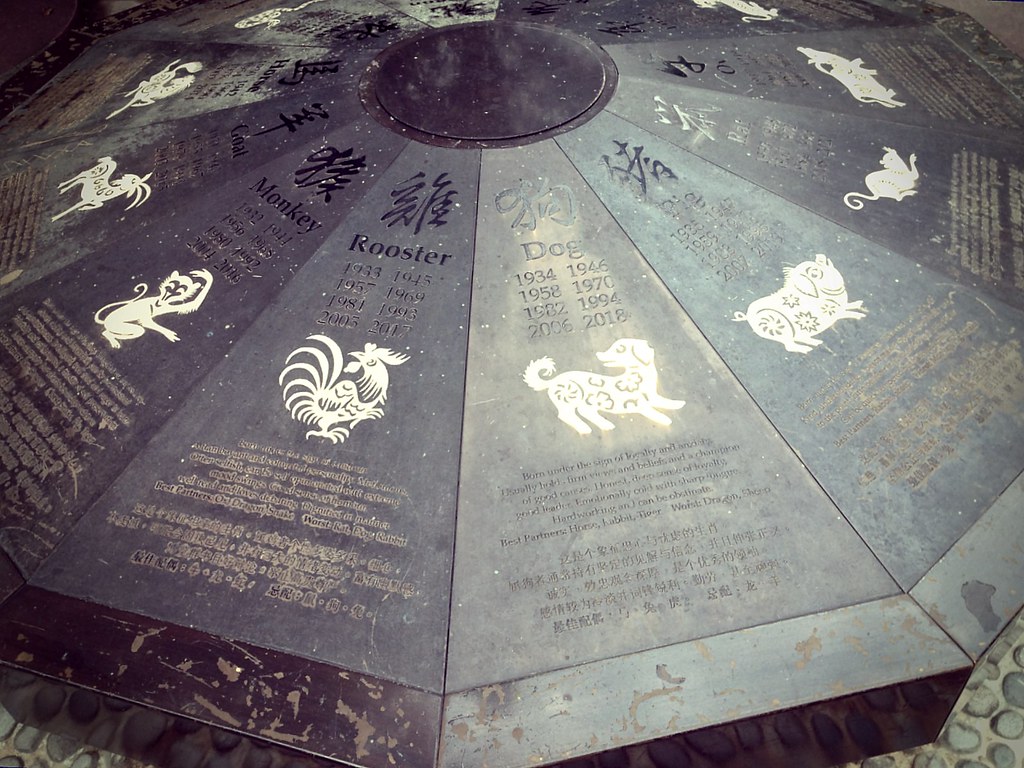
Historical research suggests that the Chinese zodiac emerged after the establishment of the Ganzhi or Sexagenary cycle, with each of the twelve animals directly assigned to one of the twelve Earthly Branches. You might picture the Earthly Branches as a kind of invisible scaffolding. The animals were layered on top, making an abstract numbering system memorable and relatable to ordinary people.
Since the twelve Earthly Branches of the zodiac were easily confused, people replaced them with animals and borrowed the ordinal symbols to match them with the Earthly Branches to form a chronological symbol system. It is a stroke of genius when you think about it. Instead of memorizing a dry sequence of abstract characters, you remember a rat jumping on an ox’s back. That kind of storytelling embedded in timekeeping is what made the system so durable.
The Five Elements and Nature’s Deeper Layers
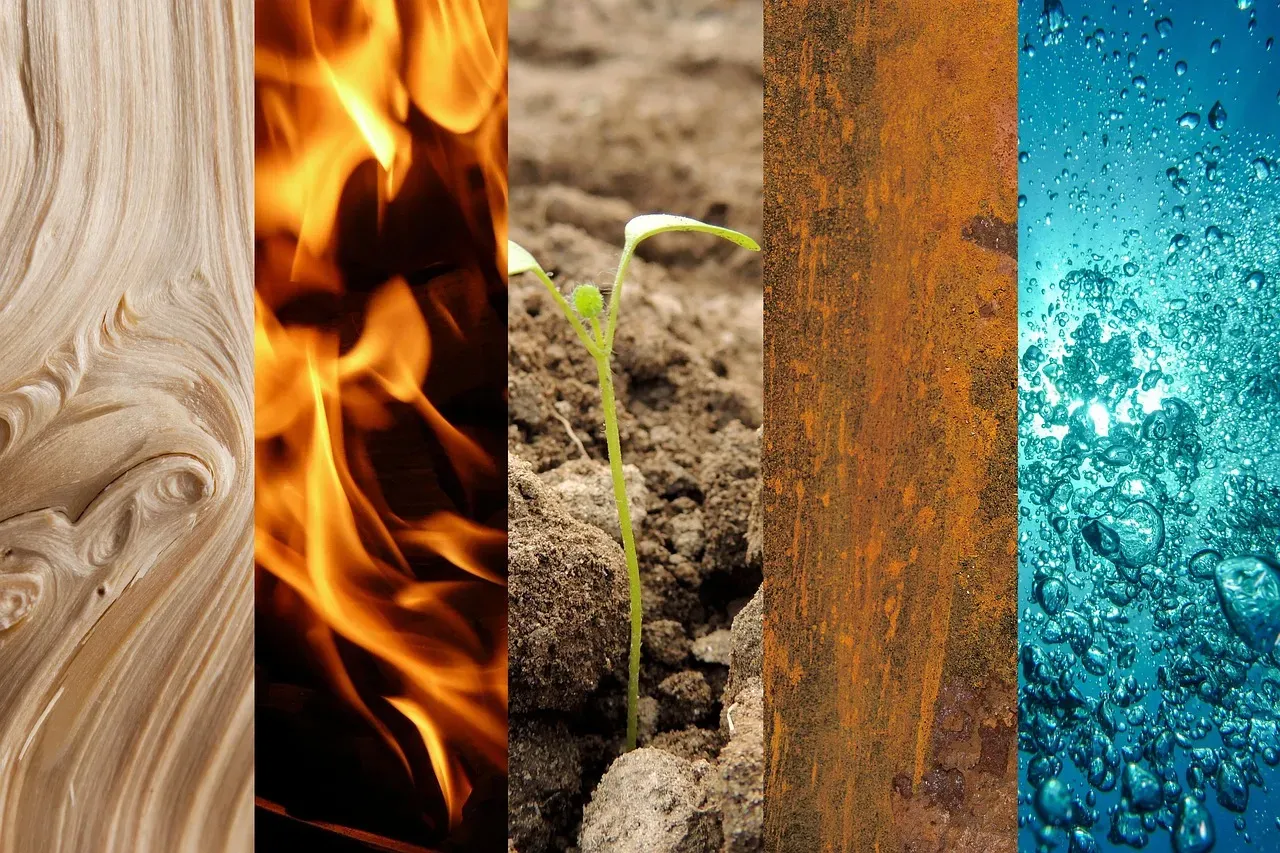
Ancient Chinese cosmology developed the concept of wuxing, the five basic elements of earth, wood, metal, fire, and water. These elements underlie the universe and their cycles explain change in the cosmos. This cycle of elements intersects with the cycle of 12 zodiac signs, thus yielding specific combinations such as wood snake or metal monkey, allowing for further predictive specificity for astrological calculations. Imagine the zodiac not as a flat wheel but as a three-dimensional sphere, spinning with layers of meaning.
The animals and elements are on a 60-year cycle, meaning that various combinations, like fire horse, only occur once every 60 years. That is a lifespan. Truly once in a lifetime. It is hard not to feel a sense of wonder that ancient observers managed to construct a system with that kind of interlocking precision, all from watching the world around them with careful, unhurried eyes.
The Great Race Myth and What It Actually Teaches
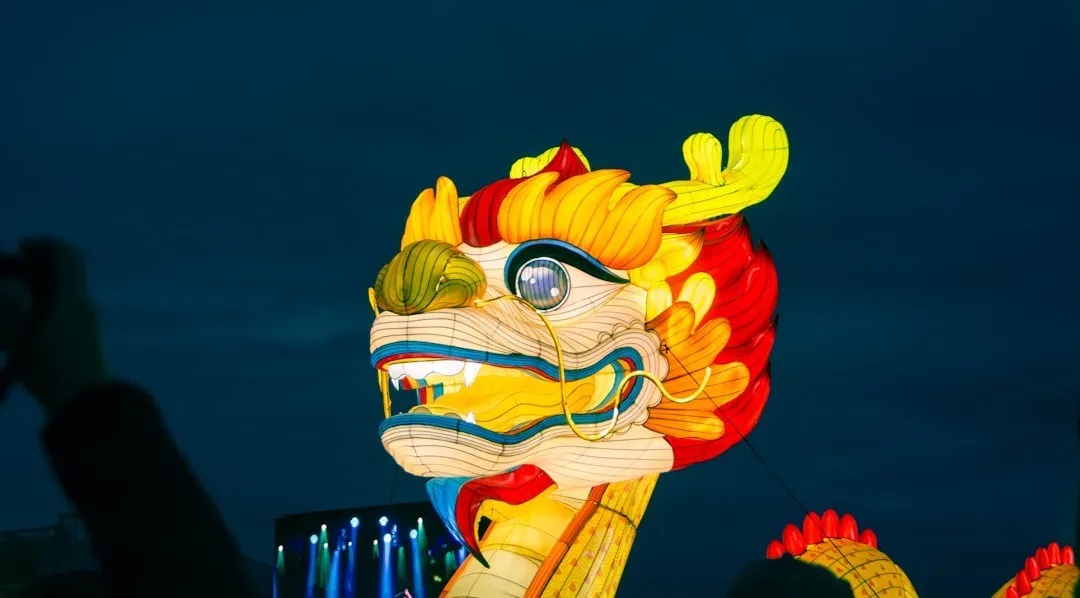
The Jade Emperor, the ruler of Heaven, wanted to make it easier for humans to remember the 60 timekeeping combinations of the 10 heavenly stems and the 12 earthly branches. To determine which animals to include in his zodiac calendar, he hosted what became known as the Great Race, also called the Heavenly Gate Race. Its outcome set the order of the signs. The Great Race is one of the most beloved myths in all of East Asian culture. Let’s be real: it’s a brilliant piece of educational storytelling.
This myth reflects values such as cleverness in the Rat, diligence in the Ox, and adaptability in the Dragon, which are celebrated in Chinese culture. The myth is not just entertainment. It is a carefully constructed mnemonic that encodes the qualities ancient observers genuinely attributed to those creatures through watching them in the wild. The Rat really is resourceful. The Ox really is diligent. The story and the nature observation reinforce each other perfectly.
The Lunar Calendar and Agriculture’s Sacred Bond
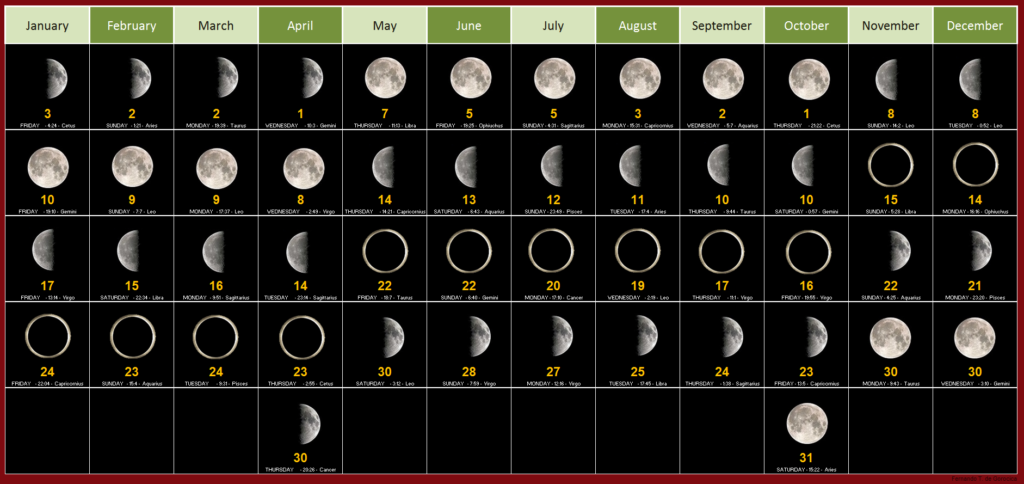
The development of the zodiac is closely tied to the Chinese lunar calendar, which has been used for agricultural and ceremonial purposes for millennia. The lunar calendar was not a bureaucratic invention. It was an agricultural necessity. Knowing when the moon was full meant knowing when tides would shift, when certain animals would behave predictably, and when soil moisture would be just right for planting.
A distinctive feature of the Chinese calendar is the 24 solar terms, known in Chinese as the 24 seasons. This system is an ancient Chinese method of finely tuning the calendar to the solar year and seasonal changes. The concept emerged from the need to guide agriculture: when to plant, when to harvest, and how to anticipate weather changes throughout the year. The zodiac animals sat inside this larger calendar ecosystem, each animal season aligned with real environmental shifts that ancient farmers depended on absolutely.
How the Zodiac Spread Across Cultures and Changed
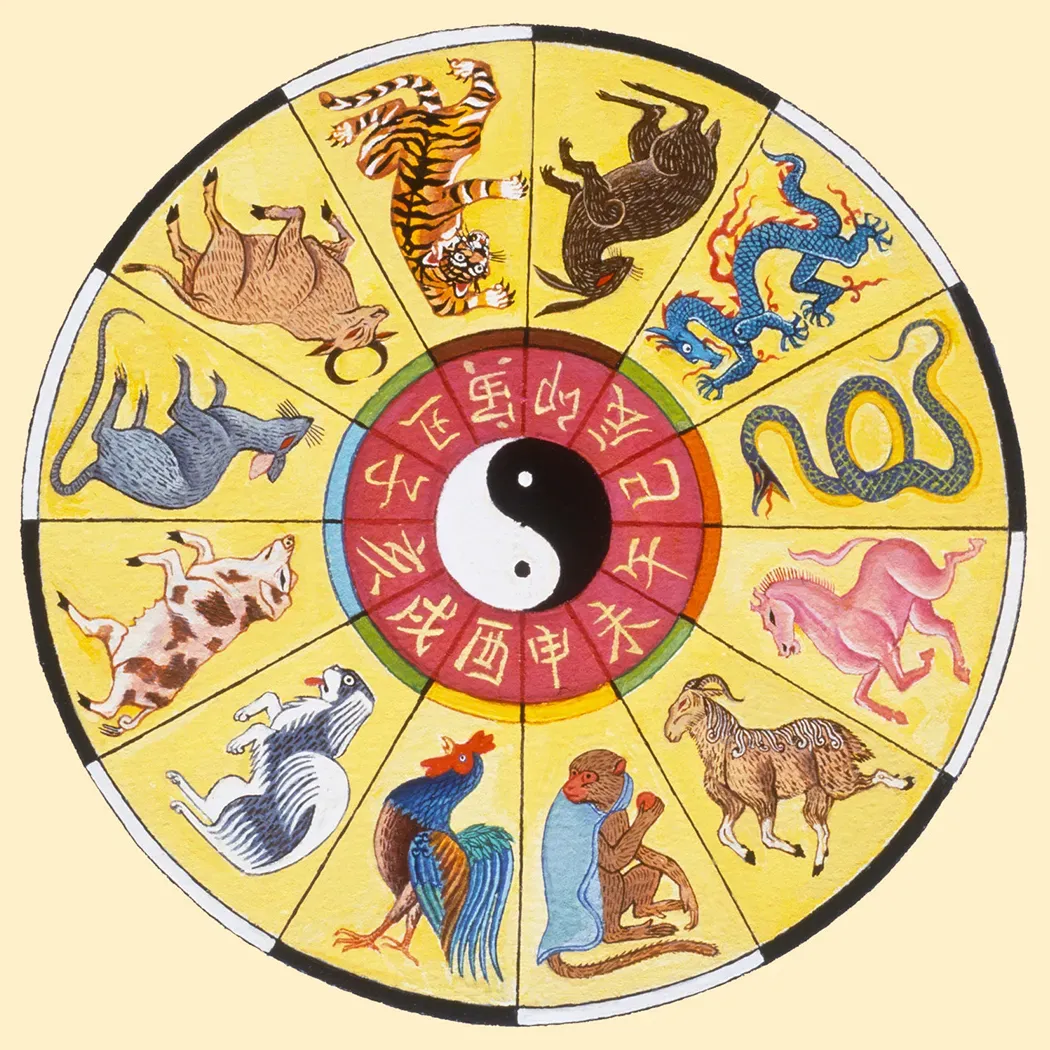
The use of animals to mark the years originated in China and spread throughout East and Central Asia. Some animals were adapted in line with local species. For example, the central Asian Turkic peoples replaced tiger with leopard, pig with elephant, and rat with camel. This is perhaps the most telling evidence that the zodiac was always about local nature observation. When a culture adopted the system, they swapped in the animals from their own landscape. The structure remained; the creatures changed to reflect what people actually saw around them.
Japan traditionally replaced the Pig with a Wild Boar, an animal more familiar in Japanese folklore. While modern Japan uses the standard 12 animals, the boar still appears in regional customs and motifs. You can trace the fingerprints of local ecology all across the zodiac’s many regional variations. It is like a traveling template that every culture personalized with their own relationship to the natural world.
Yin, Yang, and the Balance of Natural Forces

Yin and Yang form the dual-force foundation of Chinese philosophy. The zodiac uses this too: Yang signs, including Rat, Tiger, Dragon, Horse, Monkey, and Dog, tend to be dynamic, outgoing, and bold. Yin signs, including Ox, Rabbit, Snake, Goat, Rooster, and Pig, tend to be gentle, reflective, and steady. The 12 signs split evenly between Yin and Yang, showing the importance of balance. That neat division of six and six is not coincidence. It is an intentional reflection of nature’s push and pull.
By layering animal symbol, element, Yin and Yang, and stems and branches, the Chinese Zodiac becomes a rich map of life, nature, and time. Think of it the way you might think of a symphony. No single instrument tells the whole story. It is only when you hear the Rat’s quick energy layered against the Ox’s steady patience, fire against water, Yin against Yang, that the full composition of nature’s cycles becomes audible.
The Zodiac as a Living Mirror of the Natural World Today
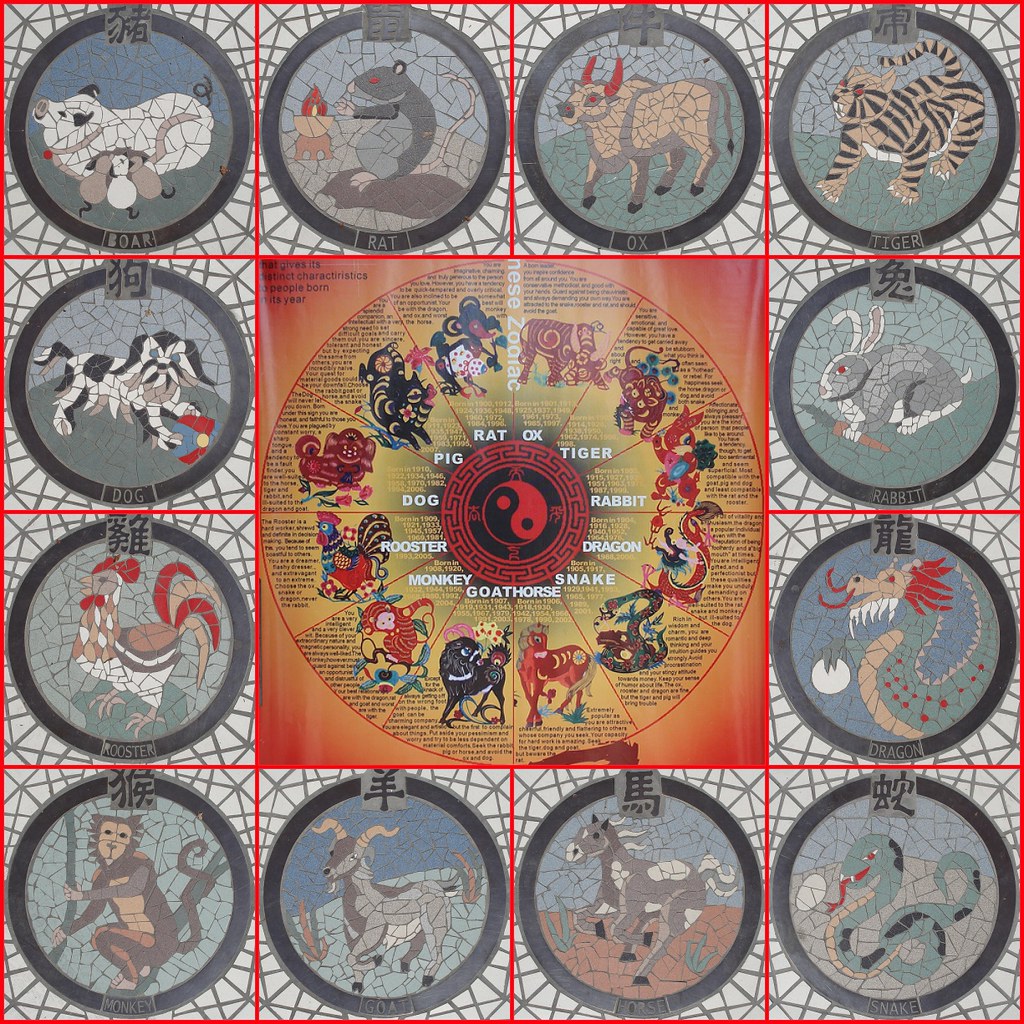
The twelve animals reflect real creatures, including farm animals, wild animals, and mythical creatures, that were part of ancient life. The cycle of 12 years mirrors nature’s rhythms of birth, growth, harvest, and rest. Your zodiac sign connects you to the larger rhythms of time and cosmos, suggesting you are part of nature’s flow, not apart from it. This is the central insight of the entire system, and it still resonates deeply today.
Despite its murky origin story, the 12-year zodiac has survived the centuries, and its importance to Chinese folk culture and modern-day China is undeniable. In 2026, we find ourselves in the Year of the Fire Horse, a combination that occurs only once in every six decades. People across Asia and the global diaspora are celebrating, planning, and reflecting through the lens of these ancient animal symbols. That is a profound testament to how powerfully early humans understood that nature speaks in patterns, and that those patterns are worth remembering, worth honoring, and worth passing on.
Conclusion: The Animals Were Always the World Around Us
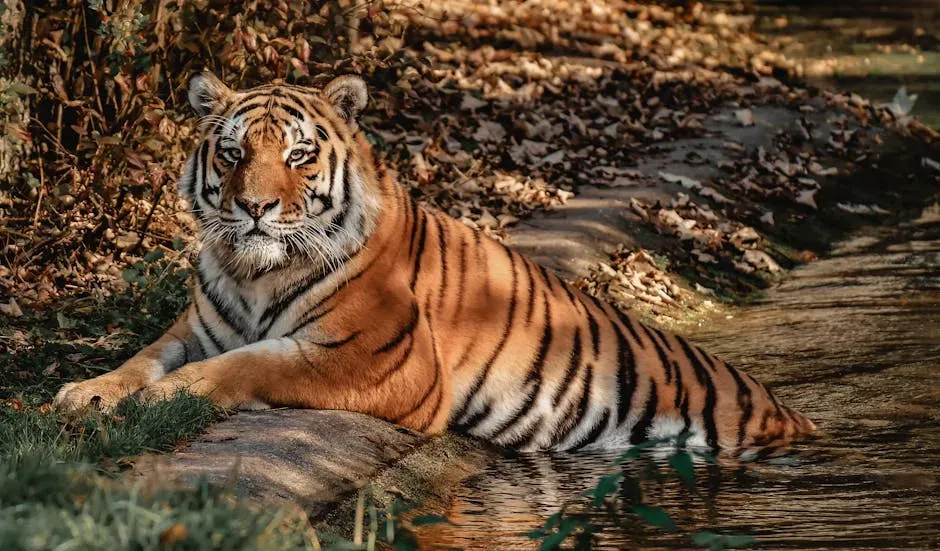
The zodiac animals were never really just symbols. They were portraits. Portraits of a rat scurrying across a midnight field. A tiger stalking the forest at 4 in the morning. A rooster announcing the dawn. Ancient people looked at the world around them with extraordinary patience and care, and what they created from that observation became one of the most enduring cultural systems in human history.
There is something quietly humbling about realizing that your zodiac sign might trace its origins to a farmer watching a snake move through a rice paddy thousands of years ago. We are still, in the most literal sense, shaped by the natural world. The zodiac is just one beautiful, twelve-chapter reminder of that fact. So, what does your own zodiac animal say about the piece of nature you carry with you? Tell us in the comments below.