
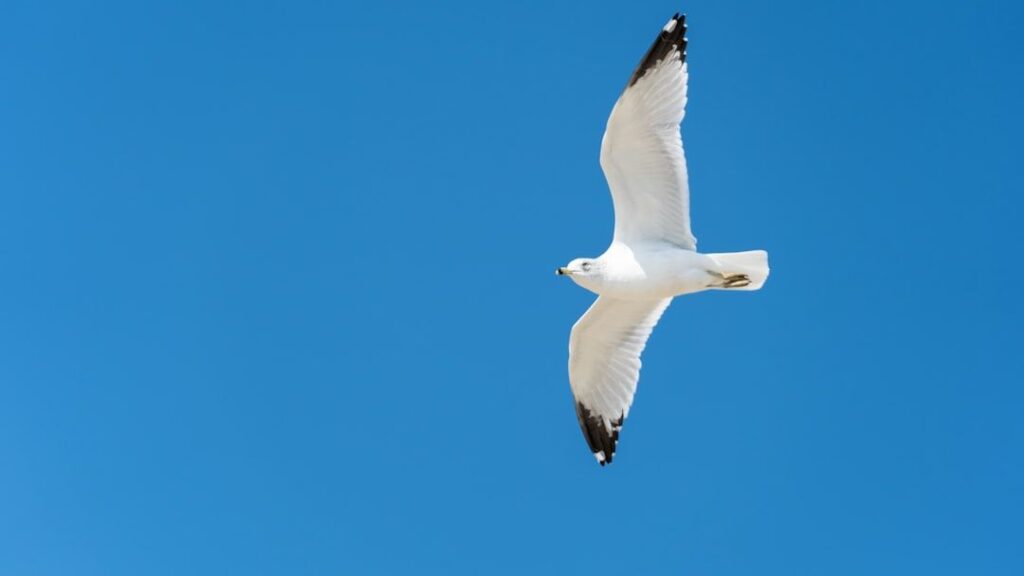
Think about the last time you watched a bird soar overhead and felt that quiet pang of envy. You weren’t alone. Humans have been staring up at the sky in awe for as long as we’ve had eyes to look. What makes animal flight so jaw-dropping isn’t just the spectacle of it. It’s the sheer improbability. Bones made hollow. Feathers shaped by millions of years of trial and error. Wings that grew from forelimbs that once scratched dirt. Every flying creature alive today is a living testament to how stubbornly creative life can be when survival is on the line.
What’s even more remarkable is that you’re not looking at one single invention when you watch a bat twist through the twilight or a dragonfly hover in place. You’re looking at multiple independent solutions to the same impossible problem, each one arrived at through completely separate paths across hundreds of millions of years. Flight is evolution’s most audacious experiment, and the story of how it happened is stranger, more dramatic, and more surprising than most people ever realize. So let’s dive in.
The Four Times Life Conquered the Sky
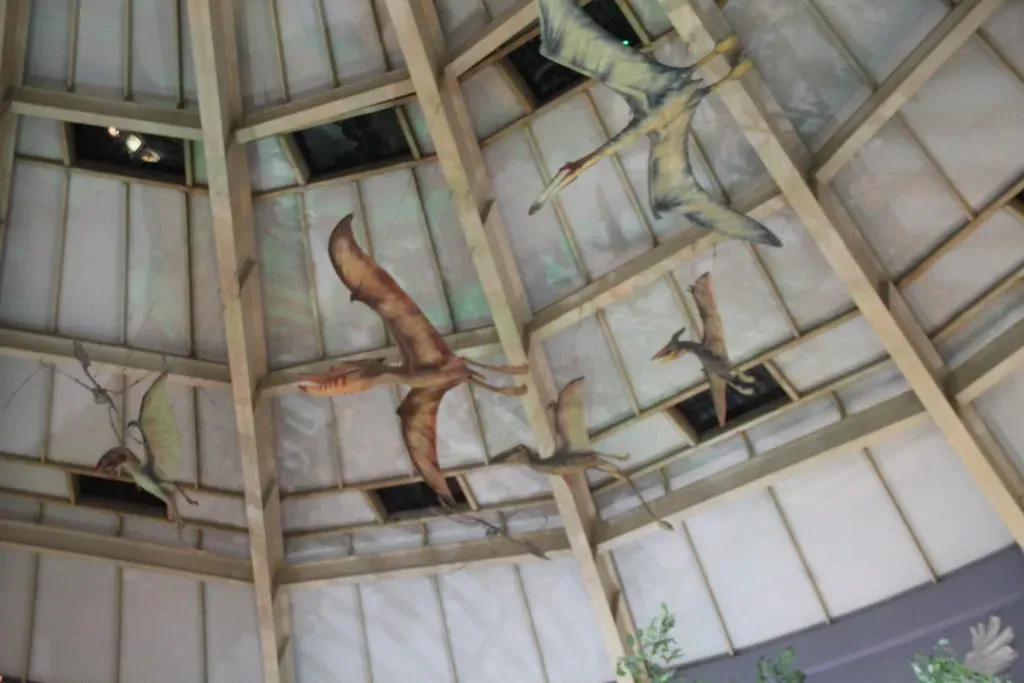
Here’s something that genuinely stops people in their tracks when they hear it. Flight didn’t evolve from one common flying ancestor. Every flying group evolved the ability to fly from separate ancestors that couldn’t fly, making flight a case of convergent evolution. Think of it like multiple engineers, working in complete isolation, each independently inventing the airplane. Same problem, radically different solutions.
True flight has developed independently on four separate occasions throughout geologic history, beginning with insects and followed by pterosaurs, birds, and bats. The timeline is staggering. Flight first developed in insects around 300 million years ago, followed by the appearance of pterosaurs about 200 million years ago, and later birds and bats. You are essentially looking at four separate biological revolutions, each reshaping the planet’s ecosystems in profound and lasting ways.
Insects: The Original Pioneers of the Sky
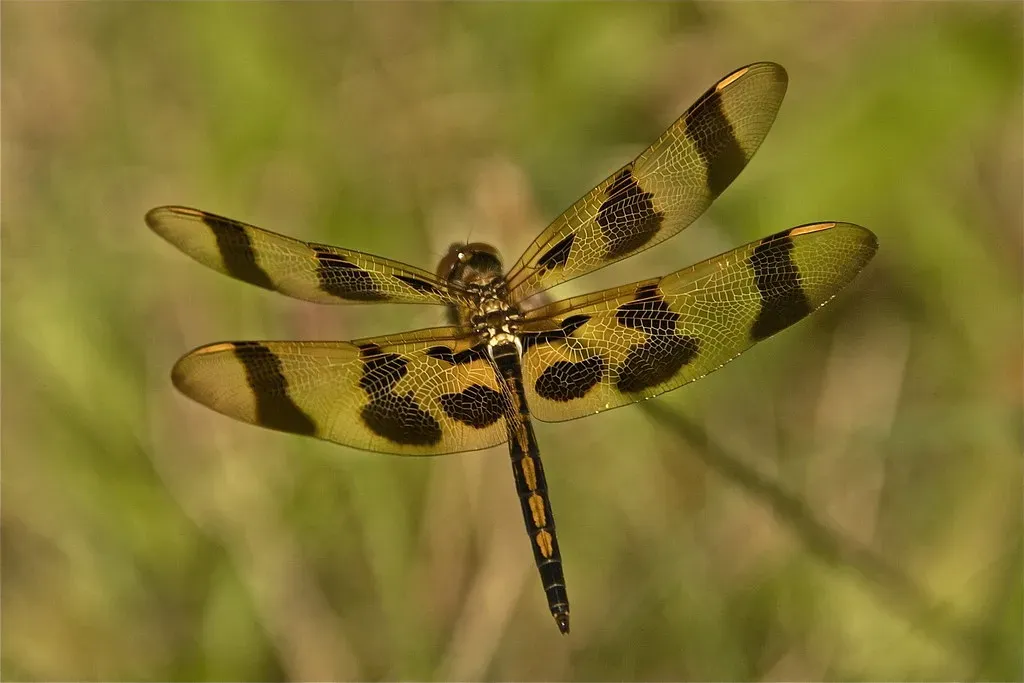
Insects were the first to gain the ability to fly during the early Devonian period around 406 million years ago, after complex terrestrial ecosystems developed and insects diversified. That is almost incomprehensibly long ago. To put that in perspective, insects were already buzzing around in the sky long before the first dinosaur ever set foot on Earth. They had the entire aerial world completely to themselves for a remarkable stretch of time.
Insects are in a class of their own: the period during which they evolved flight is lost in a large gap in the fossil record, they uniquely did not transform limbs into wings, and their small size and standard pattern of four wings means the biomechanics of insect flight differs markedly from the three larger vertebrate groups. Scientists can only speculate about these first flying animals by studying the fossils available and by observing those living insects whose characteristics seem primitive. It is likely that insect wings were first developed for other purposes, such as gills, gill plates, camouflage, or armor plating. These structures probably became useful as gliding surfaces, allowing insects to launch into the wind and drift to a new location or escape predators, and those that could fan their protowings could prolong their glides until true flight gradually emerged.
Pterosaurs: Giants of a Forgotten Sky
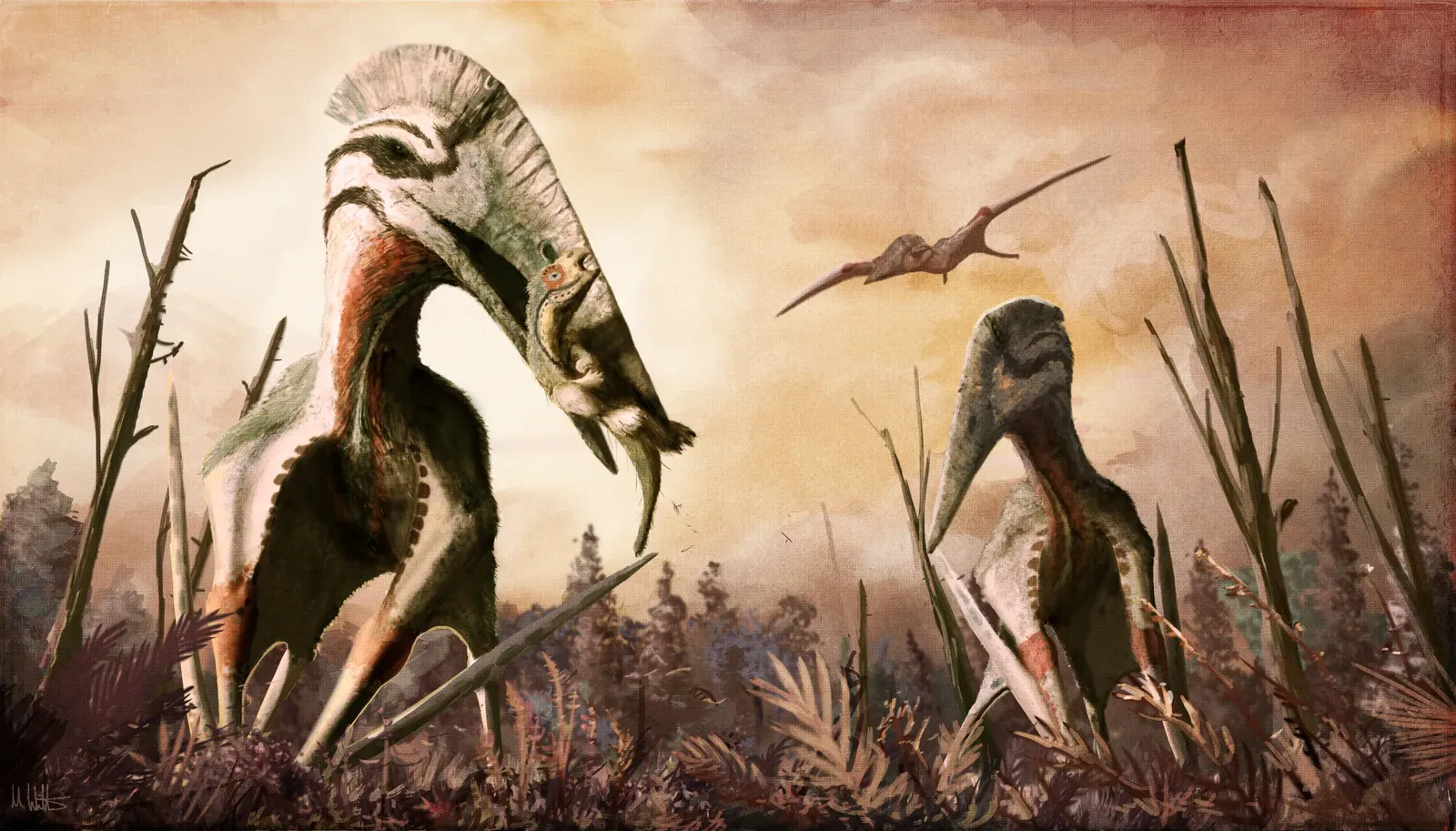
Pterosaurs evolved flight approximately 228 million years ago. These reptiles were close relatives of the dinosaurs and reached enormous sizes, with some of the last forms being the largest flying animals ever to inhabit the Earth, having wingspans of over 9 meters. Let that sink in for a moment. You’re imagining a creature with a wingspan wider than a city bus, powered by muscle and bone, somehow hauling itself into the air. It sounds almost mythological.
The pterosaurs, the only reptiles to evolve true flight, were the first vertebrates to develop powered flight. Pterosaurs appeared about 225 million years ago and lasted about 130 million years until they became extinct at the end of the Mesozoic era. They competed with birds from the late Jurassic until the extinction of the dinosaurs at the end of the Cretaceous. Those very big pterosaurs are also the last ones known. Before that, the biggest pterosaurs had been gradually getting bigger than today’s biggest birds for roughly 50 million years or more. Their disappearance remains one of the great losses in the history of life on Earth.
Archaeopteryx and the Dinosaur-Bird Transition
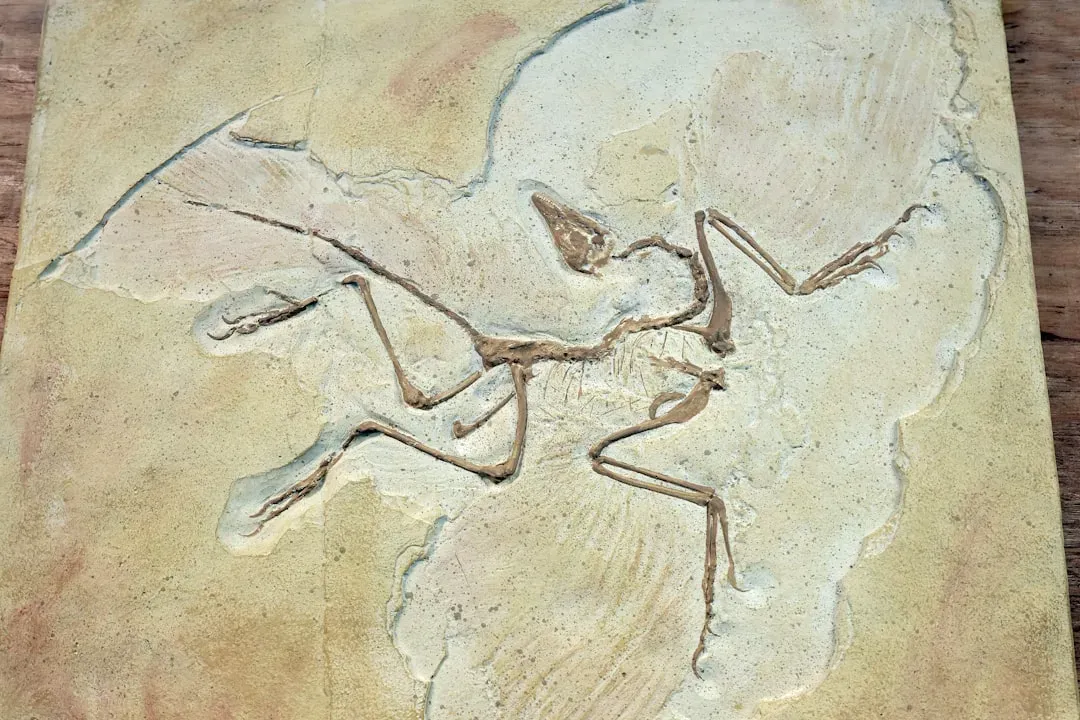
Honestly, if you had to pick one fossil that changed our entire understanding of life, it might just be Archaeopteryx. It lived around 150 million years ago in the Jurassic period, and while other dinosaurs had also evolved feathered wings before then, Archaeopteryx is the first known example of an animal that likely used those adaptations to fly. It’s the world’s most famous missing link, a creature balanced perfectly between two worlds.
Archaeopteryx had feathers, hollow bones, and wings. It was roughly the size of a raven and had a wishbone, or furcula, a hallmark feature of birds today. Like birds, it had feathers along its arms and tail, but unlike living birds, it also had teeth and a long bony tail. Furthermore, many of the bones in Archaeopteryx’s hands, shoulder girdles, pelvis, and feet were distinct, not fused and reduced as they are in living birds. You can think of it as a blueprint that was still being refined, a creature partway through becoming something new and extraordinary.
How Feathers Made Flight Possible
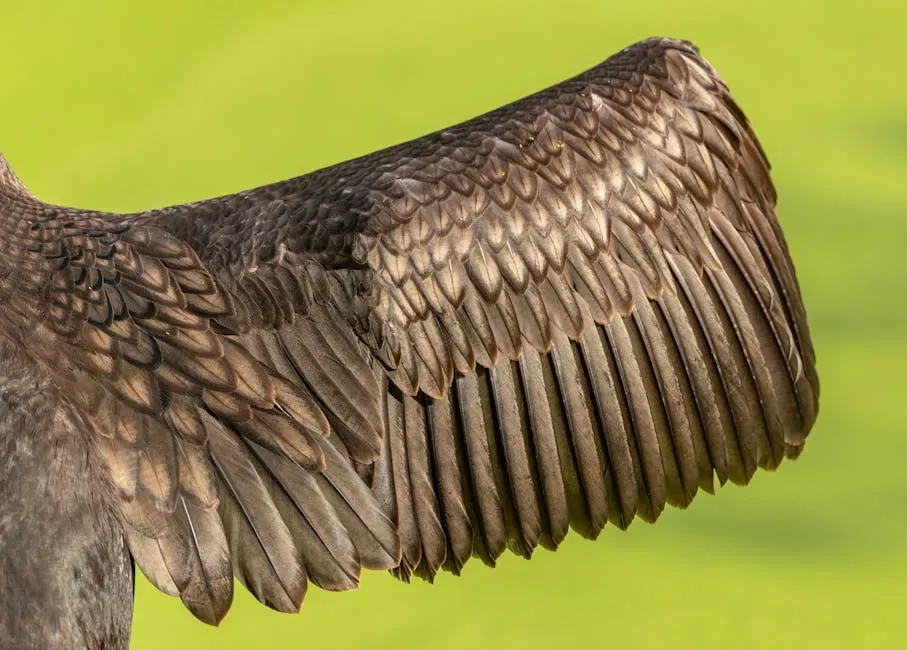
Feathers are nature’s Swiss Army knives, multipurpose tools that can enable flight, impress mates or rivals, and retain warmth and brood eggs while an animal sits on a nest. They have so many uses that it has been hard to figure out which purpose they first evolved to serve. That’s a genuinely fascinating puzzle. The very structure that now enables a falcon to dive at terrifying speed may have originally served a completely different purpose.
The evolution of feathers was an essential step that led to the origins of flight in dinosaurs. Living birds use feathers for more than just flight. They also play a role in insulation, display, and camouflage, and these were more likely the early drivers for the evolution of feathers. The first feathers must have therefore evolved for something else, probably to keep these small dinosaurs warm. For most dinosaurs, a coat of bristly feathers was enough. Flight came later, almost as a fortunate side effect of structures that had already proven their worth in other ways.
The Ground-Up Versus Trees-Down Debate
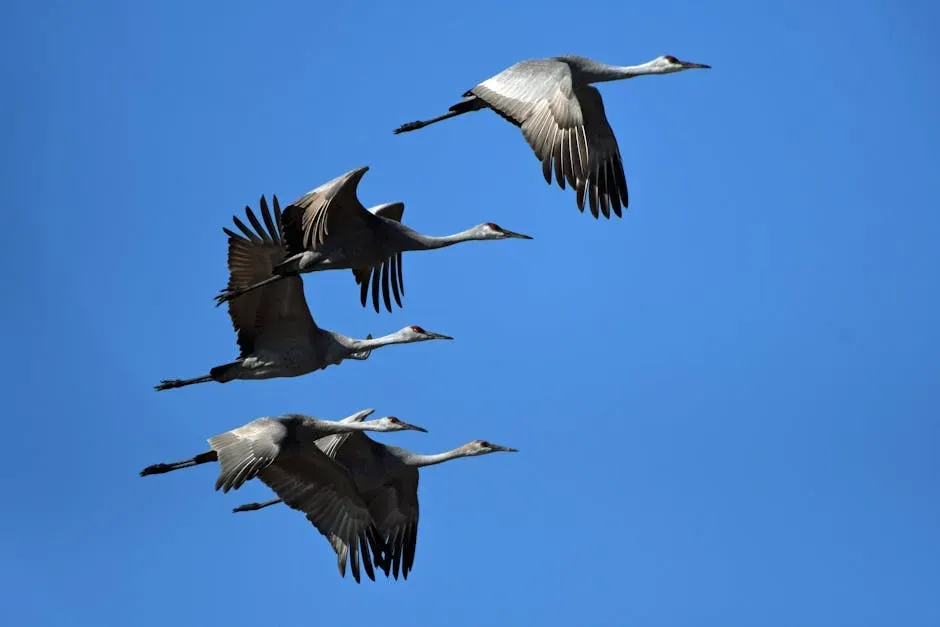
Here’s a debate that has been running in science circles since the 1880s, and it’s still not fully resolved. There are two main competing theories. The ground-up theory suggests that flight evolved in ground-dwelling ancestors, and the trees-down theory suggests that flight evolved in ancestors that leapt and glided between trees. While it’s pretty hard to test these two theories, understanding why flight evolved is more straightforward. I find it fascinating that something so fundamental can remain genuinely open.
To reach higher points, some birds prefer to use wing-assisted incline running, where they flap their wings as they run. This improves their foot traction, allowing them to scale steep or even vertical inclines. This behavior is also observed in young birds whose wings aren’t yet fully developed for flight, which implies that it may have been used by the ancestors of birds as they went from terrestrial to aerial locomotion. Other researchers proposed that animals living in trees generally end up high enough that a purposeful or accidental fall would generate enough speed for aerodynamic forces to have an effect on the body. Many animals demonstrate the ability to right themselves and slow their descent, and arboreal animals that exhibited these behaviors would have been in a better position to eventually evolve true flight.
The Physics That Every Flying Animal Had to Solve
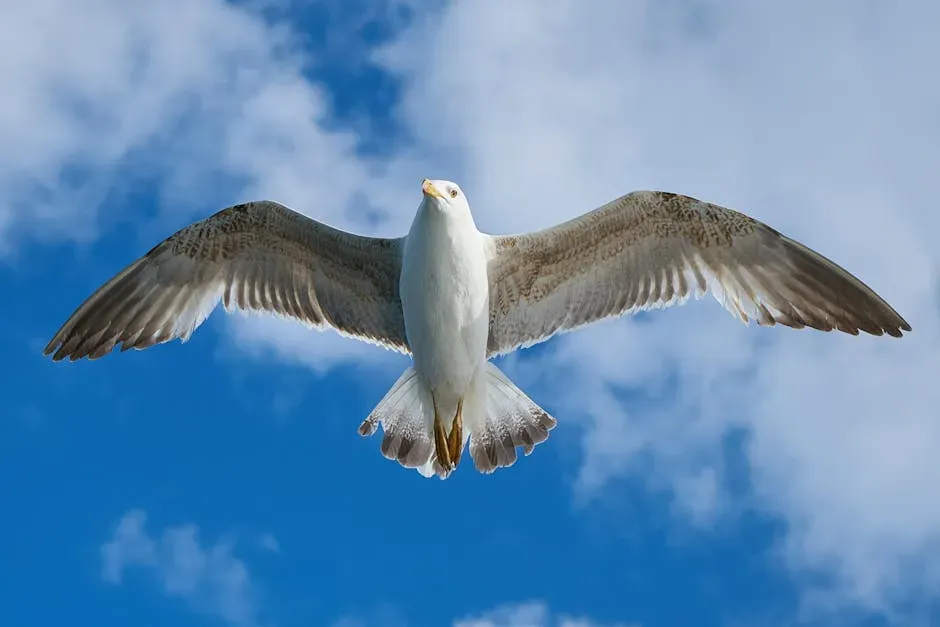
No creature evolves flight by wishing for it. There are hard physical laws at play, and every flying animal had to solve the same brutal equations. For an animal to develop true powered flight, it must be able to lift itself upward, propel itself forward, and overcome the friction of the air. Birds, pterosaurs, and bats have streamlined their wings so that the upper surface is more curved than the lower surface, which produces an acceleration of air above the wing that generates upward suction, or lift.
Size matters enormously, and owing to various mathematical laws, smaller animals have to flap their wings faster to stay in the air. Furthermore, air resistance is a more significant problem for smaller animals, which means there is an effective minimum size for flight. Yet flying animals also cannot be too large, because oxygen and sugars have to travel further around the body, and the power required for takeoff is proportionately greater, as can be seen by watching how large birds such as swans or albatrosses struggle to get airborne. Flight is a precise balancing act between dozens of competing biological pressures.
Bats: Mammals That Took to the Night Sky
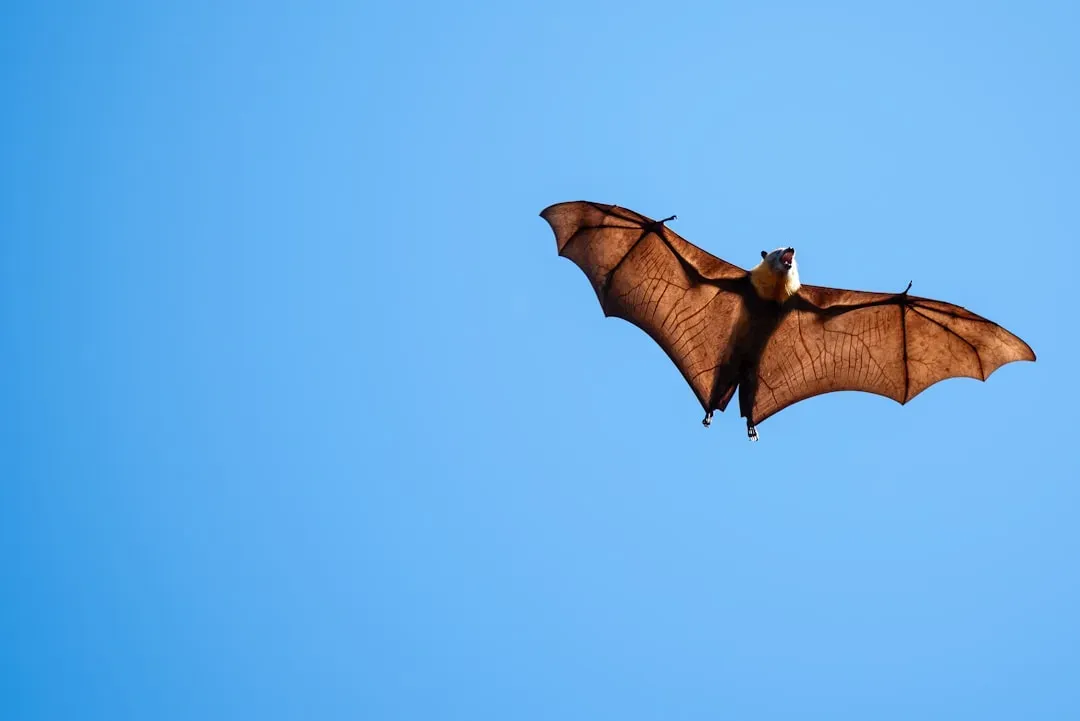
Bats are the only flying mammals. Like other mammals, they are warm-blooded, have fur, bear live young, and nurse their young with milk. Bat wings are a skin membrane stretched over the elongated digits. The image of a bat wing is so different from a bird wing that it’s almost hard to believe both are solutions to the same problem. Where a bird feather is a marvel of interlocking barbs, a bat wing is essentially an incredibly thin, elastic hand.
Bats, after rodents, have the most species of any mammalian order, representing roughly one fifth of all mammalian species. Before there could be nighttime fliers, there had to be a way to navigate in the dark. Bats are active at night and often inhabit darkened areas such as caves or the inside of hollow trees, making echolocation an essential adaptation for navigating in visually limited environments. Once a means for detecting and avoiding obstacles was developed in a bat ancestor, the lineage was free to expand into the nocturnal flier niche. Powered flight then allowed access to flying insects, a feeding niche that was wide open during early bat evolution.
Convergent Evolution and What Flight Teaches Us About Life
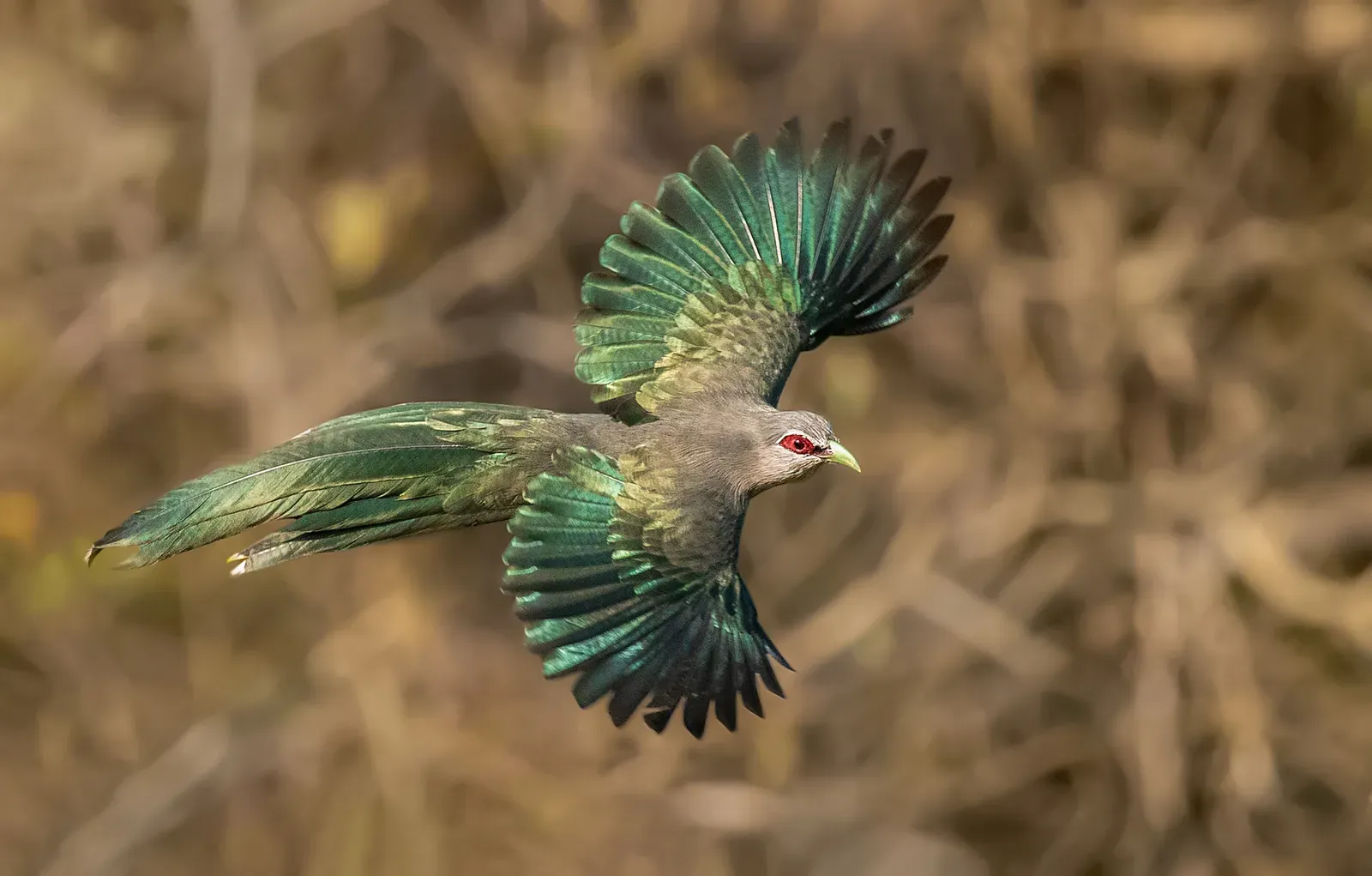
The most amazing fact about the evolution of flight is the extent of convergent evolution between the three main groups that evolved it. In this convergence, you can see some semblance of general rules that may govern how animals evolve flight. It’s one of the most compelling arguments for the idea that evolution is not entirely random. Give life the same problem in the same environment, and it tends to find overlapping answers.
In contrast to gliding, which has evolved more frequently but typically gives rise to only a handful of species, all three extant groups of powered flyers have a huge number of species, suggesting that flight is a very successful strategy once evolved. The evolution of flight has provided an enormous selective advantage to those organisms that have mastered it. Gliders are not true fliers, but maybe over time, the descendants of modern gliders will gain the ability to truly fly. What lies ahead for life on Earth is an exciting mystery. You’re living on a planet that is still, quietly, experimenting.
Conclusion: A Story That’s Still Being Written
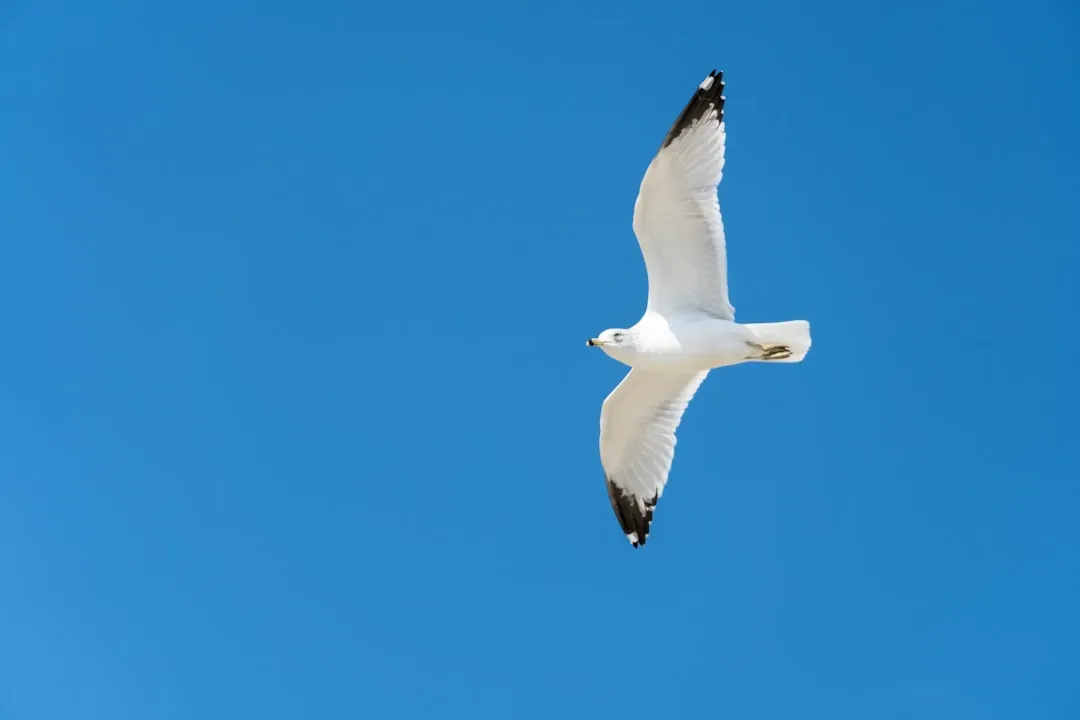
You now know that the sky above you is not just empty space. It is an evolutionary arena that has been contested for roughly 400 million years, shaped by forces of predation, starvation, and sheer biological ambition. From the first insect that caught a lucky gust of wind, to the theropod dinosaurs that slowly traded claws for feathers, to the bat ancestors that stretched their fingers into wings in the dark of prehistoric forests, every flying animal alive today carries an astonishing story in its bones.
What makes the evolution of flight so deeply humbling is that it happened not once but at least four separate times, each path arriving at something that still takes your breath away when you see it. The next time you watch a swift cut through the summer air or spot a bat weaving silently between trees at dusk, remember that you’re watching the end result of an evolutionary triumph hundreds of millions of years in the making. Of all of nature’s experiments, flight may be the most spectacular one of all. What would you have guessed was harder: inventing wings, or convincing gravity to loosen its grip even just a little?