Imagine waking up to a world where nearly everything alive around you has simply vanished overnight. Not just one species, not even a dozen, but the overwhelming majority of all life on the planet, gone. That is roughly what Earth has experienced not once, but five times over the last half billion years. These catastrophic events, etched permanently into stone and fossil, tell a story that is more dramatic, more violent, and honestly more fascinating than almost anything in science fiction.
Palaeontology, the study of ancient life through fossils and rock records, has given us a front-row seat to this brutal yet creative history. What you discover when you dig into the evidence is that mass extinctions were not just endings. They were radical resets, forcing life down entirely new paths. Let’s dive in.
What Exactly Is a Mass Extinction, and How Do We Know One Happened?
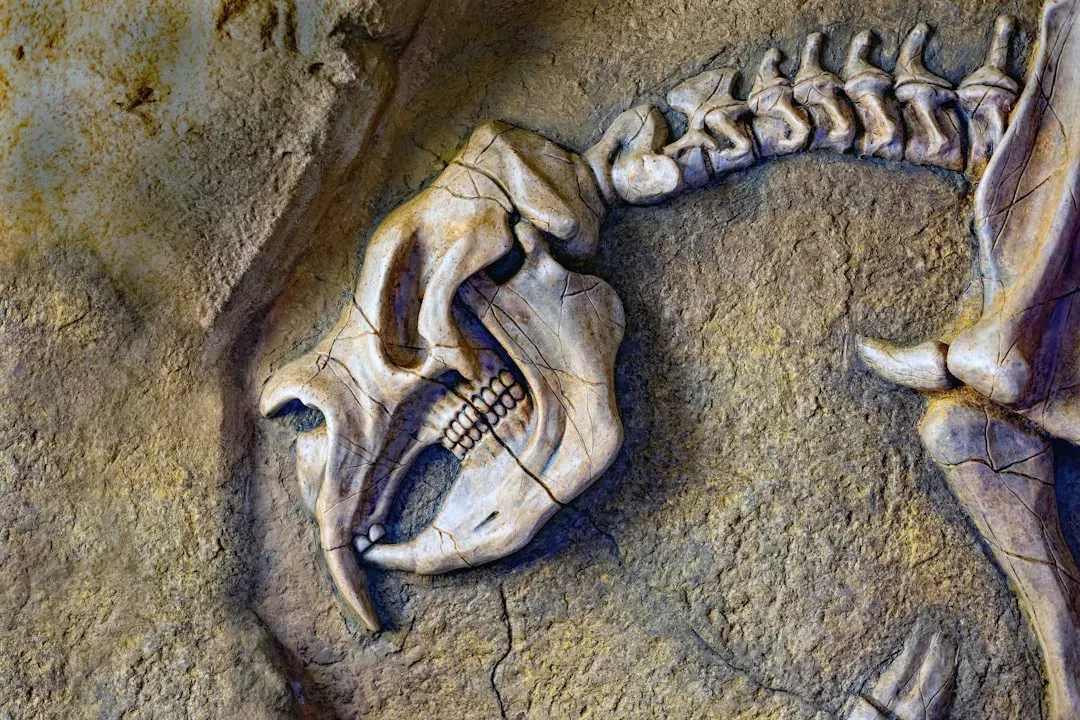
You can define a mass extinction as an event where at least half of all species die out in a relatively short geological time. Think about that for a moment. Half of all life, erased. That is not a slow thinning of the herd. That is a catastrophic collapse, and the rocks remember it vividly.
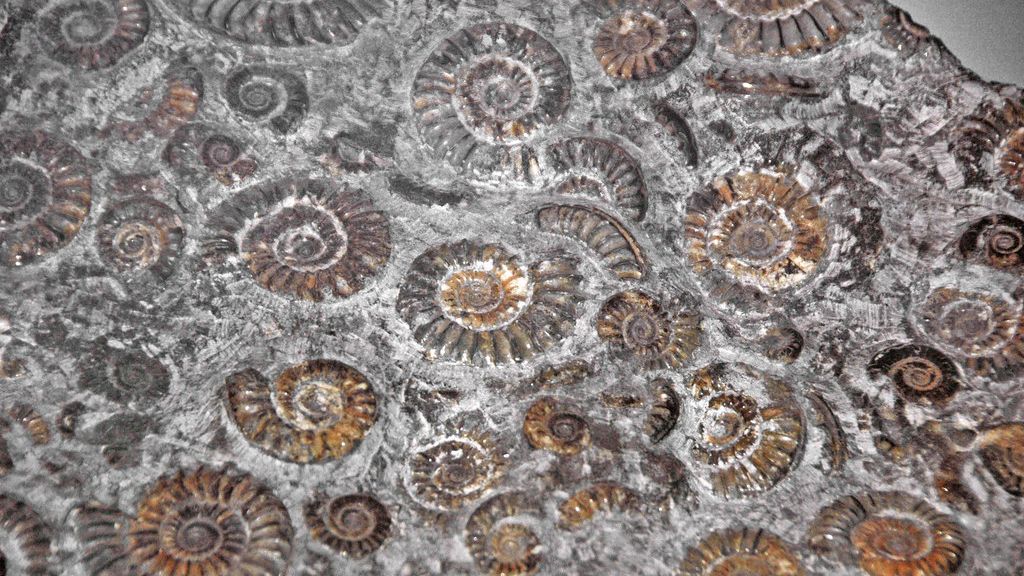
Mass extinctions were first identified by the obvious traces they left in the fossil record. In the strata corresponding to these time periods, the lower, older rock layer contains a great diversity of fossil life forms, while the younger layer immediately above is far less rich in comparison. It is like turning the pages of a book and finding that an entire chapter has been ripped out.
Often, the rock layers bookending the mass extinction are noticeably different in their compositions. These changes in the rocks show the effects of environmental disturbances that triggered the mass extinction and sometimes hint at the catastrophic cause. Palaeontologists use these clues the way a detective reads a crime scene, piecing together events millions of years old.
As mass extinctions have been better studied, it has become apparent that each of the well-known events was very rapid, occurring over timescales of tens of thousands of years rather than millions of years. In geological terms, that is breathtakingly fast, like a planetary blink of an eye.
The Big Five: Earth’s Most Devastating Biological Catastrophes
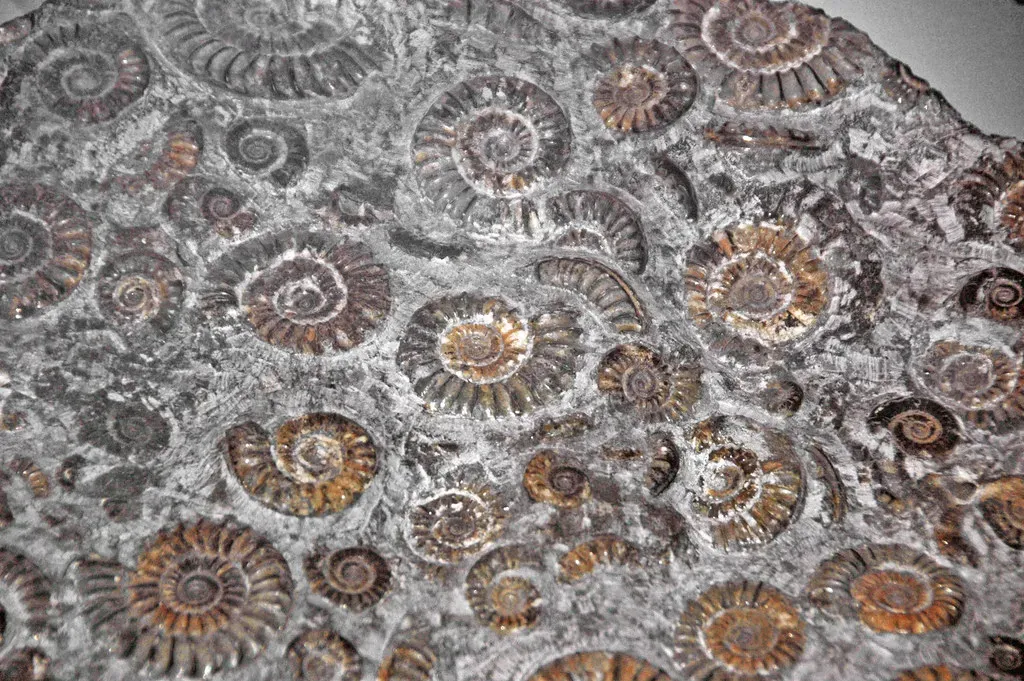
Five mass extinction events through geologic time are known for their particularly profound impacts on life on Earth. Scientists call them the “Big Five,” and each one is a story unto itself, full of volcanic fury, frozen oceans, poisoned seas, and in one famous case, a rock from outer space.
Chronologically, they are the end-Ordovician extinction, the late Devonian, the end-Permian, the end-Triassic, and the end-Cretaceous. Each one closed a chapter on life as it existed and forced whatever survived to completely reinvent itself.
At least a handful of times in the last five hundred million years, somewhere between three quarters and more than nine tenths of all species on Earth have disappeared in a geological blink of an eye. Here is something that I think people rarely appreciate: you are the evolutionary descendant of every survivor of every single one of these events.
Extinction is a natural part of the changing tableau of life on Earth, and it interplays with evolution. Its main importance is that it is one of the factors that has led to the diversity of life through geologic time. Without these catastrophic purges, life as you know it simply would not exist.
The Great Dying: Earth’s Closest Brush With Total Biological Collapse
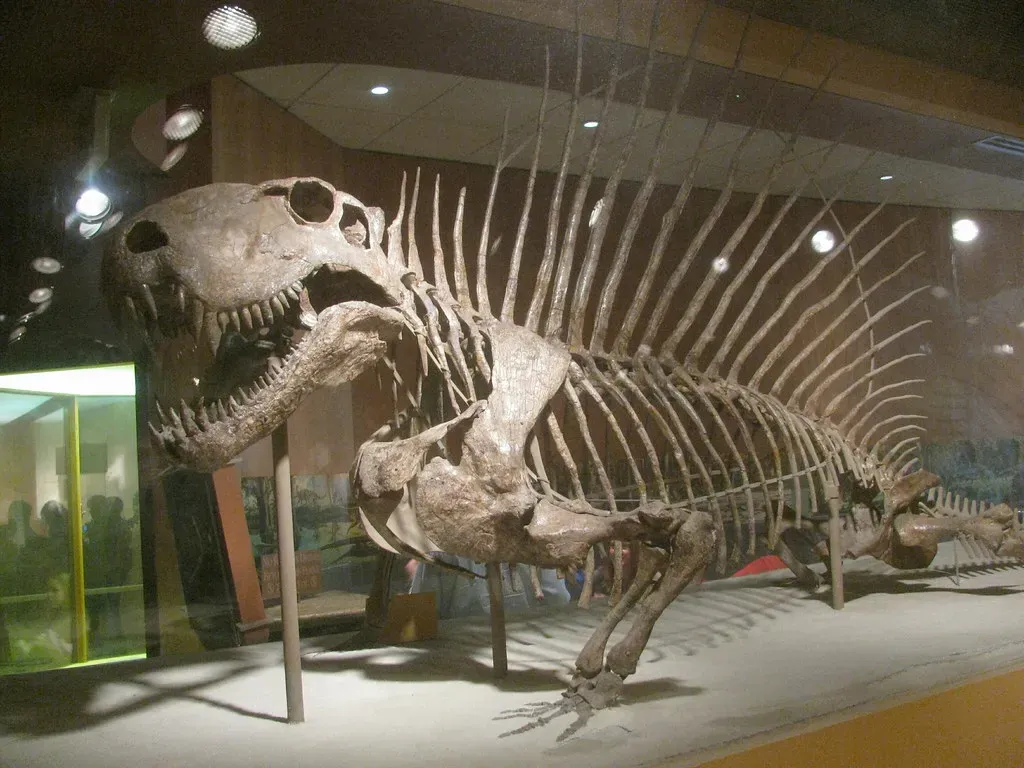
If you had to pick the single most terrifying event in the history of life, it would be the Permian-Triassic extinction, which happened roughly 252 million years ago. Some 252 million years ago, life on Earth faced the “Great Dying,” the Permian-Triassic extinction. The cataclysm was the single worst event life on Earth has ever experienced. Over about sixty thousand years, around nineteen out of every twenty marine species and about three out of every four species on land died out.
The world’s forests were wiped out and didn’t come back in force for about ten million years. Of the five mass extinctions, the Permian-Triassic is the only one that wiped out large numbers of insect species. Insects, which survive practically everything, were not even safe. That alone should tell you how extreme conditions became.
Long before dinosaurs, our planet was populated with plants and animals that were mostly obliterated after a series of massive volcanic eruptions in Siberia. Fossils in ancient seafloor rocks display a thriving and diverse marine ecosystem, then a swath of corpses. The violence embedded in those rocks is almost incomprehensible.
The “Great Dying” had enormous evolutionary significance: on land, it ended the primacy of early synapsids. The recovery of vertebrates took thirty million years, but the vacant niches created the opportunity for archosaurs to become ascendant. Those archosaurs would eventually give rise to crocodilians, pterosaurs, and yes, the dinosaurs.
The Chicxulub Asteroid: The Day the Dinosaurs Lost Everything
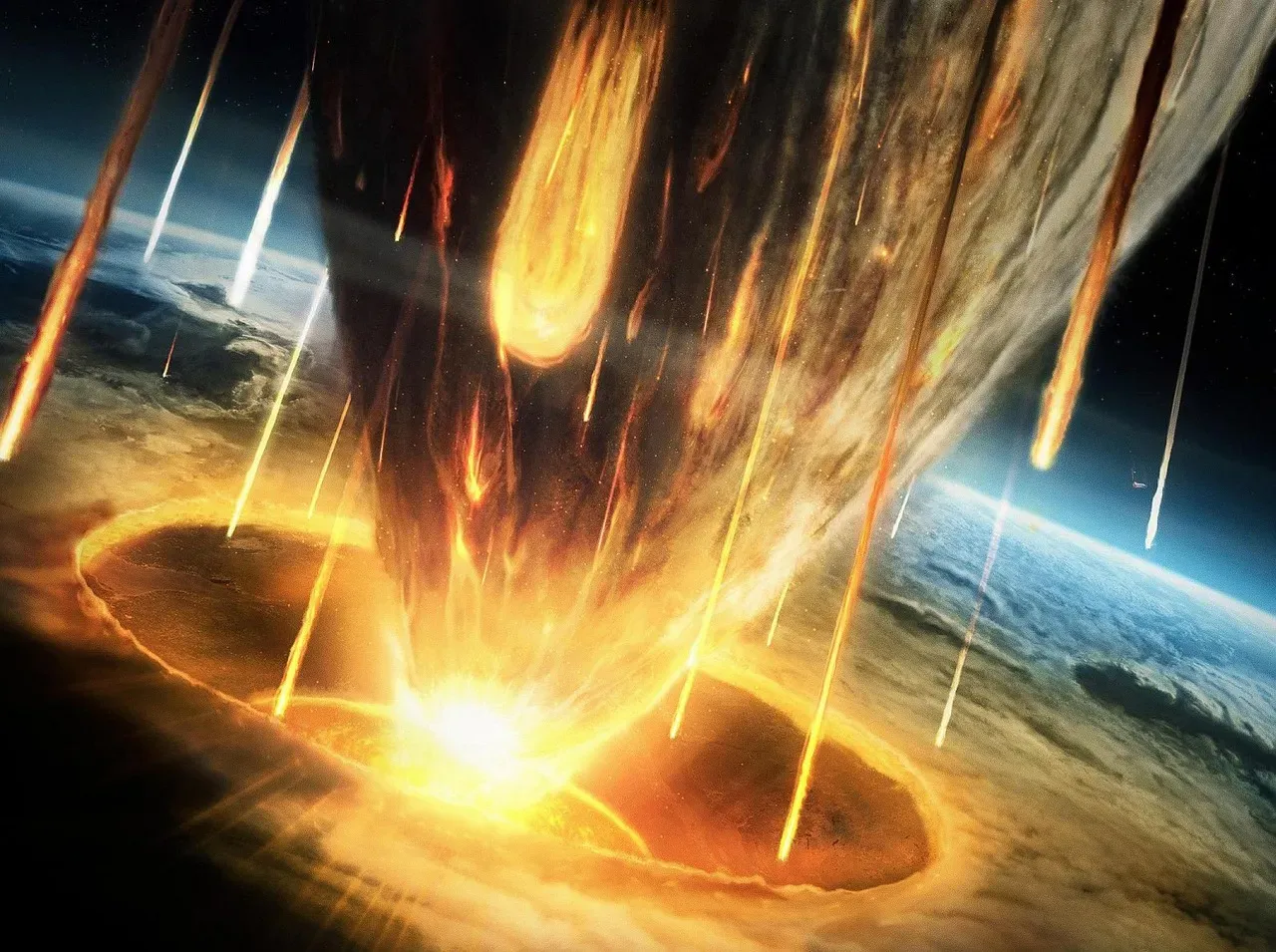
The End-Cretaceous extinction at the Cretaceous-Paleogene boundary is the mass extinction most popularly known. It is the closest to us today in time, occurring sixty-six million years ago. It is also the one that cleared the way for mammals, and eventually, for you.
This extinction impacted both life on land and in the sea, with roughly three quarters of all species dying out. The asteroid that caused it was an estimated six to twelve miles in diameter and formed a crater nearly a hundred and twenty miles wide. You can still find that crater today beneath the Gulf of Mexico near the Yucatan Peninsula.
The Chicxulub asteroid impact shut down photosynthesis for years and caused decades of global cooling. Anything that couldn’t shelter from the cold, or find food in the darkness, which was most species, perished. Picture a world gone dark and freezing cold, with almost nothing left to eat. That is what the survivors faced.
As plant biodiversity began to recover in the Cenozoic Era, the surviving mammals radiated into terrestrial and aquatic niches once occupied by dinosaurs. Birds, descended from the only surviving group of dinosaurs, became aerial specialists. The rapid dominance of flowering plants on land created new niches for insects, birds, and mammals. The world that emerged from that darkness looks remarkably like the one you live in today.
Extinction as a Creative Force: How Catastrophe Drives Evolutionary Innovation
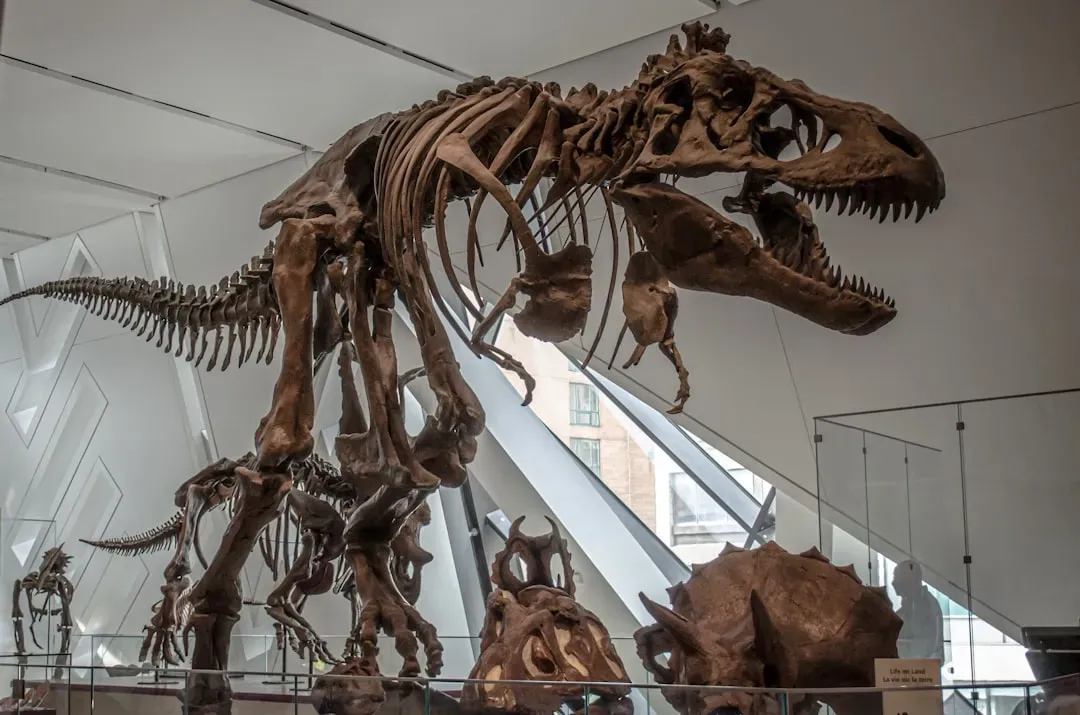
Here is the thing that blew my mind the first time I really understood it: mass extinctions, for all their horror, are among the most powerful engines of creativity in the history of life. Though mass extinctions are deadly events, they open up the planet for new forms of life to emerge. The most studied mass extinction, which marked the boundary between the Cretaceous and Paleogene periods, killed off the nonavian dinosaurs and made room for mammals and birds to rapidly diversify and evolve.
The most rapid periods of diversity increase occur immediately after mass extinctions. Recovery isn’t only driven by an increase in species numbers. In a recovery, animals innovate, finding new ways of making a living. They exploit new habitats, new foods, new means of locomotion. Life does not just refill old roles. It reinvents itself entirely.
For example, our fish-like forebears first crawled onto land after the end-Devonian extinction. That transition, from water to land, changed the entire trajectory of vertebrate life. Without that extinction clearing the way, you might still be breathing through gills.
The most dramatic evolutionary effects of mass extinctions can be epitomized in just four words: they remove successful incumbents. Think of it like clearing the dominant players from a board game. Suddenly, every smaller, overlooked piece gets a chance to make a bold move. That is exactly what happened with the tiny mammals living in the shadows of the dinosaurs.
Are We Living Through the Sixth Mass Extinction Right Now?
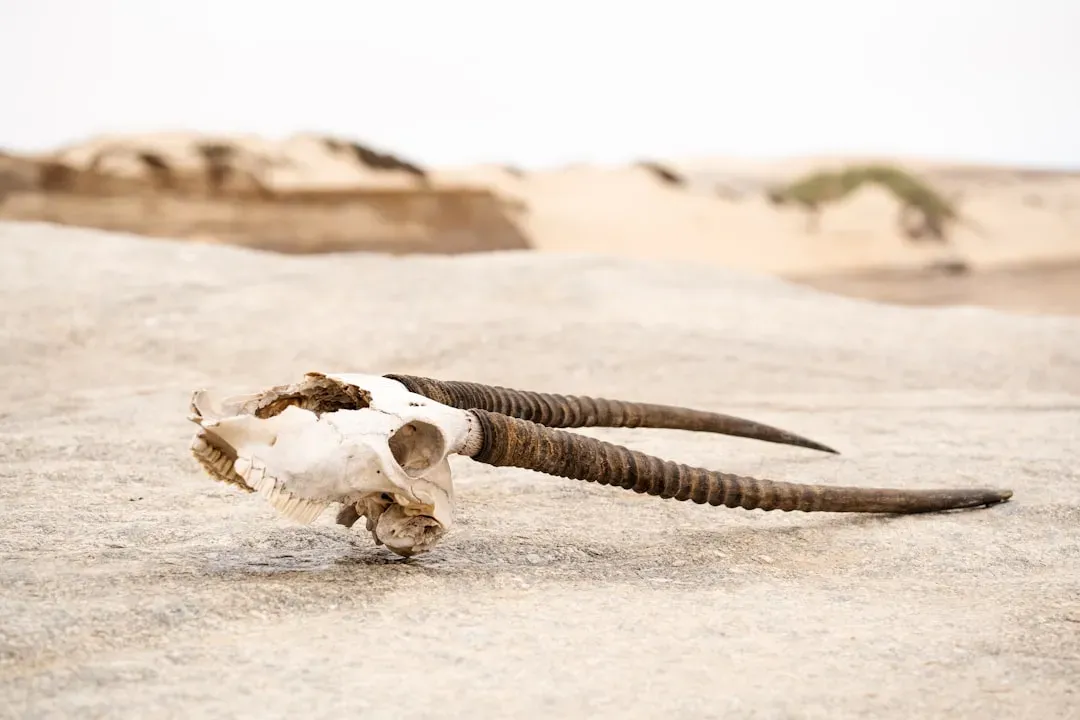
Let’s be real about something deeply uncomfortable. We are currently living in the midst of a sixth mass extinction, caused primarily by the activities of Homo sapiens. The current mass extinction has been called the Anthropocene mass extinction. This is not a prediction about the future. It is happening right now, in the present.
Fossil records don’t just tell us what creatures existed before us, but also how long a species can naturally survive before becoming extinct without human interference. This is referred to as the background rate, equal to around one species extinction per one million species per year. Currently, because of human activity, the actual rate is tens of thousands of times higher. That comparison is staggering, honestly.
Right now, humans find themselves at the beginning of the latest mass extinction, which is moving much faster than any of the others. The previous five unfolded over geological timescales. This one is unfolding over human lifetimes. Your lifetime.
While there is no guarantee that research on past biotic crises will be perfectly applicable to present situations, paleontologists do have an incredible record of natural experiments in which systems have been perturbed and responded to those perturbations. Properly studied, these events can provide examples to understand the impact of environmental perturbations on ecological communities, what elements persist, and how communities reform after disruption. In other words, the fossil record is not just ancient history. It is a survival guide.
Conclusion: A Planet Reborn Through Catastrophe
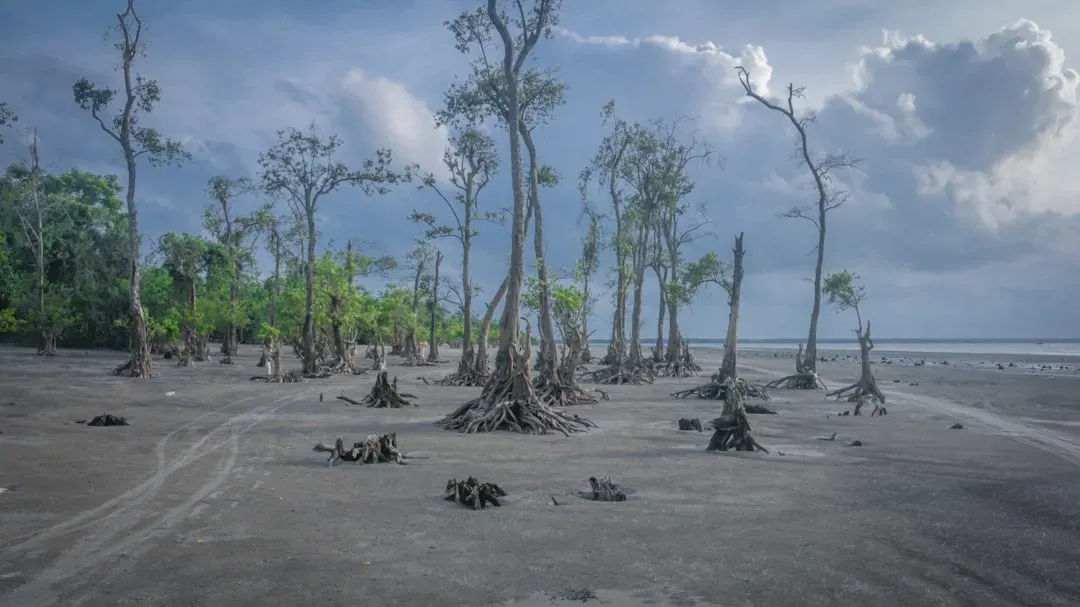
The story that palaeontology tells you about mass extinctions is not simply one of loss, though the loss is staggering beyond imagination. In the past half-billion years, Earth has been hit again and again by mass extinctions, wiping out most species on the planet. Yet every time, life recovered and ultimately went on to increase in diversity. That resilience is one of the most profound facts in all of science.
Mass extinctions are typically followed by evolutionary bursts or radiations within surviving groups of organisms. The combined effect of mass extinctions and the following evolutionary bursts is that new groups of organisms fill niches previously filled by now-extinct organisms. Destruction and creation, moving in lockstep across deep time.
Every creature you have ever seen, including yourself, exists because something survived when almost nothing else did. The rocks remember every extinction. The question now is whether future rocks will remember us as another catastrophic cause, or as the first species smart enough to read the warning written in the ancient stone. What do you think we’ll choose?