
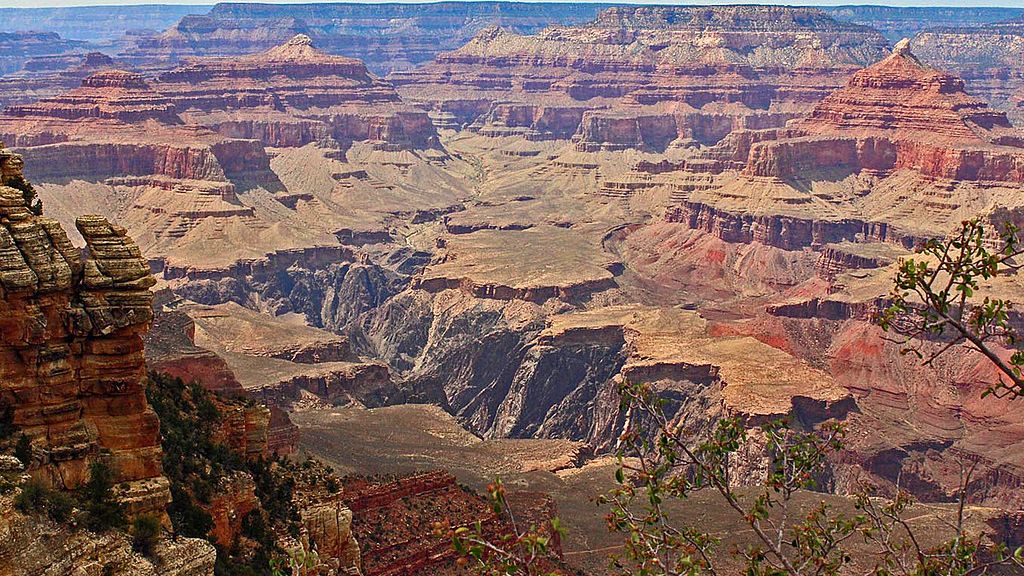
There are places on Earth that feel less like landscapes and more like open books. The Grand Canyon is one of them. Standing at its rim, you’re not just looking at a hole in the ground. You’re looking at nearly two billion years of planetary history stacked in front of you, layer after breathtaking layer, each one whispering a different chapter of the story.
Honestly, no photograph prepares you for it. And no amount of reading fully captures the sheer geological audacity of this place. From ancient volcanic collisions to vanished seas, frozen deserts, and volcanic rivers of lava, the Grand Canyon is Earth’s most dramatic autobiography. Get ready for a deep dive into the canyon’s most astonishing geological secrets.
A Natural Wonder Built Over Unimaginable Time
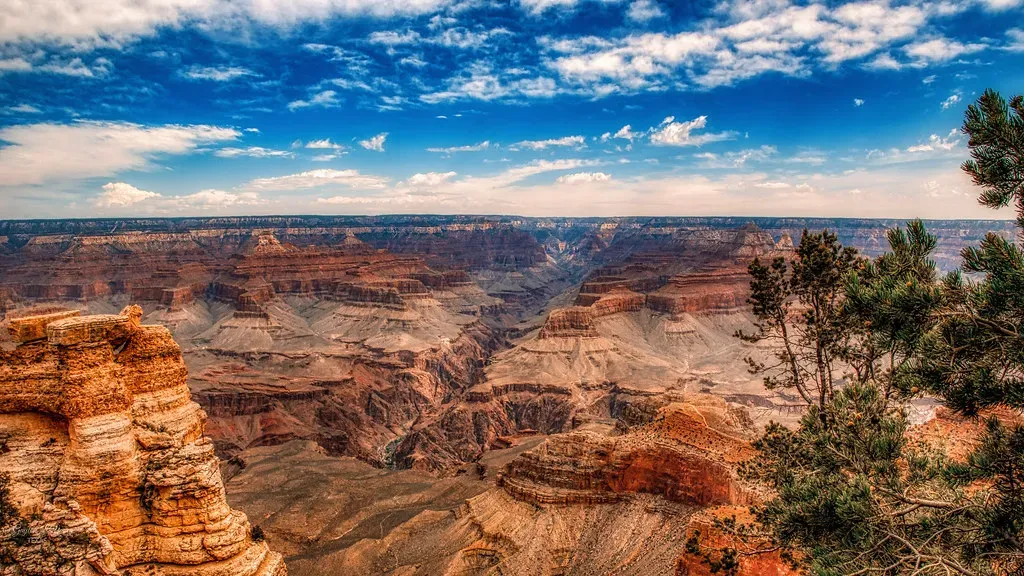
Most people think of the Grand Canyon as something impossibly old. In geological terms, though, the canyon itself is actually quite young. Geologically speaking, the Grand Canyon is considered a “young” feature, much of it having been eroded in just the last five to six million years. The ages of the canyon’s rocks, however, are a completely different matter, spanning over one and a half billion years of Earth’s history.
Here is where things get truly mind-bending. Nearly two billion years of Earth’s geological history have been exposed as the Colorado River and its tributaries cut through layer after layer of rock while the Colorado Plateau was uplifted. Think of it like peeling back the pages of a book that took two billion years to write, except you can walk through those pages and touch them.
The Vishnu Basement Rocks: Earth’s Ancient Foundation
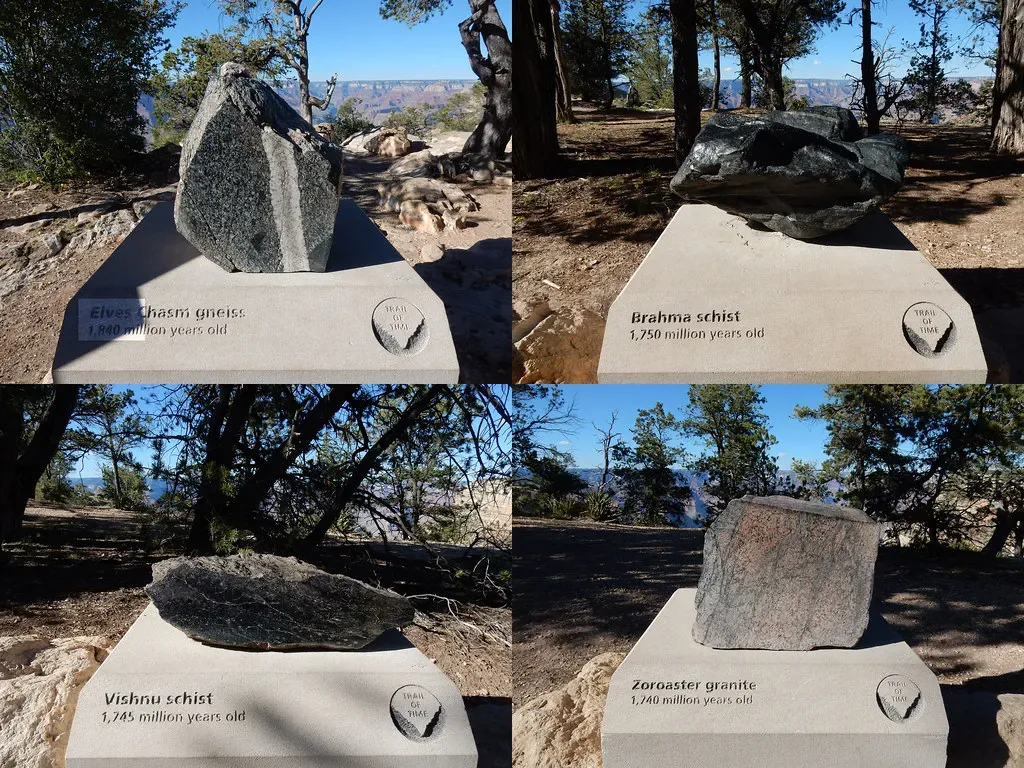
At the very bottom of the canyon, you encounter rocks so old they predate complex life on this planet. The oldest known rock in the Grand Canyon, known as the Elves Chasm Gneiss, is located deep in the canyon’s depths as part of the Vishnu Basement Rocks and clocks in at an ancient 1.84 billion years old. For context, that is roughly two fifths the age of the entire universe.
The oldest rocks in the Grand Canyon, found at the bottom of the canyon, are primarily metamorphic, with igneous intrusions. The intrusive igneous rocks here are called Zoroaster Granite. The name given to this rock set is Vishnu Basement Rocks. Primarily schist with granite, these rocks have visible crystals and are about 1.7 billion years old, from an era early in Earth’s history known as the Proterozoic. Run your hand along that dark rock face, and you are literally touching the deep roots of an ancient mountain chain.
Reading the Rock Layers Like a Geological Textbook
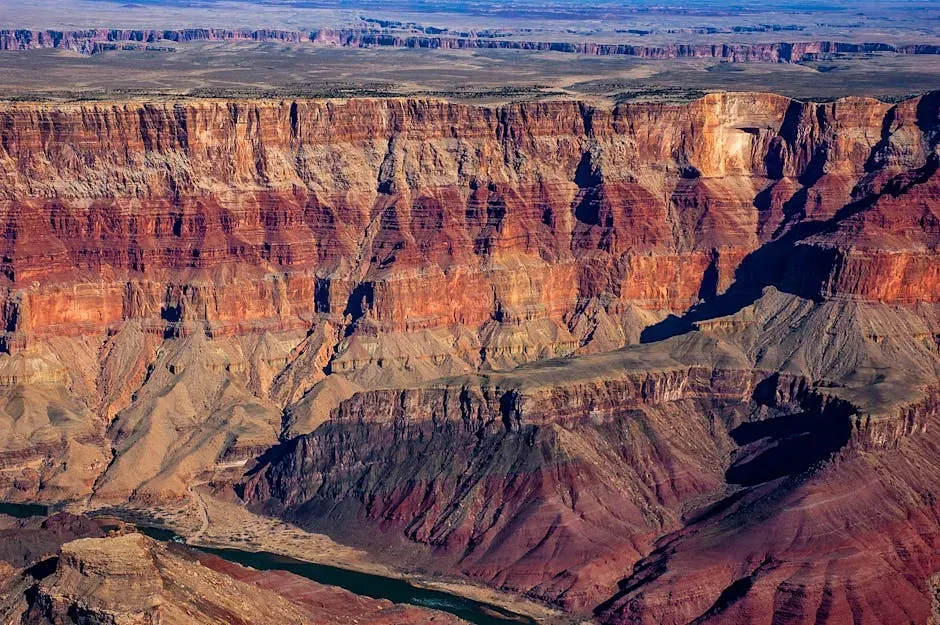
Every hiker descending into the canyon is unknowingly traveling backward through geologic time. Stratigraphy is the study of rock layering, and reveals a wealth of information about what Earth was like when each layer formed. In the Grand Canyon, there are clear horizontal layers of different rocks that provide information about where, when, and how they were deposited, long before the canyon was even carved.
The geology of the Grand Canyon area includes one of the most complete and studied sequences of rock on Earth. The nearly 40 major sedimentary rock layers exposed in the Grand Canyon range in age from about 200 million to nearly 2 billion years old. Most were deposited in warm, shallow seas and near ancient, long-gone sea shores in western North America. It’s like looking at one of the world’s greatest geological reference libraries, and you never have to open a single drawer.
The Great Unconformity: A Billion-Year Gap in Time
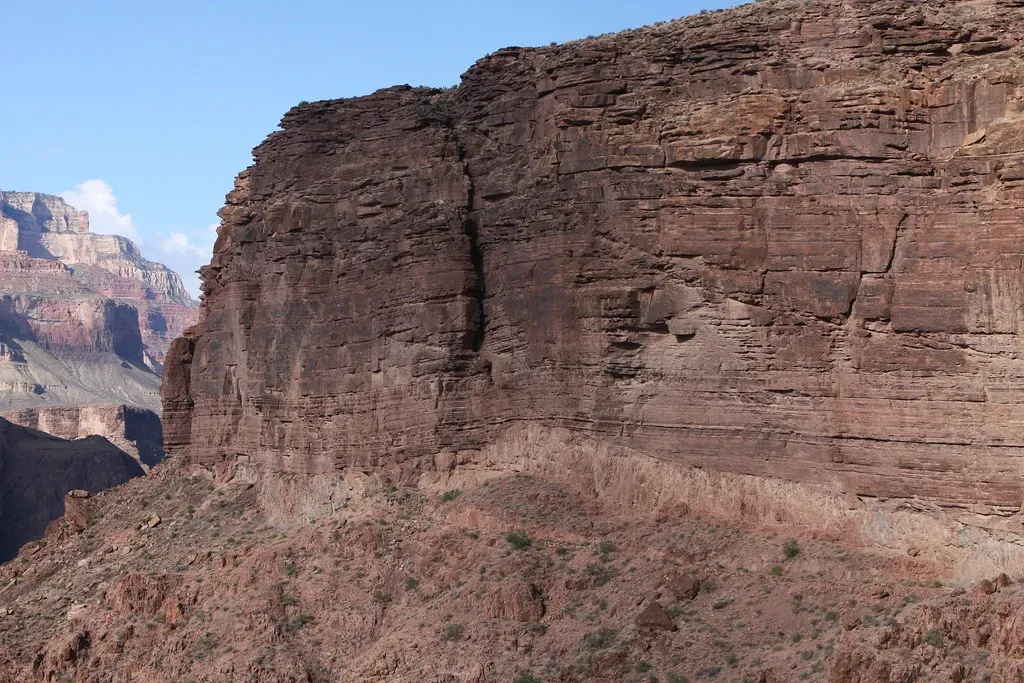
Perhaps the single most jaw-dropping thing about the Grand Canyon is something most visitors walk right past without realizing its significance. The Grand Canyon offers one of the most visible examples of a worldwide geological phenomenon known as the Great Unconformity, in which 250 million-year-old rock strata lie back-to-back with 1.2 billion-year-old rocks. What happened during the hundreds of millions of years between remains largely a mystery.
The Great Unconformity exposed in the Grand Canyon separates the Tapeats Sandstone from ancient Proterozoic rocks. The Great Unconformity represents roughly 1.2 billion years of missing rock record, either due to erosion or non-deposition. Scientists have debated what caused this colossal gap. One compelling hypothesis involves a significant glaciation event known as Snowball Earth, which covered almost the entire planet with ice. Wherever the truth lies, you can actually place your hand across more than a billion years of missing Earth history in a single gesture.
The Colorado River: Nature’s Greatest Sculptor
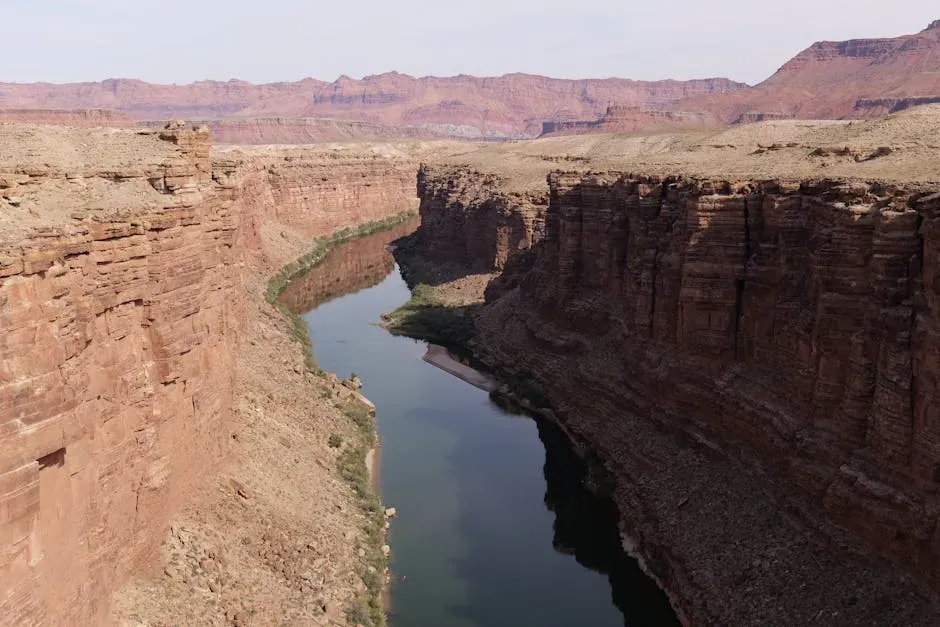
You wouldn’t expect something as fluid and flexible as water to carve through solid rock a mile deep. Yet that is precisely what happened. Over roughly six million years, the Colorado River carved deep into the Earth’s crust, carrying sand and gravel that acted like sandpaper, slowly eroding and exposing layers of rock that reveal nearly two billion years of geological history.
As the Colorado Plateau rose, the Colorado River cut its way downward, creating the mile-deep chasm of the Grand Canyon. This extraordinary depth resulted from the powerful erosion of the river. Its power to erode is a consequence of its steep drop combined with the rapid uplift of the plateau. The river is not just a scenic backdrop running along the canyon floor. It is the single most powerful geological force responsible for what you see today.
Uplift, Tectonic Forces, and the Making of the Colorado Plateau
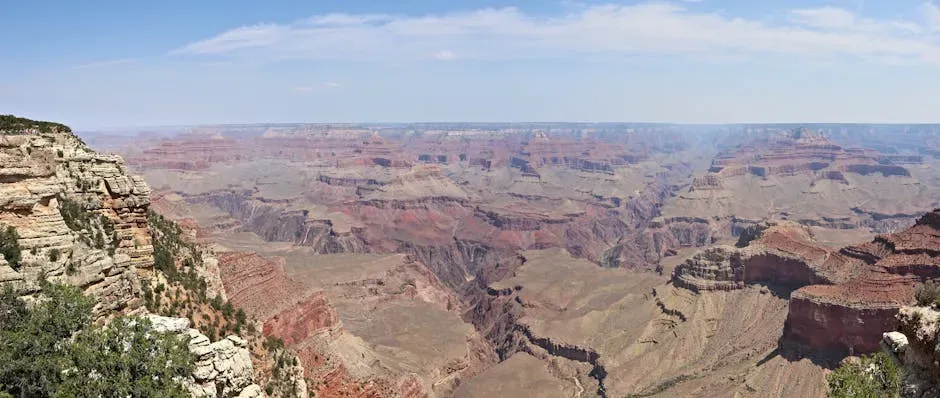
A river alone cannot carve a mile-deep canyon unless the land itself rises to meet it. That is exactly what happened. The great depth of the Grand Canyon and especially the height of its strata can be attributed to five thousand to ten thousand feet of uplift of the Colorado Plateau, starting about 65 million years ago during the Laramide orogeny. This same event, let’s be real, also gave birth to the Rocky Mountains.
Uplift of the region started about 75 million years ago during the Laramide orogeny, a mountain-building event that is largely responsible for creating the Rocky Mountains to the east. In total, the Colorado Plateau was uplifted an estimated two miles. That kind of vertical movement over millions of years handed the Colorado River a dramatically steepened slope, which in turn turbocharged its erosive power and set the stage for the canyon we see today.
Ancient Seas, Desert Dunes, and a Record of Vanished Worlds
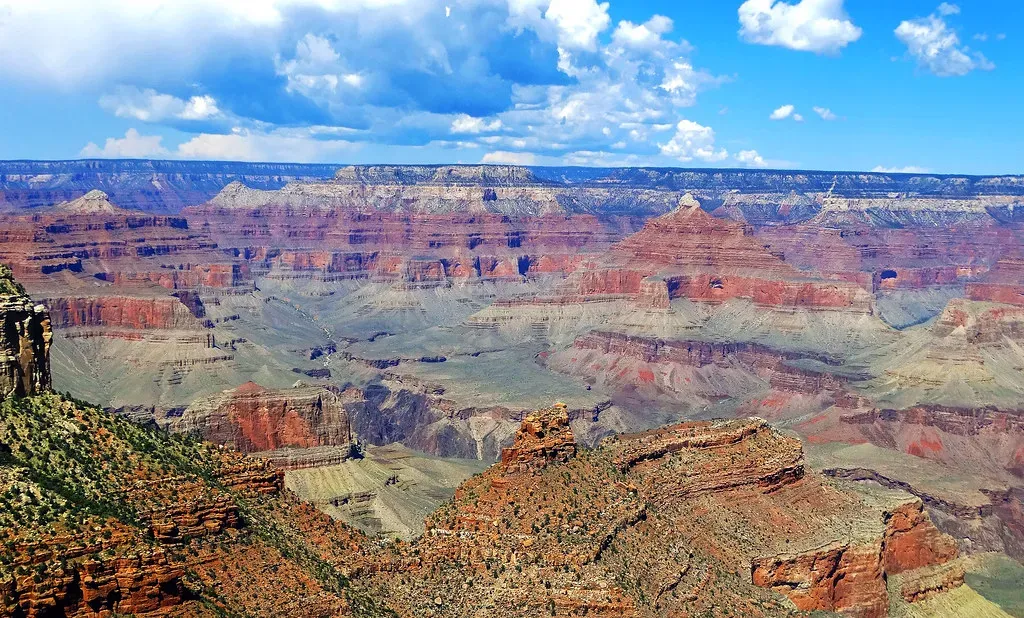
The canyon’s rock walls are not just layers of stone. They are fossilized environments. Some layers were formed when the region was covered by shallow seas, while others were created when the land was a vast desert. The colors of the canyon walls, reds, oranges, tans, and grays, come from minerals in the rock that reacted with oxygen over time.
The Toroweap Formation tells the story of coastal environments where deserts met the sea. The Coconino Sandstone, light tan and cliff-forming, was created from ancient desert dunes and represents some of the best-preserved fossilized sand dunes in the world. The Hermit Shale, a softer reddish layer, was deposited in river floodplains and coastal swamps. Each layer is a time capsule. Walk the trails and you move through ancient coastlines, equatorial dune fields, and shallow tropical seas in the space of a single afternoon.
Fossils That Reveal the Evolution of Life on Earth
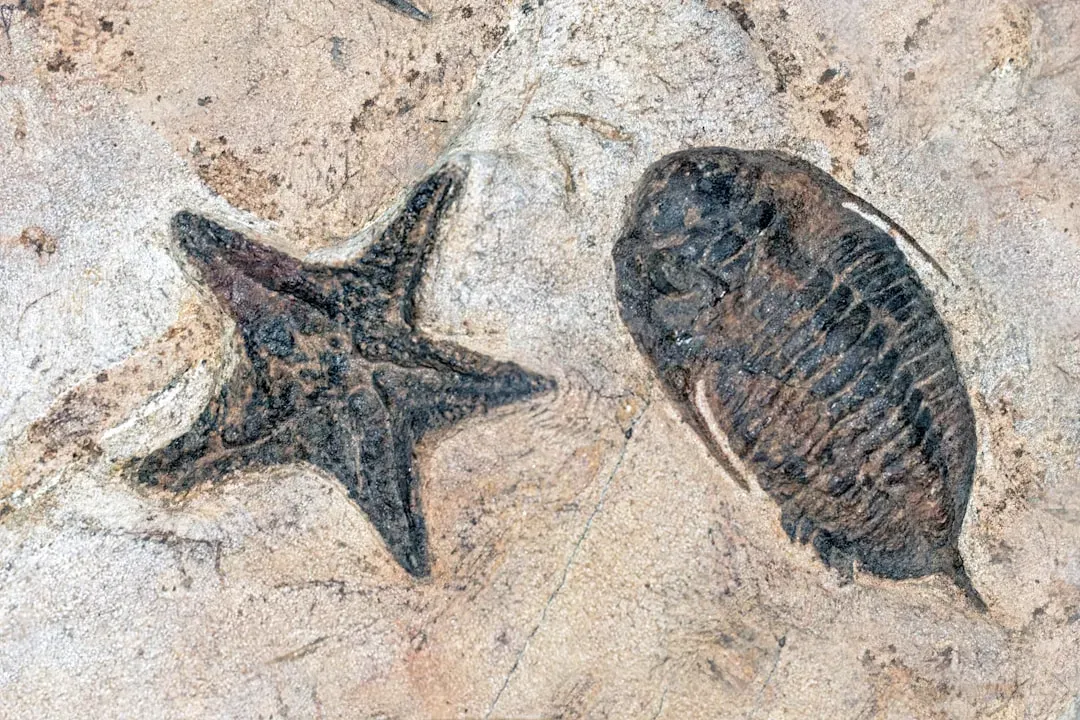
I think one of the most surprising facts about the Grand Canyon is what you find preserved in its walls. The Paleozoic Era consisted of the geologic periods from the Cambrian through the Permian. It began with the Cambrian Explosion when most major animal groups first appeared in the fossil record. The canyon’s walls record many chapters of that explosive emergence of life.
Fossils found in the Grand Canyon range from ancient marine fossils dating back 1.2 billion years to fairly recent land mammals that left their remains in canyon caves about 10,000 years ago. Fossils found in dry caves within the canyon provide information on organisms that lived there during the very recent geologic past. Whereas fossils from Paleozoic strata tell of trilobites thriving in ancient oceans and tetrapods walking across sand dunes, cave fossils provide information about animals and plants that inhabited the canyon during the last 50,000 years. It’s a complete biological timeline, from early single-celled organisms all the way to horses, sloths, and condors.
Volcanic Eruptions, Lava Dams, and the Canyon’s Fiery Past
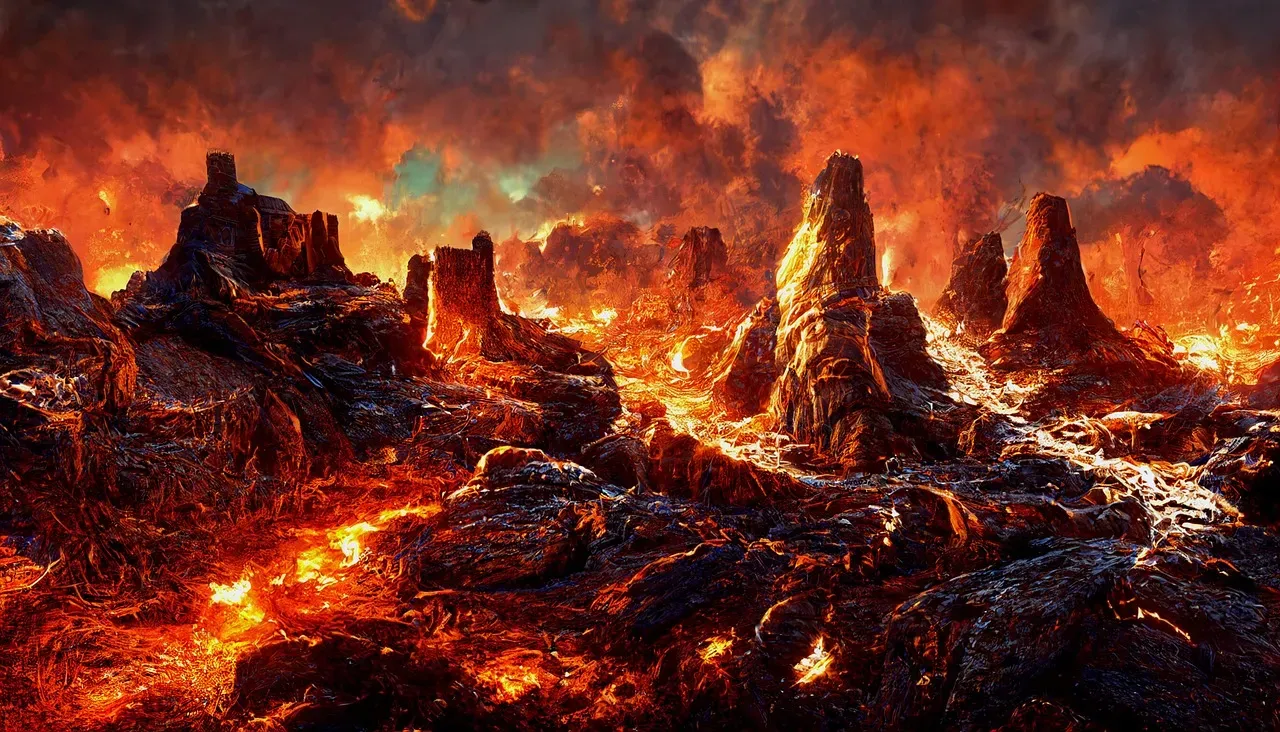
Here’s the thing most people don’t picture when they imagine the Grand Canyon: rivers of lava pouring into it. Between 100,000 and 3 million years ago, volcanic activity deposited ash and lava over the area, which at times completely obstructed the river. Imagine a wall of hardened lava temporarily blocking the Colorado River, creating massive lakes that eventually burst through.
Volcanic activity started in the Uinkaret volcanic field in the western Grand Canyon about 3 million years ago. At least 13 lava dams blocked the Colorado River, forming lakes that were up to two thousand feet deep. The canyon is not a static relic, preserved in perfect stillness. It is, and always has been, a dynamic and occasionally violent place, shaped by forces both slow and catastrophic.
Conclusion: A Canyon That Is Still Writing Its Own Story
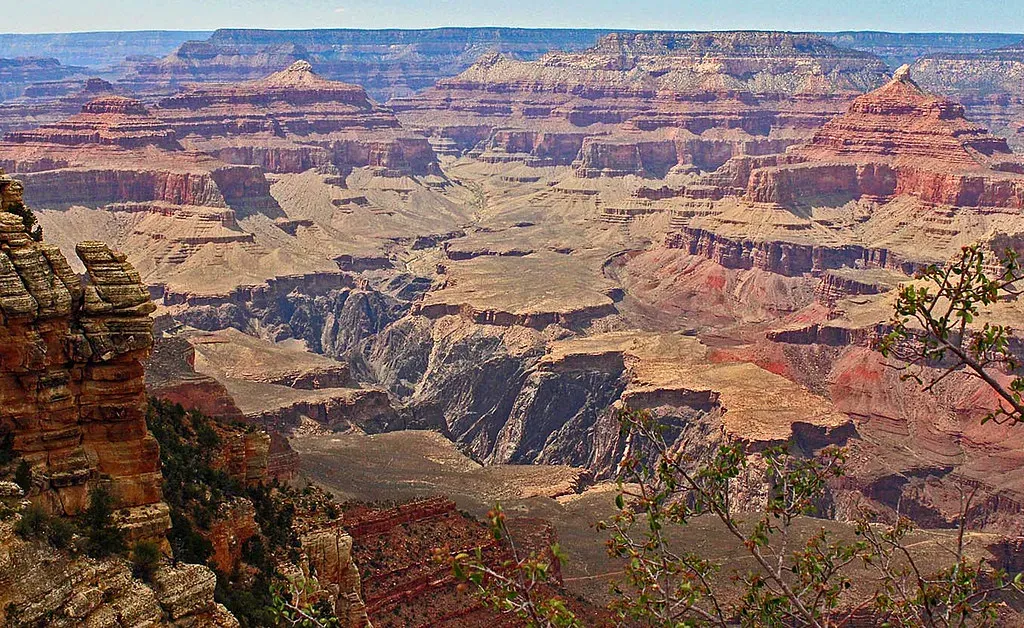
The Grand Canyon is not finished. Though the Grand Canyon feels timeless, it is still changing. The Colorado River continues to carve, floods reshape sandbars, and weather slowly erodes its walls. Every visit offers a snapshot of this ongoing geological process. That is both humbling and thrilling to consider. You are never looking at a finished product.
Geology in the Grand Canyon attracts the attention of the world for many reasons. What is unique about the geologic record here is the variety of rocks present, the clarity with which they are exposed, and the complex geologic story they tell. There is no other place on the planet where so much of Earth’s deep past is so beautifully and accessibly laid bare. Standing at the rim, you are not just a tourist looking at scenery. You are a witness to nearly two billion years of planetary life, all stacked up and waiting to be read.
The next time you peer over that edge, consider this: the rock under your feet is already 270 million years old. Older than every dinosaur that ever walked this Earth. What story would you tell if you could speak that language? What do you think – does knowing the geological story change how you see the canyon?