
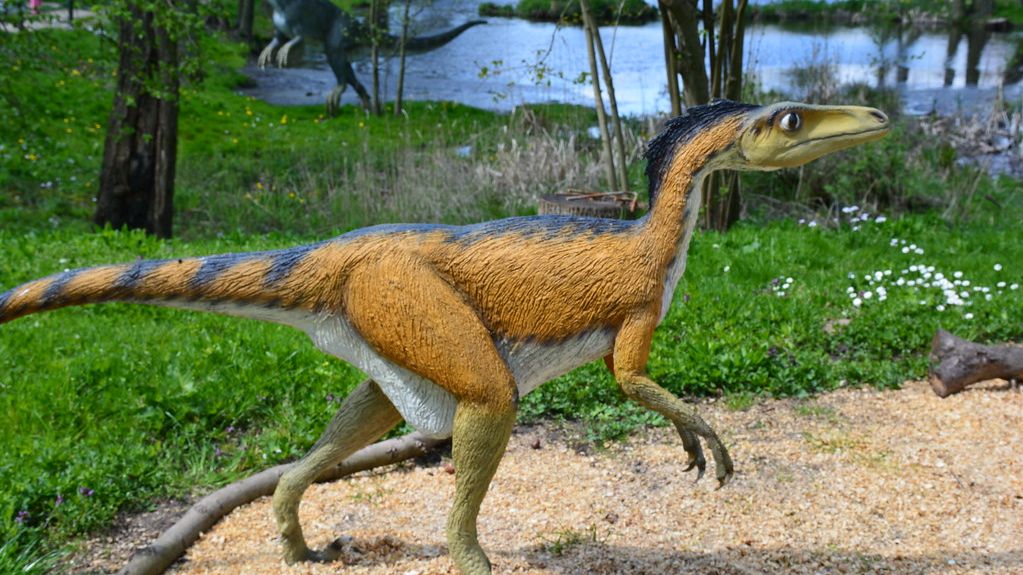
For most of human history, dinosaurs were pictured as lumbering, dim-witted giants with tiny brains and even tinier awareness of the world around them. The classic image, a colossal reptile stumbling through prehistoric swamps with all the cognitive depth of a garden stone, has been deeply embedded in popular culture. But here is the thing: that image is crumbling fast.
Science in recent years has completely reshaped the way you should be thinking about dinosaur intelligence. New research tools, bold new hypotheses, and fiercely contested debates in academic journals have opened a window into prehistoric minds that is surprising, complex, and honestly, a little humbling. Let’s dive in.
The Old Assumption: Dinosaurs Were Basically Dumb
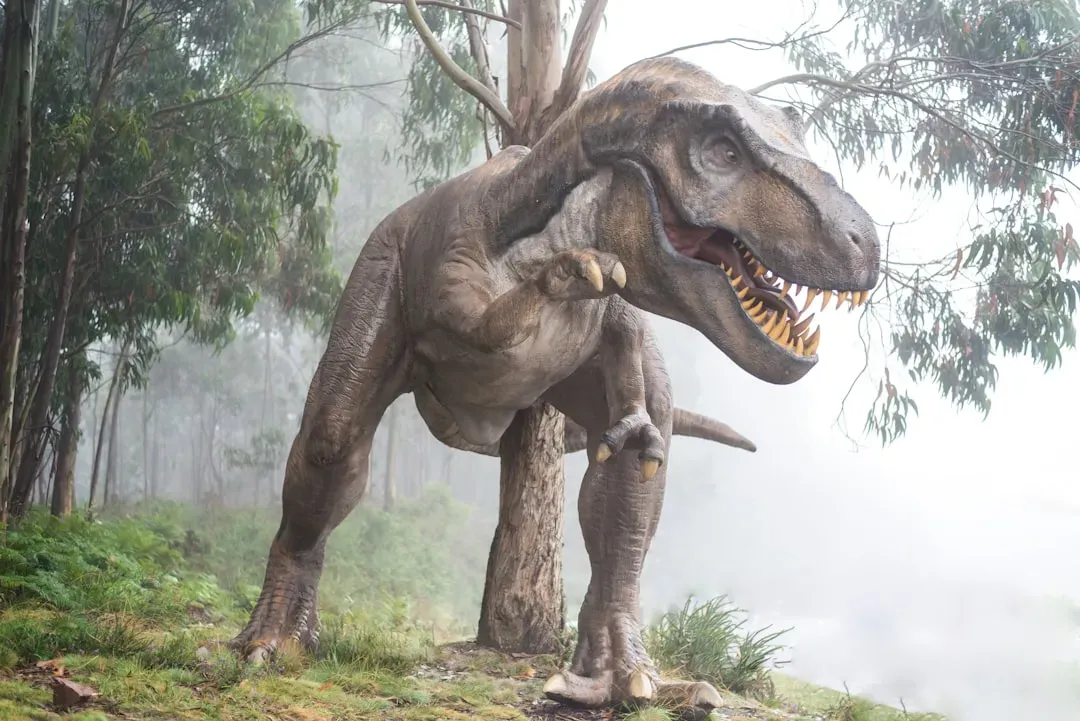
You might be surprised to learn just how recently the “stupid dinosaur” assumption dominated science. Early paleontologists assumed that dinosaurs were unintelligent, based on both the size of their brains in relation to their bodies and because they were considered closely related to reptiles. It was a reasonable starting point, given the tools available at the time, but it turned out to be deeply misleading.
Paleontologists made little progress in understanding dinosaur cognition until the 1970s, when scientists developed a new system for estimating intelligence based on relative brain size, called the encephalization quotient, or EQ. Think of EQ like a brain-to-body ratio scorecard. The higher your score relative to similar animals, the more brain you have left over for thinking beyond basic survival. That shift alone quietly planted the seeds of a scientific revolution that we are still living through today.
CT Scanning: Looking Inside Prehistoric Skulls
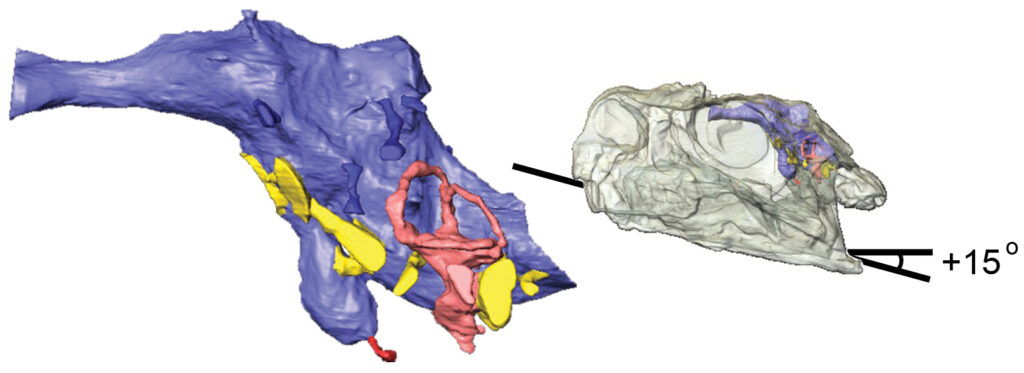
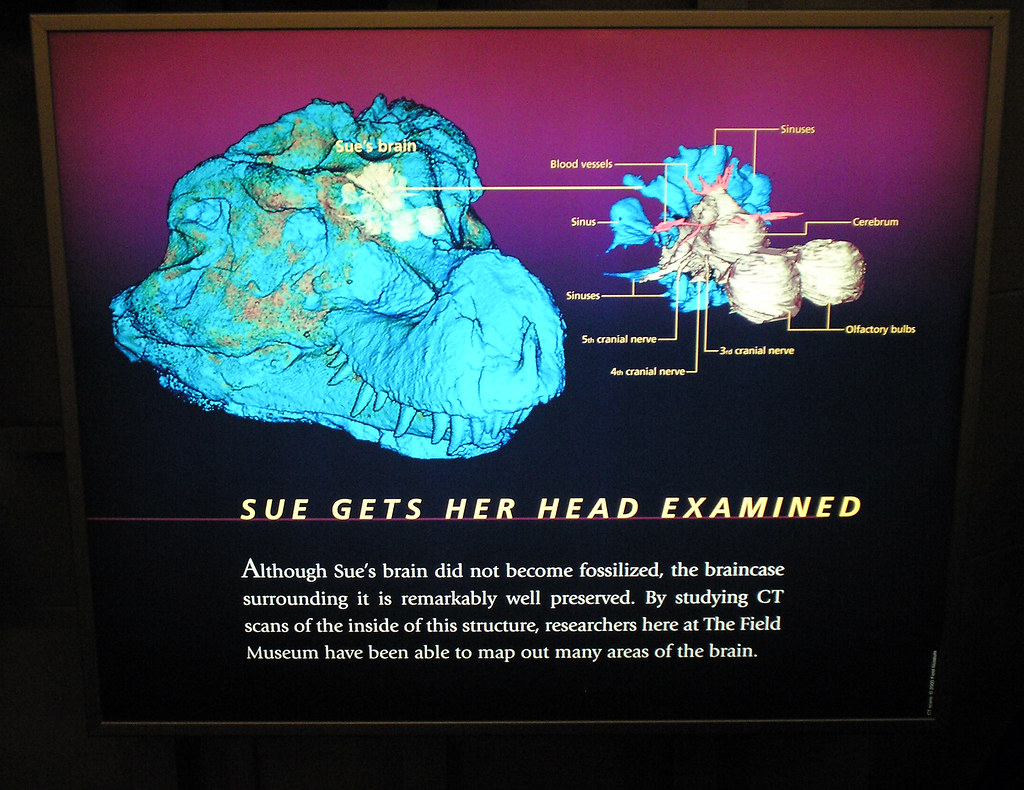
One of the most powerful tools in the modern paleontologist’s toolkit has nothing to do with a chisel and hammer. Modern medical imaging techniques, including computed tomography, or CT scanning, allow paleontologists to create accurate three-dimensional representations of dinosaur cranial anatomy, thus enabling better evaluations of brain size, shape, and function. This is genuinely revolutionary. You are essentially getting a virtual brain reconstruction from something that died tens of millions of years ago.
Virtual models are gradually replacing endocasts, which are internal casts of the skull, as the preferred method for studying the cranial anatomy of extinct animals. Where scientists once had to painstakingly pour plaster into fossil skulls to get a rough shape of the brain cavity, they can now generate detailed 3D maps on a computer screen. CT scans have revealed what the brain of certain dinosaurs would have contained, including the brain cavity, cranial nerves, inner ear, and blood vessels. That level of detail would have seemed like science fiction just a few decades ago.
The Neuron Count Debate That Shook Paleontology
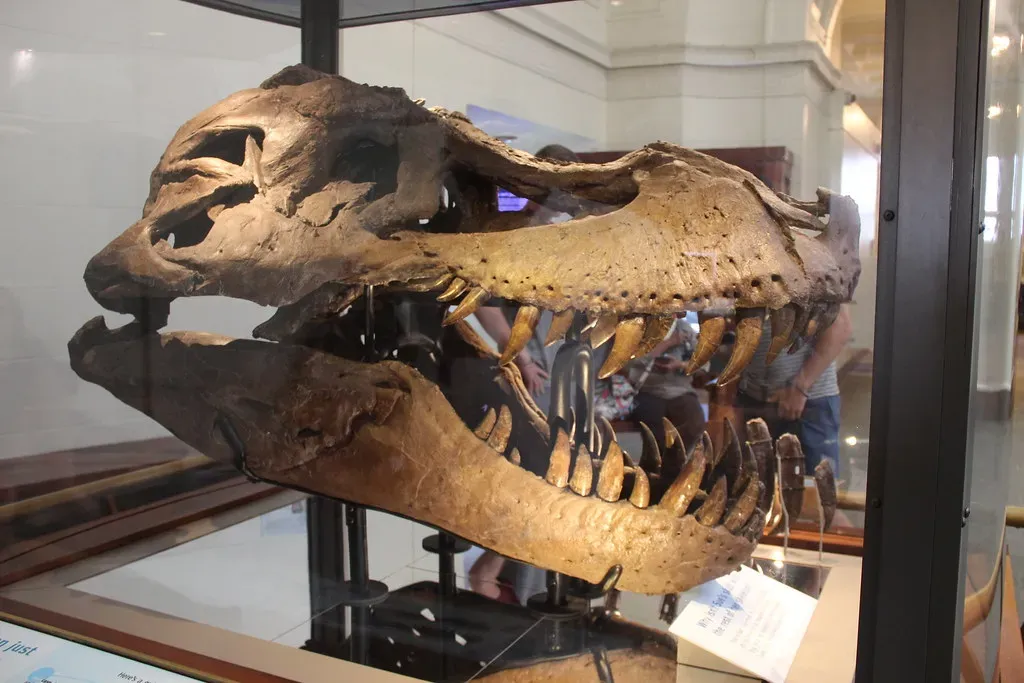
Here is where things get genuinely exciting, and honestly, a little controversial. A landmark study proposed something that turned plenty of heads in the scientific community. According to this analysis, large theropods such as Tyrannosaurus rex were long-lived, exceptionally intelligent animals equipped with “macaque- or baboon-like cognition,” whereas sauropods and most ornithischian dinosaurs would have displayed significantly smaller brains and an ectothermic physiology. If you have ever looked at a T. rex skeleton and felt a chill, that claim probably just made things worse.
However, the pushback was swift and substantial. An international team of palaeontologists, behavioural scientists and neurologists re-examined brain size and structure in dinosaurs and concluded they behaved more like crocodiles and lizards. In a study published earlier, it was claimed that dinosaurs like T. rex had an exceptionally high number of neurons and were substantially more intelligent than assumed. To reliably reconstruct the biology of long-extinct species, the team argues, researchers should look at multiple lines of evidence, including skeletal anatomy, bone histology, the behaviour of living relatives, and trace fossils. In other words, you cannot determine intelligence from neuron counts alone, just like you cannot judge a book by counting its pages.
The Birds Connection: What Living Dinosaurs Tell You
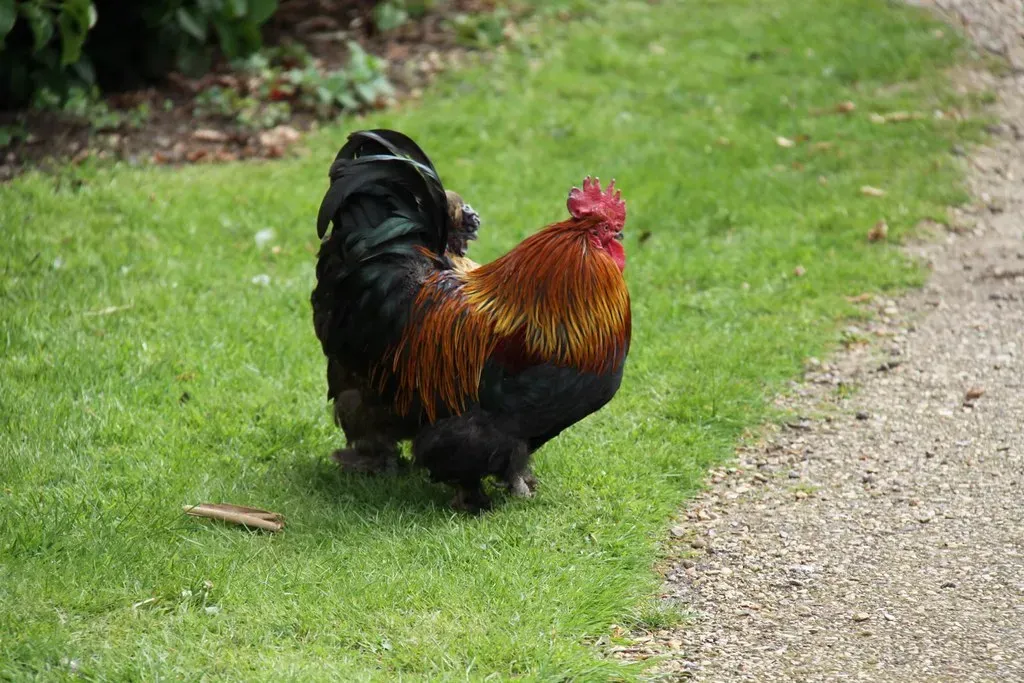
You might be thinking: what do birds have to do with any of this? As it turns out, everything. The realization that birds evolved from theropod dinosaurs led some paleontologists to theorize that dinosaur intelligence might be more appropriately based on studies of avian intelligence and the structure of birds’ brains. This is genuinely one of the most fascinating pivots in all of paleontology. Every time you watch a crow solve a puzzle or a parrot mimic speech, you are watching the cognitive descendants of theropod dinosaurs in action.
The realization that dinosaurs were closely related to birds came about in the late 1970s, urging many paleontologists to reexamine their concepts of dinosaur behavior. In birds, the brain takes up a larger portion of the cranium. Some paleontologists, including researcher Hans Larsson, have theorized that measurements of dinosaur EQ values should be compared to birds rather than reptiles. This single conceptual shift changed the entire playing field, because comparing a Velociraptor to a crocodile may be far less accurate than comparing it to an emu or a hawk.
Sharp Senses: Vision, Smell, and Hearing in Dinosaurs
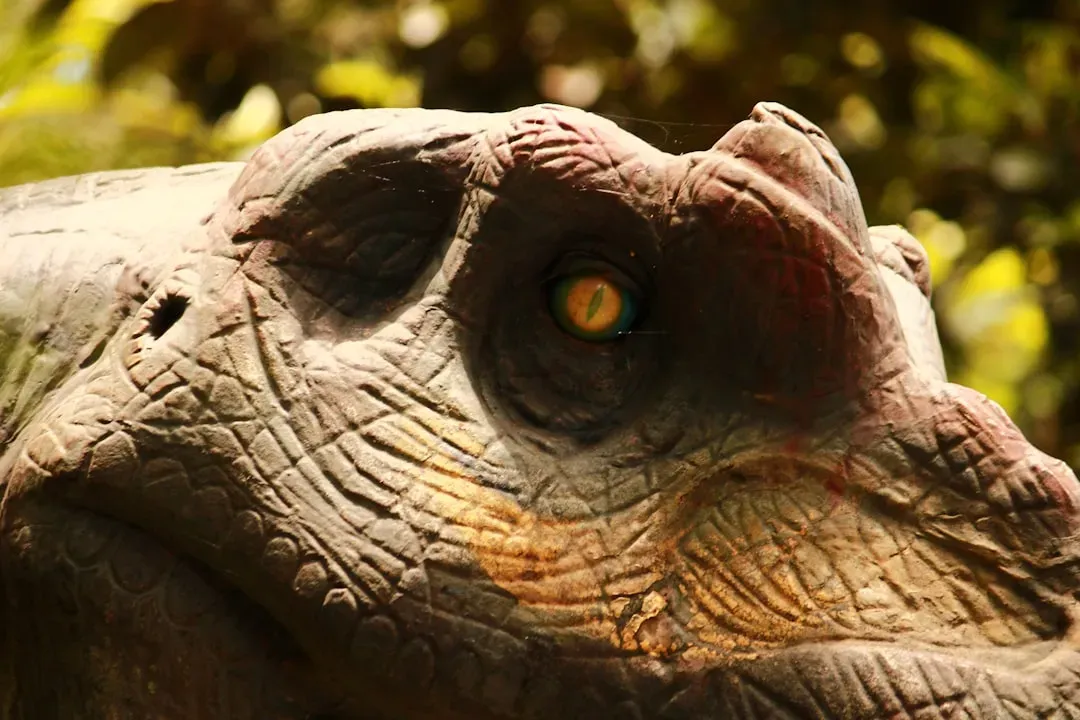
Intelligence is not just about raw brain power. It is also about how richly you experience the world. T. rex brains show unusually large olfactory regions for a dinosaur, indicating the species had an exceptionally keen sense of smell. An adult T. rex had eyes the size of oranges, the largest of any land animal. As is common in predators including raptors like hawks and eagles, the eyes of T. rex faced forward. They were also set wide apart, giving T. rex excellent depth perception to aid in pursuit of prey.
Some dinosaurs had sensory capabilities that frankly sound like something out of science fiction. Nocturnal predation evolved early in the nonavialan lineage Alvarezsauroidea, signaled by extreme low-light vision and increases in hearing sensitivity. The Late Cretaceous alvarezsauroid Shuvuuia deserti had even further specialized hearing acuity, rivaling that of today’s barn owl. This combination of sensory adaptations evolved independently in dinosaurs long before the modern bird radiation and provides a notable example of convergence between dinosaurs and mammals. A dinosaur that could hunt in the dark using barn-owl-level hearing? That is not what the old textbooks had in mind.
Social Lives and Herding: Smarter Than You Think
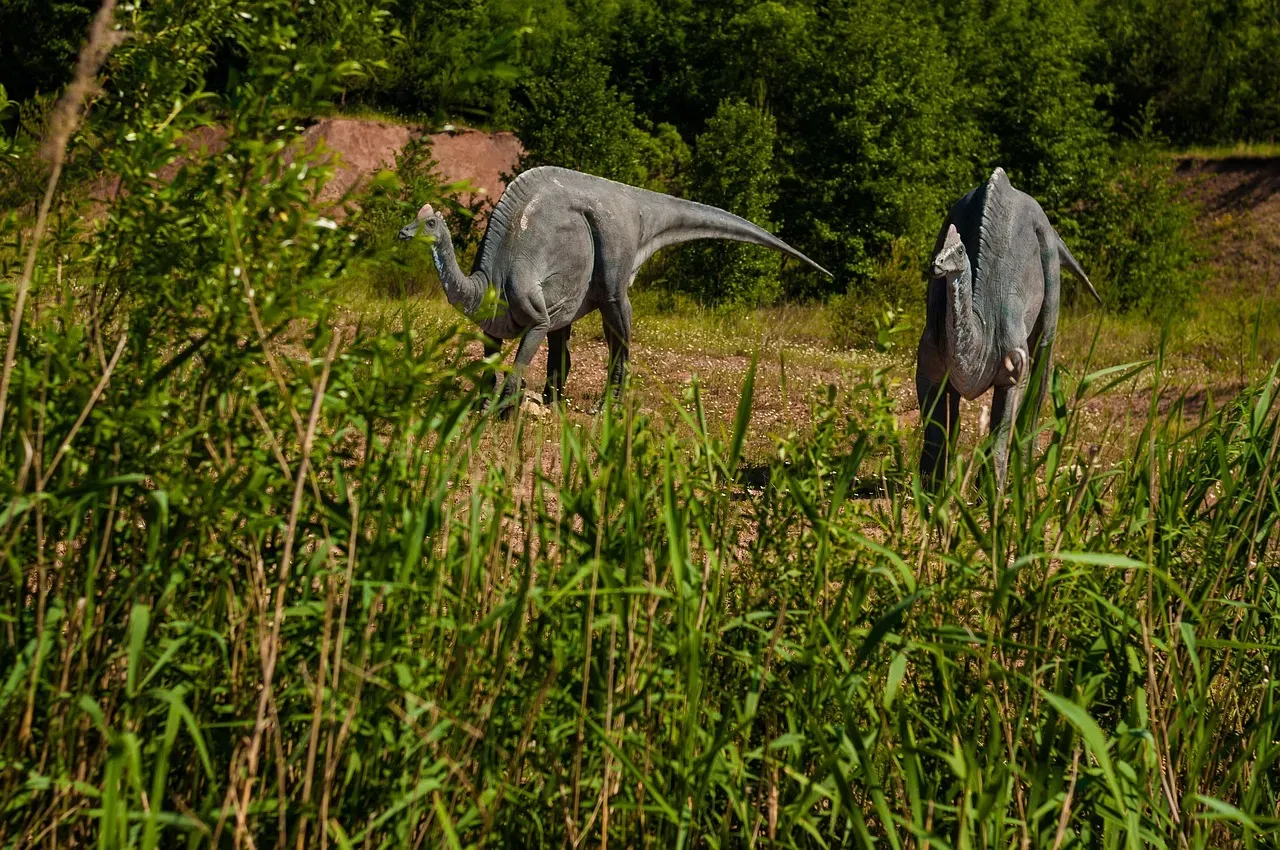
Intelligence does not live in isolation. It shows up in behavior, especially social behavior. Trackways of hundreds or even thousands of herbivores indicate that duck-billed hadrosaurids may have moved in great herds, like the American bison or the African springbok. Coordinating movement across a herd that large requires more than pure instinct. It implies some form of shared awareness, communication, and response to collective signals.
Research dated ancient sediments among fossils and determined that one dinosaur herd dates back to around 193 million years ago, during the early Jurassic period. The team’s results represent the earliest evidence of social herding among dinosaurs. The discovery and study of dinosaur nesting sites has indicated that theropod, sauropod and ornithopod dinosaur species also nested in groups and engaged in maternal care of hatchling dinosaurs, with some evidence suggesting bi-parental care. Parental care of offspring is generally understood to be a hallmark of more cognitively capable animals. The idea that certain dinosaurs may have raised and protected their young is both compelling and, honestly, kind of moving.
Troodon and the Question of What Could Have Been
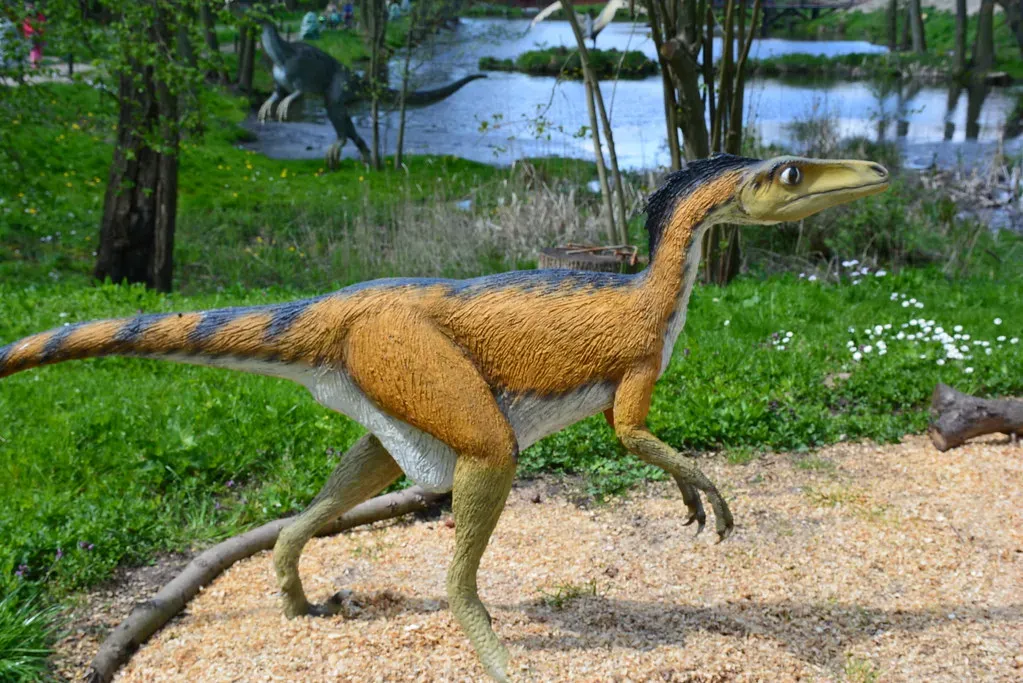
Of all the dinosaurs caught up in the intelligence debate, Troodon holds a special place. I think this species might be the most thought-provoking animal that ever walked the Earth. Based on eye position and size, Troodon and other dromaeosaurid dinosaurs must have had keen stereoscopic vision. Additionally, these dinosaurs had long arms and large hands with fingers that appear to have been capable of grasping objects.
Noting that some theropod dinosaurs had large brains, large grasping hands, and likely binocular vision, paleontologist Dale Russell suggested that a branch of these dinosaurs might have evolved to a human intelligence level, had dinosaurs not become extinct. It is hard to say for sure how far that path might have led, but the traits that Russell identified, forward-facing eyes, grasping hands, enlarged brain, are suspiciously familiar. While Reiner did not completely reject the idea that dinosaurs could have a level of intelligence beyond what has been perceived for decades, he believed it to be unlikely that they could have evolved cognitive abilities comparable to humans. Still, the fact that scientists are even asking this question seriously says everything about how far the field has come.
Conclusion: Rethinking the Prehistoric Mind
The story of dinosaur intelligence is still being written, and with every CT scan, every trackway analysis, and every contested journal paper, the picture grows richer. While debates continue regarding the best methods to assess intelligence, whether through absolute or relative brain size, the consensus is that dinosaurs exhibited a range of cognitive abilities, making them some of the most complex animals of their time. That is a far cry from the dim-witted swamp giants of old.
What is clear from research is that dinosaurs were among the most complex and intelligent animals in the Mesozoic, and their ancestors, the birds, have evolved into some of the most intelligent animals in the modern world. You are, in a sense, already surrounded by the cognitive heirs of these ancient creatures. Every crow that figures out a traffic-light trick, every parrot that remembers your name, every hawk riding thermals overhead, they are all carrying a piece of that ancient story forward.
The next time someone calls a dinosaur stupid, you now have rather a lot to say about that. What does it change for you, knowing that the ancient rulers of the Earth were far more switched-on than we ever gave them credit for?