
There is something quietly humbling about realizing that the environmental solutions the modern world is desperately searching for were already figured out thousands of years ago. Long before terms like “carbon footprint,” “regenerative agriculture,” or “ecological stewardship” entered our vocabulary, Indigenous communities across the Americas were quietly living them out, in practice, in ceremony, and in daily life.
You might assume sustainability is a modern invention – a response to industrial excess. It is not. The ancient tribes of America were operating according to deeply sophisticated ecological principles, many of which today’s most advanced environmental scientists are only beginning to properly understand. What they built, what they protected, and what they passed down is nothing short of remarkable. Let’s dive in.
A Worldview That Changed Everything: Nature as a Sacred Relative
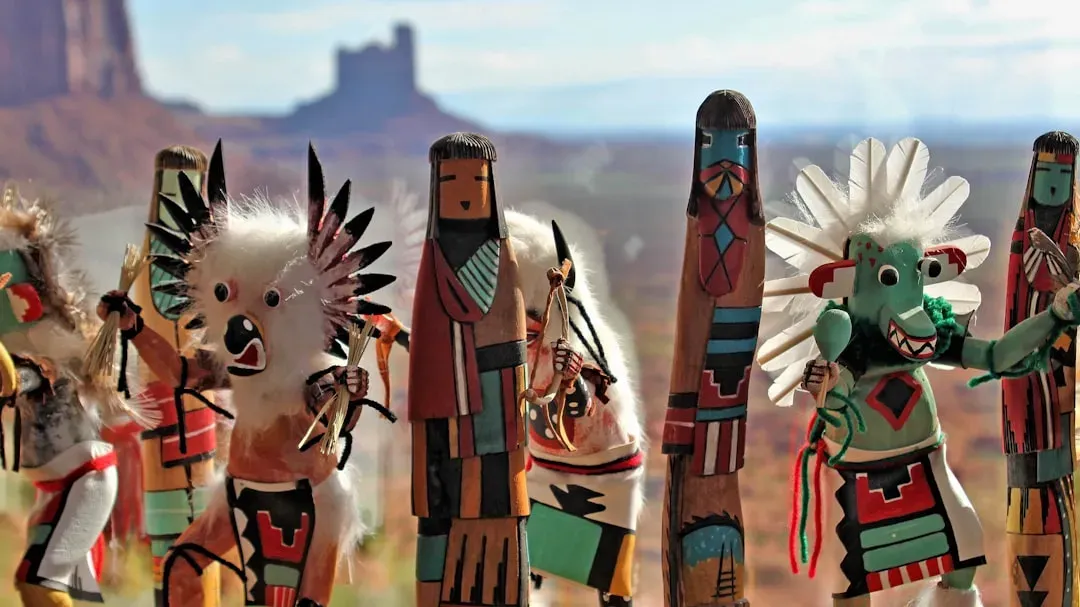
Here’s the thing – most ancient cultures around the world viewed the natural world as something to be conquered or tamed. Not so with the Indigenous peoples of the Americas. For thousands of years, Native American communities lived in harmony with the natural world, guided by spiritual, cultural, and practical understandings that viewed the Earth not as a resource to be exploited, but as a sacred relative – alive, intelligent, and worthy of deep respect. That is a fundamentally different starting point from anything Europe had to offer.
Native Americans possessed a unique understanding of the interconnectedness of all living beings and the environment, viewing nature as a web of relationships in which every element had a crucial role. This holistic approach to land and resources implied a deep respect for the Earth and its systems, emphasizing sustainability over exploitation. Think of it like this: if you view the forest as your grandmother rather than a timber stock, you simply do not overcut it. The spiritual framing was, in many ways, the most effective environmental policy ever devised.
Many Indigenous cultures across North America viewed the land as a relative, not a possession. As the Haudenosaunee (Iroquois) taught, decisions must consider how actions would affect the Earth seven generations ahead – a principle of remarkable restraint and stewardship. That kind of long-range thinking makes even our best modern policy frameworks look short-sighted.
The Three Sisters: An Ancient Farming Genius That Still Holds Up Today
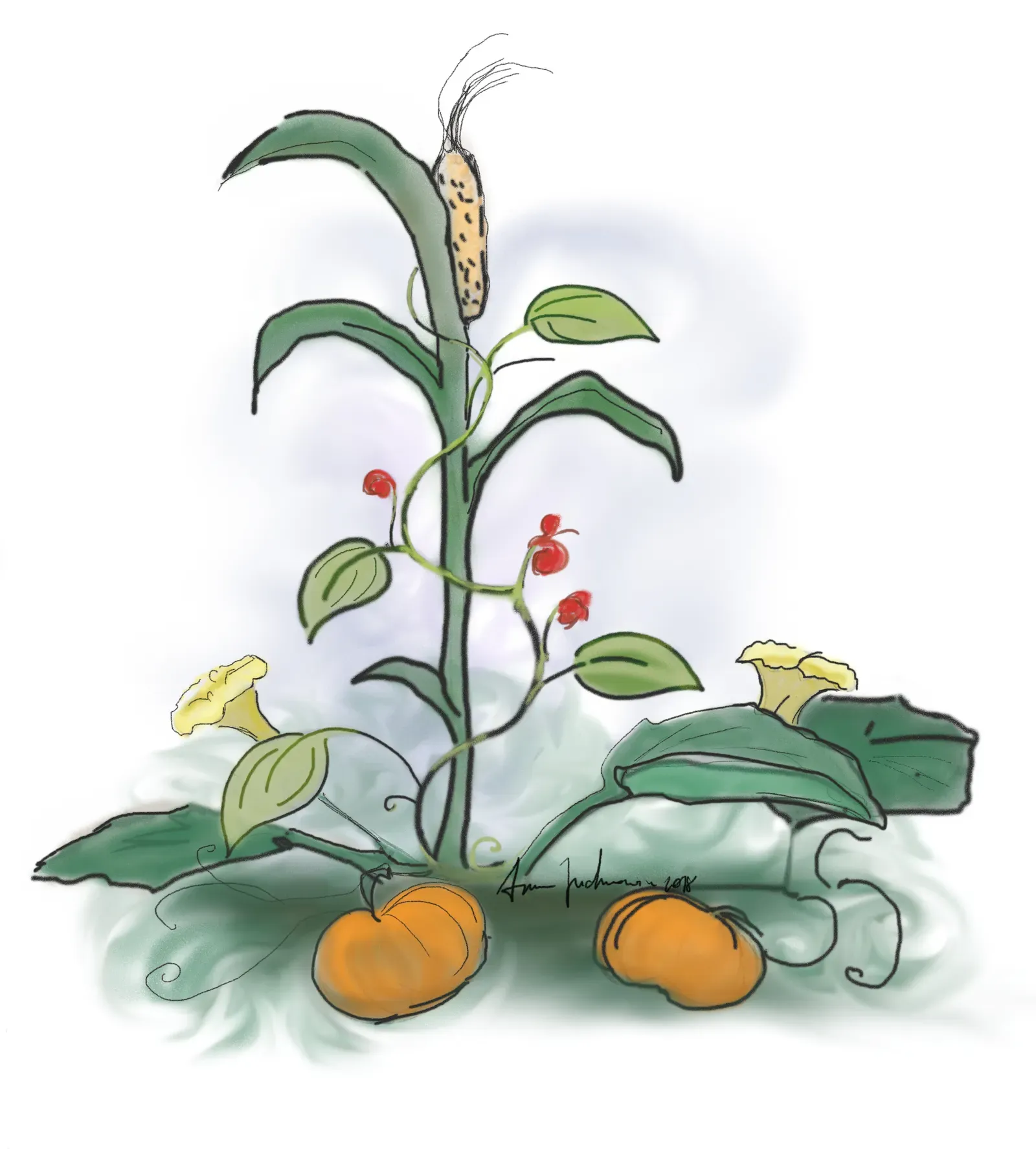
Honestly, if you study the Three Sisters planting system and are not a little amazed, you might need to read it again. At the heart of Native American gardening beats the Three Sisters – corn, beans, and squash – a companion planting method that is as elegant as it is efficient. This technique, practiced by tribes like the Cherokee, Iroquois, and Navajo, embodies symbiosis: each plant supports the others, creating a self-sustaining micro-ecosystem.
A combination of corn, beans, and squash was cultivated extensively by the Iroquois in the Northeast. In this system, the corn stalks provided a natural trellis for the beans to grow on, which in turn helped the corn grow by adding nitrogen to the soil. At the same time, the squash vines acted as a “living mulch” that maintained soil moisture and prevented weeds from growing. That is a complete, self-regulating agricultural system – no synthetic fertilizer, no herbicide, no irrigation system required. Modern permaculture is essentially trying to rediscover what was already perfectly understood.
By planting species that accumulated or fixed nitrogen and other vital nutrients to the soil, Native Americans overcame a main limiting factor in plant growth. It sounds simple but it took Western agricultural science centuries to arrive at the same conclusion – and even now, it is not universally applied.
Controlled Burns: How Indigenous Tribes Managed Entire Landscapes
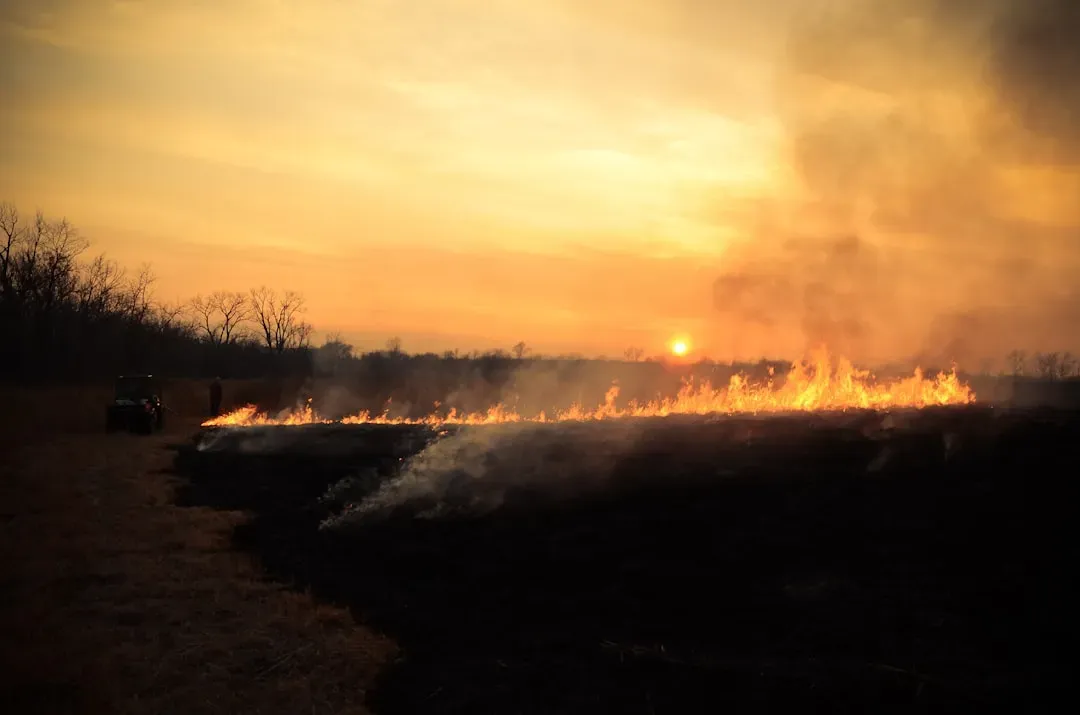
Before the arrival of European settlers, Native tribes had complex systems of land stewardship that included controlled burns, rotational harvesting, seed saving, and the cultivation of food forests. The use of fire in particular was not random or careless – it was precise, intentional, and based on generations of observed knowledge. You could argue it was the original landscape architecture.
Traditional land management adopted a familiar medicinal model and used fire as medicine that attended to the health of the land and the needs of the people. Traditional ecological knowledge encompassed a comprehensive familiarity with fire’s biogeochemical cycling and the scale of its effects on forest population dynamics. Tribes understood that a well-timed fire could renew grasslands, encourage new plant growth, reduce the risk of catastrophic wildfires, and create habitat for game animals – all at once. That is not primitive. That is sophisticated ecosystem management.
Swidden agriculture involved selectively burning forests to use ash as a fertilizer for crops and promote regeneration over time. This practice resulted in forests that emerged after colonial practices removed Indigenous populations from their land – forests that to this day cover land in Wisconsin, Illinois, and the Texas Hill Country. The forests you admire today in those regions? You can thank Indigenous land management for them.
Water Stewardship: Engineering Solutions Built to Last Millennia

Let’s be real – water management is one of the greatest challenges facing the world in 2026, with droughts intensifying across entire continents. What is remarkable is that ancient American tribes were solving these exact problems thousands of years ago, with elegant, low-impact solutions that actually worked over the long term. The Hohokam tribe in Arizona dug and maintained canals as an irrigation system to facilitate farming in a relatively arid climate. Similarly, the Pueblo peoples used light dams to prevent deep ruts and gullies from forming and redirect water for agricultural and other purposes.
In New Mexico, Pueblo tribes like the Taos revived ancient acequias – irrigation ditches – for sustainable water sharing, combating drought. These communal water-sharing systems distributed access fairly, prevented overuse, and were maintained collectively by the community. There is a lesson in civic responsibility buried in that simple ditch. Water stewardship was essential to Indigenous practices, and many Indigenous nations long protected watersheds by maintaining riparian plants, monitoring fish populations, and managing seasonal flows.
Traditional Ecological Knowledge: The Science That Was Never Written Down
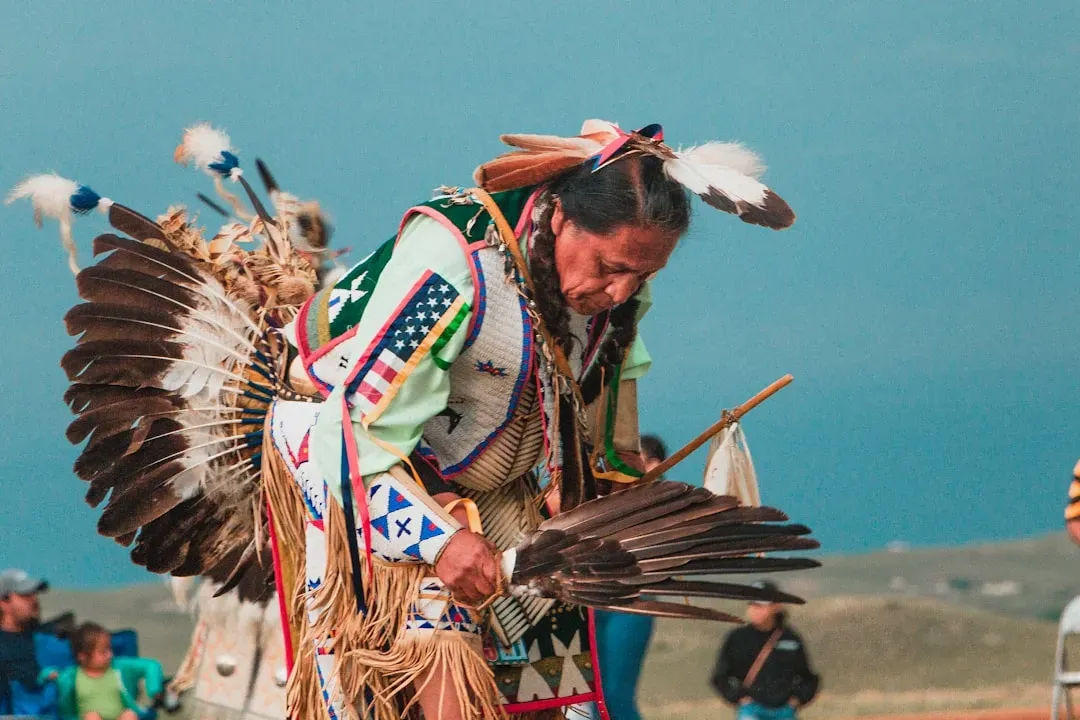
It is hard to say for sure how much knowledge has been lost, but what survived is extraordinary. Traditional ecological knowledge is a practice that promotes environmental stewardship and sustainability through relationships between humans and environmental systems that have evolved over millennia, continue to evolve, and have been passed from generation to generation. Think of it like an open-source operating system for living on a specific piece of land – refined, tested, and updated across hundreds of human lifetimes.
Traditional Ecological Knowledge plays a critical role in shaping sustainable practices among Native American tribes by integrating centuries-old wisdom into modern ecological management. It encompasses insights about local ecosystems, seasonal cycles, and species behavior passed down through generations. This knowledge allows tribes to develop practices that are not only environmentally sustainable but also culturally relevant, enhancing biodiversity and resilience in their environments.
The native peoples of the Americas have a long and rich history of striving to understand the natural environment. Their traditional ecological knowledge includes everything from oral narratives describing hunting practices to observations about abundant or scarce natural resources and the migration patterns of wildlife. Much of this knowledge, passed through story, song, and ceremony rather than written record, carries the equivalent weight of documented scientific literature – and in many cases, far more practical accuracy.
Reciprocity and Restraint: The Ethics Behind Sustainable Harvesting
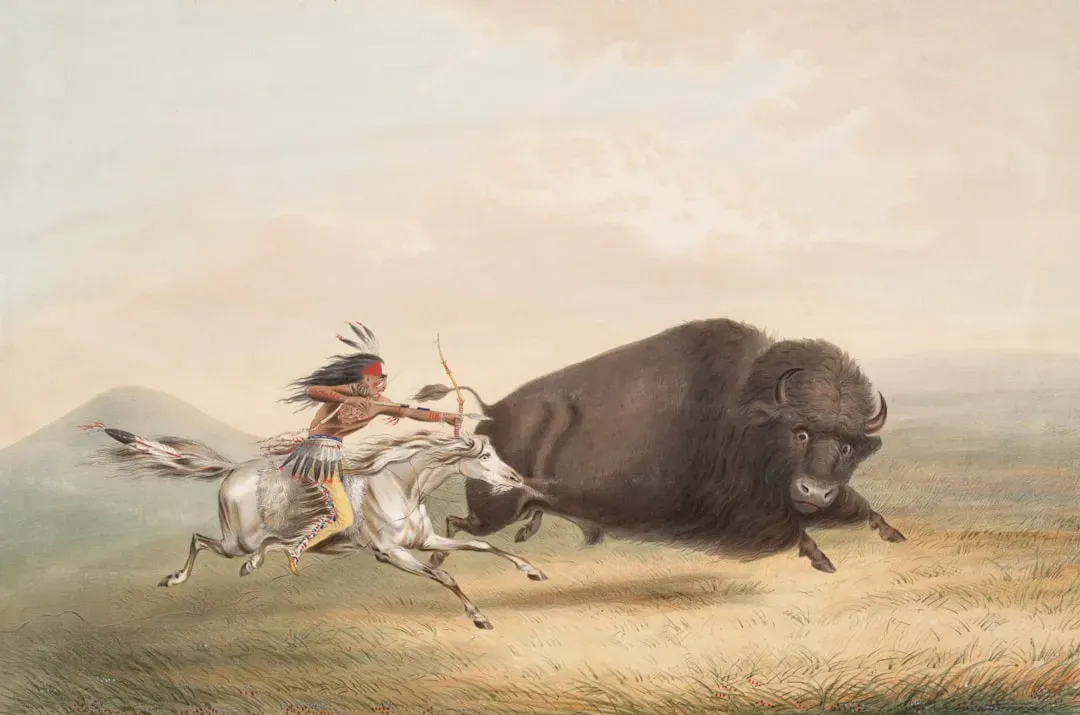
You have probably heard the phrase “take only what you need.” For ancient American tribes, this was not a bumper-sticker sentiment – it was a fundamental operating principle woven into law, ceremony, and daily habit. One of the key principles of Native American sustainability was the idea of “reciprocity” – the understanding that humans are part of, rather than separate from, the natural world. Native Americans long held a deep respect for the land and its resources, viewing themselves as stewards of the earth rather than owners of it.
Fishing and hunting practices were often regulated through traditions that ensured populations remained healthy and sustainable, avoiding depletion of resources. The respect for wildlife and plants in Native American traditions often included ceremonies and rituals that acknowledged their significance and importance in sustaining ecological balance. These were not arbitrary spiritual performances – they were mechanisms of accountability, ensuring no single community member took more than the ecosystem could replenish.
Native Americans hunted in the fall after baby season and gave thanks and respect to animals for their contribution to their lives. They did change their ecological niches to some extent – clearing areas for houses and fields – but these changes were on a small scale, and when a tribe moved to a new location, the land reclaimed itself in a short time. That level of ecological humility is something the industrial world is still struggling to learn.
Conclusion: Ancient Wisdom for a Modern Crisis
There is something almost ironic about the fact that in 2026, with wildfires burning longer, droughts deepening, and soil degradation accelerating across the globe, the world is urgently looking for solutions – many of which already existed for thousands of years. Caring for the Earth has not just been a priority since the age of our warming climate, but one that has been present in Indigenous communities for centuries as the preemptive work to protect our forests, rivers, plains, oceans, and mountains long before climate change became a crisis.
Many Indigenous traditional practices are rooted in a deep understanding of and respect for ecological systems and promote sustainable resource use. These practices have a minimal impact on the environment and are highly adaptive to ecological changes, fostering healthy and resilient ecosystems. Because of their ecological knowledge, which is intergenerational and community-based, Indigenous Peoples were among the first to notice the early signs of climate change. Now more than ever, as the climate crisis intensifies, their knowledge and practices offer valuable climate solutions that can advance mitigation efforts, enhance adaptation strategies, and build resilience.
The ancient tribes of the Americas were not living primitively – they were living intelligently, with a level of ecological sophistication that our modern world is only just beginning to genuinely respect. Their practices were not accidental. They were the product of deep observation, communal accountability, and a spiritual ethic that placed the health of the Earth above individual profit. That is not ancient history. That is a blueprint. The real question worth sitting with is this: what would the world look like today if we had been paying attention all along?