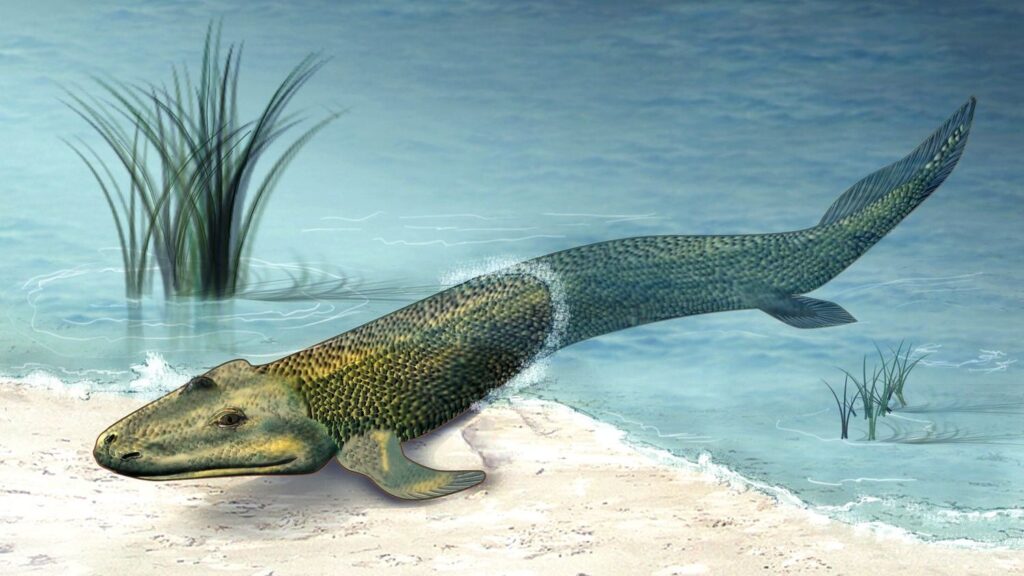
Imagine standing on a beach roughly 375 million years ago. The ocean nearby is teeming with life, but the land is largely silent, a barren stretch of rock and soil. Then, something extraordinary begins to happen. A creature pulls itself from the water. If you had been there to witness it, you probably wouldn’t have believed what you were seeing. Evolution is often imagined as slow and predictable, a gentle river flowing steadily in one direction. The reality, though, is far wilder.
The history of prehistoric life is littered with moments that defy expectation, twists so dramatic they almost seem scripted. From microscopic chemistry experiments in ancient oceans to the sudden riot of complex animals that erupted across the seafloor, life on Earth has never played by anyone’s rules. Get ready to have some assumptions turned upside down. Let’s dive in.
1. The Great Oxygenation Event: When Breathing Became a Thing
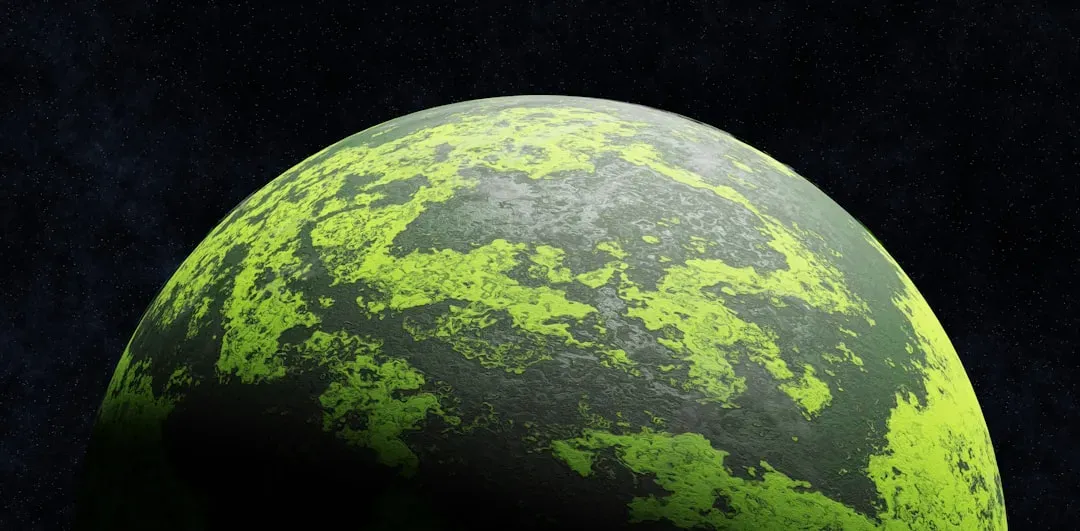
Here’s a fun thought experiment. What if the most catastrophic pollution event in Earth’s history was actually the reason you are alive right now? That is exactly what happened roughly 2.4 billion years ago. The evolution of photosynthesis by cyanobacteria, around 3.5 billion years ago, eventually led to a buildup of its waste product, oxygen, in the oceans. For billions of years, that waste product just kept piling up.
Oxygen, once toxic to many forms of life, began to accumulate in the atmosphere, creating a new environment, and the rise in oxygen levels actually triggered one of the first mass extinctions in Earth’s history. Many of the early anaerobic organisms, which could not survive in an oxygen-rich atmosphere, were simply wiped out. Yet this same catastrophe cracked the door wide open. In response to this changing environment, life began to evolve new mechanisms to cope with oxygen, and some organisms developed the ability to use oxygen in their metabolism, leading to a more efficient form of energy production known as aerobic respiration. In other words, one creature’s poison became every complex life form’s fuel.
2. The Cambrian Explosion: Life Goes from Zero to Everything
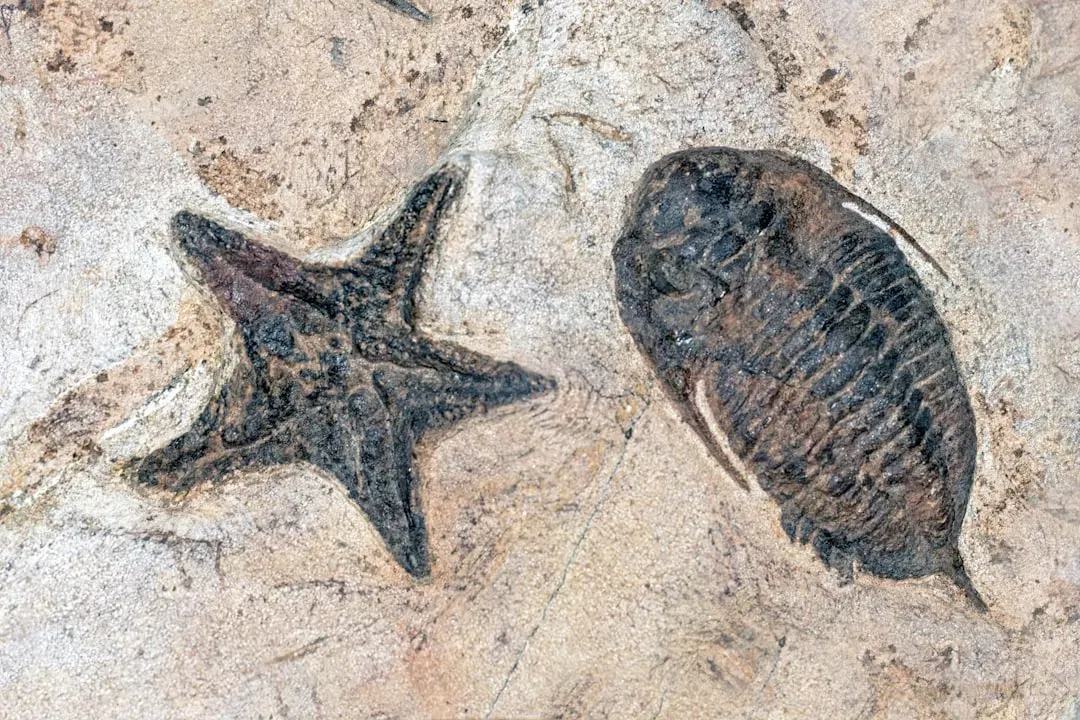
Let’s be real. If you had to name one moment when evolution truly lost its mind, this would be it. The Cambrian explosion is an interval of time beginning approximately 538.8 million years ago in the Cambrian period of the early Paleozoic, when a sudden radiation of complex life occurred and practically all major animal phyla started appearing in the fossil record, lasting for about 13 to 25 million years. To put that in perspective, that window of time represents less than half of one percent of Earth’s total history, yet it produced the blueprint for virtually every animal alive today.
Before early Cambrian diversification, most organisms were relatively simple, composed of individual cells or small multicellular organisms occasionally organized into colonies. As the rate of diversification accelerated, the variety of life became much more complex and began to resemble that of today. Think of it like a city that was an empty field on Monday and by Friday had skyscrapers, parks, highways, and an entire subway system. It may be that oxygen in the atmosphere, thanks to emissions from photosynthesizing cyanobacteria and algae, were at levels needed to fuel the growth of more complex body structures, and the environment also became more hospitable with a warming climate and rising sea levels. The exact trigger still fascinates scientists today.
3. The First Eye: When Life Learned to See
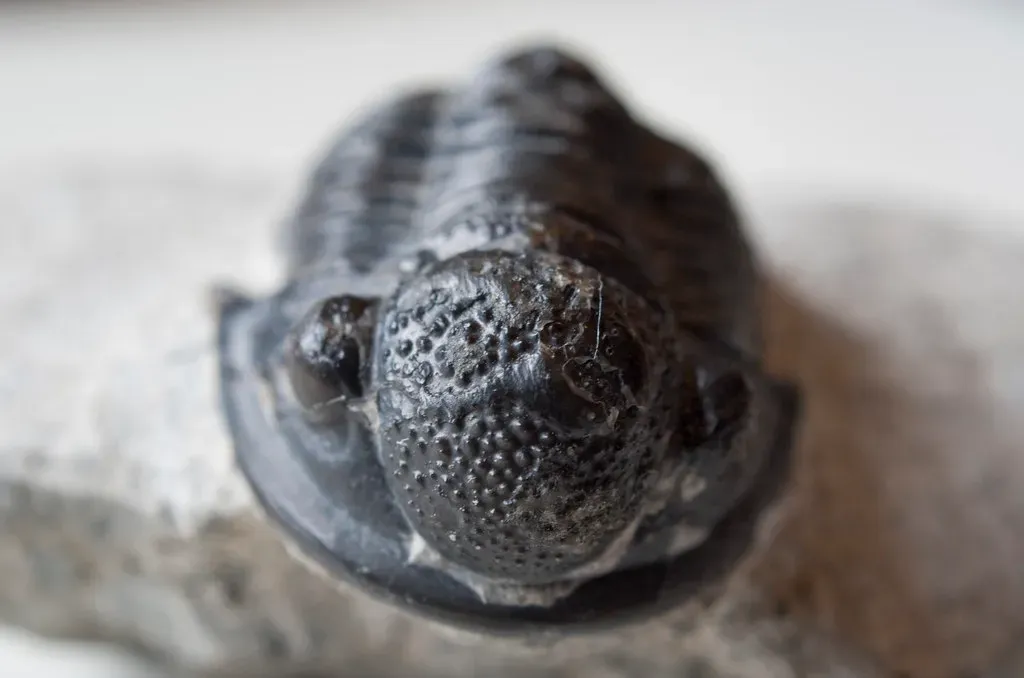
You have two eyes reading this right now, and honestly, you should feel grateful for the improbable chain of events that produced them. Five hundred million years ago, previously eyeless distant ancestral creatures suddenly developed eyes, thereby marking a dramatic leap in evolution, and what enabled those ancestors to suddenly evolve eyes has been a long-unresolved great mystery in the history of life. Before that turning point, the oceans were populated by creatures that drifted and fumbled through a world of chemical signals and touch. The arrival of vision rewired the rules of survival completely.
The eye, a light receptor that makes an image, has evolved independently more than two dozen times, not only in animals on Earth but in protists such as the dinomastigote Erythropsodinium. Honestly, that number is staggering. Evolution found the “eye solution” over and over again, in wildly different lineages, suggesting that vision is one of the most powerful survival tools imaginable. Once sight appeared, an evolutionary arms race of predation and evasion lit up the prehistoric world like a signal flare. Nothing would ever be quite so simple again.
4. Life Invades the Land: The Walk That Changed Everything
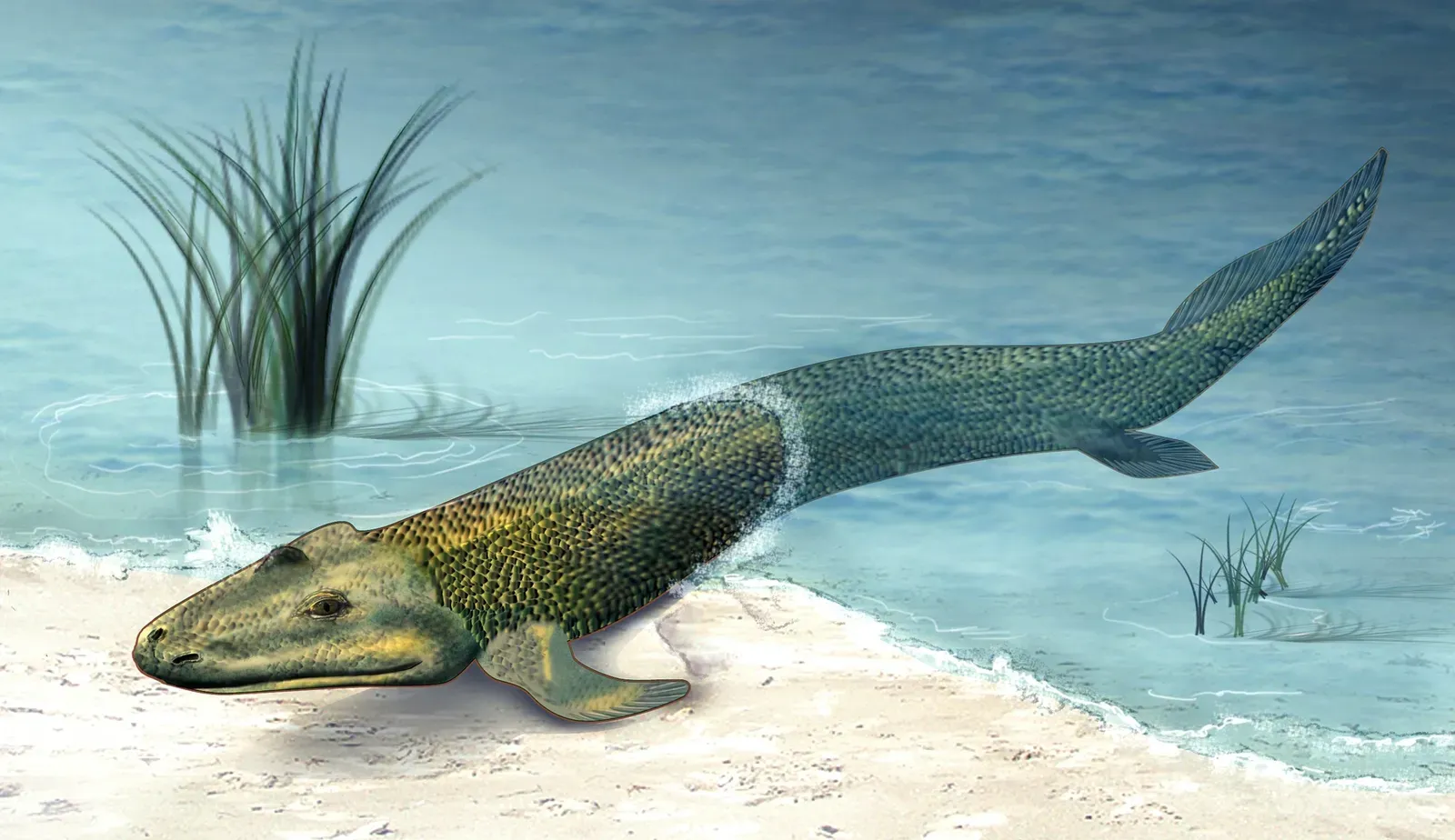
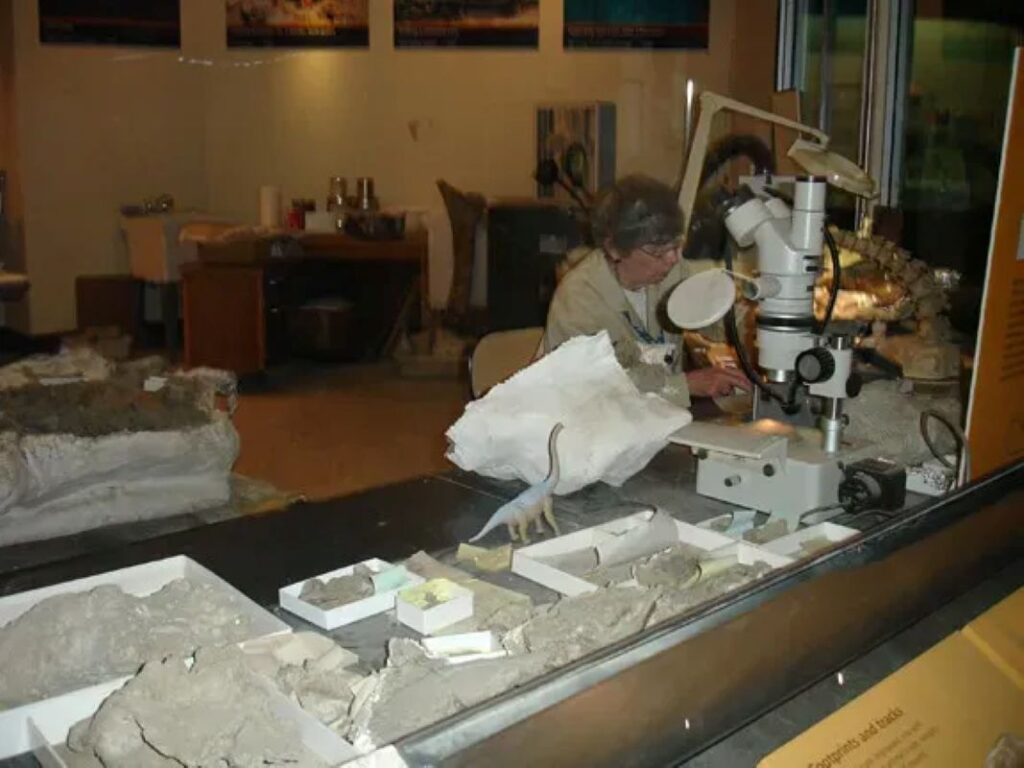
http://nsf.gov/news/mmg/mmg_disp.cfm?med_id=58310
http://nsf.gov/news/news_summ.jsp?cntn_id=106807
https://flickr.com/photos/nsf_beta/3705198718, Public domain)
The transition from water to land is perhaps the single boldest evolutionary gamble ever taken. The transition of life from the aquatic realm onto land represented one of the fundamental episodes in the evolution of the Earth that laid down the foundations for modern ecosystems as we know it today, and this key transition is poorly known owing to the scarcity of ancient terrestrial fossil deposits. What makes this moment so extraordinary is just how much had to go right at once, from breathing air, to supporting body weight against gravity, to preventing desiccation.
By the Silurian-Devonian, the fossil record attests to arthropods becoming the first animals to colonize land, though a growing body of molecular dating and palaeontological evidence suggests that the three major terrestrial arthropod groups, as well as vascular plants, may have invaded land as early as the Cambrian-Ordovician. That means life may have been creeping onto the shore even earlier than you were taught. So many intermediate forms have been discovered between fish and amphibians, between amphibians and reptiles, between reptiles and mammals that it often is difficult to define these transitions precisely. The line between sea and land turned out to be less of a wall and more of a permeable membrane.
5. The Rise of the Eukaryotic Cell: The Merger That Built You
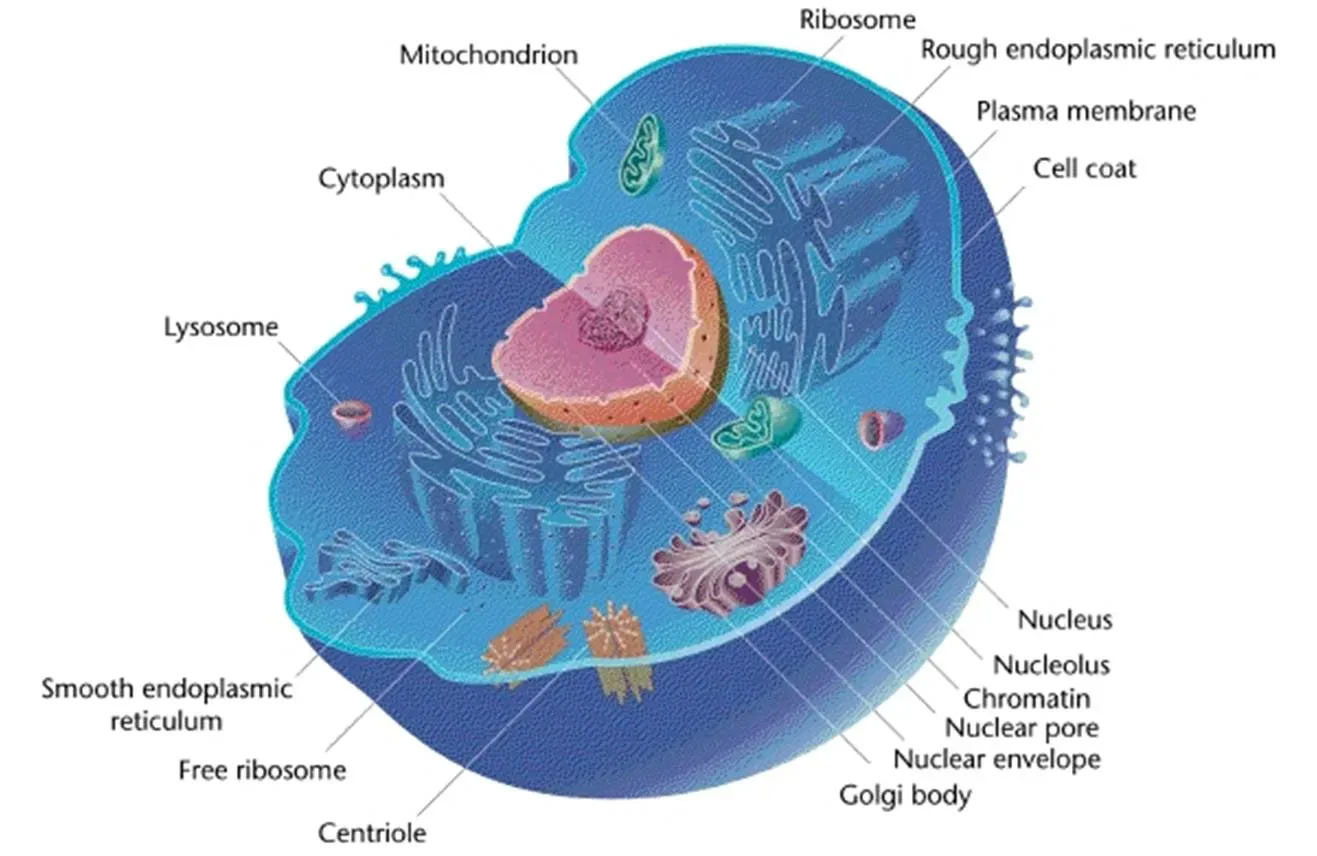
Here is something that genuinely blows the mind. Every single cell in your body is a product of one of the most unlikely corporate mergers in natural history. The earliest evidence of eukaryotes, complex cells with organelles, dates from 1.85 billion years ago, likely due to symbiogenesis between anaerobic archaea and aerobic proteobacteria in co-adaptation against the new oxidative stress. In plain terms, one microbe essentially moved inside another and, instead of being digested, became a permanent resident.
While eukaryotes may have been present earlier, their diversification accelerated when aerobic cellular respiration by the endosymbiont mitochondria provided a more abundant source of biological energy. Think of mitochondria as the power plants that were once free-roaming bacteria, later absorbed and domesticated by a host cell. Without that accidental merger, there would be no plants, no fungi, no animals, and certainly no you sitting here reading this. The oldest evidence of more complex organisms, eukaryotic cells, has been discovered in fossils sealed in rocks approximately 2 billion years old, and multicellular organisms, the familiar fungi, plants, and animals, have been found only in younger geological strata. The timing of that merger, in geological terms, is remarkably recent.
6. When Dinosaurs Gave Rise to Birds: Feathers Before Flight
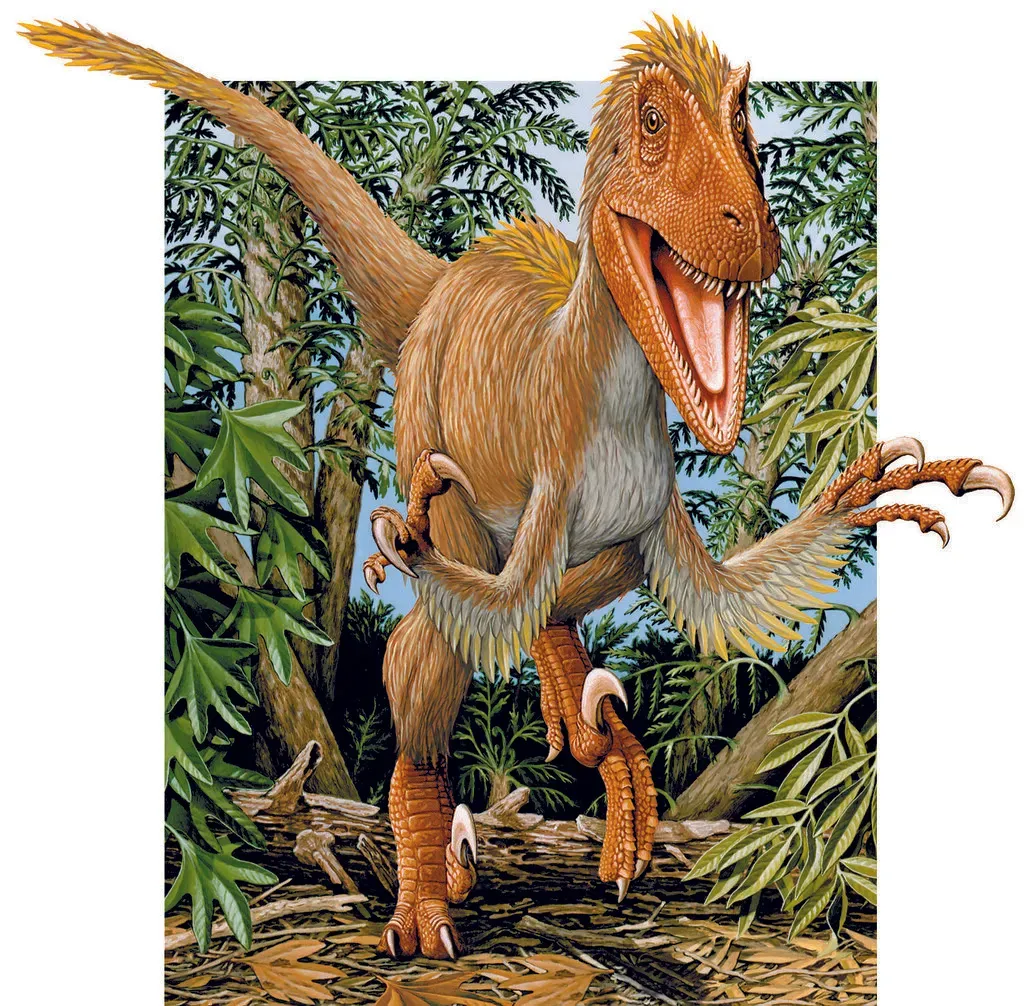
If someone told you that a T. rex and the sparrow outside your window share an ancestor, you’d probably raise an eyebrow. Yet the evidence is overwhelming. Millions of years before modern birds evolved, their dinosaur ancestors were soaring through the air. What makes this transition so unexpected is how piecemeal it was. Feathers, it turns out, did not evolve for flight at all.
Finding out exactly when feathers evolved, and which animals had them, could offer important new insights into the distant past. Current fossil evidence suggests feathers were originally used for insulation or display, long before any creature attempted to catch air with them. A creature from this headache-inducing period of animal evolution, the Ichthyornis dispar, is a missing-link type animal known as a “stem bird” because it straddles the line between dinosaur and bird. The discovery of such transitional creatures keeps rewriting what you thought you knew about the boundary between reptile and avian. It is one of the most stunning slow-motion transformations in all of natural history.
7. The Permian Mass Extinction: Life’s Near-Total Reset
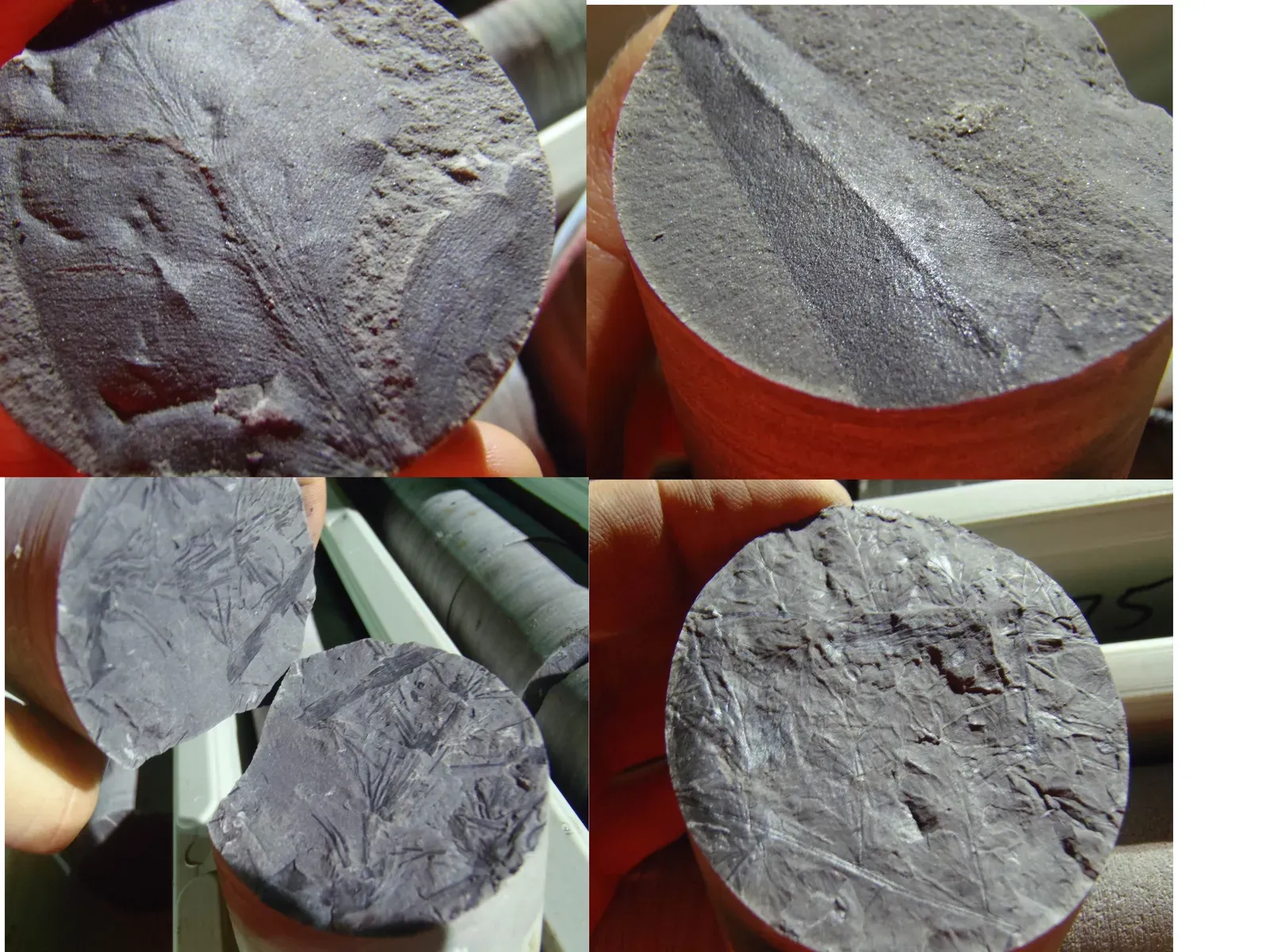
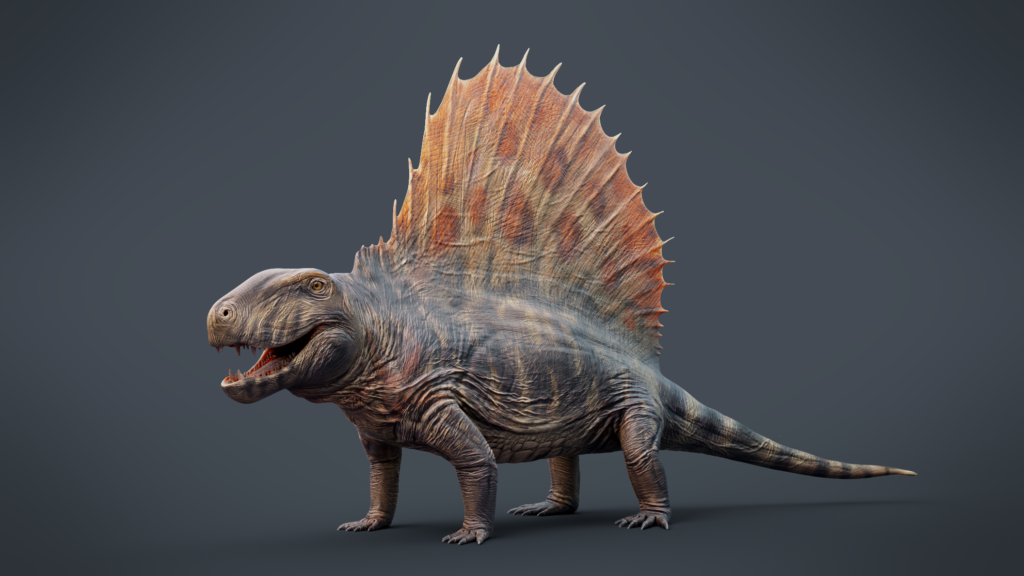
Of all the twists in Earth’s evolutionary story, this one is the most sobering. It was not the asteroid that killed the dinosaurs, impressive as that was. The real catastrophic near-wipeout happened far earlier. The Permian-Triassic extinction event killed most complex species of its time, 252 million years ago, and during the recovery from this catastrophe, archosaurs became the most abundant land vertebrates, with one archosaur group, the dinosaurs, dominating the Jurassic and Cretaceous periods. Scientists estimate that roughly nine out of ten species vanished. Life was brought to the edge of a knife.
After the Cretaceous-Paleogene extinction event 66 million years ago killed off the non-avian dinosaurs, mammals increased rapidly in size and diversity, and such mass extinctions may have accelerated evolution by providing opportunities for new groups of organisms to diversify. This is the part that truly puts things in perspective. Every extinction event that looked like an ending was, in biological terms, also a beginning. More than 99 percent of all species that ever lived, over five billion, are estimated to be extinct. The survivors of those bottlenecks are your ancestors, toughened by the very disasters that erased their competition.
8. The Great Leap Forward in Human Behavior: When Minds Woke Up
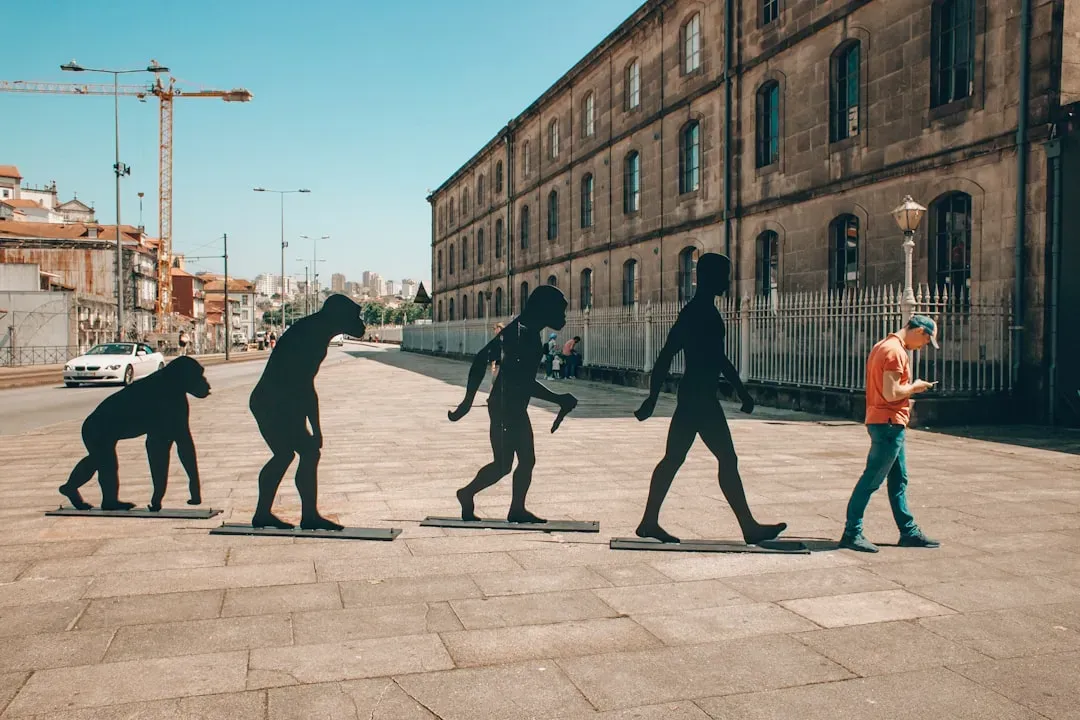
The final unexpected turn on this list is arguably the strangest of all, because it involves you. Around 50,000 years ago, something shifted in the human animal that science still struggles to fully explain. Around 50,000 years before present, human culture started to evolve more rapidly, and the transition to behavioral modernity has been characterized by some as a “Great Leap Forward,” due to the sudden appearance in the archaeological record of distinctive signs of modern behavior and big game hunting. Cave art. Jewelry. Ritual burial. Complex tools. It emerged with startling swiftness.
Evidence of behavioral modernity significantly earlier also exists from Africa, with older evidence of abstract imagery, widened subsistence strategies, more sophisticated tools and weapons, and other modern behaviors, and many scholars have recently argued that the transition to modernity occurred sooner than previously believed. It is hard to say for sure exactly what flipped the switch, whether it was a neurological change, a population bottleneck, or simply the right cultural pressures at the right time. Based on analysis, researchers have concluded that the roots of Homo sapiens’ evolutionary adaptations stem from our ability to adjust to environmental change. The capacity to adapt, to think flexibly and creatively, may well be the single most powerful evolutionary trait life has ever produced.
Conclusion: Evolution’s Greatest Trick Is Surprise
What these eight moments share is a refusal to be predictable. Life, it turns out, does not follow a tidy script. It stumbles, merges, explodes, nearly vanishes, and reinvents itself in forms that no one could have anticipated. The cyanobacterium pumping out oxygen had no idea it was engineering the future of all complex life. The fish that flopped onto shore had no plan. And yet, here we are.
Perhaps the most humbling realization is this: you are not the goal of evolution, you are just the latest surprise. Each chapter of Earth’s history has been marked by milestones, significant innovations and changes that have allowed life to thrive, survive, and diversify. The story is very much still being written. Which of these eight turns surprised you the most? Drop your thoughts in the comments and let the conversation evolve from there.