When most people picture ancient life on Earth, their minds go straight to T. rex, Triceratops, and Brachiosaurus. It makes sense. Dinosaurs are the rock stars of prehistoric history. But here’s the thing: long before any dinosaur ever set foot on this planet, there was an entire world of bizarre, terrifying, and honestly jaw-dropping creatures that ruled the land, the seas, and the skies.
These animals were not just “pre-dinosaur fillers.” Many of them were apex predators, evolutionary pioneers, and ecological powerhouses that shaped the very world the dinosaurs would later inherit. Some looked like nothing alive today. Others were surprisingly familiar. All of them deserve far more attention than they get. So buckle up, because this is a story about the real rulers of ancient Earth – the ones who came first.
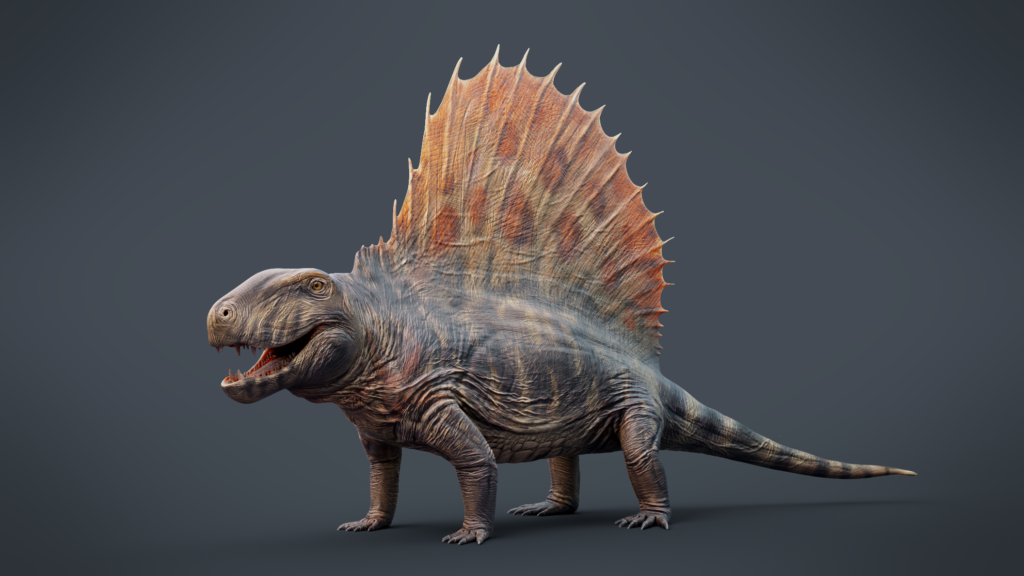
1. Dimetrodon: The Sail-Backed Beast That Is Actually Your Distant Relative
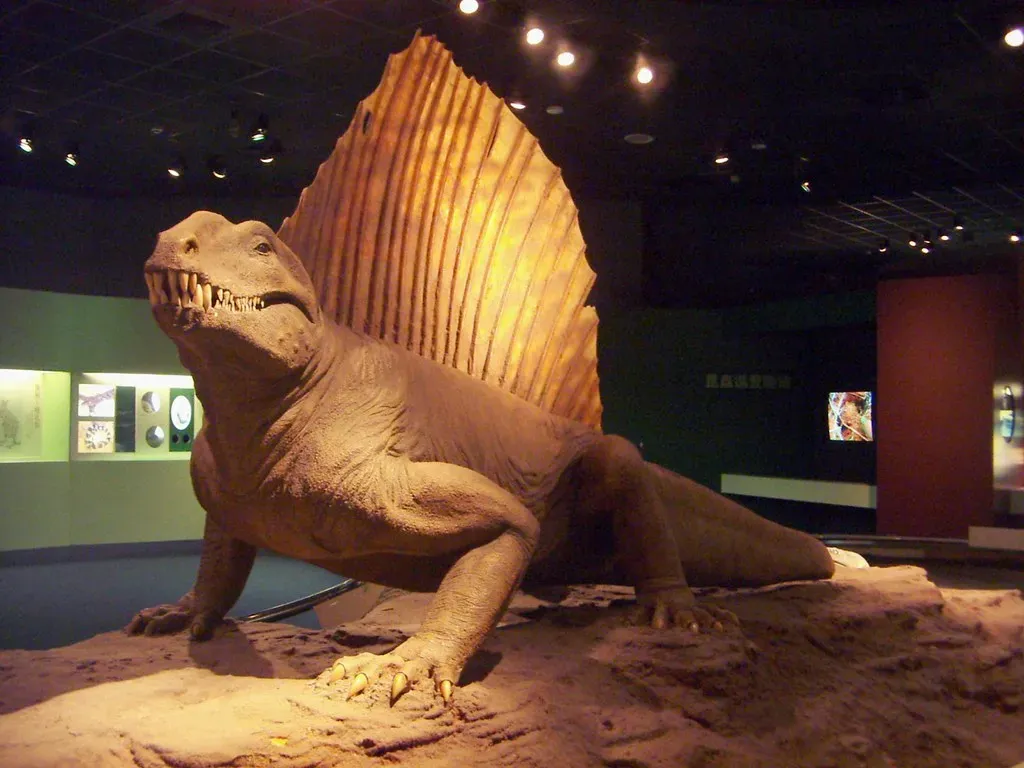
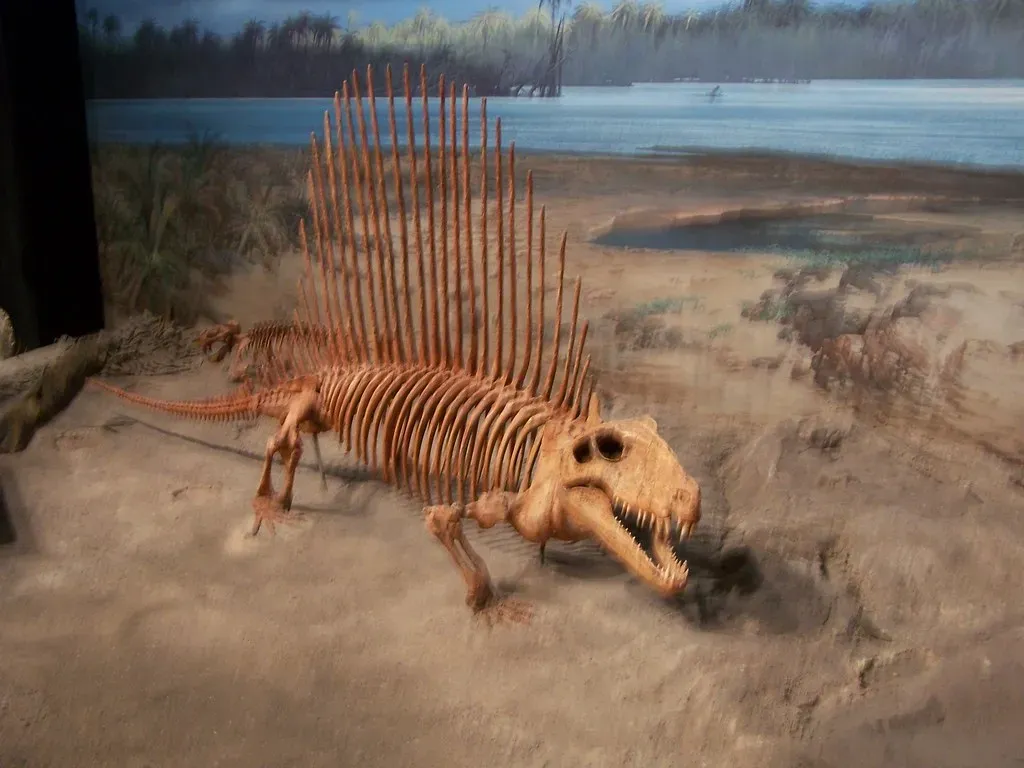
You have almost certainly seen Dimetrodon in a toy dinosaur set or a children’s book, proudly lumped in with the giant lizards. But here’s a genuinely shocking truth: Dimetrodon is often mistaken for a dinosaur or portrayed as a contemporary of dinosaurs in popular culture, but it became extinct by the middle Permian, some 40 million years before the appearance of dinosaurs. That’s not a small distinction. That’s a staggering gulf of time.
What makes Dimetrodon even more surprising is who its closest living relatives actually are. Although reptile-like in appearance and physiology, Dimetrodon is much more closely related to mammals, as it belongs to the closest sister family to therapsids, the latter of which contains the direct ancestor of mammals. In other words, you share a closer family link with this sail-backed creature than a Velociraptor ever did. It had different teeth for different functions, which is where its name Dimetrodon, or “two-measure tooth,” comes from. That trait alone was a surprisingly advanced evolutionary development for its time.
2. Anomalocaris: The World’s Very First Apex Predator
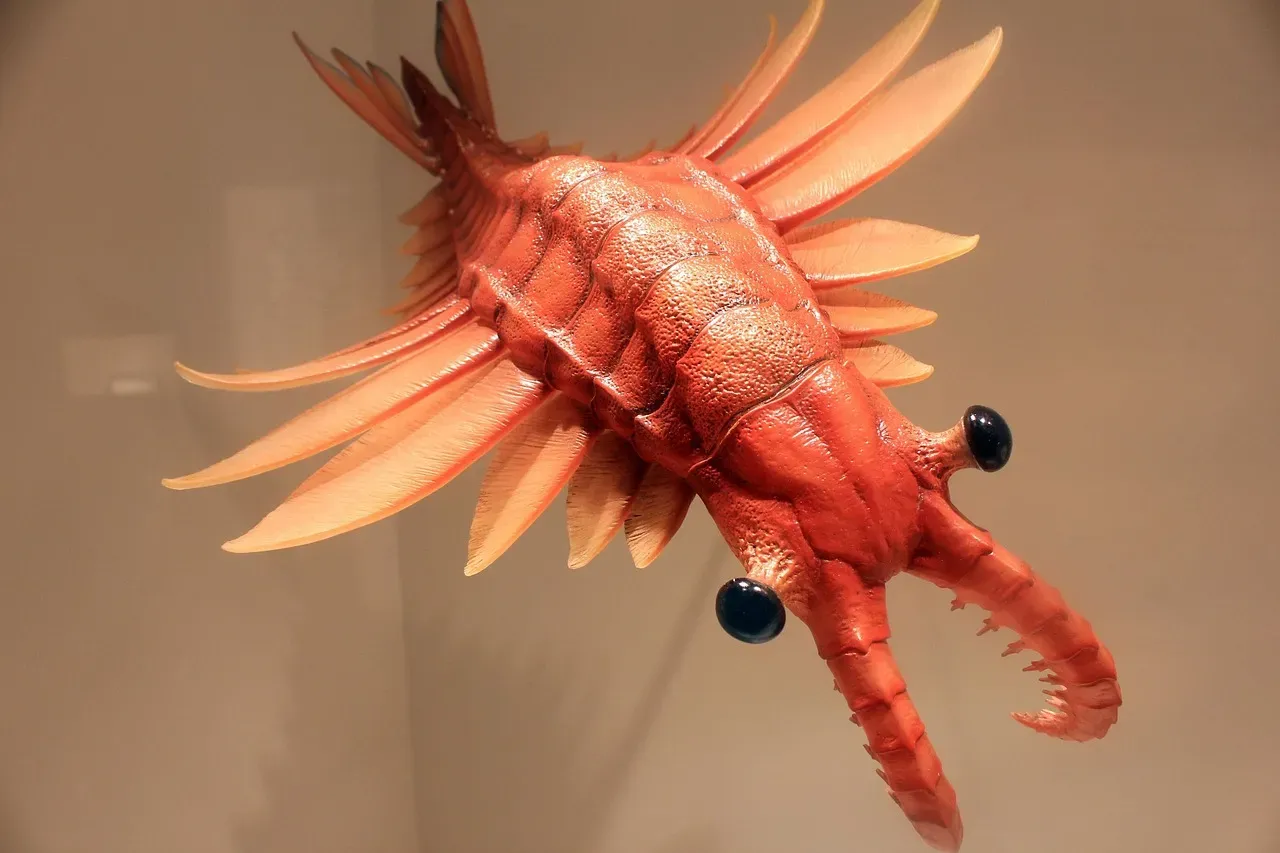
Imagine the ocean half a billion years ago. No fish. No sharks. Just strange, soft-bodied creatures drifting through an alien sea. At the top of that food chain sat something truly extraordinary. More than half a billion years ago, the world’s oceans were stalked by a soft-bodied predator that looked unlike anything alive today. This bizarre-looking animal was Anomalocaris, or “unusual shrimp,” and is widely regarded as the world’s first apex predator – the killer whale of its day.
Anomalocaris was the largest hunter of the Cambrian period, measuring up to a metre in length from its grasping, frontal appendages to the tips of its tail fans. The appendages are thought to have been used to catch and crush prey. Interestingly, scientists once assumed it was crunching trilobites like potato chips. For a long time, hard-shelled marine arthropods known as trilobites were assumed to have been Anomalocaris’s favourite snack, but new research has suggested that this predator was more of a weakling, incapable of cracking tough trilobite armour. It’s now believed Anomalocaris was a hunter that relied on speed, agility and superior sight rather than strength.
3. Gorgonopsids: The Saber-Toothed Monsters Before Saber-Toothed Cats
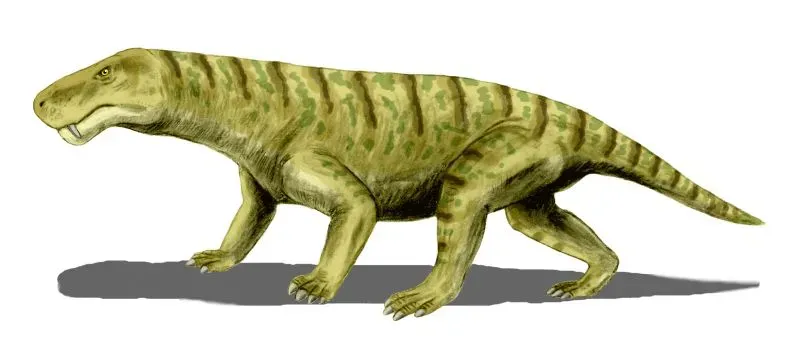
Most people think the saber-toothed predator story begins with Smilodon, the famous Ice Age cat. But that’s actually pretty late in the story. The Gorgonopsid was a saber-toothed mammal the size of a bear. Named after the Greek mythological beast, Gorgonopsids are an extinct group of saber-toothed mammals from the Middle to Upper Permian era. They were prowling the Earth long before the first dinosaur was even a twinkle in evolution’s eye.
They had narrow skulls and elongated teeth, which they used to slash and stab prey and predators. They were vicious hunters, taking chunks out of their target and retreating until it weakened enough for them to give a killing bite. This species may have begun relatively small but evolved to a bear-like size, where they likely became apex predators in areas of Tanzania, Zambia, and Malawi. Think of them as the Permian version of a lion – fast, deadly, and absolutely ruthless. Honestly, the fact that these existed before dinosaurs should be far more famous than it is.
4. Lystrosaurus: The Humble Survivor That Inherited a Scorched Earth
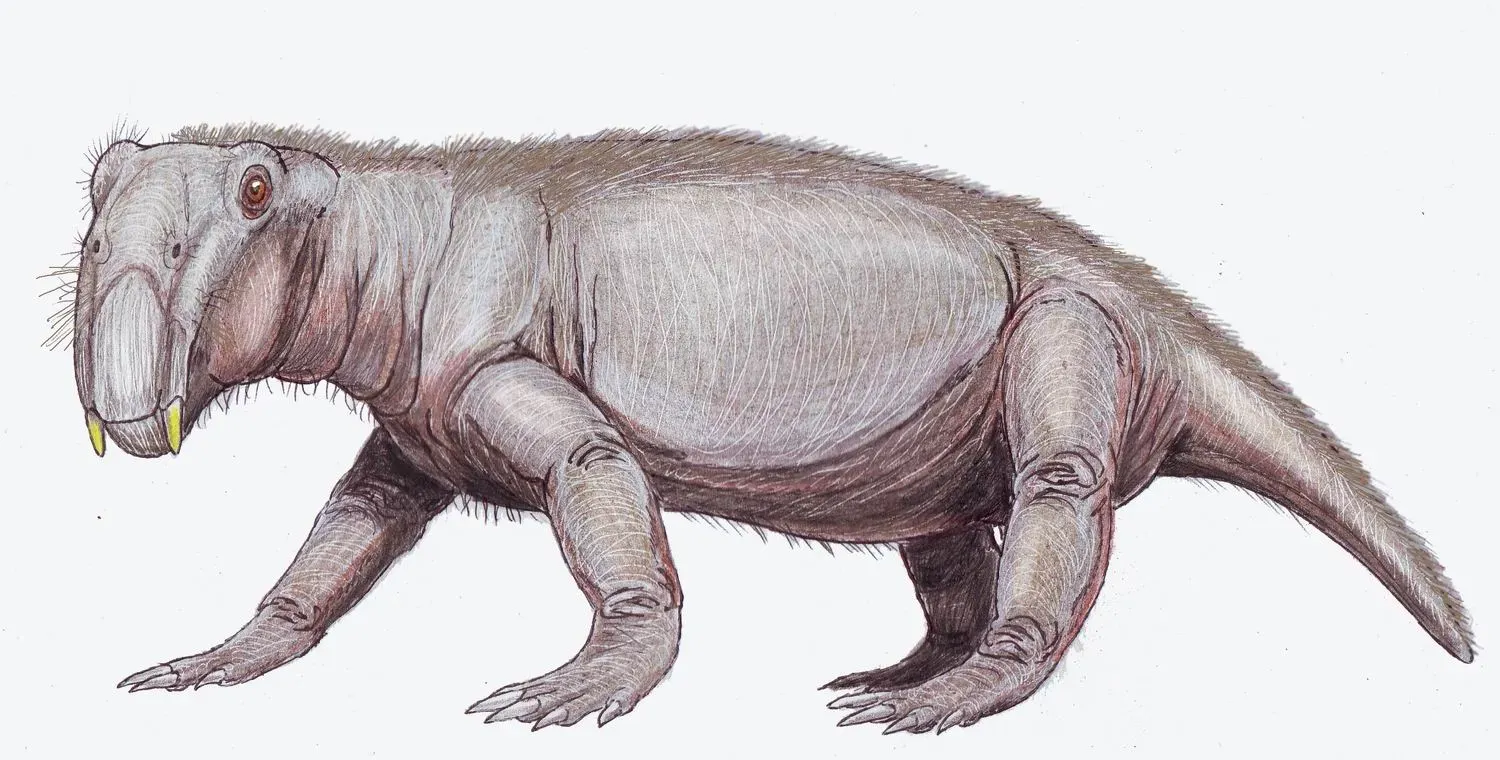
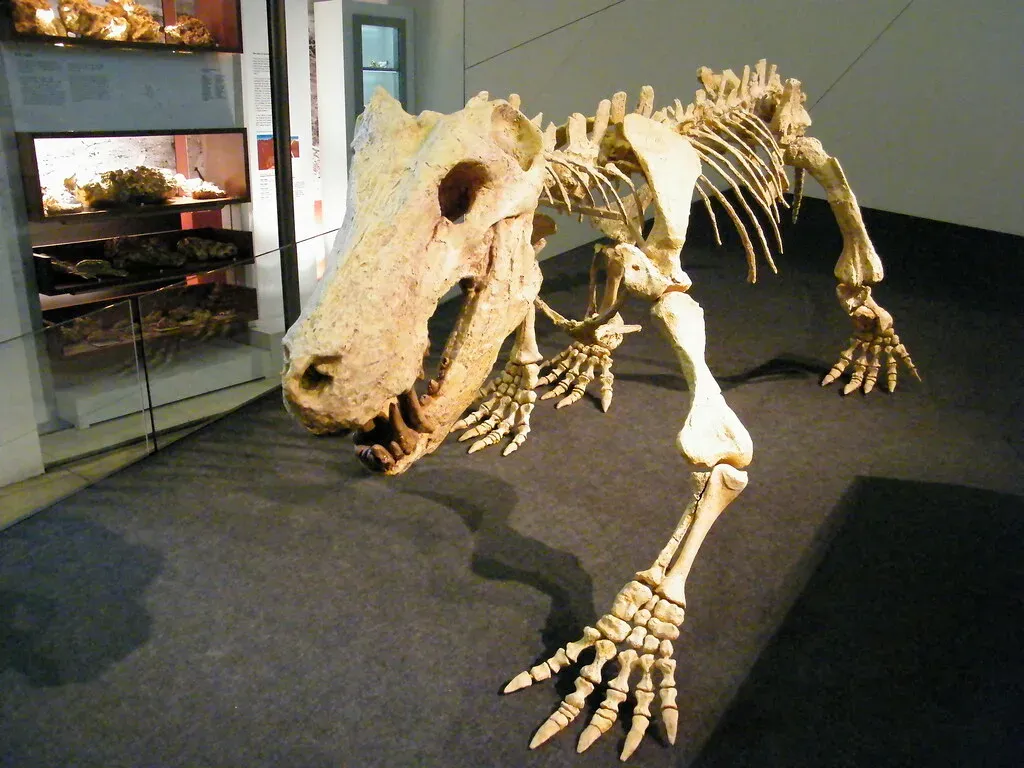
After the greatest mass extinction in Earth’s history, known as the Great Dying, nearly all complex life was wiped out. Yet one creature picked itself up from the ash and dominated what remained. Lystrosaurus was a widespread dicynodont and the most common land vertebrate during the Early Triassic, after animal life had been greatly diminished. It wasn’t glamorous. It wasn’t ferocious. But it survived when almost nothing else did.
The Lystrosaurus was a type of therapsid, which was a mammal-like reptile, and from the Lystrosaurus evolved the first kind of mammals. Fossilized remains of this reptile have been found across South Africa, India, and even Antarctica. The sheer geographic spread of its fossils tells you just how dominant this little creature became. Many scientists refer to this reptile as a shovel lizard because it would use the two tusks on the side of its head to dig out vegetation. Picture a stubby, two-tusked pig-lizard inheriting the whole world. Stranger things have happened, apparently.
5. Meganeura: The Dragonfly the Size of a Hawk
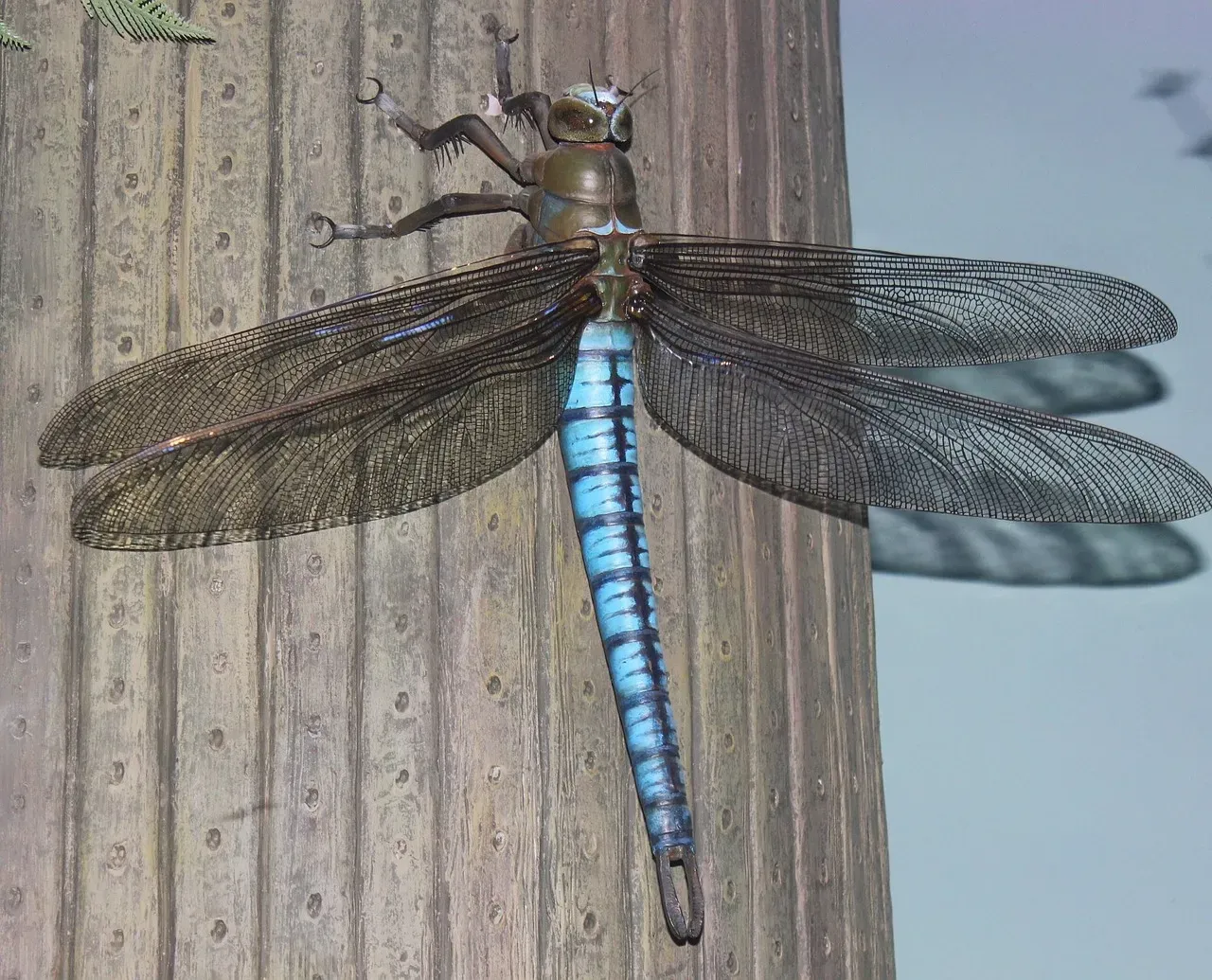
If you have even a mild discomfort around flying insects, this one is going to test you. With a wingspan measuring more than 70 centimeters, six spindly, spiny legs and huge compound eyes, Meganeura was terrifying enough to scare even the most ardent insect-lover. This four-winged monster is widely regarded as the largest flying insect ever, dwarfing its extant dragonfly relatives. To put that in perspective, that’s roughly the wingspan of a modern hawk. Buzzing toward your face.
Like many of today’s dragonfly species, Meganeura lived in open habitats close to ponds and slow-moving streams. It was likely the apex predator in these clearings, using the spines on its legs as a “flying trap” to ensnare prey ranging from other flying insects to amphibians and even lizard-like vertebrates. Scientists believe the atmosphere’s higher oxygen levels during the Carboniferous period made growing to such massive sizes possible for insects. They lived in the swamplands around the equator in what is present-day North America and Europe about 320 to 290 million years ago. They died around the time that the oxygen levels in the atmosphere decreased.
6. Dunkleosteus: The Armored Fish With a Bite That Could Crush Steel
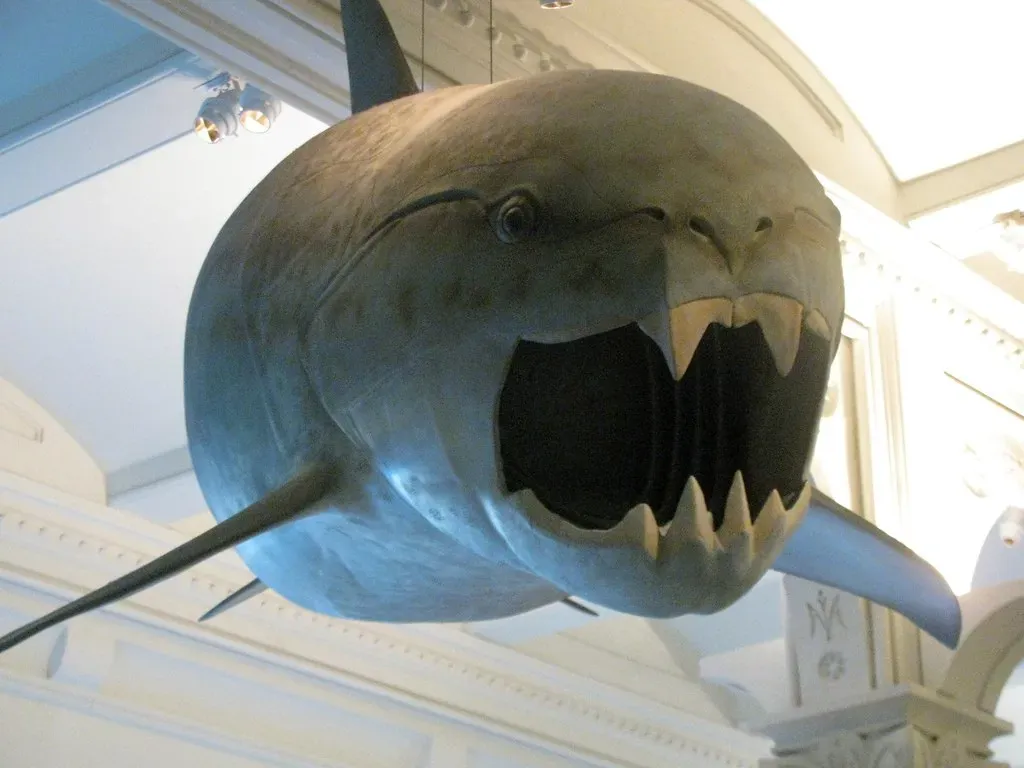
Before sharks ruled the oceans, there was something arguably more terrifying lurking in the prehistoric seas. It’s hard to imagine that an animal affectionately known as The Dunk was ever a fearsome predator, but Dunkleosteus was exactly that. For nearly 30 million years it ruled the northern hemisphere’s oceans with an iron fist – or rather, an iron bite. Think about that. Thirty million years of total dominance in the ocean. No modern predator comes close.
This 4-metre-long armoured fish had a bite force that would have rivalled some of the strongest biters today. At the very tip of its bony fangs, it’s estimated that Dunkleosteus may have been able to bite down at a force of 80,000 psi – enough to crush some of the strongest steel. It had no enamel teeth in the traditional sense. Instead, it used razor-sharp bony plates that self-sharpened as they ground against each other. It’s hard to say for sure whether evolution has ever produced anything quite as mechanically terrifying as Dunkleosteus’s jaws.
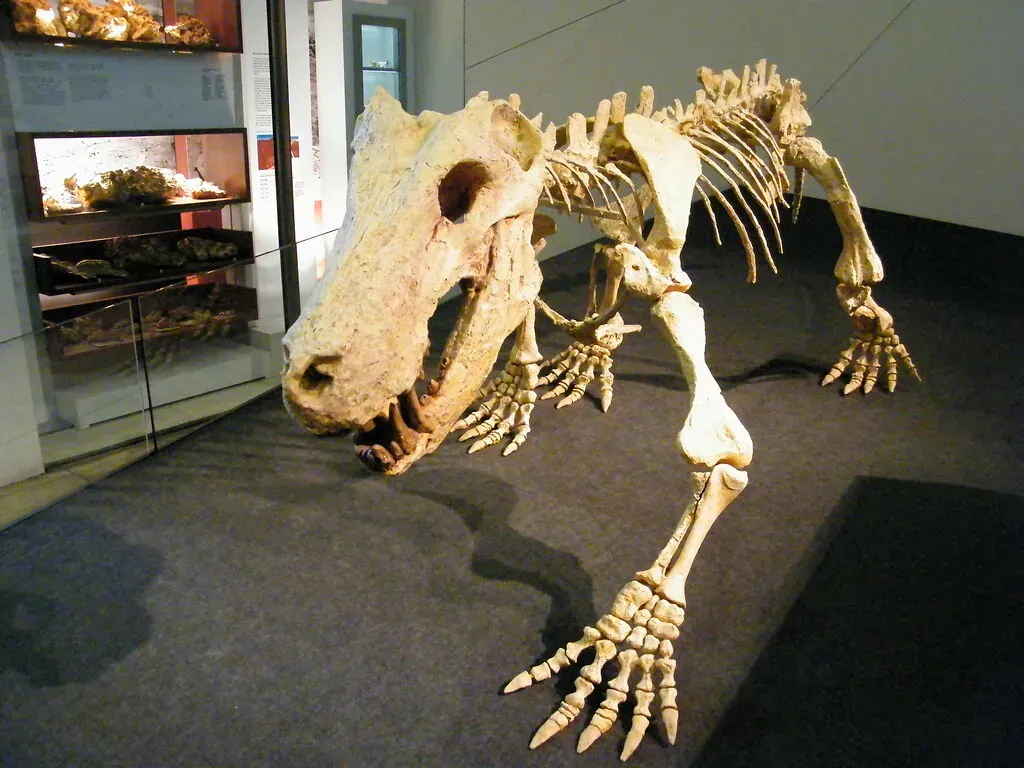
7. Inostrancevia: The Permian’s Answer to a Saber-Toothed Polar Bear
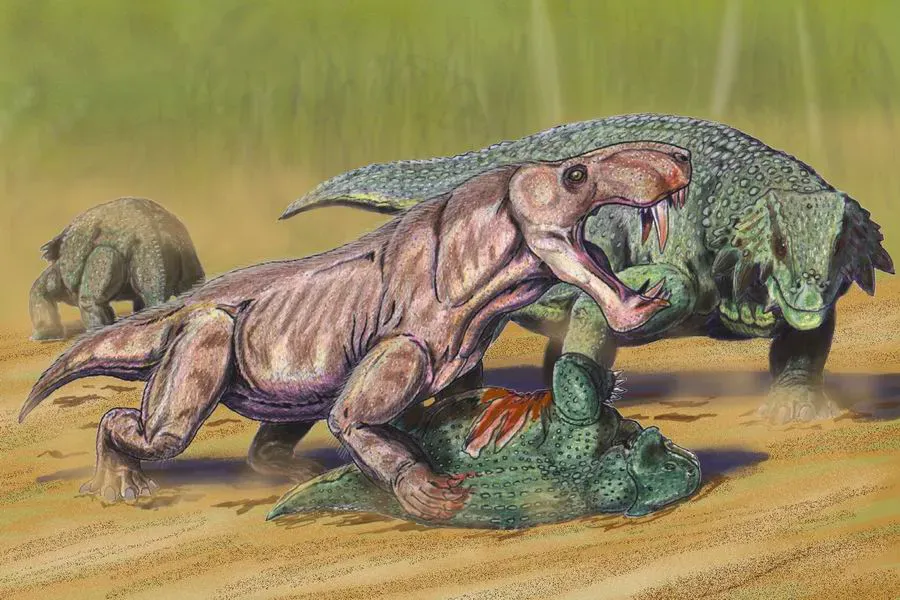
If you were to picture this creature, here’s your mental image: cross a polar bear with a sabre-tooth cat, and you’d get something resembling Inostrancevia. It was a protomammal, an ancient ancestor of today’s modern mammals, like Dimetrodon, but looked very different – less like a reptile and more like a big cat. It also had longer legs than Dimetrodon, which suggests it was a runner – and a fast one at that. Speed plus size plus enormous fangs. Not a great combination if you were its prey.
Inostrancevia had sabre-shaped canines that could land killer blows on the necks of megaherbivores such as Scutosaurus. As a protomammal, its jaws were packed with other kinds of teeth too, but these weren’t used for chewing. Instead, Inostrancevia used a “puncture-pull” strategy, tearing away huge chunks of meat. Inostrancevia was among the largest, stretching well over 3 meters in length with powerful limbs, a long muscular tail, and a bulky body. It would have fed on early reptiles and synapsids as an apex predator of the Permian.
8. The Permian World: A Lost Planet Before Dinosaurs Took Over
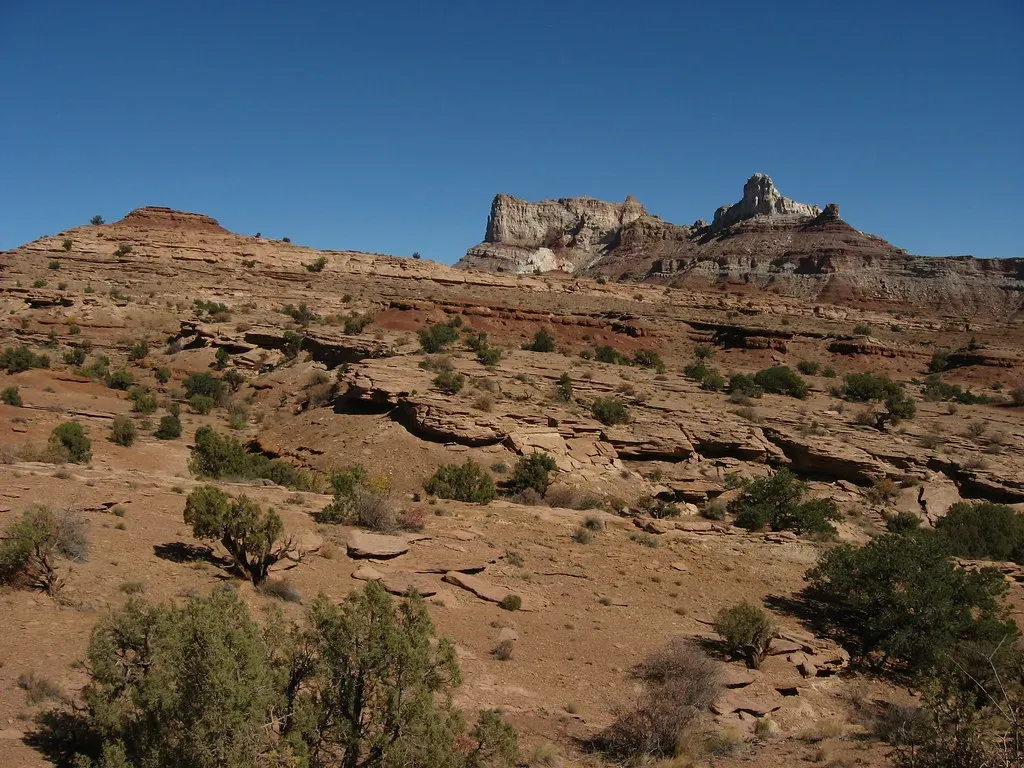
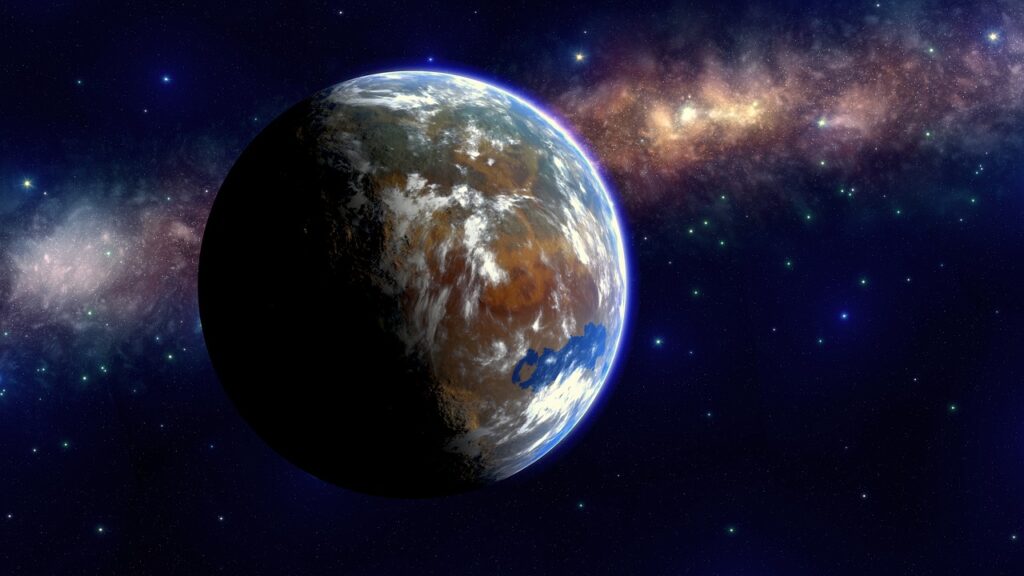
It helps to understand the world these creatures actually lived in. The Permian is a geologic period and stratigraphic system which spans 47 million years, from the end of the Carboniferous Period 298.9 million years ago to the beginning of the Triassic Period 251.902 million years ago. It is the sixth and last period of the Paleozoic Era. The entire planet looked completely different. There were no flowers. There were no birds. There was just one giant landmass surrounded by a world-spanning ocean.
The Permian witnessed the diversification of the two groups of amniotes, the synapsids and the sauropsids (reptiles). The world at the time was dominated by the supercontinent Pangaea, which had formed due to the collision of Euramerica and Gondwana during the Carboniferous. Late Permian faunas are dominated by advanced therapsids such as the predatory sabertoothed gorgonopsians and herbivorous beaked dicynodonts, alongside large herbivorous pareiasaur parareptiles. It was a genuinely alien world – one that modern science is only beginning to fully piece together from fragmentary fossils scattered across continents that have long since drifted apart.
9. The Great Dying: The Catastrophe That Reset Life on Earth
Before dinosaurs could rise, something almost unthinkable had to happen first. The Permian–Triassic extinction event, colloquially known as the Great Dying, was an extinction event that occurred approximately 251.9 million years ago, at the boundary between the Permian and Triassic geologic periods. It is Earth’s most severe known extinction event, with the extinction of 57% of biological families, 62% of genera, 81% of marine species, and 70% of terrestrial vertebrate species. To call it a mass extinction almost undersells it. It was a near-total collapse of life on Earth.
The scientific consensus is that the main cause of the extinction was the flood basalt volcanic eruptions that created the Siberian Traps, which released sulfur dioxide and carbon dioxide. Every creature we have discussed in this article either perished in the Great Dying or evolved in its immediate, barren aftermath. It took well into the Triassic for life to recover from this catastrophe; on land, ecosystems took 30 million years to recover. The space left behind by all that death was exactly the opening that allowed dinosaurs to eventually rise and dominate a rebuilt world.
10. Tiktaalik: The Fish That First Dared to Walk on Land
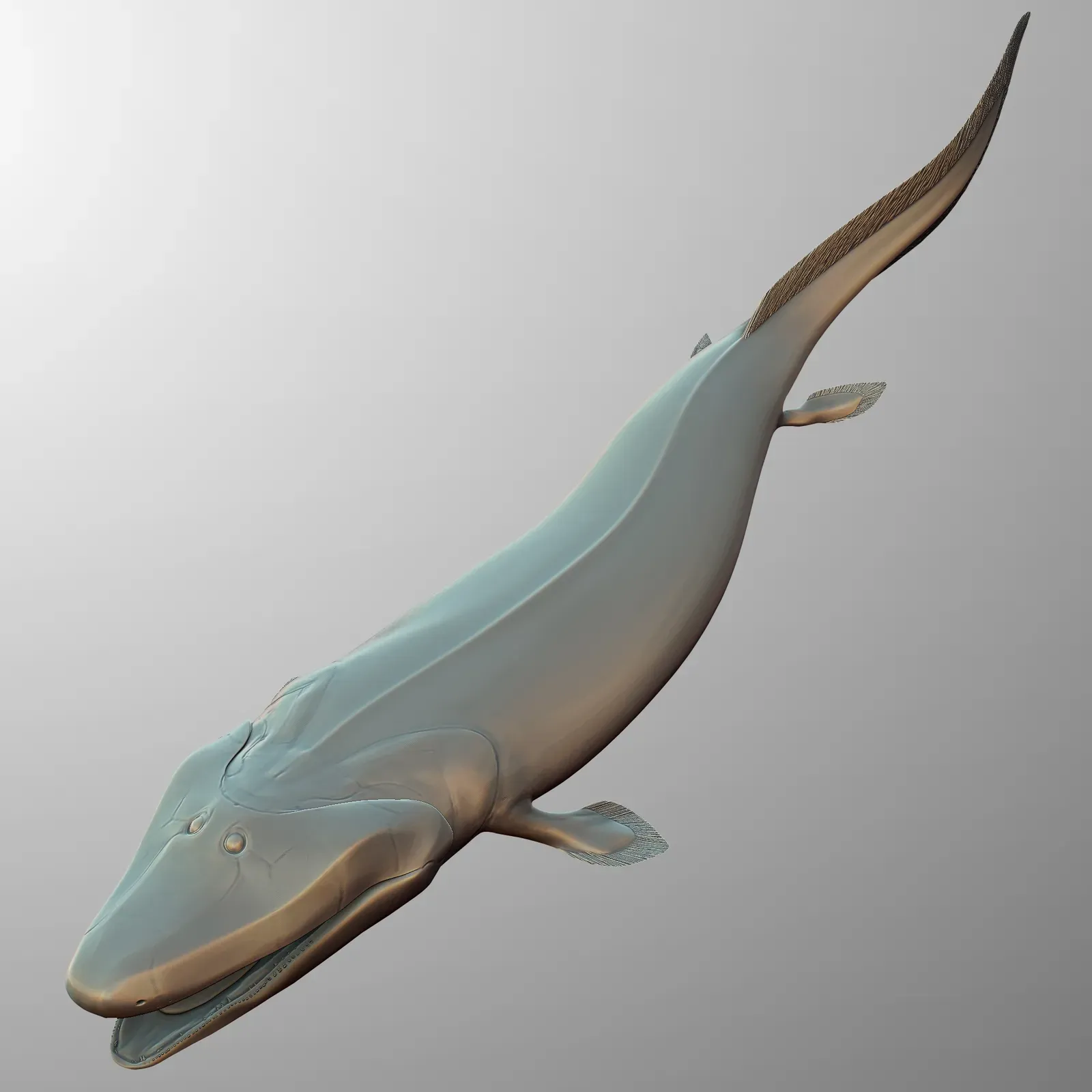
This might be the most personally relevant creature on this entire list, because without it, you probably wouldn’t exist. Fish aren’t typically known for their ability to walk on land, but Tiktaalik wasn’t your typical fish. It was, by definition, a fish, but sporting primitive, air-breathing lungs as well as gills and four fleshy appendages that resembled limbs, it was well on its way to becoming a fully fledged, terrestrial tetrapod. This creature represents one of the most pivotal evolutionary transitions in the entire history of life.
From fossils found in Arctic Canada, it’s estimated that Tiktaalik grew to lengths of 3 metres. This huge size, combined with large jaws full of needle-like teeth, a mobile neck and eyes on the top of its head, suggests it was a predator specially adapted for hunting fish in the shallows. Think of Tiktaalik as the evolutionary bridge between ocean life and everything that would ever walk, run, crawl, or slither on land. Every land vertebrate alive today – including you – traces its origin back through a lineage that passed through something very much like Tiktaalik. That’s not just fascinating. That’s genuinely profound.
Conclusion: The World Before Dinosaurs Was Wilder Than You Imagine
We live in a culture obsessed with dinosaurs, and honestly, fair enough. They were remarkable animals. But the creatures that came before them were equally astonishing, and in many ways, more important. They were the pioneers. They solved evolutionary problems that had never been solved before. They built ecosystems from scratch, dominated them for tens of millions of years, and in many cases, paved the genetic road toward the mammals – and ultimately the humans – walking the Earth today.
From Anomalocaris ruling the Cambrian seas to Lystrosaurus rebuilding life after the apocalypse, the pre-dinosaur world was every bit as dramatic, violent, and extraordinary as the one that followed. It just doesn’t get the same movie budget. Next time you see a Dimetrodon toy in a dinosaur set, you’ll know the truth: that creature is more your cousin than a T. rex ever was. How wild is that to think about?