
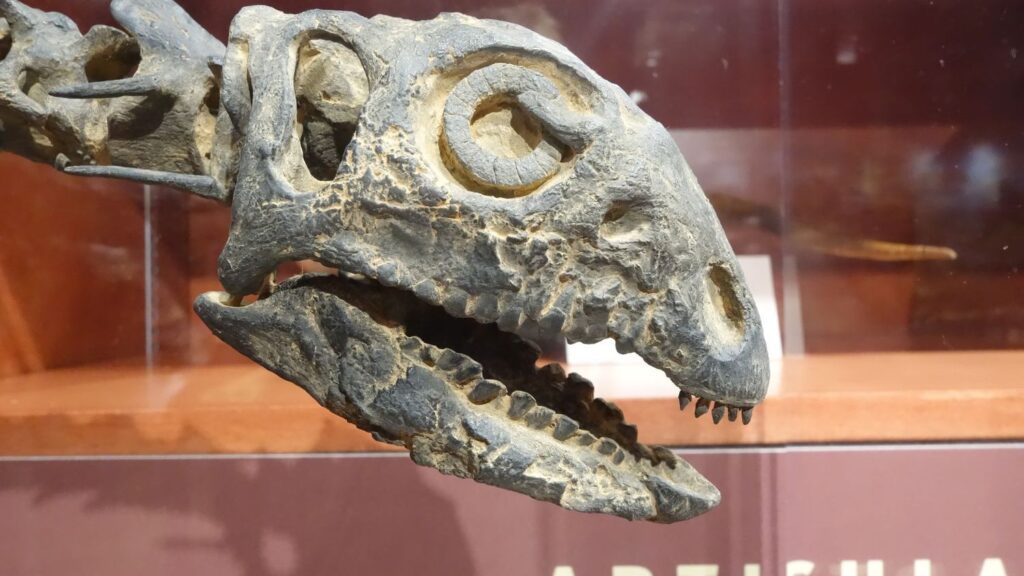
For most of the past two centuries, science painted dinosaurs as dim-witted, lumbering creatures destined for the evolutionary trash heap. You probably grew up picturing them as slow, reactive, and frankly not very bright. It turns out that picture was not just incomplete. It was fundamentally wrong in ways that even today’s scientists are still debating hotly.
The story of dinosaur intelligence is one of the most fascinating, contentious, and genuinely surprising chapters in the history of paleontology. It touches on neuroscience, fossil evidence, animal behavior, and questions about what intelligence even means. Get ready, because some of what you are about to read will genuinely shift how you think about these ancient animals.
The Old Myth: Dinosaurs Were Evolutionary Failures with Tiny Brains
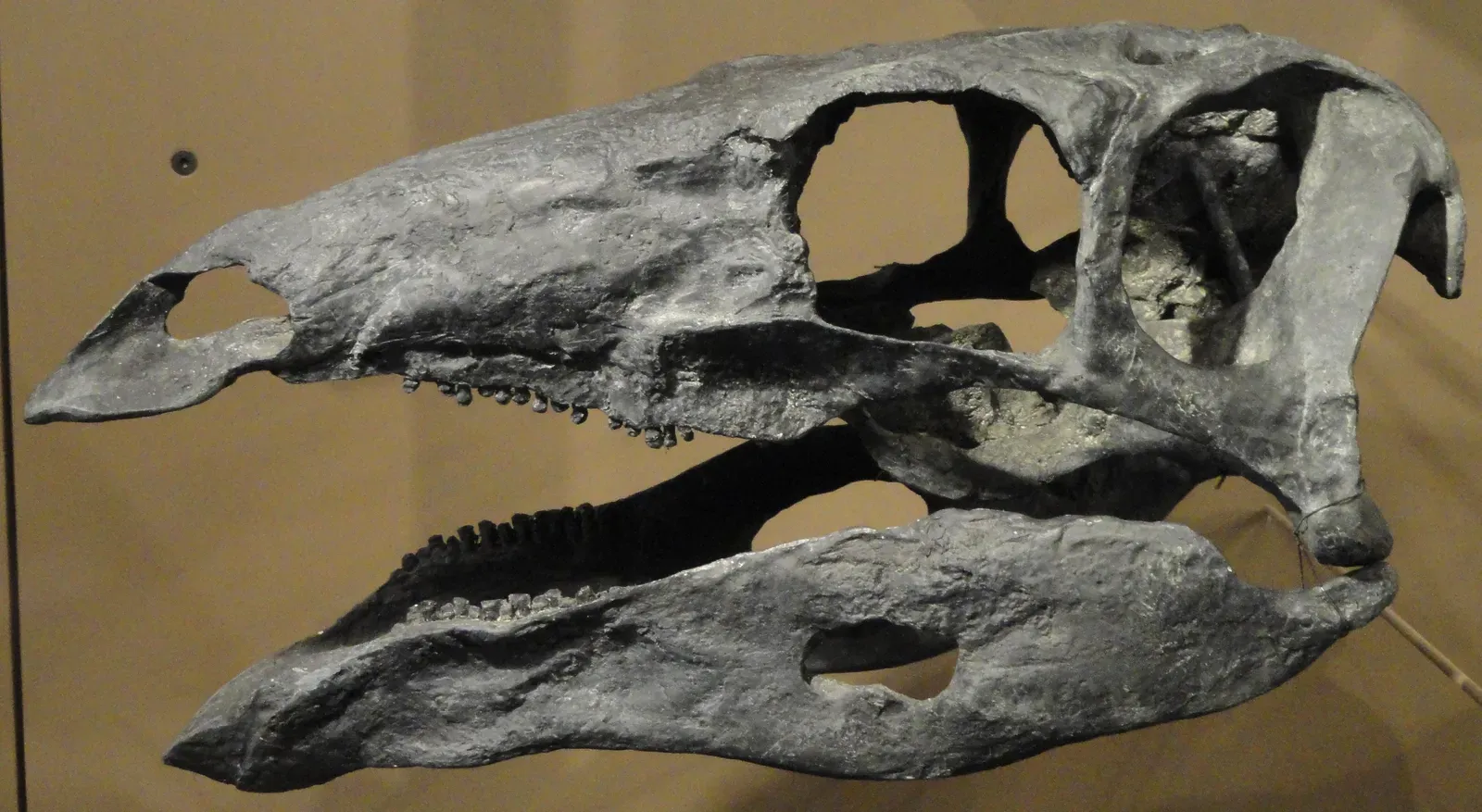
Let’s be honest – the idea that dinosaurs were dim reptilian failures was never really based on hard evidence. Early assumptions pegged dinosaurs as unintelligent due to their relatively small brain sizes compared to their bodies, aligning them with reptiles. That was a convenient comparison, but it was barely more than a guess dressed up in scientific language.
Think about it like judging a person’s intelligence solely by the size of their hat. The method is crude, and the conclusions are shakier than they look. The fact that an animal weighing over 4.5 metric tonnes could have a brain of no more than 80 grams led to the idea that dinosaurs were unintelligent, an idea now largely rejected. Even the famous claim that Stegosaurus had a brain the size of a walnut turned out to be misleading and oversimplified.
Cracking the Code: How Scientists Actually Measure Dinosaur Intelligence
So, if you cannot simply weigh the brain, how do researchers figure out how smart a dinosaur was? Advancements in paleontology, particularly the development of the encephalization quotient (EQ) in the 1970s, shifted these views. The EQ measures brain size relative to body mass, suggesting that some dinosaurs, particularly theropods, might have had intelligence levels comparable to modern birds. It was a genuine breakthrough at the time, though scientists now know it is only one piece of a much larger puzzle.
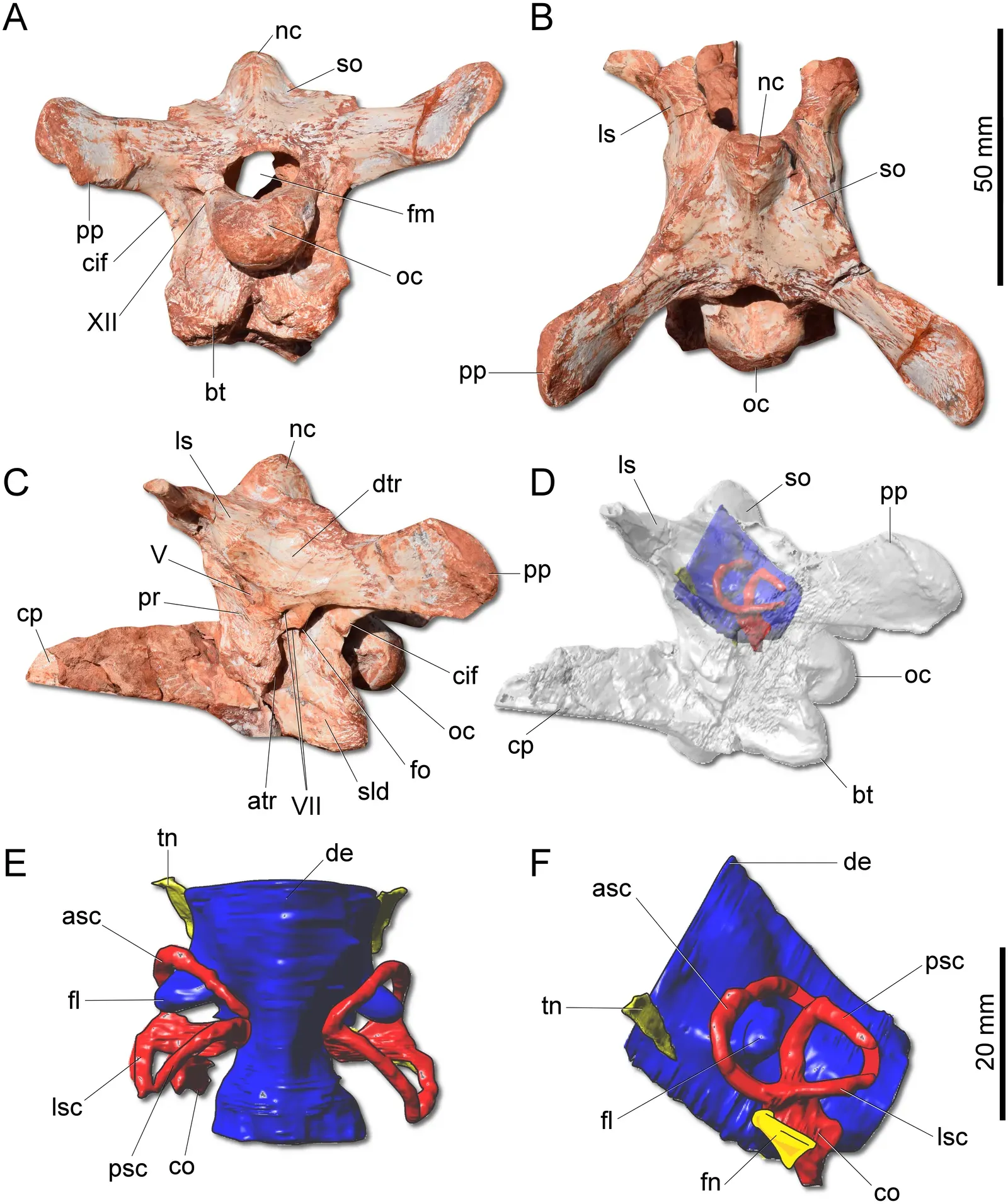
You have also got the remarkable role of modern imaging technology. Recent research utilizing computed tomography (CT) has enabled scientists to create accurate models of dinosaur brains, allowing for more comprehensive analyses of their cognitive capacities. These virtual brain reconstructions, derived from studying endocasts, allow researchers to map which parts of the ancient brain were large or small, offering clues about senses, behavior, and cognitive ability that no external skull measurement ever could.
Endocasts: The Fossil Imprints That Unlocked Prehistoric Minds
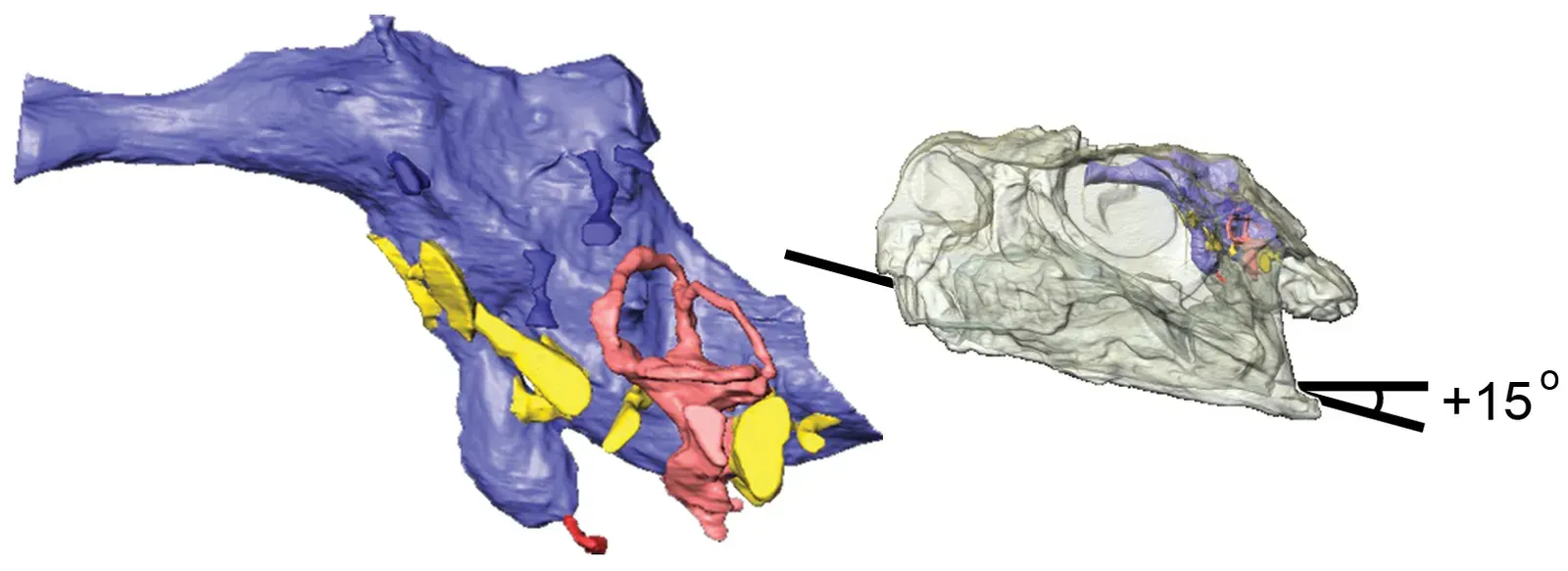
You might be wondering how scientists even study the brains of animals that died tens of millions of years ago. The brain, as a soft organ, never fossilizes directly. When special preservation conditions occur, we get something called an endocast. In simplest terms, an endocast is a special rock – sediment filled in the space of an animal’s brain cavity after death, taking on its shape. It is a fossil impression of where the brain once lived.
These endocasts can be extremely accurate, showing details like ventricles and nerves, because the bones of the skull tightly surround the brain itself. Still, they have real limitations. Information on dinosaur brains comes from mineral infillings of the brain cavity, termed endocasts, as well as the shapes of the cavities themselves. The trouble is that the endocast measures the skull cavity, not necessarily the brain itself, and those two things are not always the same size.
Troodon and the Raptors: The Brainiacs of the Cretaceous
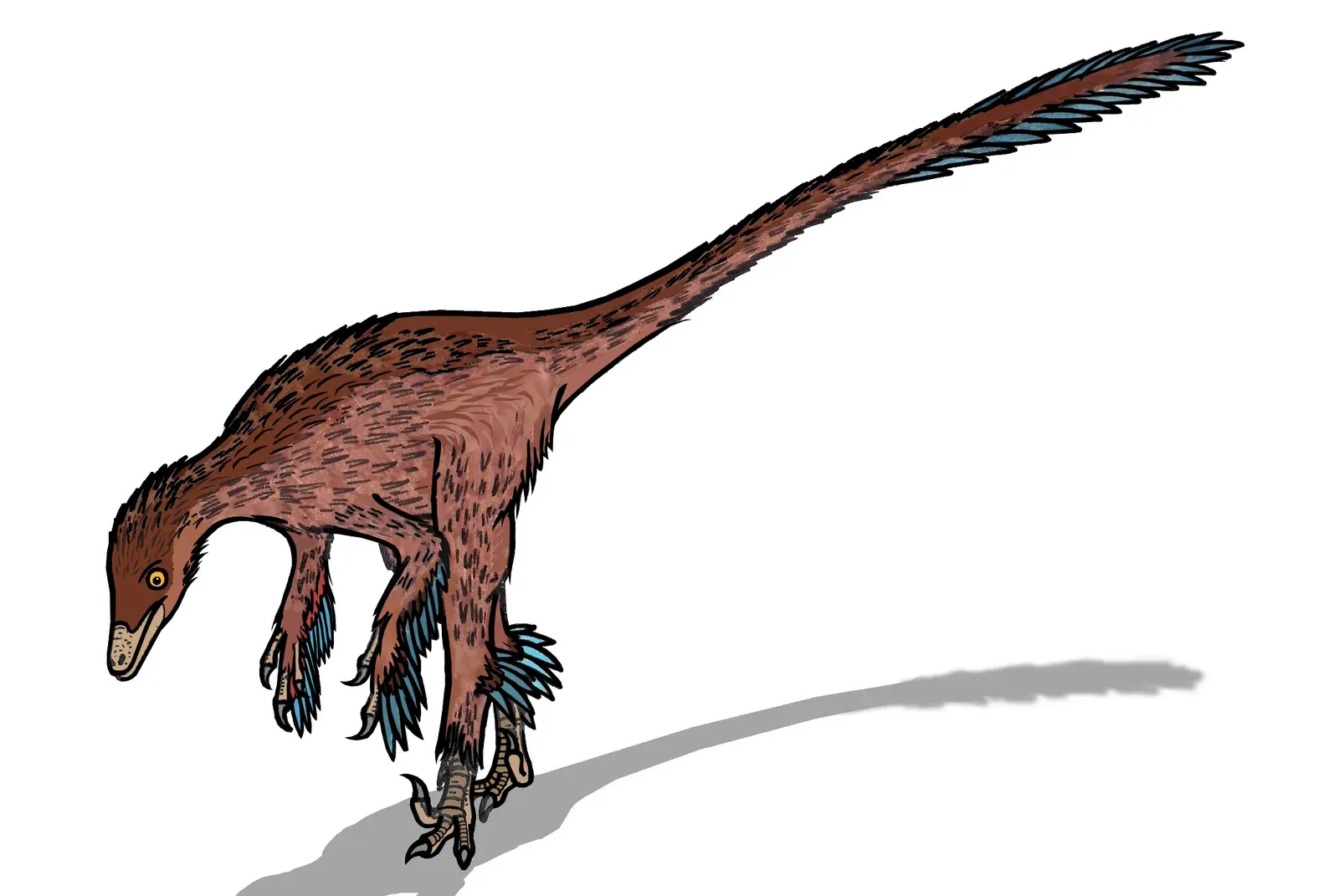
Here is where things get genuinely exciting. Not all dinosaurs were created equal when it came to cognitive potential. Troodon is believed to be the smartest dinosaur ever, with an EQ of 5.8. This small coelurosaurian dinosaur had a huge brain especially considering its size, making it the smartest among dinosaurs. For context, that EQ rivals or exceeds what you would expect from many modern birds.
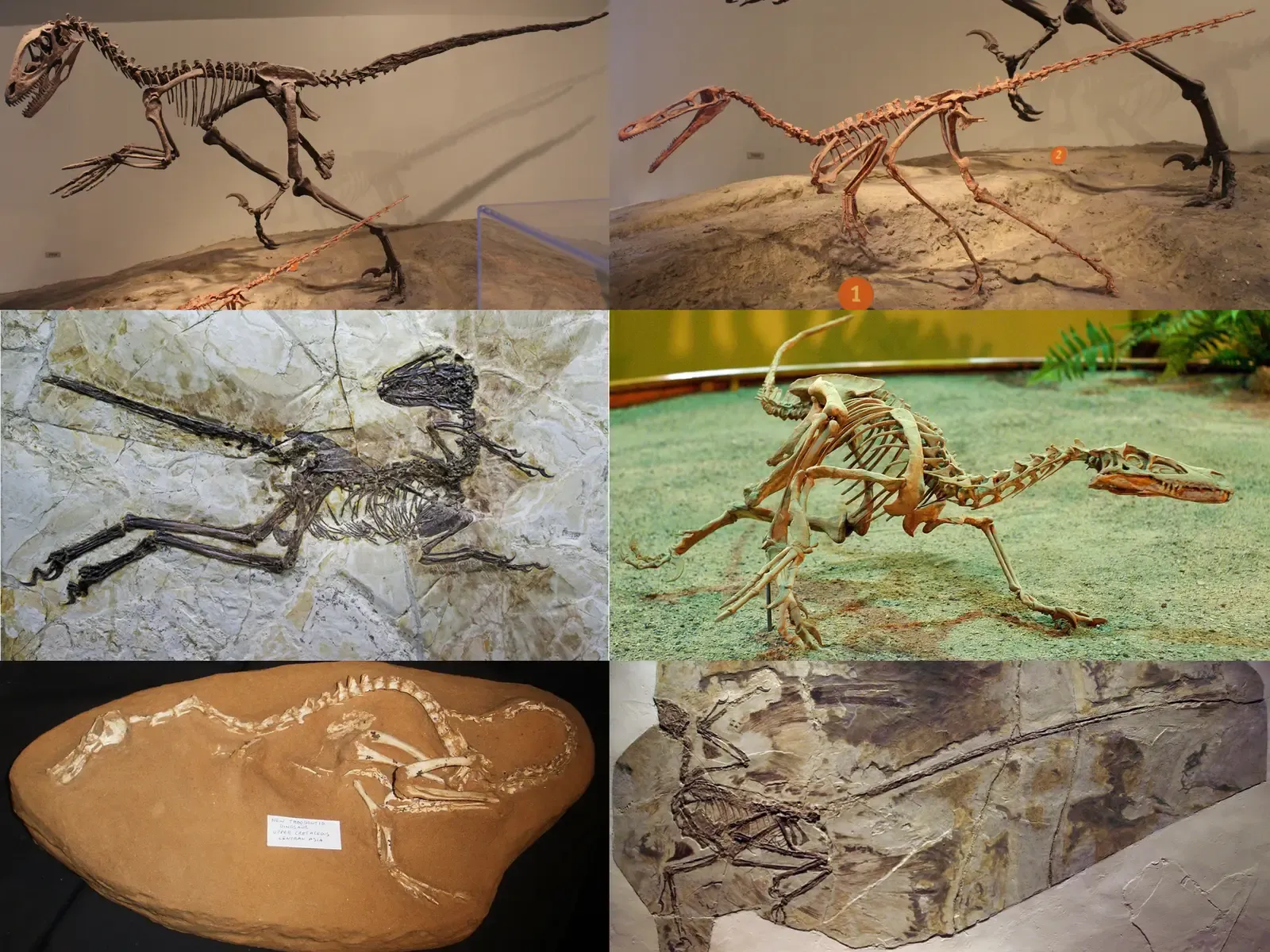
Troodon had larger-than-normal eyes that were set to the front instead of the sides like most other dinosaurs. This indicates that it had advanced binocular vision, which would have been very useful for capturing prey. Alongside Troodon, theropods tended to show the highest brain-to-body size ratios among dinosaurs. Some theropods, such as Troodon and other troodontid and maniraptoran dinosaurs including Velociraptor and Deinonychus, have been documented as having especially large brains for their body size. So the Hollywood version of a cunning raptor, while overstated, was not pulled from thin air.
The T. rex Debate: Monkey-Brained Predator or Sophisticated Reptile?
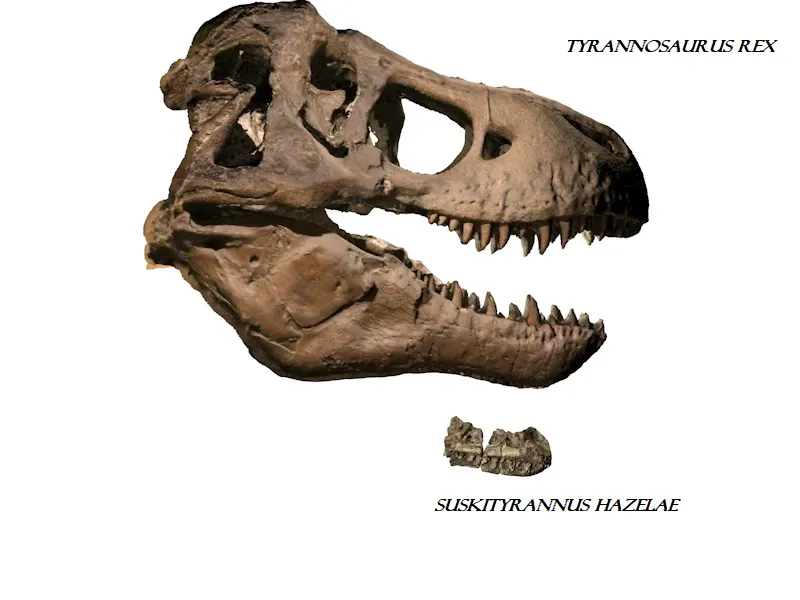
Few moments in recent dinosaur science stirred up more debate than when a prominent neuroscientist suggested T. rex might have had primate-like cognitive abilities. T. rex, with its brain weighing one-third of a kilogram, had an estimated 3.3 billion cortical neurons – a higher density than baboons, according to one study. That claim turned heads. If true, it would suggest the king of predators was capable of cultural learning and possibly even tool use.
Honestly, the scientific community was never fully sold. A new study led by Dr. Kai Caspar with researchers from the University of Bristol, the University of Southampton, the University of Alberta, and the Royal Ontario Museum took a closer look at techniques used to predict both brain size and neuron numbers, finding that previous assumptions about brain size in dinosaurs were unreliable. Their revised calculations painted a very different picture. The newer study suggests dinosaurs had closer to 360 million neurons in the telencephalon, the part of the forebrain that plays a role in sensing, thinking, and coordinating motion. If true, that lower count would put T. rex on the mental level of crocodiles, not baboons.
Social Behavior and Parental Care: Intelligence Written in Fossil Footprints
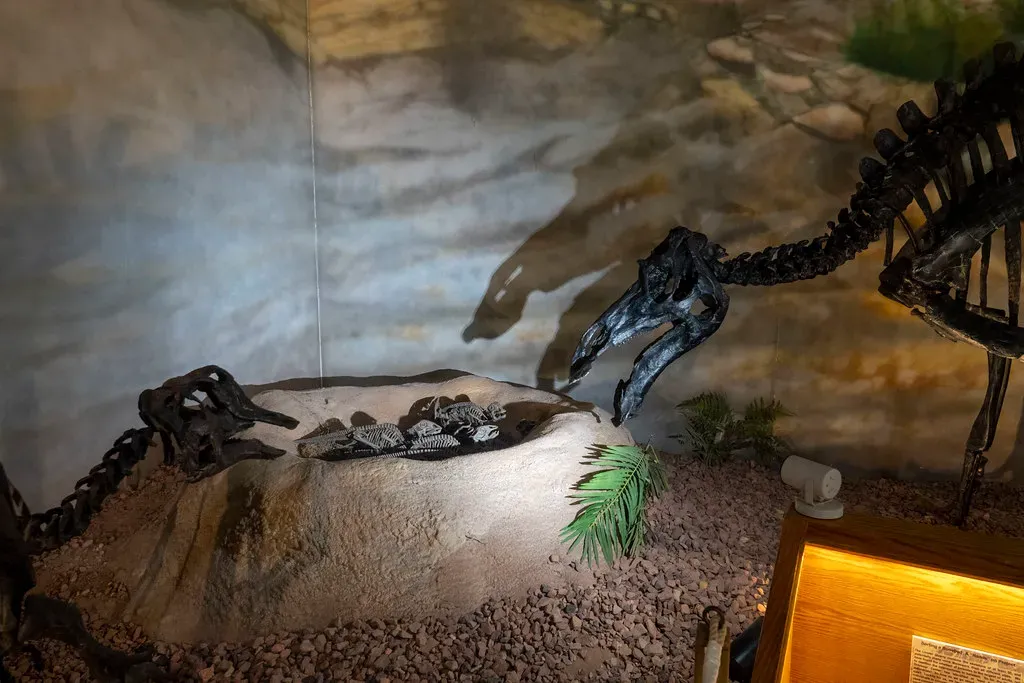
Here is something you might find truly surprising. Some of the most compelling evidence for dinosaur intelligence does not come from brain scans at all. It comes from fossil trackways, nesting sites, and bone assemblages that tell a story of complex social lives. Evidence shows that Mussaurus and possibly other dinosaurs evolved to live in complex social herds as early as 193 million years ago, around the dawn of the Jurassic period. That is extraordinary, pushing the origin of social behavior in dinosaurs much further back than previously thought.
Parental care, too, reveals a kind of behavioral sophistication that demands more than pure instinct. Jack Horner’s 1978 discovery of a Maiasaura nesting ground in Montana demonstrated that parental care continued long after birth among ornithopods. Think of it like this: caring for young after hatching requires memory, attachment, and responsiveness to social cues – precisely the kind of behavior that hints at meaningful cognitive complexity. A specimen of the oviraptorid Citipati osmolskae was discovered in a chicken-like brooding position, and an embryo of Massospondylus was found without teeth, indicating that some parental care was required to feed the young dinosaurs.
What Science Gets Right and Wrong: The Bigger Picture on Dinosaur Minds
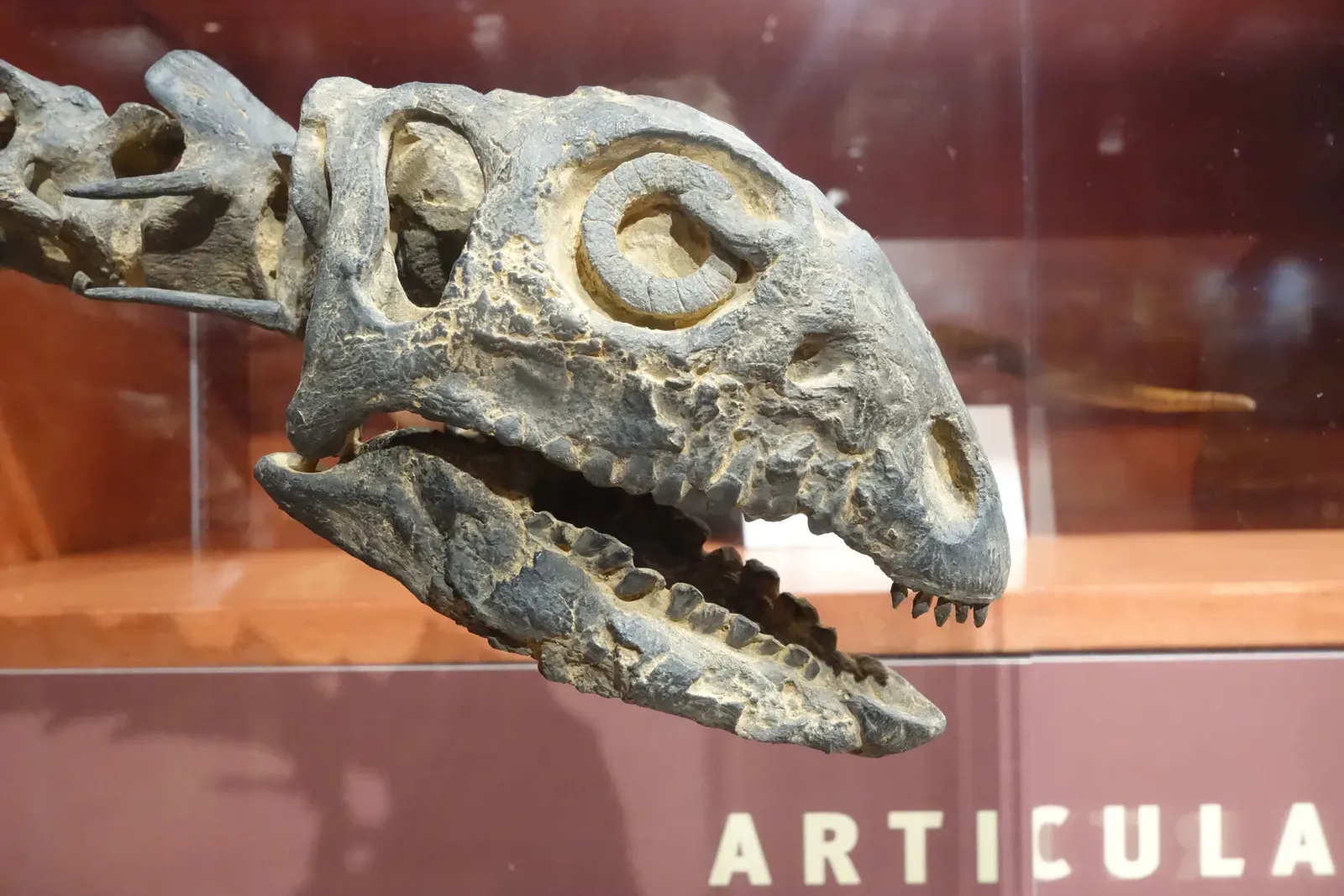
The truth about dinosaur intelligence sits somewhere in a gray zone that scientists are still mapping carefully. The general consensus on non-bird dinosaurs is that they were most likely on par in cognitive terms with turtles, lizards, and crocodylians, though bird-like maniraptorans were likely more similar to birds like emus and ostriches. The evidence from dinosaur brain size shows that non-bird dinosaurs were “reptile smart,” on par with lizards and crocodylians, and not in the same league as big-brained birds or mammals.
Yet that framing undersells the real story. To reliably reconstruct the biology of long-extinct species, researchers should look at multiple lines of evidence, including skeletal anatomy, bone histology, the behaviour of living relatives, and trace fossils. Neuron counts alone, it turns out, are a blunt instrument for something as nuanced as intelligence. While debates continue regarding the best methods to assess intelligence, the consensus is that dinosaurs exhibited a range of cognitive abilities, making them some of the most complex animals of their time. Future research may further clarify their intelligence and its implications for understanding the evolution of cognition in both dinosaurs and their avian descendants.
Conclusion: The Smarter We Look, the More Surprising They Become
You might have come into this topic expecting a simple answer. Were dinosaurs smart or not? The reality is that the question itself is almost too simple for the animals it describes. They were an extraordinarily diverse group that ruled the planet for over 150 million years, and their cognitive lives were just as varied as their forms.
What we know in 2026 is this: some dinosaurs were probably about as cognitively capable as a modern crocodile, while others, particularly the small feathered theropods, may have matched a sophisticated bird in their mental abilities. The old image of the slow, stupid reptile is gone for good. In its place is something far more interesting – a group of animals whose intelligence we are only beginning to truly understand, and whose living descendants, the birds, remind us every day that the dinosaur lineage never really stopped being clever.
So the next time you watch a crow solve a puzzle or a parrot mimic human speech, remember: you may be looking at the cognitive legacy of the Mesozoic. What would you have guessed the dinosaurs left behind?