
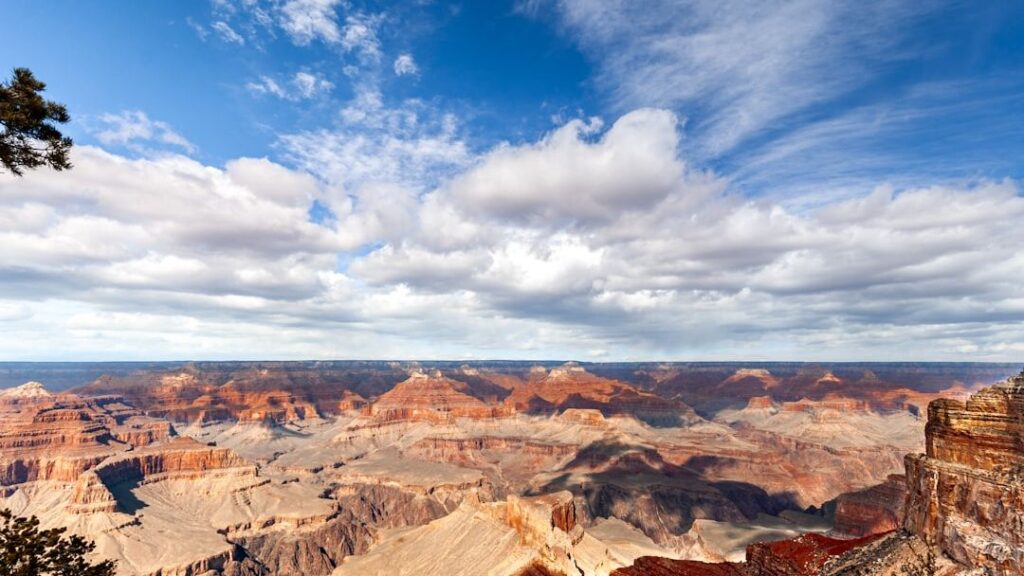
There are places on this Earth that stop you cold. Not because of a photograph you’ve seen or a statistic you remember, but because when you’re standing at the rim, staring into an abyss that descends more than a mile below your feet, something shifts inside you. The Grand Canyon does that to people. It’s not just a hole in the ground. It’s a wound in the Earth’s surface so old, so vast, and so staggeringly detailed that scientists are still arguing about parts of its story in 2026.
What you’re really looking at, when you stand at that rim, is time itself. Billions of years of it. Stacked in colored layers, carved by an ancient river, and shaped by forces that most of us will never fully comprehend. So let’s dive in, because this story is far more dramatic than you might expect.
Two Billion Years of Earth’s History, Frozen in Stone
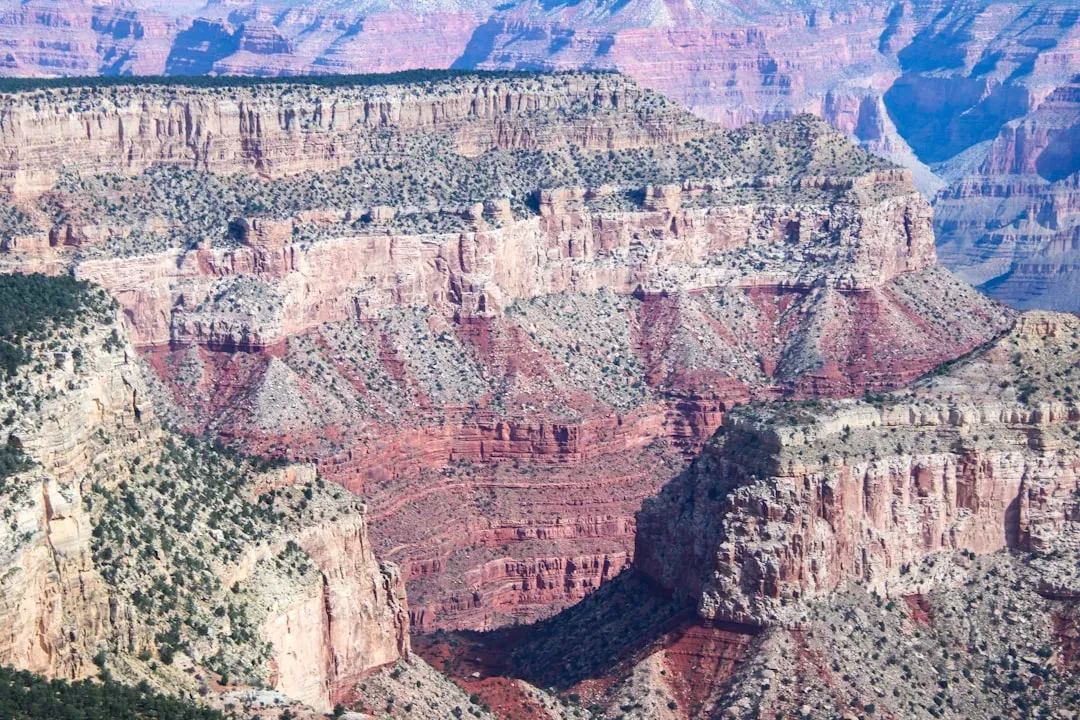
You can think of the Grand Canyon like the world’s most dramatic library, except instead of shelves filled with books, you get walls of rock telling stories that go back almost to the beginning of recognizable life on this planet. Nearly two billion years of Earth’s geological history have been exposed as the Colorado River and its tributaries cut their channels through layer after layer of rock while the Colorado Plateau was uplifted. That number, two billion years, is almost impossible to wrap your head around.
The oldest known rock in the Grand Canyon, the Elves Chasm Gneiss, is located deep in the canyon’s depths as part of the Vishnu Basement Rocks and clocks in at an ancient 1.84 billion years old. Meanwhile, the youngest of Grand Canyon’s rock layers, the Kaibab Formation, forms the rims of the canyon and is a mere 270 million years old. That’s still even older than the dinosaurs! Let that sink in for a moment.
The Vishnu Schist: The Canyon’s Ancient Foundation
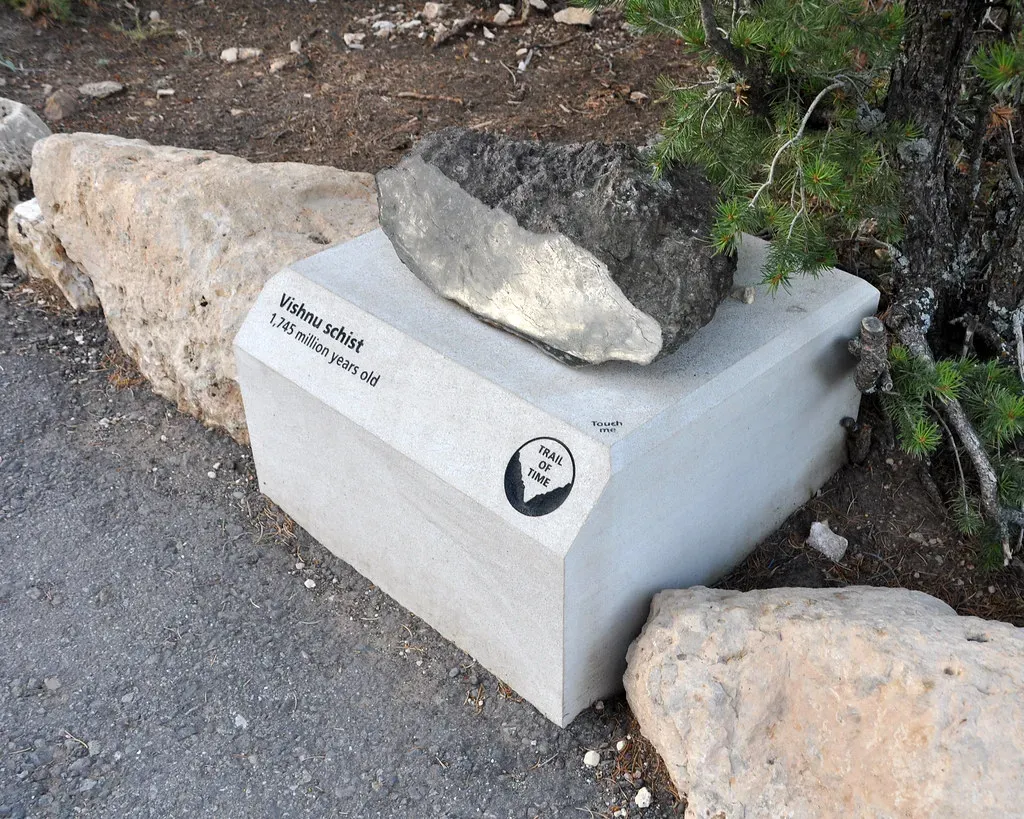
If you ever make it down to the canyon floor, the very first thing you’ll notice at river level is a dark, almost ominous black rock. That’s the Vishnu Schist, and it is ancient in a way that makes the rest of geological history look like last Tuesday. The dark black rock down at river level is a big leap back in time. This Vishnu Schist first appeared almost 2 billion years ago, as lava exposed to the heat and pressure of colliding volcanic islands with the North American landmass.
The oldest rocks in the Grand Canyon, found at the bottom of the canyon, are primarily metamorphic, with igneous intrusions. The intrusive igneous rocks here are called Zoroaster granite. The name given to this rock set is Vishnu Basement Rocks. Honestly, standing above these rocks while the Colorado River rushes past them feels like visiting the very birthplace of the continent. There’s nothing casual about that experience.
The Great Unconformity: A Mystery Written in Missing Time
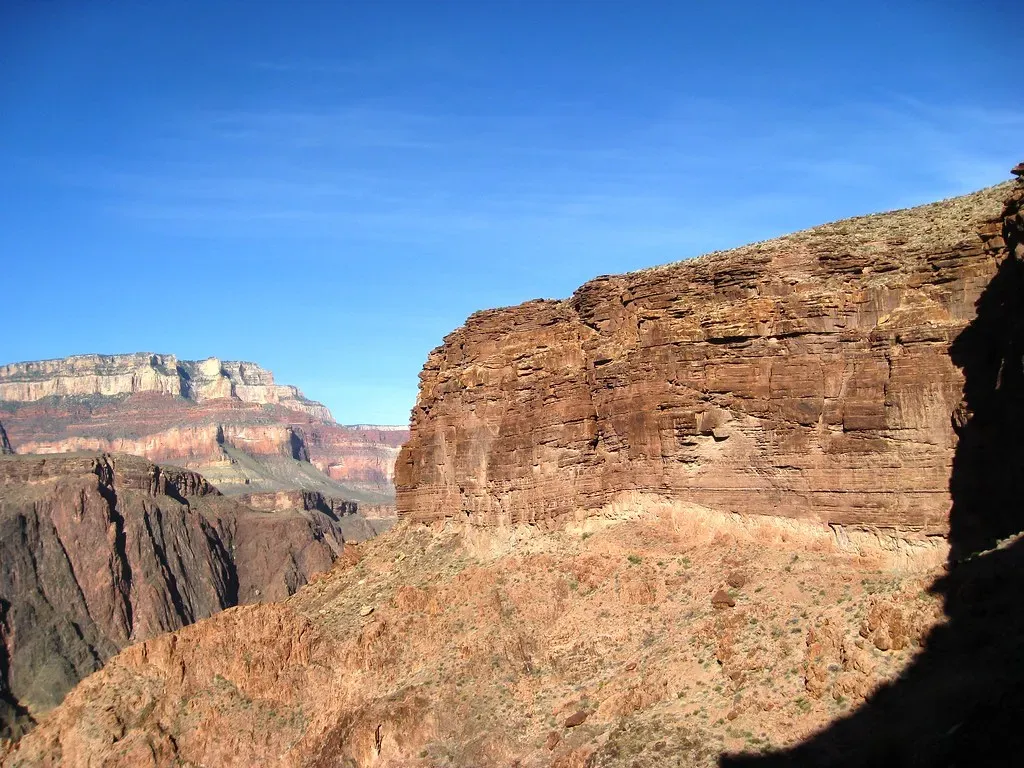
Here’s something that should genuinely blow your mind. Within those walls of the Grand Canyon, there’s a gap. Not a physical gap you can fall through, but a gap in time so enormous it staggers the scientific imagination. The major geological exposures in the Grand Canyon range in age from the two-billion-year-old Vishnu Schist at the bottom of the Inner Gorge to the 270-million-year-old Kaibab Limestone on the Rim. Within that, there is a gap, the Great Unconformity, between 1.75 billion and 1.25 billion years ago for which no deposits are present.
Any rocks that were deposited on top of the Grand Canyon Supergroup in the Precambrian were completely removed. This created a major unconformity that represents 460 million years of lost geologic history in the area. Geologists call this kind of erasure an unconformity, and it’s like finding a novel where hundreds of chapters have been ripped out. The story jumps dramatically, and you’re left wondering what happened in between. There are at least 14 known unconformities in the geologic record found in the Grand Canyon.
The Colorado River: The Sculptor Behind the Masterpiece
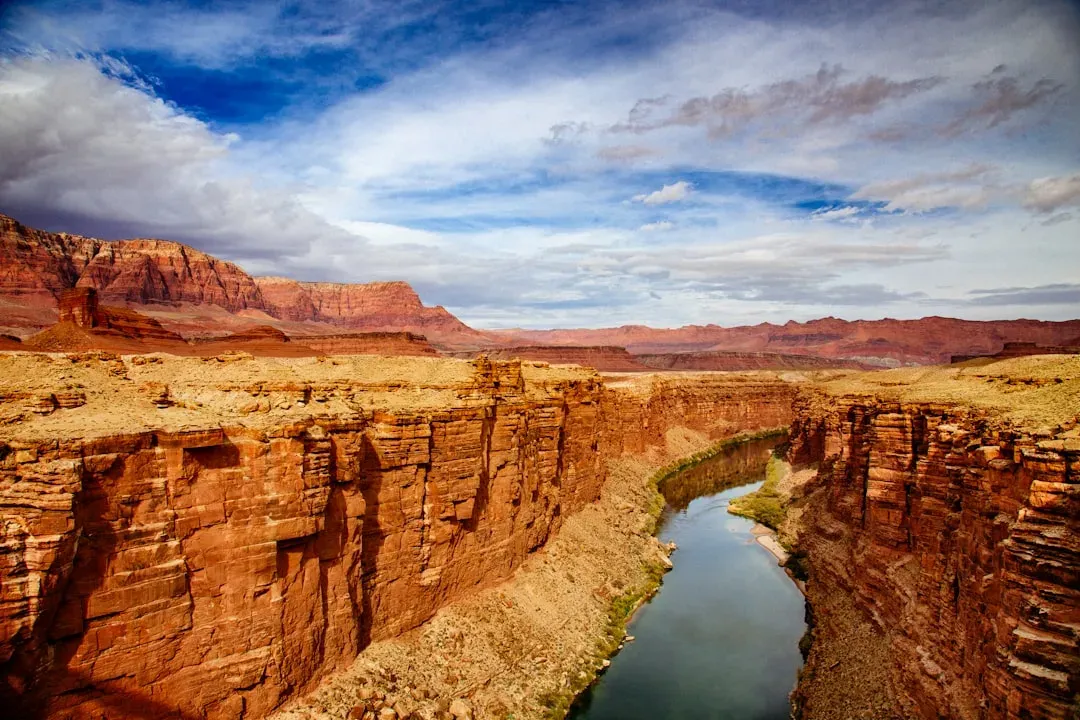
You might assume the water alone carved this canyon. After all, water is powerful, right? Well, here’s the thing: it’s actually a little more complicated than that. The answer may surprise you, since it is not the water that did it, but rather the rocky debris eroded and transported in floods that does most of the cutting. Think of this flood debris acting as a giant rock tumbler that can physically abrade the bedrock channels. So the river acts more like a conveyor belt for nature’s sandpaper than a knife in its own right.
The Colorado River began carving its way through the Colorado Plateau approximately 5 to 6 million years ago. Compared to the age of the rocks themselves, that’s practically yesterday. The Colorado River’s rapid velocity and large volume and the great amounts of mud, sand, and gravel it carries swiftly downstream account for the incredible cutting capacity of the river. Before Glen Canyon Dam was built, the sediments carried by the Colorado River were measured at an average of 500,000 tons per day. That’s not a river. That’s a geological wrecking machine.
The Rock Layers: A Colorful Chronicle of Ancient Worlds
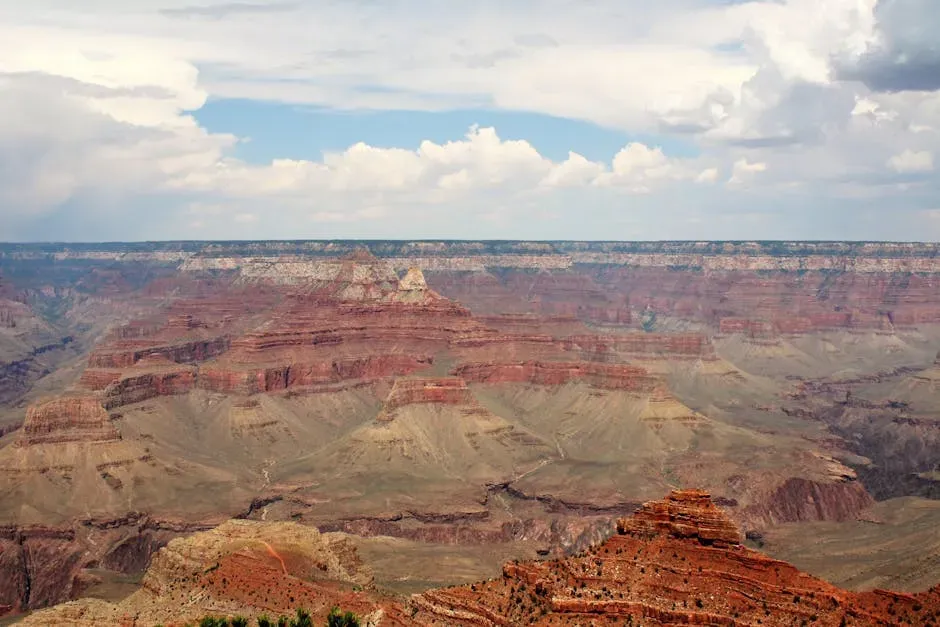
Every color band you see in the Grand Canyon’s walls represents a completely different world that once existed on that same patch of the Earth. Some of those layers were formed at the bottom of warm, shallow seas. Others were once towering sand dunes baking in an ancient desert. The nearly 40 major sedimentary rock layers exposed in the Grand Canyon range in age from about 200 million to nearly 2 billion years old. Most were deposited in warm, shallow seas and near ancient, long-gone sea shores in western North America.
The Paleozoic Strata contain many fossils that help scientists learn about the geologic history of North America. Most of the fossils are ocean-dwelling creatures, telling us that the area now in the middle of Arizona was once a sea. I think that’s one of the most mind-bending facts about the Grand Canyon. The floor of Arizona was once a seafloor. Shark teeth have been found in the Kaibab Formation, as well as abundant fossils of marine invertebrates such as brachiopods, corals, mollusks, sea lilies, and worms. Sharks, right there at the rim where tourists now take selfies.
The Colorado Plateau Uplift: How the Canyon Got Its Incredible Depth
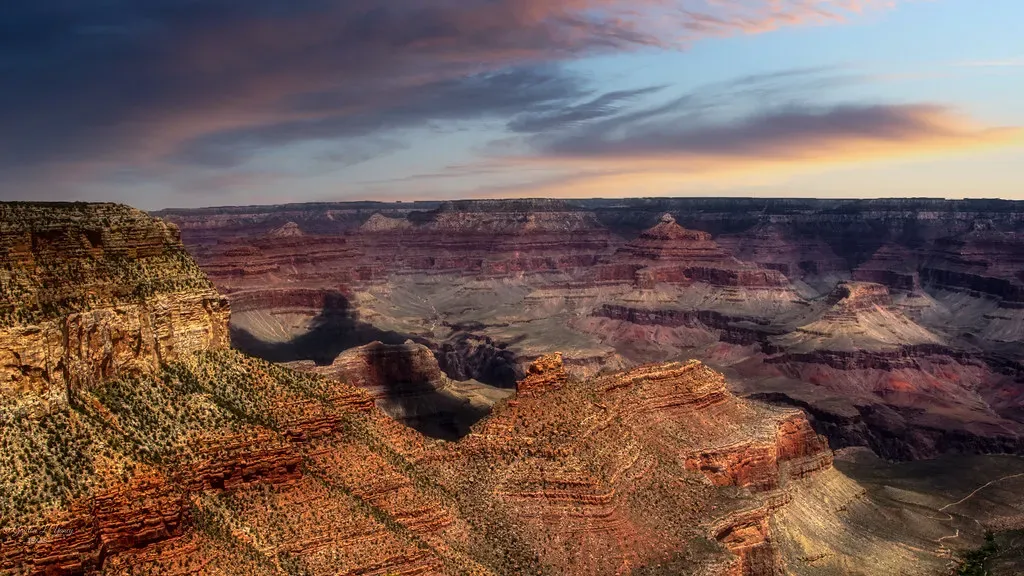
The Colorado River alone could not have carved a canyon this deep without some serious geological assistance. The uplift of the Colorado Plateau is the unsung hero of this whole story. The great depth of the Grand Canyon and especially the height of its strata can be attributed to 5,000 to 10,000 feet of uplift of the Colorado Plateau, starting about 65 million years ago during the Laramide orogeny. Think of it this way: the land was pushed upward like a slow-motion ramp, and the river, instead of moving sideways, kept cutting straight down.
Uplift of the region started about 75 million years ago during the Laramide orogeny, a mountain-building event that is largely responsible for creating the Rocky Mountains to the east. In total, the Colorado Plateau was uplifted an estimated 2 miles. That’s an astonishing amount of vertical rise. Conditions favourable to vigorous erosion were brought about by the uplift of the region, which steepened the river’s path and allowed deep entrenchment. The depth of the Grand Canyon is the result of the cutting action of the river, but its great width is explained by rain, wind, temperature, and chemical erosion.
A Living Ecosystem: Biodiversity Hidden Inside the Abyss
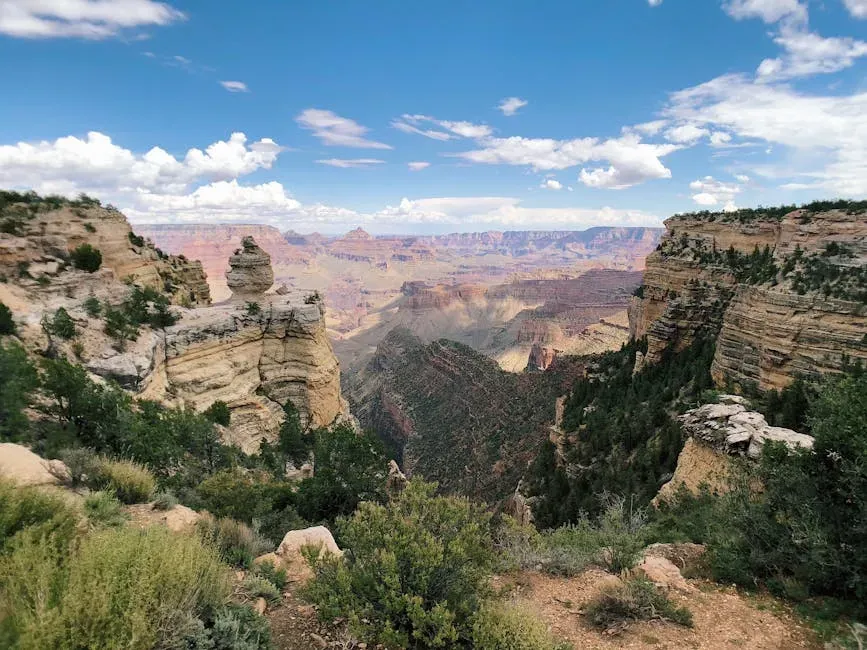
Most people think of the Grand Canyon as a geological showpiece, bare rock and dust in relentless sun. In reality, it is one of the most biologically rich places in North America. The great variation in elevation and the movement of the river foster a diversity of organisms in five major ecosystems, with different species thriving under particular conditions in each: the mixed conifer forest, the ponderosa pine forest, the pinyon juniper woodland, the desert scrub, and the riparian ecosystem, from highest to lowest elevation.
The park is known to host 1,750 vascular plant species, 64 moss species, 195 lichen species, 167 fungi species, 377 bird species, 91 mammal species, 58 reptile and amphibian species, 22 fish species, and more than 10,000 invertebrate species. That’s extraordinary. It contains five of the seven life zones and three of the four desert types in North America. If one visited all of the life zones within the park, it would be the equivalent of traveling from Mexico to Canada. A canyon that doubles as a continental road trip. Not bad for a hole in the ground.
The First People: Indigenous Nations and the Canyon’s Human Heart
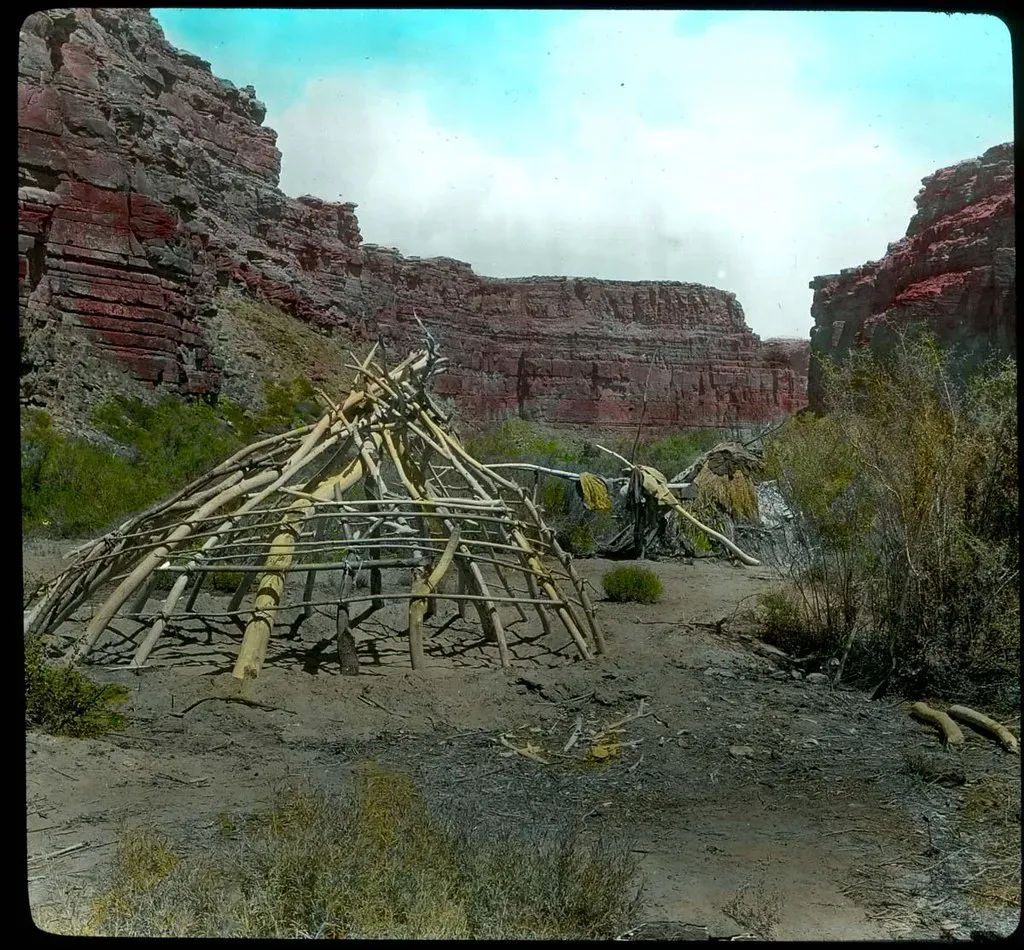
Long before any geologist arrived with a field notebook, the Grand Canyon was home. It’s easy to forget that when you’re thinking about rocks and rivers, but the human story here runs just as deep as the stone. Nothing could be further from the truth. The reality is, people have been in this place for more than 10,000 years. Before the pyramids in Egypt or the Colosseum in Rome were built, Native Americans were here in the Grand Canyon.
The Grand Canyon has 11 Native American tribes traditionally associated with it. Today they partner with the Grand Canyon National Park Service to tell their stories in their own voices. The Havasupai have perhaps the most intimate relationship of all. The Havasupai people are a Native American people and tribe who have lived in the Grand Canyon for at least the past 800 years. Their village of Supai, reachable only by foot, mule, or helicopter, remains one of the most remote inhabited places in the entire United States, and their presence there is a living, breathing part of the canyon’s full story.
Conservation, Climate Change, and the Canyon’s Uncertain Future
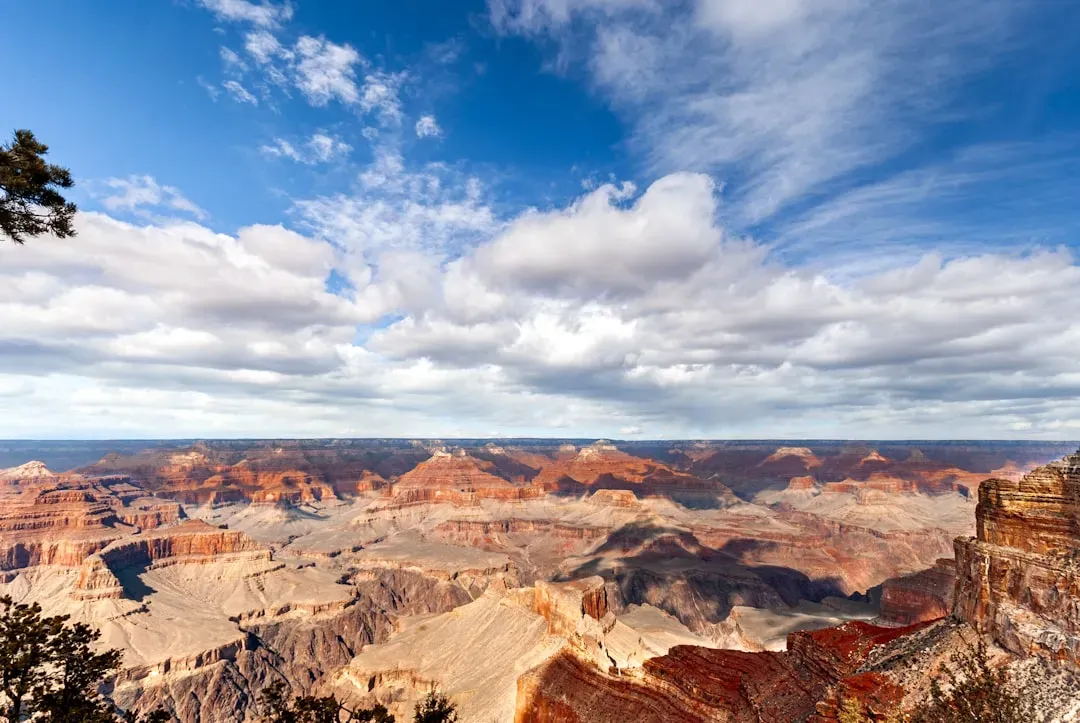
Here’s where the story gets a little uncomfortable. The Grand Canyon faces real, measurable threats in 2026, and it would be dishonest to write about this place without acknowledging that. Dwindling tourism isn’t even the least of our worries when it comes to protecting the Grand Canyon from the effects of climate change. Increasingly high temperatures continue to threaten the water springs surrounding the Grand Canyon, which are pivotal to supporting biodiversity and helping to sustain the wildlife across the National Park.
The increase in visitation, from 4.5 million to around 6 million annually, is putting pressures on the park. If this trend continues and no sustainable solution to visitation occurs, park resources could be negatively affected by unregulated and unplanned development. Meanwhile, the Glen Canyon Dam controls the Colorado River now, providing electricity to six states and changing the natural flow patterns. Since the construction of the dam in 1963, researchers have been studying how changes in river flow affect the erosion and deposition of sediment along the Colorado River. The river that built this wonder is now managed by a dam, and the long-term consequences of that are still being written.
Conclusion
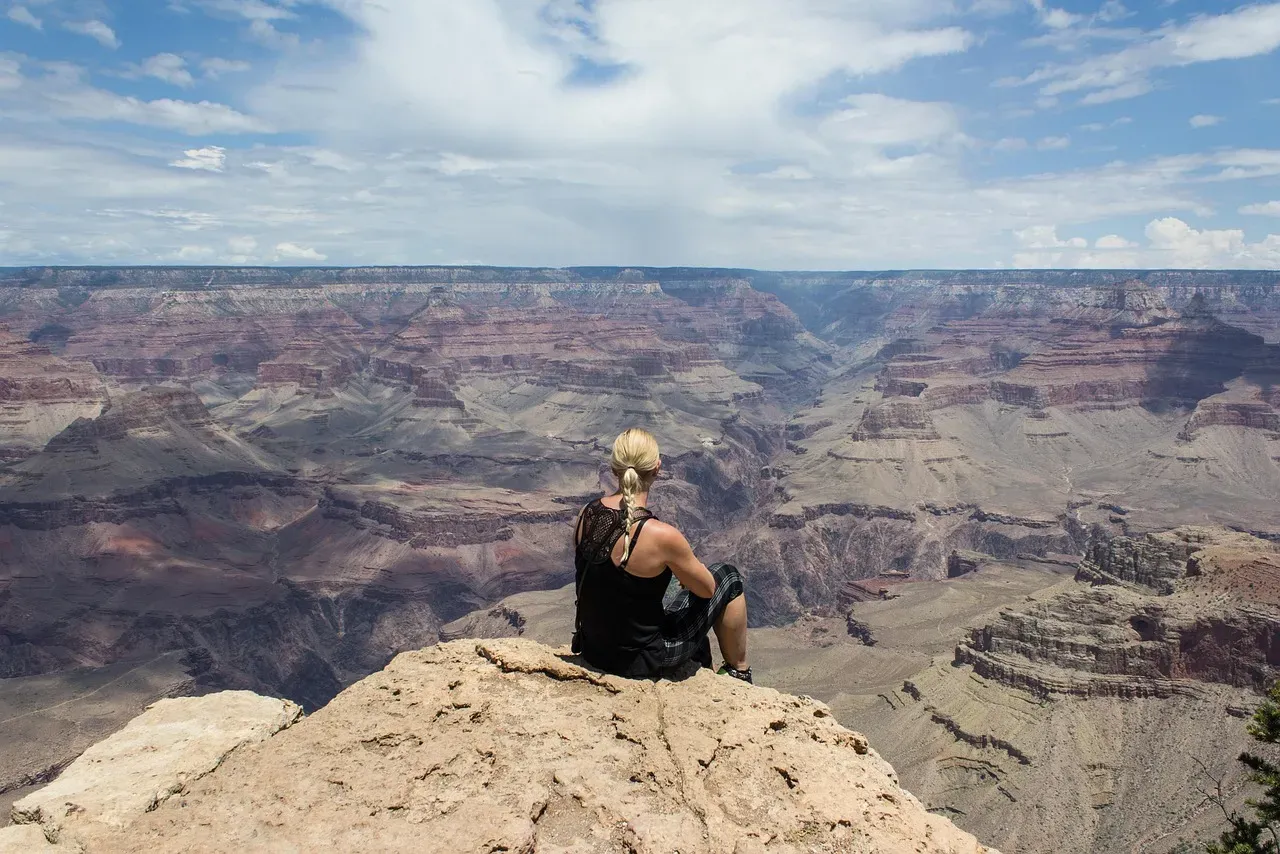
The Grand Canyon is not just a place you visit. It’s a place that visits you, long after you’ve gone home. It rewrites your sense of time, shrinks your sense of self, and quietly insists that you reconsider your place in the larger story of this planet. Standing at the rim, you’re looking at nearly two billion years of history, from the black schist at the river’s edge to the pale limestone under your feet, and every layer in between is a chapter that Earth wrote without us, long before humans ever arrived to admire it.
The canyon is still being shaped today, still slowly deepening, still hosting thousands of species, still holding the living cultures of eleven Indigenous nations, and still challenging scientists to understand its full story. It’s a geological library, a biodiversity hotspot, a sacred homeland, and one of the most breathtaking views you will ever witness in your life. The real question isn’t why the Grand Canyon matters. It’s whether we will prove worthy enough as a species to protect it for the next two billion years.
What part of the Grand Canyon’s story surprised you most? Tell us in the comments below.