Earth’s vast water bodies hold immense value, yet accessible freshwater accounts for less than 3% of the total, with much trapped in glaciers beyond immediate use. Humans and wildlife alike rely on these limited supplies, particularly aquatic species vulnerable to disruption. World Water Day, observed on March 22 by the United Nations, spotlighted recent biodiversity triumphs alongside escalating challenges from pollution and overexploitation that imperil these habitats.
Record Discoveries Signal Untapped Biodiversity
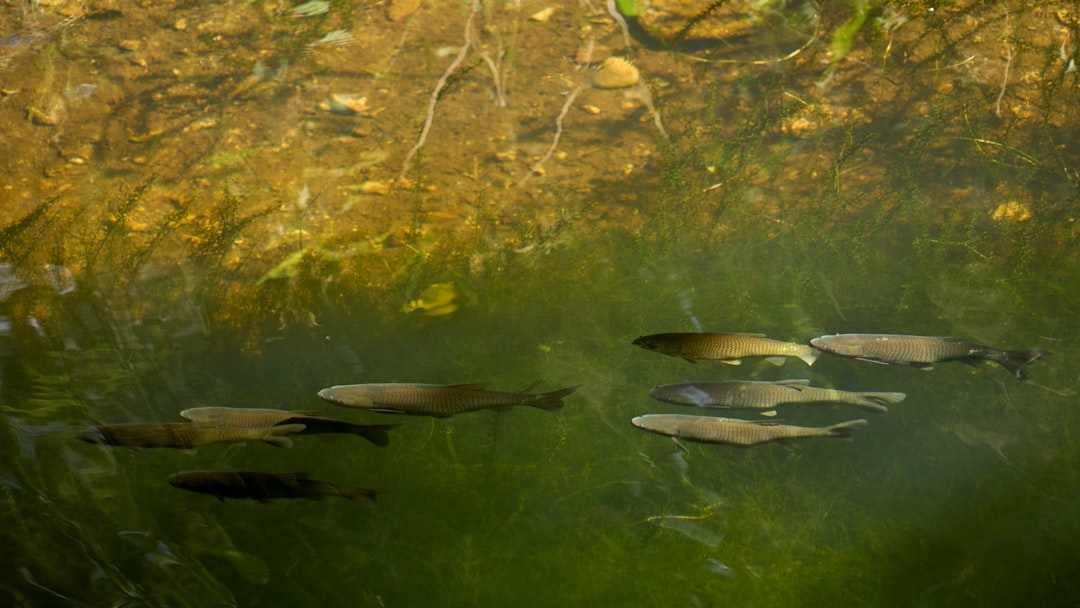
Record Discoveries Signal Untapped Biodiversity (Image Credits: Unsplash)
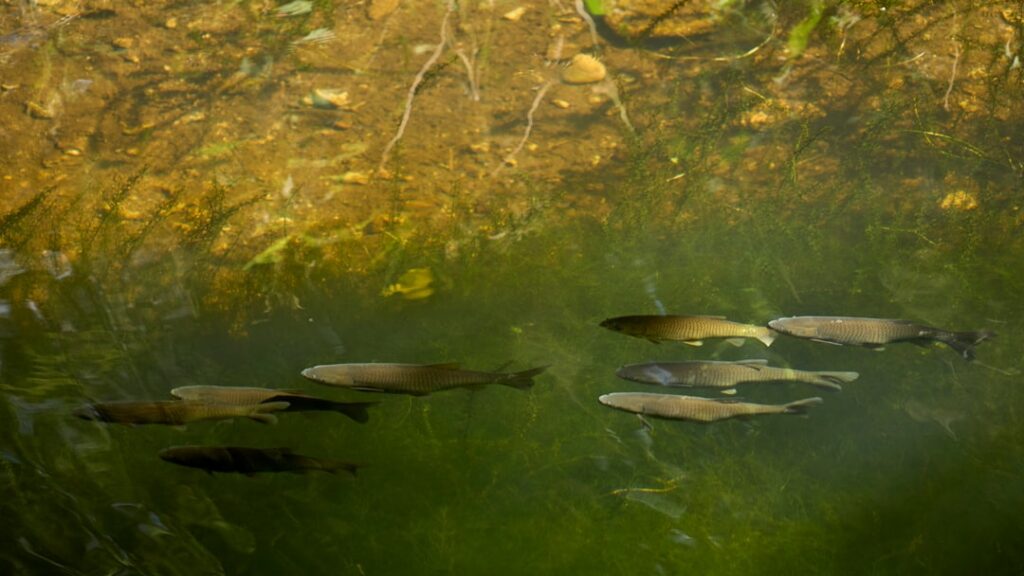
Researchers cataloged more than 300 new-to-science freshwater fish species in 2025, marking the third-highest annual total since systematic records began in 1758. This pace equated to nearly one new species identified daily, underscoring the hidden richness in rivers, lakes, and streams worldwide. Such findings highlight how much remains unknown about freshwater ecosystems despite intensifying human pressures.
“Our planet’s rivers and wetlands are still full of surprises,” Michael Edmondstone, a spokesperson at SHOAL Conservation, told Mongabay. Taxonomists’ efforts revealed adaptations honed over millennia in diverse environments. These discoveries not only expand scientific knowledge but also emphasize the urgency of protection before habitats degrade further.
Spotlight on Remarkable New Finds
Among the standout species were two cave-dwelling fish from China, each evolved for perpetual darkness. The Yang’s plateau loach (Triplophysa yangi) and the Sichuan mountain cave loach (Claea scet) demonstrate extraordinary physiological changes, such as enhanced sensory organs, to thrive in lightless waters. Farther afield, scientists unveiled the sicklefin redhorse (Moxostoma ugidatli) in the U.S. Appalachian Mountains.
This specimen measured 60 centimeters (24 inches), positioning it as the largest fish newly described in North America over the past century. Such giants underscore the ecological roles these species play in their native waterways.
- Yang’s plateau loach (Triplophysa yangi): Adapted cave fish from China.
- Sichuan mountain cave loach (Claea scet): Darkness-specialized swimmer in Chinese caves.
- Sicklefin redhorse (Moxostoma ugidatli): Record-sized Appalachian native.
Nuclear Ambitions Threaten Lake Victoria’s Treasures
Lake Victoria, Africa’s largest freshwater body and roughly the size of Ireland, supports exceptional fish diversity and feeds the Nile River. A World Wildlife Fund report identified the region as one of the planet’s most biodiverse for freshwater fish. Kenyan authorities shortlisted the lake as a potential site for a 1,000-megawatt nuclear power plant.
Mismanaged waste or an accident could contaminate the lake’s waters, devastating fish populations and downstream ecosystems, as reported by Mongabay’s Elodie Toto. Local communities depend on the lake for sustenance and livelihoods, amplifying the stakes. Officials must weigh energy needs against irreversible ecological harm.
Ancient Reservoirs Pose Extraction Dilemmas
Off the northeastern U.S. coast, scientists drilling for oil and gas stumbled upon vast freshwater reserves beneath the Atlantic seafloor at three sites. Geophysicist Brandon Dugan of the Colorado School of Mines, co-chief scientist on the expedition, described the find as a “beautiful scientific accident.” Evidence points to glaciers from about 20,000 years ago depositing these aquifers.
Unlike typical groundwater, these isolated pockets lack natural recharge mechanisms. Any extraction efforts risk disturbing fragile seafloor habitats teeming with marine life. The discovery prompts questions about sustainable access amid growing freshwater demands.
Balancing Wonder and Warning
Freshwater systems brim with life yet teeter on the brink from human activities. Recent species revelations serve as a call to safeguard these environments before losses mount. Policymakers, scientists, and communities must prioritize conservation to preserve this irreplaceable resource.
Key Takeaways
- Over 300 new freshwater fish species described in 2025 highlight ongoing biodiversity surprises.[2]
- Threats like contamination, overuse, and infrastructure projects endanger vital habitats.
- Global cooperation on World Water Day underscores the need for sustainable water management.
What steps can we take to protect these freshwater wonders? Share your thoughts in the comments.