For most of the last two centuries, dinosaurs had a reputation problem. They were the poster creatures for evolutionary failure, written off as lumbering, cold-blooded giants too dim-witted to outcompete scrappy little mammals. Movies didn’t help. Popular culture handed you a T. rex that couldn’t see you if you stood still, and raptors that were basically oversized, scaly attack dogs. Science, thankfully, tells a much more complicated and honestly far more exciting story.
The truth is, the question of how smart dinosaurs really were has sparked one of the most passionate ongoing debates in modern paleontology. What tools do scientists actually use? What does a fossilized skull tell you about a creature’s inner life? And could certain dinosaurs have been far more sophisticated than anyone dared to imagine? Let’s dive in.
From “Stupid Lizards” to Something Else Entirely: How the Science Changed
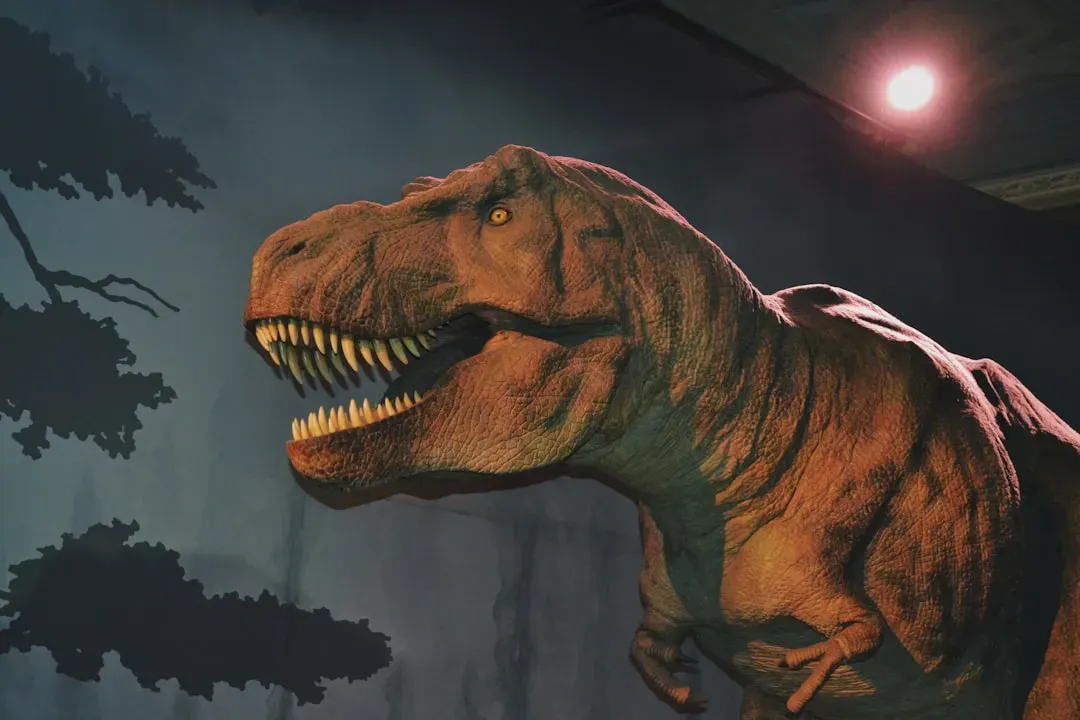
For a long time, the dominant view was embarrassingly simple: big body, small brain, dumb animal. Early assumptions pegged dinosaurs as unintelligent due to their relatively small brain sizes compared to their bodies, aligning them with reptiles. However, advancements in paleontology, particularly the development of the encephalization quotient, or EQ, in the 1970s, began to shift those views dramatically.
Paleontologists made little progress in understanding dinosaur cognition until the 1970s, when scientists developed a new system for estimating intelligence based on relative brain size. Even now, scientists are still debating whether absolute brain size or relative brain size is the best way to estimate intelligence. That debate, honestly, has never fully been resolved, and it makes the whole field far messier than any headline will tell you.
While dinosaurs were once considered to be slow-witted, slow-moving reptiles whose very lack of behavioral flexibility and learning skills might have contributed to their demise, the members of many dinosaur species are now recognized to have functioned at an avian level of behavioral complexity. That shift in thinking changed everything about how paleontologists approach these ancient animals.
Endocasts and CT Scans: Peering Inside Skulls Across Deep Time
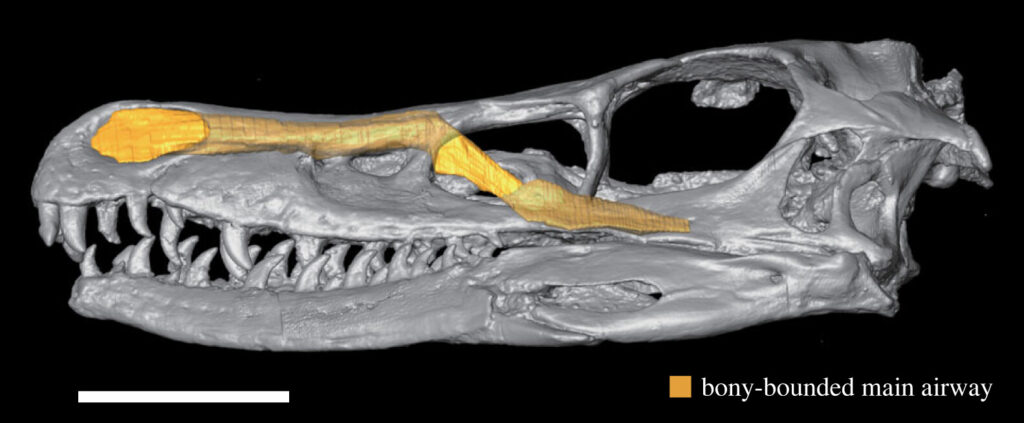
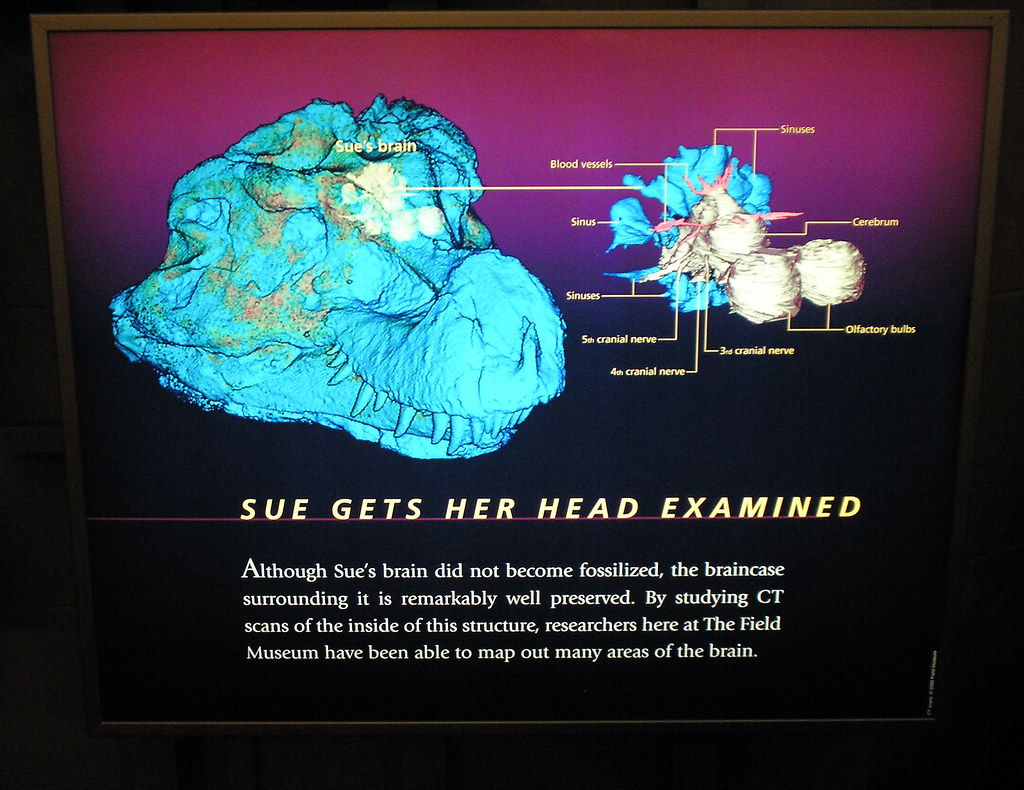
Intelligence leaves no traces in the fossil record, but the size and shape of ancient brains can be recovered using endocasts. Think of it like pouring plaster into an empty room to figure out the shape of the furniture that used to be there. You get an impression, not the thing itself, and that distinction matters enormously.
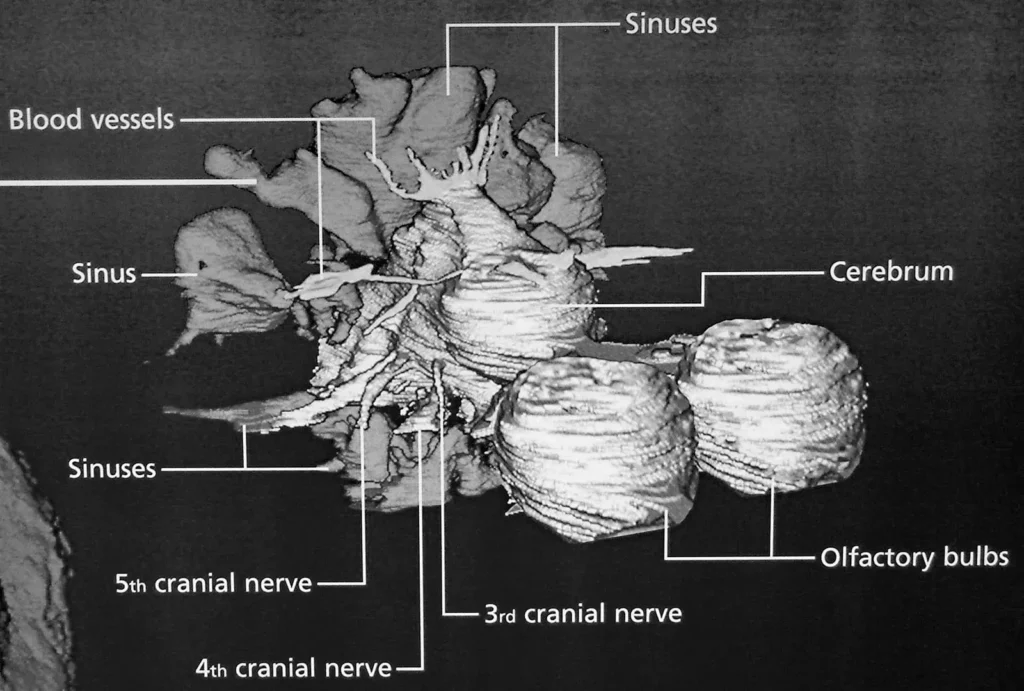
Recent research utilizing computed tomography, or CT scanning, has enabled scientists to create accurate models of dinosaur brains, allowing for more comprehensive analyses of their cognitive capacities. Notably, studies indicate that theropod dinosaurs may have had higher neuron densities similar to those found in modern primates, hinting at sophisticated intelligence. Of course, those claims have not gone unchallenged, which is exactly what good science looks like.
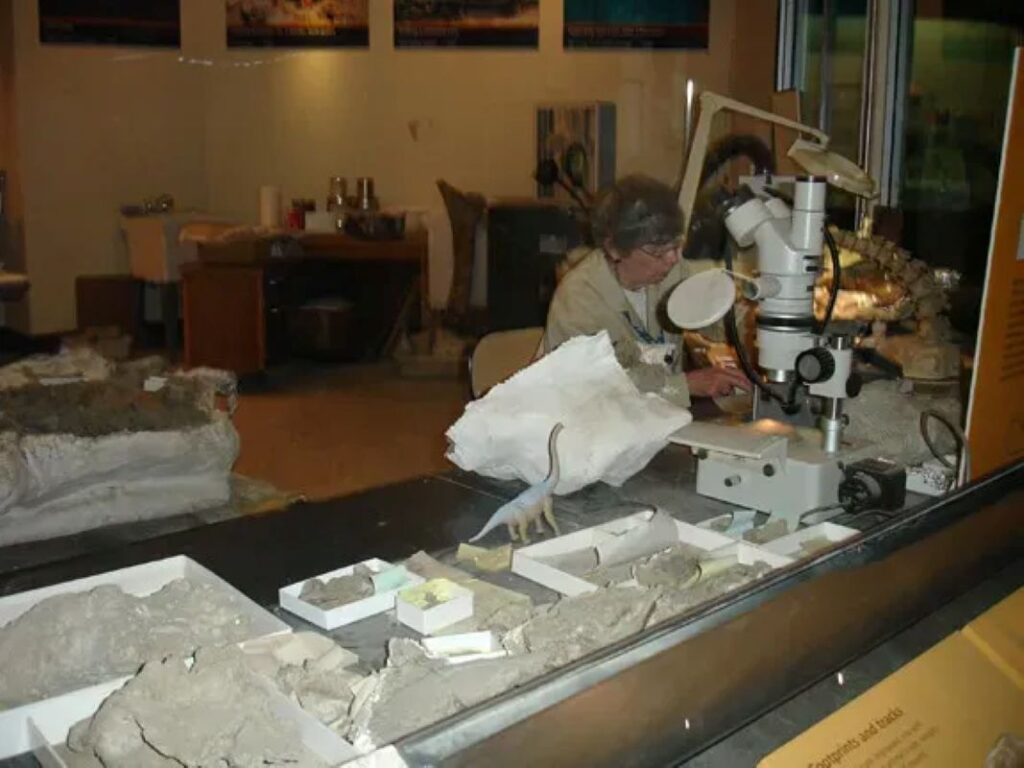
Modern medical imaging techniques, including CT scanning, allow paleontologists to create accurate three-dimensional representations of dinosaur cranial anatomy, enabling better evaluations of brain size, shape, and function. Virtual models are gradually replacing endocasts as the preferred method for studying the cranial anatomy of extinct animals. That technological leap is genuinely transforming what researchers can ask, and answer, about prehistoric minds.
The Encephalization Quotient: A Clever Tool With Real Limitations
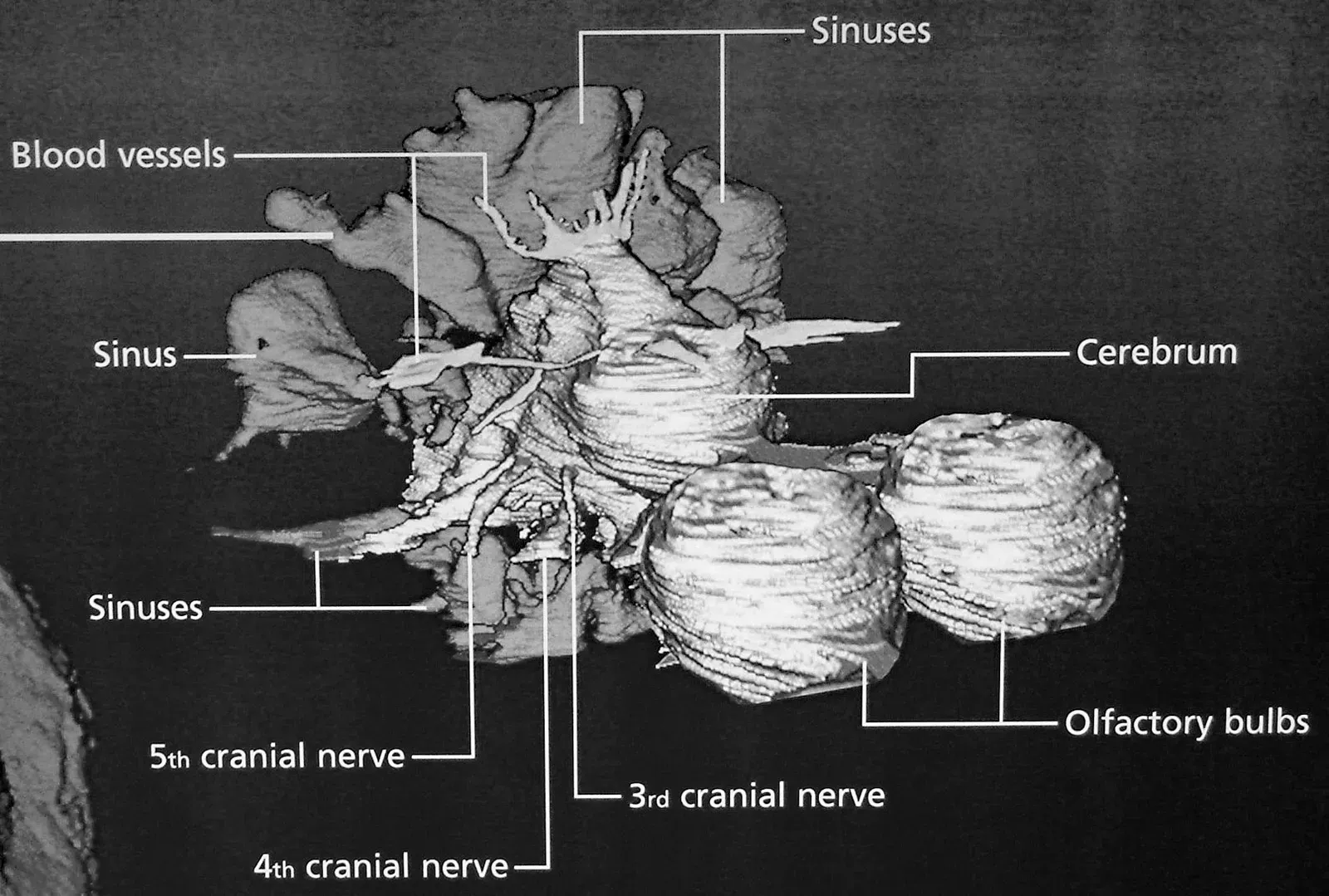
The Encephalization Quotient is the ratio of actual brain mass to expected brain mass relative to the animal’s body weight. Paleontologists believe that higher EQ values are positively correlated with greater intelligence. On paper, it sounds like an elegant solution. In practice, it’s much more complicated than that.
Historically, researchers have used the encephalization quotient, which measures an animal’s relative brain size related to its body size. A T. rex, for example, had an EQ of about 2.4, compared with 3.1 for a German shepherd and 7.8 for a human, leading some to assume it was at least somewhat smart. Here’s the thing though: an EQ of 2.4 sounds impressive until you realize it still puts the most famous predator in history below your family dog.
Brain size alone is not a definitive indicator of intelligence. The organization of the brain, neuronal density, and specific brain regions all play crucial roles. An animal with a smaller but more efficiently organized brain might be more intelligent than one with a larger, less efficient brain. That insight is what has pushed researchers to look beyond simple volume measurements toward something more nuanced.
Troodon and the Brainy Theropods: Meet the Einsteins of the Cretaceous
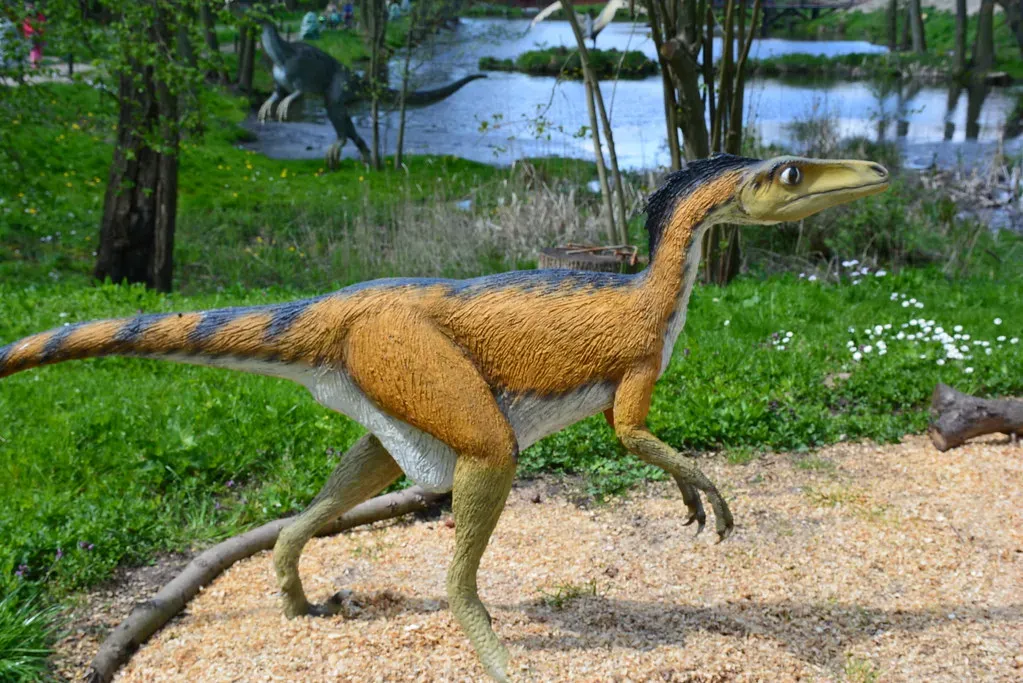
Troodon is believed to be the smartest dinosaur ever, with an EQ of 5.8. This small coelurosaurian dinosaur, belonging to a similar evolutionary group as modern birds, had a huge brain especially considering its size, making it the smartest among known dinosaurs. To put that in perspective, that score approaches the range of some modern birds, which are themselves remarkable cognitive performers.
Inside Troodon’s skull, researchers found big cerebral hemispheres – the regions of the brain linked to problem-solving and sensory processing – and enlarged optic lobes for sight. In other words, Troodon’s brain was not just big; it was organized in a way that looks distinctly bird-like. That matters deeply. Having a large brain is one thing. Having a well-organized one is another thing entirely.
Fossil evidence shows that the dinosaur had exceptionally large eye sockets, implying oversized eyes and excellent low-light vision. The eyes were also set somewhat forward on the skull, providing binocular vision – the ability to judge depth and distance – crucial for a predator that needed to strike accurately at moving prey. When you combine a bird-like brain with stereo vision and fast legs, Troodon starts looking less like a mindless lizard and more like something genuinely formidable.
Was T. Rex as Smart as a Baboon? The Neuron Count Controversy
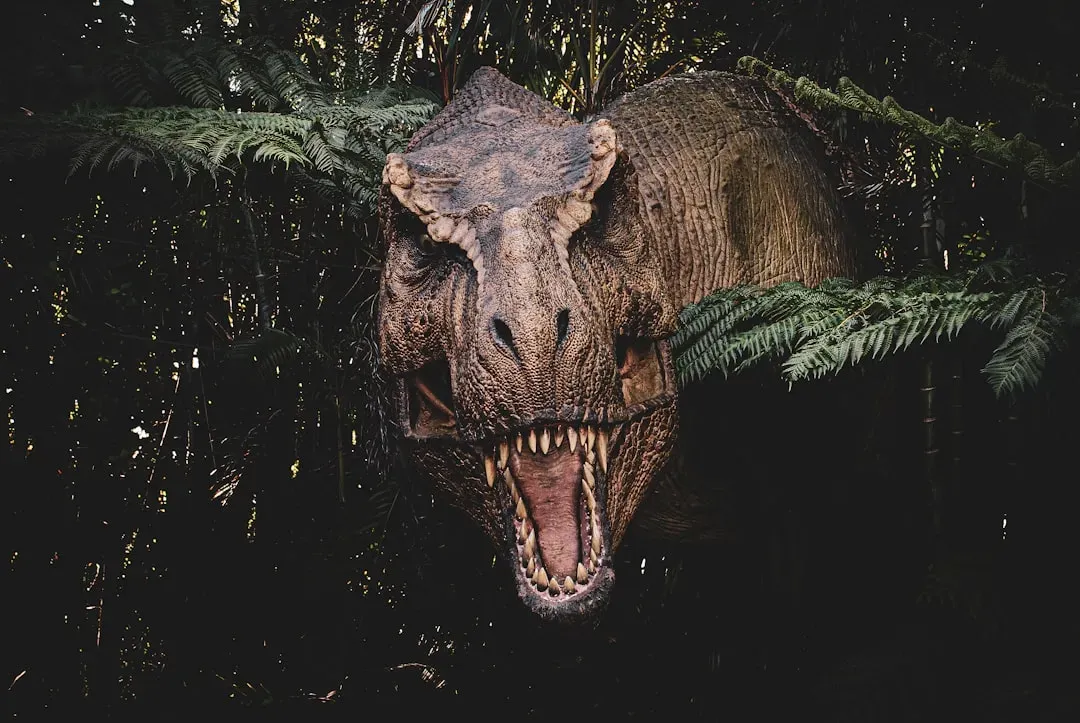
Vanderbilt University neuroscientist Suzana Herculano-Houzel published a paper estimating that dinosaurs like T. rex had three billion neurons in their brains, more than a baboon. To Herculano-Houzel, this suggested T. rex was much smarter than previously assumed – intelligent enough to use tools, solve problems, and even pass down knowledge through generations. The study was controversial at the time, with some researchers publicly expressing their skepticism.
Dinosaurs were as smart as reptiles but not as intelligent as monkeys, as later research suggests. An international team of palaeontologists, behavioural scientists, and neurologists re-examined brain size and structure in dinosaurs and concluded they behaved more like crocodiles and lizards. That rebuttal, published in The Anatomical Record in 2024, sent shockwaves through the field. It didn’t close the debate so much as make it louder.
The number of neurons also tends to scale with body size, so even if T. rex did have as many neurons as a baboon, that does not mean the dinosaur’s intelligence was on par with a primate’s. Larger animals simply need more neurons for basic biological functions. It’s a bit like saying a freight train has a bigger engine than a sports car: raw power doesn’t tell you which one is better at navigating a mountain road.
Social Behavior and Parental Care: Intelligence Written in Stone
Results show that Mussaurus and possibly other dinosaurs evolved to live in complex social herds as early as 193 million years ago, around the dawn of the Jurassic period. That’s staggering when you think about it. Complex, organized social behavior this early in dinosaur history suggests cognitive capacity we’ve only recently begun to appreciate.
Duck-billed Maiasaura, a name that means “good mother lizard,” is one of the best-known examples of parental behavior in dinosaurs. These Late Cretaceous dinosaurs, which lived around 80 to 75 million years ago, are thought to have nested in large colonies. The parents may have extensively provided food and protection for their hatchlings, although this idea is still debated.
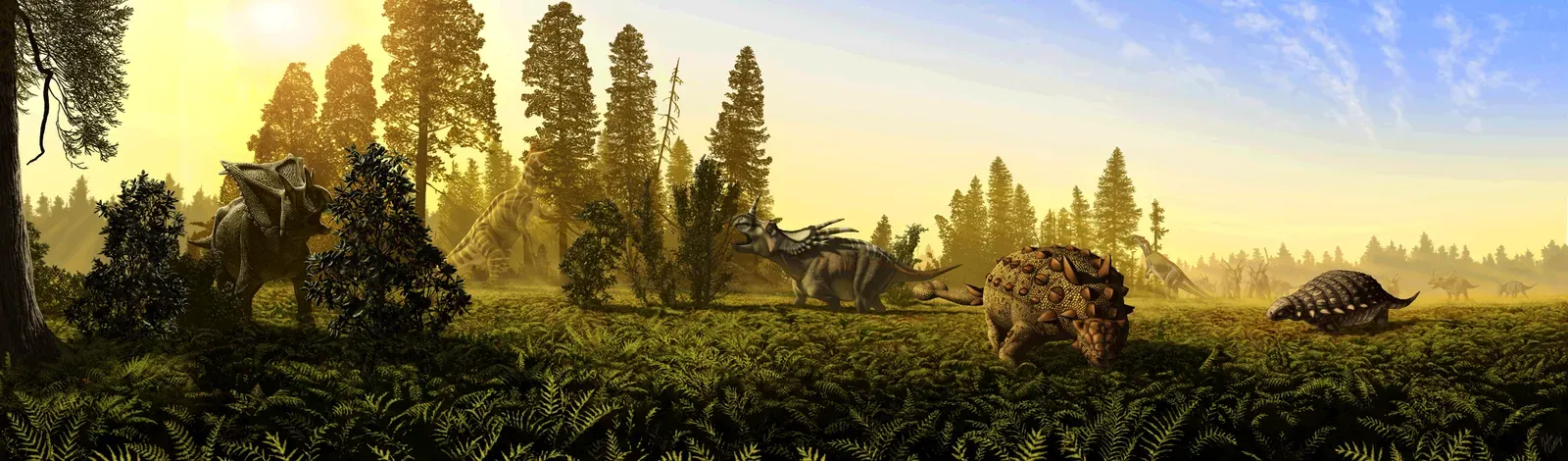
A collection of footprints from a group of ceratopsians and an Ankylosaurus could be the first evidence of dinosaur herds that were made up of multiple species. Mixed-species herding is not something you stumble into by accident. It requires at minimum a tolerance of other animals, and potentially something closer to inter-species communication. That thought, honestly, is kind of mind-blowing.
Birds as Living Clues: What Dinosaur Intelligence Looks Like Today
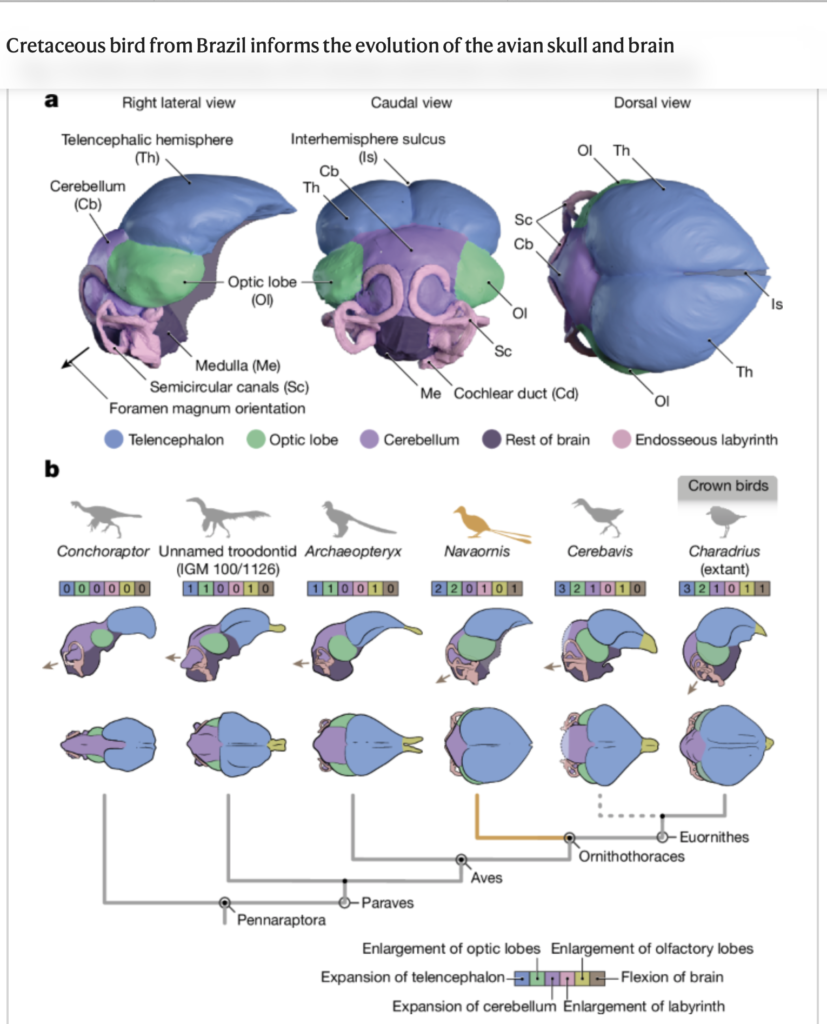
Navaornis lived approximately 80 million years ago in what is now Brazil, before the mass extinction event that killed all non-avian dinosaurs. Researchers say their discovery, reported in the journal Nature, could be a sort of “Rosetta Stone” for determining the evolutionary origins of the modern avian brain. The fossil fills a 70-million-year gap in our understanding of how the brains of birds evolved, between the 150-million-year-old Archaeopteryx, the earliest known bird-like dinosaur, and birds living today.
Navaornis had a larger cerebrum than Archaeopteryx, suggesting it had more advanced cognitive capabilities than the earliest bird-like dinosaurs. Every crow that solves a puzzle, every parrot that learns a word, every hawk that coordinates a hunt is carrying forward a cognitive legacy that began in the Mesozoic. Because modern birds evolved from small, feathered dinosaurs, scientists now study living bird species to understand how dinosaur brains once worked. Crows that solve puzzles, parrots that mimic speech, and hawks that hunt cooperatively all hint at a deeper, ancient intelligence.
Alex the African gray parrot was capable of cognitive feats well beyond those of, say, a rat or opossum. So, the dinosaur reign could have continued indefinitely without the mass extinction event caused by the cataclysmic meteor strike at what is now the Yucatán Peninsula in Mexico. When a parrot can outthink a mammal, it says a great deal about what the ancestors of birds might have been capable of, given enough time.
Conclusion: Still Scratching the Surface of Ancient Minds
Here’s the honest truth: we are still, in 2026, in the early chapters of understanding dinosaur intelligence. To reliably reconstruct the biology of long-extinct species, researchers should look at multiple lines of evidence, including skeletal anatomy, bone histology, the behavior of living relatives, and trace fossils. No single metric, no single fossil, no single study tells the whole story.
This is very much an active area of debate and consideration. It’s difficult not to be intrigued and even excited by claims that Mesozoic dinosaurs possessed “largely unknown neurocognitive functions approaching those seen in birds.” The mystery is far from solved, and that in itself is thrilling for science.
What we know for certain is that dinosaurs were not the brainless, clumsy giants that scientists once assumed. Some were social. Some were attentive parents. Some had bird-like brains structured for complexity. The picture that keeps emerging is of a group of animals that were, in many ways, shaped by the same evolutionary pressures that built intelligence in modern creatures. Were some of them smarter than we give them credit for? Almost certainly. Were any of them as crafty as a raven? That, I think, is still the greatest open question in paleontology. What do you think – and does it change how you see the world that birds, those everyday creatures outside your window, are the living heirs of creatures that once ruled the Earth?