Most people picture dinosaurs as cold, solitary killing machines – scaled monsters that laid their eggs and vanished into the prehistoric wilderness without so much as a backward glance. Honestly, that image couldn’t be more wrong. What paleontologists have uncovered over the past few decades is far more surprising, and frankly, far more moving.
You’re about to discover that dinosaurs were complex, socially aware animals whose family lives looked startlingly similar to those of modern birds. From devoted fathers brooding on their nests in desert sandstorms to massive herds tending nurseries that covered several acres, the evidence is nothing short of breathtaking. Let’s dive in.
Maiasaura: The “Good Mother Lizard” Who Changed Everything
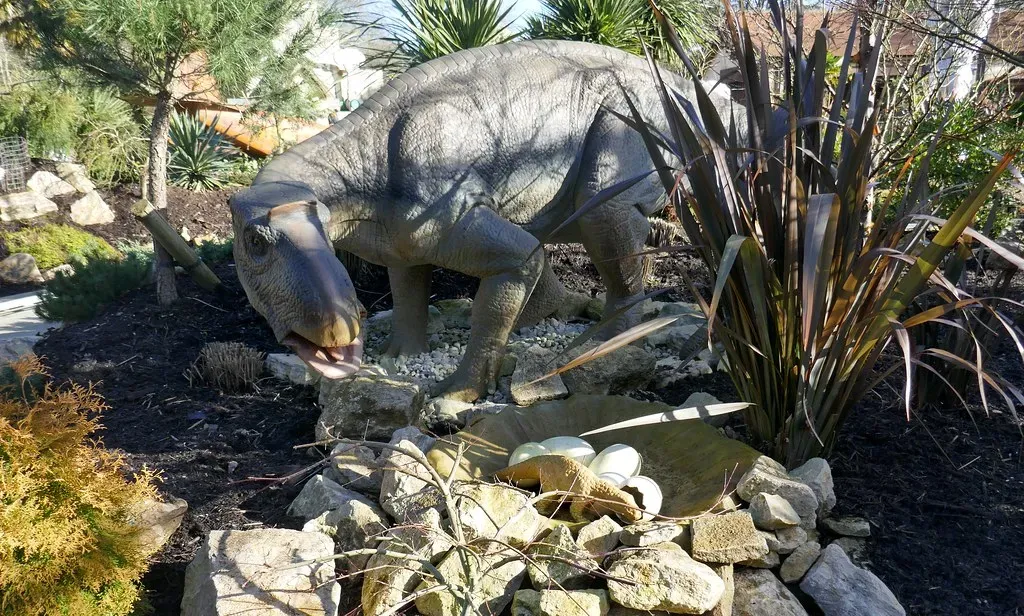
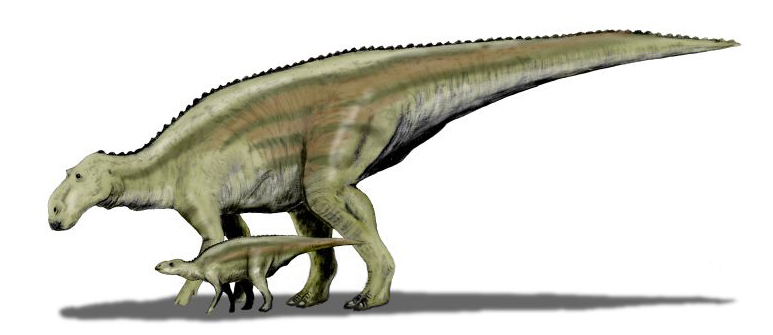
Before 1978, science largely assumed that dinosaurs were deadbeat parents – reptile-brained egg-layers who never looked back. Then came a discovery that flipped the script entirely. In 1978, paleontologist Jack Horner and his colleague Bob Makela discovered a vast nesting site in the Two Medicine Formation of western Montana, and the extraordinary find included not just adult specimens, but also eggs, hatchlings, and juveniles of various ages – all preserved in what appeared to be a massive communal nesting ground. The site was later named “Egg Mountain,” and it is, without exaggeration, one of the most important dinosaur discoveries in history.
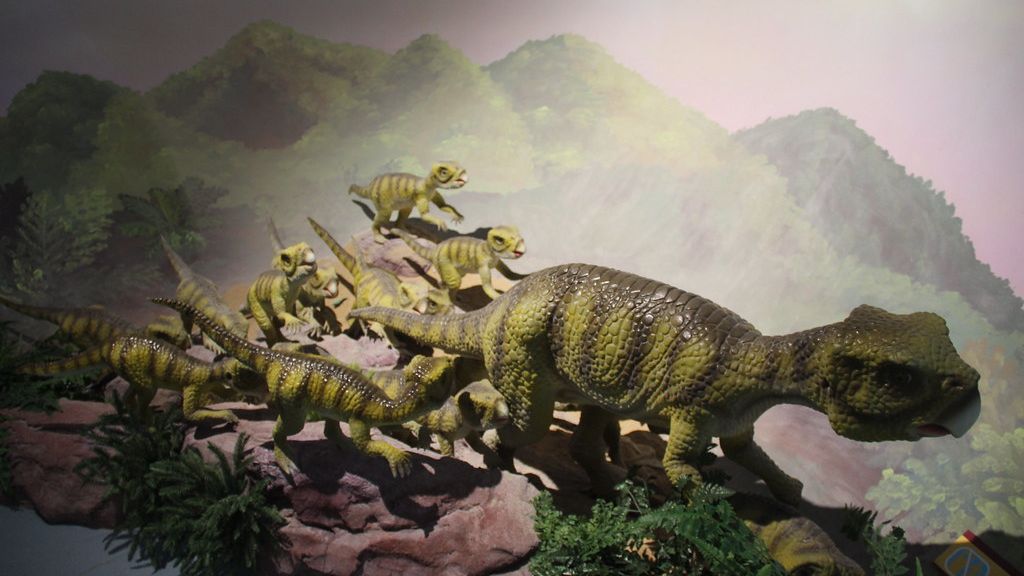
The discovery of embryonic and hatchling remains in a bowl-shaped nest, combined with analysis of their bone structure, suggests that the young were unable to walk. Wear patterns on the hatchling teeth suggest they had been feeding before their untimely demise – a combination that led Jack Horner and Bob Makela to conclude that the nestlings were being fed, presumably by the mother Maiasaura. Think about that for a moment. You are looking at evidence that a 30-foot dinosaur was hand-feeding its babies millions of years before humans existed.
Colonial Nesting: Dinosaurs That Built Nurseries Together
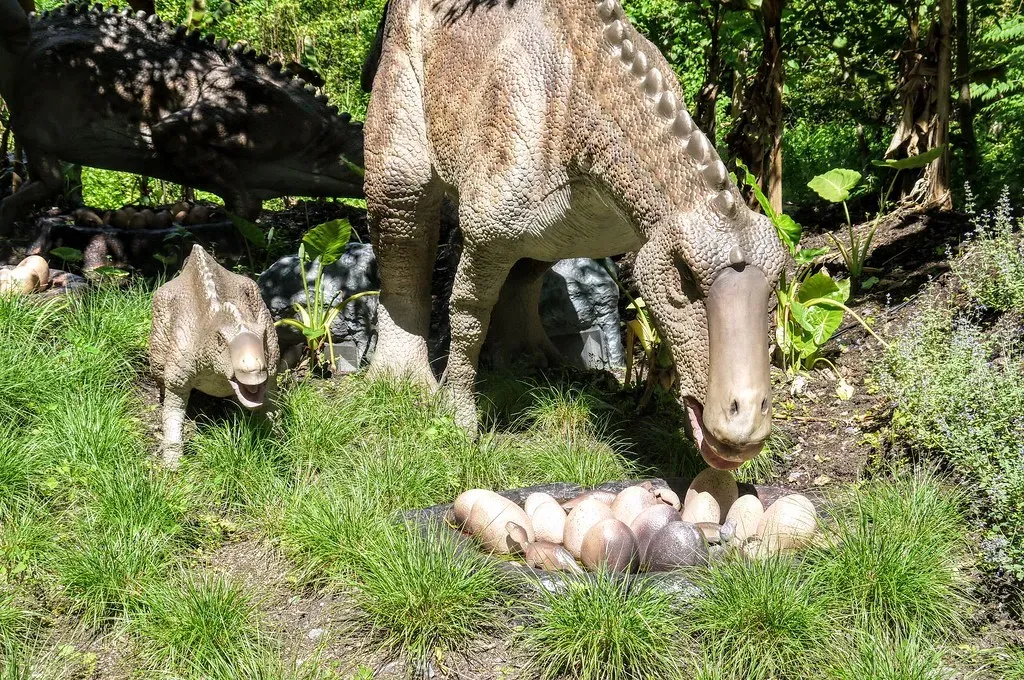
Here is the thing – Maiasaura didn’t just raise its own babies in isolation. The discovery at Egg Mountain indicated that Maiasaura exhibited colonial nesting behavior, where large groups, likely herds, would all nest together in one area. Picture a seabird colony packed on a cliffside, every inch buzzing with activity. That is essentially what was happening on a Cretaceous floodplain roughly 77 million years ago.
The nests in the colonies were packed closely together, like those of modern seabirds, with the gap between the nests being around 7 metres (23 feet) – less than the length of the adult animal. The nests were made of earth and contained 30 to 40 eggs laid in a circular or spiral pattern. The eggs were incubated by rotting vegetation placed into the nest by the parents, rather than an adult sitting on them. That is sophisticated parenting behavior, full stop.
Oviraptor: The Unjustly Accused “Egg Thief” Who Was Actually a Hero Parent
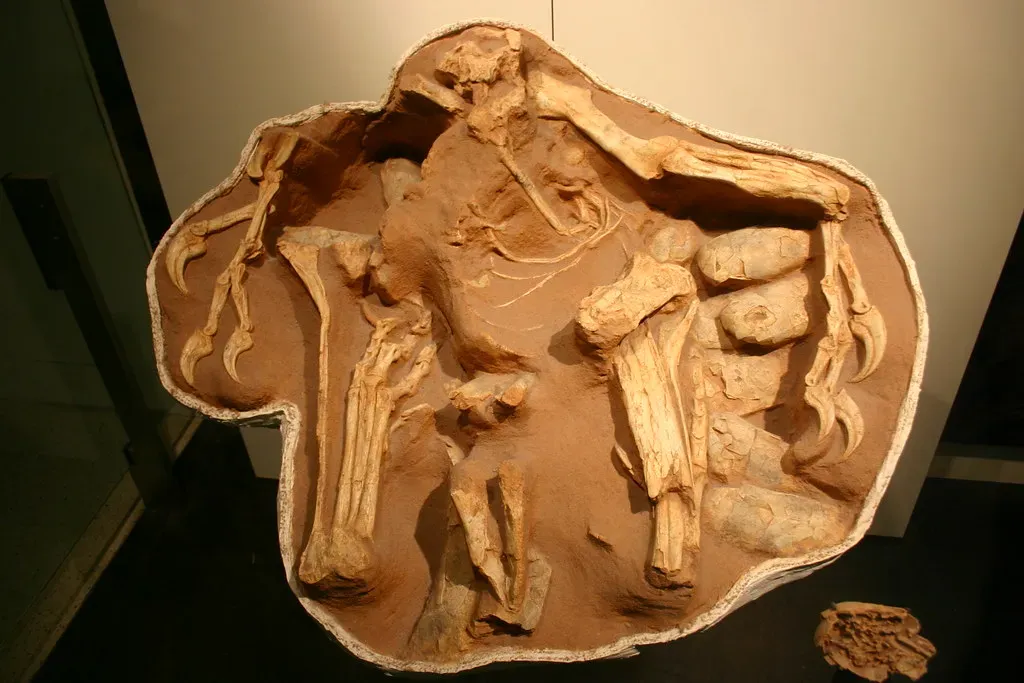
Few stories in paleontology are as dramatic – or as humbling – as the tale of Oviraptor. When first described, Oviraptor was interpreted as an egg-thief given the close association of the holotype with a dinosaur nest. However, findings of numerous oviraptorosaurs in nesting poses demonstrated that this specimen was actually brooding the nest. Moreover, the discovery of remains of a small juvenile or nestling in association with the holotype further supports parental care. A dinosaur spent nearly a century with its good name dragged through the mud for a crime it didn’t commit.
The fossil consists of an incomplete skeleton of a large, presumably adult oviraptorid crouched in a bird-like brooding posture over a clutch of at least 24 eggs. In the specimen, the babies were almost ready to hatch, which tells us beyond a doubt that this oviraptorid had tended its nest for quite a long time. Oxygen isotope analyses indicate that the eggs were incubated at high, bird-like temperatures, adding further support to the hypothesis that the adult perished in the act of brooding its nest. It literally died protecting its eggs. That’s devotion.
Fathers on the Nest: The Surprising Discovery of Dinosaur Paternal Care
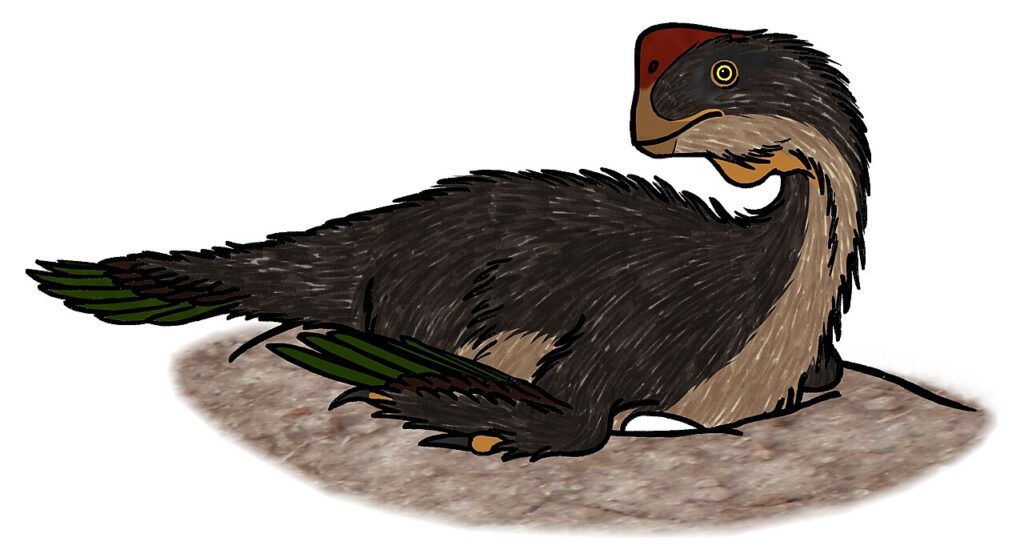
You might assume that maternal care is the default in the animal kingdom, and certainly most people imagine dinosaur mothers doing the heavy lifting. But the science paints a more nuanced picture. In comparison to four archosaur care regressions, the relatively large clutch volumes of Troodon, Oviraptor, and Citipati scale most closely with a bird-paternal care model. Clutch-associated adults lack the maternal and reproductively associated histologic features common to extant archosaurs. Large clutch volumes and a suite of reproductive features shared only with birds favor paternal care, possibly within a polygamous mating system. Paternal care in both troodontids and oviraptorids indicates that this care system evolved before the emergence of birds.
The sex of the fossilized parent in one remarkable oviraptor fossil may have been male, which suggests the father might have also taken part in brooding, similar to ostrich mothers and fathers who take turns incubating their young. The idea matches other analyses of theropod nests, which suggest some level of paternal care. It’s hard to say for sure how common this was across all species, but the evidence is compelling enough that it has fundamentally changed how scientists think about dinosaur family structures.
The Lufengosaurus Discovery: Parental Feeding Goes Back 190 Million Years
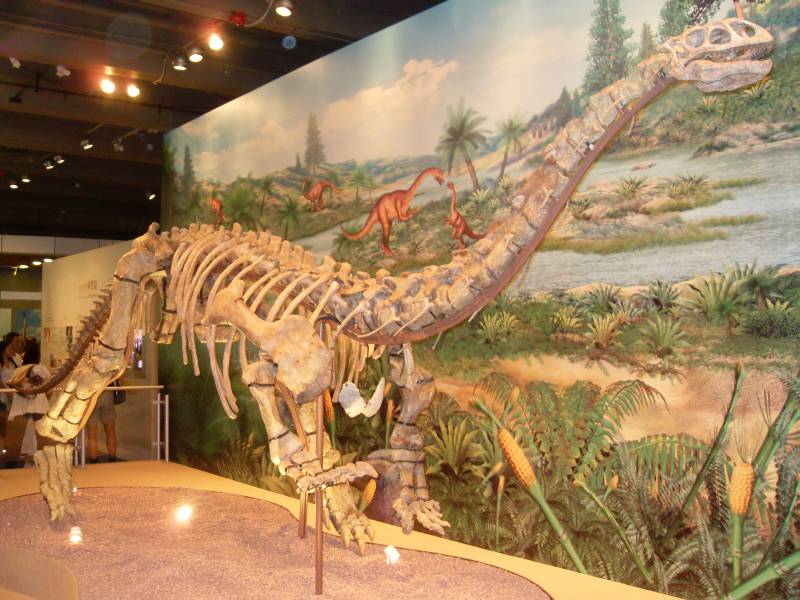
Most famous parenting discoveries in dinosaurs focus on the Late Cretaceous, but one remarkable find pushes the story much further back in time. Research comparing embryonic and hatchling bones of the Early Jurassic sauropodomorph Lufengosaurus found that the rate and degree of bone development in Lufengosaurus is closer to that of the highly altricial Columba (pigeon) than the precocious Gallus (chicken), providing strong support for the hypothesis that Lufengosaurus was fully altricial. The limb bones of Lufengosaurus hatchlings were not strong enough to forage for themselves and would likely need parental feeding.
This means that a baby Lufengosaurus couldn’t just start exploring its environment as soon as it hatched. It very probably needed its parents to bring it food and keep it safe until its bones became strong enough to let it run off into the world. Think of it like a prehistoric pigeon chick – completely helpless, completely dependent, and entirely reliant on adults to survive. This pushes confirmed evidence of parental feeding in dinosaurs back into the Early Jurassic, over 190 million years ago.
Herding 193 Million Years Ago: The Oldest Evidence of Dinosaur Social Life
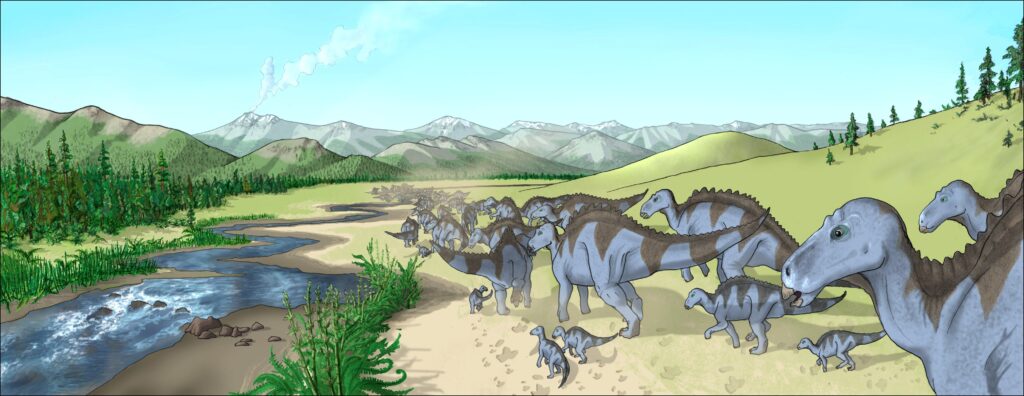
Let’s be real – the idea of dinosaurs organizing themselves into complex social herds sounds like something out of a nature documentary about elephants or wildebeest. Yet that’s exactly what the fossil record from Patagonia suggests. An exceptional fossil occurrence from Patagonia includes over 100 eggs and skeletal specimens of 80 individuals of the early sauropodomorph Mussaurus patagonicus, ranging from embryos to fully-grown adults, with an Early Jurassic age as determined by high-precision U–Pb zircon geochronology.
Researchers from MIT, Argentina, and South Africa say Mussaurus patagonicus may have lived in herds as early as 193 million years ago – 40 million years earlier than other records of dinosaur herding. These discoveries indicate the presence of social cohesion throughout life and age-segregation within a herd structure, in addition to colonial nesting behaviour – providing the earliest evidence of complex social behaviour in Dinosauria, predating previous records by at least 40 million years. This is not a modest finding. This is a complete rewriting of the timeline.
Age-Segregated Groups: Dinosaurs Sorted Their Young Like a School System
One of the most quietly astonishing things about Mussaurus and related species is not just that they lived in herds, but how those herds were organized. Evidence suggests that Mussaurus optimized foraging potentials during the early Jurassic via age-based social partitioning – neonates, juveniles, and adults apparently foraged, and perished, in age-based groups. It’s almost like a school system: the babies together, the teenagers together, the adults doing the adult work. Remarkably modern.
The results point to herd-like behavior among the dinosaurs, where the adults likely foraged for food and collectively helped raise the younger ones, which grouped together in schools. After baby dinosaurs left the nest, they at least seem to have travelled together. Packs and herds of baby ankylosaurids, ceratopsians, and ornithomimosaurs are known – in at least the case of the ceratopsian Psittacosaurus and the ornithomimosaur Sinornithomimus, these herds can include individuals of different ages, including adults. You are essentially looking at a multigenerational community structure.
The Sauropod Paradox: Giants That Laid and Left
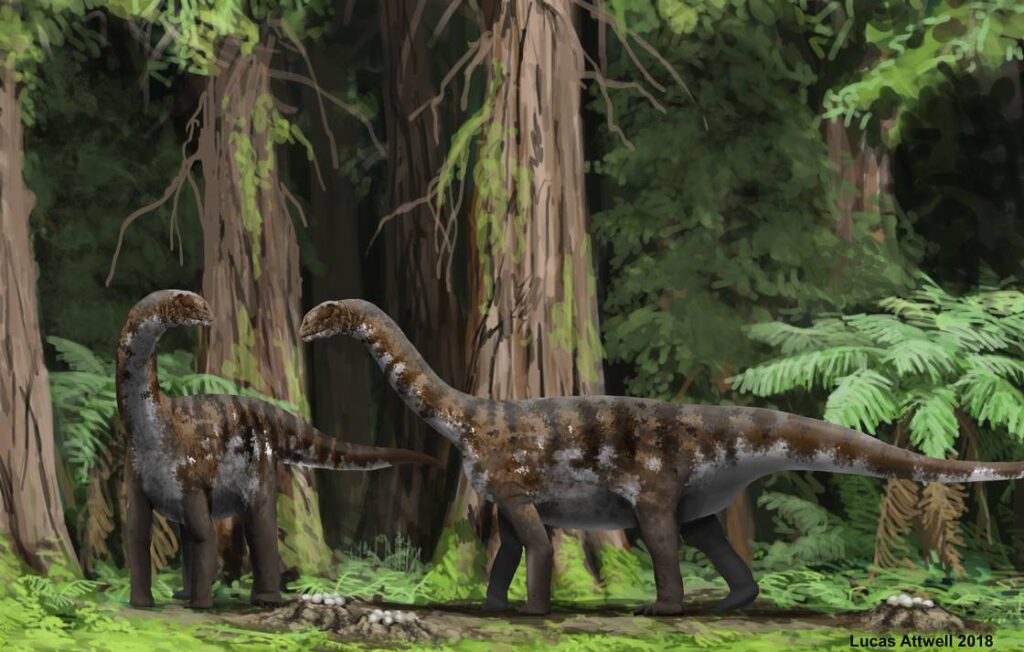
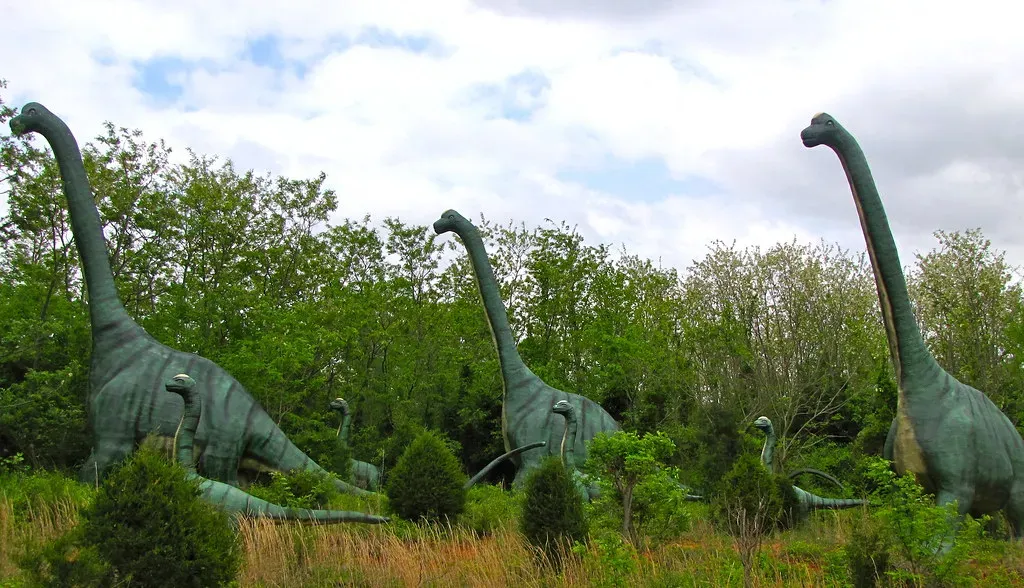
Not every dinosaur was a devoted parent. Honestly, it’s important to note that parenting strategies varied enormously across species – just as they do today. For some groups, like sauropods, there is no evidence of post-laying care. Sauropods include the long-necked giants like Apatosaurus and Brachiosaurus. Paleontologists have found their expansive nesting grounds, including some sites where dinosaurs laid eggs in areas that were warm with geothermal activity, perhaps to incubate the offspring – but researchers have no evidence that the parents stuck around.
Some dinosaur groups, such as the long-necked sauropods, laid small eggs en masse and buried them, leaving them behind like sea turtles. Eumaniraptorans’ eggs, however, are relatively bigger and were laid only a few at a time. In some fossil egg clusters, the eggs are visibly paired off – a sign that they were laid more slowly. The contrast is stark. You have one group raising their young like devoted birds, and another pumping out eggs by the dozen and walking away like turtles. Same planet, same era, wildly different parenting philosophies.
Dinosaur Parenting Shaped Entire Ecosystems
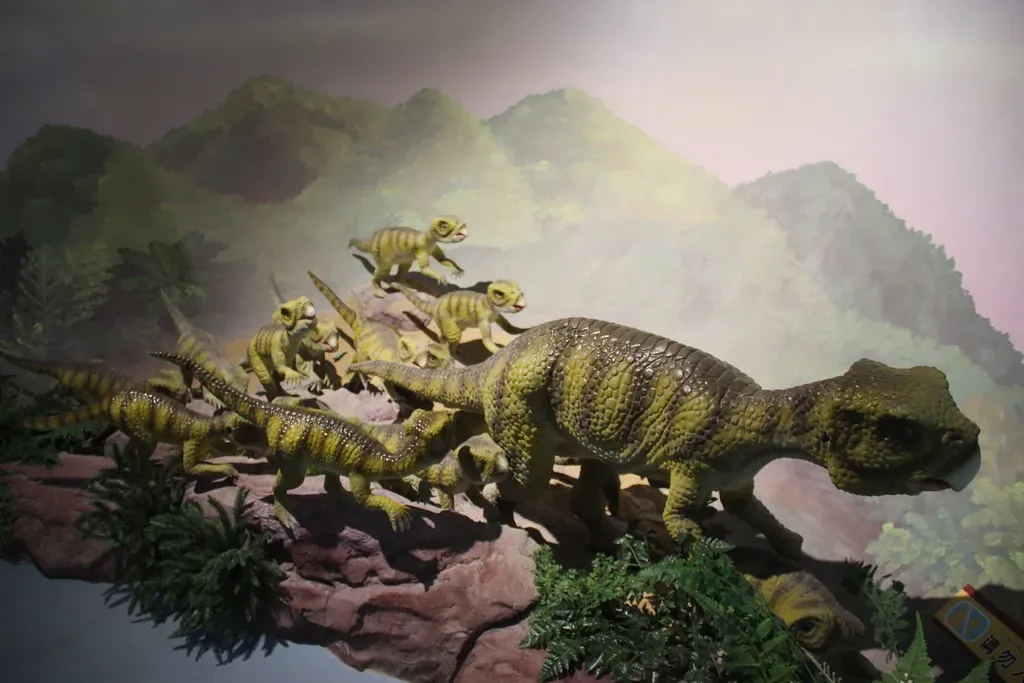
Perhaps the most mind-expanding discovery of all is not just that dinosaurs were caring parents, but that their parenting strategy – or lack thereof – may have literally shaped the ancient world around them. Research published in the Italian Journal of Geosciences reveals that scientists may have missed something important when comparing ancient dinosaurs with modern mammals. While dinosaurs did provide some parental care, young dinosaurs were relatively independent. After just a few short months or a year, juvenile dinosaurs left their parents and roamed alone, watching out for each other.
Crocodilians, some of the closest living analogs for dinosaurs, guard nests and protect hatchlings for a limited period, but within a few months, juveniles disperse and live independently, taking years to reach adult size. This “free-range” approach meant that young dinosaurs were essentially operating as their own ecological force, occupying different niches from their parents. Young plant-eaters could live in ecosystems their massive parents couldn’t access, diversifying the whole food web. The implications are staggering – dinosaur parenting strategies didn’t just affect families. They structured entire Mesozoic worlds.
Conclusion
What you’ve just read is not a minor footnote in natural history. It’s a full-scale revolution in how we understand some of the most iconic creatures to ever walk the Earth. Dinosaurs were not the brainless, solitary reptiles of old Hollywood films. You now know they fed their helpless young, brooded on their eggs like birds, organized themselves into age-segregated herds, and may have even shaped entire ancient ecosystems through their parenting choices.
From Maiasaura’s remarkable Montana nursery to the devoted Oviraptor that died shielding its unhatched eggs from a sandstorm, the evidence is both scientifically compelling and deeply human in feeling. Every new fossil find adds another layer to this story, and there is little doubt that future discoveries will surprise us all over again.
So here is something worth sitting with: if creatures that existed 190 million years ago were already building social structures, protecting their young, and organizing communities – what does that tell you about the nature of life itself? What would you have guessed about dinosaur family life before reading this?