Sasan Gir, Gujarat – Nestled in the arid folds of the Saurashtra peninsula, Gir National Park stands as the last stronghold for the Asiatic lion on Earth. Travelers arrive here drawn by tales of majestic prides roaming ancient forests, yet the true allure lies in the patient vigil amid pre-dawn chill and whispering scrublands. This sanctuary, spanning over 1,400 square kilometers of dry deciduous woodland and rocky terrain, offers glimpses into a conservation story that transformed near extinction into a thriving population.
A Legacy of Survival
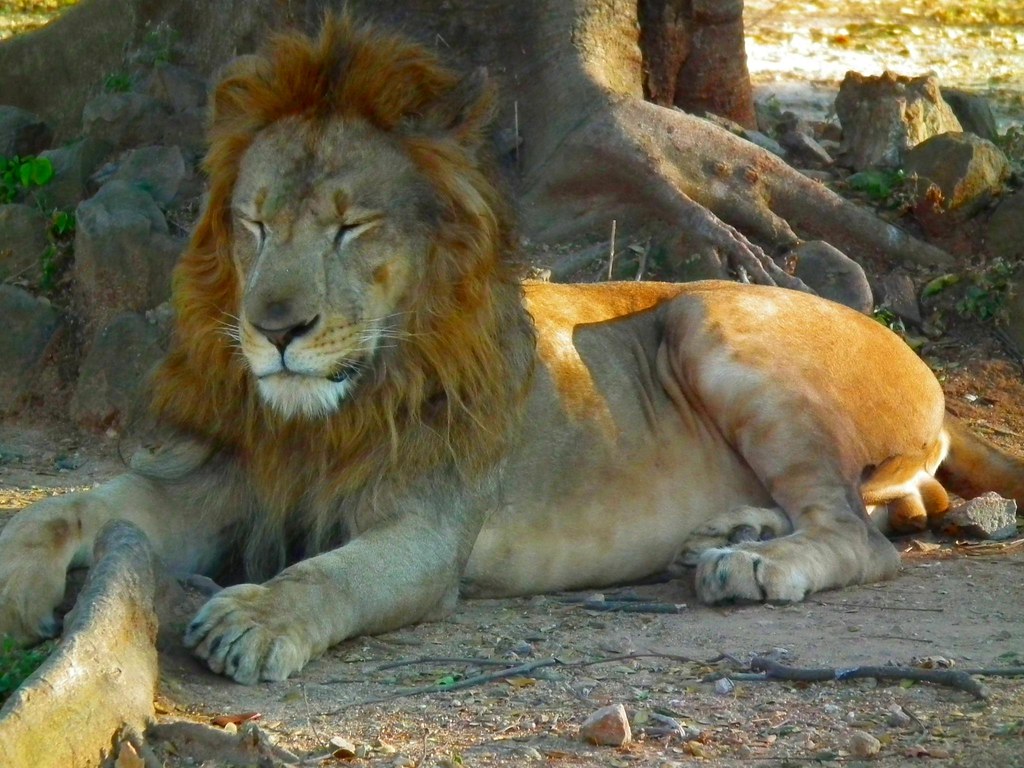
A Legacy of Survival (Image Credits: Flickr)
Conservation efforts in Gir trace back to the late 19th century, when fewer than a dozen Asiatic lions clung to survival amid relentless hunting. State protection turned the tide, allowing the population to rebound dramatically. Today, more than 600 lions share the landscape with leopards, hyenas, crocodiles, sambar deer, chital, and diverse birdlife.
Visitors first sense this revival during early morning hikes along the park’s fringes. Fresh pugmarks in the dust signal recent passages by the park’s apex predators. Naturalists guide these walks, pointing out subtle signs of life in the underbrush and explaining the delicate balance that sustains the ecosystem.
Sustainable Retreats Amid the Orchard
On the park’s periphery, eco-resorts like Woods at Sasan blend seamlessly into an eight-acre mango orchard. Developed by hotelier Maulik Bhagat and architect Maria Portella, the property features 38 private stone cottages crafted from local materials such as lime plaster, reclaimed wood, and terracotta. No trees fell during construction, preserving the orchard’s integrity while thick walls and natural ventilation ensure comfort without excess concrete or plastic.
French restaurateur Laurent Guiraud oversees operations, emphasizing a biophilic approach built on three pillars: culture, community, and well-being. Local villagers staff the retreat, and artisans contributed to its build. Guiraud noted, “We want to bring more than we take into the ecosystem.” Nights under unpolluted skies reveal sharp constellations, enhancing the sense of immersion in natural rhythms.
Dawn Drives into the Unknown
Safaris commence before first light at the Gir Interpretation Centre, where tourists cluster amid bronze lion statues as authorized jeeps depart into blackness. Headlights pierce dense canopy, tires crunching over dry leaves that echo through the stillness. Initial confidence in sightings fades as the forest’s vastness unfolds, with fleeting eyes glowing in the brush heightening anticipation.
Relief arrives swiftly. Within 20 minutes, one jeep halts before three lions sprawled across the track: a semi-adult male with emerging mane flanked by two satiated females. They regard the intrusion with lazy blinks before resuming their rest. As sunlight filters in, spotted deer emerge, their markings catching the glow, while grasslands and acacia thickets diversify the scenery.
Patience at the Water’s Edge
Deeper into the drive, vehicles converge at clearings for brief respites, but rumors of prime sightings spur onward movement. Naturalist Akash Ahir, ever optimistic, steers toward a shallow watering hole ringed by bushes. Other jeeps depart, yet his group persists. Ahir remarked, “Safari is a waiting game. The people who wait the longest usually win.”
Reward follows: first one lion, then others materialize until eight gather – six playful cubs jostling under the watchful eyes of two adult females. They drink in unison, tails flicking, oblivious to observers mere meters away. This pride descends from legendary males named Jai and Veeru. The cubs’ energy contrasts the adults’ poise, underscoring the forest’s vibrant continuity before the group melts back into cover.
- Pre-dawn departures maximize quiet encounters.
- Fresh tracks reveal recent lion activity.
- Watering holes demand the steadiest patience.
- Diverse habitats host chital, birds, and more.
- Guides like Ahir unlock ecological insights.
Experiences in Gir remind us that true wildlife encounters demand humility before nature’s pace. Conservation thrives here through protected habitats and mindful tourism, ensuring Asiatic lions endure. What draws you to such wild frontiers? Share your thoughts in the comments.
Key Takeaways
- Gir hosts over 600 Asiatic lions, up from a dozen in the 1800s.[1]
- Eco-resorts prioritize local materials and community involvement.
- Safaris reward persistence with rare pride sightings.