For most of the 20th century, dinosaurs were imagined as solitary, slow-witted reptiles – territorial brutes wandering ancient landscapes alone. It’s a picture that blockbuster films enthusiastically reinforced. Honestly, it made for great cinema. Yet the more paleontologists dig, quite literally, the more that outdated image crumbles into the dust.
Through most of the 20th century, before birds were recognized as dinosaurs, most of the scientific community believed dinosaurs to have been sluggish and cold-blooded. Most research conducted since the 1970s, however, has indicated that dinosaurs were active animals with elevated metabolisms and numerous adaptations for social interaction. From multigenerational herds to elaborate parental care and even cross-species cooperation, what is emerging from the fossil record is nothing short of remarkable. Let’s dive in.
The Earliest Known Herds: Social Life at the Dawn of the Jurassic
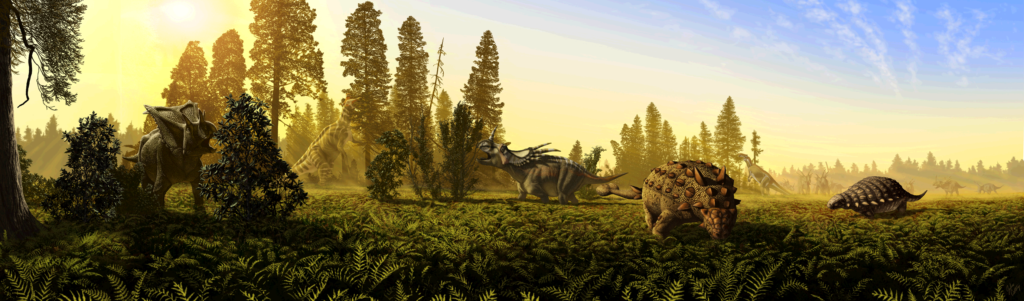
Researchers from MIT, Argentina, and South Africa have detailed the discovery of an exceptionally preserved group of early dinosaurs that shows signs of complex herd behavior as early as 193 million years ago – 40 million years earlier than other records of dinosaur herding. That is a staggering timeline. To put it in perspective, 40 million years is roughly twice as long as humans and our primate ancestors have been on Earth.
An exceptional fossil occurrence from Patagonia includes over 100 eggs and skeletal specimens of 80 individuals of the early sauropodomorph Mussaurus patagonicus, ranging from embryos to fully-grown adults, with an Early Jurassic age as determined by high-precision U-Pb zircon geochronology. Most specimens were found in a restricted area and stratigraphic interval, with some articulated skeletons grouped in clusters of individuals of approximately the same age. That kind of grouping, separated so clearly by age, is not random. It screams organization.
Age-Segregated Herds: Young Together, Adults Apart
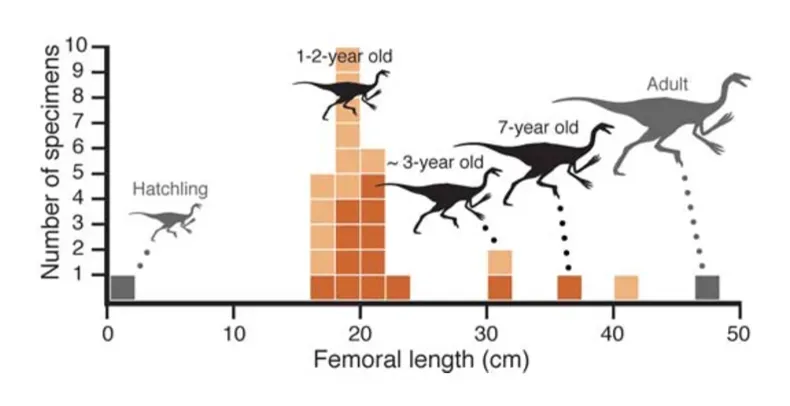
New discoveries indicate the presence of social cohesion throughout life and age-segregation within a herd structure, in addition to colonial nesting behaviour. These findings provide the earliest evidence of complex social behaviour in Dinosauria, predating previous records by at least 40 million years. Think of it like an ancient school system, where younger animals stayed in peer groups while adults handled the heavier responsibilities of food and protection.
A growing body of evidence hints that dinosaurs were not wholly solitary or gregarious over the course of their lives, but rather behaved differently at different ages. A new study of the hadrosaur Hypacrosaurus underscores the shift in our understanding. Published in Palaeogeography, Palaeoclimatology, Palaeoecology, the study focused on Hypacrosaurus bonebeds in Montana and Alberta for insight into the social lives of the dinosaurs. The age and the distribution of the bones indicates that Hypacrosaurus stayed in juvenile herds until they were about 4 years old, at which time they joined multigenerational herds. You see the same pattern today in elephants and certain species of deer. Apparently, that behavioral playbook is ancient.
Mixed-Species Herding: Stranger Than Fiction
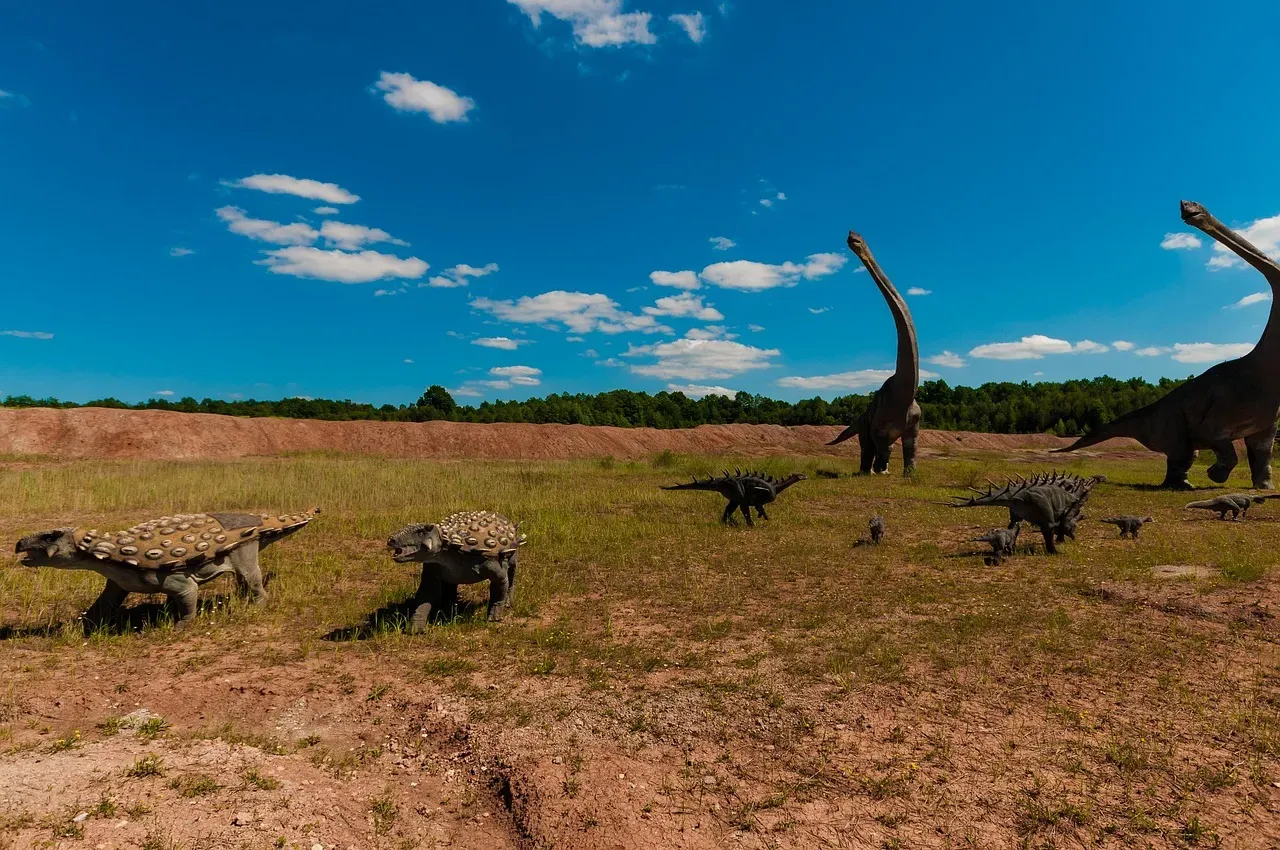
Here is where things get genuinely exciting. It was one thing to discover that dinosaurs of the same species lived together. It is another thing entirely to find evidence they traveled in groups with completely different species. The discovery, made during an international field course in July 2024, includes footprints from multiple dinosaur species walking alongside each other, providing the first evidence of mixed-species herding behaviour in dinosaurs, similar to how modern wildebeest and zebra travel together on the African plains.
Researchers were also surprised to find the tracks of two large tyrannosaurs walking side-by-side and perpendicular to the herd, raising the prospect that the multispecies herding may have been a defence strategy against common apex predators. Let that sink in. Different dinosaur species may have chosen to travel together specifically because predators were lurking nearby. The 76-million-year-old trackways offer a rare glimpse into the social lives of these ancient reptiles. That kind of inter-species coordination reflects a level of social awareness nobody was expecting.
Parental Care: Dinosaurs as Devoted Parents
Even the most terrifying dinosaurs could have had a softer side when it came to putting in time and effort for their young. For millions of years, parents across the animal kingdom have cared for their eggs and young, providing both time and resources, sometimes to their own detriment. Dinosaurs were no exception.
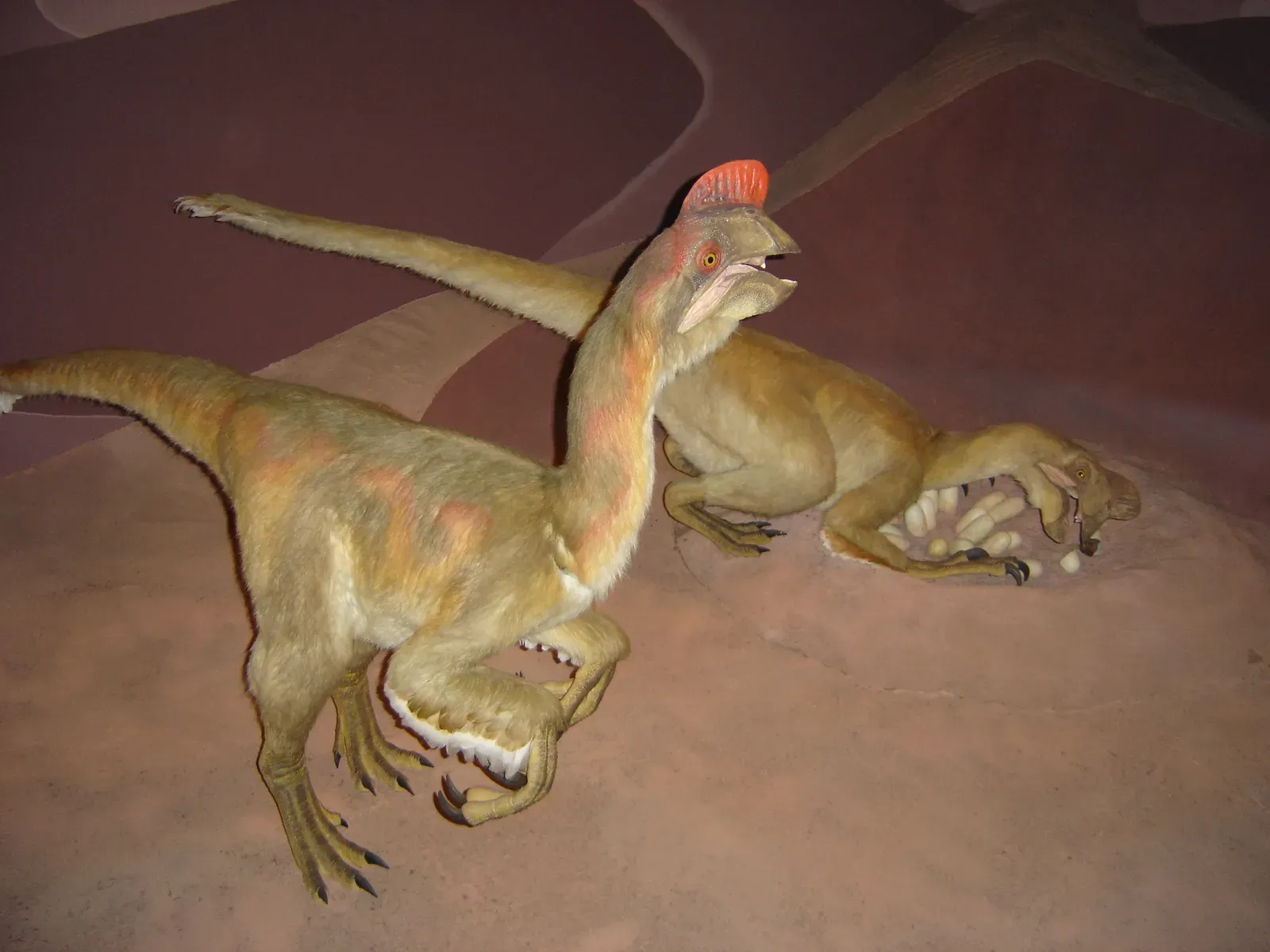
The Citipati osmolskae fossil dubbed ‘Big Mama’ was a discovery that provided substantial evidence for how dinosaurs behaved with their eggs. ‘Big Mama’ is a 75-million-year-old oviraptorid that was uncovered brooding on, meaning sitting on top of, a nest of eggs. This is not a subtle hint. The dinosaur was caught in the act, curled up on its nest. It could have been caught up in a sandstorm or a mudslide and was buried with its eggs, and that is definitely protective behaviour to the detriment of the parent. Dying to protect your offspring is as unambiguous a sign of parental devotion as you can find in the fossil record.
Crests, Frills, and the Language of Bones
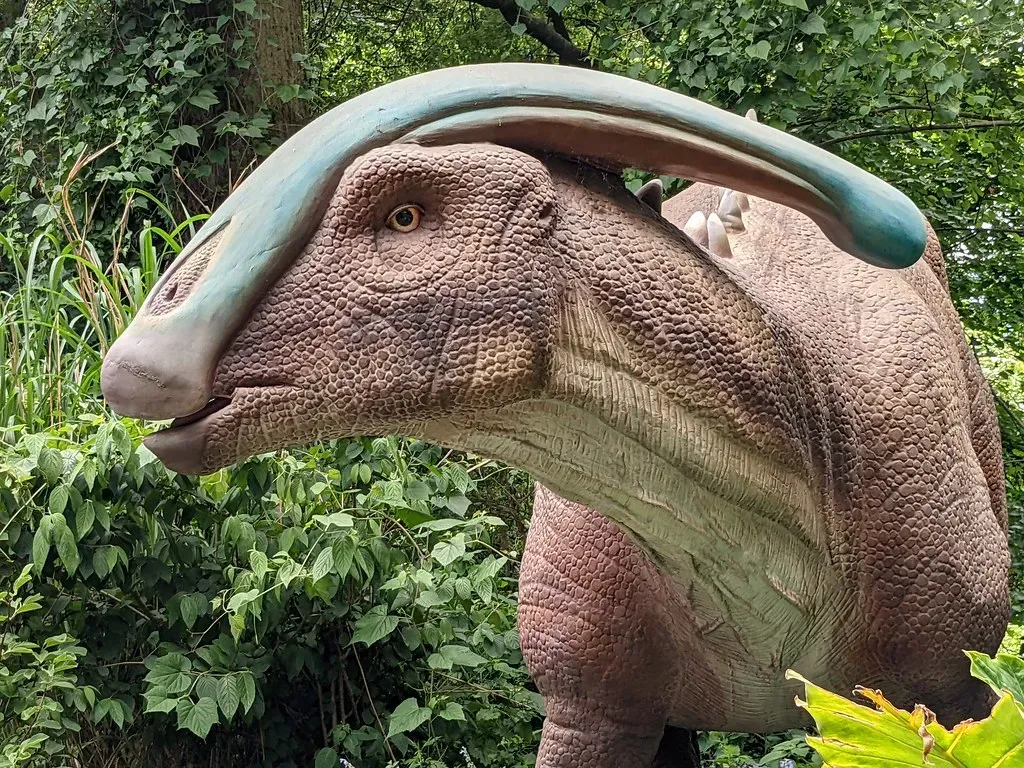
Modern birds communicate by visual and auditory signals, and the wide diversity of visual display structures among fossil dinosaur groups, such as horns, frills, crests, sails, and feathers, suggests that visual communication has always been important in dinosaur biology. When you see a peacock fanning its tail, you instinctively understand what is happening. Paleontologists believe similar forces were at work in ancient dinosaur societies.
Physical features such as crests, frills, and horns played a significant role in signaling dominance, age, or attracting potential mates. These visual displays were designed to catch the attention and interest of others, either as a form of courtship or as a means of intimidation towards rivals. Meanwhile, computer models and reconstructions of Parasaurolophus crests indicate they could have produced low-frequency sounds in the range of 30 to 300 Hz, potentially allowing these dinosaurs to communicate over long distances through forested environments. Each species’ unique crest shape would have created a distinctive sound, potentially enabling individuals to recognize members of their species even before visual contact. It is hard not to be completely amazed by that.
Colonial Nesting and the Evolution of Social Advantage
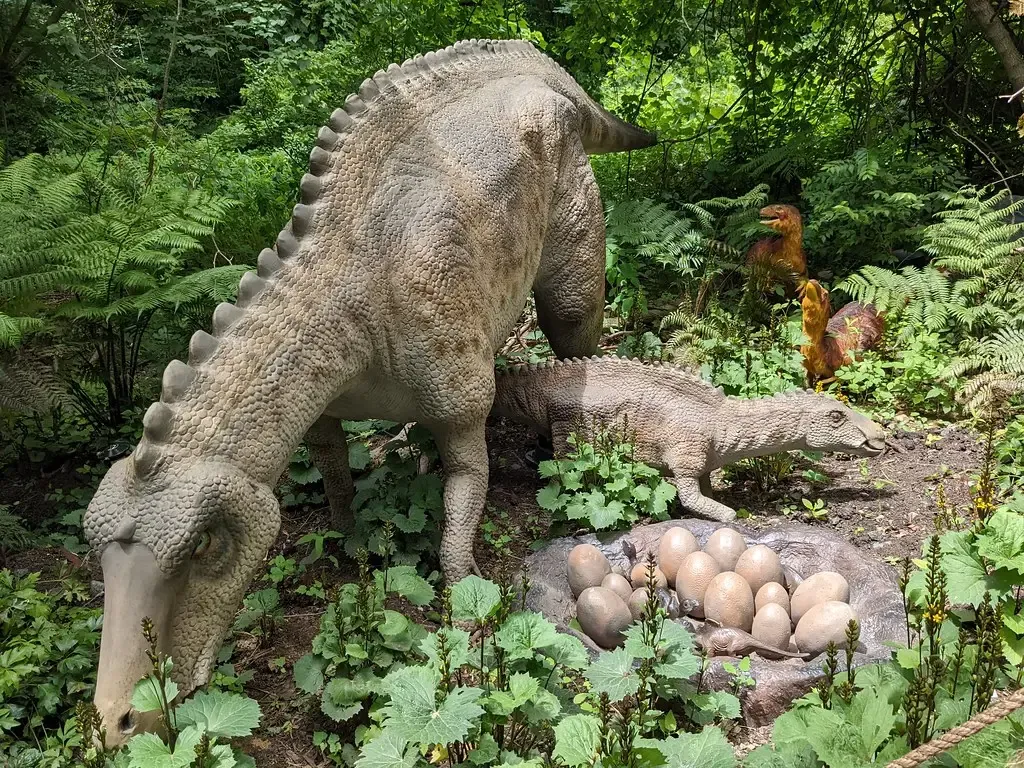
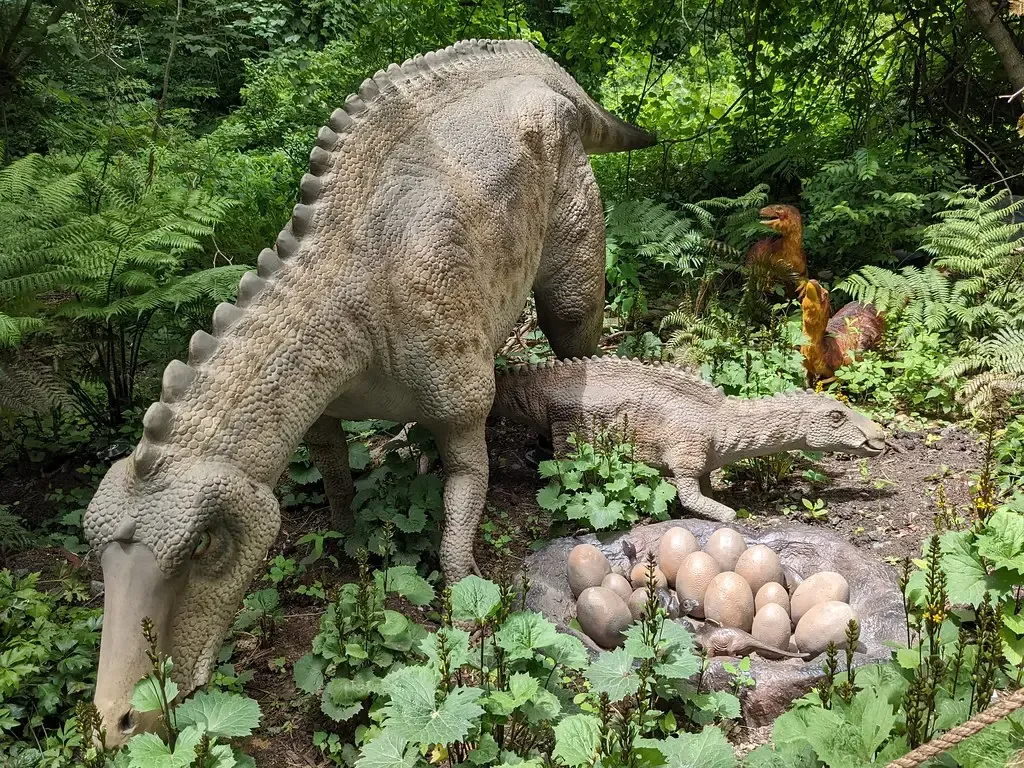
The fossils of the duck-billed dinosaur Maiasaura indicate these animals nested in groups and cared for their young, discoveries which helped shift the public and scientific perception of dinosaurs and their behavioral complexity. That shift has only accelerated since then. Maiasaura, whose name literally translates to “good mother lizard,” became a symbol of a broader scientific revolution in how we understand these animals.
The exceptional case of Mussaurus, in which data shows herd behaviour and age-segregation structure, indicates sociality may have influenced the early success of the first global radiation of large-bodied herbivorous dinosaurs. In other words, living together may have been one of the key reasons certain dinosaur lineages survived and thrived for so long. Herding behavior could have protected tiny hatchlings from predation until they grew up. Plus, living in herds might have allowed species to collectively find more food to fuel their large bodies. That is basic evolutionary logic, and it apparently worked spectacularly well for hundreds of millions of years.
Conclusion
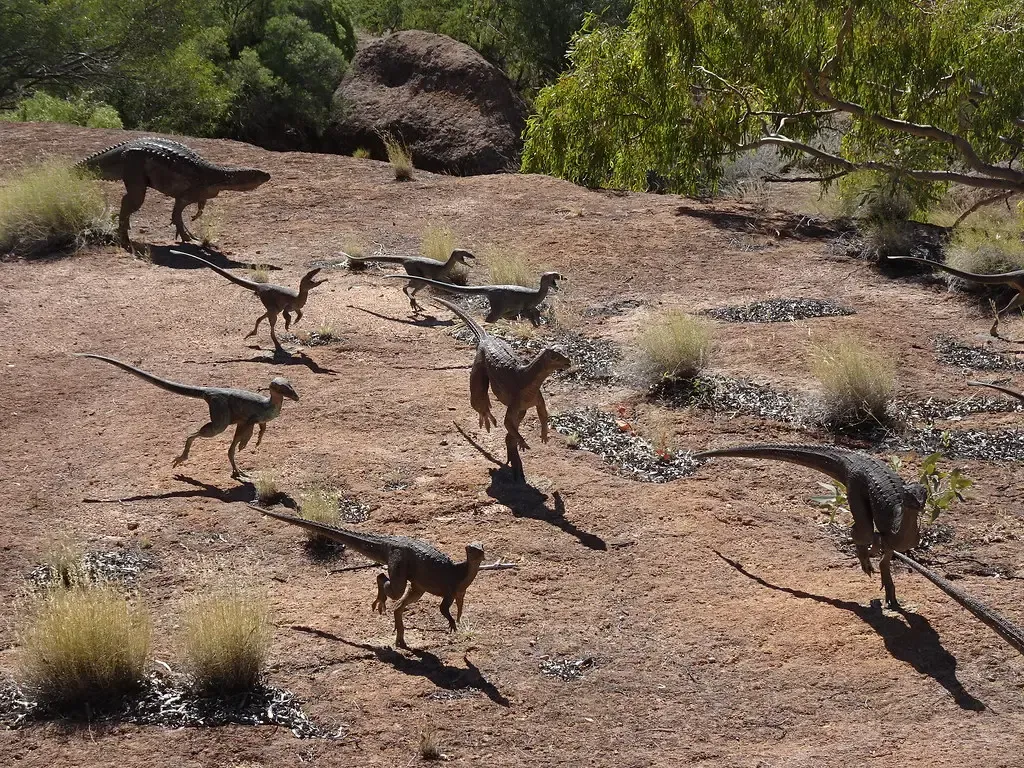
What we are uncovering about dinosaur social behavior fundamentally reshapes our understanding of these extraordinary animals. They were not the solitary monsters of old movies and childhood imaginations. They were social creatures, capable of age-based group organization, parental devotion, long-distance communication, and even cross-species cooperation. The evidence is piling up, fossil site by fossil site, trackway by trackway.
Paleontologists have been fascinated by dinosaur social lives for decades. Despite the interest, however, direct evidence on whether dinosaurs lived by themselves or in social groups has been difficult to obtain. That is slowly changing, and every new excavation has the potential to rewrite the story further. The picture being pieced together is richer, more nuanced, and far more compelling than anything Hollywood ever imagined. So the next time you look at a fossilized dinosaur bone in a museum, think of it not as the skeleton of a solitary giant, but as a member of a community. What other secrets do you think are still waiting underground?